
중국과 국제무역체제에 대한 불편한 진실 [드와이트 퍼킨스]
제2차 세계대전 이후 구축된 세계 자유무역 체제는 오랫동안 다양한 요인으로부터 위협을 받아왔다. 트럼프 대통령의 관세 정책에 대한 집착은 자유무역 체제를 흔들고 있으며, 장기적으로 볼 때 이에 못지않게 중요한 것은 북미 지역뿐만 아니라 유럽연합(EU)에서도 중국의 역할에 대한 비판이 점점 거세지고 있다는 점이다. 비판론자들은 중국이 자국 수출을 촉진하기 위해 대규모 보조금 정책을 시행하고 위안화를 저평가하며, 지식재산권을 존중하지 않는 등 세계 무역질서를 교란하고 있다고 본다. 하지만 이러한 비판은 최근에 제기된 것이 아닐 뿐만 아니라, 상당수는 중국에만 국한되는 것도 아니다. 수십 년 전 일본의 수출이 급격히 증가하던 시기에도, 미국은 엔화가 저평가됐으며 일본이 수입을 제한하기 위해 ‘알루미늄 야구 방망이가 위험하다’는 등 규제정책을 교묘하게 이용했다고 일본의 무역 관행을 비판한 바 있다. 거의 25년 전, 오늘날과는 달리 국제사회는 중국을 세계무역기구(WTO)의 새로운 회원국으로
2025.04.02 11:00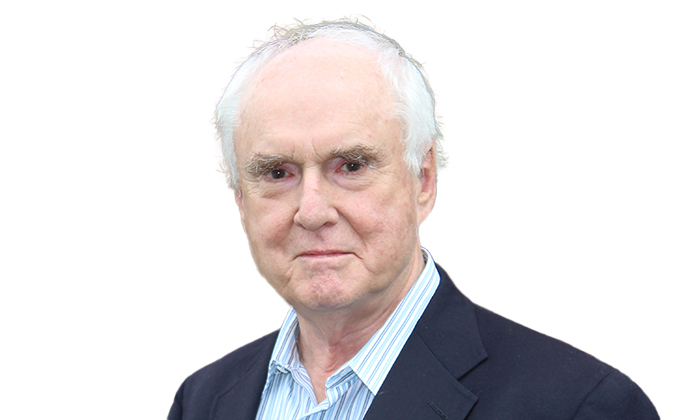
AI기술, 이제 ‘사치재’가 아니다[마이클 얼리슨]
AI 학습의 새로운 패러다임 수년간 인공지능(AI) 연구는 오픈AI, 구글 딥마인드(DeepMind), 앤트로픽(Anthropic) 등 서구권 빅테크 기업들이 주도해 왔다. 그러나 최근 등장한 딥시크(DeepSeek)는 AI 개발 경쟁의 판도를 바꿀 중요한 전환점으로 보인다. 단순한 거대 언어 모델(LLM)을 넘어, 기존의 통념을 깨는 학습 방식을 제시하며 글로벌 AI 기술의 기준을 새로 쓰려 하고 있다. 딥시크가 놀라운 이유는 성능이 아니라 설계에 있다. 오픈AI의 모델이 방대한 데이터, 사람의 검토, 정교한 강화 학습에 의존하는 반면, 딥시크는 복잡한 절차를 생략하고, 간단하면서도 효율적인 전략을 택했다. 이 방식이 널리 적용된다면, 기존AI의 근본적인 개념이 흔들릴 수 있다. 지나치게 복잡했던 AI 학습, 돌파구가 열릴까? 지난 10년간 AI 발전은 정해진 공식을 따라왔다. 더 큰 모델, 더 많은 데이터, 더 강력한 연산 자원을 투입하는 이른바 ‘물량 공세’다. 물론 효과는 있
2025.03.27 11:06
핵심 광물·지정학·통제권을 둘러싼 경쟁 [아딧야 신하]
2010년 9월, 센카쿠 열도 인근에서 일본 해상보안청 순시선과 중국 어선이 충돌하는 사건으로 현대 권력의 본질이 적나라하게 드러났다. 사건 이후 불과 몇 주 만에 전 세계 주요 희토류 공급국인 중국이 핵심 광물에 대한 일본의 접근을 차단한 것으로 추정되며, 이는 글로벌 공급망 전반에 충격으로 작용했다. 이것이 의도적인 경제적 압박이었는지, 아니면 불투명한 수출 정책의 자연스러운 결과였는지는 중요한 논점이 아니다. 이 사건이 보여주는 보다 근본적인 현실은, 21세기 권력의 기반은 군사력이나 재정력에 국한되지 않는다는 것이다. 권력은 기술 문명의 동력인 원소들의 통제권이라는 물질적 요소에도 깊이 내재돼 있다. 리튬, 코발트, 희토류는 단순한 원자재 그 이상이다. 이제는 산업과 국가의 운명을 결정짓는 영향력의 새로운 수단인 것이다. 아시아는 글로벌 제조업의 중심지임에도 공급망 집중화 현상에 휘말리며 지질학과 지정학이 교차하는 불안정한 게임 속에 갇혀 있다. 핵심 광물을 확보하는 문제는
2025.03.21 11:22
트럼프의 폭주, 과학의 위기 [프랭크 파스퀘일]
미국의 IT매거진 편집장이었던 크리스 앤더슨(Chris Anderson)은 2008년에 “이론의 종말(End of Theory): 데이터 홍수로 인해 과학적 기법은 구식이 됐다”는 글을 출간했다. 현재의 AI시대를 예견한 이 잡지 기사는 이례적으로 학계에서 뜨거운 논쟁을 불러일으켰다. 앤더슨의 가설은 단순명료했다. ‘빅데이터(big data)‘ 시대에는 사물의 궁극적인 원인을 찾고자 하는 과학적 탐구가 시대에 뒤처지게 된다는 것이었다. 그리고 과학적 탐구 대신에 우리가 겪고 있는 문제에 대한 데이터를 쏟아붓고, 기계를 점진적으로 더 나은 결과로 이어지는 행동 경로를 식별하도록 학습시키면 된다. 그 과정에서 기계(또는 기계의 프로그래머)가 그러한 식별의 역할을 실제로 이해하는 지의 여부는 부차적인 문제일 뿐이다. 구글 연구진이 말하는 ’데이터의 놀라운 효율성(unreasonable effectiveness of data)’이 모든 것을 지배하게 될 것이라는 관점이다. 2025년 현재
2025.03.19 13:11
Trump’s Topsy-Turvy World [Barry Eichengreen]
Berkeley - Last November, I wrote in the Korea Herald of the implications for South Korea of Donald Trump’s victory at the polls. At the time, predictions of the likely actions of President Trump were, necessarily, speculative. Did Trump mean what he said about tariffs? Might he consider another diplomatic opening to North Korea? We have now had a bit less than two months of Trump in office. Some of his early actions are in line with predictions. But others are startling departures. They pose ch
2025.03.13 11:41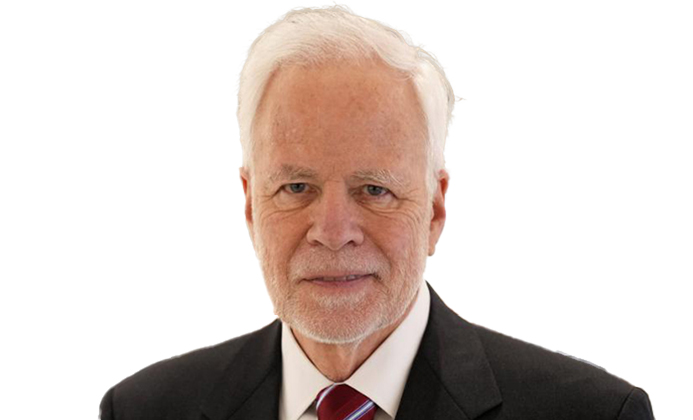
Europe must revive its economy and strengthen cooperation with trusted partners like Korea[Christophe André]
Although geopolitical rivalries are increasingly fragmenting the world economy, interdependences remain strong and building economic strength and resilience implies cooperation with trusted partners. Korea and the EU are both committed to a multilateral rules-based trading system. Their economic relations have strengthened since their free trade agreement entered into force in 2011 and have potential to develop further. The EU accounted for about 10% of Korean exports in 2024, behind China and t
2025.03.10 11:04
Korea’s Digital Gamble:Will New Tech Rules Hurt Innovation and Help China?[Robert D. Atkinson]
South Korea is on the verge of making a costly mistake by copying Europe’s misguided digital competition regulations. The Korean government’s proposed competition rules for major internet platforms misunderstand how digital markets function and would actually hurt Korean consumers’ online experience. Even worse, by unfairly penalizing large American technology companies, these policies risk provoking President Trump, who is already looking for excuses to slap tariffs on adversaries and allies al
2025.03.04 11:02
China–and not the rest of Asia–is a relative winner in a Trump 2.0 world [Alicia García Herrero]
It is only two months after Trump’s inauguration as President of the United States and the only ones that are probably happy about Trump’s presidency are journalists and the Kremlin. Trump’s flurry of decisions on all kinds of fields are changing the world and, thereby, Asia directly or indirectly. The guiding line of Trump 2.0 – which was already the case in his previous administration but in a much more violent way now, is his “Make America Great Again” mantra (MAGA). Since January 20, Trump h
2025.02.27 11:32
AI Governance and Biases in the Age of Technology Distrust [Mark Esposito]
At a recent international tech forum, officials and experts found themselves grappling with a common concern: Can we trust the artificial intelligence systems increasingly woven into our lives? From algorithmic hiring tools to facial recognition in policing, AI is both promising and fraught with peril. A series of high-profile failures and biases have left the public wary, even as governments scramble to devise rules to rein in AI’s risks. In the United States and abroad, policymakers debate how
2025.02.26 11:10
HOW AI AND QUANTUM GOT THEIR GROOVE BACK [Arthur Herman]
Shock. Consternation. Fear and panic, then market chaos. Those were the initial reactions after the Chinese AI company DeepSeek announced on January 27 that it had found a way to create an AI chatbot platform that was as good or even better than Open AI’s Chat GPT, at a fraction of the cost. It took a few days for the full story to emerge, and reality-and sanity---to return to financial markets and to the discussion of the future for AI and its Big Tech investors. Yet just two weeks earlier, som
2025.02.21 11:42