
- HOME
- IT·SCIENCE
-

Naver to launch dedicated digital healthcare unit
Senaclesoft co-CEOs Wi Eui-seok, Park Chan-hee tapped to lead new organization Naver will set up a dedicated organization to expand its digital healthcare project, a business it is banking on as a future growth driver. Naver plans to launch the new digital healthcare unit next month under its tech business division, industry sources said Tuesday. Placing the unit under the tech business division is intended to speed up its integration with the company's existing technology infrastructure. Wi Eui-seok and Park Chan-hee, co-CEOs of Senaclesoft, a startup specializing in cloud-based electronic medical record systems that Naver acquired last year, have been tapped to lead the new organization. The two executives are said to still be working out the unit's specific name and job titles. "This is meant to help Senaclesoft's expertise in healthcare create synergy with Naver's services and technology, allowing the business to grow even bigger," Naver said. Meanwhile, Naver has been partnering with a range of companies to build up its digital healthcare capabilities. Last year, it invested in InBody, a global healthcare company. InBody provides body composition analysis services in 110 countries, backed by 13 overseas subsidiaries in the United States, Japan, Europe and elsewhere.
Sept. 8, 2026
-
!['Fine dust looks fine on Tuesday?' Numbers alone can mislead — the real danger lies elsewhere [What's Up, Earth?]](https://wimg.heraldcorp.com/news/cms/2026/09/08/news-p.v1.20260317.403476c3c5b44cb490b448856b7750e0_T1.jpg?type=h&h=240)
'Fine dust looks fine on Tuesday?' Numbers alone can mislead — the real danger lies elsewhere [What's Up, Earth?]
"Fine dust levels look fine on Tuesday." Checking the fine dust reading before heading out has become second nature. A high concentration means grabbing a mask; a low one brings a sense of relief. The problem is that the number does not tell the whole story. A category of so-called "high-risk" fine dust is on the rise — one whose danger is not fully captured by conventional readings. Behind this trend lies the growing risk of wildfires driven by climate change. Rising temperatures and prolonged dry spells are creating more conditions ripe for extreme wildfires. A recent analysis found that wildfire smoke carries a health risk beyond that of ordinary fine dust. Even at the same concentration, its impact on health differs. Exposure is not limited to areas near an active wildfire, either. Wildfire smoke travels hundreds or even thousands of kilometers, crossing borders and oceans, making it an emerging threat to air quality worldwide. Nor is this a problem that ends after a few cautious days following a wildfire. Smoke from wildfires recurring across the globe travels long distances and continues to affect air quality. Some analyses suggest it could even reverse hard-won progress in reducing fine dust levels. The World Meteorological Organization released its "2026 Air Quality and Climate Bulletin" on Monday. It said current methods for assessing air quality health risks do not adequately capture the health damage caused by wildfire smoke. In simple terms, fine dust from wildfires may do more harm to health than previously assumed. Ultrafine dust is a category defined by particle size. Any particle 2.5 micrometers in diameter or smaller counts as PM2.5, regardless of its source. But not all such particles have the same effect once they enter the body. Wildfire smoke is a complex mixture of substances released as trees, plants and other vegetation burn. According to the World Health Organization, about 90 percent of the particulate mass emitted by wildfires falls at or below the PM2.5 size threshold. But wildfire smoke can also contain ozone, nitrogen dioxide, polycyclic aromatic hydrocarbons and toxic metals such as lead, on top of ultrafine dust. In a study published last year in the journal Lancet Planetary Health, researchers analyzed mortality data from 654 regions across 32 European countries between 2004 and 2022. The data covered a population of about 541 million. The analysis found that applying standard fine dust risk assessments could underestimate the mortality burden from wildfire-generated ultrafine dust by up to 93 percent. The gap in estimated deaths was substantial. When researchers separately accounted for the health effects of wildfire PM2.5, they estimated that short-term exposure to wildfire smoke caused an average of 535 deaths per year during the study period. When the researchers instead assumed wildfire PM2.5 carried the same health risk as ordinary fine dust, the estimated average annual death toll dropped to just 38. That marked roughly a 14-fold difference in the mortality burden estimate, using the same wildfire smoke and mortality data. The trouble is that the likelihood of exposure to this higher-risk wildfire smoke is itself increasing. As temperatures rise and drought and dry conditions persist, wildfires are becoming more likely to occur more frequently and with greater intensity. According to the WMO, extreme wildfire smoke exposure events worldwide have roughly tripled since the 1990s. Research cited by the WMO estimated that short-term exposure to PM2.5 from wildfire smoke contributed to about 100,000 additional deaths per year globally between 2010 and 2018. The estimated number of deaths linked to exposure to ultrafine dust from wildfires and other fires has also climbed steadily. It averaged about 69,000 a year in the 1990s, rose to 89,000 in the 2000s, and reached 99,000 between 2010 and 2018. In 2010 alone, it reached about 120,000. Analyses continue to point to climate change's role in wildfire occurrence. Climate change's share of deaths linked to fire-related fine dust rose roughly tenfold, from 1.2 percent in the 1960s to 12.8 percent in the 2010s. Nor does the impact stay confined to areas near where a wildfire breaks out. During Canada's massive wildfires in 2023, smoke drifted south and turned the sky over New York orange. At the time, the smoke even crossed the Atlantic to reach Western Europe, traveling at least several thousand kilometers on the wind. South Korea is no exception. During a major wildfire in North Gyeongsang Province in March last year, ultrafine dust concentrations in the affected area spiked rapidly. Changes in airborne particle composition linked to forest burning were also detected in Cheongju and Seosan, hundreds of kilometers from the fire zone, and the effects were even estimated to have reached air quality in parts of Japan. In some countries, air pollution from wildfires has been found to offset the air quality gains achieved through fine dust regulations. Even as efforts continue to cut fine dust emissions from vehicles and factories, wildfires have emerged as another pollution source undermining that progress. The WMO said, "As extreme wildfire weather is expected to increase, meeting WHO air quality guidelines will become increasingly difficult." According to the WMO, regulations in Europe and North America have reduced ultrafine dust emissions from industry and transportation. But northern Canada, parts of Russia and central-west Africa — where wildfire activity has been intense — saw ultrafine dust concentrations higher than normal, running counter to the overall trend. As climate change continues, hot, dry conditions are expected to intensify, increasing the weather conditions that favor extreme wildfires. That means fine dust generated by wildfires may no longer be just a temporary or localized air pollution problem. This has led to calls not to evaluate the risk of wildfire-generated fine dust the same way as ordinary fine dust. The WMO said, "Current air quality risk assessments do not adequately reflect the danger posed by wildfire smoke," emphasizing the need to separately account for the characteristics of wildfire-derived fine dust in risk assessments. South Korea, meanwhile, is not free from wildfire risk either. The National Institute of Forest Science projected that, if climate change continues, the country's wildfire risk could rise by up to 158 percent by around 2100 compared with 1971-2000 levels. It projected that the increase in winter wildfire risk driven by rising temperatures would be particularly pronounced.
Sept. 8, 2026
-
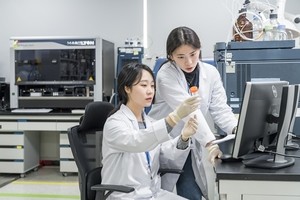
State-funded institutes to reward research performance, not funding wins, in incentive overhaul
- NST finalizes detailed Post-PBS implementation plan, institutes to unveil 'core missions' this year - Project structures to shift toward basic and strategic research; rewards tied to performance, not contract size - Common administrative functions to be centralized and specialized under NST; tech-transfer office to become permanent unit Government-funded research institutes will overhaul their operating system as the government abolishes the Project-based System, under which researchers secured external research funding to cover their own personnel costs. Research incentives will now be based on research outcomes rather than the amount of external funding secured, and each of the 23 state-funded institutes will set "core missions" that must be addressed at the national level. Common administrative tasks that had been scattered across the institutes will be centralized and specialized under the National Research Council of Science and Technology (NST). The Ministry of Science and ICT said NST adopted the plan, called the "Detailed Implementation Directions for Post-PBS to Help State-Funded Research Institutes Become National Flagship Research Institutes," at its 247th interim board meeting held Tuesday at the Korea Science and Technology Center in Seoul. The Project-based System is a regime under which researchers secure funding and personnel costs by winning research projects from the government or outside institutions. It has been criticized for fueling competition among researchers to win projects and for producing research focused on short-term results. The government finalized the abolition of the system as a state policy task in September 2025. Since then, it has been shifting the research and operating systems of state-funded institutes toward a mission-centered approach. The core of the new implementation plan is to shift the operating system of state-funded institutes from one centered on securing research funding to one centered on missions and performance. The 23 institutes will each set core missions to focus their capabilities on and disclose them to the public within this year. They will also draw up research and development roadmaps and portfolios for carrying out those missions by the end of this year. Based on this, each institute will restructure its project portfolio into a "basic research-strategic research-exceptional government-commissioned projects" framework. Evaluation and reward methods will also change. The appropriateness of an institute's R&D project management will be reflected in institutional evaluations, with the results tied to budgets and incentives. In particular, incentives such as research allowances will move away from the existing method of assessing how many projects an institute won. Instead, they will differentially reward outstanding research performance. The new reward system will apply to research projects starting next year. A Ministry of Science and ICT official said, "Research allowances will be paid to individuals, and the scope will be determined by each institute through individual performance evaluations of researchers." The government will also push to improve researchers' working conditions. The 2027 government budget bill tentatively includes a 3.9 percent pay increase for researchers at state-funded institutes. The government and NST plan to conduct a comprehensive survey of the entire compensation system at state-funded institutes and draw up improvement measures to attract and retain talented researchers. Support systems will also be improved so researchers can focus on research instead of administrative work. Common administrative functions in five areas — including audits, grievance handling, recruitment and public relations, and information security — had been scattered across the institutes. They will now be centralized and specialized under NST. It plans to hire 100 staff members in the first phase. Individual institutes' research support organizations will be restructured to focus on providing direct support to researchers. As NST's organization expands, oversight will be strengthened through operational evaluations of newly created units and internal and external audits. Technology commercialization functions will also be strengthened. NST will formally establish an integrated technology licensing office to support large-scale technology transfers and deep-tech startups that individual institutes struggle to carry out on their own. International cooperation and external public relations, which had been handled separately by each institute, will be brought under a joint response system across all state-funded institutes. The aim is to build them into a single national research institute brand. NST Chairman Kim Young-sik said, "The abolition of the Project-based System is a change that the government has decided on and that the field has long awaited, but its success depends on how thoroughly the council and the state-funded institutes carry it out." He added, "We will support the follow-up measures so they are implemented without a hitch." Koo Hyuk-chae, first vice minister of the Ministry of Science and ICT, said, "It is time for state-funded institutes to innovate on their own so they can carry out their core missions as national flagship research institutes that support national industries and pioneer the future." He added, "We will continue to upgrade our policies so the Post-PBS system can take root in the field."
Sept. 8, 2026
-

Cancer patient develops rare pain syndrome after chemo drug leaks from vein — court sides with Seoul National University Hospital
A patient walks into the hospital on their own in the morning — and is brought home cold by the afternoon. For families, it is almost impossible to accept. So they begin a fight that seems nearly unwinnable. Savings accounts are drained, homes are sold, and the money goes toward answering one question: why did their loved one die? Yet proving a medical institution's liability is extraordinarily difficult for patients and their families, largely because of the deep information asymmetry between them and the healthcare system. In South Korea, medical disputes are handled mainly through two channels: mediation and arbitration via the Korea Medical Dispute Mediation and Arbitration Agency, which receives an average of about 2,100 cases a year, and civil litigation, which accounts for an average of about 1,000 cases annually, according to research by the Korea Insurance Research Institute. More than 3,000 medical disputes play out every year — a David-versus-Goliath struggle in each case. The Herald Business, in partnership with law firm O'Kims, is analyzing medical dispute rulings to explore how the underdog can prevail. We hope to help patients and their families survive the "Medical Survival Game." The series runs twice a month, on alternating Tuesdays. [Editor's note] Patient A thought all she had to do was get through chemotherapy. She was wrong. Four rounds had already pushed her to her limits — the fifth would prove catastrophic. When she visited Seoul National University Hospital on April 23, 2020, the session did not go as the previous ones had. Unlike the four treatments she had received over the preceding three months, the nurse assigned to her was unable to secure a vein for catheter insertion. After several failed attempts, the nurse asked a colleague to administer the intravenous injection for the anticancer drug. Patient A was then given the chemotherapy drug adriamycin. There was no swelling at the injection site, but redness appeared on the skin. Later that same day, the anticancer drugs docetaxel and cyclophosphamide were administered sequentially through an IV in her right leg. The problems began the following day. From Monday onward, severe pain and swelling developed at and around the adriamycin injection site. A doctor at Seoul National University Hospital diagnosed a suspected extravasation injury — meaning the chemotherapy drug had leaked out of the vein and into surrounding tissue — and prescribed steroids (oral medication and ointment) along with antibiotics to control the inflammation. In such cases, the damage can go beyond simple inflammation and lead to skin necrosis. Patient A's condition steadily worsened. The pain and swelling spread to her shoulder, arm and leg. An MRI of her right wrist revealed cellulitis accompanied by extensor tenosynovitis. Extensor tenosynovitis is inflammation of the tendons responsible for extending the fingers or toes. A joint consultation between the oncology and infectious disease departments concluded that the infectious disease physician believed Patient A's symptoms were most likely caused by drug-induced inflammation. The physician also raised the question of whether plastic surgery should be consulted for incision and drainage. Patient A was ultimately diagnosed with complex regional pain syndrome (CRPS) type 2 — a rare, intractable condition in which direct nerve damage causes extreme, persistent pain so severe that even the lightest touch feels like a knife wound. Patient A claims medical team violated duty of care and informed consent A protracted legal battle between Patient A and Seoul National University Hospital followed. Patient A argued that the hospital's medical staff had violated their duty of medical care and their duty to provide informed consent, and on that basis sought 470 million won ($350,000). On the duty of medical care, she challenged the extravasation of the chemotherapy drug through the IV insertion and the resulting skin necrosis. Her position was that a physician should personally administer chemotherapy intravenously, and that if a nurse performs the procedure, a doctor must be present to monitor the patient throughout the infusion. She also said the assigned nurse's four failed attempts to insert the IV should have been reported to a physician, who should then have given detailed instructions before the injection and drug administration proceeded. In practice, a different nurse — asked by the assigned nurse — ended up administering the drug, and Patient A received the injection into a vein in her wrist, a site that had not been used in previous sessions. Particularly regarding the redness that appeared at the injection site immediately after the drug was administered, Patient A said this should have been reported to a physician. Despite signs of possible extravasation, no follow-up measures were taken — such as removing residual drug — and she subsequently required treatment across oncology, dermatology, infectious disease, plastic surgery and rehabilitation medicine. She argued that inadequate and delayed treatment caused her condition to deteriorate. On the failure to provide informed consent, Patient A cited the absence of any explanation about the risk of developing CRPS type 2. She also challenged the failure to inform her that the IV could be administered in the leg, arguing this denied her the right to choose the injection site. Court rejects all of Patient A's claims The Seoul Central District Court, presided over by Judge Lee Yu-bin, rejected all of Patient A's claims, finding no violation of either the duty of medical care or the duty of informed consent. The court found no merit in any of the three specific grounds Patient A raised: the requirement for physician presence, the IV insertion process, and the response to the extravasation. On physician presence, the court said there was no medical basis for requiring a doctor to insert the IV or to be present at the site during chemotherapy administration. It found, to the contrary, that monitoring a patient's progress during drug infusion falls within the scope of nursing duties. On the IV insertion process, the court said that multiple failed attempts to secure a vein did not in itself establish a breach of the assigned nurse's duty of care. It also found no violation in the decision to have a colleague nurse perform the insertion. On the response to extravasation, the court found that the assigned nurse and other staff were not under a duty of care requiring them to suspect adriamycin extravasation and take specific action on that basis — effectively rejecting the very premise of Patient A's duty-of-care argument. The court explained that if the IV had been inserted outside the vein, significant pain along with redness and swelling would have appeared shortly after the infusion began, and the rate of drug infusion would have slowed or stopped. The implication was that the needle had not been misplaced outside the vein. The court also noted the possibility that the extravasation had not resulted from an incorrectly placed IV at all. "Extravasation of chemotherapy drugs is a common side effect, occurring in as many as 1 to 60 out of every 1,000 patients," the court said. "Even when a catheter is correctly inserted and properly maintained within the vein, a completely sealed state cannot be guaranteed, and no standard clinical guidelines have been established for preventing extravasation." "The mere fact that extravasation occurred cannot be used to presume a breach of the medical team's duty of care," the court added. On the failure to provide informed consent, the court found that the medical team had fulfilled its duty to explain the chemotherapy treatment, thereby protecting Patient A's right to self-determination; that there was insufficient reason to require an explanation of the specific IV insertion site; and that the development of CRPS type 2 from chemotherapy-related extravasation was not reasonably foreseeable. Attorney Cho Jin-seok: ruling reaffirms basic principles of medical malpractice litigation Cho Jin-seok, an attorney at law firm O'Kims, analyzed the ruling as a reaffirmation of the legal principles governing medical malpractice litigation. The mere fact that Patient A developed CRPS type 2, he said, is not sufficient to establish negligence on the part of the medical team. He noted that if the challenge had extended beyond the fact of extravasation to the adequacy of the medical team's response, a formal medical record review would have been even more critical. "This case involves a court rejecting claims of negligence and causation by the medical team in connection with chemotherapy drug extravasation during cancer treatment and the alleged resulting CRPS type 2, and dismissing Patient A's claim in its entirety," Cho said. "The court held that the occurrence of extravasation alone cannot give rise to a presumption of negligence by the medical team," he added. "This reaffirms the fundamental principle of medical malpractice law — that the worst outcome a patient suffers is not automatically attributed to negligence by the medical staff." "The court denied the physician's duty of care on the grounds that IV insertion, drug administration and progress monitoring are standardly within the nursing scope of practice," Cho said. "It is a judgment that takes into account the division of labor in highly specialized clinical settings and the realities of medical practice." On the informed consent finding, he said: "The court found that a comprehensive explanation had been given before chemotherapy — including the risk of skin tissue necrosis from extravasation — and that the patient's right to self-determination was substantively protected. The ruling on CRPS type 2 also followed the legal principle that the duty to inform is limited to risks ordinarily foreseeable from the medical procedure in question." He added that for Patient A, going beyond the mere fact of extravasation would have required establishing two things: first, through a medical record review, that the medical team's monitoring and response at the time of the extravasation fell short of clinical standards; and second, also through a medical record review, whether a medical causal link existed between that negligence and the development of CRPS type 2.
Sept. 8, 2026
-

Krafton's PUBG: Battlegrounds teams up with 'Jujutsu Kaisen'
Collaboration brings the 'Jujutsu Kaisen' universe to Erangel, the game's signature map Update launches Thursday; in-game item events included Krafton's PUBG: Battlegrounds is joining forces with the anime series "Jujutsu Kaisen," with the company using the collaboration as a springboard to expand partnerships with globally recognized intellectual properties. Krafton announced Tuesday that PUBG: Battlegrounds will launch a collaboration event with "Jujutsu Kaisen" through an update on Thursday. The update will introduce character-themed items from the original series along with collaboration-exclusive in-game events. The centerpiece of the collaboration is the integration of the "Jujutsu Kaisen" universe into Erangel, PUBG's signature map. Players will be able to experience the collaboration content not only through character-based items but also during gameplay on the Erangel map itself. Specifically, themed spaces and visual elements inspired by "Jujutsu Kaisen" will be added to select areas of Erangel. In addition, costumes modeled after characters from the original series and upgradeable weapon skins will be released. Krafton plans to run a variety of in-game events throughout the collaboration period, during which players can complete missions to earn items. The events will run on PC from Thursday through Oct. 14, and on console from Sept. 17 through Oct. 22. Krafton said it plans to gradually expand collaborations with globally recognized IPs, leveraging its large player base and live-service capabilities. The company aims to offer players a cultural experience that goes beyond gaming, and to channel that momentum into growth of the PUBG IP franchise. "This collaboration was designed to extend the gameplay experience that Battlegrounds has built up, while also creating a deeper sense of immersion for players," a Krafton official said. "We will continue to deliver differentiated fun that is unique to Battlegrounds through a variety of collaboration content." PUBG: Battlegrounds, Krafton's flagship title launched in 2017, is marking its ninth anniversary this year. Building on the performance of the PUBG IP franchise, Krafton posted record sales of 2.66 trillion won ($1.98 billion) in the first half of this year.
Sept. 8, 2026
-
Obituary: Mother of Yoo Sang-mo, president of Dell Technologies Korea
Lee Chang-soon has died. She was the mother of Yoo Sang-mo, president of Dell Technologies Korea. The funeral is being held at Seoul St. Mary's Hospital Funeral Hall, Room 2. The departure ceremony is scheduled for Sept. 10. For inquiries, call (02)2258-5940.
Sept. 8, 2026
-

Could AI combat glasses be a game-changer on future battlefields? ETRI thinks so
- AI-powered in-glass device to enhance situational awareness and command decision-making for combatants - Cooperation to expand into small-unit command and control, defense networks and AI safety Development of an "AI in-glass" device — a pair of combat glasses that acts as a soldier's eyes and ears, processing battlefield conditions in real time and assisting with decision-making — is now moving forward in earnest. Once developed and fielded, the technology is expected to significantly boost combat effectiveness on future battlefields. The Electronics and Telecommunications Research Institute (ETRI) said it will sign an MOU with the Korea Military Academy on Tuesday at ETRI's headquarters to pursue joint research on AI-based future defense technology, establish military operational concepts and conduct field demonstrations. The agreement aims to combine ETRI's AI and information and communications technology expertise with the Korea Military Academy's military and tactical knowledge, advancing cutting-edge AI developed in the laboratory into technology applicable to actual military missions. At the heart of the initiative is ETRI's "AI in-glass technology development for personal AI agents," a strategic research project the institute launched this year. AI in-glass refers to technology that integrates AI into a wearable eyeglass-type device. The AI continuously processes what the user sees and hears, displaying relevant information directly in the wearer's field of vision in real time. Applied to defense, the technology would allow combatants to quickly identify nearby threats and operational information during a mission. For commanders, it would aggregate field intelligence gathered by multiple soldiers and present it in consolidated form, enabling command decisions within tight time constraints — functioning, in effect, as a personal AI staff officer. A particularly notable aspect is that the technology extends defense command-and-control capabilities — previously concentrated at the battalion level and above — down to company-level and smaller units, as well as to individual soldiers. ETRI will develop four core technologies in an integrated effort: spatial intelligence for precise recognition of surrounding spaces and objects; a personal AI agent that delivers information tailored to the user's situation; a low-power, high-resolution display that renders information within the field of view; and eyeglass-type AR device hardware paired with a portable AI computing unit. The Korea Military Academy will contribute its expertise in small-unit tactics and command procedures to help establish military operational concepts and identify user requirements. It will also support field demonstrations and evaluation of the developed technologies using its training facilities and related resources. The two institutions plan to expand their cooperation beyond AI glasses to cover the broader landscape of future defense AI, including small-unit command and control, defense networks and manned-unmanned teaming systems. They will also jointly develop technology to ensure the safety and reliability of AI systems, guarding against AI misjudgments or faulty information affecting real-world mission execution. The work will focus on verifying AI-generated assessments and supporting human operators in making final decisions safely. "By combining ETRI's AI and ICT capabilities with the Korea Military Academy's military expertise, we will build defense AI technology that makes a tangible contribution to our military's mission performance and combat effectiveness — spanning support for future combatants, command and control, and defense networks," ETRI President Park Se-ung said.
Sept. 8, 2026
-
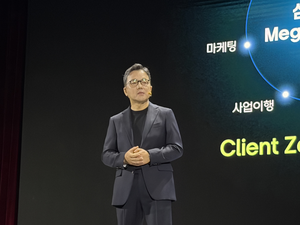
Samsung SDS chief: 'AI changes work, but AX changes business'
'Multi-dimensional AI full-stack' strategy to support end-to-end AX; specialist headcount to reach 200 by year-end Expanded OpenAI partnership unveiled; CEO Sam Altman delivers video message saying enterprise transformation will accelerate Physical AI-driven RX push announced; robot orchestration platform set for next year "AI changes the way we work, but AI transformation — AX — changes the business itself." — Samsung SDS CEO Lee Jun-hee Samsung SDS is moving to translate enterprise AI adoption into measurable results, rolling out a full AX strategy anchored by what it calls a "multi-dimensional AI full-stack" that spans AI infrastructure to industry-specific consulting. The company also plans to expand its pool of AX specialists to around 200 by the end of this year. The company also announced it is deepening its partnership with OpenAI and entering the robot experience, or RX, business powered by physical AI. Lee made the remarks Tuesday at the Real Summit 2026 conference held at COEX Convention Center in Gangnam-gu, Seoul. "AX is a fundamentally different kind of change from simply adopting AI to cut time and costs," he said. "It means completely redesigning the business and the way work is done from the outset." Companies that achieve AX, he added, "move before the customer speaks, and respond to the market in real time rather than analyzing and reacting after the fact." Samsung SDS said its multi-dimensional AI full-stack — combining AI infrastructure, platforms and solutions with end-to-end capabilities spanning consulting, development, deployment and operations — will serve as the foundation for delivering tailored AX to each customer, integrated with deep expertise across multiple industries. "A true AI full-stack must provide not only consulting to support AX execution, but also specialized capabilities in development, deployment and operations," Lee said. "That is only possible when backed by an accurate understanding of the customer's business." As part of the effort, Samsung SDS said it will significantly strengthen its field-deployed engineer, or FDE, capabilities. Building on partnerships with OpenAI, Anthropic and Accenture, the company plans to expand its roster of AX-specialist FDEs to around 200 by year-end. Samsung SDS said it is broadening collaboration with leading global AI companies. Notably, it will become the first Korean company to join OpenAI's Daybreak Partner Program as a pilot partner, with plans to use OpenAI's next-generation frontier models to deliver comprehensive AI security services to its clients. OpenAI CEO Sam Altman delivered a video message at the event. "Samsung SDS is a global partner with the capabilities to understand how enterprises actually operate and to adopt new technologies," Altman said. "AI agents are already having a positive impact on productivity in enterprise settings, and that transformation will only accelerate." Samsung SDS also announced its entry into the robot experience, or RX, business, declaring its intent to extend the reach of AX from the digital realm into physical manufacturing environments. The company plans to launch a "robot orchestration platform" next year that connects production equipment and robots into a unified system. The company signed a partnership with Walden Robotics, a global humanoid robot specialist. "Physical AI technology requires large-scale field deployment capabilities and a deep understanding of business operations," Walden Robotics CEO Russ Tedrake said. "We are very pleased to be partnering with Samsung SDS." Samsung SDS also announced that Brity Works Cowork, a new AI feature for its Brity Works platform, will officially launch in October next year. Cowork is an AI work companion that carries out entire business processes end-to-end once a user assigns a task goal. It can understand complex work contexts and integrate with enterprise systems to execute tasks, and also includes security governance functionality. To underpin enterprise AI adoption, Samsung SDS said it is also expanding its AI infrastructure business. The company plans to accelerate construction of a National AI Computing Center and a Gumi AI data center, in addition to its Dongtan data center — South Korea's first AI-dedicated data center.
Sept. 8, 2026
-

Samsung Electronics launches 'Welcome to Foldables' outdoor ad campaign in major world cities
Samsung Electronics is rolling out large-scale outdoor advertisements showcasing the technology behind its Galaxy Z Fold8 series in major cities around the world, including Seoul, Tokyo and London. The company announced Tuesday it has launched a digital out-of-home advertising campaign titled "Welcome to Foldables" featuring the Galaxy Z Fold8 series. The campaign kicked off Wednesday at KT Corp Square in Gwanghwamun, Seoul, and is rolling out sequentially at six landmark locations worldwide — including COEX K-POP LIVE in Seoul, Shibuya Station in Tokyo, and Piccadilly Circus and Outernet in London. Samsung Electronics has released eight generations of foldable smartphones since it introduced the original Fold in 2019. The Galaxy Z Fold series incorporates software optimized for the form factor, AI features and connectivity between Galaxy devices. The campaign highlights the technological advances built up across eight generations of Galaxy foldables, with the ads emphasizing thinness, weight and durability as the device's key attributes. The outdoor video ads carry three messages: "Ultra Thin," "The world's lightest fold" and "Built to outlast." Millions of people worldwide currently use Galaxy foldable devices, according to Samsung Electronics. The Galaxy Z Fold8 series set a new all-time presale record for Galaxy smartphones in South Korea and is now available in 106 markets around the world. The Galaxy Z Fold8 Ultra, Fold8 and Flip8 together sold 1.44 million units during a domestic presale period that ran from July 28 to Aug. 3, setting the highest presale record ever for a Galaxy smartphone lineup. About seven out of every 10 presale customers chose the Galaxy Z Fold8.
Sept. 8, 2026
-
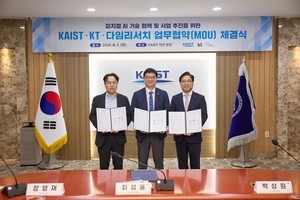
KT Corp teams up with KAIST, Daim Research to advance physical AI in manufacturing
Partners to collaborate on physical AI technology development, commercialization and global expansion Unmanned, AI-driven automation platform development to accelerate KT Corp is building alliances to push into the physical AI market. KT Corp announced Tuesday that it has signed a memorandum of understanding with the Korea Advanced Institute of Science and Technology (KAIST) and physical AI specialist Daim Research to jointly develop, demonstrate and commercialize physical AI technology. Under the agreement, the three organizations will collaborate on commercializing a Dark Factory platform for fully unmanned factory operations, as well as identifying physical AI business opportunities and pursuing global expansion. The centerpiece of the collaboration is the Dark Factory platform commercialization effort, which will be carried out under a Ministry of Science and ICT initiative — the "2026 Collaborative Intelligence Physical AI-Based Software Platform R&D Ecosystem Development Project." The project aims to develop an AI-based unmanned and automated platform applicable to manufacturing environments, with all three organizations participating over a five-year period. The partners will focus on developing autonomous manufacturing process technology, drawing on logistics and manufacturing robot control platforms and robotics expertise held by KAIST and Daim Research. They also plan to build a testbed that closely replicates real industrial environments to validate the technology, then expand its application across various manufacturing sectors based on the results. KT Corp will provide an integrated operations platform for managing robots and AI systems. The company will also support real-time robot decision-making and control using edge AI — which processes data on-site to minimize latency — along with ultra-fast, ultra-low-latency network infrastructure. In addition, the partners will work to create physical AI environments in which robots can perceive their surroundings, make independent judgments and carry out tasks on the factory floor. Beyond the core platform work, the three organizations will jointly pursue on-site deployment and commercialization of physical AI, develop specialized talent and seek entry into global markets. "Through this collaboration, we will build an industry-academia model in which KAIST's research achievements are demonstrated on actual manufacturing floors and translated into new industries and businesses," said Choi Sung-yul, KAIST vice president for research. "We will combine KAIST's research capabilities, KT Corp's AI and network infrastructure, and Daim Research's robot operations, control and Dark Factory technology to create real-world success stories in physical AI-based autonomous manufacturing," said Jang Young-jae, CEO of Daim Research. Park Sang-won, executive vice president and head of KT Corp's AX Business Division, said the company would "contribute to strengthening South Korea's physical AI competitiveness together with our partners." Meanwhile, KT Corp plans to invest about 5 trillion won ($3.69 billion) over the next five years to add 1 gigawatt of AI data center capacity, with the aim of providing nationwide ultra-low-latency, real-time inference infrastructure essential for the physical AI era.
Sept. 8, 2026
-

LG Uplus launches 'Home Cam Lite' at 5,500 won a month with fire, hacking coverage
QHD resolution, AI detection among key features Fire damage covered up to 50 million won, hacking up to 2 million won LG Uplus has unveiled an entry-level smart home product that bundles a home camera, cloud storage and damage-compensation insurance for 5,500 won a month. The company announced Tuesday the launch of Home Cam Lite, a smart home service aimed at first-time home camera buyers. Priced at 5,500 won a month on a three-year contract, Home Cam Lite packages a home camera, cloud storage and insurance covering fire and video-hacking incidents. The product targets new parents and pet owners, with affordability and security as its defining features. Customers can receive compensation of up to 50 million won ($36,900) in the event of a fire and up to 2 million won for video-hacking incidents. Interest in home cameras has grown alongside a rise in dual-income households and pet ownership, as more people seek to monitor their homes in real time. LG Uplus said it developed the product under the concept of "start light, stay secure," recognizing that many first-time buyers hesitate over cost and data-privacy concerns. The product is designed with both price and security in mind, and includes insurance covering fire damage and video hacking that may occur during use. The new camera bundled with the service, the Momca Lite, supports QHD resolution for clear footage day and night. It can detect people, pets, movement and sound, and tracks and records detected subjects automatically. Customers can receive real-time alerts through the app and monitor up to four cameras simultaneously on a single screen. Footage can be recorded continuously around the clock via an SD card. The service also includes 20 gigabytes of cloud storage for saving key clips. On the security side, the camera uses a security chip based on Physical Unclonable Function (PUF) technology, which generates a unique encryption key for each device. Two-step login authentication and video data encryption are also built in to protect recorded footage. Home Cam Lite is open to customers regardless of their internet service provider, not just LG Uplus subscribers. Installation can be arranged either through a home manager visit or by self-setup after delivery. "Home Cam Lite is designed so that even first-time home camera users can get started without hesitation — we kept the price low while strengthening security and peace-of-mind benefits," said Yoo Ho-seong, head of LG Uplus's home business division. "We will continue to expand our smart home services so customers can use them with confidence." Meanwhile, LG Uplus launched a front-door CCTV service called Woori Home Guardian Door Cam in June last year. That product also featured two-step login, video encryption and a PUF-based security chip, along with 20 gigabytes of cloud storage and insurance covering parcel theft, fire and burglary.
Sept. 8, 2026
-

Hancom signs three-way MOU with Hancom Inostream, Furiosa AI to target public-sector AX market
Hancom, Hancom Inostream and Furiosa AI ink three-way MOU for AI transformation business Hancom's agentic OS to be paired with Furiosa AI's second-generation AI accelerator Hancom is accelerating its push into the NPU-based AI transformation (AX) market, partnering with affiliate Hancom Inostream and AI chipmaker Furiosa AI to expand its business targeting public institutions. Hancom announced Tuesday that it had signed a three-way MOU with Hancom Inostream and Furiosa AI to cooperate on AX business. The three companies will combine Hancom's agentic operating system with Furiosa AI's second-generation AI accelerator, the Renegade (RNGD), to support AI transformation at enterprises and public institutions. Under the agreement, Hancom will lead AX solution development and commercialization. Hancom Inostream will cultivate NPU specialists and identify market demand through education. Furiosa AI will supply the RNGD hardware and software stack and provide technical support for joint development of AX appliances and NPU environment optimization. More specifically, Hancom and Furiosa AI will jointly develop a proof-of-concept AX appliance based on the agentic OS and pursue its commercialization. Hancom will also undertake technical cooperation and joint verification to optimize the agentic OS for NPU environments. Hancom plans to commercialize an on-premises AX appliance package aimed at enterprises and public institutions and will develop strategies to expand its market presence. Hancom Inostream, serving as Furiosa AI's authorized NPU training center, will take full charge of planning, marketing, recruiting and operating the curriculum. The company will build a level- and role-based curriculum roadmap spanning beginner to expert levels to develop NPU professionals. Furiosa AI will provide the latest NPU technology standards and software stacks needed for education and hands-on training. It will also handle specialized technical support and ensure the credibility of certificates and credentials issued to instructors and participants who complete the program. The three companies will also pursue joint marketing and business development targeting corporate clients and the public sector. Hancom Inostream will share NPU adoption demand identified through its training programs with Furiosa AI, while Furiosa AI will connect partner business opportunities with Hancom Inostream. Hancom will then channel these into its AX business to secure new demand in the corporate and public markets. "This agreement will serve as an opportunity to strengthen our AX business competitiveness by combining Hancom's agentic OS with Furiosa AI's NPU technology," Hancom CEO Kim Yeon-su said. "Based on close cooperation spanning AI talent development, technology verification and commercialization, we will support the AI transformation of enterprises and public institutions and accelerate our market push." Meanwhile, Hancom's AI business is gaining momentum as monetization picks up. The company posted first-half standalone sales of 98.6 billion won ($72.8 million), a record high for any half-year period. AI product sales in the first half reached 13.47 billion won, already surpassing full-year AI sales of 8.9 billion won last year, cementing AI as a core revenue driver for the company.
Sept. 8, 2026
-
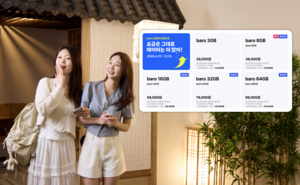
SK Telecom extends T Roaming data promotion through year-end, offering up to 16GB
Promotion extended through Dec. 31 Family roaming cumulative customers top 5.05 million SK Telecom is extending its roaming data bonus through year-end for customers planning overseas travel during the Chuseok holiday and the year-end season. The company announced Tuesday it is extending its "T Roaming Data Add-on" promotion — originally scheduled to run through last month — through Dec. 31. SK Telecom has run the promotion since April 23, offering up to 16GB of additional data to subscribers of its baro roaming service plans. Even after exhausting their data allowance, customers can continue using data at speeds of up to 1 Mbps. Since the promotion launched, the share of customers choosing the "baro 8GB" plan or higher — the tiers eligible for the data bonus — has risen by about 15 percentage points. Cumulative family roaming customers have surpassed 5.05 million. SK Telecom said it decided to extend the promotion through year-end as uptake of high-capacity data plans and family roaming services increased following the promotion's launch. In SK Telecom's own customer satisfaction survey, ease of sign-up and use, the ability to manually select a local carrier, and pricing were cited as the top factors driving satisfaction. Customers also gave high marks to the ability to use roaming immediately upon arrival without purchasing or installing a separate SIM card, and to keeping their existing domestic phone number while abroad. T Roaming operates through direct agreements with more than 500 overseas carriers across 195 countries. Users can manually select or switch to a carrier with better local network conditions. The family roaming service allows up to five family members to share data for an additional 3,000 won per plan. According to SK Telecom, this brings the per-person cost down to around 6,000 won. Since its 2023 launch, the service has grown steadily, with 78 percent of T Roaming households now opting for family roaming. Customers aged 34 and under receive an additional 1GB of data. Those on the "0 Youth" plan or the Best or Light plans can receive a 50 percent discount on roaming plan prices. Baro voice calls and text messages are also available free of charge. According to SK Telecom, more than 70 percent of roaming plan subscribers use the baro calling feature, with an average of about 40 minutes of calls per person. "We received stronger support than expected from T Roaming customers during the summer vacation season, and that led us to extend the promotion so customers planning Chuseok and year-end trips can also enjoy the benefits," said Yoon Jae-woong, head of SK Telecom's Product & Brand division. "We will continue to do our best to ensure customers can use telecommunications services abroad in the most convenient and reliable way possible." Meanwhile, SK Telecom is also running a "Global Travel" promotion this month through its T Membership program, targeting travelers to Fukuoka, Tokyo and Osaka in Japan. The promotion offers discounts at local restaurants, shops and transportation through Sept. 30, with some benefits available exclusively to baro plan roaming customers.
Sept. 8, 2026
-
Selection process begins for heads of 5 state science research institutes, with 15 candidates in the running
- Three finalists named for Korea Basic Science Institute, Korea Institute of Industrial Technology, Korea Institute of Energy Research, Korea Atomic Energy Research Institute and Korea Electrotechnology Research Institute - KAERI and KERI saw earlier selection attempts fail; internal and external candidates compete "Will the prolonged leadership vacuum finally come to an end?" Government-funded science and technology research institutes that have faced leadership gaps ranging from several months to nearly a year are now moving quickly to appoint new heads. Three finalists have been named for each of five institutes: the Korea Basic Science Institute, the Korea Institute of Industrial Technology, the Korea Institute of Energy Research, the Korea Atomic Energy Research Institute and the Korea Electrotechnology Research Institute. According to the National Research Council of Science and Technology on Tuesday, the three finalists for the next head of the Korea Atomic Energy Research Institute are Im Chae-young, a principal researcher at the institute; Jeong Woo-sik, a professor in the Department of Quantum and Nuclear Engineering at Sejong University; and Choi Ki-yong, also a principal researcher at the institute. Im specializes in nuclear policy and economic analysis, with research covering nuclear policy and strategy as well as energy systems. Jeong is an expert in nuclear safety, severe accidents and probabilistic safety assessment. Choi is a researcher in reactor safety and thermal hydraulics, focusing on experiments and safety analysis aimed at improving nuclear power plant safety. The three finalists for the Korea Electrotechnology Research Institute are Kang Sang-hee, a professor in the Department of Electrical and Electronic Engineering at Myongji University, and Kim Seul-gi and Lee Geon-ung, both principal researchers at the institute. Both institutes had previously failed to complete the selection process after none of the three shortlisted candidates secured a majority vote from the board of directors. At the Korea Atomic Energy Research Institute, former head Joo Han-gyu completed his term last December and stepped down in June, leaving the institute under the acting leadership of its deputy director. At the Korea Electrotechnology Research Institute, Director Kim Nam-gyun's term ended in January, but with no successor named, he has continued to lead the organization. The Korea Basic Science Institute, the Korea Institute of Industrial Technology and the Korea Institute of Energy Research had also previously finalized their three finalists each. The three candidates vying to lead the Korea Basic Science Institute are Park Sung-kyun, a professor in the Department of Physics at Pusan National University, and Choi Jong-soon and Hwang Geum-suk, both principal researchers at the institute. Hwang researches metabolomics and analytical science and has served as head of the Regional Analytical Science Division, director of the Seoul West Center and deputy director. Choi has served as deputy director twice and focuses on research and development related to metabolic diseases. All three candidates for the Korea Institute of Industrial Technology come from within the organization: Kim Taek-su, a senior researcher currently serving as acting director after previously serving as deputy director; Son Ung-hee, a senior adviser who has served as deputy director and as head of the Korea Robot Industry Promotion Agency; and Choi Tae-hun, a senior researcher who heads the Foundational Technology Research Institute. The three finalists for the Korea Institute of Energy Research are principal researchers Kwak Ji-hye and Jeong Hak-geun, along with Lee Si-woo, chief executive of Enfloss. Kwak has served as head of the New and Renewable Energy Research Institute and the Renewable Energy Research Institute and currently leads the Solar Energy Research Division. Jeong is an expert in energy efficiency and previously headed the Energy Efficiency Research Division. Lee worked as a senior researcher at the Korea Institute of Energy Research and later served at the National Energy Technology Laboratory under the US Department of Energy, as well as heading the central research laboratory at Samsung Electro-Mechanics. The National Research Council of Science and Technology plans to hold board meetings to select a new head for each institute from among the three finalists. Regarding the process, an official at one of the institutes said the selection of heads had repeatedly been delayed without clear reason, adding that swift appointments were needed — particularly because key research plans and budget allocations for the year-end period must be finalized quickly.
Sept. 8, 2026
-
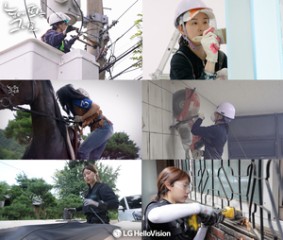
LG HelloVision's 'Standout Women' wins gender equality content award
Series spotlights 109 women professionals, challenging occupational stereotypes and broadening social awareness; top single video draws 12.58 million views, with cumulative views across all seasons surpassing 125.9 million LG HelloVision's long-running flagship program "Standout Women" has won the Gender Equality Culture Content Award at this year's Gender Equality Culture Awards, recognized for breaking down occupational barriers between men and women and helping spread a culture of gender equality. LG HelloVision announced Tuesday that its original human documentary series had received the Gender Equality Culture Content Award at the 2026 Gender Equality Culture Awards. The annual awards honor individuals and highlight content that has contributed to promoting gender equality through creative work and activities in fields including culture, arts, sports and tourism. "Standout Women," which premiered in 2022, is one of LG HelloVision's longest-running programs, now in its ninth season. The company said the series has authentically captured the challenges and lives of women professionals in Korean society, helping break down occupational stereotypes and build broader social understanding. The show has featured the stories of 109 women working across a wide range of fields — including subway train operators, ship welders, scrap dealers and delivery drivers — many of them in industries long considered male-dominated. The series has also performed strongly on online platforms. On LG HelloVision's official YouTube channel, a single episode reached a peak of 12.58 million views, while cumulative views across all seasons have surpassed 125.9 million. "Thanks to the 109 subjects who quietly walked their own paths over the past five years, and to the viewers who responded to their stories, we were able to receive this meaningful award," said Ryu Bok-yeol, a senior producer at LG HelloVision. "Going forward, we will continue to wholeheartedly support women in their 20s through 40s living with passion throughout our society, and contribute to broadening gender-equal awareness of work and social understanding through their voices." Meanwhile, LG HelloVision operates regional channels across 23 areas nationwide. In addition to "Standout Women," the company produces other original documentary content, including "Dangoljip."
Sept. 8, 2026
-

Vitamin A compound may boost immune therapy for deadly brain tumors, study finds
- KAIST and Seoul St. Mary's Hospital identify how ATRA prevents terminal exhaustion of immune cells - Compound found to preserve cancer-fighting ability of CD8 T cells, enhance anti-PD-1 therapy Researchers have identified a new potential approach to improving the effectiveness of immune-based treatments for glioblastoma, one of the most aggressive and treatment-resistant brain tumors. KAIST announced Tuesday that a research team led by Professor Lee Heung-kyu of the Department of Biological Sciences, working with collaborators at Seoul St. Mary's Hospital and Konyang University College of Medicine, has found that all-trans retinoic acid (ATRA) — an active metabolite of vitamin A — can suppress the terminal exhaustion of CD8 T cells within brain tumors and enhance the effectiveness of the anticancer drug anti-PD-1. Glioblastoma is a notoriously difficult-to-treat brain tumor that frequently recurs even after surgery, radiation and chemotherapy. Immunotherapy has also shown limited results. A key reason is "immune cell exhaustion," in which immune cells that infiltrate the tumor gradually lose their ability to attack cancer cells after prolonged exposure. When CD8 T cells — which directly attack cancer cells — fall into terminal exhaustion, their cancer-killing capacity drops sharply. At that stage, even anti-PD-1 treatment, which works by releasing a kind of "brake" that cancer cells apply to immune cells, struggles to produce meaningful results. Rather than trying to revive already-exhausted immune cells, the research team focused on preventing them from becoming fully depleted in the first place. Their answer was ATRA, a compound derived from vitamin A. When the team recreated the oxygen-deprived, tumor-rich environment of a brain tumor in the laboratory, CD8 T cells exposed to ATRA showed a significantly lower rate of progression to terminal exhaustion. Their cancer-fighting capacity was also preserved. T cells treated with ATRA produced higher levels of immune signaling molecules needed to attack cancer cells, including interleukin-2 (IL-2), interferon gamma (IFN-γ) and tumor necrosis factor alpha (TNF-α). The effects were also observed in a mouse brain tumor model. Administering ATRA increased both the number and function of CD8 T cells within tumors, reduced tumor burden and extended survival. In recurrent brain tumors particularly, anti-PD-1 alone produced limited results, but combining it with ATRA significantly improved tumor suppression and long-term survival outcomes. The findings were further supported by human patient data. Patients with higher expression of retinoic acid response-related genes tended to show lower levels of immune cell exhaustion and better survival outcomes. However, this research was not a clinical trial demonstrating ATRA's therapeutic effects in actual patients. Further studies will be needed to confirm the optimal delivery method, appropriate dosage and combined effects with immunotherapy before it can be applied in clinical settings. "The recurrent brain tumor model introduced in this research could serve as a useful animal model for validating other brain tumor treatment approaches in the future," Lee said. "By using this recurrent brain tumor model in subsequent drug validation and immunotherapy efficacy studies, we can pursue results that are closer to clinical reality." The findings were published in the international journal Signal Transduction and Targeted Therapy on Aug. 26.
Sept. 8, 2026
-

Apple's first foldable phone specs revealed ahead of imminent launch
Apple's first foldable phone is finally becoming a reality. With the unveiling just days away, Apple and Samsung are set for a head-to-head foldable showdown — seven years in the making. Apple's entry into the foldable market, long dominated by Samsung, is expected to trigger a major shake-up. Chinese manufacturers are also joining the fray, making September shaping up to be the most fiercely contested month yet in the global foldable phone market. Apple's first foldable to debut with passport-ratio design Apple will hold a product launch event themed "Surprise and Shine" at Apple Park in Cupertino, California, at 2 a.m. Thursday (Korean Standard Time), according to industry sources. Apple's first foldable phone is expected to be unveiled at the event. The device will adopt a "passport-ratio" form factor that opens like a book — a design similar to Samsung's recently released Galaxy Z Fold8. The outer display is expected to measure around 5.5 inches, with the inner screen spanning 7.6 to 7.8 inches. Apple is reportedly engineering the phone for an unfolded thickness of approximately 4.5 millimeters. To achieve the ultra-slim profile, Apple is expected to replace Face ID with a Touch ID sensor embedded in the side power button. The rear camera system is expected to be simplified to a dual setup — a 48-megapixel main lens and an ultrawide lens — with no telephoto. Apple's launch comes seven years after Samsung released its first foldable phone in 2019. Samsung has held the lead in the global foldable market during that time. According to Counterpoint Research, Samsung Electronics held a 40 percent share of the global foldable phone market last year, ranking first. The Galaxy Z Fold8 series, released in July with a redesigned aspect ratio, has been breaking sales records and rewriting the history of Samsung's foldable lineup. Pre-orders in South Korea during the week before the official domestic launch reached about 1.44 million units — the highest pre-order figure ever recorded for any Galaxy smartphone. Overseas pre-sales also surged, rising more than 30 percent in the United States and more than 20 percent in Europe. Apple's entry is expected to intensify the market share battle. Counterpoint Research projects Apple will capture a 25 percent share of the global foldable market this year, while Samsung Electronics' share is forecast to slip from 40 percent last year to 32 percent. Xiaomi joins passport-ratio race, sharpening China's challenge Chinese manufacturers are also pressing their challenge in the foldable phone market, following Samsung and Apple. Xiaomi unveiled its new Xiaomi 18 Fold at IFA 2026, Europe's largest consumer electronics trade show, held in Berlin from Friday through Monday. The device adopts the same passport-ratio design as Samsung's latest foldable. The phone is powered by the XRING O3, a mobile processor Xiaomi designed in-house. The XRING O3 is Xiaomi's latest chip, built on a 3-nanometer process. Xiaomi has previously relied mainly on processors from outside suppliers such as Qualcomm and MediaTek. Huawei is also fielding a comparable form factor with its Pura X foldable lineup. With Samsung, Apple and Chinese manufacturers all converging on the passport-ratio design, competition in what has become the foldable market's defining segment is set to intensify further.
Sept. 7, 2026
-

Weight-loss drug ingredient extends lifespan by 12% in aged mice, study finds
Semaglutide — the active ingredient in the weight-loss drug Wegovy and the diabetes drug Ozempic — extended the remaining lifespan of already-aged mice by about three months, a new study has found. The mice had not been managed from a young age; they received the drug for the first time late in life, when little time remained. According to the journal Nature, a research team led by Danica Chen, a professor in the Department of Metabolic Biology and Nutritional Sciences at UC Berkeley, published results of an experiment in which semaglutide was administered to 20-month-old female mice. Semaglutide works by stimulating GLP-1 receptors. GLP-1 is a hormone released by the gut in response to food; it promotes insulin secretion and acts on the brain to suppress appetite. Ozempic and Wegovy mimic this hormone and are used to treat type 2 diabetes and obesity. In recent years, additional benefits have been reported in heart, kidney and liver disease, as well as neurodegenerative conditions. Lifespan extended even when drug given in old age The research team injected semaglutide daily into 40 of 79 female mice aged 20 months, while the remaining 39 received saline injections, and monitored all of them until they died. Half of the saline-treated mice had died by day 742, while those given semaglutide lived an average of 92 days longer — an increase of roughly 12 percent. The semaglutide-treated mice ate 24 percent less than the saline group and also lost weight. Most of the weight loss came from fat: the proportion of body fat fell, while the proportion of lean tissue — including muscle — rose. Separately from the lifespan experiment, the team administered semaglutide to mice of the same age for three months and then assessed their physical condition. When placed in an unfamiliar environment, the semaglutide-treated mice explored more than the saline group. They also found their way out of a maze-like memory test — a perforated disk from which they had to locate an exit — more quickly. In tests of muscle strength and balance, the treated mice held on longer while on a rotating rod and while clinging to an inverted wire mesh. They also ran farther on a treadmill before tiring. Inflammatory markers also fell in the semaglutide-treated mice. Although stem cell counts declined, the density of cells filling the bone marrow was higher. Genes involved in fat production and storage, as well as those that drive inflammation, showed reduced activity, while genes linked to insulin response and the clearance of damaged proteins became more active. The research team said that as mice age, genes associated with inflammation and fat metabolism become more active, but semaglutide appeared to switch off those aging-related genes — mimicking caloric restriction by returning them to a less active state. Caloric restriction remains the most robustly validated method of extending lifespan. It has long been established that reducing food intake — without causing nutritional deficiency — slows aging across a wide range of organisms, from yeast to humans. Drug may not only slow aging but reverse some decline The research team compared mice placed on actual caloric restriction with those given semaglutide. The calorie-restricted mice ate in bursts whenever food was introduced into their cages, then went without for the rest of the day. The semaglutide-treated mice spread their intake across the day in small amounts. The calorie-restricted mice became more active as they foraged for food, while the drug-treated mice showed no such increase in movement. The two groups lost similar amounts of weight and fat overall. In memory tests, however, the drug-treated mice outperformed the calorie-restricted ones. The research team interpreted this as suggesting that GLP-1 drugs may not only slow age-related functional decline but could, in some cases, reverse it. The team said it used only female mice to avoid confounding results from fighting and injuries among males. It also said no adverse reactions attributable to semaglutide were observed. However, the researchers said clinical trials in elderly humans would be needed to determine whether the drug produces similar changes in the rate of aging and lifespan in people. Reference DOI: 10.1038/s41586-026-10940-7 Feng, Y., Barthez, M., Wang, Y. et al. Late-life semaglutide treatment slows ageing and extends lifespan in female mice. Nature (2026).
Sept. 7, 2026
-

A night of wonder for 1 million — but a nightmare for everyone else
"Wow, they're finally going off." At 8 p.m. Saturday, the skies above Yeouido in Seoul erupted in color. Thunderous booms rolled across the Han River as brilliant bursts of light filled the night, drawing gasps and cheers from the crowds below. The show lasted about an hour — a festival night that drew roughly 1 million spectators. But only humans know that fireworks are a spectacle. For others, the deafening noise and blinding flashes trigger pure panic, sending them on desperate, life-threatening flights into the dark. It is, quite literally, a deadly flight. In documented cases, disoriented birds have slammed into buildings immediately after fireworks displays, with thousands dying at once. Pet animals in urban areas are no less affected. In a state of panic, they search frantically for somewhere to hide, sometimes injuring themselves or exhibiting other erratic behavior. Fireworks leave their mark on humans, too. Long after the last shell bursts, dangerously high concentrations of fine particulate matter linger in the surrounding air for hours — the result of tiny particles laden with heavy metals released during the explosions. Air quality near the festival site deteriorated sharply as soon as the show ended Saturday. At 10 p.m. in Yeongdeungpo-gu, the concentration of ultrafine particulate matter (PM2.5) surged to 121 micrograms per cubic meter — a level classified as "very bad." The Seoul-wide average at the same hour was 11 micrograms per cubic meter, meaning the festival area recorded roughly 11 times the city average. The PM10 reading also hit 148 micrograms per cubic meter, rated "bad," compared with a Seoul average of 16 micrograms per cubic meter at the same time — about nine times higher. Elevated PM2.5 levels persisted in the area for some time afterward. The post-fireworks particulate spike is not a new finding — domestic research has documented it before. A research team led by Choi Yun-hyung, a professor at Korea University's School of Health and Environmental Science, analyzed air quality during the Seoul International Fireworks Festival and the Busan Fireworks Festival in 2023. In Seoul, PM2.5 concentrations that had hovered between 9 and 12 micrograms per cubic meter before the show rocketed to as high as 320 micrograms per cubic meter immediately after. That peak was up to about 32 times the pre-show level. It took roughly three hours for concentrations to return to baseline. Fireworks are far more than a light show. As the shells explode and burn, they release not only fine particles but also sulfates, nitrates, organic compounds, various metallic elements and soot. A range of metal compounds is used to produce vivid colors: strontium for red, barium for green and copper compounds for blue are among the most common. A study conducted during China's 2025 Lunar New Year found that PM2.5 levels rose between 10.5 and 226.4 percent compared with the period before the fireworks. Secondary inorganic aerosols — including sulfates, nitrates and ammonium — increased significantly, as did fireworks-specific marker compounds such as potassium and chloride. The damage extends beyond the air. Fireworks and firecracker debris contain incompletely burned fuel, additives, metal salts and packaging residue — all of which can eventually wash into rivers and lakes, disrupting microbial activity and harming aquatic life. A study that monitored pond water quality after three fireworks events in Albany, New York, between 2008 and 2010 found that perchlorate concentrations spiked to at least 30 times — and as much as 1,480 times — normal levels immediately after each display. The harm fireworks cause does not stop with humans. Among the most directly affected are birds. Bird casualties are among the most widely cited direct harms. When intense noise and light erupt nearby, birds do not merely deviate from their usual flight paths — they lose the ability to find new ones altogether. Disoriented, they collide with buildings and other structures, and mass die-offs are far from uncommon. In Beebe, Arkansas, in 2010, between 3,000 and 5,000 red-winged blackbirds were found dead around New Year's Eve. A US Geological Survey examination of the carcasses determined the direct cause of death to be blunt-force trauma — injuries consistent with collision with hard objects. In early 2021, hundreds of birds were found dead on a street in Rome following a large fireworks display. The International Organisation for Animal Protection suggested the birds had taken flight simultaneously in fright at the noise, then collided with one another or struck buildings and power lines. The geographic reach of fireworks-related bird harm is also vast. Research by a team led by Bart Hoekstra, a professor at the University of Amsterdam, found that birds can be disturbed by New Year's fireworks from as far as 10 kilometers away. The researchers also confirmed that in one specific study area alone, fireworks caused 400,000 birds to take flight. Household pets are no exception. A 2010 study by researchers at Unitec Institute of Technology in Auckland, New Zealand, found that 46 percent of the 3,527 dogs and cats surveyed showed fear responses to fireworks that their owners could clearly observe. Dogs tended toward more active fear responses — trembling and destructive behavior — while cats more often hid, cowered or tried to flee. Notably, 51 of the 923 animals for which complete responses were recorded, about 6 percent, had suffered physical injuries related to fireworks. As awareness of fireworks' side effects grows, some jurisdictions are tightening the rules. The Netherlands banned the purchase, possession and use of consumer fireworks — except for the lowest-risk F1 category — nationwide from Aug. 1 this year, citing air pollution and harm to animals and the environment. Other proposed measures include restricting fireworks near areas where birds congregate, concentrating professional displays at designated venues rather than allowing indiscriminate private use, and developing low-emission "eco-friendly fireworks." Drone light shows and laser displays that require no gunpowder are also being discussed as alternatives. "We need to shift away from large fireworks toward eco-friendly alternatives that do not cause air pollution — for example, drone shows or light festivals," said Choi Yun-hyung, a professor at Korea University's School of Health and Environmental Science. "The government and local authorities should work together to regularly monitor air quality before and after fireworks events and pursue technological solutions to clean up the polluted air that remains after festivals."
Sept. 7, 2026
-

Gangnam Unni data breach exposes personal, medical records of 220,000 users
160,000 Korean users, 48,000 Japanese users affected Leaked data includes consultation photos, hospital names, doctors' names and payment details Healing Paper, the operator of Gangnam Unni, a cosmetic medical information platform, has suffered a data breach affecting roughly 220,000 users at home and abroad. The leaked data goes beyond basic personal details to include consultation and booking records as well as information on procedures users actually underwent, raising concerns that the breach could enable secondary harm such as phishing attacks impersonating hospitals or the platform. According to Yonhap, Healing Paper announced that on Friday an unauthorized access attempt was made through an application programming interface used to retrieve consultation records, resulting in the leak of personal information belonging to some customers. The company said it blocked the access route immediately after detecting the anomaly but confirmed that the same attacker attempted to gain entry again the following day, Saturday, through a different channel. Healing Paper said the total number of affected users was 219,665. By country, Korean users accounted for the largest share at about 160,000, followed by 48,000 in Japan, 4,218 in Taiwan, 1,591 in Thailand, 481 in China and 5,308 in English-speaking and other countries. The compromised data includes names, phone numbers, email addresses, dates of birth, gender, country and region of residence, social network login IDs, IP addresses and device information. Of particular concern is the volume of medical information involved. Data exposed includes the names of events and procedures users inquired about, hospital names, doctors' names, preferred appointment times, reasons for seeking consultations, consultation status and photos submitted during the consultation process. Information on procedures users expressed interest in, applied for or actually received — along with visit and procedure dates, the names of treating physicians, and payment amounts, methods and timestamps — was also found to have been leaked in some cases. Because the information can reveal sensitive details about individuals' health conditions or appearance-related concerns, its misuse could lead not only to privacy violations but also to phishing scams. Healing Paper said it has completed individual notifications to all affected users and has made it possible for them to check which of their data was leaked directly on the Gangnam Unni website for 30 days. In addition, the company urged users not to respond to text messages, phone calls or emails impersonating Gangnam Unni or affiliated hospitals that offer discounts or clinic information while requesting clicks on links or the submission of personal or financial details. "We take this incident with the utmost seriousness," Healing Paper CEO Hong Seung-il said in a notice. "We sincerely apologize again to our customers who have trusted and used Gangnam Unni."
Sept. 7, 2026
MOST READ
- 1KAIST develops high-performance bio-based adhesive using E. coli instead of petroleum
- 2Pope Leo XIV declines French honors and banquet, accepts only private meeting with Macron
- 3Daimler Truck unveils next-generation transport solutions at IAA 2026
- 4What was Rachmaninoff's performance fee? A 1928 price list tells all
- 5Samsung Biologics union's show of force backfires at the bargaining table
- 6APR says hair-loss treatment research published in international journal
-
WORLD

US warns of punishment for anyone enabling Iran's Strait of Hormuz toll scheme
-
INDUSTRY
Toyota union puts productivity first; Hyundai Motor union demands bigger share of profits
-
FINANCE

National Growth Fund to invest $531M in FuriosaAI, which rebuffed Meta's $800M takeover bid
-
INDUSTRY

Korea Shipowners' Association holds amateur baduk tournament for Maritime Day