
- HOME
- IT·SCIENCE
-

SK Telecom runs referral and install event for Chating+ PC with W20m in prizes
83.7% of users satisfied with service Referral and install event runs through Oct. 16 SK Telecom is offering prizes worth a total of 20 million won ($14,800) to customers of its Chating+ (Chating Plus) PC version, a service that lets users send and receive text messages on a computer using their existing mobile phone number. SK Telecom said Thursday it will run a month-long referral and install event for Chating+ PC from Thursday through Oct. 16. Chating+ PC is a text messaging service for computers co-developed by SK Telecom and Samsung Electronics. SK Telecom customers using a Samsung Galaxy smartphone with One UI 6.0 or later can send and receive text messages on their PC using their existing mobile number, regardless of whether the other party has signed up for the service. A survey of about 500 users conducted in June found that 83.7 percent of respondents were satisfied with the service, while 82.9 percent said they use it five or more days a week on average. Users cited the convenience of typing messages with a keyboard, seamless synchronization with their smartphones, and the ability to multitask alongside other work on their PC as the service's main advantages. To expand its user base, SK Telecom is running both a referral event and an install event for new customers. The referral event offers prizes based on referral performance, including a Galaxy Z Fold 8, a Galaxy Watch Ultra 2, and Naver Pay point mobile coupons. Participants selected through draws by referral count will also receive gift vouchers for CJ Olive Young and GS25, as well as mobile cash coupons for Mega MGC Coffee. First-time Chating+ PC users can enter the install event by registering, then completing the PC program installation and linking it to their mobile phone. Draw prizes include a Galaxy Book 6 16-inch laptop, a 500,000 won Shinsegae department store gift voucher, and CJ Olive Young and GS25 mobile gift vouchers. Referral credit is recognized only after the newly referred customer enters the install event and completes both the PC program installation and mobile phone linking. Participants who meet the conditions for both events are eligible to win prizes from each. SK Telecom also plans to expand Chating+ PC's features. As early as the end of this month, it will add a "scheduled message" function that lets users send messages at a chosen time, along with a "text style" feature supporting formatting options such as bold and italic. Both features will be available when the Samsung Galaxy smartphone linked to the PC version runs One UI 9.0 or later. "Chating+ PC is a service that naturally extends the familiar text messaging experience customers already know to the PC," said Kim Ji-hyung, head of SK Telecom's digital platform business. "We will continue to strengthen the convenience and value that customers can feel in their daily lives." SK Telecom officially launched Chating+ PC in December 2023. The Chating+ service is built on the global standard RCS (Rich Communication Services) protocol and supports features including large file transfers, group chats, read receipts, emoji reactions and message recall.
Sept. 17, 2026
-
CJ Olive Networks launches second-half recruitment drive with AI competency test for all roles
11 positions open, including AI engineer — applications close Sept. 30 Final hires to join in January after 3-week internship CJ Olive Networks will hold an open recruitment drive for new employees in the second half of the year, introducing an AI competency diagnostic test across all positions as part of a push to attract AI talent. The company announced Thursday that it is accepting applications for its 2026 second-half new hire recruitment. The drive covers 11 positions in total, spanning engineering roles — AI, data, software, digital transformation (DX), enterprise resource planning (ERP), information security, infrastructure service, cloud and network service — as well as AI video product planning. Applications are open from Wednesday through Sept. 30 at 5 p.m. AI engineers will support AI transformation across industries by developing generative AI and agent-based services. Data engineers will be responsible for building and operating the group's data platform. DX engineers will support digital transformation across CJ Group's key businesses, including food service, logistics and new retail, and media. CJ Olive Networks said the recruitment drive will focus on identifying AI talent. To that end, the company has overhauled its existing coding test, replacing it with an AI competency diagnostic test for all positions. Engineering candidates will take a "vibe coding test" — in which they collaborate with AI to produce results — while non-engineering candidates will sit an AI utilization competency test. The hiring process consists of five stages: document screening, the AI competency diagnostic test, a first-round interview, a second-round interview and an internship. The internship, open to candidates who pass the second-round interview, will run for about three weeks starting in December. Final selections will be made in January 2027. In addition, CJ Olive Networks plans to hold an online recruitment information session on Sept. 28, with participation from recruiters and current employees in each field. "We have revamped our hiring process to identify AI talent from the very start, in keeping with an era where AI is becoming fundamental to how we work," said Lee Yong-wook, head of human resources at CJ Olive Networks. "We look forward to hearing from people who want to grow alongside CJ Olive Networks as we lead AI transformation across industries, and who are eager to find new opportunities through AI." Meanwhile, CJ Olive Networks said it is helping create jobs for young people by linking its recruitment to youth AI talent development programs. Representative examples include the K-New Deal Academy run by the Ministry of Employment and Labor and the Korea Chamber of Commerce and Industry, and the ministry's Future Tomorrow Work Experience project.
Sept. 17, 2026
-
KAIST develops high-performance bio-based adhesive using E. coli instead of petroleum
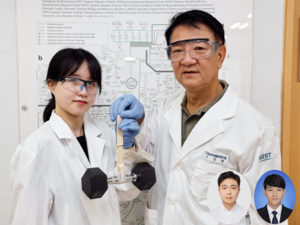
- Biodegradable polymer produced from glucose-fed E. coli - Adhesive strength 9% higher than conventional products; heat resistance and re-adhesion improved South Korean researchers have developed a technology to produce adhesives using E. coli instead of petroleum. A bio-based polymer derived from glucose-fed E. coli has demonstrated higher adhesive strength than conventional petroleum-based adhesives. KAIST announced Thursday that a research team led by Distinguished Professor Lee Sang-yup of the Department of Chemical and Biomolecular Engineering has developed a "microbial cell factory" capable of producing high-performance adhesive materials from glucose by precisely engineering the genetic and metabolic pathways of E. coli. Hot-melt adhesives — widely used in everything from delivery boxes and furniture to electronics and automobiles — work by melting when heat is applied and solidifying when cooled to bond objects together. They currently rely mainly on petroleum-derived polymers such as ethylene-vinyl acetate (EVA). These materials do not break down easily in nature, however, posing risks of waste accumulation and microplastic pollution. The research team turned its attention to polyhydroxyalkanoate (PHA), a biodegradable polymer that microorganisms can produce from renewable raw materials. The key challenge was improving both adhesive strength and heat resistance at the same time. The team combined 4-hydroxybutyrate (4HB), which makes the material soft and sticky, with phenyllactate (PhLA), which enhances rigidity and heat resistance. By adjusting the ratio of the two components, the researchers achieved the desired material properties. To accomplish this, they redesigned the metabolic pathways inside E. coli and optimized gene expression and enzyme activity. A computer-based metabolic model was also used to resolve bottlenecks in the production process. As a result, the team successfully produced 10.2 grams of the new polymer — poly(4HB-co-PhLA) — per liter of culture medium. A variant incorporating an additional component, 3HB, pushed output to 52.8 grams per liter. The adhesive performance also surpassed that of existing commercial products. In shear adhesion tests on stainless steel, the newly developed polymer recorded an adhesive strength of 4.58 megapascals — about 9 percent higher than commercial EVA adhesive at 4.20 megapascals. In wood adhesion tests, another bio-based polymer variant performed at a level comparable to commercial EVA. The material also maintained substantial adhesive strength after repeated cycles of melting and re-bonding. The introduction of the PhLA component improved heat resistance as well. The team demonstrated biodegradability by treating the polymer with lipase, a fat-digesting enzyme, which caused surface degradation and reductions in both molecular weight and total mass. The research team noted, however, that the rate of decomposition in real natural environments and the feasibility of commercialization require further verification. The significance of the achievement lies in showing that functional polymers previously dependent on petrochemical processes can now be produced directly using microorganisms. Potential applications span the packaging sector, including temporary fixation of stainless steel components, positioning of metal sheets, removable film adhesion on metal surfaces, kraft paper bonding, corrugated cardboard sealing and paper packaging assembly. "This research shows that by precisely engineering microbial metabolism, we can go beyond simply producing polymers to directly manufacturing functional materials," Lee said. "Going forward, this could be expanded into a bio-manufacturing technology capable of producing not only petroleum-based adhesive replacements but also a range of functional polymers in a sustainable way." The findings were published in Nature Communications.
Sept. 17, 2026
-

ABL Bio, Rainbow Robotics executives under probe for insider trading
"Illicit gains of 1 billion won ($739,000)?" — ABL Bio executive "They made more than 1 billion won." — Rainbow Robotics insider Executives, employees and their family members at ABL Bio — one of South Korea's leading biotech companies with a market capitalization exceeding 3 trillion won — are under investigation on suspicion of using undisclosed information to reap illicit gains of around 1 billion won. News of the probe sent the company's share price tumbling, inflicting heavy losses on investors. According to industry sources Wednesday, the Joint Task Force on Stock Price Manipulation raided ABL Bio's headquarters in Gangnam-gu, Seoul, as well as the homes of employees suspected of involvement, on Tuesday. About 10 ABL Bio employees and others are suspected of buying company shares before the public disclosure of a technology licensing deal with a global pharmaceutical company, then selling them after the share price rose — netting illicit gains of around 1 billion won in the process. Last year, ABL Bio announced a technology licensing agreement with a global pharmaceutical company worth up to 4.1 trillion won ($3.03 billion). The share price hit the daily upper limit on the day of the announcement. Seven months later, the company signed another major licensing deal with a global pharmaceutical company valued at up to 3 trillion won, sending the share price surging for two consecutive days. The stock hit the daily upper limit on Nov. 12 last year and climbed more than 29 percent the following day, rising more than 67 percent in just two days to break through the 160,000 won mark. During this period, company executives, employees and their family members are suspected of buying shares in advance and selling them to pocket large illicit gains. As news of the probe spread, ABL Bio's share price fell more than 8 percent on Tuesday and dropped a further 2 percent Wednesday, closing at 57,900 won. ABL Bio was founded in February 2016 and listed on Kosdaq in 2018. The company develops immunotherapy anticancer drugs and treatments for degenerative brain diseases based on bispecific antibody technology. In a message to shareholders posted on its website Wednesday, ABL Bio said it would "cooperate sincerely and transparently so that the facts can be clearly established in relation to the procedures currently being carried out by the relevant authorities." However, it added that "it is difficult for the company to make its own judgment or provide specific details on matters currently in progress, in accordance with relevant laws and procedures." Meanwhile, executives and employees at Rainbow Robotics, a leading Kosdaq robotics company, are also under investigation by prosecutors on suspicion of front-running. They are suspected of using inside information to buy and sell Rainbow Robotics shares while Samsung Electronics was acquiring a stake in the company between 2022 and 2024, netting illicit gains of more than 1 billion won. Prosecutors believe some of those involved borrowed money to fund their trades or tipped off acquaintances, who also profited illicitly. The government has previously stated that it will "track down and recover all illegal gains obtained through unfair trading practices, sending a clear message to the market that stock price manipulation leads to financial ruin."
Sept. 16, 2026
-
Pricier than premium beef: The murky trade in minke whale meat
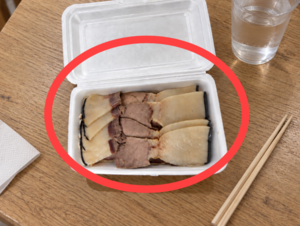
What kind of meat costs this much? A single plate — roughly 200 to 300 grams, enough for one or two people — carries a price tag of 180,000 won ($133). That is more expensive than premium Korean beef, long considered the country's most costly cut. The mystery meat is minke whale. A single animal can fetch up to 100 million won, earning it the nickname "the lottery of the sea." The steep price makes sense. Catching whales is illegal in South Korea. Only in limited circumstances — such as when an animal dies after becoming accidentally entangled in fishing nets — is the carcass permitted to be sold. But is all the whale meat currently on the market really the product of such accidents? Consumers have no easy way to know. Cases of illegal whale hunting driven by the prospect of high sale prices have recurred repeatedly, making it impossible for buyers to verify the origin of what they purchase. With illegal catches happening repeatedly, some analysts argue that the volume of whale meat consumed on the market exceeds what could plausibly come from accidental bycatch alone. Some advocates are now calling for a ban on online sales of whale meat to prevent further abuse. A review of major domestic online shopping platforms on Wednesday found multiple seafood vendors actively selling minke whale meat, with product listings prominently labeled "domestic" and "wild-caught." One actively listed product was priced at up to 180,000 won per 300 grams. Calculated per 100 grams, that works out to roughly 40,000 to 60,000 won — about four to six times the average retail price of top-grade Korean beef sirloin, which runs in the 10,000-won range per 100 grams. Under South Korean law, catching any cetacean is prohibited except for scientific research or rescue and treatment purposes. An exception exists for bycatch — cases where a whale accidentally becomes entangled in fishing gear and dies — in which the carcass may be sold. The windfalls can be substantial. In July, a minke whale caught as bycatch sold for 71 million won at the Bangeojin Fisheries Cooperative in Ulsan. Prices have gone even higher: a minke whale caught as bycatch off the coast of Samcheok in Gangwon Province in July 2024 sold at auction for 117.31 million won. The large sums a single whale can command have drawn no shortage of people willing to hunt them illegally. In July, a boat captain in Pohang was arrested on charges of illegally catching, butchering and transporting minke whales. Investigators found he had moved five animals between April and July, with a combined market value of 350 million won ($259,000). In December last year, seven people were booked on charges of illegal whale poaching. A 2022 study by researchers at the Korea Coast Guard Research Center found that, given the legal avenue for selling bycatch whales, some operators had gone so far as to illegally modify their vessels and organize systematic hunting operations to profit from whale catches. Korea Coast Guard data show that between 2019 and 2024, roughly 50 to 70 minke whales were consistently recorded as bycatch each year. Bycatch numbers for finless porpoises and common dolphins — both designated as protected marine species whose trade is banned — dropped sharply over the same period, while minke whale bycatch held steady. Environmental groups argue the pattern is hard to explain by accident alone. They contend that intentional catches of high-value minke whales are being disguised as bycatch, and that illegally caught whale meat is entering the market — pointing to analyses suggesting the volume of minke whale meat in circulation exceeds the officially recorded bycatch figures. Eight civic groups, including Hot Pink Dolphins and Sea Shepherd Korea, said at a press conference last May that "while catching whales is legally prohibited in South Korea, around 120 whales' worth of meat circulates on the market every year." They added that the country effectively allows even intentional catches to be recognized as bycatch — and the animals sold as food — simply by claiming the whale became accidentally entangled in a net. A traceability system does exist. Current regulations require sellers of whale meat to record the date and location of sale, the quantity and price, and the buyer's information on a processing confirmation document, a copy of which must be handed to the purchaser. Buyers who resell the whale meat must retain a copy of that document until the sale is complete. But the system does not automatically make this information visible to end consumers placing orders online. Naver's shopping platform requires sellers to display the whale processing confirmation document on their product pages under its own internal rules. Other platforms, however, often make it difficult for consumers to access the document at all. And even when the document is disclosed, ordinary buyers have virtually no way to verify that the animal listed on the paperwork is the same one whose meat they actually receive. In short, consumers buying whale meat online have no reliable way to determine whether what they are purchasing was legally obtained. Given that consumer demand can serve as an economic incentive for illegal hunting, some are calling for an outright ban on sales. The coalition of civic groups argued that "the distribution of whale carcasses is a harmful practice that must end immediately, and online sales are an even more serious problem because they deliver whale carcasses by courier to every corner of the country." They added that "as long as online stores continue selling whale carcasses, endangered whales in South Korea will keep being consumed as food." Some developed countries assign no commercial value to bycatch whales at all. The United States, under the Marine Mammal Protection Act enacted in 1972, generally prohibits the buying and selling of the bodies and tissues of whales, dolphins and other marine mammals. The case for protecting whales goes beyond population numbers. These massive animals travel thousands of kilometers, redistributing nutrients across the ocean as they go — making them an essential component of marine ecosystems. Even through feeding and excretion, whales bring nitrogen, iron, phosphorus and other nutrients toward the ocean surface, supporting the productivity of phytoplankton and the broader marine food web. It is a reminder that the value of a single whale cannot be reduced to the tens of millions of won its meat might fetch on the market.
Sept. 16, 2026
-
After spin-off, Kakao targets W6tr in sales with AI push
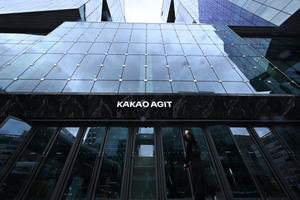
AI agent demo planned for October; integrated membership in the works Kakao X to actively develop digital assets Kakao has unveiled a blueprint to reach 6 trillion won ($4.43 billion) in annual sales by 2030, centered on Kakao AI — the entity that will take over the company's AI business following a planned spin-off. The target includes 1 trillion won in revenue from AI services alone, with daily active users rising to 20 million. Kim Do-young, head of Kakao Group's investment strategy division, announced the plan at an online briefing for retail shareholders Wednesday, according to Yonhap. The company aims to grow Kakao AI's sales from 2.7 trillion won last year to more than 6 trillion won by 2030. Of that total, AI services are expected to account for about 1 trillion won. The company plans to expand AI features within KakaoTalk to drive daily active users to 20 million while increasing the time users spend on the messaging app by 50 percent from current levels. Kakao AI will focus on integrating AI capabilities into existing platforms — including KakaoTalk, maps, advertising and commerce. The company plans to build what it calls "agentic AI" that reads user intent from conversation and service-usage context, then carries tasks through to completion. Some of those services are expected to take shape in October. Jeon Hyun-su, Kakao's business operations leader, said the company plans to demonstrate select AI agents at a developer conference that month. The approach would let users launch and complete a range of tasks directly within KakaoTalk, without switching to separate apps. Kakao is also developing an integrated membership program that ties together services across its ecosystem. The program would let users consolidate and redeem rewards earned across mobility, content, commerce and other services in one place. Jeon said the company is still designing and validating the business model ahead of an official launch, and that specific benefits and a release date have not yet been disclosed. Kakao also outlined measures to address privacy concerns in its AI service design. The company plans to offer relevant features through on-device processing — handled directly on users' smartphones — and to broaden its service scope by combining its own LLM with external specialized agents. Kakao X, which will handle non-AI businesses and investment functions after the spin-off, set its own growth target: 10 trillion won in sales by 2030, driven by expansion in tech-finance, content and mobility. Key growth areas identified by Kakao X include digital assets, live entertainment, a global fandom platform, robotaxis, robotic trucks and physical AI.
Sept. 16, 2026
-
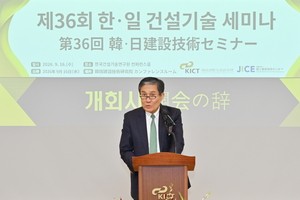
S. Korea, Japan mark 36 years of construction technology ties with joint seminar
KICT and Japan's JICE hold 36th annual joint seminar South Korea and Japan's leading construction technology research institutes convened Wednesday to address shared challenges in river management, roads and urban housing. The Korea Institute of Civil Engineering and Building Technology (KICT) said it held the 36th KICT-JICE Joint Seminar at its headquarters in Goyang, Gyeonggi Province, together with the Japan Institute of Construction Engineering (JICE). The seminar is an annual exchange event on construction and land science technology that the two institutions have maintained since signing a cooperation agreement in 1989. They have alternated hosting duties between South Korea and Japan each year, sharing research findings and policy issues through joint seminars and field visits. This year's seminar featured 12 presentations and discussions across four areas: rivers, roads, urban housing, and public procurement and policy. The two institutions exchanged research results and policy trends from their respective countries and discussed ways to coordinate responses to major issues in the construction and land development sectors. JICE, founded in 1973, serves as a think tank for Japan's land and transport sector. It conducts research and policy support across a range of fields, including river management and disaster prevention, roads and smart mobility, urban and housing regeneration, and public procurement. KICT President Park Seon-gyu said the seminar, now in its 36th year, "has been an important academic event that has contributed to research and policy development in the construction and land science technology sectors of the two countries." He added that KICT would "do its utmost to expand cooperation between the two countries, including joint responses to shared challenges, on the basis of our close partnership."
Sept. 16, 2026
-
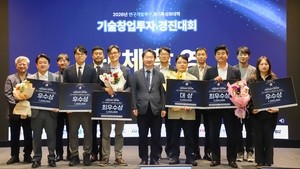
Deep tech startups from 5 science universities compete for up to W3b in investment
- KAIST, GIST, DGIST, UNIST and POSTECH take part - Korea Development Bank follow-on investment and LG Group open innovation program linked to winners Deep tech startups born from research at five of South Korea's leading science and technology universities have been given a stage to prove their worth. The Research and Development Special Zone Foundation held the final round of the 2026 R&D Special Zone Science University Technology Startup Investment Competition at the Daejeon Convention Center on Wednesday, evaluating six promising deep tech companies across 12 national strategic technology sectors. Now in its third year, the competition aims to identify deep tech companies built on university research and connect them with investment and industry. The foundation co-hosted the event with Mirae Science and Technology Holdings, with participation from five universities — KAIST, GIST, DGIST, UNIST and POSTECH — along with Korea Development Bank and LG Science Park. This year, 55 companies applied, more than double last year's 27. A written preliminary evaluation narrowed the field to 12, and a presentation round selected the final six. Anbixlab took the grand prize for its platform combining ultra-low-power AI chips with bioelectrode pads and functional skin patches to create a smart adhesive interface. The excellence award went to Smartin Bio, which is developing biotech treatments for intractable eye diseases, and Aim System, which is developing a medical micro-robot system that travels inside blood vessels to assist with procedures. The merit awards went to Onnano Biolab, Acellon and Mano Intelligence. Winners received trophies from the foundation's chairman along with prize money totaling 12 million won ($8,870) — 5 million won for the grand prize, 2 million won each for the excellence awards and 1 million won each for the merit awards. Beyond the prizes, winners will receive follow-on support aimed at turning their technology into real investment and commercial ventures. Mirae Science and Technology Holdings will consider investing up to 3 billion won in the grand prize and excellence award winners. Korea Development Bank will also review follow-on investment links for participating companies, including the winners. Award-winning companies that wish to collaborate with LG Group will be exempt from the document screening stage of Super Start, the open innovation platform operated by LG Science Park. Past winners are already seeing results. Five companies that won in 2024 and last year have secured a combined 8.6 billion won in follow-on investment from Mirae Science and Technology Holdings, Korea Development Bank and others. "The growth of deep tech begins with connecting outstanding research to startups, investment and the market," said Jeong Hui-gwon, chairman of the R&D Special Zone Foundation. "We will strengthen our role in linking technology, capital and markets so that the talent and research achievements of science and technology universities translate into corporate growth and industrial competitiveness."
Sept. 16, 2026
-

Acupuncture profession on verge of extinction as practitioners call for new law
Democratic Party lawmaker Im Mi-ae joins acupuncture practitioners' committee at press conference Only 2 licensed acupuncturists remain as medical law revision created education gap Group announces five-point demands, including establishment of acupuncture colleges and care hospitals A national coalition of acupuncture practitioners called Wednesday for the enactment of a dedicated acupuncture practitioners act, warning that the profession is on the verge of dying out in South Korea with only two licensed practitioners remaining — a crisis they attribute to an education gap created by a past revision of the Medical Service Act. The group argued that as countries around the world are turning to acupuncturists as a key strategy for addressing the challenges of a super-aged society, South Korea should train acupuncture professionals to fill gaps in its own healthcare system. At a press conference held Wednesday at the National Assembly communication room, Democratic Party of Korea lawmaker Im Mi-ae and the National People's Action Committee for Acupuncture Practitioners — an umbrella body representing 20 acupuncture-related organizations — unveiled a five-point set of demands. The five demands call for the re-enactment of an acupuncture practitioners act (working title) and the establishment of a licensing examination system; permission to establish accredited acupuncture universities and research and education institutions; the creation of an acupuncture policy division within the Ministry of Health and Welfare; authorization to open primary traditional Korean medicine clinics specializing in acupuncture and moxibustion treatment; and approval for specialized acupuncture and moxibustion care hospitals for patients with chronic illnesses and terminal cancer. According to the committee, the licensing examination system for acupuncturists — who had been classified as paramedical practitioners — was abolished when the National Medical Service Act was revised into the Medical Service Act in 1962. A further revision in 1973 allowed previously licensed acupuncturists to continue practicing, but under the current law no new acupuncturists can be certified. Today, only two acupuncturists licensed in the 1960s remain active. The committee also pointed to international precedents as models for filling healthcare gaps in a super-aged society: Japan, which has been producing licensed acupuncturists since the enactment of a 1947 law governing massage, acupressure, acupuncture and moxibustion practitioners; China, which legally recognizes acupuncture and trains practitioners as public health acupuncturists; and the United States, which has operated licensed acupuncturist systems in most states since California introduced one in the 1970s. The committee called for correcting what it described as flawed past government health policy. "We must enact an acupuncture practitioners act to restore patients' right to choose their treatment and reclaim health sovereignty," it said. On the proposed act specifically, the committee said it should "restore the acupuncture practitioner system that was forcibly abolished in 1962 and revive the formal licensing examination — including written tests in anatomy, physiology, pathology and hygiene, as well as practical acupuncture examinations — that had been in place since 1960." On the establishment of educational institutions, the committee added that South Korea "must train specialized acupuncture professionals to meet the global standards set by countries such as the United States and Japan," calling on the government to authorize the founding of acupuncture universities and bring veteran practitioners outside the formal system into accredited clinical roles. The committee also called for licensed acupuncturists to be granted the right to open acupuncture and moxibustion clinics and for those clinics to be designated as primary traditional Korean medicine institutions. It said dedicating such clinics to low-cost acupuncture and moxibustion treatment would help prevent the depletion of national health insurance funds and reduce the financial burden on patients. In addition, the committee called for the approval of specialized acupuncture and moxibustion care hospitals to treat patients with dementia, stroke, terminal cancer and other conditions who have been discharged from general hospitals, allowing them to receive care and spend their remaining days in a supportive environment.
Sept. 16, 2026
-
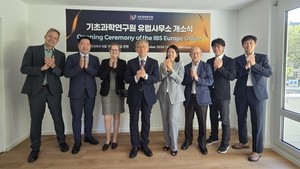
S. Korea, Germany forge 'basic science alliance' as IBS, Max Planck plan new joint research center
Third global joint research center in the works, with expanded AI-driven basic science collaboration The Institute for Basic Science will establish an additional global joint research center in partnership with Germany's Max Planck Society, one of the world's leading basic science research organizations. The two institutions plan to pursue AI-driven convergence research in basic science and jointly nurture early-career researchers. IBS announced Wednesday that it held a directors' cooperation meeting at MPG headquarters in Munich, Germany, on Tuesday (local time), at which the two sides agreed to deepen their strategic partnership. The meeting was attended by IBS President Jang Seok-bok and MPG President Patrick Cramer, along with MPG Vice President Christian Doehler, Joachim Spatz, director of the Max Planck Institute for Medical Research, and Cha Mi-young, director of the Max Planck Institute for Security and Privacy. IBS and MPG, the flagship basic science research institutions of South Korea and Germany respectively, have steadily expanded their relationship beyond joint research to broader institutional cooperation. In July last year, they opened the Max Planck-Yonsei IBS Center, the second Max Planck International Center in Asia. More recently, a bilateral international joint research center for quantum matter — involving both Max Planck institutes and IBS research units — began operations. At this week's meeting, the two institutions agreed to pursue a third joint research center. They also plan to broaden the scope of cooperation to include AI-based convergence research in basic science, joint development of early-career researchers, and the regularization of joint academic conferences. IBS also established a local presence in Europe to expand joint research with European institutions and attract top research talent. The organization officially opened its European office in Munich on Tuesday. The city is home to MPG headquarters, more than 10 Max Planck institutes, and the Technical University of Munich. "We confirmed the wide range of possibilities for strategic international cooperation with MPG," IBS President Jang said. "We will invigorate researcher exchanges through the European office and joint workshops, and expand the foundation for cooperation, including local joint research centers." MPG President Cramer said the two institutions share important values, including research excellence and global solidarity. "I look forward to even more active cooperation with the opening of the IBS European Office," he said.
Sept. 16, 2026
-
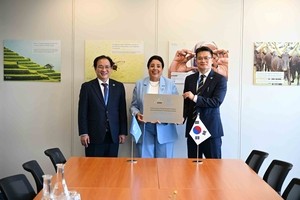
S. Korea's nuclear research institute named IAEA collaborating center for 4th consecutive time
Advanced Radiation Technology Institute to serve as international hub for radiation convergence technology The Advanced Radiation Technology Institute of the Korea Atomic Energy Research Institute has been designated an International Atomic Energy Agency Collaborating Centre for the fourth consecutive time. The recognition is expected to raise the global profile of South Korea's radiation convergence technology — spanning gamma rays, electron beams and neutrons — and expand international cooperation. The Korea Atomic Energy Research Institute held a plaque-presentation ceremony Tuesday (local time) at IAEA headquarters in Vienna, marking the institute's redesignation as an IAEA Collaborating Centre. IAEA Deputy Director General Najat Mokhtar and Advanced Radiation Technology Institute Director Jeong Byeong-yeop attended the event and signed the designation agreement. The IAEA Collaborating Centre network designates specialized institutions to support member states' research and development and education and training programs. Designation signals that the IAEA recognizes an institution as having expertise and capability in a specific field. Ninety centers across 43 countries currently hold the designation. The Advanced Radiation Technology Institute was first designated an IAEA Collaborating Centre in 2012, becoming the first radiation-focused institution in South Korea to receive the status. It was redesignated in 2017 and again in 2022 before securing its fourth consecutive designation this year. Over that period, the institute has run international radiation education programs, participated in IAEA joint research projects and technical cooperation programs, and hosted international conferences including "Atoms for a Healthy Planet" to promote the global spread of radiation convergence technology. Under the new designation, the institute will continue working with the IAEA on applications of gamma rays, electron beams and neutrons in environmental science, biotechnology and materials industries, as well as on mobile electron accelerator technology. It also plans to expand its role in sharing South Korea's accumulated radiation technology and research experience with IAEA member states. "Being named an IAEA Collaborating Centre for the fourth consecutive time is an internationally recognized testament to our institute's expertise in radiation," Acting President Im In-cheol said. "We will lead the advancement of radiation science and technology through close cooperation with the international community and fulfill our role as a technology-donor country."
Sept. 16, 2026
-
Korean researchers revive severed nerves with artificial neural conduit, restoring finger movement in primates
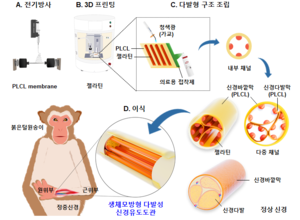
- KIST develops bundle-type artificial nerve conduit mimicking natural nerve structure - Nerve regeneration and hand function recovery confirmed in primates over 12 months South Korean researchers have developed an artificial neural conduit capable of reconnecting severed nerves and restoring finger movement and sensation. A year-long experiment on rhesus macaques — whose hand structure and function closely resemble those of humans — confirmed that nerves regrew and hand function recovered. A research team led by Jung Young-mi, a principal researcher at the Korea Institute of Science and Technology's Biomaterials Research Center, announced Wednesday that it had developed a multi-fascicular nerve guidance conduit (MFNGC) modeled on the actual structure of peripheral nerves. The work was carried out in collaboration with a team led by Professor Park Jong-ung of Korea University College of Medicine and the National Primate Research Center at the Korea Research Institute of Bioscience and Biotechnology. Severe damage to peripheral nerves in the hand or arm can cause a person to lose the ability to move their fingers or feel sensation. When the gap is long, surgeons typically perform autologous nerve grafting — harvesting healthy nerve tissue from elsewhere in the patient's body — but this sacrifices normal nerve tissue and is limited by the amount available. Conventional artificial nerve conduits have also largely taken the form of a single hollow tube, which limits their ability to guide regenerating nerves in the correct direction. The research team drew on the fact that peripheral nerves are composed of multiple fascicles. By analyzing the nerve structure in the wrist of rhesus macaques, the team created three small internal channels inside a single larger conduit. The conduit was made from PLCL, a flexible polymer that gradually degrades inside the body. Notably, the design relies solely on the conduit's structure to create a pathway for nerve growth, without the use of cells or additional growth factors. The team implanted the conduit into a 15-millimeter gap in the median nerve of a rhesus macaque's wrist and monitored changes over 12 months. The time it took the monkeys to pick up small pieces of food with their fingers shortened progressively, and motor impairment scores improved. Electrical stimulation tests measuring muscle response showed that signals began reappearing in most subjects after six months. After 12 months, newly regenerated nerves inside the conduit had organized into multiple fascicles resembling those of natural nerves, and myelin sheaths surrounding the nerve fibers had reformed. The molecular weight of PLCL, the conduit material, had decreased by about 94 percent compared with before implantation, and no significant chronic inflammatory response was observed. The findings confirmed the material's potential as a medical device component that serves as a temporary scaffold during nerve regeneration before gradually disappearing inside the body. The technology could be used in reconstructive surgery for patients who have severed nerves in the wrist or arm due to industrial accidents or traffic injuries. Because the conduit can be manufactured in advance and stored until needed, it eliminates the additional surgery required to harvest nerve tissue from another part of the patient's body. This reduces operating time and avoids complications such as sensory loss or neuroma at the donor site. The research team said the conduit's advantages extend to commercialization as a medical device, since it requires neither cell culture nor special cold-chain storage. After further verification of efficacy and safety, standardization of the manufacturing process, and regulatory approval research, the team expects it to serve as a nerve regeneration medical device that addresses the limitations of autologous nerve grafting. "We confirmed the regenerative potential of an artificial nerve conduit modeled on the fascicular structure of actual nerves in a primate whose hand is structurally similar to a human hand," Jung said. "We will expand the scale of verification and work toward clinical application of a domestically developed nerve regeneration medical device." The findings were published in the latest issue of the international journal Bioactive Materials.
Sept. 16, 2026
-
Korean researchers uncover how beneficial maternal bacteria colonize newborn gut
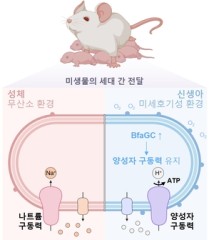
Research by Harvard professor Oh Sung-hwan sheds light on early microbiome formation Scientists have discovered why beneficial bacteria passed from mothers to their newborns can survive in the oxygen-rich environment of an infant's gut — the bacteria produce a kind of "energy shield" that protects them from oxidative stress. The National Research Foundation of Korea said Wednesday that a research team led by Oh Sung-hwan, a professor at Harvard Medical School, had identified the mechanism by which Bacteroides fragilis, a key gut symbiont, uses a specific glycolipid to overcome the oxygen-rich conditions of a newborn's intestine and establish colonization. Gut microbes are transmitted from mother to infant around the time of birth, forming the foundation of the baby's early intestinal ecosystem. Unlike in adults, however, oxygen is temporarily present in a newborn's gut — a formidable barrier for beneficial bacteria that are highly sensitive to oxygen. The research team focused on the fact that Bacteroides fragilis colonizes the infant gut more rapidly in the early days after birth than other intestinal bacteria. Analysis showed that when exposed to oxygen, the bacterium significantly increases output of a cell-membrane glycolipid called alpha-galactosylceramide, or BfaGC. BfaGC acts as an energy shield by tightly wrapping the cell membrane and preventing the bacterium's internal energy from leaking out. This allows the symbiont to conserve energy and survive even under oxidative stress. Strains engineered to be unable to produce BfaGC showed a marked reduction in their ability to colonize the infant gut during transmission from mother to newborn. BfaGC's role extended beyond the survival of beneficial bacteria. The glycolipid was also found to directly stimulate the development of immune cells in the newborn gut, supporting microbial colonization and the formation of the host's immune system at the same time. The research is significant for having elucidated at the molecular level how maternal gut symbionts are transmitted to newborns and establish themselves in the early intestine. It is expected to provide clues for understanding the interplay between early-life microbiome formation and immune system development. "This is basic research, but in the long term it could lay the groundwork for developing strategies to regulate maternal gut microbes or microbial metabolism so that beneficial bacteria are transmitted and established more effectively in infants," Oh said. "We hope it will advance into a new intervention that helps build a healthy early-life microbiome." The findings, supported by the Ministry of Science and ICT and the National Research Foundation of Korea's Sejong Science Fellowship, were published online in the international journal Cell on Sept. 1.
Sept. 16, 2026
-
AI platform proposed to match retired scientists with companies, regions
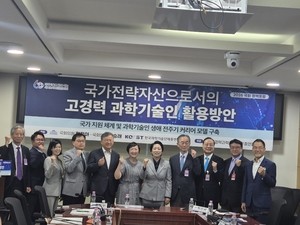
- Policy forum at National Assembly proposes lifelong career support system for senior science and technology professionals - AI-driven matching platform discussed alongside four pilot projects for 2027 Experts have proposed a national support framework to put retired scientists and engineers — and their decades of research and development experience — to work as "national strategic assets," using AI to connect them with companies and regions that need their expertise. A policy forum on the topic was held Tuesday at the National Assembly Members' Office Building. It was co-hosted by the offices of Assembly members Hwang Jeong-a and Cho Seung-rae and the Korean Federation of Science and Technology Societies, and organized by the Federation of Senior Science and Technology Professionals. Experts at the forum called for the establishment of a national "lifelong career model" to ensure that the experience and expertise of senior science and technology professionals are not lost the moment they retire. Park In-seo, head of the policy research center at the Federation of Senior Science and Technology Professionals, identified several shortcomings in current support policies for senior professionals: fragmented implementation structures, a lack of continuity before and after retirement, inadequate demand-based matching, and the absence of clear standards for roles, contracts, compensation and performance management. To address these gaps, Park proposed building an "AI-based national integrated platform" that would link everything from identifying technology needs at companies and public institutions to matching experts, evaluating their work and managing compensation. He also said a lifelong support system connecting pre-retirement assessment and training with post-retirement activities was essential. Participants also called for a shift away from the current model, which relies mainly on short-term consulting. The proposal was to move toward multi-year, problem-solving projects in which senior experts take part over an extended period to resolve technical challenges facing companies and local industries. Four specific pilot projects were proposed for 2027: an AI-based national integrated platform, an open-recruitment career transition and placement program for demand institutions, a Korean-style ILP director model, and regional strategic industry mission teams. The Korean-style ILP director model envisions senior science and technology professionals participating in a company's R&D and technology commercialization processes — going beyond simple consulting to manage actual problem-solving. The regional strategic industry mission teams similarly focus on applying senior experts' experience directly to resolving technical challenges at local companies and industrial sites. Han Seon-hwa, an honorary professor at the University of Science and Technology, proposed designating a dedicated agency and building the AI-based national integrated platform. Kim Gyu-dong, head of human resources development at the Korea Institute of Human Resources Development in Science and Technology, said a formal career pathway was needed — one connecting open recruitment through to training, evaluation and active deployment. Hong Seong-gwan, head of technology commercialization at the National Research Council of Science and Technology, presented the Korean-style ILP director model, under which senior experts manage a company's R&D and commercialization challenges through to resolution. Lee Ga-young, head of the science and technology safety infrastructure team at the Ministry of Science and ICT, outlined plans to build a statistical framework for senior science and technology professionals, designate a specialized agency, and draft implementing regulations under the revised Special Act on Support for Science and Engineering. "Retirement should not mark the end of a scientist's contributions, but the starting point for putting their experience to work anew as a national strategic asset," Park said.
Sept. 16, 2026
-
Korea Research Institute of Chemical Technology, SK Innovation team up to tackle AI data center heat problem
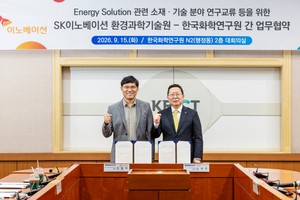
- Partners to use AI to discover next-generation two-phase refrigerants and cut cooling power consumption - Collaboration to span refrigerant synthesis through server and rack validation to 500kW-scale data center demonstration South Korea's state-run Korea Research Institute of Chemical Technology and SK Innovation have joined forces to develop next-generation cooling technology for AI data centers, which have drawn growing criticism for their strong power consumption. The Korea Research Institute of Chemical Technology said Wednesday it signed a memorandum of understanding with SK Innovation's Environment Science & Technology Institute to cooperate on materials and technology research related to energy solutions. As AI adoption drives a surge in data centers running large numbers of high-performance GPUs, the ability to remove server heat quickly and efficiently has become a key competitive factor. Conventional air-cooling systems are increasingly unable to handle the thermal load generated by high-density servers. The technology both institutions are focusing on is two-phase cooling, in which a liquid refrigerant absorbs heat from servers, vaporizes, and then condenses back into liquid — transferring large amounts of heat in the process. Securing refrigerants that absorb heat rapidly while remaining stable over extended use, along with effective heat-dissipation and heat-transfer materials, is central to improving cooling efficiency. The two organizations plan to combine AI and chemical materials expertise to identify new two-phase refrigerants. The approach involves using machine learning to predict the thermal and physical properties of candidate substances, selecting the most promising ones, then synthesizing and refining them and verifying key properties such as thermal conductivity and latent heat. Large-scale demonstration is also on the agenda. Under a research plan currently under review, the collaboration will begin with AI-driven refrigerant discovery, move through synthesis and refining process optimization and performance verification at the server and rack level, and culminate in validating cooling performance in a 500kW-class AI data center environment. The partners also plan to confirm power usage effectiveness — the key power-efficiency metric for data centers — as well as long-term operational reliability. Alongside this, the two institutions will jointly identify national research and development projects in AI data centers and electrification, and will cooperate on developing high-efficiency, eco-friendly materials for heat management, cooling, heat dissipation and power infrastructure. They also plan to expand exchanges of research personnel and technical information. "By combining the institute's research capabilities in refrigerants and thermal-management materials with SK Innovation's experience in energy research and development, we aim to secure core source technologies in advanced materials that will transform power efficiency in AI data centers," said Shin Seok-min, president of the Korea Research Institute of Chemical Technology. Kim Pil-seok, head of SK Innovation's Environment Science & Technology Institute, said responding to the rapid growth of AI data centers requires integrated technological innovation spanning refrigerants, materials and cooling systems. "We will work to proactively secure next-generation energy solution technologies and apply them in industrial settings," he said.
Sept. 16, 2026
-
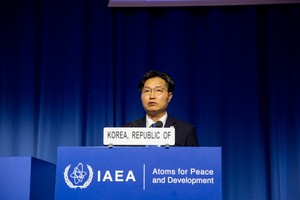
S. Korea unveils next-generation nuclear vision at IAEA general conference
- First Vice Minister Koo Hyeok-chae delivers keynote at 70th IAEA General Conference - Seven SEED projects and K-Moonshot initiative to accelerate advanced SMR development South Korea is pushing to establish small modular reactors and nuclear-powered vessels as national strategic technologies, aiming to secure an early foothold in the global nuclear power market. First Vice Minister of Science and ICT Koo Hyeok-chae delivered a keynote address Tuesday at the 70th General Conference of the International Atomic Energy Agency in Vienna, Austria, outlining the country's nuclear policy direction and key achievements. Koo reflected on South Korea's development alongside nuclear energy and presented a vision for leading nuclear innovation over the next 70 years. He said the government views nuclear power as a core pillar of energy security and carbon neutrality, as well as a strategic technology to drive future growth, and that it is pursuing both a stable expansion of carbon-free power generation and next-generation nuclear innovation. He also outlined plans to develop next-generation nuclear technologies and create new markets through seven SEED projects. The government is advancing the development and broader use of an innovative SMR under a dedicated SMR special act, while also pursuing SMR-powered vessels that combine nuclear and shipbuilding and maritime technologies as part of the K-Moonshot initiative. Koo said trust in safety and accountability must underpin future nuclear innovation and expansion, and expressed the government's commitment to international cooperation for sustainable nuclear development. He reaffirmed South Korea's firm commitment to the international nuclear non-proliferation regime and said the country would work closely with the IAEA and the international community on key issues, including the nuclear programs of North Korea and Iran, the safety and security of nuclear facilities in Ukraine, and the discharge of treated water from Fukushima. On the sidelines of the conference, Koo held bilateral meetings with IAEA Director General Rafael Grossi and senior officials from Singapore, Canada and other countries to discuss expanding cooperation in future nuclear fields such as SMRs and coordinating responses to major international issues. He also invited high-level participation in the IAEA Nuclear Energy Ministerial to be held in South Korea in October, proposing that discussions on the future role of nuclear energy and international cooperation continue on Korean soil. "South Korea will lead next-generation nuclear innovation, including SMRs and maritime nuclear power," Koo said. "We look forward to discussing the new possibilities of nuclear energy and the future of international cooperation with representatives from around the world at the IAEA Nuclear Energy Ministerial in Korea."
Sept. 16, 2026
-
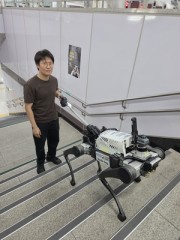
ETRI-KAIST team tops global robot AI navigation challenge
- Joint team beats 112 rivals at ECCV 2026, achieving 90.7% destination success rate - Self-correcting AI resumes search when robot takes a wrong turn, with applications in guidance and logistics physical AI A South Korean robot AI technology that understands spoken instructions and navigates unfamiliar spaces on its own has claimed first place at an international competition. The technology is expected to serve as a core component of physical AI — systems that understand and act on human commands in real-world environments — for applications ranging from guide robots for the visually impaired to manufacturing and logistics robots. The Electronics and Telecommunications Research Institute (ETRI) announced Wednesday that a joint team it formed with KAIST won first place among 112 competing teams at the VLNVerse Challenge, held as part of ECCV 2026, a leading international computer vision conference in Malmö, Sweden. Vision-and-language navigation, or VLN, enables a robot to understand natural-language commands, survey its surroundings through a camera, and travel to a destination on its own — without requiring anyone to manually input a route or build a detailed map in advance. The robot finds its way by simultaneously processing spoken instructions and the physical space in front of it. ETRI's Field Robotics Research Laboratory and the research team of Myung Hyun, a professor in the Department of Electrical Engineering at KAIST, competed as the joint team URL-FRRS. The team recorded an average success rate of 90.7% across two tasks: "object search," in which the robot determines its own route given only a destination, and "detailed navigation," in which it sequentially interprets and carries out multi-step instructions. Although the second-place team posted the same success rate, URL-FRRS claimed the top spot based on an earlier submission time under the competition rules. The researchers developed a technology called CoRe-VLN, which lets the robot detect its own errors when it stops at the wrong location and resume searching for the destination. Rather than immediately ending its mission upon judging that it has arrived, the robot captures images in all four directions. A multimodal AI then re-checks whether the location matches the instructed destination — verifying the color and material of the target object and confirming that it is actually nearby. If the robot determines it has not reached the correct destination, it generates a new route and resumes its search. The entire sequence — navigate, verify arrival, re-search on error — runs autonomously. An added advantage is that the technology can be applied without additional training of existing navigation AI models. Large-scale AI computing infrastructure also played a role. Through an advanced GPU support project run by the Ministry of Science and ICT and the National IT Industry Promotion Agency, ETRI received access to 32 Nvidia H200 GPUs, which it used to train and validate an AI model with 8 billion parameters. ETRI plans to apply the technology to a guide robot for the visually impaired being developed under its "Guide Dog" project. When a user says something like "let's go left" or "find the entrance," the robot assesses both the surrounding space and the user's intent to navigate to the destination. The team's next goal is to lighten the AI model — currently achieving the 90.7% success rate on a server-based implementation — so that it can run in real time on domestically developed AI semiconductors. "A robot's ability to confirm whether it has arrived correctly, and to search again if it has gone to the wrong place, is an essential technology for a guide robot to translate a visually impaired person's words into safe movement," said Choi Seung-min, head of ETRI's Field Robotics Research Laboratory. "This could serve as a core technology for a wide range of service robots that share spaces with people, including delivery and guidance applications," said Myung, the KAIST professor.
Sept. 16, 2026
-
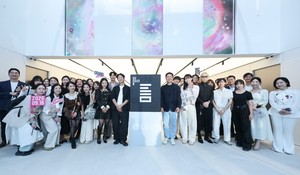
LG Uplus cultural space draws 1.9 million visitors in 6 years, relaunches as participatory art platform
Customer experience space evolves with 'Art Garage' concept 'Cycle of Growth' exhibition features Eric Oh, Nam Min-oh, Sanghee and Kim Do-eun AI art companion and art pass introduced for personalized gallery visits A large installation made from 439 discarded mobile phones dominates the entrance of U+Ilsang Biilsang-ui Teum, LG Uplus's cultural complex in Gangnam-gu, Seoul. Visitors hear artwork commentary through "AI Art Mate," an AI-powered audio guide — a glimpse of how the space has evolved into a full customer experience destination. LG Uplus on Wednesday completed the relaunch of U+Ilsang Biilsang-ui Teum, near Gangnam Station in Seoul, as a participatory art platform. The space has been reimagined around the concept of an "Art Garage," blending cultural arts with AI technology. The venue now combines exhibitions, creative programming, community activities and AI-based visitor services into a single customer-facing arts platform. LG Uplus said it aims to give emerging artists room to grow while offering customers new ways to engage with culture and the arts. The space first opened in 2020, when the spread of COVID-19 was driving a surge in contactless consumption. LG Uplus built the complex near Gangnam Station across seven floors — one below ground and six above. Over the past six years, about 1.9 million people have visited the space, and 85 brands have used it to connect with customers. The venue helped shape Seoul's pop-up culture through events such as a Lego 90th anniversary pop-up and a pop-up tied to the Netflix drama series "Squid Game 2." LG Uplus said it took note of how arts consumption was rapidly expanding beyond niche audiences to younger generations and the general public. The company concluded that artists, communities and programming could draw customers into active participation, and set about adding AI technology to develop the space into a full cultural arts platform. The Art Garage concept at the heart of the revamped space draws on the idea of a small garage where big ideas take shape: a place where emerging artists with potential can experiment, meet customers and grow. A defining feature is that the artists' own creative and growth process becomes part of the customer experience. Beyond viewing exhibitions, visitors can meet artists, attend talks and workshops, and purchase works — participating directly in the creative process. The first floor is designed as a hands-on space where visitors can engage with art in an accessible and entertaining way. A "Shorts Runway" area, developed in collaboration with YouTube, lets visitors film themselves as the subject of their own short video. AI-based editing then shapes the footage into a finished YouTube Shorts clip. The main exhibition experience begins on the sixth floor in a media art gallery, then flows down through exhibition spaces on the fifth and fourth floors, a participatory gallery on the third floor, an art shop on the second floor and an art lounge one floor below ground. The reopening exhibition, "Cycle of Growth," features artists Eric Oh, Nam Min-oh, Sanghee and Kim Do-eun. LG Uplus has also introduced AI Art Mate, an AI-powered viewing companion, to the space. Visitors receive a personalized AI Art Mate at the second-floor reception after completing a short arts preference quiz. They can then ask conversational questions about individual works — covering artwork details, artist backgrounds and production context — as they move through the galleries. After their visit, an art report summarizes their preferred works and overall taste profile. LG Uplus plans to deliver this information through smart glasses, removing the need for separate searches or manual input. The company said the goal is to deepen visitor immersion and create a virtuous cycle of cultural arts experiences. In addition, LG Uplus plans to run a talent show in the first quarter of next year to identify and nurture promising emerging artists. "U+Ilsang Biilsang-ui Teum is designed so that anyone can easily understand art and discover their own tastes and potential through AI technology," said Jang Jun-young, executive director of LG Uplus's marketing group. "We will continue developing it into a cultural arts platform where technology, art and people connect."
Sept. 16, 2026
-
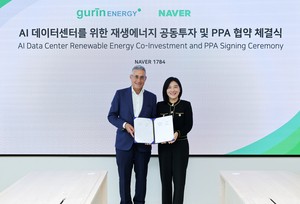
Naver partners with Girin Energy to secure renewable power for data centers
Naver has teamed up with Asian renewable energy developer Girin Energy to secure clean power for its data center operations. Naver announced Wednesday that it signed an MOU with Girin Energy to procure renewable energy for its data centers. Under the agreement, Naver will pursue a partial equity stake in Girin Energy's Jindo Green Solar project, currently under development in Jindo, along with a long-term power purchase agreement. The two companies plan to finalize detailed terms with the goal of signing a definitive contract by the end of this year. The Jindo Green Solar project secured an electricity business license for a total capacity of 216 megawatts earlier this year. Girin Energy will lead the project's development and operational management. Naver plans to purchase renewable energy produced by the project on a long-term basis to strengthen supply stability for its AI and cloud infrastructure, including its data centers Gak Sejong and Gak Chuncheon. Gak Sejong is a hyperscale data center designed to receive up to 270 megawatts of power and accommodate 600,000 server units at full capacity. It currently serves as infrastructure for Naver's large-scale AI and cloud services. Through this partnership, Naver said it will diversify its approach to securing renewable energy by pursuing both a long-term PPA and a direct equity investment in the project. The company also aims to source the power needed for domestic AI and cloud infrastructure growth from renewable energy and to build a long-term cooperation model between renewable energy developers and technology platform companies. Naver said it expects the partnership to help bridge the country's energy transition and digital infrastructure growth. "Through long-term PPAs and strategic investment, Naver will strengthen the foundation for transitioning our data centers to renewable energy and continue working toward our 2040 Carbon Negative goal," said Chae Sun-joo, Naver's chief strategy officer. "We will support Naver's renewable energy expansion while also contributing to South Korea's energy transition and carbon neutrality goals," said Assad Rajuk, CEO of Girin Energy. Meanwhile, Naver has been pursuing energy efficiency improvements and a shift to renewable energy at its data centers since declaring its "2040 Carbon Negative" commitment in 2020. The company has continued efforts to reduce greenhouse gas emissions from power consumption through a range of renewable energy procurement methods, including solar, small hydropower and wind. Notably, in April, Naver made an equity investment in a GS wind power plant and signed a PPA — becoming the first RE100 company in South Korea to secure renewable energy through a direct investment in a renewable energy generation entity.
Sept. 16, 2026
-
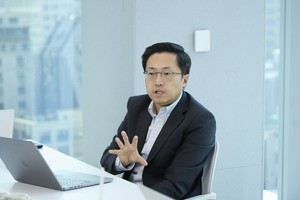
SK Telecom unveils AI agent that handles taxes, hospital bookings by voice
Agentic AI to make calls, send texts on users' behalf Targets youth, seniors and small-business owners; ecosystem to expand with VC backing Domestic AI models prioritized; token efficiency, safety and liability remain challenges SK Telecom, selected as the operator of the government's "Modu's AI" initiative, declared Tuesday the dawn of an era in which a single voice command can handle everything from paying taxes to booking a hospital appointment. The Modu's AI app — working title — aims to make proactive welfare services a reality, lowering the barrier to AI agent use for young people and seniors so that everyone can rely on AI in their daily lives. Kim Ji-hoon, head of SK Telecom's AI business division, laid out the blueprint at the Modu's AI Group Briefing held Tuesday at SKT T Tower in Jung-gu, Seoul. SK Telecom envisions Modu's AI as an action-oriented agent that can also place calls and send texts on a user's behalf — targeting young people and seniors as its primary users to reshape everyday life. Unlike a conventional chatbot that merely provides answers, the agentic AI takes action. Through Goodoc, a healthcare company in the SK Telecom consortium, users will be able to check waiting times and reviews for nearby hospitals and make reservations directly through the app. For digitally underserved users who struggle with technology, the agent can make phone calls or send text messages on their behalf. Information that is hard to find through a web search can be obtained via calls or texts. The service will use dedicated phone numbers — such as 1532 and 1000 — assigned for specific purposes. Public services will shift from an application-based model to a proactive one. If a user is eligible for a welfare benefit they have not yet claimed, the app will notify and encourage them to apply. Government documents currently available through the Gov24 portal will also be requestable by phone. Small-business owners will be able to check and manage tax filings and sales records through the app. SK Telecom plans to build Modu's AI as an open ecosystem and expand it across a wide range of services. That is why venture capital firm Altos Ventures joined the consortium — it has a track record of investing in large-scale platforms including Karrot and Coupang Inc. "We also expect to connect with various businesses and developers through Hashed, which has an extensive developer and investment network," Kim said. SK Telecom has set a target of 5 million monthly active users this year and 10 million next year across the Modu's AI app, web and phone channels. However, the company still faces hurdles: token efficiency, security and stability, and questions of liability. SK Telecom is prioritizing domestic AI models over global ones. "We plan to define tasks — general conversation, multi-turn dialogue, reasoning and workflow — and use not only A.X K2 but also models such as Motif and Solar," Kim said. Token efficiency — optimizing the data units that AI processes — is another challenge. SK Telecom plans to rely solely on government-supplied GPUs through next year, but cannot rule out the need for additional GPUs if the service scales and the user base grows. With no clear monetization model in place, the cost burden on the company is real. Security and liability are also concerns. Beyond cybersecurity, the question of who bears responsibility for user harm caused by AI hallucinations cannot be ignored. Shinhan Card and Hana Card are both part of the consortium, and agent-based payment verification is under discussion, making these considerations all the more pressing. "Security firm AIM Intelligence has joined the consortium and is building an agent security framework, and a red team has been assembled to identify and address potential vulnerabilities in advance," Kim said. He added that it is important to design sensitive areas — such as tax, finance and healthcare — so that AI responses alone do not drive major decisions or actions. "For high-stakes areas like financial transactions, rather than expanding from the outset, we will take a phased approach starting with services that carry relatively lower risk and are easy for users to try," he said.
Sept. 16, 2026
MOST READ
- 1Pope Leo XIV declines French honors and banquet, accepts only private meeting with Macron
- 2KAIST develops high-performance bio-based adhesive using E. coli instead of petroleum
- 3Daimler Truck unveils next-generation transport solutions at IAA 2026
- 4What was Rachmaninoff's performance fee? A 1928 price list tells all
- 5Samsung Biologics union's show of force backfires at the bargaining table
- 6APR says hair-loss treatment research published in international journal
-
WORLD

US warns of punishment for anyone enabling Iran's Strait of Hormuz toll scheme
-
INDUSTRY
Toyota union puts productivity first; Hyundai Motor union demands bigger share of profits
-
FINANCE
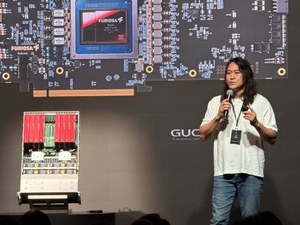
National Growth Fund to invest $531M in FuriosaAI, which rebuffed Meta's $800M takeover bid
-
INDUSTRY
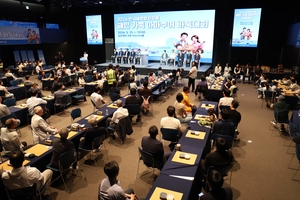
Korea Shipowners' Association holds amateur baduk tournament for Maritime Day