
- HOME
- IT·SCIENCE
-
DeepSeek picks underwriter for Shanghai listing, sources say
CITIC Securities named lead underwriter; IPO process seen starting this year Listing timeline, offering size and valuation target still undecided Chinese AI startup DeepSeek is moving ahead with preparations for an initial public offering on the Shanghai stock market after selecting an underwriter for the listing. According to Yonhap, Reuters reported Wednesday (local time) that DeepSeek has chosen CITIC Securities as its lead underwriter for a listing on the Sci-Tech Innovation Board, the Shanghai Stock Exchange's tech-focused market. DeepSeek aims to begin the IPO process by the end of this year, according to multiple sources familiar with the matter. Companies pursuing an IPO typically select a securities firm before filing a listing application, so the firm can review and guide them on governance, financials and internal controls. Reuters said the selection of an underwriter signals that DeepSeek's listing plans are indeed moving forward. However, the sources said the specific timing of the listing, the size of the offering and the target valuation have not yet been decided. DeepSeek appears to be pursuing an IPO to secure funding for computing infrastructure, AI model development and talent acquisition amid intensifying competition among major Chinese and US AI companies. Reuters reported in July that DeepSeek was in the process of raising new funding at a valuation of 500 billion yuan ($74.5 billion). In June, the company raised about $7.4 billion through an investment round that valued it at more than $50 billion after the investment, according to Reuters. At the time, founder Liang Wenfeng personally committed to investing 20 billion yuan, while Chinese IT company Tencent and CATL, the world's largest battery maker, invested 10 billion yuan and 5 billion yuan, respectively, becoming major outside shareholders, Reuters said. Chinese and US AI companies have recently been moving to raise capital through stock listings. Chinese LLM developers Z.AI and MiniMax both listed on the Hong Kong stock exchange this year. Beijing-based AI startup Moonshot AI has also confidentially filed for an IPO on the Hong Kong exchange, Reuters reported earlier this month. Moonshot AI was recently valued at $50 billion in a fundraising round, lower than DeepSeek's valuation and below Z.ai's market capitalization of about $54 billion. The valuations of Chinese AI companies still lag far behind the valuations their US rivals are targeting through public listings. Some investors believe Anthropic, the developer of Claude, could be valued at up to $2 trillion in an IPO, while OpenAI may aim for a valuation of up to $1 trillion in its own planned listing, according to Reuters. In addition, the valuation gap reflects a substantial difference in sales between Chinese and US AI companies, highlighting the difficulty Chinese AI developers face in converting competitive technology into revenue. DeepSeek has reportedly also lost some staff recently to better-funded rivals such as ByteDance and Xiaomi. Another source said Liang is hoping to use funds raised through the IPO to boost compensation and retain key employees and researchers.
Sept. 9, 2026
-
![Closing the toilet lid before flushing? Science still cannot say for sure [Huam-dong Paper Lab]](https://wimg.heraldcorp.com/news/cms/2026/09/09/news-p.v1.20260909.1db16d8480964258b87c5507b806e90f_T1.jpg?type=h&h=240)
Closing the toilet lid before flushing? Science still cannot say for sure [Huam-dong Paper Lab]
Closing the toilet lid before flushing is common hygiene advice. But a new analysis finds that the practice's effectiveness has never actually been scientifically confirmed. Although more than 20 studies have examined toilet flushing, almost none of them measured what happens when the lid is closed. A research team led by Lira Adiyani and Harriet Whiley at Flinders University in Australia recently published an analysis in the international journal Science of the Total Environment, Volume 1048. The analysis pooled data from 22 existing studies on airborne microorganisms generated by toilet flushing. Rather than running new experiments, the team gathered scattered figures from prior research and re-examined them together. Water droplets from a flush can fly as high as a person's head When a toilet is flushed, the fast-moving water strikes the bowl and creates turbulence. Some of the smaller droplets thrown up in the process rise into the air, potentially carrying microorganisms from the water and waste. Previous studies have detected airborne droplets as far as 150 centimeters horizontally from the toilet and as high as 163 centimeters above the floor. That is roughly the height at which a standing adult breathes, between 150 and 170 centimeters. This raises the possibility that droplets thrown up by a flush could enter a person's airway the moment they stand up after flushing. The droplets stay airborne for at least 20 seconds after a flush. Most measure 3 micrometers or smaller, small enough to bypass the nose and throat and travel deep into the lungs. The research team said these figures come from short, human-scale measurements, and that droplets could travel much farther than 150 centimeters if carried by air currents. After pooling and statistically analyzing the 22 studies, the team found that airborne microbial concentration was driven mainly by two factors: the amount of microorganisms in the water and the force of the water flow. When the microbial concentration in the water rose tenfold, the airborne concentration increased 2.6-fold. For every additional liter of water used per flush, airborne concentration rose 1.3-fold. A larger volume of water per flush also means stronger turbulence. In practice, the household toilets used in the studies varied widely, using as little as 3 liters or as much as 13.3 liters per flush. Even among toilets of the same type, water use per flush varied more than fourfold depending on the model. The toilet lid may help, but not by a statistically meaningful margin However, airborne microbial concentration was 23 times higher when the toilet lid was left open than when it was closed. That leaves room to argue that closing the lid reduces the amount of water thrown into the air, but the figure carries no statistical weight. Only a single study in the pooled data actually measured flushing with the lid closed, making any comparison effectively impossible. The research team suggested that rather than reducing the amount of droplets produced, a closed lid may simply redirect where they end up. Even with the lid shut, droplets can still escape through the lid itself or through gaps around it. Still, the team could not draw firm conclusions about this ventilation effect either, citing insufficient related research. Setting the statistical uncertainty aside, the researchers advised closing the lid before flushing, turning on a ventilation fan or opening a window, and using toilets that use less water per flush. They said such measures can reduce both the amount of airborne droplets and how long they remain suspended. The team said the analysis has a limitation: because the 22 underlying studies each used different measurement methods, direct comparisons between them are difficult. Reference paper DOI: 10.1016/j.scitotenv.2026.182111 Citation: L. Adiyani, K. Ross, B. Van den Akker, and H. Whiley, "Aerosol and bioaerosol generation from toilet flushing: A systematic review and risk factor analysis," Science of the Total Environment 1048 (2026) 182111.
Sept. 9, 2026
-
![K-pop concerts leave mountains of trash — can the industry go green? [What on Earth?]](https://wimg.heraldcorp.com/news/cms/2026/09/09/news-p.v1.20260909.dbed0c79d09d4d2689976ef06f3fa1af_T1.png?type=h&h=240)
K-pop concerts leave mountains of trash — can the industry go green? [What on Earth?]
"How can there be so much trash?" The scene at a K-pop idol's concert after it ends: empty water bottles, food and drink containers, and wrapping from merchandise litter the area around the venue once the crowd has gone home. It looks like little more than a garbage dump. But there is a twist. That visible trash, it turns out, is only an "extremely small fraction" of the environmental pollution a concert generates. Large amounts of greenhouse gases are also emitted from electricity use and audience travel, among other things. One analysis found that a single K-pop concert emits greenhouse gases equivalent to producing and discarding about 45 million disposable plastic cups. Sustainable concert practices — such as cutting waste and using renewable energy — have already spread abroad, but change has come more slowly to the K-pop industry. That mood is shifting, though. The government and the concert industry have begun discussions on common standards for sustainable performances. Given that K-pop commands a global fandom of about 75 million, expectations are high that such change could have a major ripple effect on the music industry and its fans. K-pop's influence grows, but eco-friendliness lags Kpop4Planet, a fan-led climate action platform, published a report titled "Low-Carbon Concerts: A New Stage to Save K-pop." It found that live performances account for about 73 percent of the music industry's emissions. The entire process — from electricity use to audience and artist travel, equipment transport and waste — generates carbon. Actual measurements from K-pop concerts make the scale easier to grasp. According to YG Entertainment's sustainability concert report, Blackpink's 2023 Seoul concert generated about 5,953 tons of greenhouse gases over two days. That comes to an average of about 3,000 tons per day — equivalent to running about 700 gasoline-powered cars for a year or to producing and discarding about 45 million disposable plastic cups. Still, it would be unfair to say the K-pop industry has ignored sustainability altogether. Efforts to change, particularly around waste reduction, have continued at K-pop concerts. When Kpop4Planet analyzed five major domestic entertainment companies last year, it found several had taken steps to cut waste, such as recycling banners or making merchandise from recycled materials. By contrast, the companies showed relatively weak, concrete efforts to cut emissions in areas such as energy and transportation — the main sources of carbon output. None of the concerts analyzed at the time used renewable energy. Abroad, artists have already begun rethinking how concerts are produced. The British rock band Coldplay has used renewable energy and cut back on single-use water bottles and air travel while touring. The band has also installed a "kinetic floor" that converts the energy of jumping fans into electricity, along with bicycle-powered generators. Through such measures, Coldplay cut the direct carbon emissions of its recent tour by more than half compared with its previous one. This has fueled calls for K-pop, given its global reach, to take a more active role in sustainability as well. Because the industry commands such a tightly knit and highly engaged fandom, some argue that changes in how concerts are run could shape public awareness and behavior more broadly. "If the power of culture can be directed toward the environment, it will not only showcase South Korea's global leadership but also help trigger a positive domino effect across the industry," said Lee Da-yeon, a campaigner at Kpop4Planet. K-pop moves to set its own sustainability standards Change is already underway. This year, the Korea Creative Content Agency has been running a beta test to measure carbon emissions at concert venues in Seoul and Incheon, working with three major entertainment companies — SM Entertainment, HYBE and JYP Entertainment. At the Sustainable Wave Festival held in Incheon last month, organizers tested ways to cut emissions on-site, including introducing a mobile energy storage system, or ESS, to reduce reliance on diesel generators. Discussions have also begun on how to spread such individual efforts across the industry as a whole. Kpop4Planet held a launch ceremony and policy forum Tuesday at the National Assembly for what it calls the "consultative body for establishing carbon-neutral concert and event guidelines." The forum exposed a lack of common standards for how far to measure carbon emissions and how to gather related data. Naeilui Sseuim, a group that has measured emissions from K-pop concerts, ran a participatory carbon calculator to survey audience travel, but participation stayed below 10 percent. It struggled to use ticketing platforms and organizers' notification channels to reach audiences. Gathering data from concert-related vendors was also difficult, since they are under no obligation to provide it. The cost and infrastructure needed for eco-friendly concerts remain challenges as well. At the Sustainable Wave Festival, producing eco-friendly banners cost about three times more than conventional printing, and mobile ESS units also faced capacity constraints domestically. The financial burden on entertainment companies is one of the biggest issues. Many companies lack the dedicated staff or budgets that larger agencies have, and the scale and facilities of each concert vary widely. How much any future guidelines account for such differences will be key. If the standards end up too uniform, industry insiders worry they could function as a de facto regulation even without legal force. Choi Tae-young, secretary-general of the Korea Popular Music Industry Association, who attended the forum, said, "Large agencies are subject to mandatory disclosure requirements and have dedicated departments, but there are far more companies that do not." He added, "The guidelines are not meant to be punitive, but there is concern that those who fail to comply could suffer reputational damage." "Just as every facility has its own characteristics, every concert has its own characteristics as well," he said, criticizing a uniform approach as inefficient when applied across such varied performances. He suggested it would be more realistic to set standards tailored to each facility's conditions rather than applying a single uniform standard to all concert organizers. The government says it will first assess the current situation and consult with the industry. Kim Yu-mi, director of the popular culture industry division at the Ministry of Culture, Sports and Tourism, said, "To create guidelines, we first need to understand the current situation behind the concerns being raised." She added, "Based on that assessment, we plan to review the guidelines with the industry next year." The consultative body plans to hold five rounds of discussion through next February. Starting with measuring carbon emissions, it will address energy transition at concerts, waste reduction and management, and incentive design. These discussions aim to support the Ministry of Culture, Sports and Tourism's formal establishment of carbon-neutral concert and event guidelines. "Fans played an absolutely essential role in K-pop's growth into music enjoyed by people around the world, and as a fan myself, I could not be prouder," campaigner Lee said. "I hope K-pop will now take the lead in responding to the climate crisis as well, setting the standard for sustainable concerts and showing how it can drive change across the global music industry."
Sept. 9, 2026
-
Face verification curbs 'Odyssey' ticket scalping, but security lags behind
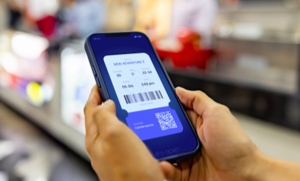
Toss's FacePass adopted by KT Wiz, Lotte Giants, NOL and others No prior adequacy review filed with privacy watchdog yet Experts say entire authentication process needs security checks "Selling an 'Odyssey' movie ticket for 350,000 won ($261)" — from a post on a secondhand trading platform. As scalpers increasingly turn to secondhand trading platforms to resell tickets for popular films at inflated prices, facial recognition services are spreading fast as a countermeasure. But while facial data carries far greater risk than ordinary personal information if leaked, critics say safeguards to prevent such leaks remain insufficient. According to IT industry sources Wednesday, facial recognition services are expanding across sports stadiums and concert venues. This follows a rise in scalping, including the resale of tickets for the film "Odyssey" at inflated prices on secondhand platforms. A leading example is FacePass, a facial recognition service from Toss. It lets users verify their identity using facial data they registered in advance, without needing a separate ticket or ID. FacePass is spreading rapidly. Professional baseball team KT Wiz introduced the service this year to help manage fan entry. According to KT Corp, the service is being piloted among season ticket holders, with at least 500 fans currently using FacePass. Lotte Giants, ticketing platform NOL and hagwon platform EduOK have also adopted the technology, as its range of use continues to widen. Toss had already expanded FacePass's scope in May, extending it beyond venue entry verification to age confirmation and point accumulation. Observers say the company is broadening its business beyond concert halls and gyms into offline merchant partnerships more generally. The problem is that even as the service spreads, concerns persist that safeguards against personal data leaks remain inadequate. A case in point is whether Toss has undergone a prior adequacy review by the Personal Information Protection Commission (PIPC). Toss has yet to submit an application for such a review. The prior adequacy review is a system under which the PIPC examines whether a company's new service risks violating the Personal Information Protection Act and establishes necessary protective measures. "Toss has never applied for a prior adequacy review for FacePass," a PIPC official said. FacePass faced the same criticism during a National Assembly audit in October 2025. Critics say the fact that no preventive measures were put in place despite a year of ongoing concern points to a passive approach to protecting personal information. At the time, Lee Hae-min, then a Rebuilding Korea Party lawmaker, said, "According to the notice for NOL Ticket's face pass, the information is stored not by NOL Universe but by Toss for a year before being deleted. Users likely have no idea that their facial data will be kept by Toss, rather than NOL Ticket or HYBE." Lee went on to say, "The prior adequacy review approval Toss received from the PIPC was for its face pay business, not its face pass business. Toss has explained that face pass and face pay use the same technology but are separate businesses — if that is the case, face pass should undergo its own adequacy review." Toss maintains that there is no problem, saying personal information such as facial data is managed on a separate server. "Facial data is converted into 'feature information,' encrypted, and stored on a separate server. We do not share personal information with device manufacturers or service partners," a Toss official said. Still, industry observers say the location where facial data is stored alone cannot guarantee the safety of facial recognition technology. "The fact that facial data is stored inside the device alone cannot dispel concerns," said Hwang Seok-jin, a professor at Dongguk University's Graduate School of Information Security. "It needs to be verified what data is generated during on-site authentication, how it communicates with the server, and whether protective measures exist to prevent outside breaches." He added, "The level of camera access granted to manufacturers, whether information temporarily remains on the device, and the security of remote maintenance and after-sales service access all need to be checked as well." Experts say facial data carries greater risk than ordinary personal information if leaked, given its nature. That is why calls are growing for companies using facial recognition technology to establish more thorough safeguards. "Unlike a password, facial data is, in effect, permanent information that cannot be changed once leaked," said Choi Kyung-jin, a professor of law at Gachon University. "If leaked, there is a high risk it could be misused in identification or authentication processes." The government has also recently moved to tighten protection standards for biometric information such as facial data. Under the Standards for Ensuring the Safety of Personal Information, which the PIPC put into effect in July, businesses must apply security-verified encryption algorithms. This applies when storing or transmitting authentication information, including biometric data, over communication networks. In effect, this requires security management across the entire process by which information travels from a device to a server.
Sept. 9, 2026
-
Court finalizes Smilegate founder Kwon Hyuk-bin's divorce, rejects alimony claim
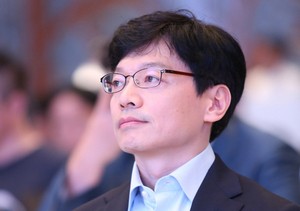
'Responsibility for marriage breakdown is equal on both sides' Kwon holds 100% of Smilegate; company control unaffected even if 35% share division ruling is finalized A court has ruled that the divorce of Smilegate founder Kwon Hyuk-bin, the game company's chief vision officer, is finalized, but it rejected his former spouse's claim for alimony, saying responsibility for the marriage's breakdown lies equally with both sides. Although 35 percent of Smilegate's shares are subject to the property division, Kwon holds 100 percent of the company's equity. Industry watchers expect the ruling, even if finalized, will not affect corporate governance. Since Kwon is widely expected to appeal the ruling, attention is also turning to whether the scale of the property division could change going forward. The Seoul Family Court's Family Division 3, headed by Presiding Judge Jeong Dong-hyeok, on Wednesday granted the divorce petition filed by Kwon's former spouse, identified as Lee, against Kwon. The court ordered Kwon to pay Lee 35 percent of Smilegate shares in kind, along with 65 billion won ($48.5 million) in cash, as part of the property division. The court went on to say that Kwon must pay Lee a total of about 2.55 trillion won. The amount marks a new record high for a property division settlement in a domestic divorce case. However, the court dismissed the claim for alimony. It said, "Both the plaintiff and the defendant bear responsibility, and their degrees of responsibility are equal. Therefore, the plaintiff's divorce petition is granted, but her claim for alimony is dismissed." The court set the share division ratio at 35 percent for Lee and 65 percent for Kwon. Even if the ruling is finalized as is, Kwon will retain a 65 percent stake and keep control of the company. Kwon has held 100 percent of Smilegate's equity since 2012. The divorce case could still drag on before a final conclusion is reached. Industry sources believe Kwon is likely to appeal. It took about four years for the first-instance ruling to come out after Lee filed the suit in November 2022. Meanwhile, Kwon graduated from Sogang University with a degree in electronic engineering in 1999 and married Lee in 2001. He founded Smilegate the following year. Lee filed for divorce in 2022, citing Kwon's neglect of the family. During the trial, she argued that she held a 30 percent stake in Smilegate in its early days and contributed to its management. She called for half of Kwon's stake in Smilegate to be divided with her. Kwon, for his part, maintained that he was not at fault and did not want the divorce.
Sept. 9, 2026
-
Korean researchers use light to cut hydrogen peroxide toxicity by 90%
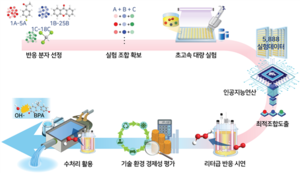
- KIST develops method producing two hydrogen peroxide molecules from a single light particle - High-speed experiments and AI help create optimal reaction solution South Korean researchers have developed an eco-friendly technology that allows hydrogen peroxide — a chemical used in water treatment, sterilization and semiconductor cleaning — to be produced on-site using light. A research team led by Byun Ji-hye and Jung Jae-sik at the Water Cycle Research Center of the Korea Institute of Science and Technology's Climate and Environmental Research Institute announced Wednesday that it had developed a new reaction solution capable of efficiently producing hydrogen peroxide on-site using light, by combining high-speed experimentation with AI. In the conventional photocatalytic method of producing hydrogen peroxide, electrons generated in a light-exposed catalyst react with oxygen to form the compound. Because a single light particle, or photon, can trigger only one reaction, producing one hydrogen peroxide molecule per photon — effectively 100 percent efficiency — has long been the practical ceiling, limiting further gains in production. To break through that limit, the research team focused on a "chain reaction" in which a single burst of light sets off a continuous sequence of reactions. Much like dominoes falling in sequence, the first reaction triggers the next, allowing a single photon to generate multiple hydrogen peroxide molecules. The team created a solution combining a light-absorbing substance that initiates the reaction, a hydrogen-donating substance and a solvent that helps the two react efficiently. By pairing large-scale, high-speed experiments — 5,888 trials across 184 conditions — with AI-driven big data analysis, the team identified an "organic reaction solution" that optimally induces the chain radical reaction. The solution activates a chain photochemical pathway in which reactions cascade like dominoes upon absorbing light energy, breaking through the limits of conventional photocatalysts to achieve a world-leading quantum efficiency of 219.1 percent — meaning more than two hydrogen peroxide molecules are generated from a single photon. The team also proved the technology's industrial scalability by continuously producing high-purity hydrogen peroxide (about 1 percent, or 291 millimolar) for more than 30 hours in a liter-scale reactor. The method demonstrated strong water treatment performance, breaking down more than 99.95 percent of the endocrine disruptor bisphenol A within six hours, and cut toxicity by more than 90 percent compared with existing processes. While conventional solar catalyst research relies on high-power light sources of around 300 watts, the new technology runs on just 4 to 8 watts — about one-fortieth as much, comparable to a smartphone charger. That opens the door to decentralized, on-site production at facilities that need hydrogen peroxide, such as water purification plants and sewage treatment facilities, reducing dependence on large-scale factory production and the transport and storage of high-concentration solutions. An environmental impact assessment found that the new method, which uses fewer chemicals and simpler equipment than existing approaches, reduced freshwater ecological toxicity by 90.9 percent and human toxicity by 93.2 percent. The reduced transport and storage burden is expected to bring cost and safety benefits for small and midsize water treatment facilities. "The initial applications we envision include disinfection and oxidative pretreatment of hard-to-decompose pollutants at water purification and sewage treatment plants, sterilization of irrigation water and growing media at smart farms, and supplying cleaning water for semiconductor and display processes," Byun said. "The decentralized production structure itself, which eliminates the need for long-distance transport, is expected to reduce carbon emissions, while removing hard-to-decompose pollutants directly on-site should simultaneously improve discharge water quality and the health of water systems." The findings were published in a recent issue of the international journal Joule.
Sept. 9, 2026
-
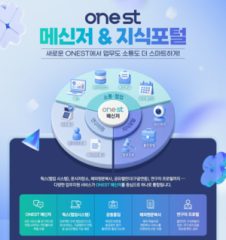
NST links 23 research institutes with unified digital platform
NST rolls out integrated collaboration platform 'ONEST Messenger' and 'Knowledge Portal' A digital collaboration platform linking 23 government-funded science and technology research institutes is now in full operation. A single messenger app lets researchers from different institutes communicate and carry out joint research, while also enabling building access and requests for overseas academic materials. The National Research Council of Science and Technology (NST) said Wednesday that it has officially rolled out and is operating an integrated collaboration platform — "ONEST Messenger" and "ONEST Knowledge Portal" — across its 23 member institutes. The platform consolidates support services that had previously been scattered across individual institutes into a single collaboration system. Its core purpose is to lower barriers between institutes so that researchers from all 23 organizations can communicate and conduct joint research within one digital environment. Its main concept is "One UI, Multiplex." A single sign-on gives users access to a range of support services, including the integrated messenger, a collaboration system and shared building access. The integrated messenger supports individual, group and collaborative chats. Beyond simple conversation, it functions as a kind of "control tower" that links to other digital transformation services. "Works," a feature built for project-based joint research, lets users create dedicated collaboration spaces to store and share documents and sync with tools such as Google Calendar to manage tasks in real time. The platform also cuts down on the once-complex process of issuing visitor passes whenever researchers moved between institutes, simplifying inter-institute access procedures through a shared access system. Users can also request photocopies of overseas academic materials through the platform. Researcher profiles allow members to check colleagues' areas of expertise and research achievements at other institutes, making it easier to find partners for joint research. NST began rolling out the platform on Aug. 28 and plans to gradually expand institute-specific customized features and AI-based research support services. In particular, NST will introduce AI-based integrated search and an AI chatbot tailored to the institutes in stages. The aim is to let researchers quickly find and use the research and administrative information they need without having to check multiple separate systems individually. The name "ONEST" was the most preferred option in a survey of NST and institute staff conducted last year. It combines the aspiration behind "1st" — meaning best in the world — with the idea of research institutes connecting and cooperating with one another. NST Chairman Kim Young-sik said, "ONEST Messenger and Knowledge Portal mark a new beginning that connects the 23 institutes into a single digital collaboration ecosystem. We will actively utilize AI technology to build a research environment where researchers can communicate and collaborate more freely, and strengthen the research competitiveness of the institutes."
Sept. 9, 2026
-
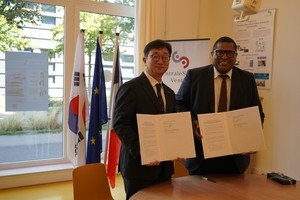
KAIST, 4 other Korean tech universities forge AI, quantum alliance with France's Paris-Saclay University
- K-STAR's five universities sign MOU with Paris-Saclay University for advanced science and technology cooperation - Deal covers research internships and joint work by young scholars in AI, quantum tech, advanced biotech and new materials Five of South Korea's science and technology-focused universities — KAIST, the Gwangju Institute of Science and Technology, the Daegu Gyeongbuk Institute of Science and Technology, the Ulsan National Institute of Science and Technology and Pohang University of Science and Technology — are launching joint research with a leading European research university. The partnership focuses on AI and quantum technology. KAIST said it signed a memorandum of understanding with Paris-Saclay University in France on Monday (local time) to strengthen research cooperation. The university acted on behalf of K-STAR, an alliance of Korea's science and technology-focused universities. K-STAR brings together the research capabilities and global networks of KAIST, GIST, DGIST, UNIST and POSTECH to jointly pursue international cooperation. The agreement was arranged around President Lee Jae Myung's state visit to France. It follows up on discussions held at the ninth Korea-France Joint Committee on Science and Technology in Seoul in April. Those discussions explored ways to expand science, technology and talent exchanges between K-STAR and French universities. Paris-Saclay University is one of France's leading research-focused institutions. It anchors a large research and education ecosystem that includes numerous universities and grandes ecoles as well as major research bodies such as the National Center for Scientific Research and the Alternative Energies and Atomic Energy Commission. The university is recognized for strong research competitiveness not only in basic sciences such as mathematics and physics but also in AI, quantum technology, biotech and engineering. The core aim of the partnership is to build a research ecosystem that goes beyond simple student exchanges and leads to actual joint research. The two sides will run a research internship program that places undergraduate, master's and doctoral students directly in each other's laboratories. They will also expand exchanges between postdoctoral researchers and early-career faculty, laying the groundwork for next-generation researchers to carry out joint projects. The joint research will focus on future core technology fields including AI, quantum technology, advanced biotech and new materials. The two universities also plan to jointly use their research infrastructure and hold regular workshops and symposiums to continually identify new joint research topics. Going forward, the two sides will flesh out research internship and researcher exchange programs open to researchers and students from both institutions. They will also match research teams capable of collaborating, with the goal of turning those connections into actual joint research projects. The partnership is also part of Global Connect, KAIST's global cooperation strategy. Rather than pursuing cooperation with overseas universities individually, the initiative aims to pool the research strengths of Korea's science and technology-focused universities to expand a global research network. "Global cooperation should move beyond simple exchanges toward connecting each other's strengths to create new knowledge and talent together," said KAIST President Bae Chung-sik. "We will link the research capabilities of Paris-Saclay University and K-STAR to produce new research achievements in future core fields such as AI, quantum technology and biotech." Paris-Saclay University President Camille Galap said, "K-STAR and Paris-Saclay University both have broad research capabilities spanning basic science to advanced technology, so the potential for cooperation is significant. We hope students and researchers from both countries will actively exchange with each other and create new scientific achievements together through joint research." "This agreement is a starting point that connects the cooperation between Korean and French universities discussed at the ninth Korea-France Joint Committee on Science and Technology in April to actual research work," said KAIST Vice President for External Affairs Jeong Jae-min. "We will support students and researchers as they move between each other's laboratories to produce tangible results through joint research, papers and shared use of research infrastructure."
Sept. 9, 2026
-

Naver hit by first-ever subsidiary strike as Naver Z halts work over wage freeze
Naver Z holds four-hour partial strike Union threatens one-day walkout Sept. 23, then unprecedented five-day strike Kakao and now Naver embroiled in labor disputes, fueling fears of lost momentum in tech race The union representing employees of Naver Z, which operates Naver's metaverse platform Zepeto, launched a partial strike Wednesday after wage negotiations with management broke down. It marks the first strike at a Naver Group subsidiary since the group's launch. The union warned that if the two sides remain apart even after the partial strike, it would escalate its action -- staging a full one-day strike on Sept. 23, followed by an unprecedented five-day strike. The move comes after Kakao held its first strike since its founding in June. With Naver now drawn into the labor unrest as well, some in the industry worry that a wave of strikes could sweep across the IT platform sector. They fear this could slow the momentum needed to keep pace in the fast-moving technology race. According to the ICT industry, members of Naver Z belong to the Naver chapter of the KCTU's National Chemical, Textile and Food Workers' Union, also known as Gongdongseongmyeong. They launched a four-hour partial strike Wednesday, from 1 p.m. to 5 p.m. At the heart of the dispute is the wage increase rate. The union is demanding a 5.3 percent raise, while management has proposed freezing wages, citing the company's financial situation. Naver Z posted sales of 66.3 billion won ($49.4 million) last year, down 14.4 percent from a year earlier. The company also continued to post an operating loss, which came to 49.4 billion won. Earlier, labor and management failed to reach an agreement through two rounds of mediation at the Labor Relations Commission. In a subsequent strike vote, 88.6 percent of union members took part, with 98 percent voting in favor, securing the union's right to strike. The union said that if management does not approach negotiations with a more forward-looking attitude even after Wednesday's partial strike, it will raise the intensity of its actions further. That would mean holding a one-day strike on Sept. 23, followed by an unprecedented five-day strike. "While our members endured anxiety and confusion, the company never moved to offer a responsible explanation or engage in dialogue," the union said. "This strike was not something we chose -- the company pushed us to this last resort." Naver Z's management said it would keep the door open for dialogue. Industry watchers are closely following whether the bargaining conflict, starting with Naver Z, could spread across all of Naver's subsidiaries. The Naver chapter is currently demanding integrated bargaining covering 16 affiliates, arguing that Naver itself should negotiate directly instead of continuing the individual bargaining process each subsidiary has repeated. Some say the partial strike at Naver Z could become a turning point for joint action across the group. Labor-management conflict in the IT platform industry has intensified this year, escalating into unprecedented strikes. Kakao held its first-ever partial strike on June 10, followed by a full-day strike on June 29. On Aug. 7, the two sides reached a tentative agreement on a 6.3 percent increase in the total wage bill and a special bonus of 3 million won. This wrapped up this year's negotiations, though tensions remain over issues such as the company's spinoff of its businesses. As competition in technology such as AI grows increasingly time-sensitive, some worry that prolonged labor disputes could hold back Korean firms in the global tech race. Fast responses are urgently needed, as foreign companies such as OpenAI and Google mount fierce offensives that threaten even the domestic market. Kakao, for its part, is betting heavily on AI following its spinoff, tasked with accelerating its AI business -- once seen as lagging behind rivals -- through a "speed war." Naver, too, is pouring its full resources into narrowing the technology gap with global AI firms, with analysts saying that time is of the essence.
Sept. 9, 2026
-
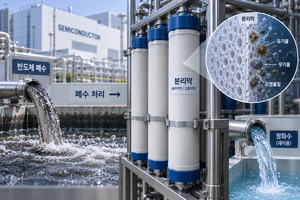
Researchers pinpoint cause of membrane clogging to cut semiconductor wastewater treatment costs
- Study reveals ceramic membrane's fouling characteristics and complex contamination mechanism Korean researchers have newly identified the cause of contamination in filtration membranes used to treat wastewater from semiconductor factories. The National Research Foundation of Korea said Wednesday a Hankyong National University team led by Professor No Ho-jung examined fouling patterns in ceramic and polymer membranes using actual semiconductor wastewater. The team identified the mechanisms behind the different patterns of contaminant accumulation and membrane fouling for each material. As South Korea's semiconductor production has expanded in recent years, growing volumes of wastewater have raised the importance of purification and reuse technology. Wastewater reuse processes typically use ultrafiltration and reverse osmosis membranes for purification. But when contaminants stick to a membrane and clog it, water passes through less efficiently, requiring more frequent cleaning, driving up operating costs and destabilizing downstream processes. Previous research has largely relied on artificial wastewater or single contaminants, falling short of fully explaining the complex fouling seen in actual semiconductor wastewater. The research team filtered actual semiconductor wastewater for 48 hours through two representative membrane types -- an alumina ceramic membrane and a polyethersulfone, or PES, polymer hollow-fiber membrane -- comparing and analyzing their fouling behavior. By the end of filtration, the ceramic membrane's permeate flux had dropped to about one-third that of the polymer membrane. This showed that ceramic membranes -- generally regarded as more resistant to fouling -- can undergo greater performance degradation in semiconductor wastewater from interactions between the membrane surface and contaminants. In the process, the team identified a new "material-specific fouling pathway," in which iron ions selectively bind to aluminum hydroxide, or Al-OH, functional groups on the ceramic membrane surface, followed by additional buildup of humic substances. "This study shows that not only membrane pore size and hydrophilicity but also the chemical interaction between wastewater components and the membrane surface are key factors determining how contaminants are captured and how permeability declines," Professor No said. "By expanding this work to selective pretreatment of major contaminants, surface modification of ceramic membranes, and optimization of operating conditions and cleaning cycles, we expect to strike a balance between contaminant removal and water productivity, improve process stability, reduce cleaning and membrane replacement costs, and contribute to expanding water recycling in the semiconductor industry." The research was carried out with support from the Ministry of Science and ICT and the National Research Foundation of Korea's nano and materials technology development project. It was published online in Desalination, an international journal covering water treatment and separation membranes, on Aug. 19.
Sept. 9, 2026
-
Ministry to fast-track next 'Kolmar BNH' among lab spin-offs
- Ministry of Science and ICT to pick about 12 'Rising Star' and 'Star' lab spin-off companies - Tailored support spans R&D, investment, verification and IPOs to foster global deep tech The government plans to identify lab spin-off companies founded on public technology that show high growth potential and nurture them into the next Kolmar BNH. It will offer tailored support that spans technology development, investment attraction, verification and certification, and initial public offerings according to each company's growth stage. The Ministry of Science and ICT said Wednesday it will designate "2026 outstanding lab spin-off companies by growth stage (Rising Star and Star)" among lab spin-off companies located in research and development special zones. Lab spin-off companies are firms established within R&D special zones that invest at least 10 percent of their capital to directly commercialize technology owned by public research institutions such as government-funded research institutes and universities. Since the system was introduced in 2006, a total of 1,434 lab spin-off companies have been designated nationwide as of August this year. They are operating across 19 metropolitan and specialized R&D special zones, including Kolmar BNH, the country's first designated lab spin-off company, along with other firms that have built competitiveness in global markets. The ministry plans to strengthen its support system to help these companies grow into market-competitive deep tech firms, selecting "Rising Star lab spin-off companies" and "Star lab spin-off companies" by growth stage for intensive support. Rising Star lab spin-off companies are firms with high growth potential that have expanded sales and hiring and attracted investment on the strength of superior technology and products. Companies eligible to apply include those with average sales of at least 1 billion won ($746,000) over the most recent three business years. Others qualify if their average annual sales have grown at least 15 percent. The ministry plans to select around 10 companies this year. Star lab spin-off companies are firms that have already achieved results in sales and investment attraction and are expanding into domestic and overseas markets. Eligible companies are those with average sales of at least 5 billion won over the most recent three business years and average annual sales growth of at least 20 percent. The ministry plans to designate around two companies this year. Rising Star companies will receive support for commercialization-linked research and business development, intellectual property strategy consulting, connections to follow-on private investment, and overseas investor relations events. They will also get priority support for special zone foundation projects, priority recommendations for special zone fund programs, and exemptions from Public Procurement Service technology evaluations. The ministry will link Star companies to large-scale research and business development, verification and certification, regulatory sandboxes, and exit consulting covering IPOs and mergers and acquisitions. The support aims to help the companies scale up in earnest and expand into global markets. The ministry will separately designate companies that have grown to IPO-ready scale as "honorary lab spin-off companies." It plans to select around 10 such companies this year and use them as anchor firms representing the R&D special zones, while also pursuing open innovation with promising lab spin-off companies. Kim Seong-su, director general of the R&D Bureau at the Ministry of Science and ICT, said, "It is important not only to produce outstanding research results, but to grow companies that can compete in the market on that basis." "We will strengthen the growth ladder so that companies using public technology can receive the support they need in a timely manner as they grow," he said.
Sept. 9, 2026
-
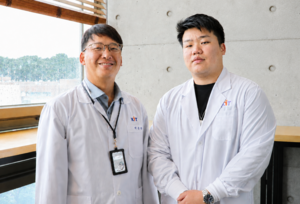
Korean team develops standardized tool to analyze brain signal data across different chip makers
KIT's CASCADE lets researchers analyze neural signal data from five different multi-electrode array makers under one framework A South Korean research team has developed a new analytical technology that allows electrical signals measured from brain neurons to be analyzed together under a single standard, even when the data comes from different equipment makers. The Korea Institute of Toxicology said Wednesday that a research team led by Park Sun-hyun, director of the institute's Animal Alternative Research Center, has developed an open-source analysis tool called CASCADE. The team, working with Soonchunhyang University, Sungkyunkwan University and Pusan National University, designed CASCADE to process multi-electrode array, or MEA, data from different manufacturers using a single method. Multi-electrode array chips are devices that use multiple electrodes to simultaneously measure electrical signals generated by cultured neurons or brain organoids. While widely used in neurotoxicity assessments and animal-alternative testing, the chips have long posed a challenge. Each manufacturer uses its own data format and analysis method, making it difficult to directly compare research results across platforms. CASCADE processes data from five different manufacturers within a single analytical framework. From raw data input, it can analyze spikes and firing rates — the electrical signals generated by neurons — as well as network activity. It can even measure "criticality" and "neuronal avalanches," all with a single line of code. Criticality refers to a balanced state in which a neural network is neither too quiet nor overly excited. In this state, information transmission and the range of responses are believed to be maximized, making criticality a useful indicator of a neural network's information-processing capacity. A neuronal avalanche refers to a phenomenon in which the activity of one neuron cascades through neighboring neurons. Researchers analyze the state of the network through the scale and duration of these cascades. The research team verified the tool's performance using six real-world datasets from five different manufacturers. Even with different equipment and file formats, CASCADE produced criticality values under a consistent standard, and its spike-detection performance matched that of some manufacturers' proprietary software. The tool also improved analysis speed and efficiency. A full analysis took about five to 20 seconds on a standard laptop, and even large datasets of up to 8.6 gigabytes were processed using no more than 352 megabytes of memory. The significance of the research lies in standardizing the entire process — from raw data to neural network activity analysis to criticality classification. This makes it easier to compare results from animal-alternative neurotoxicity assessments using cultured neurons and brain organoids, while improving reproducibility and reliability, according to the researchers. Going forward, the tool is expected to help detect early side effects that pharmaceuticals or chemical substances may have on the nervous system. It could also be used in "biotech intelligence" research aimed at quantifying the learning and information-processing capabilities of cultured neural networks. "Scientific comparison only becomes possible when signals generated by neurons can be read by the same standard, no matter what equipment measured them," said Park, the center director. "CASCADE is our way of making that common standard freely available, and we hope it can help advance animal-alternative neurotoxicity assessment and biotech intelligence research to the next stage."
Sept. 9, 2026
-
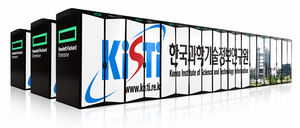
S. Korea's sixth supercomputer, with 24-fold power boost, to open to academia, industry
- Sixth-generation national supercomputer to enter full service in December with 614 petaflops of computing power - 30 percent of resources prioritized for national strategic research, including K-Moonshot and seven SEED projects South Korea's sixth-generation national supercomputer, a system expected to rank among the world's top 10, will enter full operation in December. The system, to be used for AI and advanced science research, boasts 24 times the theoretical computing performance of its predecessor. The government plans to open the ultra-high-performance resource widely to universities, research institutes and small and midsize businesses, including startups. The Ministry of Science and ICT and the Korea Institute of Science and Technology Information, or KISTI, said Wednesday they are calling for applications from researchers in industry, academia and public institutes to use the high-performance computing resources of the sixth-generation supercomputer, under the "2026 National Supercomputer System 6 Innovation Support Project." The new supercomputer is equipped with 8,496 GPUs — including Nvidia's latest GH200 chips — and 9,936 CPUs. Its theoretical computing performance reaches 614 petaflops, with 205 petabytes of storage capacity and a network speed exceeding 400 gigabits per second. Compared with the fifth-generation system, theoretical computing performance rose 24-fold, storage capacity grew tenfold and network performance improved fourfold. Based on the recently released global TOP500 supercomputer rankings, the new system is expected to place among the world's top 10. The ministry and KISTI signed a construction contract with HPE in May last year and completed system installation and basic inspections last month. Performance and stability testing is currently underway, with official service set to begin in December. Once operational, the sixth-generation supercomputer is expected to accelerate the spread of AI-based scientific research in particular. Until now, domestic researchers and companies have had to either purchase costly GPUs on their own or rely on private cloud services for large-scale AI research. This has been a burden in terms of both cost and research security. The new system will provide massive computing resources for large-scale computational science, data simulation and AI-driven research. Overall resources will be allocated with 30 percent going to national strategic research, 55 percent to R&D innovation and 15 percent to industrial innovation. The national strategic program will give priority access to key projects aimed at securing national strategic technologies, including K-Moonshot and the seven SEED projects. The R&D innovation program receives the largest share at 55 percent and is allocated to general researchers across industry, academia and research institutes. It is further divided into "mega research" for ultra-large-scale simulations and massively parallel computation, "creative research" for computational science and AI research, and "exploratory research" for verifying early-stage ideas. The newly introduced industrial innovation program will receive 15 percent of total resources. It is aimed particularly at small and midsize businesses and venture firms that lack their own computing infrastructure. These firms will receive not only computing resources but also consulting and technical support from KISTI. Applications for the official service will be accepted from Sept. 28 to Oct. 16 through the National Supercomputing Center's website. Lee Sik, president of KISTI, said, "As the national supercomputing center, KISTI is nearly ready to provide stable service for the sixth-generation supercomputer, drawing on our operational expertise. We will support the researchers and companies selected through this call so that they can carry out more active research using the supercomputing resources."
Sept. 9, 2026
-
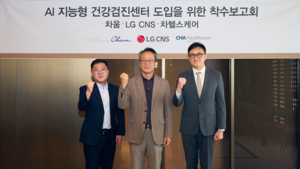
LG CNS brings AI agents to Chaum health checkup center
From checkup analysis to test recommendations and result drafting Rollout planned across major CHA hospital checkup centers LG CNS is teaming up with Chaum and Cha Healthcare to apply artificial intelligence (AI) agents across the entire checkup process at Chaum's health checkup center. LG CNS said Wednesday that it recently held a "kickoff meeting for the introduction of an intelligent checkup center" together with Chaum and Cha Healthcare. The meeting took place at Chaum's health checkup center in Gangnam-gu, Seoul. The event was attended by Bae Min, executive director of LG CNS's financial and public project division; Kim Jae-hwa, director of Chaum; and Lee Jun-young, executive director of Cha Healthcare. The three organizations will carry out a proof of concept applying AI agents to checkup operations at Chaum's health checkup center. LG CNS will develop AI agents specialized for checkup work, and Chaum will apply them in the field to verify efficiency gains and feasibility. Chaum's health checkup center designs individualized checkup items based on customers' past checkup history, consultation records and recommendations from their primary physician. In this process, nurses have had to directly search data scattered across multiple systems, including customer relationship management and electronic medical record systems. They have also had to write consultation notes and manage follow-up care and schedules. LG CNS plans to use the new AI agent throughout the entire process, from designing checkup items beforehand to follow-up care afterward. The goal is to gather and analyze scattered customer information in one place, reducing repetitive data lookups and documentation so nurses can focus more on customer consultations and health management. The AI agent collects and analyzes customer checkup histories, result reports, consultation records and follow-up schedules scattered across the CRM and EMR systems. It then provides the information needed for checkup work. By analyzing a customer's past checkup results and medical staff recommendations, it suggests necessary tests and the reasons for them, and also produces materials explaining why the tests are needed. After a checkup, the agent helps draft result reports by combining test results and diagnostic findings. Before a checkup, it creates checklists of precautions tailored to each recipient, and afterward it manages follow-up and observation schedules at three-, six- and nine-month intervals. It also supports referrals to outpatient care and guidance on follow-up visit programs for those with abnormal findings. Given that foreign customers make up about 30 percent of the health checkup center's clientele, Chaum is also considering applying AI translation and interpretation. The idea is to use the technology when explaining checkup results and during consultations, lowering language barriers and improving convenience for customers. Through this collaboration, LG CNS aims to secure an AI agent model specialized for health checkup consultations. It also plans to expand the model's use to major CHA hospital checkup centers going forward. "We will successfully establish an AI-based intelligent checkup system at Chaum to set a new standard for premium health checkups," said Kim Jae-hwa, director of Chaum. "We will apply the AX capabilities we have built up to the medical field to drive innovation in checkup services and improve operational efficiency," said Bae Min, executive director of LG CNS's financial and public project division. Meanwhile, LG CNS made a 10 billion won ($7.45 million) equity investment in Chabiotech in January and signed a strategic partnership for cooperation on AX and DX projects. The two companies are also pursuing joint commercialization of a "connected healthcare service" that uses AI to analyze health and lifestyle data to support connections with medical staff and treatment guidance.
Sept. 9, 2026
-
![[Personnel] Korea AeroSpace Administration](https://wimg.heraldcorp.com/news/cms/2026/09/09/news-p.v1.20260909.b351253cd7574addbdbded83afc72faf_T1.jpg?type=h&h=240)
[Personnel] Korea AeroSpace Administration
Director-level Deputy Director Kwon Hyun-jun
Sept. 9, 2026
-
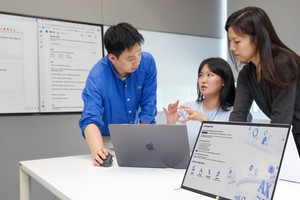
KT expands AI-based work methods companywide with 'AX Design Clinic'
Hands-on AX program diagnoses tasks, builds workflows 122 ideas from the field confirm demand for automating repetitive work Goal: upgrade AX quality by turning AI agents into reusable assets KT Corp is rolling out a hands-on AI transformation program to spread AI-based work methods across the entire company. KT Corp said Wednesday it is running the AX Design Clinic, a support program that turns work ideas from employees on the ground into concrete AI transformation, or AX, results. The AX Design Clinic is a hands-on program designed to build optimal AX execution plans. Its core feature has in-house AX experts working alongside employees to analyze work processes and pain points, then redesign them from an AX perspective. The program supports the entire process, from analyzing tasks and designing workflows to selecting an implementation method and building and verifying AI agents and automation solutions. KT Corp said that while companies' use of AI has been expanding recently, business units often struggle to determine which tasks should be handled by AI. Through the AX Design Clinic, KT Corp plans to first analyze the nature of the work and data involved, then apply the most suitable approach, such as AI agents or automation. KT Corp said it is particularly focusing not on increasing the number of AI agents but on identifying cases with proven results and establishing them as standard, reusable workflow models. According to KT Corp, 15 internal organizations have so far submitted a total of 122 work innovation ideas to the AX Design Clinic. Demand centered on automating data collection and processing, with 71 submissions, followed by improving approval and review processes with 33, and generating reports and dashboards with 12. The results reflect employees' preference for reducing repetitive tasks and streamlining workflows over building complex AI features. KT Corp said the AX Design Clinic is in fact driving a range of AX projects, including consultation booking in the legal department, financial data analysis and reporting, and purchasing and contract work. In the Supply Chain Management Office, for example, the company is developing an integrated purchasing and contract process guidance agent. The agent walks users through regulations, procedures and operating standards for purchasing and software service contracts. The legal department is automating its booking process through a lifestyle legal consultation scheduling agent. In the finance division, an agent lets users query and compare key management information in natural language based on investor relations materials. KT Corp plans to expand cases verified through the AX Design Clinic to other units and group companies going forward. "The AX Design Clinic is not about creating a large number of AI agents, but a program that designs the agents and work methods that business units actually need and verifies their effectiveness," said Jeong Chan-ho, head of KT Corp's IT Strategy Office. "We will connect ideas from the field to practical work and build up verified cases as the organization's AX assets."
Sept. 9, 2026
-
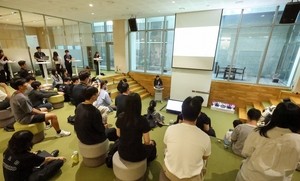
LG Uplus shares tech expertise, connects with future talent at U+ Tech Plus
2026 U+ Tech Plus marks fourth year, features 23 sessions on tech innovation cases LG Uplus has held an event to share its in-house technology cases and connect with future talent. The company said Wednesday that it held the "2026 U+ Tech Plus" event at its Magok office in Gangseo-gu, Seoul, on Monday. The event shared internal technology cases spanning AI, software, networks, security and quality. Now in its fourth year, U+ Tech Plus brings together LG Uplus technology experts and outside talent to share research and development experience and real-world projects. About 500 people attended this year's event, including LG Uplus employees, graduate students pursuing master's and doctoral degrees, and professors. The event featured 23 sessions on a range of topics, with LG Uplus experts introducing technology talent to the company's research and development status and cases of technological innovation. LG Uplus invited graduate students specializing in key technology fields to the event, which also included a panel talk on organizational culture and networking programs. Attendees asked LG Uplus employees about their job responsibilities, the skills needed for their roles and career development paths. "I was able to see the technical challenges and problem-solving processes that professionals actually deal with in their work," said one graduate student who attended the event. Another attendee said, "It gave me a chance to understand the company's research and development environment and technical roles." LG Uplus plans to expand its exchanges with research talent in key technology fields and continue its cooperation with university research labs. Meanwhile, LG Uplus has been steadily expanding opportunities for technology collaboration with universities. This includes a recent joint effort with Yonsei University to verify next-generation wireless network technology that uses AI to analyze network conditions in real time. The company plans to hire new employees this month in fields including networks and AI data centers.
Sept. 9, 2026
-

CJ Olive Networks gains 124,000 new members with CJ ONE 'Wonder Series'
124,000 new members in two months Members earning, using points up 63% in August CJ ONE, the lifestyle membership platform run by CJ Olive Networks, has attracted about 124,000 new members over roughly two months through its "Wonder Series" promotion. CJ Olive Networks said Wednesday that the campaign drew a cumulative 1.1 million unique visitors during the promotion period. The Wonder Series, launched in July, offers a different benefit each month on dates containing the number "1" through the CJ ONE app. Wonder Week offers everyday-use perks on the 1st, Wonder Raffle holds prize drawings on the 11th, and Wonder Quiz lets members solve quizzes for points and partner-brand benefits on the 21st. Coupon downloads for the Wonder Week events held with Tous les Jours and Mega MGC Coffee in July and August combined topped 340,000. The number of members who earned or used points at least once through CJ ONE partner merchants in August also rose 63 percent from a year earlier. Along with the influx of new members, the number of members earning and using points also increased. CJ Olive Networks said it expects benefits tied to partner brands to keep drawing users to the CJ ONE app and translate into actual membership use. CJ ONE will continue the Wonder Series in September. This month's Wonder Week runs from Sept. 7 to Sept. 11 in partnership with self-photo studio brand Photoism. During the event period, the first 100,000 members to log into the CJ ONE app will receive a 50 percent discount voucher for Photoism. Wonder Raffle and Wonder Quiz will follow in turn, with details on prizes and partner-brand benefits to be announced through the CJ ONE app. CJ Olive Networks said it expects the campaign to draw younger members who mainly use self-photo brands into the CJ ONE app and turn that traffic into actual membership use. "We have confirmed that benefits closely tied to daily life can drive new visits and usage," said Lim A-jin, who oversees CJ ONE. "We plan to keep offering benefits that accompany our members' daily lives through collaborations with a variety of partner brands." Meanwhile, CJ ONE this month partnered with Naver Pay to launch a linked membership service. Registering CJ ONE on the Naver Pay app or website allows users to earn or use CJ ONE points when paying at offline partner merchants such as CJ Olive Young, CGV and Tous les Jours.
Sept. 9, 2026
-
![Melon was banchan, not dessert, 900 years ago: ancient DNA hints at chamoe-like ancestor [Huam-dong Paper Lab]](https://wimg.heraldcorp.com/news/cms/2026/09/08/news-p.v1.20260908.2705f180e37046758ccb03926a94b51b_T1.jpg?type=h&h=240)
Melon was banchan, not dessert, 900 years ago: ancient DNA hints at chamoe-like ancestor [Huam-dong Paper Lab]
New research suggests the melons eaten in China 900 years ago were likely not a dessert. DNA extracted from ancient seeds buried in mud showed the flesh was not orange and lacked strong sweetness. Researchers concluded the fruit was probably eaten crunchy, pickled or used as banchan, a side dish served with rice. A research team led by Nathanael Walker-Hale of Durham University in the UK and Susanne Renner of Washington University in St. Louis in the US recently published the results of decoding the genome of Song dynasty melon seeds in Proceedings of the National Academy of Sciences, Vol. 123, No. 36. Melons weren't sweet 900 years ago The research team analyzed two of the 24 seeds found at an ancient Chinese archaeological site — the only ones preserved well enough to extract DNA. The seeds had been buried in a waterlogged sediment layer that kept air out, preserving their genetic material. Radiocarbon dating placed them between 1020 and 1150. The DNA in the seeds lacked the genotype that gives melon flesh its orange color. There was also no deletion that would have made the skin white, suggesting the fruit's skin was yellow. Another seed carried a genotype associated with green flesh. In terms of taste, neither seed matched the type of melon that continues to ripen after being picked. Instead, both belonged to the type that retains its condition at the point of harvest — a different lineage from today's melons, which grow sweeter as they ripen after picking. One seed showed a mutation in the gene that determines sourness, suggesting it would have had lower acidity as well. More similar to yellow chamoe than green melon With yellow skin and flesh ranging from white to pale green, the melon resembles Korea's chamoe, a type of Oriental melon. Japanese pickling varieties, South Indian cooking melons and a Sudanese landrace belong to the same lineage. In Korea, this type of melon is sweet enough to be eaten as dessert, but elsewhere it is not sweet and is used as banchan. The research team believes Song dynasty melons were likely consumed the same way — eaten raw as a mildly sweet fruit or processed and served as banchan. However, the team said this is not based on direct evidence of Song-era Chinese cooking methods. Instead, it is an inference drawn from how modern varieties with the same traits are used today. Chinese melons may have arrived via India The port in Wenzhou, China, where the seeds were found, served as a trading hub linking the western Pacific and the Indian Ocean during the Song dynasty. A 2024 excavation there turned up rice alongside peaches, grapes, olives and dates, along with lychees and kiwis. The presence of tropical fruits that do not grow in China points to a substantial volume of goods arriving by sea. Comparing the ancient seeds with 294 modern melon lineages, the research team confirmed that they fall within the East Asian lineage cultivated in China. However, the origin of the East Asian melon lineage remains unresolved. So far, only three locations have been confirmed as sites where melons were first domesticated — one in northeastern Africa and two in India. Yet seeds from the same genus have continued to turn up in the lower Yangtze River region of China throughout the Neolithic and Bronze ages. This is why some have suggested that domestication may have occurred separately in China. The newly discovered seeds are consistent with the hypothesis that Chinese melons arrived from India. That does not rule out the possibility that domestication also occurred independently in China. No wild melon population has ever been identified in China, leaving nothing to compare against. The research team said the question can only be answered by finding older melon seeds and extracting their DNA. The team acknowledged that the findings come from just two seeds, and that the small DNA sample size means other possibilities cannot be ruled out. Reference DOI: 10.1073/pnas.2610284123 Citation: N. Walker-Hale, Y. Zheng, M. Verdenaud, L. Pereira, O.A. Pérez-Escobar, M. Preick, A. Bendahmane, M.V. Westbury, M. Hofreiter, H. Schaefer, X. Liu, G. Chomicki, & S.S. Renner, Ancient DNA reveals early use of melons in China's Song dynasty, Proc. Natl. Acad. Sci. USA. 123 (36) e2610284123.
Sept. 8, 2026
-

KakaoTalk falls further behind Instagram in monthly usage time
The usage-time gap between KakaoTalk, often called South Korea's "national messenger," and Instagram has widened sharply over the past year. Instagram's usage time has climbed consistently, while KakaoTalk's has declined. The shift comes as Kakao seeks to increase time spent on its platform through AI-powered services. The company carried out a corporate split last month to sharpen its focus on artificial intelligence (AI), a move being closely watched across the IT industry. According to app and retail analytics firm Wiseapp Retail on Tuesday, Instagram users spent an average of 21 hours and 27 minutes per month on the app in July. KakaoTalk users spent 10 hours and 47 minutes over the same period. Instagram users spent nearly twice as much time on the app each month as KakaoTalk users — a gap of about 10 hours and 40 minutes. The gap has grown even wider compared with about a year earlier. In August of last year, Instagram's average monthly usage time per user was 18 hours and 1 minute, versus 11 hours and 25 minutes for KakaoTalk. The gap between the two apps was 6 hours and 36 minutes. Over the past year, Instagram's per-user usage time rose about 19 percent, while KakaoTalk's fell about 5.5 percent. Instagram's edge in the platform usage-time race has grown considerably as a result. Kakao had recognized this trend and earlier pushed to transform KakaoTalk from a simple messaging app into a social networking service to boost usage time. Last year, it introduced a "Now tab" within KakaoTalk, encouraging users to discover and consume friends' daily content. But facing strong user backlash, Kakao reverted the "Friends tab" feature back to its original format. Observers say Kakao must now find ways to boost usage time other than an SNS-style overhaul similar to Instagram's. Kakao's answer is AI. Last month, the company announced a corporate split that reorganized its business structure into "Kakao X" and "Kakao AI." Kakao plans to expand AI features across KakaoTalk and other core services, with Kakao AI at the center. The goal is to weave AI into every corner of the Kakao ecosystem, boosting not just how often users open its apps but how long they stay. Kakao has set a goal of drawing more than 20 million daily active users for its AI services by 2030. It also aims to increase platform usage time by more than 50 percent from current levels. An industry insider said, "Platform competition today centers on usage time rather than simple user numbers, so even internal evaluation metrics have shifted to emphasize time spent. KakaoTalk faces the challenge of securing usage time through AI services after its SNS-style overhaul ran into user backlash, but for the AI market, competition with global companies is inevitable, so the key will be whether Kakao can create a differentiated service."
Sept. 8, 2026
MOST READ
- 1KAIST develops high-performance bio-based adhesive using E. coli instead of petroleum
- 2Pope Leo XIV declines French honors and banquet, accepts only private meeting with Macron
- 3Daimler Truck unveils next-generation transport solutions at IAA 2026
- 4What was Rachmaninoff's performance fee? A 1928 price list tells all
- 5Samsung Biologics union's show of force backfires at the bargaining table
- 6APR says hair-loss treatment research published in international journal
-
WORLD

US warns of punishment for anyone enabling Iran's Strait of Hormuz toll scheme
-
INDUSTRY
Toyota union puts productivity first; Hyundai Motor union demands bigger share of profits
-
FINANCE
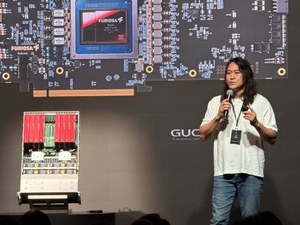
National Growth Fund to invest $531M in FuriosaAI, which rebuffed Meta's $800M takeover bid
-
INDUSTRY

Korea Shipowners' Association holds amateur baduk tournament for Maritime Day