
- HOME
- SMB·BIO
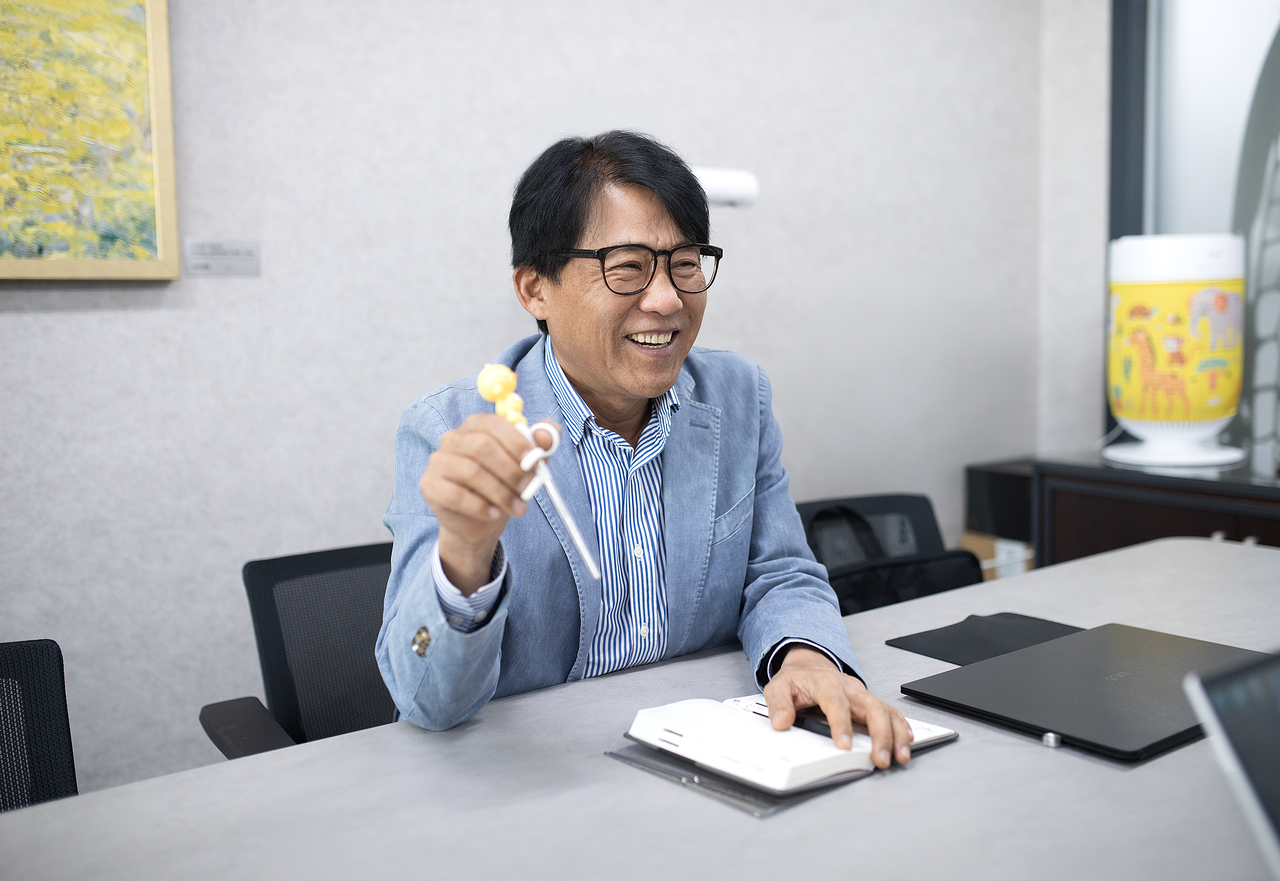
'World's first' training chopsticks inventor turned down a major brand deal — and built his own
Interview with Park Byung-woon, CEO of INP, maker of the Edison brand How finger-ring training chopsticks became a global product Why Park rejected a major brand's offer to sell under its label Building an independent brand in overseas markets "You cannot survive long by selling the same product as everyone else. You have to be different in at least one way." Park Byung-woon, CEO of INP, said in a recent interview that the secret to staying in business for 24 years was always finding at least one new thing to add. When Park founded the company in 2002, he developed training chopsticks fitted with finger rings to help young children learn the correct way to hold them — what he describes as a world first. That idea became the foundation of a baby-products company that now exports to about 24 countries. Park said differentiation is the single most important factor in running a small business. Rather than overhauling existing products entirely, the approach is to identify what inconveniences consumers and improve it one point at a time. The company simplified the structure of its straw cups so parents can wash them easily, and redesigned its forks so noodles catch more reliably. From chopsticks to a household name in baby products INP was Park's third venture. After graduating from university he entered the trading business, but wound it down after the Asian financial crisis. He then found some success in underwear distribution, only to find himself searching for a new business again when the rise of hypermarkets transformed the retail landscape. The turning point came from watching a nephew struggle with chopsticks. Seeing the difficulty, Park thought that attaching finger rings so young children could slip their fingers through would make the skill much easier to learn. Tong-style chopsticks that made it easy to pick up food already existed at the time, but products designed to teach the correct technique were hard to find. "When I visited kindergartens and daycare centers, most of the children were using forks," Park recalled. "I thought there needed to be a product that let children pick up the right chopstick habit naturally." The market did not warm to the product immediately. Consumers who encountered the unfamiliar design struggled to understand what it was for. Park held demonstration events at department stores where children could take a candy home if they picked it up with the chopsticks, using the activity to spread the word. He then reached out to media outlets to highlight the importance of teaching proper chopstick use across chopstick-culture countries in Asia. As coverage in print and broadcast grew, his Edison chopsticks gradually built recognition. With that recognition came an approach from Company A, a major baby-products brand, proposing to sell the chopsticks under its own label. Park turned the offer down and chose instead to build his own brand, Edison. "In hindsight it was the right call," he said. "Securing an independent brand, rather than stopping at product development, is what gave us a foundation for long-term growth." INP consistently invests in research and development, operating its own design research institute that handles everything from product engineering to aesthetics in-house. "Sustained investment in R&D is essential for a small baby-products company to stay competitive," Park said. Backed by that product-development strategy, INP posted sales of about 12.4 billion won ($9.29 million) last year. Seven of its 48 employees work in R&D. The company currently exports to 24 countries, with Japan its largest overseas market, and overseas sales account for about 30 percent of total revenue. Expanding into home appliances to fuel the next phase of growth In response to the country's low birth rate, INP has been broadening its reach into lifestyle home appliances for parents. Since 2023 it has expanded its lineup to include steam sterilizers, formula kettles, bottle washers and formula makers. Park said companies in the domestic baby-products market must develop new survival strategies as the low birth rate shrinks the customer base — competition has intensified as baby-products makers push into home appliances while companies from other industries move into the baby-products space. Park's ultimate ambition is to grow beyond a specialist baby-products company into a global lifestyle brand. His model is Zwilling, the German kitchenware brand famous for its twin-knife logo — one that has endured for 50 to 100 years. "We cannot win by competing with China on price. Ultimately we need our own original products and brand strength," he said. "I want to build a global lifestyle company that families trust and keep using as their children grow up."
Boo Aei-ri Nov. 17, 2026
-
ViGenCell's NK/T-cell lymphoma treatment designated fast-track advanced biopharmaceutical
'VT-EBV-N' eligible for priority review and conditional marketing approval ViGenCell's NK/T-cell lymphoma treatment candidate has been designated a fast-track advanced biopharmaceutical by South Korean regulators. The company's VT-EBV-N is a new drug candidate being developed to treat EBV-positive extranodal NK/T-cell lymphoma, a rare and intractable blood cancer with a high recurrence rate. The EBV antigen-specific T-cell therapy was submitted for fast-track advanced biopharmaceutical designation in June. The candidate was earlier designated a "rare drug under development" in 2019. In a Phase 2 trial, it achieved a disease-free survival rate of 95.0% — the primary endpoint — reaching statistical significance. The company said a 100% overall survival rate was maintained across the entire treatment group over a four-year follow-up period. Fast-track advanced biopharmaceutical designation is granted only for treatments targeting life-threatening serious or rare diseases for which no alternative therapy exists. Designated products become eligible to apply for conditional marketing approval and receive tailored review by a dedicated assessment team as well as priority review benefits. ViGenCell Chief Executive Ki Pyeong-seok said Tuesday the company would "prepare for conditional marketing approval without disruption by making full use of the expedited review process" and would also "accelerate discussions on global technology transfers."
Nov. 17, 2026
-
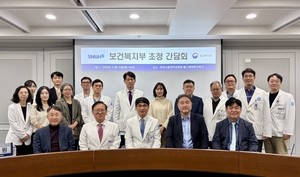
Bundang Seoul National University Hospital hosts Ministry of Health and Welfare forum on regional public healthcare
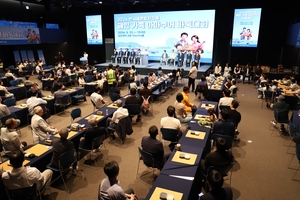
"The challenges facing regional essential and public healthcare are too complex to be solved by individual institutions alone, making policy support from the central government and communication between institutions all the more important," said Jeon Young-tae, president of Bundang Seoul National University Hospital. Bundang Seoul National University Hospital announced Monday that it successfully held a forum with the Ministry of Health and Welfare on the seventh floor of Healthcare Innovation Park's Convergence Hall. The policy landscape for regional essential and public healthcare is shifting as a special act to strengthen support for essential medical services and reduce regional healthcare disparities was recently enacted, with implementation set for March 2027. The forum brought together government officials and healthcare institutions to proactively address these changes and explore ways to build a regionally self-sufficient medical system. The event opened with remarks from Bae Hee-jun, vice president for public affairs at Bundang Seoul National University Hospital, followed by greetings from Hospital President Jeon and Baek Hyeong-gi, director of the Ministry of Health and Welfare's Public Healthcare Policy Division. The program then moved to presentations and discussions. Lee Hee-young, director of the Clinical Preventive Medicine Center at Bundang Seoul National University Hospital and head of the Gyeonggi Province Infectious Disease Control Support Group, presented on the current state of public healthcare in Gyeonggi Province and the hospital's role within it. The subsequent discussion featured ministry officials including Lee Jung-gyu, director of public healthcare policy; Baek Hyeong-gi, director of the Public Healthcare Policy Division; Kim Do-gyun, director of the National University Hospital Policy Division; and Park Seong-won, director of the Disaster Medical Policy Division. They discussed the direction of policy support for regional essential and public healthcare and strategies for strengthening cooperative frameworks. Bae said the forum was "a meaningful occasion to review the current state of regional essential and public healthcare and consider its future by sharing the central government's policy direction alongside the experiences of those working on the ground."
Nov. 17, 2026
-
Design-tech collaboration yields strong results, W1.6b in investment
Design-tech firm partnerships attract 1.6 billion won in investment KIDP unveils outcomes from 49 consortiums Design that reflects user needs is central to giving innovative technology a stronger foothold in the market. That principle drives the design-technology full-cycle collaboration support project, which pairs technology firms with design firms to develop competitive products. This year, 49 consortiums comprising 98 companies took part, spending six months working together and producing 28 design right applications and 1.6 billion won ($1.2 million) in investment attracted. Design firm B.Carrot and technology company Rastech developed a humanoid robot capable of sign-language communication. In the medical device sector, Cre-Active Design and Nanoomtech jointly developed a combined automated defibrillation and cardiopulmonary resuscitation device, while Unichest and Bonlake, working in the defense industry, unveiled a drone-neutralization module. The Korea Institute of Design Promotion (KIDP), which oversees the project, is holding a two-day outcomes showcase Tuesday and Wednesday at Dongdaemun Design Plaza in Seoul. Collaboration cases spanning a range of industries — including robotics, medical devices, defense, electronics and industrial equipment, IT and lifestyle consumer goods — are on display. The project supports companies with strong technology and ideas by integrating design capabilities to help them develop innovative products and enter the market. Technology firms and design firms form consortiums to co-develop products. The first phase covers product planning, design development, prototype production and design right applications, while the second phase supports commercialization through product refinement, marketing and the development of domestic and overseas sales channels. Some participating companies, including MWC and Viva Technology, have also taken part in overseas trade shows to promote their products and explore entry into global markets. "We will actively support collaboration between design and technology firms so that innovative technologies can be realized as competitive products and reach both domestic and international markets," a KIDP official said.
Nov. 17, 2026
-
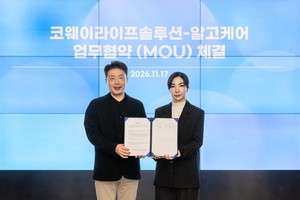
Coway Life Solution expands senior care with AI nutrition management
MOU signed with AI healthcare firm Algocare Personalized nutrition management based on individual health data Partnership benefits extended to Coway customers Coway Life Solution, also known as Corasol, is expanding its silver-care business into AI-powered personalized nutrition management services. Corasol signed an MOU with AI healthcare company Algocare at G-Tower in Guro-gu, Seoul, on Tuesday to broaden health management services for senior customers. Algocare uses AI and Internet of Things technology to recommend supplements tailored to each user's health profile and automatically dispenses a daily combination of nutrients through a dedicated device. Under the agreement, Corasol customers who subscribe to Algocare's E1 PRO rental package will receive rental fee discounts and supplement reward points. Coway customers are eligible for the same benefits. "Senior customers have a strong interest in managing their health, but finding the right approach amid an abundance of information — and sticking with it consistently — is not easy," a Corasol official said. "We will continue to identify specialized services that customers need in their daily lives."
Nov. 17, 2026
-
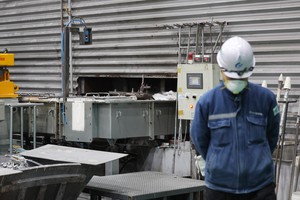
Small businesses trapped in debt as delinquency rates hit 9.5-year high
SME loan delinquency at highest since March 2017 Weak sales force businesses deeper into debt as repayment capacity erodes Loan burden delays closures even after owners decide to shut down Delayed exits pile on extra costs, deepening financial distress Small and medium-sized enterprises and self-employed business owners find themselves caught between two impossible choices: they can barely stay afloat on borrowed money, yet they cannot afford to close up shop either. Weak sales have eroded their ability to repay loans, pushing the average SME loan delinquency rate at the country's five major banks to its highest level in nine and a half years. Even business owners who have decided to shut down are delaying the process because they cannot cover their outstanding debt. The operator of a small lighting business in Gimpo, Gyeonggi Province, said sales channels had dried up while operating loans kept growing. "Finding buyers has become harder, so we keep taking on more operating loans — and on top of that, interest and rates keep rising," the operator said. With product sales sluggish, fixed costs such as wages continue to accumulate, leaving no option but to rely on borrowing. As revenue shrinks and debt grows, the capacity to repay is deteriorating. The owner of a contract manufacturing firm in Hwaseong, Gyeonggi Province, described a similar predicament. "Prices keep going up, but that is not being reflected in the supply prices we receive," the owner said. "In the end, we just keep borrowing to survive." Rising material and labor costs cannot be passed on to buyers, keeping the business in a perpetual cash crunch. Falling sales, rising debt: SME repayment capacity worsens The financial strain gripping small businesses is showing up in loan delinquency data. The average SME loan delinquency rate at KB Kookmin, Shinhan, Hana, Woori and NH NongHyup banks stood at 0.60 percent at the end of September, the highest since the end of March 2017, when it reached 0.65 percent. The rate was 0.49 percent at the end of last year and has been climbing steadily this year. With sales recovery slow, businesses continue to face unavoidable costs — wages, raw materials and other operating expenses — while also shouldering principal and interest payments on existing loans. Analysts say repayment capacity is deteriorating most sharply among financially vulnerable firms. If the pattern of plugging revenue shortfalls with additional borrowing persists, the debt burden could grow significantly worse. The deeper problem is that even businesses that decide to close cannot easily escape their debt. Shutting down requires repaying existing loans while also covering the costs of clearing out a premises and restoring it to its original condition. Financial distress does not end when a business stops operating — it follows the owner through the closure process itself. Loan burden delays closures, compounding financial hardship Self-employed business owners who have resolved to close are struggling to break free from the debt cycle. According to the Korea Federation of SMEs' 2026 Survey on the Management Conditions of Closed Small Businesses, released Tuesday, the average debt carried by 1,116 small business owners at the time they decided to close was 81.92 million won ($61,400). The single biggest difficulty during the closure process was repaying loans, cited by 26.5 percent of respondents, followed by recovering key money or transferring the business (19.2 percent) and raising closure costs (11.0 percent). On average, it took 16.7 months from the decision to close to the actual cancellation of business registration. Some 28.5 percent of respondents said their closure took longer than planned. Among the 318 who experienced delays, 21.7 percent cited loan repayment obligations as the reason — the second most common answer after failing to find a buyer (34.9 percent). The longer a closure drags on, the heavier the financial toll. Business owners who experienced delays estimated their additional costs and losses at an average of 15.24 million won. Rent, interest and other expenses continue to accumulate even while a business is being wound down. The government support measure most needed, according to respondents who had already closed, was financial assistance with closure costs, cited by 40.1 percent. Loan repayment deferrals and interest reductions came second at 23.3 percent, followed by post-closure career support at 22.3 percent. Among the 633 respondents who had relaunched a business, the average restart cost was 138.12 million won, of which 55.5 million won was financed through loans. Kim Hee-jung, head of the economic policy division at the Korea Federation of SMEs, said rent and interest keep piling up throughout any delay. "From the moment an owner decides to close, we need policy support that combines business continuity assessment, wind-down planning and debt restructuring — all at once — to reduce the time and cost of shutting down," Kim said.
Nov. 17, 2026
-
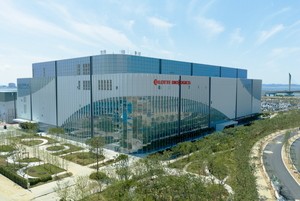
Lotte Biologics lands first commercial order for Songdo factory
Incheon plant secures standalone commercial CMO deal ahead of official completion; contract covers full drug substance-to-finished product supply Client identity and contract value undisclosed under confidentiality terms; revenue secured to coincide with full operation next year Win comes a day after Shin Yu-yeol's promotion to president, accelerating dual-site synergy between Syracuse and Songdo Lotte Biologics has secured its first commercial production contract for Factory 1 at its Songdo Bio Campus in Incheon, ahead of the plant's official completion ceremony. The win came just one day after Shin Yu-yeol — the third-generation owner-family executive who has led Lotte Group's biotech push — was promoted to president, marking what industry observers are calling the true opening of the "Songdo era." Lotte Biologics announced Tuesday it had signed a contract manufacturing organization (CMO) agreement with a global pharmaceutical company for biopharmaceutical production. The identity of the client and the specific contract value and volume were not disclosed under a mutual confidentiality clause, though the company described it as a large-scale commercial production order. The significance of the deal lies in its being the first commercial production order secured exclusively for Factory 1 at the Songdo Bio Campus. Lotte Biologics had previously signed a 10-year drug substance CMO agreement with European biosimilar specialist Alvotech at CPHI Worldwide 2026 in Milan last month. That earlier deal was structured as a linked model — initial production and validation at the Syracuse, New York facility, followed by a technology transfer to Songdo Factory 1 at a later stage. The latest contract, by contrast, is the first case in which a global client has been brought on board on the premise of direct production at Songdo Factory 1, even before the plant has been formally completed. The result is a vindication of a "pre-order strategy" that breaks with standard contract development and manufacturing organization (CDMO) industry practice — which calls for client due diligence, quality verification and order solicitation to proceed sequentially only after a facility is completed — by locking in commercial volume during the design and construction phase. With the hardware milestone of factory completion and the software achievement of a commercial order now aligned, Songdo Factory 1 is positioned to begin full commercial production next year while eliminating early vacancy risk and securing a stable revenue base from the outset. Under the agreement, Lotte Biologics will provide a one-stop service covering the entire production process for the client's key drugs — from clinical drug substance manufacturing through to finished drug product. Factory 1, where the contracted volume will be produced, is a state-of-the-art smart plant with a total capacity of 120,000 liters, equipped with eight 15,000-liter stainless steel bioreactors. The facility received its building use approval just two years after breaking ground. The company has also moved its Good Manufacturing Practice (GMP) readiness timeline forward by more than six months — from the originally planned April 2027 to this month — in response to requests from global clients for earlier operation, with the official completion ceremony now imminent. The plant incorporates advanced infrastructure: a vertically integrated structure in which culture media is prepared on the top floor and fed down to lower production lines, an unmanned robotic logistics warehouse with 6,030 storage slots, and a real-time monitoring system anchored by a central control room. Industry observers credit the win to what they call "Shin Yu-yeol leadership" and the quality credentials established at the Syracuse facility. Shin, who serves as co-CEO of Lotte Biologics, was promoted to president in Lotte Group's 2027 regular executive reshuffle announced Monday and will also take charge of the group's management strategy division — a role that reflects his hands-on stewardship of the biotech business. Shin has attended the JP Morgan Healthcare Conference in San Francisco for three consecutive years since 2024 and has personally led partnering meetings with prospective clients at major global industry events including Bio USA in Boston, CPHI Worldwide in Milan and Bio Japan in Yokohama. Reinforcing that outreach is the quality track record built at the Syracuse Bio Campus — more than 62 regulatory approvals from global agencies and a zero-observation outcome in a recent unannounced FDA inspection — which has helped build global client confidence in the newly constructed Songdo facility. The company's dual-site strategy — linking the Syracuse campus, which excels in clinical-batch production and antibody-drug conjugate one-stop services, with the Songdo campus as a 120,000-liter commercial production hub — has proven its competitive edge amid the global supply chain realignment driven by biosecurity legislation and related regulatory shifts. The consolidation last August of roughly 800 headquarters and research staff from the Jamsil head office into the new Songdo Bio Campus building, completing a "one-team" structure, also laid the groundwork for the company's rapid order-response capability. "This contract demonstrates that Lotte Biologics is establishing itself as a core supply chain partner for global clients, not merely a new entrant in the CDMO space," said Lotte Biologics co-CEO Park James. "Building on our accumulated quality credentials and stable supply capabilities, we will actively support our clients' successful commercialization of new drugs."
Nov. 17, 2026
-
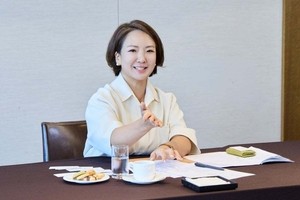
KleanNara faces mounting losses, debt concerns and delisting risk
Q3 operating loss doubles to 7.2 billion won year-on-year Debt ratio climbs to 297% as company borrows 31 billion won from owner family Common shares near 1,000-won floor; preferred shares already flagged for delisting KleanNara is struggling under a combination of deteriorating earnings, delayed facility investment and a weakening financial structure. Speculation over a management control dispute within the founding family has added to the pressure, and concerns about the viability of its stock market listing have grown as its common share price has fallen toward the 1,000-won threshold. According to the Financial Supervisory Service's DART system, KleanNara filed its third-quarter report on Monday. The same day, the Korea Exchange warned that KleanNara's first preferred shares had fallen below the market capitalization requirement for continued listing. KleanNara's consolidated sales for the third quarter reached 135.1 billion won ($101 million), up 2.9 percent from a year earlier, but its operating loss more than doubled — widening from 3.3 billion won to 7.2 billion won. Net loss also expanded, from 7.5 billion won to 10.9 billion won. For the first nine months of this year, the cumulative operating loss stood at 10.5 billion won and the net loss at 21 billion won. While the year-to-date deficit has narrowed compared with the same period last year, losses accelerated again in the third quarter. The company's financial structure remains fragile. As of the end of September, consolidated total liabilities stood at 465.6 billion won against total equity of 156.7 billion won, pushing the debt ratio up from 273.4 percent at the end of last year to 297.0 percent. Current liabilities of 302.7 billion won are more than double current assets of 149.1 billion won, leaving the current ratio at just 49.2 percent. KleanNara has also borrowed 31 billion won from members of the founding family — 11 billion won from former Honorary Chairman Choi Byung-min and 20 billion won from his spouse, Koo Mi-jung. Interest expenses on those loans alone came to 709 million won this year. Choi Byung-min is the father of current Chairman Choi Hyun-su, and Koo is the chairman's mother. A large-scale facility investment is also running behind schedule. In 2023, KleanNara committed 70 billion won to an energy recycling facility and power generation equipment at its Cheongju factory, but the target start date for the new facility has been pushed back from late July this year to April 19 next year. According to the quarterly report, 58.5 billion won of the 65 billion won contract amount has already been spent. The company disclosed that the delay stems from technical adjustments and said it does not expect the postponement to result in losses, as the existing incinerator remains in operation. Speculation over a management dispute has added further strain. At an extraordinary shareholders' meeting on Nov. 4, a proposal to appoint former Honorary Chairman Choi Byung-min as an inside director was voted down, with only 45.5 percent of shares present voting in favor — short of the required majority. The failed bid to return Choi to the board has fueled speculation about differing views within the founding family over the company's strategic direction. The share price is also under pressure. KleanNara's common shares closed at 1,113 won on Monday, edging close to the 1,000-won mark. Financial authorities introduced a delisting rule in July this year for so-called penny stocks — shares trading below 1,000 won. Under the rule, a stock that closes below 1,000 won for 30 consecutive trading days is placed on a watchlist, and if it fails to recover above that level within a set period, it becomes subject to delisting. KleanNara's preferred shares have already received a delisting warning. The company's first preferred shares were placed on a watchlist in September after their market capitalization fell below the 2 billion won threshold, and in the 50 trading days since, the market capitalization has remained below that level on 45 of them. The Korea Exchange disclosed that delisting proceedings will begin if that count reaches 61 days.
Nov. 17, 2026
-
Small business owners demand withdrawal of 'worker presumption' bill
Small business federation holds press conference outside National Assembly, demands halt to 'Basic Act for Working People' 'Four major insurances, severance pay burdens to grow, labor disputes to spread' — micro-business owners fear for livelihoods Government says not all freelancers will be recognized as workers; key issue is who bears the burden of proof Small business owners are demanding the withdrawal of proposed legislation — the "Basic Act for Working People" and a "worker presumption" provision — being advanced by the government and the National Assembly. They argue that if enacted, the measures would sharply raise labor costs for micro-businesses that rely on special-employment and freelance workers and trigger a surge in severance pay litigation. The small business sector estimates the additional cost per worker would reach about 5.05 million won ($3,780) a year. The Korea Federation of SMEs and Micro Enterprises held a press conference Tuesday morning in front of the main gate of the National Assembly in Yeouido, Seoul, calling for a halt to what it described as the "work law package" being pushed by the Ministry of Employment and Labor and the Assembly. The federation said the bills fail to account for the payment capacity of small business owners and that sector-by-sector impact assessments and cost reviews must come first. Song Chi-young, chairman of the federation, said the legislation — which would apply the Labor Standards Act uniformly to special-employment and freelance workers — "fundamentally upends the entire labor market order and drives small business owners into the role of potential criminals." He called it "a classic case of dropping a bomb on an entire house just to catch one mouse." The industry's central concern is the additional labor cost. According to the federation's analysis, if special-employment and freelance workers are recognized as employees — triggering obligations for four major social insurance contributions and severance pay — business owners would face an added burden of about 420,000 won per worker per month, or about 5.05 million won annually. That figure amounts to roughly 20 percent of the 25 million won average annual operating profit the federation cited for small business owners. Kim Woo-seok, chairman of the Korea Food Service Industry Association, said that "in a reality where about 75 percent of self-employed operators survive on annual operating profits of 20 million won or less, an additional burden of about 5.05 million won per person is no different from a death sentence," adding that the legislation would "tear down the dam holding up small-business jobs." Particular concern was raised over the burden of proof that micro-business owners would face in labor disputes if the worker presumption system is introduced. The system shifts the burden of proving employment status onto the employer's side when determining whether a service provider qualifies as a worker. The small business sector warns that litigation costs would fall disproportionately on operators who lack the resources to mount a legal defense. Pushback also came from the platform industry. Jang Yu-jin, chairman of the Korea Designated Driver Federation, said designated drivers "are not tied to a single company — they choose calls from multiple operators." Treating them uniformly as employees, he said, would force countless small operators to bear litigation costs just to prove they do not qualify as employers. The government, however, maintains that the system would not recognize all freelancers and platform workers as employees. In an explanatory document released in January, the Ministry of Employment and Labor said the worker presumption system is not designed to expand the definition or scope of workers under the Labor Standards Act, but rather to protect those who are effectively workers in practice but find it difficult to prove that status. The ministry also said the Basic Act for Working People would not immediately apply the Labor Standards Act to all special-employment workers upon enactment. Ultimately, the central question is how shifting the burden of proof to protect workers would affect the actual costs and hiring practices of micro-businesses. The small business sector fears an increase in disputes over worker status and severance pay claims, while the government believes that placing more of the evidentiary burden on employers — who hold more information — would improve the accuracy of worker-status determinations and reduce unnecessary disputes. Hwang Gyu-hun, chairman of the Incheon Small Business Federation, said that if labor costs surge, small business owners "will have no choice but to cut staff and replace them with unmanned kiosks and AI." He argued that imposing a uniform system without considering the work structures and fee arrangements specific to each platform sector "will lead to job losses."
Nov. 17, 2026
-

SCD looks to India for new growth engine
Mass production at New Delhi air conditioner pump factory to begin in December Company says air conditioner penetration rate rising every year amid climate change SCD, a manufacturer of key components for home appliances including air conditioners, is establishing a new growth base in India. The company said Tuesday it has recently set up a local production line in New Delhi and begun trial operations. SCD will begin mass-producing drain pumps — control devices used in air conditioners — in December and supply them to local companies. The company signed a production and sales agreement with a local firm in June and has been shipping production equipment it built in-house to India since August to construct the line. With the addition of the India factory, SCD has expanded its overseas footprint beyond its existing plants in China and Vietnam. India, the world's most populous country, is seeing rapid growth in its air conditioner market, driven by strong economic expansion and the rise of a large middle class. The air conditioner penetration rate has climbed to 15 percent amid abnormal weather patterns, and the drain pump market is expected to grow by more than 50 percent annually. SCD Chief Executive Oh Gil-ho visited India last month to personally inspect the production line and said preparations are complete to ensure mass production begins on schedule in December. "The facility was built by applying the equipment capabilities and partnership know-how we have proven domestically," Oh said. "We expect the India production line to secure a new growth engine for the company."
Nov. 17, 2026
-

'Electricity and gas bills count too': Korea Federation of SMEs holds training ahead of energy cost-linkage regime
Energy cost-linkage regime to take effect Dec. 3 Energy costs accounting for 10% or more of supply price to be covered Online system built for contract drafting and simulated supply-price calculations The Korea Federation of SMEs has launched practical training for small and medium-sized enterprises ahead of a Dec. 3 expansion of the supply-price linkage regime, which will extend coverage from raw materials to energy costs. The federation co-hosted a briefing on energy cost-linkage strategies and the supply-price fair-payment system with the Korea Price Association at its Yeouido headquarters in Seoul on Tuesday. Under the supply-price linkage regime, fluctuations in supply costs — such as raw material prices — beyond a set threshold must be reflected in the supply price. In place since October 2023 and initially covering major raw materials, the regime will broaden its scope to include energy costs when an amended mutual-cooperation law takes effect. Under the revised law, energy costs used in manufacturing and other processes that account for 10 percent or more of the supply price will be subject to the linkage requirement. The adjustment threshold for price fluctuations is to be set by the contracting parties through negotiation, within a range of up to 10 percent. At Tuesday's briefing, Seol Dong-in, a department head at the Korea Price Association, explained the key provisions of the energy cost-linkage regime, methods for calculating cost ratios and real-world application cases. Kim Dong-su, an associate at the federation, then walked attendees through the newly built "supply-price fair-payment" online system. The new system allows small and medium-sized enterprises to draft supply-price linkage tables and standard linkage contracts online, and to run simulated calculations of supply prices based on raw material price changes. It also provides functions for preparing and submitting applications to request supply-price adjustment consultations. The federation plans to shift its regime support — previously centered on in-person consulting and printed guides — to an online platform to reduce the administrative burden on small businesses. The system will be open to all small and medium-sized enterprises. "It is important for small and medium-sized enterprises to fully understand how to calculate energy costs and how to complete the linkage agreement process before the energy cost-linkage regime takes effect, so they can apply it in actual transactions," Yang Chan-hoe, executive managing director of the federation, said. "We will work to spread a business culture in which the parties to a transaction share cost-fluctuation risks in a reasonable way."
Nov. 17, 2026
-
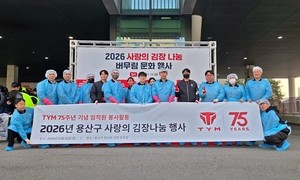
TYM marks 75th anniversary with kimchi-making drive for Yongsan-gu residents
TYM joins Yongsan Welfare Foundation's annual kimchi-making event About 100 staff, residents prepare 11,400 boxes of kimchi Kimchi to go to 7,894 low-income households, 180 welfare facilities Agricultural machinery maker TYM participated in a kimchi-making volunteer drive for vulnerable residents in its home district, marking the company's 75th anniversary. TYM announced Tuesday it had joined the "2026 Yongsan-gu Sharing Kimchi" event held Monday in Hannam-dong, Yongsan-gu, Seoul. Organized by the Yongsan Welfare Foundation, the event drew about 100 participants, including representatives from TYM and other companies and organizations, local residents and foreign nationals. The 11,400 boxes of kimchi prepared at the event are to be distributed to 7,894 low-income households and 180 social welfare facilities in Yongsan-gu. Employees from TYM's product planning, domestic business and global business divisions joined the effort, helping to prepare and package the kimchi. The volunteer activity was held to mark TYM's 75th founding anniversary. The company, headquartered in Yongsan-gu, has continued to engage with the local community through employee-led corporate social responsibility initiatives. Founded in 1951, TYM has grown from a domestic agricultural machinery company into one with an international presence. Marking its 75th anniversary this year, the company has been pursuing community outreach programs centered on coexistence with local residents and voluntary employee participation. "It is meaningful to be able to share warmth with our neighbors in the community and put the value of giving into practice together with our employees on our 75th anniversary," a TYM official said. "We will continue our sharing activities going forward, rooted in mutual growth with the local community."
Nov. 17, 2026
-
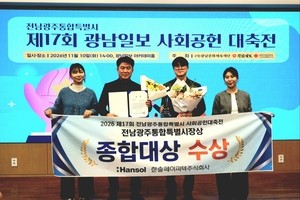
Hansol Papertech wins top prize at South Jeolla-Gwangju social contribution awards
Top prize at 2026 Social Contribution Festival Support spans senior health, student education and rural living conditions Recognition follows Ministry of Environment minister award last year Hansol Papertech, a corrugated base paper manufacturer under the Hansol Group, announced Tuesday it received the South Jeolla-Gwangju Special Metropolitan City Mayor's Award — the top prize — at the 2026 17th South Jeolla-Gwangju Social Contribution Festival. The event was co-hosted by the Gwangnam Ilbo, the Gwangnam Culture and Sports Foundation, and the South Jeolla-Gwangju branch of the Korean Red Cross. Hansol Papertech was recognized for its contributions to improving residents' living conditions and providing education and welfare support in the local community. The company has carried out a range of social contribution activities focused on communities near its facilities, including health management education and daily necessities support for senior residents, improvements to rural living environments, and educational and experiential learning programs for local students. In September, the company donated 200 farming chairs to residents of Daejeon-myeon in Damyang-gun, South Jeolla Province, and provided 5 million won ($3,750) in sponsorship funds for a local event. It also donated an electric scooter worth 3 million won for senior residents. Last year, the company received the Ministry of Environment minister's prize at the 2025 Haengbok Deoham Social Contribution Campaign in recognition of activities including scholarship support for a local elementary school, donations of heating supplies for vulnerable households, and fire prevention education for village residents. "We are deeply honored to have our efforts alongside the local community recognized," a Hansol Papertech official said. "We will continue to listen to residents' voices and carry on with sharing and mutual-growth activities that make a real difference in their daily lives."
Nov. 17, 2026
-
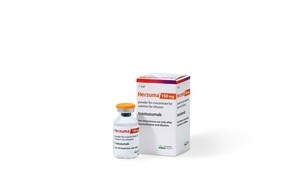
Celltrion's Herzuma wins Brazil federal tender for 7th consecutive year
Celltrion to supply about 1 million vials exclusively through end of next year, securing 80% of public-market volume; company holds 50% market share in Brazil and plans to expand private-sector presence; Omrikloe, Eydenzel and Aptozma to strengthen Latin America portfolio Celltrion's breast and gastric cancer treatment Herzuma (trastuzumab) has won a Brazilian federal government tender for the seventh consecutive year in Latin America's largest pharmaceutical market. Celltrion announced Tuesday that Herzuma has secured the Brazilian federal tender every year since its first award in 2020, the year after the product launched. Under the latest contract, Celltrion's Brazilian subsidiary will exclusively supply about 1 million vials of Herzuma through the end of 2027. The tender covers roughly 80% of Brazil's public-market volume for trastuzumab, giving the company a stable sales base. Brazil's pharmaceutical market is divided between a public segment overseen by the federal government and a private segment where hospitals select products independently, in roughly an 80-to-20 ratio. Celltrion's Brazilian unit has dominated the public channel — the more critical of the two — through a localized direct-sales strategy and strong supply capabilities. Its ability to deliver 1 million vials to a single country without disruption was also a key factor in winning the tender. Herzuma currently holds about 50% of Brazil's trastuzumab market, according to IQVIA, outpacing both the originator and rival biosimilars to rank first in prescriptions. Because many leading Brazilian physicians practice at both public and private institutions, Celltrion plans to leverage its established credibility in the public sector to grow its share in the private market as well. Celltrion intends to accelerate growth in Brazil and across Latin America by introducing additional products. Omrikloe (omalizumab), a treatment for chronic spontaneous urticaria that launched as a first-mover product late last year, has already won a tender from the state government of Santa Catarina and captured about 26% of the private market, gaining traction quickly. Alongside this, Eydenzel (aflibercept), a treatment for ophthalmic diseases, and Aptozma (tocilizumab), a treatment for autoimmune diseases, are both on track for launch by year-end, with preparatory work already underway. The company plans to accelerate early market entry by expanding its specialist sales force and strengthening its medical network. The consecutive tender wins have demonstrated Celltrion's capacity to supply 1 million vials on schedule to a single country, while also establishing a foothold it can use to drive the early rollout of high-margin follow-on products across Latin America. "The sustained results in Brazil reflect the combination of a sales strategy tailored to the local market, a solid network, and strong product credibility," said Kang Gyeong-du, Celltrion's head of Latin America. "We will build on our existing direct-sales strengths by adding follow-on products to expand our presence in Brazil and broaden our growth opportunities across Latin America."
Nov. 17, 2026
-
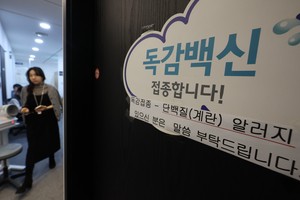
Push to add high-immunogenicity flu vaccines to NIP raises supply security fears
Budget for 2027 NIP inclusion cleared welfare committee, heads to budget panel; import dependence deepens Sanofi's 500,000-dose cut triggered pediatric supply crunch, yet government imposed no penalties Domestic vaccine commercialization still years away; experts urge phased rollout starting with highest-risk groups Momentum is building in the National Assembly to include high-immunogenicity influenza vaccines in the National Immunization Program for older adults, but experts warn that rushing a full rollout while the country relies entirely on imports could trigger vaccine supply instability, drain public funds overseas and crowd out budgets for other essential immunizations — making a phased approach tied to domestic production capacity the more prudent path. The National Assembly's Health and Welfare Committee boosted the 2027 national immunization budget to fund the introduction of high-immunogenicity flu vaccines. The move follows the Korea Disease Control and Prevention Agency's proposal in July, submitted in a presidential briefing, to prioritize replacing standard flu vaccines for adults 75 and older with high-immunogenicity alternatives under the NIP. With the budget review now under way, the policy push has entered its formal track. High-immunogenicity flu vaccines address "immune senescence" — the decline in vaccine effectiveness that accompanies aging — by increasing antigen content or adding adjuvants. There is broad agreement on the goal of reducing the disease burden on older adults as South Korea enters a super-aged society, but medical and pharmaceutical circles have raised concerns about supply chain stability and the risk of deepening import dependence. Every high-immunogenicity flu vaccine currently available in South Korea is an imported product from multinational companies, including Sanofi and CSL Seqirus. Analysts warn that folding these vaccines into the NIP without diversifying the supply chain would leave the national immunization program vulnerable to production disruptions or unilateral price demands from foreign manufacturers. Those concerns are not hypothetical. During the 2026–2027 flu season government procurement drive, Sanofi delayed deliveries and cut roughly 500,000 doses from its contracted volume, causing significant disruption at medical facilities. The government scrambled to redirect doses earmarked for domestic companies' private-market distribution to fill the gap — a move that has left the private vaccine market short-supplied to this day, with pediatric and adolescent clinics facing a particularly acute supply crunch. A similar shortage affecting the far larger elderly population could impose social costs the country would struggle to absorb. The episode also drew criticism after the government imposed no meaningful penalties or sanctions on Sanofi for the volume cut, fueling accusations of preferential treatment and official inaction. Fiscal efficiency and a thin evidence base present additional obstacles. High-immunogenicity vaccines carry a significantly higher unit price than standard-dose products. A full NIP rollout could funnel hundreds of billions to trillions of won in public funds directly into the revenue of foreign companies, while the fixed national health budget would face a "balloon effect" — squeezing allocations for other essential childhood immunizations or support for serious illnesses. The US Centers for Disease Control and Prevention recommends high-immunogenicity flu vaccines for adults 65 and older, and Germany's Standing Committee on Vaccination recommends them for those 60 and older. However, rigorous cost-effectiveness analysis and real-world evidence accumulation targeting the Korean population remain at an early stage. Experts therefore recommend a phased introduction calibrated to the progress of domestic vaccine development and the accumulation of local data. The KDCA has also acknowledged the need to strengthen national vaccine development capacity and build an integrated production-to-approval pipeline to reduce import dependence and prevent supply delays. Domestic vaccine developers are accelerating efforts to localize production and eventually enter the NIP. GC Biopharma is currently the furthest along among Korean companies. In September, the Ministry of Food and Drug Safety approved GC Biopharma's investigational new drug application for a Phase 2/3 clinical trial of "GC3114B," a high-dose candidate with elevated antigen content, to be tested in adults 65 and older against an active comparator. The company aims to secure product approval within three years and in July signed a CMO MOU with Korea Vaccine to build a prefilled syringe production and supply chain. SK Bioscience is developing "NBP607B," which applies an adjuvant to its cell-culture flu vaccine Skycelflu. The company submitted an IND for a Phase 1/2 trial in July last year and aims to produce interim results by 2027. Alongside this, SK Bioscience is conducting basic research and preclinical work on a microneedle-patch high-immunogenicity flu vaccine in collaboration with global partners. However, with domestic pipelines still at the Phase 1/2 or Phase 2/3 entry stage, near-term commercialization faces clear physical constraints. "For a high-immunogenicity flu vaccine regime to take hold successfully in the field, precise market supply-and-demand forecasting must come before any rollout, and a management framework that includes strict penalties for pharmaceutical companies that cause supply disruptions must be established," one industry official said. Another official advised that rather than an immediate full rollout, the government should first run a pilot program targeting the highest-risk groups — such as residents of long-term care hospitals and nursing facilities, and the oldest elderly with underlying conditions — to verify effectiveness, while pairing that effort with meaningful institutional support for domestic companies, including R&D funding and expedited approval pathways to accelerate vaccine self-sufficiency.
Nov. 17, 2026
-
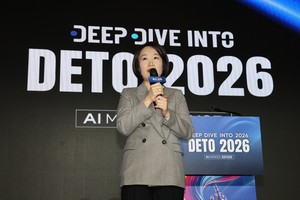
Venture investment hits record W12.6tr through Q3
Venture investment up 28.4% year-on-year through first three quarters Venture fund formation nears 13 trillion won, also a record high AI, semiconductor investment jumps; gaming falls 62.5% Investment in companies under 3 years old rises 47.6% South Korea's venture investment surpassed 12.6 trillion won ($9.45 billion) through the third quarter of this year, setting an all-time record. Venture fund formation also approached 13 trillion won, breaking the previous high. The surge was driven by expanded investment in advanced manufacturing sectors, including AI, semiconductors and robotics. The Ministry of SMEs and Startups released its "Venture Investment and Venture Fund Formation Trends for Q1–Q3 2026" on Tuesday, showing new venture investment in the first three quarters totaled 12.62 trillion won, up 28.4 percent from the same period last year. That figure surpasses the previous record of 10.87 trillion won set in the first three quarters of 2021 by 1.76 trillion won. The average investment per company also rose 19.2 percent, from 3.1 billion won last year to 3.7 billion won this year. By sector, ICT services led all categories with 2.51 trillion won, accounting for 19.9 percent of total investment. Electrical equipment and machinery came second at 2.24 trillion won (17.8 percent), followed by biotech and healthcare at 1.92 trillion won (15.2 percent). ICT manufacturing investment jumped particularly sharply, surging 64.7 percent year-on-year to 1.6 trillion won. The electrical equipment and machinery sector also rose 53.1 percent. Together, the two sectors accounted for more than half of the overall increase in venture investment, driven by large-scale deals in AI-related fields such as semiconductors and robotics. The chemicals and materials sector also posted a 25.1 percent gain, reaching 1 trillion won, buoyed by major investment rounds in cosmetics companies riding growth in the global beauty market. Investment in early-stage companies also expanded significantly. Firms with three or fewer years of operating history attracted 2.55 trillion won, up 47.6 percent year-on-year — well above the overall venture investment growth rate of 28.4 percent. Investment in companies with seven or fewer years of history rose 28.1 percent to 5.84 trillion won. Venture fund formation likewise hit a record. New venture funds formed in the first three quarters totaled 13 trillion won, up 29.7 percent from the same period last year, surpassing the previous record of 12.75 trillion won set in the same period of 2022. Private capital inflows drove the expansion in fund formation. Contributions from financial institutions such as banks rose 48.2 percent year-on-year to 3.95 trillion won, while contributions from general corporations climbed 40.9 percent to 3.48 trillion won. Policy finance contributions — including those from the Fund of Funds and Korea Growth Investment Corp. — increased 53.1 percent to 2.55 trillion won. Regionally, investment growth outside Greater Seoul was particularly pronounced. Venture investment in non-metropolitan areas reached 1.52 trillion won, up 66.7 percent year-on-year, while investment in the metropolitan area rose 26.0 percent to 4.31 trillion won. Daejeon recorded 580.2 billion won in investment, a 72.9 percent increase, driven by expanded activity in robotics and next-generation energy. Busan posted 197.8 billion won, up 140.6 percent, on the back of growing investment in biotech and healthcare companies focused on new drugs and medical devices. Investment trends varied by sector, however. While ICT manufacturing and electrical equipment and machinery saw sharp gains, investment in the gaming sector fell 62.5 percent, from 221.5 billion won last year to 83.1 billion won this year. The overall venture market expanded, but capital flows diverged sharply depending on the industry. "The simultaneous record highs in both venture investment and venture fund formation are a meaningful achievement that demonstrates the growth and potential of the venture ecosystem," Minister of SMEs and Startups Lee So-young said. "We will continue our policy efforts to strengthen the catalytic role of the Fund of Funds and ensure that private risk capital flows to promising ventures and startups keep expanding."
Nov. 17, 2026
-

High-immunogenicity flu vaccines edge closer — but supply risks and self-sufficiency loom large
High-immunogenicity vaccines for those 75 and older await budget committee review Sanofi's 500,000-dose cut and delay drew no sanctions, sparking controversy GC Biopharma, SK Bioscience still in early clinical stages; fast-track approval seen as critical Discussions in the National Assembly on introducing high-immunogenicity influenza vaccines for high-risk groups, including the elderly, are gaining momentum. But experts say the policy cannot take hold without strict penalties for global pharmaceutical companies that disrupt supply, alongside meaningful support to help domestic vaccine developers reach commercialization sooner. Anticipation has been building ahead of a review by the National Assembly's Budget and Accounts Committee. The Korea Disease Control and Prevention Agency had already flagged the transition to high-immunogenicity flu vaccines for adults 75 and older as a priority consideration under the National Immunization Program in a presidential briefing in July, and the issue's arrival on the budget review table signals the policy is moving into full gear. The medical and pharmaceutical communities agree, however, that securing a stable vaccine supply chain must come before the program launches. Because the domestic market for high-immunogenicity flu vaccines currently depends entirely on imports, they warn that locking in adequate volumes on time will remain difficult as long as supply is subject to the fluctuations of foreign manufacturers. That concern is not hypothetical. Earlier this year, during the initial phase of the flu vaccination season, Sanofi delayed delivery of its contracted doses and cut approximately 500,000 from the agreed volume, causing significant disruption at clinics across the country. The government scrambled to fill the gap by redirecting doses that domestic pharmaceutical companies had set aside for private retail distribution. The aftermath proved equally troubling. Despite Sanofi's delayed delivery and reduced volume, the government imposed no meaningful penalties or sanctions, drawing accusations of preferential treatment and inaction. Industry observers warn that if global pharmaceutical companies continue to face no real accountability for supply failures, disruptions to vaccination programs could recur even after high-immunogenicity vaccines are introduced. Achieving domestic self-sufficiency in vaccine production is ultimately seen as the only structural solution to the risk of another supply crisis triggered by a foreign manufacturer's production problems or shifts in global supply. Leading domestic vaccine developers are already accelerating their work on high-immunogenicity flu vaccines in line with the government's policy direction. Among domestic companies, GC Biopharma is the furthest along. In September, it received approval from the Ministry of Food and Drug Safety for a Phase 2/3 clinical trial application for its high-dose candidate GC3114B, which uses an elevated antigen content. The trial will directly compare the candidate against an active control group in adults 65 and older, with a target of securing product approval within three years. In July, GC Biopharma also signed a CMO agreement with Korea Vaccine to build a prefilled syringe production and supply chain. SK Bioscience is developing NBP607B, which applies an adjuvant to its cell-culture flu vaccine Skycelflu. The company submitted a Phase 1/2 clinical trial application in July last year and aims to produce interim results by 2027. Alongside this, SK Bioscience is conducting basic research and preclinical work on a microneedle patch-format high-immunogenicity flu vaccine with global partners. However, with domestic pipelines still at the Phase 1/2 or Phase 2/3 entry stage, near-term commercialization faces clear constraints. "For the high-immunogenicity flu vaccine program to take root successfully, the government must establish a management framework before launch — one that includes precise market supply forecasting and strict penalties for pharmaceutical companies that cause supply disruptions," an industry official said. "At the same time, effective institutional support such as R&D funding and expedited approval pathways must be provided in parallel so that domestic companies can achieve vaccine self-sufficiency as quickly as possible."
Nov. 17, 2026
-
SP Samhwa develops new electrolyte manufacturing method to extend battery life
Chlorine-free process enables high-purity compound production SP Samhwa has developed a new manufacturing method for an electrolyte material that extends the lifespan of rechargeable batteries. The company developed a new production process for sulfonyl fluoride compounds — a key material in lithium-ion battery electrolytes — and recently obtained a patent for it. The process eliminates chlorine, a toxic substance, and uses a catalyst to produce the compound at high yields, the company said. Sulfonyl fluoride is a core material that strengthens the chemical durability of batteries and reduces the risk of fire or explosion. When combined with an electron-withdrawing group (EWG), the compound resists decomposition even under high-temperature and high-voltage conditions. It has drawn growing attention as a battery material capable of extending the life of high-output batteries used in electric vehicles and other applications. SP Samhwa succeeded in boosting the reactivity of sulfonyl fluoride through the use of a catalyst, making it possible to achieve high production yields without a chlorination step. Conventional manufacturing methods faced a significant limitation: combining an EWG caused a sharp drop in the compound's reactivity, requiring a chlorination step followed by fluorine introduction to compensate. "This is a foundational technology that enables mass production of an essential material for high-performance batteries at high purity," a company official said. "We will continue to build differentiated competitiveness in electrolyte materials."
Nov. 16, 2026
-
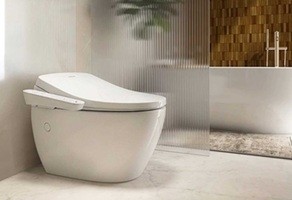
Cheonho Nice launches air-bubble bidet B370
Five cleaning modes — including massage and child settings — boost convenience Cheonho Nice has launched a new air-bubble bidet, the B370. The B370 features enhanced waterproofing alongside a range of cleaning functions, a comfortable seat and easy hygiene maintenance. The side control panel carries an IPX8 waterproof rating, an improvement over previous models, while the main unit meets IPX5 standards, making it safe for everyday bathroom use. The cleaning system supports five modes — bowel-relief, standard, feminine, child and massage. The bowel-relief function uses a powerful water stream to aid elimination, while the massage mode alternates between strong and gentle flows for targeted cleaning. The company said air bubbles are naturally mixed into the water stream during use, delivering a softer cleaning sensation. The bidet also features a wide seat for added comfort, along with soft open-and-close functionality for both the seat and cover. Water temperature and seat temperature can each be adjusted across five levels, and the unit supports water pressure control and warm-air drying, making it suitable for year-round use, the company added. "Hygiene has been enhanced through a full stainless-steel nozzle and an automatic nozzle-cleaning function that runs before and after each use," Cheonho Nice said. "The product has also earned a top energy efficiency rating and is equipped with an ECO power-saving mode to reduce unnecessary electricity consumption."
Nov. 16, 2026
-

Ildong Healthcare launches Energy Gel Power Up 2X for endurance athletes
Company expands product lineup under Arox brand Ildong Healthcare has launched Arox Energy Gel Power Up 2X, a new energy product designed for prolonged exercise. The product focuses on rapid absorption and sustained energy supply during long workouts, featuring a reinforced carbohydrate formula. To account for higher carbohydrate requirements and recommended intake during extended exercise, the company doubled the palatinose content — a carbohydrate ingredient — compared with its existing products, and added SusCarb Dextrin. Palatinose is a carbohydrate with a lower glycemic index than regular sugar. It digests and breaks down slowly, raising blood sugar levels gradually, which makes it well suited for sustained energy supply. SusCarb Dextrin is a highly branched cyclic dextrin, a carbohydrate ingredient that is absorbed quickly and releases energy over an extended period. Ildong plans to expand its Arox Energy Gel lineup with the new launch. The series now includes two products: the existing Arox Energy Gel Amino Up Arginine, centered on amino acids and arginine, and the new Arox Energy Gel Power Up 2X. "Demand for sports nutrition products has grown as more people take up endurance activities such as running, marathons and cycling," the company said. "We plan to consistently expand the Arox product lineup."
Nov. 16, 2026
MOST READ
- 1Malaysia's BE International brings 1,500-strong incentive tour to Korea, bypassing Turkey
- 2AI singer tops Melon chart for first time with 'Did You Become the Adult You Dreamed Of?'
- 3Jensen Huang's daughter took the photo of him embracing his alleged mistress
- 4Man beat live-in girlfriend 514 times over 3 hours, killing her; forensic expert says footage was too disturbing to watch
- 5Crosswalk at Cheonggyecheon 6-ga intersection opens after 20 years of resident demands
- 6'A concert is a ritual for the soul': Currentzis makes long-awaited Korea debut after six years
-
WORLD

US warns of punishment for anyone enabling Iran's Strait of Hormuz toll scheme
-
INDUSTRY
Toyota union puts productivity first; Hyundai Motor union demands bigger share of profits
-
FINANCE
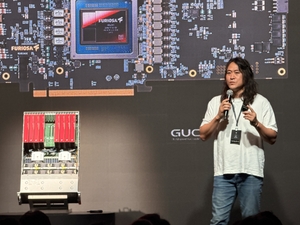
National Growth Fund to invest $531M in FuriosaAI, which rebuffed Meta's $800M takeover bid
-
INDUSTRY
Korea Shipowners' Association holds amateur baduk tournament for Maritime Day