
- HOME
- ECONOMY
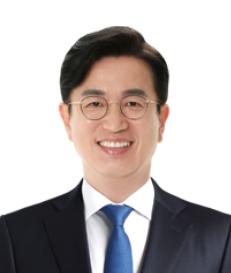
Daejeon mayor visits Dong-gu on third leg of district tour
Mayor Heo Tae-jung calls the district 'a vital place for opening Daejeon's new future' during relay goodwill tour Daejeon Mayor Heo Tae-jung made his third stop on his relay district goodwill tour Friday, visiting Dong-gu — the district centered on Daejeon Station that has long driven the city's growth and development. Heo's first stop was the construction site of Daejeon Medical Center, a long-sought project for Dong-gu residents. The public medical facility is being built in the Seonryang district of Yongun-dong, with two below-ground floors and seven above-ground floors, a total floor area of 34,500 square meters and 319 beds. The project finalized its total budget in September after completing cost-adjustment consultations, locking in 222.3 billion won ($168 million) — comprising 83.9 billion won in national funds and 138.4 billion won in city funds. The city plans to break ground in 2027 and open the facility by 2030, following detailed design work and construction consultations. At the site, Heo said the medical center is "a core public health facility that protects the lives and health of citizens," adding that the city would push ahead without delay on follow-up steps including detailed design and construction procurement "so that citizens can access public medical services as soon as possible." Heo then held a public dialogue with about 400 residents at the Dong-gu Office auditorium, where he outlined his administration's vision and key priorities. He also announced plans to provide special adjustment grants for five projects proposed by Dong-gu, including improvements to community welfare center facilities and the expansion of residential amenities. To ease residents' difficulties in accessing administrative services, the city will provide 600 million won for elevator installation and waterproofing work at the Samsung-dong Community Welfare Center, and 400 million won to replace aging heating and cooling systems at the Hongdo-dong Community Welfare Center. The Samsung-dong center has long lacked an elevator, making it difficult for people with disabilities and elderly residents to use the facility, while the Hongdo-dong center's aging climate-control systems have been in need of replacement. The support is expected to improve accessibility and the overall environment for residents using both buildings. The city also pledged 300 million won each for two projects aimed at enhancing cultural, leisure and everyday conveniences: installing a rain shelter at the outdoor performance venue at the Mokchek Bridge waterfront cultural space, and expanding facilities at the Daecheong Lake meditation garden. The outdoor stage at Mokchek Bridge will receive a spectator rain shelter to allow performances to continue regardless of weather, while the Daecheong Lake meditation garden will see rest facilities upgraded, lighting installed and seasonal flowers planted to improve the visitor experience. Alongside this, about 400 million won will go toward remodeling a program room at the Sannae-dong community center and replacing an aging elevator at a public parking facility in the Gao-dong shopping district, expanding cultural activity space and improving safety for residents. Residents also raised a range of issues related to local development and quality of life, including proposals for a new road connecting Yongsugol to Namgan Jeongsa, the construction of a soccer field in Panam-dong, and the expansion of a park golf course in Yongun-dong. Heo said he sympathized with the need for the Yongsugol–Namgan Jeongsa road and the Panam-dong soccer field, but said the city would continue reviewing how to proceed given its fiscal constraints. On the Yongun-dong park golf course, Heo said the city would first move ahead with the currently planned nine-hole layout, with any further expansion to be reviewed over the medium to long term through consultations between the city and the district. "Dong-gu is the district that has led Daejeon's growth and development centered on Daejeon Station, and it is a vital place for opening Daejeon's new future," Heo said. "We will push forward without a hitch on key projects including the construction of Daejeon Medical Center and the development of the Daejeon Station transit-oriented area to breathe new vitality into Dong-gu. The city and the district will join forces so that Dong-gu can leap beyond being Daejeon's gateway and become a new engine of growth."
Lee Kwon-hyung Oct. 23, 2026
-
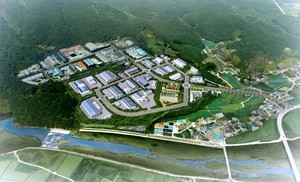
Clean energy industry association to launch in Donghae
Inaugural ceremony set for Monday at Bukpyeong industrial complex, where hydrogen industry zone is planned The Carbon Neutrality Clean Energy Industry Association will hold its inaugural ceremony and signboard unveiling at the Bukpyeong Industrial Complex cultural center in Donghae on Monday, marking the start of its formal operations. The Bukpyeong Industrial Complex is slated to host a hydrogen storage and transport cluster as well as an AI data center. It also sits near the Samcheok Hydrogen Specialized Industrial Complex. Samcheok and Donghae were a single administrative zone until 1979. The association, incorporated as a nonprofit, was established to promote technology exchange in the clean energy sector, support the growth of related industries, and build a cooperative framework among companies, research institutions and other stakeholders. About 50 people are expected to attend, including Donghae Mayor Lee Jeong-hak, Donghae City Council Speaker Park Ju-hyeon, Donghae Chamber of Commerce and Industry Chairman Kim Gyu-tae, association officials and local business leaders. The program will include a presentation on the association's mission and vision, the signboard unveiling, and a board meeting and extraordinary general assembly. Going forward, the association plans to facilitate information sharing and technology cooperation among clean energy companies, and to identify collaborative projects suited to the region's industrial conditions.
Oct. 23, 2026
-
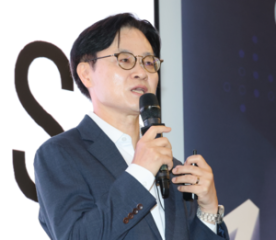
Gov't to fast-track semiconductor complex permits, compensation and design simultaneously
Ministry of Trade, Industry and Energy unveils 13 improvement tasks for semiconductor sector Key R&D workforce working-hour exemptions under review; legislation for super-regional special zone to be expedited The government plans to introduce a fast-track system that simultaneously pursues permitting, land compensation and design for industrial complexes in order to accelerate investment in semiconductor megaprojects. The government will also push forward 13 improvement tasks for the swift execution of semiconductor megaproject investment, including a review of working-hour exemptions for key semiconductor research and development personnel. South Korea's Ministry of Trade, Industry and Energy on Friday announced, jointly with related ministries, a plan titled "Regulatory Rationalization Measures for the Swift Execution of Semiconductor Megaproject Investment" at the second plenary session of the Regulatory Rationalization Committee, held at Cheong Wa Dae's banquet hall. The government intends to reform the regulatory regime so that semiconductor-related investment, research and support can be carried out quickly and efficiently. To shorten the time required before investment can begin, procedures related to site selection and infrastructure — which had previously been handled sequentially — will be processed in parallel or as a single batch. Under the current system, planning for a semiconductor industrial complex, obtaining various permits, land compensation, and design and construction all proceed in order. Going forward, the fast track will allow permitting, compensation and design to advance simultaneously, with the aim of dramatically cutting the time from complex development to fab operation. The government also plans to incorporate into the super-regional special zone legislation a provision allowing additional permits — beyond those already covered under the Semiconductor Special Act — to be processed in bulk when a semiconductor cluster is designated as a super-regional special zone. Measures will also be put in place to ensure a seamless continuum from fab construction through production, operation and exports. Industrial complexes housing semiconductors and other advanced industries will be designated as comprehensive bonded zones. Currently, each semiconductor fab must obtain a bonded factory patent and renew it every five to 10 years. The government plans to ease that burden and facilitate the import, processing and movement of foreign equipment and raw materials within industrial complexes. Unnecessary administrative burdens will also be reduced, including the elimination of duplicative procedures that previously required separate approvals and notifications from both the Ministry of Employment and Labor and the Ministry of Climate, Environment and Energy for work involving hazardous chemicals. Separate safety standard exemptions reflecting the characteristics of production sites will be established for high-pressure gases used in semiconductor manufacturing. In the interest of speed, the government also plans to review working-hour exemptions for key semiconductor R&D personnel within super-regional special zones. However, such exemptions will be premised on appropriate compensation and health protections, and the government will consult with labor and business groups before proceeding. The government will expand opportunities for domestic semiconductor materials, components and equipment companies to conduct demonstration projects, and will streamline inspection and testing procedures for R&D prototypes produced within semiconductor bonded factories. A pan-government support system will also be established to manage investment schedules systematically. A special committee to strengthen semiconductor industry competitiveness, chaired by the president, will serve as the pan-government coordination channel, while the ministry's Semiconductor Innovation Growth Support Team will help companies resolve difficulties and follow through on investment commitments. The government will also push for the early enactment of the super-regional special zone legislation needed to underpin the semiconductor megaprojects. "The semiconductor race is a race against time," Trade, Industry and Energy Minister Kim Jung-kwan said. "While safeguarding safety and workers' rights, we will boldly reform procedures that do not fit the realities of the field, and work with related ministries to ensure chipmakers do not miss the critical window for investment and R&D — so that the megaprojects are carried out without a hitch."
Oct. 23, 2026
-
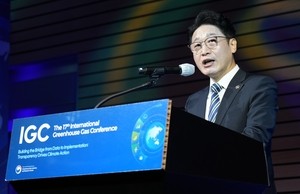
First Renewable Energy Day ceremony as national holiday draws 63 honorees
Hanwha Solutions executive among those recognized for contributions to renewable energy South Korea's Ministry of Climate, Environment and Energy held this year's Renewable Energy Day ceremony Friday afternoon at COEX in Gangnam-gu, Seoul. It was the first ceremony since Oct. 23 — observed annually as Renewable Energy Day — was designated an official national holiday. The date was chosen to mark the World Renewable Energy Congress held in Seoul on Oct. 23, 2019. It became a statutory holiday after a revision to the government's regulations on national commemorative days was promulgated Tuesday. About 300 people attended the ceremony, held under the theme "Sunlight, Wind and the Future." The event included the presentation of 12 government commendations — including medals — and 15 ministerial citations from the Ministry of Climate, Environment and Energy, recognizing individuals who contributed to the development and dissemination of renewable energy technology and the growth of the industry. Kim Ki-hong, an executive at Hanwha Solutions who helped lay the commercial groundwork for next-generation perovskite-silicon tandem solar cells, received the Silver Tower Order of Industrial Service Merit. Jeong Seung-young, a division head at the Korea Institute of Energy Technology Evaluation and Planning, received the Bronze Tower Order of Industrial Service Merit for leading international joint research on renewable energy and hosting the Mission Innovation ministerial meeting. An awards ceremony for an AI short-form video competition — held from Aug. 21 to Sept. 28 in conjunction with Renewable Energy Day — was also held at the event. Second Vice Minister of the Ministry of Climate, Environment and Energy Lee Ho-hyun said the world stands at a historic turning point, moving from "the age of oil" to "the age of electricity," and that the ability to secure clean, affordable and stable power will determine the fate of companies and nations alike. He called on industry, academia, civil society and the public at large to join forces in driving a renewable energy-centered energy transition.
Oct. 23, 2026
-

South Chungcheong Province hosts traditional market fair in Seosan
Three-day event showcases products from 25 markets nationwide, aiming to boost regional commerce A large-scale fair bringing together products from South Chungcheong Province's top traditional markets alongside representative markets from Daejeon, Sejong, North Gyeongsang Province and other regions opened Friday. South Chungcheong Province held the opening ceremony of the South Chungcheong Excellent Market Fair at the parking lot of Seosan General Stadium on Friday. Co-hosted by the provincial government, the Ministry of SMEs and Startups, Seosan City and the South Chungcheong Merchants' Federation, the event runs through Sunday. A total of 25 traditional markets and shopping districts from across the country are taking part, including 22 from South Chungcheong Province and one each from Daejeon, Sejong and North Gyeongsang Province. The venue features 50 pavilions in all — 37 exhibition and sales booths, 10 food market stalls and three experience and promotional halls — showcasing top products from traditional markets and local communities while offering visitors a range of food and hands-on activities. Live commerce broadcasts will also be run to promote products and support expanded sales channels. The province hopes the fair will strengthen exchanges among traditional markets, widen distribution channels for quality local products and inject new energy into regional commerce. The opening ceremony, attended by Vice Governor Hong Jong-wan along with other guests of honor, traditional market merchants and small business owners, featured commendations for meritorious individuals, congratulatory remarks, a commemorative ceremony and a tour of the venue. After the ceremony, Hong toured the exhibition and sales booths and food market stalls, encouraging merchants and listening to their concerns. "Traditional markets are the heart of the local economy, carrying the history and culture of their communities and sustaining the livelihoods of ordinary people," he said. "I hope this fair will spread the word about the outstanding products and unique charm of traditional markets, and serve as a place of harmony where merchants and residents come together."
Oct. 23, 2026
-

Wonju bets on sleep and recovery to build wellness tourism brand
Kyungdong University Medical Campus, Gangwon Economic Promotion Foundation sign MOU Mayor Ku Ja-yeol: 'We will add values of rest and recovery to our tourism resources' Wonju brings together an unusually broad range of assets: natural landscapes including Chiaksan mountain, Sogeumsan mountain and the Seomgang River; medical facilities such as Kyungdong University Medical Campus, Christian Hospital and Yonsei University Hospital; and cultural and leisure destinations including the Hanji Art Museum, Museum San, Park Kyung-ni Literature Park and Oak Valley Resort. Of late, the city has also been emerging as a hub for new industries that combine advanced technologies — including AI — with medical and therapeutic services. Wonju is now moving to activate wellness tourism by drawing on these resources. Wellness, a concept that blends well-being, happiness and fitness, refers to activities that pursue physical and mental health alongside overall quality of life. To that end, the city signed an MOU Friday with Kyungdong University Medical Campus and the Gangwon Special Self-Governing Province Economic Promotion Foundation to promote Wonju-style sleep wellness tourism. The three institutions agreed to discuss cooperation based on each organization's expertise and capabilities in connection with the "2026 Wellness Cluster Activation Project," and to build a collaborative framework for promoting Wonju-style wellness tourism. Under the agreement, Kyungdong University will contribute specialized personnel in physical therapy, occupational therapy and clinical pathology, along with medical and digital healthcare infrastructure, to help develop tourism content centered on sleep, rest and recovery. Wonju will identify and develop wellness tourism resources suited to the region's characteristics, while the Gangwon Special Self-Governing Province Economic Promotion Foundation will support project preparation, promotion, resource development and advisory services. The MOU responds to shifting tourism demand following the enactment of legislation to foster the therapeutic tourism industry, and aims to develop differentiated tourism content by linking local university expertise with existing tourism resources. Wonju plans to develop a wellness tourism program centered on sleep, with the aim of extending visitors' stays, boosting local spending and contributing to the revitalization of the regional economy. "This agreement will serve as an opportunity to add new value — sleep, rest and recovery — to Wonju's existing tourism resources," Mayor Ku Ja-yeol said. "Drawing on the expertise and capabilities of both institutions, we will build a competitive wellness tourism city that keeps visitors coming back."
Oct. 23, 2026
-
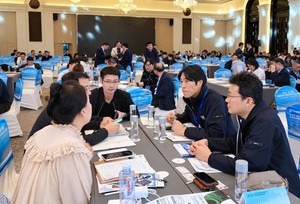
Korean environmental firms exchange technology with Chinese counterparts
Korea Environment Corporation hosts 22nd Korea-China Technology Cooperation Exchange One-on-one technology and business consultations held; follow-up cooperation linked to ENVEX 2027 The Korea Environment Corporation co-hosted the 22nd Korea-China Environmental Enterprise Technology Cooperation Exchange with the Yixing Environmental Protection Technology Industrial Park Management Committee in Yixing, Jiangsu Province, China, from Wednesday through Friday. The event, designed to support South Korean environmental companies seeking to enter the Chinese market and forge technology partnerships, was held in conjunction with the 14th Environmental Industry Cooperation Supply Chain Matching Conference, which drew more than 600 representatives from Chinese environmental institutions and companies. Eight South Korean environmental firms participated: Nine Convergence, Landlord, Blue Win, iCity Bridge, Aquaworks, NER, Wise Infotech and U&U. The Korea Environment Corporation analyzed the technologies held by participating South Korean firms and the cooperation needs of Chinese companies in advance, arranging one-on-one technology and business consultations. Companies from both countries also shared technology and market information through presentations on procurement needs and technology and project cooperation, as well as a seminar on the digitalization and innovation of green industries. Participants visited local environmental companies and project sites to assess business progress and conditions for applying new technologies. Building on the cooperation needs identified and consultation outcomes from the exchange, the Korea Environment Corporation plans to support follow-up consultations and technology exchanges linked to the 48th International Environmental Industry Technology and Green Energy Exhibition, known as ENVEX 2027, scheduled for 2027. "This exchange provided an opportunity to introduce the outstanding technologies of South Korean environmental companies to the Chinese market and discuss cooperation tailored to local needs," Korea Environment Corporation President Shin Jin-su said. "We will continue to provide support so that exchanges between companies can lead to substantive business cooperation."
Oct. 23, 2026
-
Korea Customs Service signs first prime-subcontractor collective agreement among central government agencies
Service contract extended to 2 years; market wage rates to be reflected in labor cost calculations First case since revised Trade Union Act took effect in March; negotiations began in August Incheon Airport Customs and a service contractor's labor union have signed a collective agreement covering a shift system overhaul and an extension of the service contract — the first such prime-subcontractor agreement reached at a central government agency since the revised Trade Union Act took effect on March 10. The Ministry of Employment and Labor's Central Regional Employment and Labor Office said Friday that Incheon Airport Customs and the Hanmaeum Incheon Airport Union, affiliated with service contractor Samgu I&C, concluded their prime-subcontractor negotiations and held a collective agreement signing ceremony. The agreement includes a restructuring to a four-crew, two-shift rotation system, the application of market wage rates in calculating service contract prices and labor costs, and a two-year service contract term — all aimed at improving working conditions for subcontracted workers. The service contract period was extended to two years in line with the "Guidelines for Protecting Contracted Workers in the Public Sector," announced in September. The shift system overhaul takes effect Nov. 1. The Central Regional Employment and Labor Office said it expects the agreement to contribute to better working conditions and greater job security for subcontracted workers. Negotiations had been under way since Aug. 13. The office said it provided on-site guidance and support throughout the process to help narrow the gap between the positions of the prime contractor, subcontractor and their respective unions. With the prime-subcontractor negotiations now concluded, the office said it plans to work with the Incheon Regional Labor Relations Commission to support the ongoing negotiations between Samgu I&C and its union. Choi Gwan-byeong, head of the Central Regional Employment and Labor Office, said the agreement is "an exemplary case of a collective agreement being concluded between a prime contractor and subcontractor at a central government agency for the first time since the revised Trade Union Act took effect," adding that the office would "actively provide guidance and support to prime-subcontractor bargaining units in the region so that such cases can be shared and replicated."
Oct. 23, 2026
-
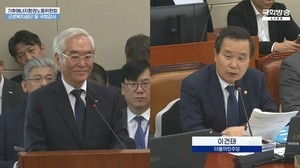
Ruling, opposition parties clash over qualifications of construction workers' fund chief
Na Kyung-won grills chairman over MTS, HTS knowledge and appointment ties Lee Geon-tae: 'Predecessor was political figure — Jang has rich experience in social solidarity' Ruling and opposition party lawmakers clashed at a national audit Friday over the qualifications and appointment of Jang Geon, chairman of the Korea Construction Workers' Mutual Aid Association. People Power Party lawmaker Na Kyung-won questioned Jang's lack of financial investment experience and his ties to a presidential office official, while Democratic Party of Korea lawmaker Lee Geon-tae pushed back by pointing to the political background of Jang's predecessor and arguing that Jang's organizational management experience and work on behalf of vulnerable groups deserved recognition. At the national audit of agencies under the Ministry of Employment and Labor, held at the National Assembly's Climate, Energy, Environment and Labor Committee, Na said Jang's application contained "not a single word" of relevant experience. "To run the Korea Construction Workers' Mutual Aid Association, you need to write about retirement pay and asset management plans in your application," Na said. Na then asked whether Jang was familiar with MTS — a mobile trading system used by retail investors — and whether he used it. Jang said he was not well acquainted with MTS. When Na followed up by asking about HTS, a home trading system, Jang did not answer. "Is it acceptable for someone who knows nothing about finance to serve as chairman?" Na said. The line of questioning itself drew scrutiny, however, as linking familiarity with retail investor trading platforms to an institutional head's asset management capabilities may not be a fair measure of expertise. The Korea Construction Workers' Mutual Aid Association is an institutional investor managing 5.6 trillion won ($4.23 billion) in assets and does not use MTS or HTS for asset management. Na also raised Jang's past as co-representative of the Seongnam Citizens' Solidarity for Participatory Democracy in 2004, noting that President Lee served as the group's executive committee chairman at the time and that Kim Hyun-ji, chief of the presidential office's first secretariat, was its secretary-general. "Ultimately, someone with no financial investment experience whatsoever was placed in the chairman's seat on the strength of Director Kim's connections," Na said. Na added that Jang had not listed that civic group role in his application and asked whether he had applied for the chairmanship "relying solely on Director Kim." Jang denied it. Lee Geon-tae, who questioned Jang next, pushed back by comparing Jang's background with that of his predecessor. "Given the questions raised about the chairman's qualifications, I looked into what kind of person the previous chairman was," Lee said, citing former Chairman Kim Sang-in's career as an aide to former lawmaker Lee Sang-deuk, his role in the People Power Party's central election campaign committee, and his work as a member of the inauguration preparation committee for President Yoon Suk Yeol. Lee called Kim "a thoroughly political figure." By contrast, Lee assessed Jang favorably, citing his tenures as chairman of the Korea Ceramic Foundation, chairman of the Seongnam Irooun Foundation, and president of the Doore Consumer Cooperative Federation. "He has experience running organizations," Lee said, adding that Jang had "extensive experience in social solidarity with vulnerable groups" and that he believed Jang was "qualified to lead the organization."
Oct. 23, 2026
-
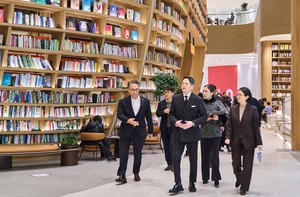
Shinsegae overhauls internal controls, creates digital and security units at Starbucks operator
Shinsegae Group reshuffles executives and reorganizes units SCK Company, E-mart among affiliates to get information security centers Shinsegae Group on Friday announced an executive reshuffle alongside a broad organizational restructuring aimed at strengthening internal controls and sharpening the competitiveness of its core businesses. Particularly notable was the creation of new digital and information security units at SCK Company, the operator of Starbucks Korea, which was rattled earlier this year by the "Tank Day" controversy. The reorganization establishes a digital division and an information security center at SCK Company. Starbucks Korea suffered a consumer boycott in May following the Tank Day incident, and an internal investigation found significant gaps in the reporting and review processes behind the promotion. The new units appear designed to tighten internal oversight in response. SCK Company will also merge its existing operations division and operations support division into a single operations unit. The food and beverage development division will be expanded into a category division, absorbing merchandise and goods functions as well. The push to strengthen internal controls and security extended across the group. E-mart and Josun Hotel & Resort elevated their information security divisions to full information security centers, while SSG.com converted its chief information security officer division into an information security center. E-mart24 created new compliance and information security center units. The group's central management strategy office was also reinforced. The E-mart division's planning and strategy headquarters was merged into the management strategy office. The CM team under the management general division was consolidated into a management team and a management diagnosis team, and the audit team was moved under the management support general division, which will now oversee group-wide personnel and audit functions. At E-mart, the core affiliate, a platform division and a public relations division were added under the strategic marketing headquarters. The E-store operations division was split into an SO planning division and an MSV division. SSG.com established a new business general headquarters and converted its existing headquarters structure into a business unit model, transforming the grocery headquarters and the data and infrastructure headquarters into the grocery business unit and the D/I business unit, respectively. The existing finance management and human resources divisions will be merged into a single support division. Shinsegae, the group's department store arm, added a content development division under its merchandise headquarters. Shinsegae International reorganized into a fashion division and a cosmetics division, introducing dedicated management structures for each business. Shinsegae DF created a merchandise headquarters along with MD 1 and 2 divisions and a marketing division. Shinsegae Live Shopping split its existing merchandise 1, 2 and 3 divisions into a lifestyle division and a fashion and beauty division. W Concept Korea broke its marketing division into a content division and a growth strategy division while consolidating its fashion 1 and 2 divisions. Shinsegae Property, which is pursuing new businesses including an AI data center and Starfield Cheongna, will place a mixed-use development division and a development support division under its development headquarters. Shinsegae Engineering & Construction consolidated its Starfield Cheongna-related operations into a single Starfield Cheongna division. Shinsegae Food expanded its B2B sales organization into two divisions and created a new food engineering and logistics division by combining its production and logistics functions.
Oct. 23, 2026
-
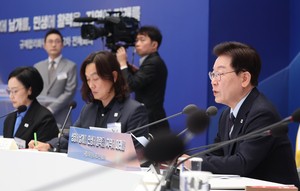
Documents required for eco-friendly product certification cut from 20 to 12
Ministry of Climate, Environment and Energy unveils plan to streamline administrative paperwork for energy and environment startups The number of documents companies must submit to obtain an environmental label certifying a product as eco-friendly will be reduced from 20 to 12. The Ministry of Climate, Environment and Energy unveiled the plan to redesign administrative paperwork for energy and environment startups at the second plenary session of the Regulatory Rationalization Committee, held at Cheong Wa Dae on Friday. Under the plan, the ministry will abolish or consolidate documents deemed unnecessary or duplicative among those required for environmental label applications. Items targeted include product specification sheets and product catalogs, as well as self-inspection checklists for regulatory compliance and advertising compliance confirmation forms. Documents containing reusable information — such as company details — but currently requiring resubmission each time a company applies for a label for a different product will be handled through an upgraded online system that draws on previously submitted data. In addition to cutting environmental label application documents from 20 to 12, the ministry will reduce paperwork related to the circular economy regulatory sandbox from 10 to four items. For documents with no page limit — which companies have found burdensome to prepare — the ministry will introduce standard templates with set length restrictions. Documents previously required to apply for the small and medium-sized environmental enterprise commercialization support project will also be cut from 15 to five through the shared use of administrative data. The ministry earlier this month revised its system for onshore wind power project permit applications, allowing companies to submit simulated wind-field data from the Korea Meteorological Administration's renewable energy weather information platform instead of wind condition measurements collected over at least one year. The change is expected to save companies one year of preparation time and about 250 million won ($189,000) in costs, based on a facility capacity of 30 megawatts.
Oct. 23, 2026
-
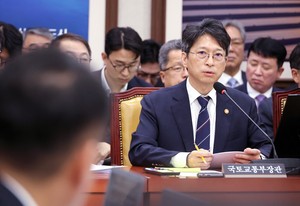
Land minister pushes back on claims that real estate regulations are driving jeonse shortage
Ministry of Land, Infrastructure and Transport comprehensive national audit Land Minister Hong Ji-seon said the government is preparing measures to address a range of market conditions — including sharp price drops or surges — amid growing concerns over rising apartment prices in the Greater Seoul area and a tightening jeonse market. Hong made the remarks Friday morning at the National Assembly's Land, Infrastructure and Transport Committee comprehensive national audit, responding to People Power Party lawmaker Kang Dae-sik, who asked whether the ministry was working on measures to address rising apartment prices in the metropolitan area. "We are working on them now," Hong said. According to the Korea Real Estate Board's weekly apartment price survey for the third week of this month (as of Monday), Seoul apartment prices rose 0.13 percent, extending a streak of consecutive weekly gains to 89 weeks. When Democratic Party of Korea lawmaker Jeong Il-young attributed the decline in jeonse supply to tighter regulations on private rental businesses and stricter owner-occupancy requirements, Hong said the picture was more complex. "Regulated zones and land transaction permit zones are limited to Seoul and parts of Gyeonggi Province, but the problem is that jeonse and monthly rent listings are also declining and monthly rents are worsening in regional areas where no such regulations exist," she said. The remarks were widely interpreted as a signal that the drop in jeonse listings cannot be attributed solely to government measures such as land transaction permit zones or other real estate regulations. Hong had taken a similar position at an earlier national audit on Oct. 7, saying she believed there was demand for the land transaction permit zone system and that the government would review whether to extend it after monitoring market conditions. When People Power Party lawmaker Jeong Hee-yong said the government's housing supply plan for this year was falling short of its target by 12 to 19 percentage points and that public trust in real estate policy overall was eroding, Hong acknowledged that private-sector supply was lagging. "It seems the public-sector volume will be achievable to a reasonable degree, but the private-sector volume is not being met properly," she said. "We have a five-year plan in place. We will do our best to make up for it next year." At its first regular housing supply briefing, held jointly with the Office for Government Policy Coordination on Thursday, the Ministry of Land, Infrastructure and Transport projected it would break ground on between 218,000 and 235,000 units by year-end — representing 81 to 88 percent of its annual target — through remaining groundbreaking of public housing, newly built purchase units and private redevelopment projects. As of the second week of this month, however, only about 99,000 units had broken ground, roughly 37 percent of the target, leaving the ministry well short of its goal.
Oct. 23, 2026
-
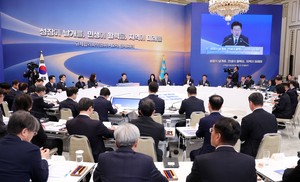
Korea to ease rules on immune cell, stem cell therapies to cut need for medical trips abroad
Government unveils biotech regulatory reform plan to match standards of competing nations The government plans to significantly ease regulations on advanced regenerative medicine, including scrapping a mandatory preliminary research requirement for autologous immune cell therapy. It will also lead government-driven clinical research into stem cell treatments for conditions with high patient demand, such as knee osteoarthritis and chronic pain. The measures aim to strengthen the biotech industry while allowing patients to receive immune cell and stem cell treatments domestically, without traveling abroad. Autologous immune cell therapy reclassified as 'low-risk,' faster treatment expected The Ministry of Health and Welfare announced the "Biotech Regulatory Rationalization Plan to Match Competing Nations' Standards" on Friday in a joint release with related ministries. The government has overhauled regulations to allow autologous immune cell therapy to reach patients more quickly. Under the previous framework, such treatments — which involve extracting and culturing immune cells from a patient's own blood — were classified as "medium-risk," requiring mandatory preliminary clinical research that took two to three years before therapy could be administered. Many cancer patients seeking cell therapy faced years-long waits in Korea or traveled to countries such as Japan, where autologous immune cell culture treatments are available. The government will now reclassify autologous immune cell therapy from "medium-risk" to "low-risk." Under the low-risk designation, treatment can begin immediately upon review by the Advanced Regenerative Medicine and Biopharmaceuticals Deliberation Committee based solely on published literature, with no preliminary clinical research required. The government expects the change to relieve the burden of overseas medical trips and ensure patients receive timely treatment. Going forward, researchers and clinicians will also be able to source raw cells from cord blood banks and other storage institutions rather than collecting them directly. Current regulations require cell processing facilities to collect raw cells from scratch for any clinical research or treatment. Even when cord blood, embryonic stem cells, or other biological resources are held by other institutions, they cannot be used — a restriction that has limited both supply and research. In response, the government will amend the Act on Safety and Support for Advanced Regenerative Medicine and Advanced Biopharmaceuticals to allow facilities to receive and use raw cells stored at other institutions without collecting them directly. The plan also includes measures to promote stem cell therapy and strengthen the deliberation framework for advanced regenerative medicine. The government will directly lead clinical research into stem cell treatments for knee osteoarthritis and chronic pain — conditions that see high public demand and frequent medical tourism. Government-led clinical trials involving 330 participants over the next two years will assess the safety and efficacy of stem cell therapy. The government will also pursue a plan to split the deliberation committee for advanced regenerative medicine research and treatment into separate bodies by risk level. The current single committee handles all cases together. Under the new structure, it will be divided into two bodies — one for high-risk cases and one for medium- and low-risk cases — to improve expertise. A fast-track review procedure will also be introduced for identical or repeated treatment plans. Removing unnecessary reviews to boost use of medical data The government will also significantly loosen regulations that have hampered the use of medical data. Research using safely pseudonymized medical data will be exempted from institutional review board scrutiny. Under current rules, even pseudonymized medical data must go through an IRB review before research can begin, causing delays due to paperwork and administrative procedures. Researchers will now be able to use de-identified medical data without IRB review, reducing administrative burdens and significantly shortening research timelines. The government will also open a path for previously collected medical data to be used in new research. Previously, secondary use of medical data collected for research purposes required prior consent from research subjects. This meant that clinically gathered data often went unused or was discarded, and researchers had to re-recruit subjects and obtain fresh consent each time a new study was launched. In response, the government plans to amend the Bioethics and Safety Act to introduce a broad consent procedure, allowing medical data to be used in secondary research. The government will also establish national common standards for pseudonymizing medical data to ensure consistency across institutions, and will create an environment for remote analysis of medical data. Currently, researchers must visit the institution holding the data in person to conduct any analysis, due to concerns about personal information leaks. The government will set standards for a cloud-based remote analysis environment that allows researchers to securely access and analyze data from outside the holding institution. The change is expected to improve research efficiency by sparing researchers outside the Greater Seoul area from having to travel to major hospitals in the metropolitan area each time. "This plan lowers the threshold for advanced regenerative medicine treatment to guarantee patients timely access to care, and redesigns the regulatory framework so that medical data can serve as a growth engine for the advanced biotech industry," Health and Welfare Minister Jeong Eun-kyeong said. "We will strictly enforce safety management and prevent misuse to minimize any safety concerns arising from regulatory rationalization."
Oct. 23, 2026
-

South Chungcheong steps up pine wilt disease control
Interagency cooperation drives timely control efforts, including removal of affected trees at military facilities South Chungcheong Province has deployed a dedicated task force for pine wilt disease control in Boryeong, which was designated a special control zone on Sept. 29, carrying out intensive measures including the removal of infected trees and species conversion. On Friday, about 20 officials from the province, Boryeong city and the Boryeong Forestry Cooperative gathered in Hyangcheon-ri, Cheongna-myeon, Boryeong, to inspect pine wilt disease control operations on the ground. Boryeong is one of the province's most severely affected areas, classified as a "severe" zone for pine wilt disease damage. Participants reviewed the progress of control efforts, used drones to check work conditions at species-conversion sites, and discussed on-site challenges and coordination tasks among agencies. The province also made headway in closing control gaps at military facilities, where access restrictions and consent requirements had previously hampered timely operations, by securing cooperation from the relevant agencies. Work at the site is now 80 percent complete, with key processes such as the felling of infected trees under way, as crews push to finish within the intensive control period. "The most important thing in stopping the spread of pine wilt disease is swiftly and thoroughly removing infected trees during the intensive control period," said Ahn Gyu-won, head of the province's forest land management division. "We will do our utmost to manage operations on the ground so that control work is completed on time." Ahn added that the province would "continuously close control gaps in areas where operations are difficult, such as military facilities, and concentrate our capabilities on the hardest-hit areas to do everything possible to halt the spread of pine wilt disease."
Oct. 23, 2026
-
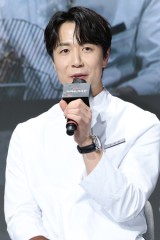
Michelin double-star power: Chef Son Jong-won named Shinsegae executive
Star chef Son Jong-won has been promoted to a specialist executive position at Shinsegae Group. Shinsegae Group announced its regular executive reshuffle Friday, naming Son, head chef at Josun Hotels & Resorts, as a specialist executive — the only one among 36 newly appointed executives to receive that designation. Unlike standard managerial roles, the specialist executive title is reserved for individuals recognized for exceptional expertise and achievement in a specific field. Son's promotion reflects his culinary accomplishments and track record running two of the group's flagship restaurants. Son currently serves as head chef at Itanic Garden, a hansik dining restaurant at Josun Palace, and La Maison Secrète, a French restaurant at L'Escape Hotel, both operated by Josun Hotels & Resorts. Both restaurants earned one Michelin star in the Michelin Guide Seoul & Busan 2026, announced this year. Itanic Garden has held its star for four consecutive years since first receiving it in 2023, while La Maison Secrète has maintained its star for six consecutive years since 2021. Son studied in the United States from high school and trained at Michelin three-star restaurants including Quince in San Francisco and Noma in Copenhagen, Denmark, before returning to South Korea in 2017 to lead both restaurants. In 2023, Son became the first Korean chef to win the New Talents of the Year award at La Liste 2024, the French gastronomic guide. He has also gained wider public recognition through appearances on several entertainment programs, including the Netflix cooking competition series Culinary Class Wars 2 and JTBC's Please Take Care of My Refrigerator.
Oct. 23, 2026
-

LG Uplus launches Apple iPhone Duo in South Korea
Apple's first foldable smartphone, the iPhone Duo, officially went on sale in South Korea on Friday. LG Uplus said it will offer pre-order customers benefits worth up to 1 million won ($755) or more, provided they meet certain conditions such as number porting or signing up for its Nugget 65 plan. The carrier will also introduce an early return program that reimburses up to 70 percent of the device's retail price when customers return their handset starting six months after activation. LG Uplus plans to expand its hands-on experience locations where visitors can try out the iPhone Duo in person, placing demo units at 18 stores in major commercial districts including Gangnam and Hongdae.
Oct. 23, 2026
-

Lee Seo-hyun, Kim Jae-yeol attend memorial for late Samsung Chairman Lee Kun-hee
Lee Seo-hyun, president of Samsung C&T, and Kim Jae-yeol, president of Samsung Global Research, attended the sixth anniversary memorial service for late Samsung Chairman Lee Kun-hee at the family burial site in Suwon, Gyeonggi Province, on Friday morning, paying their respects at his grave.
Oct. 23, 2026
-

Samsung Electronics vice chairman attends memorial for late Chairman Lee Kun-hee
Samsung Electronics Vice Chairman Jeon Young-hyun attended the sixth anniversary memorial service for late Samsung Chairman Lee Kun-hee at a family burial site in Suwon, Gyeonggi Province, on Friday morning.
Oct. 23, 2026
-

Samsung affiliate presidents attend memorial for late Chairman Lee Kun-hee
Presidents of Samsung affiliates attended the sixth anniversary memorial service for late Samsung Chairman Lee Kun-hee at a family burial site in Suwon, Gyeonggi Province, on Friday morning.
Oct. 23, 2026
-

iFamilySC hits upper limit as Japan's Marubeni pursues stake worth up to W56b
Shares of iFamilySC, the cosmetics company behind the color makeup brand Rom&nd, surged to the daily upper price limit Friday after news broke that Marubeni, a major Japanese conglomerate, plans to acquire a stake worth up to 56 billion won ($42.3 million). The company is co-led by Kim Tae-wook, a former singer turned businessman and husband of actor Chae Si-ra. According to Korea Exchange, iFamilySC shares were trading at 10,940 won on Friday, up 2,520 won, or 29.93 percent, from the previous session. Investor sentiment was lifted by news that Marubeni, one of Japan's five largest general trading companies, plans to acquire a stake in iFamilySC through a tender offer. iFamilySC disclosed Friday that Welliant, a wholly owned subsidiary of Marubeni, intends to acquire up to 28 percent of the company's shares through the tender offer. The offer price is set at 12,000 won per share — 42.5 percent above Thursday's closing price of 8,420 won. The total funds committed to the tender offer amount to approximately 56 billion won. The tender offer runs for 20 days from Friday through Nov. 11, with settlement set for Nov. 13. The target range is a minimum of 3,336,277 shares, or 20 percent, up to a maximum of 28 percent. If subscriptions fall short of the minimum, the tender offer will not proceed. If they exceed the maximum, shares will be purchased on a pro-rata basis. NH Investment & Securities is serving as the managing underwriter. Should the tender offer succeed, Marubeni would become a major shareholder of iFamilySC. Co-CEO Kim Tae-wook, however, would retain his position as the largest shareholder. According to the tender offer prospectus, Co-CEO Kim Tae-wook, who holds a 28.4 percent stake, and Co-CEO Kim Sung-hyun, who holds 14 percent, have agreed not to tender their shares. If the offer is completed at the maximum amount, the combined stake held by Marubeni and the two co-CEOs would reach 70.39 percent. Even at the minimum, their combined holding would stand at 62.39 percent. Marubeni said the tender offer is not intended to delist the company or make it a wholly owned subsidiary, but rather to expand strategic cooperation between the two companies. After the tender offer closes, Marubeni has agreed to recognize the management authority of the two co-CEOs as long as they remain the largest shareholders. Both are to retain their executive positions for at least three years and will hold the right to nominate the chief executive. iFamilySC and Marubeni also plan to enter a strategic business partnership and establish an investment committee, a business development unit and a management planning division. Marubeni intends to support iFamilySC's overseas expansion and help identify global investment opportunities. iFamilySC is a cosmetics company that listed on Kosdaq in 2021. It has expanded into overseas markets on the strength of Rom&nd, its color cosmetics brand known for tints and other products, and has built strong name recognition in Japan in particular. In the first half of this year, the company posted revenue of 113.5 billion won and operating profit of 10.5 billion won. Revenue rose 1.3 percent from a year earlier, while operating profit fell 26.6 percent. Kim Tae-wook made his debut as a singer in 1991 with the song "Gaekkkum" and was a member of the group Nark in 1999. He later set aside his music career and served as chief executive of iWedding Networks, a wedding services company, from 2001.
Oct. 23, 2026
MOST READ
- 1Hyundai Mobis to develop robot semiconductors for Atlas humanoid
- 2Anpanman rolls out to all CJ Olive Young stores with limited-edition collabs from 30-plus brands
- 3Korean woman's mugshot goes viral in US after DUI arrest in Georgia
- 4Theater actor Kim Hyun-i asks public to stop sharing her photos after mix-up with late stunt performer of same name
- 5‘Blockchain won’t replace banks — integration is the key‘: Bankfrick
- 6Paper straws more harmful than plastic? Study finds 6 times higher cancer risk, double the acidification
-
WORLD

US warns of punishment for anyone enabling Iran's Strait of Hormuz toll scheme
-
INDUSTRY
Toyota union puts productivity first; Hyundai Motor union demands bigger share of profits
-
FINANCE
National Growth Fund to invest $531M in FuriosaAI, which rebuffed Meta's $800M takeover bid
-
INDUSTRY
Korea Shipowners' Association holds amateur baduk tournament for Maritime Day