
- HOME
- SMB·BIO
-

Evezary steps up 'shared growth' with gardens, forests for local communities
Sleep care firm builds natural retreats, donates carbon credits to environmental film festival Sleep care company Evezary is drawing attention for a series of public interest activities rooted in its focus on environmental management. The company is building a corporate garden this year as part of the Gyeonggi Garden Culture Expo, an event led by Gyeonggi Province and Yangpyeong-gun. The garden will be unveiled at the expo, which runs Oct. 16-19 at Semiwon and the Dumulmeori area in Yangpyeong-gun. The garden reflects the company's environmental philosophy, featuring plants chosen for their calming, sleep-friendly qualities and a design that emphasizes rest in nature. It will remain open to the public as a space anyone can visit even after the expo ends. Evezary, the first company in South Korea to receive forest carbon offset certification, earlier built a carbon-reduction forest at Dumulmeori in Yangpyeong. It partnered with the Han River Basin Environmental Office in March 2024 to mark World Water Day (March 22). The company planted and maintained 2,000 trees on a 6,076-square-meter site. It has also been cultivating a 231,400-square-meter corporate forest in Yangpyeong. Last year, Evezary signed an agreement with the Seoul Metropolitan Government and took part in the Seoul International Garden Expo, where it built the corporate garden "Saerok Saenok." The project has been credited with expanding carbon sinks and green space while supporting local communities. Yangpyeong-gun County Governor Jeon Jin-sun said, "We will carefully develop the space being created at Dumulmeori through this expo so that it offers an opportunity to experience a new garden culture." Evezary recently donated carbon credits to the 2026 Seoul International Environmental Film Festival, organized by the Korea Green Foundation. The credits will be used to offset all carbon emissions generated by the festival, including those from guest invitations and screen operations. Last year, the company fully offset 209 tons of carbon emitted during the festival using its carbon credit holdings, contributing to a carbon-neutral outcome. Evezary has also participated in the Korea Forest Service's forest carbon offset program since 2013. Through efforts such as building corporate forests, it has received a cumulative 1,924 tons of carbon credits to date. Evezary CEO Yoon Jong-woong said, "We are focusing on environmental management to share the intangible asset of rest and healing with local communities. We hope our corporate forests and gardens can become good resting places for local residents."
Sept. 11, 2026
-

Youth Startup Academy to shut down after 16 years as budget hits zero next year
Youth Startup Academy abolished after 16 years, replaced by Retry Success School next year Graduates fear reduced follow-up support; professors face job insecurity Ministry says support will continue, but industry blames 'startups for all' push The government has cut the entire budget for the Youth Startup Academy, which has run for 16 years, from next year's budget proposal. Professors and graduates are pushing back. They worry that the government's push for a "startups for all" policy will lead to the consolidation of the Youth Startup Academy and the loss of all existing benefits. The Ministry of SMEs and Startups said support for existing graduates will not disappear across the board. The Ministry of SMEs and Startups' 2027 budget proposal, announced Sept. 1, states that the Youth Startup Academy will end after its 16th cohort this year. Starting next year, the ministry will use the academy's nationwide hubs, facilities and staff to run a new Retry Success School instead. The ministry will transform the space that once helped first-time entrepreneurs commercialize their businesses and enter the market into one supporting entrepreneurs seeking to restart after failure. The ministry has allocated 59.5 billion won ($44.4 million) to the Retry Success School to support failure analysis, tailored education and consulting, and business model redesign. The Youth Startup Academy has faced criticism over its operations. Critics point to its 19 nationwide hubs — too many — and inconsistent management, with some run directly by the Korea SMEs and Startups Agency and others outsourced to private operators. Investigators also found a case in which someone fraudulently received 106 million won in government support using false tax invoices. "There were also persistent internal complaints that some outsourced operators favored certain company heads with preferential treatment," said one graduate of the academy. Still, professors and graduates oppose the closure, arguing that operational problems should be fixed through improved regulations rather than abolition. Their biggest complaint is that the ministry announced the decision to shut down the program abruptly, without consulting those on the ground. "This means dismantling the nationwide hubs, operational know-how and entrepreneur network built up over 16 years of budget investment," an official with the academy's alumni association said. "We are making efforts on multiple fronts, including trying to hold a National Assembly debate, to stop the closure." The pushback also stems from concern over follow-up support. Even after companies graduate, the academy has managed them for five more years, offering additional support such as participation in overseas exhibitions, crowdfunding, overseas IR sessions and links to policy projects. Alumni are deeply concerned that this graduate-exclusive program will disappear. "It is not easy to develop a product within a year of graduating — that is why follow-up support matters," one graduate said. "There are alumni who developed a product within three years of receiving follow-up support and expanded to as many as four physical stores." The Global Youth Startup Academy and Deep Tech Youth Startup Academy — advanced programs that graduates of the academy could move on to — are also reportedly being eliminated as part of the restructuring. Both programs allowed companies within seven years of founding to apply regardless of when they graduated from the Youth Startup Academy. Selected companies received up to 200 million won each in commercialization funding, along with support for overseas expansion, investment attraction and technology commercialization programs. Alumni also cited weakening networks as a problem. "We have relied on infrastructure such as receiving venue support at the academy's main campus in Ansan and publicizing events through the contact network of graduate companies," an official with the general alumni association said. "Based on a community of more than 1,000 members, we even built our own alumni fund to invest in younger companies, but if the inflow of new graduates stops, the scalability of this kind of network could suffer." Professors' jobs are also at stake. "Early-stage startup support is a process of helping people commercialize an idea and gain a foothold in the market, while retry support is about analyzing why an existing business failed and redesigning its business model," said A, a former professor at the academy. "The mentoring required is fundamentally different." There is concern that professors who have nurtured early-stage startups at the academy may lack the expertise needed to suddenly take on retry-focused companies next year. This could also affect employment for some staff. According to those familiar with the situation, most professors at the academy are civil-service-track employees, but at some branches, 10 to 20 percent work on one-year contracts. Contract staff can renew their contracts or gain a chance to convert to permanent civil-service positions based on performance evaluations. Existing professors at the academy have faced performance pressure managing KPIs such as their assigned companies' sales and investment attraction. If the Retry Success School also sets KPIs, the change in the nature of the work could affect the career paths of some professors. The Ministry of SMEs and Startups maintains that abolishing the academy will not eliminate follow-up support for existing graduates. "Follow-up support is less about disbursing funds directly and more about guiding or connecting companies with policy funding, exports, or workforce training programs suited to their situation," a ministry official said. "Benefits such as five years of post-graduation management support and access to information systems will remain available as they are." However, the official said the ministry has not yet decided whether the academy's existing staff will continue to individually guide and connect graduate companies with specific projects as they do now. On the question of professors' employment, the ministry said its principle is to retain existing staff. It noted that their current work — managing commercialization funds and startup coaching — overlaps with what will be needed at the Retry Success School. However, a ministry official said, "We are aware of concerns on the ground that early-stage startup support and retry support are different in nature. We will design the details of the new program's operation in consultation with the professors."
Sept. 11, 2026
-
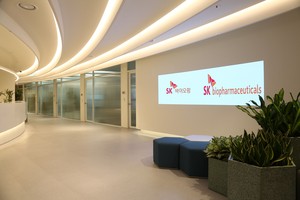
FDA places partial clinical hold on SK Biopharm's epilepsy drug candidate opacalim
FDA seeks additional data on metabolite toxicity seen in rodent studies Current patients to continue treatment; RISE3 topline timeline for second half unaffected Company cites no related adverse events among 1,200 trial subjects, working closely with Biohaven before deal closes The US Food and Drug Administration has placed a partial clinical hold on opacalim (BHV-7000), the next-generation epilepsy drug candidate that SK Biopharm recently agreed to license in. The company said the issue stems from a rodent-specific finding that it had already reviewed during due diligence before signing the deal. It added that the finding is likely unrelated to human safety. SK Biopharm disclosed Thursday that Biohaven, the US biotech that originally developed opacalim, had been notified by the FDA of a partial clinical hold on the drug's Phase 2/3 trials, known as RISE2 and RISE3. The FDA requested additional nonclinical data after toxicity was observed in a study in which a specific metabolite of opacalim was administered to rats. The agency sought the data to determine whether the effect was specific to rodents. The trial in question is a multicenter, randomized, double-blind, placebo-controlled Phase 2/3 study evaluating the efficacy, safety and tolerability of opacalim in patients with drug-resistant focal seizures. Patients currently receiving the drug may continue treatment, but enrollment of new patients will be paused until the additional nonclinical studies are completed. However, the RISE3 trial has already completed patient enrollment and randomization, so it will not be affected by the hold. The company said its plan to release topline results in the second half of 2026 remains unchanged. SK Biopharm said it had already closely reviewed the toxicity finding during due diligence before signing the licensing agreement. Based on data gathered at the time and assessments by multiple outside experts with FDA pharmacology and toxicology review experience, the company concluded the finding was likely specific to rodents. It added that the finding was unrelated to human safety. Opacalim has been tested in clinical trials involving more than 1,200 subjects to date, and no adverse events directly linked to the nonclinical toxicity finding have been identified. Biohaven, the drug's original developer, plans to submit additional nonclinical evaluation data on the specific metabolite in consultation with the FDA. It aims to have the partial clinical hold lifted as soon as possible. The licensing agreement between SK Biopharm and Biohaven for opacalim has not yet reached deal closing. Management from both companies is in close consultation over the matter and is working together to resolve the clinical hold.
Sept. 10, 2026
-
Samsung Biologics inks $262m CMO deal with European drugmaker, sparking H2 order rebound
New $262.18 million contract with European client runs through end of 2033 Swiss client's contract extended one year to 2028, deepening Europe lock-in effect Samsung Biologics has signed a large new biopharmaceutical contract manufacturing (CMO) deal worth about 350.8 billion won ($262 million) with a Europe-based pharmaceutical company. The deal could mark the start of a rebound in global orders in the second half of the year. Combined with an extension and increase to an existing contract with a Swiss client, the company's cumulative order total since its founding is now nearing $22 billion. Samsung Biologics said in a regulatory filing Thursday that it signed a drug contract manufacturing deal worth 350.77 billion won ($262.18 million) with the European pharmaceutical company. The contract amount is equivalent to about 7.70 percent of the company's consolidated sales in its most recent fiscal year, 2025, which totaled 4.56 trillion won. The agreement runs from July 22, 2026, to Dec. 31, 2033 — a long-term supply deal spanning roughly seven years and five months. Samsung Biologics did not disclose the client or the specific product, citing confidentiality provisions. Samsung Biologics said in a separate filing that it extended a drug contract manufacturing deal, originally signed in April 2018, with the Swiss subsidiary of a global pharmaceutical company. The extension pushed the contract's expiration from Dec. 31, 2027, to Dec. 31, 2028. At the client's request, the order volume also increased, raising the total contract value from $449.43 million to $457.14 million — an increase of $7.72 million. With the latest order, Samsung Biologics' new orders this year have grown to 630.39 billion won ($451.14 million). Adding the $7.72 million increase to the existing contract disclosed the same day brings the total increase in orders this year to $458.86 million. As a result, the company's cumulative order total since its founding has climbed to about $21.97 billion, edging closer to the $22 billion mark. Samsung Biologics posted record quarterly earnings in the second quarter of this year, with consolidated sales of 1.32 trillion won and operating profit of 586.4 billion won. The results were driven by full operation at Plants 1 through 4 and favorable exchange rates. The company also officially opened a European sales office in Amsterdam in the third quarter. The office rounds out a network of three key global sales hubs, alongside its offices in New Jersey and Tokyo. Attention now turns to whether the move will accelerate a fresh wave of large-scale orders centered on Europe.
Sept. 10, 2026
-
Samsung Biologics union's renewed strike threat sparks internal backlash
Union threatens to use 'all means necessary' right after first mediation session, as barrage of 7 legal actions raises doubts about sincerity of talks Company says first session was only for scheduling, expresses regret over distribution of 'distorted meeting minutes,' vows strict response per law and principle Union loses public sympathy amid mounting fatigue, as even employees criticize: 'They have no intention of ending the strike' Wage and collective bargaining negotiations at Samsung Biologics, which had found a potential breakthrough through post-mediation by a labor commission after 27 rounds of talks and strikes this year, ran into trouble from the very first day amid the union's move to derail the process. At a session where labor and management had gone to great lengths to sit down together and mend their rift, the union cited the company's failure to present a revised proposal as a pretext to raise the specter of a "second strike," undermining the talks. Even employees have turned against what they see as extreme action that ignores fierce competition in the global biotech market, fueling a wave of internal criticism. According to industry sources Thursday, the Incheon Regional Labor Relations Commission held the first post-mediation session between Samsung Biologics' labor and management on Tuesday. Post-mediation is a process the two sides jointly requested to resolve their dispute through dialogue after mediation was suspended in March. At the first session, labor and management agreed, following the mediators' recommendation, to hold voluntary collective agreement negotiations Thursday and Friday before convening a second mediation session the following Tuesday. But the union threw cold water on the talks. On the same day the first session ended — Tuesday — it immediately issued a statement and its own meeting minutes to the press and union members. On Wednesday it shared the same content with all employees and declared an immediate escalation. "The company, contrary to its promise, has not presented any proposal," the union said. "If it fails to provide concrete grounds, we will withdraw from the post-mediation process and respond by mobilizing every means available," it added, openly signaling the possibility of a second strike. The company issued an internal notice directly rebuffing the union's claims. "The union was clearly aware that the first session was meant to set a schedule and ground rules for future progress in negotiations, not for the company to present a proposal," the company said. It then criticized the union, saying, "Although the mediators' remarks were meant to urge both sides to come up with proposals each could compromise on, the union distorted them by extracting only the phrases favorable to itself." It is highly unusual for a company to issue a direct statement to its employees while negotiations are underway. The move appears to be an emergency step to head off confusion on the ground and stop the union from misleading internal opinion with one-sided claims that diverge from the facts. Industry observers largely criticize the union for bringing the breakdown on itself, saying it never intended to reach a settlement and instead focused solely on flexing its muscle. The union filed seven additional legal actions — including allegations of unfair labor practices — against the company and its chief executive just a week before the formal post-mediation process began. Critics say the union opened the door to dialogue while waging a barrage of lawsuits behind the scenes, apparently intent on wrecking the negotiations from the outset. Competition for orders in the global pharmaceutical and biotech industry is intensifying, and major business expansions are converging — including the launch of a new plant in Rockville, Maryland, and a 3 trillion won ($2.24 billion) rights offering. Critics say invoking a second strike on the very first day negotiations resumed amounts to baseless posturing and intimidation. This runs directly counter to the trend among major conglomerates such as Samsung Electronics, whose labor and management reached settlements by each making concessions even amid the risk of all-out strikes. Moreover, the union has still not withdrawn its demand — included in its proposed revisions to the collective agreement — for "prior consent and agreement" on changes to the personnel system, workforce redeployment and organizational restructuring, which would infringe on management rights. The union's protracted, hard-line campaign has failed to win any public sympathy and has only pushed employee fatigue to the breaking point, observers say. Given that Samsung Biologics workers already receive some of the industry's best compensation, the union's insistence on operating-profit-linked bonuses and involvement in management decisions is unlikely to win public support, critics say, adding that the fallout from the endless dispute is being passed directly onto the employees themselves. On anonymous workplace community platforms such as Blind, employees have posted a stream of comments criticizing the union's hard-line stance and its leadership's competence, including: "If they started post-mediation, they should be thinking about how to finish it, not whether to blow up the meeting on the very first day," and "They acted rashly and ultimately wrecked the whole thing — didn't they want to blow it up from the start?" Samsung Biologics called for the post-mediation process to return to normal and made clear it would take a principled approach. "We hope the union will return to a sincere posture of dialogue so that the post-mediation process can proceed normally and meaningfully," the company said. "We will respond strictly, according to law and principle, to the legal actions filed by the union and the recent distortion and defamation, and we strongly urge the union to act responsibly." The company added, "Despite this, we will do our utmost to narrow the gap between labor and management and reach an amicable agreement, approaching negotiations to the end with a responsible and sincere attitude."
Sept. 10, 2026
-
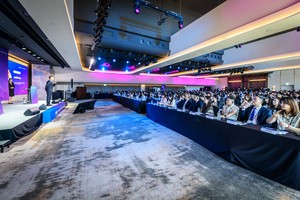
Align Technology Korea wraps up hands-on training for dental clinic staff
364 staff from 116 clinics gather to share consultation, digital workflow expertise Chinese dental professionals observe session in APAC exchange effort Align Technology Korea, the Korean unit of global digital dentistry company Align Technology, has completed a hands-on training program on digital orthodontics for frontline dental clinic staff. Align Technology Korea said Thursday it held an intermediate-level session of its Invisalign Professional Program for Staff at the Seoul Dragon City Hotel on Sunday. The program is a specialized training course for dental hygienists and clinical and consultation staff. The event drew 364 staff members from 116 dental clinics and hospitals nationwide. Jang Mi-na, team leader at Coco Dental Orthodontics Clinic, and Kim Mi-young, director of Kim & Kim Dental Clinic, served as speakers. Jang shared patient consultation strategies and digital workflow applications, while Kim presented clinical protocols and real-world case studies for treatment with the Invisalign clear aligner. Twenty senior medical professionals and hospital administrators from China, the largest market in the Asia-Pacific region, also attended. They observed how Korea runs its dental staff training and discussed possibilities for local exchange. Align Technology Korea plans to evaluate participants' understanding of the training to determine eligibility for its advanced-level course, and will issue official certificates to those who complete the clinical seminar. "The expertise of dental staff directly affects patients' treatment experience and clinical efficiency," an Align Technology Korea official said, adding, "We will consistently expand opportunities for hands-on training that can be applied immediately in the field." Align Technology Korea is the Korean subsidiary established in 2016 by Align Technology, a global medical device company with treatment data from more than 23 million patients worldwide. The company supplies digital dental solutions — including its Invisalign clear aligners and iTero intraoral scanners — to major medical institutions in Korea.
Sept. 10, 2026
-
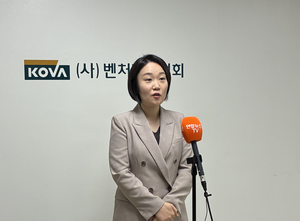
Lee So-young: Kosdaq policy cannot be finance-only
On delisting: "Direction is right, but speed and method matter" Open to weighing venture firms' needs on treasury shares, working hours Addresses gap investment allegations head-on: "I really wanted to talk about this" Lee So-young, the nominee for minister of SMEs and Startups, said she will actively reflect the ministry's voice in capital market policy. That policy has largely been shaped around the Financial Services Commission. Regarding the tightening of Kosdaq delisting standards, she agreed on the need to weed out insolvent companies. She said the pace, method and protections for existing shareholders must be weighed together. Lee met with startup and venture-related associations at the Korea Venture Business Association on Thursday morning and told reporters afterward, "If I serve as minister, I will be a minister who speaks up about the Kosdaq market -- a minister of SMEs and Startups who voices opinions on the capital markets. This will probably be the first time that has happened." Venture industry officials at the scene applauded after her remark. "Kosdaq is such an important market for small and medium-sized venture businesses that policy cannot be designed solely from a financial market perspective," Lee said. "I will actively convey what small and medium-sized venture businesses and existing investors need, and if necessary, I will discuss this with the chairman of the FSC." On the tightening of delisting standards, she agreed on the need to clear out insolvent companies but said the pace should be adjusted. "Even if the overall direction is right, the speed and specific method matter," Lee said. "We need to look at whether the market can handle it and whether protections for existing shareholders are sufficient." On venture investment, she named the expansion of private risk capital as a key task. "Even though venture investment indicators look good, a significant part of that has been driven by government fiscal spending," she said. "We need to overhaul the system to increase the inflow of private capital." Asked whether revising the Commercial Act conflicts with fostering ventures, she drew a line, saying the two move in "the same direction." She explained that making corporate governance more transparent would build trust in Kosdaq, which in turn would draw in institutional investors and private capital. However, on mandatory cancellation of treasury shares, she said the unique characteristics of venture companies -- which often use such shares for employee compensation -- need to be considered. She also left open the possibility of easing working-hour regulations. "Among the industry's concerns, there are reasonable and valid points," Lee said. "I will look into whether there are aspects of working-hour regulation that should be rationalized, taking into account the nature of the work." She presented regulatory innovation as a core task of venture and startup policy. "I have heard that what matters more than subsidies is an environment where businesses can operate," she said. "For ventures and startups, it is important to innovate regulations so they can go beyond protection and support and take on new ventures." On regulations under other ministries' jurisdiction, she said, "If necessary, I will discuss this and persuade the ministers in charge." On conflicts of interest between new and existing industries, or between venture companies and small merchants, she set coordination as her guiding principle. She pointed to the recent controversy over Toss's "search mission" feature as an example of such friction. "We need to find a way for both sides to coexist in harmony, rather than one side winning and the other losing," Lee said. Asked about allegations of real estate gap investment and conflicts of interest, Lee began, "Thank you so much for asking. I really wanted to talk about this." Regarding allegations of gap investment tied to an apartment in Hongje-dong, she denied the claims, saying, "After marrying in 2016, I bought the apartment, replaced the wallpaper, flooring and windows, and moved in right away. I lived there for about four years. I took in a jeonse tenant in February 2022. This is not gap investment -- it is a non-resident, single-home case. I have tried several times since my first term to sell the home." She also rebuffed allegations of conflicts of interest related to her work on the Power Market Monitoring Committee and with environmental groups. "Activities with civic groups for the public interest are naturally not classified as private interests under relevant laws and systems," Lee said. "I did not hold shares or receive a salary as a company employee -- these were public-interest activities. If such activities are considered conflicts of interest, then civil servants would have to make all the rules among themselves, which does not even make common sense."
Sept. 10, 2026
-
From small business to local brand: 11 'innovative small business owners' selected
Eleven "innovative small business owners," recognized for their potential to grow into brands representing their regions, were selected from among 9,422 small business owners nationwide. The Ministry of SMEs and Startups said it held the "Innovative Small Business Owners Final Audition" awards ceremony Thursday at the Seoul Startup & Venture Campus in Mapo-gu, Seoul. The audition grew out of the "Innovative Small Business Owners Integrated Audition," which began in June. From 9,422 applicants, the ministry selected 534 promising small business owners and provided them with up to 60 million won ($44,800) in commercialization funding. It then evaluated their product competitiveness, growth potential and progress in scaling up their businesses to narrow the field to 80 finalists. From Monday through Wednesday, the finalists presented the products, services and business models they had developed during the commercialization process. They also presented their future scale-up strategies to the public and industry experts. Of the 80 finalists, companies led by chief executives in their 20s and 30s accounted for 49 percent, while regionally based companies made up 78 percent. By industry, food led with 66 percent, followed by lifestyle products at 19 percent, beauty at 10 percent and fashion at 5 percent. The grand prize went to Ongoing Co., a Seoul-based company led by 30-year-old CEO Shin Jeong-hwan. Ongoing introduced "Yumeal," a one-meal wellness shake pack made by combining high-protein, low-sugar plant-based soy milk powder with granola and nut toppings — a product that needs only water to prepare. The top award went to Gowon Nongsan Agricultural Association Corporation, a convenience health food brand built around gondre, a wild vegetable from Jeongseon, Gangwon Province. Farmer Seed, an online seedling distribution platform using patented packaging technology, also received the honor. Eco Bio, which developed pet food using plant-based protein extracted from distillers' grains and Jangseong golden barley, was recognized as well. Also receiving the top award was Jeongdam Tofu House, which developed a spread and porridge using biji, a byproduct of tofu-making. Project Sannae also received the honor for its sesame oil brand, which combines manufacturing, hands-on experiences and exhibitions built around the story of a 60-year-old traditional mill. Bakery Iwajeong, which makes campagne bread using wild greens from Chungju, also received the top award. The excellence award went to Sunny Side Up of Jeonju, North Jeolla Province; Blue Bean Ark Farming Association of Jeju; and Andong Banga Agricultural Corporation of Andong, North Gyeongsang Province. Jingadagam of Ulsan received the popularity award. The regional spread of the final winners stood out. Of the top 11, Ongoing, the grand prize winner, was the only Seoul-based company. The remaining 10 are based in Gangwon, South Chungcheong, Gwangju, North Gyeongsang, Busan, North Chungcheong, North Jeolla, Jeju and Ulsan. Many of the companies on the final list turned local agricultural products, byproducts or regional traditions into new products and business models. The ministry will provide up to 40 million won in additional commercialization funding to final audition participants, including the top 11, depending on their category and evaluation results. It also plans to connect them with private investors, support their expansion into domestic and overseas markets, and offer new-market development funding. Private investment firms Y&Archer, Krypton and Let's also took part in the audition. The firms held "reverse pitching" sessions, introducing their investment targets and growth strategies directly, and discussed potential investments with participating small business owners. "This audition was an opportunity to prove that small business owners with creative ideas and innovative spirit can advance to the next stage through continuous deliberation and fierce challenges," said Lee Byung-kwon, second vice minister of SMEs and Startups. "We will discover more promising small business owners and provide policy support so they can grow into consumer goods companies that represent their regions."
Sept. 10, 2026
-

Cochlear implants restore hearing lost to decades of chronic ear infections, study finds
Hearing loss refers to difficulty hearing external sounds. A hallmark symptom is trouble communicating with others — patients often ask people to repeat themselves and find it increasingly hard to make out speech even in quiet places. Other symptoms can include a feeling of fullness in the ear, tinnitus (a buzzing or ringing sound), and a diminished ability to locate where a sound is coming from. If someone increasingly asks others to repeat themselves during conversation, or needs to turn up the TV volume more than before, hearing loss should be suspected. Hearing loss falls into two broad types. Conductive hearing loss occurs when sound cannot properly travel from the outer ear to the inner ear. Sensorineural hearing loss occurs when the cochlea or auditory nerve itself — which converts sound into electrical signals for the brain — is damaged. When both occur together, it is called mixed hearing loss. Conductive hearing loss can be caused by earwax buildup or otitis media and is often treatable, whereas sensorineural hearing loss is much harder to reverse once damage has occurred. In its early stages, hearing loss often shows up as repeatedly saying "What?" throughout the day. Patients increasingly miss parts of conversations in noisy restaurants or cafes where several people are talking at once. Because high-frequency sounds tend to fade first, words containing fricative sounds such as "s" or "ch" can be misheard as entirely different words. For instance, the Korean words for "apple" (sagwa) and "lion" (saja) can be confused. Growing discomfort during phone calls can also be an early sign. So can a sense that sound is not coming through clearly in one ear, or hearing a sound without being able to make out its meaning. People who have suffered from otitis media for years, or even decades, are especially likely to develop hearing loss as a result. Once hearing loss caused by otitis media has persisted for a long time, hearing aids often bring little improvement even with extended use. A recent study found that even chronic otitis media patients who left their hearing loss untreated for more than 20 years can regain their hearing through cochlear implant surgery. A research team led by Professor Park Hong-ju of the Department of Otolaryngology at Asan Medical Center compared hearing outcomes after cochlear implant surgery. The team studied patients with acquired chronic otitis media and those with general sensorineural hearing loss. One year after surgery, both groups showed equally strong hearing ability. Notably, in the chronic otitis media group, word recognition remained stable and did not decline even among patients who had lived with hearing loss for more than 20 years. Otitis media refers to inflammation of the middle ear. It can impair hearing — the ear's most critical function — and disrupt communication. Long-term, recurring otitis media can lead to sensorineural hearing loss, worsening the condition further. Persistent hearing loss can shrink areas of the cerebral cortex responsible for hearing, language acquisition and speech, reducing cognitive function and potentially contributing to dementia. Hearing loss caused by otitis media requires prompt treatment, and surgery for otitis media can improve hearing. However, missing the window for early treatment can lead to sensorineural hearing loss, in which case a hearing aid becomes necessary to hear at all. Eventually, even a hearing aid may no longer help. The remaining option is cochlear implant surgery. Until now, however, such surgery has been offered only in limited cases for chronic otitis media patients. Chronic inflammation or anatomical changes in the middle ear and mastoid — an air-filled cavity in the bone behind the ear — raised the risk of infection or electrode extrusion during the procedure. In response, Park's team completely removed the inflammation and filled the middle ear cavity with a fat graft before performing cochlear implant surgery, effectively restoring patients' hearing. Park's team analyzed hearing and imaging results from before and after surgery for 33 patients with acquired chronic otitis media who underwent cochlear implant surgery between July 2006 and July 2021. The team also studied 70 age- and sex-matched patients with non-inflammatory sensorineural hearing loss. One year after surgery, the chronic otitis media group performed just as well overall as the general sensorineural hearing loss group. This included measures such as word recognition and pure-tone hearing thresholds. The most notable finding involved differences tied to how long patients had lived with hearing loss. In the general sensorineural hearing loss group, word recognition after cochlear implant surgery declined sharply once hearing loss had lasted more than 20 years. Chronic otitis media patients, by contrast, maintained stable word recognition even after 20 or more years of hearing loss. The research team attributed this to residual bone conduction hearing in chronic otitis media patients. This likely continued to stimulate the auditory system and helped preserve the auditory pathway and nerve function. However, preoperative MRI scans showed that 9.1 percent of chronic otitis media patients also had labyrinthitis, and those patients showed markedly lower word recognition after cochlear implant surgery than others. This shows that the presence of labyrinthitis is a critical indicator for predicting outcomes after cochlear implant surgery. "This study suggests that even patients who have lived with long-term hearing loss from chronic otitis media — to the point where even hearing aids no longer help — do not need to give up hope, as they can successfully regain their hearing through cochlear implants," said Park Hong-ju, professor of otolaryngology at Asan Medical Center. "For successful cochlear implant surgery, it is important to check for labyrinthitis through precise imaging tests such as MRI beforehand and establish an optimal treatment plan." He added that hearing loss can be treated through various methods, and earlier treatment leads to better outcomes. "With recent advances in science and technology, most patients can now undergo auditory rehabilitation through a variety of methods regardless of the severity of their hearing loss. Treating hearing loss improves quality of life by easing social interaction, reducing depression and improving cognitive function. It is important to identify the exact cause of hearing loss and pursue active, tailored auditory rehabilitation," he said. The findings were published in a recent issue of the international otolaryngology journal Ear, Nose & Throat Journal.
Sept. 10, 2026
-
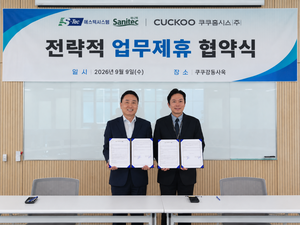
Estec System's Sanitech partners with Cuckoo Homesys to expand B2B lifestyle solutions
Sanitech's scent and hygiene services to combine with Cuckoo Homesys home appliances Sanitech to expand 'signature scent service' sales using Cuckoo's B2B network Two firms to develop joint products, new projects linking air purifiers, water purifiers, bidets Sanitech, Estec System's comprehensive environmental hygiene brand, is teaming up with Cuckoo Homesys to expand their lifestyle environment solutions project. The two companies plan to bundle space management services such as pest control, hygiene management and scent design with home appliances including water purifiers, air purifiers and bidets. This is aimed at broadening their reach with customers in the business-to-business market. Estec System said Thursday that Sanitech and Cuckoo Homesys signed a strategic MOU to expand their lifestyle environment solutions project. The two companies agreed to link their respective products, services and sales infrastructure to build joint sales channels and develop new partnership projects. Under the agreement, Sanitech will use Cuckoo Homesys' B2B sales network to expand sales of its "signature scent service." The company plans to pitch its services to Cuckoo Homesys' existing corporate and business clients to secure new customers and boost sales. The signature scent service designs and applies scents tailored to the characteristics and brand image of spaces such as companies or stores. Sanitech plans to eventually link the service with Cuckoo Homesys' air purifiers, water purifiers and bidets to offer corporate clients a combined package of space management and home appliances. The partnership focuses on expanding B2B projects that supply multiple products and services together to corporate clients, rather than selling individual products or hygiene services separately. Sanitech operates space management services including pest control, hygiene management and scent design, while Cuckoo Homesys runs a home appliance business centered on water purifiers, air purifiers and bidets. Going forward, the two companies plan to make mutual use of their existing sales networks and also explore joint products and new business models that combine their products and services. "Through this agreement, we expect to combine Sanitech's environmental hygiene and scent services with Cuckoo Homesys' competitiveness in home appliances to offer customers a wider range of lifestyle environment solutions," an Estec System official said. "We will continue to develop joint products and new business models that link our products and services."
Sept. 10, 2026
-
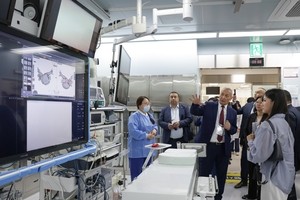
Uzbek delegation studies Korea University Ansan Hospital for new hospital blueprint
A delegation from Uzbekistan's Tashkent Region government and health authorities visited Korea University Ansan Hospital on Wednesday to benchmark its advanced medical system. The delegation focused particularly on studying Korea's clinical care system, advanced medical facilities and overall hospital management system firsthand. It aimed to draw on the insights for the construction and future operation of a new general hospital planned for the Nurafshan district in Tashkent Region. The visit was part of the "2026 Gyeonggi MedTech Academy," a project led by Gyeonggi Province and the Gyeonggi International Medical Association. The project aims to strengthen health care cooperation networks between Gyeonggi Province and foreign governments and medical institutions, and to promote Korea's advanced medical technology and systems abroad. The Uzbek delegation of 14, led by Arzikulov Turakul Sadikovich, head of Tashkent Region's health department, visited the hospital that day. The visit opened with an official welcome and an introductory tour for the Tashkent Region delegation. Clinical Cooperation Center Director Hong Gwang-dae then gave a briefing on the hospital's key medical infrastructure and clinical care system, followed by about 90 minutes of on-site rounds. The delegation toured various parts of the hospital, focusing on advanced medical facilities and critical care units. At the departments of radiology and nuclear medicine, they viewed state-of-the-art imaging equipment including MRI, CT, PET-CT and SPECT scanners. At the department of radiation oncology, they were briefed on the LINAC (linear accelerator) system, an advanced radiation therapy device, as well as the diagnostic and treatment process for cancer patients. They then visited the cardiovascular center and the endoscopy center to observe specialized clinical care and procedure systems. They also closely examined the hospital's advanced operational systems, including the pharmacy team's robotic chemotherapy compounding room and the automated dispensing system (ADS) for injectable medications. These systems have significantly improved patient safety and the efficiency of medical services. Hospital Director Seo Dong-hoon said, "I hope this visit serves as an opportunity to share the clinical experience in treating severe diseases and the hospital management know-how that Korea University Ansan Hospital has accumulated, and to expand health care cooperation between the two countries." He added, "We will continue to make efforts to promote Korea's excellent medical capabilities abroad through exchanges with overseas medical institutions."
Sept. 10, 2026
-
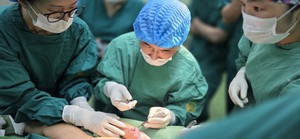
Hallym University Hangang Sacred Heart Hospital performs free surgeries on 4 child patients in Mongolia
Free surgeries given to 4 children with burn scar contractures; 24 burn patients receive outpatient care Burn treatment seminar and on-site training held for 115 local medical staff Hallym University Hangang Sacred Heart Hospital, known for its burn treatment program, said it provided free treatment to child patients suffering from burn aftereffects in Mongolia and trained local medical staff. The hospital and the Hallym Burn Foundation said they performed free surgeries on four child patients who were struggling with daily life due to burn scar contractures, during a medical mission to Mongolia from Aug. 24-28. During this period, the two organizations carried out the "2026 Hallym Burn Foundation Mongolia Burn Care Partnership" with the Mongolian National Trauma Center in Ulaanbaatar. Seven participants took part in the cooperation, including Hospital Director Heo Jun, Professor Lee Sin-ae of the burn surgery department and Professor Seo Dong-guk of the plastic surgery department. Staff from the Hallym Burn Foundation and Hallym University research institutes also took part. They carried out surgeries and outpatient care for the child patients and conducted training for local medical staff. The team performed surgery on the four children on Aug. 25 and Aug. 26. The children had scars on their fingers, arms, neck and face from burns suffered in childhood, causing joint movement problems and hand function impairments that hindered their daily lives. Burn scar contracture is a complication in which scar tissue formed after a burn contracts, pulling on surrounding skin and tissue and restricting movement in joints or other body parts. When contractures develop in frequently used areas such as the hands or arms of growing children, they can lead to lasting functional limitations. Specialized treatment such as surgery and rehabilitation may be necessary depending on the severity. The medical team applied different surgical methods depending on each child's scar shape and location. Three children underwent skin grafts after the contracted scar tissue was removed to release the tension. Two received full-thickness skin grafts using skin from the groin, while one received a split-thickness skin graft using skin from the thigh. The child with the most extensive damage, an 8-year-old girl, lost part of her right scalp, face and ear in a household burn accident in 2018. She also had a band-shaped contracture scar on her neck that restricted movement. The medical team performed a Z-plasty, cutting the tightened scar in a Z shape and repositioning the surrounding skin before suturing, to reduce the tension on the skin. After the surgeries, the team checked on the children's progress and explained future wound care methods to their guardians. Along with the surgeries, the team provided outpatient care to 24 local burn patients. Medical staff from the two countries assessed each patient's burn aftereffects and scar condition and discussed treatment plans. The team also trained local medical staff in parallel. Hallym University Hangang Sacred Heart Hospital staff demonstrated wound dressing techniques for burn patients directly to Mongolian National Trauma Center staff in the intensive care unit. They shared wound management methods and explained treatment approaches in detail during actual patient care. A burn treatment seminar held Aug. 25 drew 35 Mongolian medical staff in person and 80 more online. Hallym University Hangang Sacred Heart Hospital staff shared clinical experience and treatment techniques on topics including initial treatment of severe burns, sepsis management, and surgery and wound care. They also covered post-burn rehabilitation, scar treatment and nursing. Dr. Galbadrakh, director of the Mongolian National Trauma Center, said, "Through this cooperation, children in need of treatment were able to receive surgery locally, and our medical staff were also able to gain diverse treatment experience by taking part in the actual surgeries and care process." He added, "I hope this experience will help improve Mongolia's capacity to treat burn patients." Hospital Director Heo Jun added, "The children we operated on this time had long struggled with daily life due to scarring and contractures even after their initial burn treatment had ended." "Since ongoing management such as reconstructive surgery and rehabilitation remains important even after acute treatment for burns, we will continue building a cooperative system that allows the necessary treatment to continue locally," he said. Since its founding in 2008, the Hallym Burn Foundation has carried out burn patient support activities in eight countries, including the Philippines, Vietnam and Mongolia. It has provided free care to 1,130 burn patients abroad and performed local surgeries on 101 patients. It also invited 62 patients who could not receive adequate treatment locally to South Korea for surgery and other treatment. The foundation signed MOUs last year with Mongolian institutions including the Ministry of Health, the Mongolian National Trauma Center and the Nareunchachareu Foundation. In May, it invited Mongolian medical staff to the hospital for an exchange program. This latest mission expanded the scope of cooperation to include local surgeries, outpatient care and staff training. Hallym University Hangang Sacred Heart Hospital and the Hallym Burn Foundation plan to discuss follow-up cooperation with the Mongolian National Trauma Center. This includes seminars and staff exchange and training programs, based on the outcomes of this medical partnership.
Sept. 10, 2026
-
Alteogen tops W6.2tr in tech exports this year on Novartis deal
Injection time cut from 4 hours to 5 minutes: the paradigm shift to subcutaneous formulations As Halozyme's patents near expiry, Alteogen's protection through the 2040s stands out Platform reach expands to next-generation ADC, AOC pipelines Alteogen, a biotech platform company, sealed a large technology export deal with global pharma giant Novartis worth up to 4.4 trillion won ($3.29 billion). The deal pushed its cumulative contract value this year past 6.2 trillion won. Industry observers said the deal reflects the explosive value of Alteogen's core platform. This growth is driven by the desperate need of global pharmaceutical companies to defend blockbuster drugs from patent expiration and by the growing versatility of next-generation treatment modalities. Alteogen recently signed an option and license agreement with Novartis for the development and commercialization of ALT-B4 (ingredient name vorhyaluronidase alfa), a human recombinant hyaluronidase based on Alteogen's Hybrozyme technology. Under the agreement, Novartis secured multiple options for exclusive rights to use ALT-B4, which applies Alteogen's Hybrozyme technology, to develop and commercialize subcutaneous formulations of multiple biopharmaceutical products. Under the terms, if all options are exercised and all development and commercialization milestones are fully achieved, Alteogen could receive up to $3.22 billion in total. Royalties tied to net sales after product launch will be calculated separately. Per the companies' agreement, details such as the specific target products remain undisclosed. This deal has stamped Alteogen's platform scalability and continuity on the market. Alteogen began this year with a subcutaneous formulation deal for endometrial cancer treatment Jemperli with GSK's subsidiary Tesaro in January (about 420 billion won). It followed with a deal with Biogen in March for two subcutaneous formulation products, worth up to 867.5 billion won. Alteogen then signed an exclusive license agreement with an undisclosed company on Aug. 5, worth about 521.9 billion won. Adding the latest deal with Novartis, the total value of Alteogen's technology transfer agreements this year has reached 6.23 trillion won. This marks the 10th technology transfer based on the Hybrozyme platform alone. The biggest reason global pharma giants are drawn to Alteogen's technology is that switching from IV to subcutaneous formulations is transforming the paradigm for both patients and medical settings. Conventional IV formulations require patients to lie in a hospital bed with a needle inserted into a vein. Treatment can take from one to two hours, or as long as four to five hours. Subcutaneous formulations, by contrast, temporarily break down hyaluronic acid in subcutaneous tissue, allowing high doses of medication to be administered in just two to five minutes. This not only helps patients return to daily life sooner and reduces vascular damage, but also maximizes hospital bed turnover. It also significantly cuts social medical costs tied to hospitalization and treatment. Another advantage is the potential for future expansion into self-administration and at-home treatment. The strategic calculus of "patent evergreening" is particularly decisive for global pharma giants. Typically, when a blockbuster drug's substance patent expires, biosimilar competition drives prices down sharply. But converting an existing intravenous formulation into a subcutaneous one can extend market exclusivity by more than a decade through new formulation and method-of-use patents. While the core substance patent of US-based competitor Halozyme is set to expire between 2027 and 2029, Alteogen's ALT-B4 will retain patent protection until the early 2040s. This has made Alteogen an irreplaceable alternative for pharma giants that need to block biosimilar entry over the long term. In addition, the scope of Alteogen's platform, once concentrated on monoclonal antibodies, is expanding to next-generation treatments. Novartis's pipeline, which it plans to seek approval for within three years, includes treatments for muscular dystrophy, myelofibrosis, atrial fibrillation, radioligand therapy for prostate cancer, and CAR-T cell therapy. Market observers say Alteogen's Hybrozyme platform is expanding its reach for formulation conversion beyond antibodies to various modalities held by Novartis, including antibody-drug conjugates (ADCs) and antibody-oligonucleotide conjugates (AOCs). An industry official said, "As Halozyme's patent expiration draws closer, Alteogen's negotiating power with a platform that can guarantee exclusivity through the 2040s will only strengthen." The official added, "As the scope for applying subcutaneous technology expands beyond simple antibody formulation changes to next-generation modalities such as ADCs and gene therapies, global pharma giants will keep seeking partnerships with Alteogen." Such continuous platform exports are expected to fundamentally transform Alteogen's earnings profile. According to Hana Securities' estimated financial statements, Alteogen's sales are projected to jump from 102.9 billion won in 2024 to 580.7 billion won in 2026. Sales are then expected to reach 1.01 trillion won in 2028, joining the "1 trillion won sales club." Operating profit is also expected to surge from 25.4 billion won in 2024 to 368.2 billion won in 2026 and 678.6 billion won in 2028. The company is projected to maintain high profitability, with an operating margin in the mid-to-high 60 percent range — 63.41 percent in 2026 and 67.31 percent in 2028. This reflects the high-margin structure typical of platform technology transfers. Alteogen plans to continue expanding its Hybrozyme partnerships by strengthening discussions with both existing material transfer agreement partners and new global pharmaceutical companies.
Sept. 10, 2026
-
![[Kim Tae-yeol's Vivid Health S-Pen] Nanotechnology takes aim at making cancer immunotherapy more precise](https://wimg.heraldcorp.com/news/cms/2026/09/10/news-p.v1.20260910.f6022b214f77453d9551d8272c6e501d_T1.jpg?type=h&h=240)
[Kim Tae-yeol's Vivid Health S-Pen] Nanotechnology takes aim at making cancer immunotherapy more precise
As the effort to conquer cancer continues, scientists are working to incorporate cutting-edge nanotechnology into immunotherapy drugs. The most advanced cancer treatment approach to date is immunotherapy, credited with having "changed the paradigm of cancer treatment." The 2018 Nobel Prize in Physiology or Medicine was awarded to two scientists who opened a revolutionary path for treating cancer, humanity's long-standing challenge. James P. Allison of the United States and Tasuku Honjo of Japan each identified proteins that regulate immune suppression signals and used that knowledge to develop new treatments enabling the immune system to attack cancer cells effectively. Their research gave rise to a new paradigm — immunotherapy drugs that activate the body's own immune system to fight cancer directly, on top of conventional treatments centered on surgery, radiation and chemotherapy. Allison focused on the fact that the immune system's failure to attack cancer cells stemmed from suppressive signals in T cells. He discovered that CTLA-4, a protein on the surface of T cells, acts as a brake that suppresses T cell activity. While this protein had previously been regarded simply as a mechanism for regulating immune responses, Allison proved through experiments that blocking it could allow the immune system to attack cancer cells forcefully once again. His research led to the development of CTLA-4 inhibitor antibody treatments, which in practice significantly improved survival rates among patients with advanced melanoma. Meanwhile, Japan's Honjo discovered another immune-suppressing molecule, programmed cell death protein 1, or PD-1. PD-1 functions as a "safety switch" that prevents T cells from becoming overactive, but cancer cells exploit this mechanism to evade T cell attacks. Honjo found that blocking PD-1 signaling strips cancer cells of this hidden shield, allowing the immune system to eliminate cancer effectively. This discovery led to the development of a new class of immunotherapy drugs: PD-1 inhibitors and PD-L1 inhibitors. These discoveries ushered in a new era in cancer treatment. The immunotherapy drugs developed from this research gave new hope to advanced-stage cancer patients for whom conventional treatments had shown little effect, delivering particularly strong results in melanoma, lung cancer and kidney cancer. Follow-up research continues. Medical scientists' efforts press on. A recent review has systematically organized nanotechnology strategies designed to deliver drugs precisely to tumor sites, reducing the side effects of immunotherapy while increasing its effectiveness. The review proposes a nanotechnology-based, next-generation path for overcoming the limitations of existing immunotherapy drugs — namely, low treatment response rates and systemic toxicity. A team led by Professor Baek Sun-ha of the Department of Neurosurgery at Seoul National University Hospital, together with Dr. Cho Eon-taek, joined forces with professors Ingo G. H. Schmidt-Wolf and Amit Sharma of University Hospital Bonn in Germany and Dr. Jingjing Pu of Renji Hospital, Shanghai Jiao Tong University, in China. The team reviewed the latest nanotechnology-based immunotherapy research and clinical trends and proposed a multi-combination treatment platform in a review paper recently published in the international journal Molecular Cancer (impact factor 42.2). Immunotherapy reawakens the body's weakened immune cells to attack cancer cells directly. Immune checkpoint inhibitors, which block the suppressive signals cancer cells send out so that immune cells keep functioning, have proven effective against cancers with high rates of genetic mutation, such as melanoma. CAR-T cell therapy inserts a gene that recognizes cancer cells into a patient's own T cells before reinjecting them; it has shown particularly clear results against blood cancers such as leukemia and has transformed the treatment paradigm over the past two decades. However, these treatments do not work for every patient. In many solid tumors, immune cells struggle to penetrate the tumor itself, limiting effectiveness, and because the treatments stimulate the immune system throughout the body, systemic side effects such as colitis and pneumonia can occur. The research team turned to nanotechnology as a solution, since nanoparticles' size and surface properties can be finely tuned to deliver treatments precisely to tumor sites and control the timing of drug release. The team organized the current state of nanotechnology applications across six core areas of cancer immunotherapy — immune checkpoint inhibitors, cancer vaccines, CAR-T cell therapy, CIK cell therapy, cytokine therapy and complement therapy — and proposed combination strategies that merge multiple treatment mechanisms. In the field of personalized mRNA cancer vaccines, the review highlighted how lipid nanoparticles can efficiently deliver mRNA carrying information about neoantigens — antigens specific to an individual patient's cancer cells — to elicit a powerful T cell immune response. For CAR-T cell therapy, the team introduced technology that delivers the CAR gene directly to T cells inside the body via nanoparticles, generating CAR-T cells in vivo rather than through the conventional method of culturing and engineering cells outside the body. If commercialized, this approach could significantly cut manufacturing costs and time, improving access to treatment. The team also proposed a new conceptual nanoparticle strategy in the review to overcome the limitations of CIK (cytokine-induced killer) cell therapy. CIK cells combine characteristics of both T cells and NK cells, allowing them to attack a wide range of cancer cells with relatively high safety. Because they are cultured outside the body and then reinjected, however, their ability to migrate to tumors and persist in the body is limited. The team proposed loading four immune cell-stimulating substances — an anti-CD3 antibody, an NKG2D ligand, IL-2 and IL-15 — into a single nanoparticle for delivery. Under this strategy, the nanoparticle accumulates at the tumor site through the tumor's abnormal vascular structure, known as the enhanced permeability and retention effect, then releases the stimulating substances simultaneously, inducing T cells within the tumor microenvironment to take on CIK-like properties. This approach shows the potential to trigger a precise immune response inside the body without complex external culturing, though clinical applicability remains to be verified through further research. The team also proposed two combination strategies that merge different treatment mechanisms into a single nanoparticle. One combines a tumor antigen — a marker substance that identifies cancer cells — with an immune checkpoint inhibitor antibody in a single nanoparticle. Its outer shell spontaneously breaks down in the tumor's acidic environment (pH 6.5 to 6.8), releasing both substances at once to activate T cells while blocking suppressive signals. The other strategy combines magnetic iron oxide particles with anticancer drugs (doxorubicin and paclitaxel) and a tumor-targeting antibody in a single nanoparticle. Applying an external alternating magnetic field generates localized heat (42 to 45 degrees Celsius) at the tumor site, triggering drug release. Signaling molecules generated by the heat stimulus — DAMPs and HSPs — simultaneously induce an immune response, in a combined mechanism. The team also outlined other future directions, including AI-based nanoparticle design, nanoparticles capable of crossing the blood-brain barrier, and combinations with CRISPR gene-editing and microbiome-modulation technologies. It also flagged challenges that must be resolved for clinical translation, including standardizing mass production and establishing safety evaluation frameworks. "Nanotechnology is an innovative platform that can improve delivery precision in cancer immunotherapy and reduce side effects, and it will develop into a core technology for realizing personalized precision medicine," said Professor Baek Sun-ha of the Department of Neurosurgery at Seoul National University Hospital. "We hope this review will serve as a practical reference for developing next-generation cancer immunotherapy drugs and applying them clinically."
Sept. 10, 2026
-

Jaseng Medical Foundation extends helping hand to Nepal flood victims with W10m donation
Jaseng Medical Foundation said Thursday it has donated 10 million won ($7,460) in emergency relief funds to ChildFund Korea, a welfare organization, to help people displaced by severe flooding in Nepal, including children who lost their homes. The donation will go toward ChildFund Korea's Nepal flood emergency relief project, which will fund food and drinking water support, hygiene supplies, temporary shelter and psychological and emotional support for children. ChildFund Korea plans to deliver emergency relief supplies, including food and water, to 2,000 displaced households and 6,000 children in Nepal. Of those, 1,500 children will take part in a psychosocial support program designed to help them recover from trauma. Jaseng Medical Foundation's disaster relief work dates back to 2020, when it began providing supplies and medical support in flood-hit areas. It followed with donations for wildfire damage along the East Coast in 2022 and bedding sets for regions hit by heavy rain in 2024. Between March and April last year, the foundation provided meals, daily necessities and bedding to people displaced by wildfires in Andong, North Gyeongsang Province. Last month, it delivered emergency relief supplies worth about 20 million won to some 1,200 residents of Geoje, South Gyeongsang Province, who were affected by record-breaking rainfall. "We hope this can help, even in a small way, Nepal's flood victims and children recover their daily lives in a safe environment after such a sudden disaster," said Park Byung-mo, chairman of Jaseng Medical Foundation. "We will continue to look beyond our borders for places in need and consistently carry out social contribution activities that support health and the recovery of daily life."
Sept. 10, 2026
-
Celltrion's Omlyclo proves prescription competitiveness at European Respiratory Congress
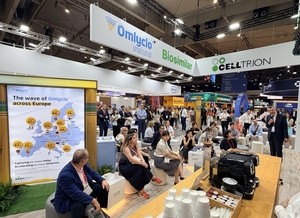
Established in 26 countries, with market share topping 90% in Spain and sales beating targets in Italy Device lineup diversifies with multiple dose options and an autoinjector Celltrion's omalizumab biosimilar Omlyclo showcased its differentiated product convenience to court local physicians at Europe's largest respiratory conference. Celltrion said Thursday that it took part in the 2026 European Respiratory Society (ERS) Congress, held in Barcelona, Spain, from Saturday through Wednesday (local time). At the event, it highlighted Omlyclo's clinical value and device competitiveness. The ERS Congress is Europe's largest respiratory conference, bringing together about 20,000 respiratory specialists and researchers from around the world to share the latest findings. Omlyclo, a treatment for chronic spontaneous urticaria and allergic asthma, has been supplied in 26 countries since its European launch in late last year. In Spain, its market share is estimated to have surpassed 90 percent as of July, and in Italy sales have exceeded the company's initial targets. Prescriptions are expanding rapidly across major Southern European markets. At the congress, Celltrion ran its booth under the slogan "Similar, but Different," emphasizing that the biosimilar's equivalence to the original product translates into greater convenience in real-world clinical settings. Omlyclo comes in three dose options — 75 milligrams, 150 milligrams and 300 milligrams — and supports multiple delivery devices, including a pre-filled syringe (PFS) and an autoinjector (AI) for easier self-administration. Its latex-free safety design and room-temperature storage convenience also drew praise. At an expert symposium held during the congress, Roland Buhl, a professor at the University of Mainz in Germany and a leading global authority on asthma, presented data on the long-term clinical safety of omalizumab and the fiscal savings biosimilars can bring to national health care systems. The presentation drew strong interest from clinicians, coinciding with the seasonal surge in pediatric asthma cases in autumn. Having already secured an early lead in market share in Spain and other key markets, Celltrion is now targeting major scientific conferences to move beyond price-based competition. The company aims to solidify prescription switching among local specialists through differentiated formulations, dosing options and academic marketing, backed by its direct sales operations. Building on those gains in major markets, Celltrion plans to expand its participation in national tenders across Europe and strengthen its direct sales network with large local hospitals. The company will also take part in the Global Urticaria Forum (GUF 2026) in Berlin in December, aiming to expand Omlyclo's prescription base beyond asthma into skin disease treatment. "We are expanding supply across Europe, building on the market penetration we have confirmed in Spain and Italy," a Celltrion official said. "We will organically link our differentiated product capabilities with our direct sales network to establish Omlyclo as one of Celltrion's core earnings drivers."
Sept. 10, 2026
-

'Back to Baemin' once coupons dry up: W120b sunk into public delivery apps
W124b earmarked for win-win delivery apps next year, W120b for consumer coupons Market share jumped from 4.6% to 10.8% after last year's W65b injection, but users of a leading app fell again this year Surviving after funding ends requires store density, delivery quality, repeat use and a self-sustaining structure "It is hard to get consumers who do not use win-win delivery apps to download and use them simply by offering delivery fee coupons." Lee So-young, the nominee for minister of SMEs and Startups, made that assessment of the government's support method for win-win delivery apps during a press briefing on Tuesday, after visiting the Korea Federation of Micro Enterprise in Yeouido, Seoul. "I have seen, through my work on the Budget and Settlement Committee, that the same fiscal spending can sometimes be used more effectively," Lee said. "I will work to make the win-win delivery app plan more concrete during the National Assembly's review process." The government's proposed budget for next year's "support for win-win delivery apps," which Lee referred to, stands at 124 billion won ($92.5 million). Of that, 120 billion won is earmarked for consumer discount coupons, with the remaining 4 billion won for promotion. The government plans to select three or four public delivery apps operating nationwide for intensive support, based on evaluations of their public value and market competitiveness. Under this structure, 96.8 percent of the total budget goes toward consumer incentives. Coupon discounts funded by state, local budgets — when the effect fades, so does viability The boost that "consumption coupons" give to public delivery app usage has already been demonstrated. Last year, the Ministry of Agriculture, Food and Rural Affairs used a supplementary budget of 65 billion won to run the "Public Delivery App Revitalization Consumption Coupon Project." Twelve apps took part: Baedal Teukgeup, Daegu-ro, Baedal Moa, Jeonju Matbaedal, Baedal-ui Myeongsu, Baedal e-eum, Ulsan Pedal, Baedal Yangsan, Ddaenggyeoyo, Meokkaebi, Wemepro and Hwipalam. The effect was substantial. The market share of public delivery apps rose from 4.6 percent in December 2024 to 10.8 percent in October last year. The ministry's own assessment found the coupon project saved 35.1 billion won in intermediary fees and generated an additional 432.9 billion won in dining-out sales. Order volume from June 10 to Sept. 24 last year also jumped 219.5 percent, from about 4.21 million in the same period the previous year to about 13.451 million. The problem emerges once the coupons run out. According to Mobile Index, the monthly active users of the public delivery app Ddaenggyeoyo fell 36.6 percent, from about 3.55 million in December last year to about 2.25 million in August this year. Meokkaebi likewise dropped 28.9 percent, from 690,000 users in November last year to 490,000 in August this year. The pattern repeats: usage briefly surges when government or local budgets are injected, then rapidly declines afterward. First hurdle: having enough stores worth spending money at when the app opens There are three conditions for improving the sustainability of public delivery apps. The first is securing "active store density" rather than simply the number of registered stores. Busan's Dongbaektong, built with 4.4 billion won, recorded 8,000 affiliated stores, 230,000 downloads and cumulative sales of 4.2 billion won within a year of its 2022 launch. But the service was shut down in May 2024. The biggest problem was that, of the 11,000 stores registered just before the service ended, only 1,800 actually had transactions. Daejeon's Hwipalam fared similarly. Despite about 1.4 billion won invested over two years, it had only 4,328 affiliated stores and 209,000 orders. That amounts to an average of 48 orders per store over two years — about two per month. Amid growing complaints about usability, the Daejeon Metropolitan Government did not renew the operating agreement. By contrast, Baemin focused early on securing restaurant data. Founder Kim Bong-jin has said in interviews that he gathered information on more than 50,000 restaurants within six months using flyers and printing companies, and that the restaurant database had grown to 100,000 entries by 2012. As restaurant options increased, consumers gathered; as consumers increased, more restaurants joined — a network effect. Delivery quality is also key. Coupang Eats, which entered the market as a late mover in 2019, promoted a "one rider, one delivery" model. Starting in parts of Seoul, it assigned a single delivery worker per order and aimed for delivery within about 30 minutes. At the time, it scrapped delivery fees and minimum order amounts for consumers while separately recruiting delivery partners — expanding both consumer benefits and delivery infrastructure at once. Diversifying payment methods needed to keep users in the app longer Second, public delivery apps need incentives beyond discounts to bring users back. Gunsan's Baedal-ui Myeongsu, which has operated for six years, links its payment system to the local currency, the Gunsan Sarang gift certificate. Sales through May this year reached 2.38 billion won, with much of that reportedly paid through the local currency. "Seoul Baedal+Ddaenggyeoyo," run by the Seoul Metropolitan Government and Shinhan Bank, posted annual sales of 154.4 billion won last year, 3.6 times the 42.3 billion won recorded the previous year. Orders totaled about 6.17 million, affiliated stores numbered 54,000 and members reached about 2.5 million. The app links Seoul Love and Onnuri gift certificates as payment options and applies a 2 percent intermediary fee. Third, operators need a structure that allows the business to survive once government support ends. Even with intermediary fees lowered to 0-2 percent, costs for server development, payments, customer service, delivery networks and marketing continue to accrue, and operating costs rise as transactions grow. In the direct-operation model used by many local governments, which lack a separate revenue source, budget cuts translate directly into service cuts. Jeonju Matbaedal illustrates the problem. The app's annual sales fell from 4.8 billion won in 2023 to 3.3 billion won in 2024 and 1.9 billion won last year. Its related budget likewise dropped, from 700 million won in 2023 to 320 million won this year, while its number of affiliated stores has stagnated — 1,526 last year and 1,608 as of June this year. "Local governments across the country have directly run or supported public delivery apps and pursued numerous projects, but successful cases are hard to find," said Lee Jung-hee, a professor of economics at Chung-Ang University. "This is because public delivery apps have focused on lowering intermediary fees below 2 percent with government support. Ultimately, success or failure comes down to consumer usage rates. How many users participate determines the sustainability of public delivery apps," she said. Kim Sung-hwan, a professor of economics at Ajou University, argued that public delivery apps need structural measures to lower barriers to market entry if they are to compete on equal footing with Korea's leading delivery apps. "This means cutting fees and consumer prices, and sharing store databases and other information and infrastructure built through public delivery app operations with new platforms for a set period," Kim said.
Sept. 9, 2026
-
Korean CGT firms eye faster UAE market entry
UAE drug regulators meet with Korean industry Officials tour Bio Solution, Helixmith R&D centers Attention is turning to whether Korean cell and gene therapy (CGT) companies can accelerate their entry into the UAE market. South Korea's Ministry of Food and Drug Safety has been pursuing regulatory cooperation on biopharmaceuticals with the UAE's Emirates Drug Establishment (EDE). As part of that effort, a meeting with senior UAE regulatory officials was held in Korea. The meeting, hosted by the Korea Biopharmaceutical Association on Tuesday, brought together Korean CGT companies including Bio Solution and Helixmith. Participants then visited the Bio Solution and Helixmith R&D centers in Seoul's Magok district to discuss further cooperation. The attending companies presented their flagship CGT products and pipelines, discussed the regulatory environment and mutual cooperation needed for UAE market entry, and toured Bio Solution's research and production facilities. Bio Solution and Helixmith unveiled their commercialized and clinical-stage cell and gene therapies, along with proprietary technologies developed in-house. Bio Solution introduced its human tissue-mimicking technologies for animal-free testing, including the three-dimensional corneal epithelial model MCTT HCE and the three-dimensional human skin model KeraSkin. The company also presented progress on developing a gene therapy for critical limb ischemia (CLI) using its subsidiary Helixmith's DNA-based therapeutic VM202, as well as the therapy's product approval in China. Under a new medical products legal framework introduced in the UAE in 2025, the EDE now oversees all licensing and regulatory functions, including drug approvals and Good Manufacturing Practice (GMP) standards. This makes regulatory harmonization and network-building with the EDE a prerequisite for Korean biotech companies seeking to enter the UAE market. A Bio Solution official said, "Our company and our subsidiary Helixmith possess a range of advanced biotechnologies, including CGT platforms and human tissue models. We will work to ensure this translates into real business opportunities."
Sept. 9, 2026
-
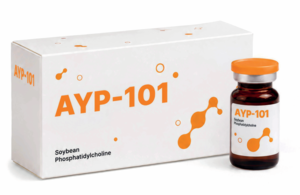
Amipharm raises $15.3m in pre-IPO round, beating target by W5.5b
National Growth Fund among institutional investors putting in W5b Fat-reduction injection AYP-101 awaiting drug approval Company aims for Kosdaq listing via tech fast-track in first half of 2027 Amipharm, a developer of localized fat-reduction injections, said Wednesday it raised 20.5 billion won ($15.3 million) in a pre-IPO funding round. The amount exceeded its original target of 15 billion won by 5.5 billion won. The company plans to use the fresh capital to accelerate both the commercialization of its fat-reduction injection AYP-101 and its preparations for a Kosdaq listing. AYP-101 is a localized fat-reduction injection based on soy phosphatidylcholine (SPC). Amipharm applied for product approval from the Ministry of Food and Drug Safety in May, and the application is currently under review. The injection works by inducing apoptosis and lipolysis in fat cells. The company said it designed the product to minimize local adverse reactions such as pain, swelling, bruising and induration. Amipharm has completed Phase 1, 2 and 3 trials of AYP-101 in South Korea. In January, the company presented the drug's mechanism of action and Phase 3 trial results at the IMCAS World Congress 2026, a medical aesthetics conference held in Paris. It also advanced to the final stage of the conference's Innovation Tank program. Amipharm raised 2.5 billion won in a pre-Series A round in 2016, followed by 10 billion won in a Series A round in 2018. It raised another 10 billion won in a Series B round in 2021. The latest pre-IPO round added 20.5 billion won on top of those earlier rounds. The National Growth Fund, managed by Korea Investment Value Asset Management, contributed 5 billion won to the round. Other participants included NH NongHyup Bank, Magna Investment, Hyundai Technology Investment, IBK Capital, Daishin Securities, Hyundai Investment Partners, Samho Green Investment and Dongwon Technology Investment. Amipharm said the funds will go toward securing approval and preparing for the launch of AYP-101, building out production capacity, and expanding sales and marketing. The company also plans to pursue follow-up research and development, including expanding AYP-101's indications to conditions such as cellulite, developing a next-generation fat-reduction injection, and advancing global clinical development. The funding round comes as Amipharm's regulatory review for AYP-101 and its Kosdaq listing preparations proceed simultaneously. The company is shifting from an R&D-focused stage to product commercialization while pursuing a technology-based special listing on Kosdaq, which requires passing a technology assessment. Amipharm is currently undergoing the technology assessment required for the special listing track and is targeting a Kosdaq debut in the first half of 2027. Daishin Securities is serving as the lead underwriter for the listing. "Having closed our pre-IPO round above our original target of 15 billion won, we will use the funds we secured to move forward without delay on AYP-101's product approval and market launch," said Lee Ki-taek, chief executive of Amipharm. "We plan to continue expanding indications and developing our next-generation pipeline while also actively pursuing entry into global markets."
Sept. 9, 2026
-
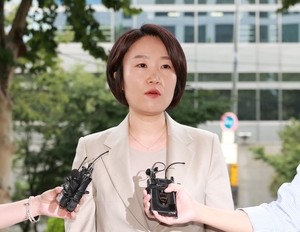
The paradox of Lee So-young's 'gap investment' label over her one Seoul home
Bought in 2016 for 490 million won and lived there for four years as a newlywed home Moved to her constituency to run in the general election, rented out the Seoul apartment Government ultimately withdrew plan to cut tax deduction for non-resident single-homeowners While allegations and disputes swirled around Justice Ministry minister nominee Kim Seung-won and Gender Equality and Family Ministry minister nominee Yong Hye-in, preparations for the confirmation hearing of Lee So-young, nominee to head the Ministry of SMEs and Startups, proceeded relatively quietly — until the charged term "gap investment" entered the picture. People Power Party lawmaker Choi Su-jin said Wednesday that an apartment nominee Lee owns in Hongje-dong, Seodaemun-gu, Seoul, amounted to a "gap investment-style rental." She said an apartment of the same size in the same complex sold for 1.19 billion won in July, meaning the unit nominee Lee bought for 490 million won ($365,000) had produced a "paper profit" of about 700 million won over a decade. Real estate is a perennial subject of scrutiny in confirmation hearings, and the stakes rise further when gap investment is alleged. With the Lee Jae Myung administration having emphasized a housing market centered on actual occupancy, allegations of gap investment against a minister nominee the government itself picked are not something to brush aside. So this reporter examined nominee Lee's property registration record. It shows she took ownership of the apartment in February 2016, at a purchase price of 490 million won. Nominee Lee's camp said she bought the apartment as a newlywed home and actually lived there for about four years, until February 2020. She was first elected to the National Assembly from Uiwang and Gwacheon, Gyeonggi Province, in 2020, moving to her constituency, Uiwang, that March to run in the general election, and has lived there ever since. The property register shows that when ownership was transferred, a mortgage with a maximum bond amount of 180 million won was registered against the apartment. But taking out a mortgage to buy a newlywed home is a separate question from whether it constitutes gap investment. Gap investment typically means buying a home by taking over a tenant's jeonse deposit and covering only the gap between the sale price and the deposit with one's own funds. If, as nominee Lee's camp says, she acquired the apartment as a newlywed home and actually lived there for about four years, that differs from the conventional gap-investment scheme, which relies on a jeonse deposit from the outset. The figure of a 700 million won rise in 10 years also deserves context. Taken alone, 700 million won looks substantial. But the past decade has also been a period when Seoul apartment prices broadly surged. According to KB Real Estate, the average sale price of a Seoul apartment rose from 524.75 million won in December 2015 to 1.61 billion won last month — roughly triple. It is true that the price of nominee Lee's apartment has more than doubled since she bought it, but Seoul apartment prices overall also climbed sharply over the same period. What is more, the process by which nominee Lee came to no longer live in her Seoul home is ironic. She did not keep the Seoul apartment while commuting to her district — rather, she left her newlywed home in Seoul and moved to her constituency, Uiwang, to run for the National Assembly. Her constituency covers Uiwang and Gwacheon in Gyeonggi Province. A politician who would have faced criticism for not living in her own constituency instead rented out her Seoul home so she could actually live there — and is now being attacked as a "non-resident single-homeowner" engaged in gap investment. The complicated reality facing non-resident single-homeowners is playing out in real time with a minister nominee tapped by the Lee Jae Myung administration. Last month, the government unveiled a tax code overhaul that would raise the basic comprehensive real estate tax deduction for single-homeowners who actually live in their homes from the current 1.2 billion won to 1.4 billion won, while cutting the deduction for non-resident single-homeowners from 1.2 billion won to 900 million won. But after criticism mounted that the plan would impose an excessive tax burden on non-resident single-homeowners, the government decided to keep the basic deduction for non-resident single-homeowners at the current 1.2 billion won. To be sure, a minister nominee's real estate holdings warrant thorough scrutiny. Lawmakers should examine whether the funds used to buy the property were legitimate, whether there was any improper gift-giving or tax evasion, and whether she received any special treatment in the transaction. Her past positions on public housing supply in Gwacheon, part of her constituency, can also be examined for policy consistency. But combining three facts — that she owns one home in Seoul, that she does not currently live there, and that its price rose by 700 million won over 10 years — does not automatically amount to gap investment. The question to put to a minister nominee who owns a single home is not only whether she lives there now, but how she acquired it and whether there was anything illegal or improper along the way. There is no shortage of questions to put to nominee Lee. Lawmakers should examine whether a two-term lawmaker has the expertise and administrative capacity to run a ministry responsible for policy on small and medium-sized enterprises and small business owners, what regulations she would actually change while positioning herself as a "minister of regulatory reform," and how well she understands the realities facing small and medium-sized enterprises and small business owners.
Sept. 9, 2026
MOST READ
- 1KAIST develops high-performance bio-based adhesive using E. coli instead of petroleum
- 2Pope Leo XIV declines French honors and banquet, accepts only private meeting with Macron
- 3Daimler Truck unveils next-generation transport solutions at IAA 2026
- 4What was Rachmaninoff's performance fee? A 1928 price list tells all
- 5Samsung Biologics union's show of force backfires at the bargaining table
- 6APR says hair-loss treatment research published in international journal
-
WORLD

US warns of punishment for anyone enabling Iran's Strait of Hormuz toll scheme
-
INDUSTRY
Toyota union puts productivity first; Hyundai Motor union demands bigger share of profits
-
FINANCE
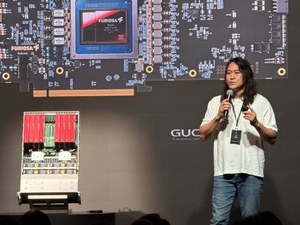
National Growth Fund to invest $531M in FuriosaAI, which rebuffed Meta's $800M takeover bid
-
INDUSTRY
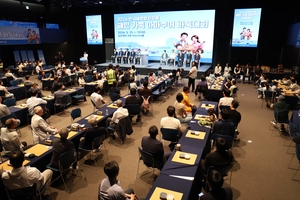
Korea Shipowners' Association holds amateur baduk tournament for Maritime Day