
- HOME
- SMB·BIO
-
SMEs Ministry to merge public home shopping channel, distribution agency amid broader restructuring
Distribution agency's 295 staff, public home shopping channel's 379 to form single 674-member body Eliminating overlapping functions is key; pay scales, job grades and duplicate units to follow Startup incubation body, facility management subsidiaries also to merge; ministry says it will consult unions The broad outline of a restructuring of public institutions under the Ministry of SMEs and Startups has taken shape, but the real work of merging the organizations has only just begun. Changing the nameplates of two agencies into one is a different matter from actually unifying pay scales, job grades and personnel systems. How staff and functions will be redistributed during the integration is also drawing close attention, given the government's stated goal of eliminating overlapping and duplicative roles. The Ministry of SMEs and Startups said Tuesday it would push ahead with functional reforms of its affiliated public institutions in line with the government's "Plan for Reforming Public Institution Functions" announced Thursday. The largest change is the merger of the Korea SMEs and Startups Distribution Agency, known as Hanyuwon, and the public home shopping channel into a new entity to be called the Korea SME Marketing Promotion Corporation. The idea is to have a single agency handle everything from identifying promising small and medium-sized enterprises and their products to commercialization, online and offline retail and actual sales. The two organizations have a combined headcount of 674 — 379 at the public home shopping channel and 295 at Hanyuwon. While the policy direction has been set, a number of issues remain to be resolved internally. The ministry said it would consolidate overlapping functions the two agencies have each been running separately, such as identifying promising products and commercializing them. How to divide the work of departments with overlapping mandates, and how to design the new organization's structure and personnel system, remain as follow-up tasks. Harmonizing the two organizations' separate pay and job-grade systems will be a particularly significant variable. Depending on which benchmark is used to align existing employees' salaries and grades, the interests of staff from each institution could diverge sharply. How the merged entity's headquarters and management positions will be structured is also likely to be addressed in future labor-management consultations. The public home shopping channel has higher average pay, but salary structures vary considerably by grade and job function. The division of roles between the two organizations' policy support and sales functions will also need to be worked out. Hanyuwon focuses on helping small and medium-sized enterprises, venture companies and small business owners find sales channels, while the public home shopping channel sells products directly through TV home shopping and online platforms. The government intends to build a pipeline from product discovery through to sales, but how to separate the selection of policy support recipients from the management of sales channels within a single organization is expected to be a central challenge in designing the new entity. Startup support organizations will also be consolidated. The Korea Business Incubation Association will be merged into the Korea Institute of Startup and Entrepreneurship Development. The plan is to link the institute's existing startup support programs with the on-the-ground network of 248 business incubation centers nationwide and to foster collaboration with regional startup support bodies, including 17 Creative Economy Innovation Centers. The ministry said the integration would underpin its "Everyone's Startup Project" and help reorganize the regional startup support system. Facility management units will also be brought together. Three facility management subsidiaries — Kibo Mate, Jungjingong Partners and Hanyuwon Partners — will be merged into a new company to be called SME Venture Management Co. Because facility management organizations that previously operated under different parent agencies will be consolidated into a single company, work will be needed to align pay and personnel systems, labor-management relations and working arrangements. Some institutions will move outside the ministry's purview altogether. The Korea Institute for Small Business and Entrepreneurship will be transferred to the Economic, Humanities and Social Research Council under the Office for Government Policy Coordination. It will continue to carry out policy research projects for the ministry while expanding collaboration with research institutions in the economic, financial, employment and regional fields. The Comprehensive Support Center for Enterprises of the Disabled will be transferred to the Korea Employment Agency for Persons with Disabilities under the Ministry of Employment and Labor. The Korea SME Certification Institute, the Korea Industry-Academia-Research Cooperation Association and the Women's Enterprise Support Center will be reorganized to shed their designation as public institutions under the Act on the Management of Public Institutions. The aim is to reduce the scope of government oversight while giving the organizations greater operational autonomy and expanding their collaboration with the private sector.
Sept. 8, 2026
-
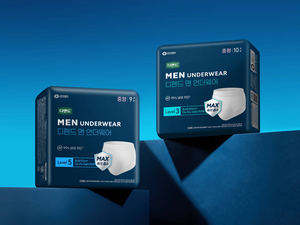
Yuhan-Kimberly targets male incontinence market with 'Depend Man' launch
New male-only sub-brand launched; existing men's underwear line revamped 44% of men aged 40-69 report incontinence in past 3 months Men's underwear accounts for 28% of sales from January to July this year Yuhan-Kimberly announced Tuesday the launch of "Depend Man," a male-only sub-brand under its Depend incontinence line. The company also rebranded its existing men's underwear product as "Depend Man Underwear." The company developed a separate brand name, packaging design and product communications tailored to male consumers to lower the psychological barrier men face when choosing incontinence-specific products. A 2024 survey by Yuhan-Kimberly found that 44 percent of men aged 40 to 69 in South Korea had experienced incontinence within the previous three months. The same survey found the rate among women aged 30 to 69 was 57 percent. Despite that prevalence, sales of male incontinence products lag behind those for women. Yuhan-Kimberly's sales data from January through July this year showed men's underwear-style products accounted for 28 percent of total underwear sales, with women's products making up the remaining 72 percent. For liner and pad products used for mild incontinence, the men's share was limited to 6 percent. The newly launched Depend Man Underwear features an absorbent pad that is 1.5 times more flexible and 20 percent thinner than the previous product. The company said it maintained absorbency while achieving a fivefold improvement in rewet performance and a 99 percent odor-elimination effect. The product is available through online and offline channels, including Coupang Inc, the Depend Naver brand store and major hypermarkets. "There are many male consumers who hesitate to use dedicated products due to a lack of information and psychological barriers," a Yuhan-Kimberly Depend Man representative said. "We will continue developing products and working to change perceptions so that male consumers can more easily choose what they need."
Sept. 8, 2026
-
Government to fill vacant storefronts in regional downtowns with youth, entrepreneurs
SMEs, Land, Culture ministries launch 'Downtown RE:CORE Project' Vacant shops, idle buildings to be renovated and linked to arts, startup content 1-2 sites per zone outside Greater Seoul to be selected; project to begin in 2027 The government is launching a regeneration initiative to renovate vacant storefronts and idle buildings in regional downtowns and turn them into activity spaces for young people, entrepreneurs and artists, combining physical renovation with startup and cultural content support under a single project. The Ministry of SMEs and Startups, the Ministry of Land, Infrastructure and Transport and the Ministry of Culture, Sports and Tourism announced Tuesday they will pursue a pilot program called the "Downtown RE:CORE Project." The initiative comes as vacancy rates in regional commercial districts have worsened — the vacancy rate for small storefronts rose from 6.7 percent in 2022 to 8.5 percent this year, based on first-half figures. Under the project, vacant shops will be purchased or leased long-term and converted into "downtown revitalization commercial spaces." The renovated spaces will house artists' studios, startup offices, co-working spaces and pop-up stores. Young residents, artists and entrepreneurs who move in will also receive rent support during the project period. To ensure the spaces remain in use after the project ends, local governments will be required to draw up at least a 10-year operating plan for the revitalization commercial spaces, covering lease terms, rent levels and caps on rent increases. Larger idle facilities in downtown areas — including abandoned public buildings, unused motels and clusters of vacant shops — will be developed into specialized hubs. Depending on local conditions, these may serve as cultural and arts centers, startup and local business incubators, commercial support facilities, or exhibition and retail spaces for local brands. Parking expansion, signage and facade improvements, and nighttime lighting will also be carried out. The Ministry of Culture, Sports and Tourism will support the discovery of cultural content that can represent each region, in tandem with the physical regeneration work. Support will cover the full pipeline from content production through testing, refinement and distribution, with links to local festivals, cultural facilities and commercial districts. Cities that previously received government designation as "cultural cities" but have since exhausted their national funding will receive bonus points in the selection evaluation if they join the project. In the early stages, pop-up stores using popular and locally rooted content will also be operated. Young content creators and startup founders who move into the downtown revitalization commercial spaces will receive activity grants. The government will select one to two sites in each of the four major and three special regional zones outside Greater Seoul, with the pilot program set to begin in 2027. The plan calls for expansion to two to three sites per zone by 2029. Selected areas will receive up to 21 billion won ($15.5 million) in national funding from the Ministry of Land, Infrastructure and Transport over four years. The Ministry of Culture, Sports and Tourism will provide up to 2.4 billion won for the production and dissemination of signature cultural content, and up to 840 million won for downtown revitalization using cultural content. Total national funding per selected area will reach a maximum of 24.24 billion won. The Ministry of SMEs and Startups will link the project to existing programs, including local theme commercial districts, promising alley commercial zones, century-old markets and culture-tourism markets. Areas selected for the Downtown RE:CORE Project that participate in those related programs will receive preferential treatment in the selection process starting in 2028.
Sept. 8, 2026
-

Professors Kim Sang-kyu, Kim Yun-hee win Korea Toray Science and Technology Award
Korea Toray Science Foundation to award 100 million won each Kim Sang-kyu, a chemistry professor at KAIST, and Kim Yun-hee, a chemistry professor at Gyeongsang National University, have been named recipients of the Korea Toray Science and Technology Award — Kim Sang-kyu in the basic chemistry and materials category and Kim Yun-hee in the applied category. The Korea Toray Science Promotion Foundation announced Tuesday that each winner will receive a prize of 100 million won ($74,500). Kim Sang-kyu was recognized for developing original experimental techniques to track how chemical reactivity changes with molecular structure, enabling observation of fleeting molecular transformations. His work shed light on the structural dynamics of "transition states" and "conical intersections" — the mechanisms that govern the speed of chemical reactions. He was also credited with presenting a novel experimental framework for understanding the fundamental relationship between electrons and atomic nuclei by arbitrarily controlling anionic electrons. Kim Yun-hee was honored for her outstanding contributions to the synthesis of organic semiconductor materials. She secured core technology for high-efficiency deep-blue OLED materials and has driven technological advancement through collaboration with industry. The foundation also selected five early-career scientists, including Professor Song In-taek, for the Korea Toray Fellowship. Each fellow will receive a total of 150 million won in research funding over three years. In the basic chemistry and materials category, Song In-taek of DGIST's Department of Chemistry and Physics and Hong Seung-yun of Seoul National University's Department of Chemistry were selected. The applied category recipients are Kim Hyung-jun of Sogang University's Department of Chemical and Biomolecular Engineering, Cheon Dong-won of Postech's Department of Materials Science and Engineering, and Ham Dong-hyo of Hanyang University's Department of Chemical Engineering. An awards ceremony will be held in October. Founded in 2018, the foundation has to date selected 18 Science and Technology Award recipients and 40 fellowship researchers, including this year's honorees. It also provides annual scholarships to 30 science and engineering undergraduates; through the first half of this year, a cumulative total of 255 students have received support.
Sept. 8, 2026
-

Zio Health's CareKamp posts record first-half sales of W729.2b
Surge in complex surgeries at major hospitals drives demand for surgical supplies Net profit jumps 54% as company achieves growth and profitability simultaneously Gimpo logistics center and automated ordering system strengthen supply chain CareKamp, the hospital group purchasing organization subsidiary of Zio Health Group, posted record earnings in the first half of this year. CareKamp said Tuesday it recorded consolidated sales of 729.2 billion won ($543 million) and operating profit of 12.8 billion won in the first half of this year, marking the best half-year performance in the company's history. Sales rose 15.9 percent and operating profit climbed 29.1 percent compared with the same period last year. Net profit for the period surged 53.8 percent to 8.4 billion won, reflecting gains in both scale and profitability. CareKamp became the first company in the domestic GPO industry to surpass 1 trillion won in annual sales last year, reaching 1.32 trillion won. The strong results were driven by a sharp increase in complex surgeries at large tertiary hospitals, which fueled demand for clinical supplies and surgery-related medical devices. The business development division also supported growth by maintaining and expanding supply contracts with existing clients. A GPO handles the full procurement cycle for hospitals — sourcing, storage and inventory management across a vast range of clinical materials, medical equipment and diagnostic reagents — allowing hospitals to maximize procurement efficiency without negotiating individually with each supplier. CareKamp currently handles about 80,000 product types and provides customized purchasing services to more than 30 major hospitals nationwide, including Samsung Medical Center, Kyung Hee University Medical Center, Konkuk University Medical Center, Inha University Hospital and Yeungnam University Medical Center. To supply temperature- and humidity-sensitive reagents and sterilized materials, the company operates a dedicated logistics center in Gimpo, Gyeonggi Province. It has also built a proprietary integrated logistics management system called POCS, which links hospitals and suppliers to automatically place replenishment orders when in-hospital stock runs low and prioritizes products nearing their expiration dates, significantly reducing inventory waste. As major hospitals sharpen their focus on essential and critical-care medicine, CareKamp has reliably absorbed demand for specialized medical supply chains requiring strict hygiene standards and on-time delivery, demonstrating a firm economy of scale in the medical logistics sector. Zio Health Group Chairwoman Cho Seon-hye said the results reflect CareKamp's efforts to develop hospital purchasing and logistics into a specialized, high-value-added industry. "We will raise the standard of Korea's medical logistics system to a new level and create an environment where medical professionals can focus on what they do best — caring for patients," she said.
Sept. 8, 2026
-

'Good Eggs' program draws backlash from egg distributors: 'Are we all thieves now?'
'Good Eggs' program sparks backlash from distributors: 'We're being treated like thieves' 120,000 trays to reach 4,000 neighborhood stores nationwide — worth around 600 million won SEMAS: one-time supply only, no follow-up plans; farm-to-consumer direct sales fuel anxiety "Consumers get to buy eggs cheaply — that's fine. Neighborhood stores get to draw in customers — that's fine too. But what about the people who were already supplying eggs to those stores? We distributors have all been turned into thieves." Kang Jong-seong, chairman of the Korea Egg Industry Association, made the remarks in a phone interview about the "Good Eggs" program launched by the Small Enterprise and Market Service (SEMAS), Hana Financial Group and the Korea Federation of SMEs and Startups. While he said he had no objection to the program's stated goal of helping consumers and neighborhood stores, he argued that from the perspective of egg distributors — who count supermarkets as their primary clients — the initiative amounts to government agencies and a financial company flooding their existing market with subsidized, below-market products. The Korea Egg Industry Association represents more than 3,100 egg collectors and dealers nationwide. Its members primarily handle the distribution chain between producers and consumers — receiving eggs from laying-hen farms and supplying them to sorting and packaging facilities, supermarkets and food-service wholesalers. "Our purchase price per tray is 6,500 won, and we sell at around 7,000 won — a margin of about 500 won," Kang said. "Yet we're being perceived as middlemen raking in excessive profits. That's what we find so unfair." He also said the name "Good Eggs" itself was a problem, as it implicitly casts existing distributors as the bad actors. The program was designed ahead of the Chuseok holiday to ease household spending burdens and boost the competitiveness of small neighborhood stores. SEMAS, Hana Financial Group and the Korea Federation of SMEs and Startups plan to supply 120,000 trays of eggs to more than 4,000 neighborhood stores across the country. Consumers can purchase two trays — 60 eggs — for 9,990 won. According to the Korea Institute for Animal Products Quality Evaluation, the average retail price for a 30-egg tray in August was 7,332 won, meaning two trays would normally cost 14,664 won. The "Good Eggs" price of 9,990 won for two trays is more than 30 percent below the average retail price. The program can offer eggs at such a low price because of outside support. SEMAS said it selected 20 poultry farms to cut distribution margins, while Hana Financial covers the costs of egg washing, candling and grading, as well as nationwide logistics. SEMAS handles price labeling and fair-trade operating guidelines, while the Korea Federation of SMEs and Startups manages placement and sales support through its small supermarket distribution network. For consumers and store owners, the appeal is clear. Neighborhood stores, which struggle to compete on price against hypermarkets and food-service wholesalers, can use the discounted eggs as a loss leader ahead of Chuseok to draw shoppers through the door. For consumers facing high prices, being able to buy 60 eggs for under 10,000 won is a direct benefit. "Good Eggs is essentially a loss-leader product," a SEMAS official said. The concern centers on the distributors who have long supplied eggs to those same supermarkets. "Supermarkets are our main clients," Kang said. "When a separately subsidized supply linked directly to producers enters those clients at a lower price, it becomes very hard for existing distributors to compete at normal prices. We end up looking like the ones who have been overcharging all along." Structural shifts in the egg supply chain have deepened the industry's anxiety. Data from the Korea Institute for Animal Products Quality Evaluation show that in 2016, 95.6 percent of eggs were sorted, packaged and distributed through licensed egg-collection dealers. By 2024, the share of eggs shipped from farms through the wholesale stage had fallen to 81.7 percent. Over the same period, the share shipped directly from farms to the retail stage rose from around 5 percent to roughly 18 percent — meaning the proportion bypassing wholesalers entirely more than quadrupled in eight years. Discount competition from food-service wholesalers has also been a long-running source of tension for egg distributors. The association has argued that some food-service wholesalers have used eggs as loss leaders to attract customers, pressuring suppliers to deliver below cost. "Even when food-service wholesalers sold eggs cheaply, the burden ultimately fell on the supplying distributors," Kang said. "Now discounted eggs are going into the very supermarkets we supply. Distributors selling at normal prices end up looking like they're gouging consumers." SEMAS maintains that the program is not a standing policy intended to replace the existing egg distribution market. The agency describes it as a one-time cooperative initiative developed with private partners to simultaneously ease consumers' cost-of-living burden and reduce the financial strain on small store owners ahead of Chuseok. "This program is limited to a single run supplying 120,000 trays," a SEMAS official said. "At this point, there are no plans to continue it." Sustaining the "Good Eggs" price over the long term would also be structurally difficult. The two-tray price of 9,990 won is premised on Hana Financial's support covering washing, candling, grading and logistics costs. Without that support, how production, sorting, logistics and retail stages would share the cost burden would become an open question.
Sept. 8, 2026
-
SK Biopharm expands physician-scientist network in push for end-to-end drug development
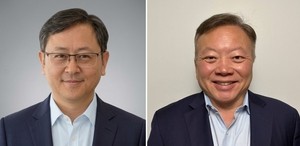
Physician-scientists to make up 20% of clinical and medical staff at US unit Novartis veteran Kim Tae-ho joins to lead newly restructured neuroscience division East-West Bridge strategy links Asian drug discovery to US clinical infrastructure SK Biopharm is significantly expanding the share of physician-scientists at its US operations and reinforcing its global research leadership as it upgrades an end-to-end research and development framework spanning new drug discovery, clinical development and commercialization. The company said Tuesday that about 20 percent of the specialized medical staff — covering clinical development, pharmacovigilance and medical affairs — at its US subsidiary SK Life Science are now physicians with hands-on clinical experience in the United States. SK Biopharm currently has eight physician-scientists embedded in key R&D roles, including Chief Medical Officer Dr. Sunita Misra, a specialist in pediatric neurology and epilepsy. In July, the company recruited Kim Su-young, MD, as vice president of clinical development; Kim brings more than 18 years of oncology clinical leadership at global pharmaceutical companies Bristol Myers Squibb and AbbVie. The physician-scientists, who include alumni of the National Cancer Institute and MD Anderson Cancer Center, are tasked with incorporating unmet medical needs from the earliest stages of drug discovery to improve the odds of successful commercialization. SK Biopharm has also restructured its R&D organization and brought in new leadership. The company appointed Dr. Kim Tae-ho, a global neuroscience expert, as the inaugural head of its neuroscience division. Kim spent 12 years at Novartis overseeing neuroscience R&D and leading early-stage clinical and portfolio strategy. The company expanded its existing central nervous system research function into the new neuroscience division and placed it directly under President Lee Dong-hoon. In oncology, SK Biopharm is building expertise around two next-generation modalities: radiopharmaceutical therapy and targeted protein degradation. The radiopharmaceutical therapy program is led by Shin Yong-je, who is spearheading the development of a proprietary chelator platform and securing an isotope supply chain, while the targeted protein degradation program is directed by Dr. Ryan Krueger, chief scientific officer of SK Life Science Labs, the company's US-based research subsidiary. Building on this foundation, the company is moving ahead with its "East-West Bridge" strategy — identifying promising drug candidates in Asia and channeling them through US clinical and commercialization infrastructure. Rather than confining itself to laboratory-based basic research, SK Biopharm aims to embed the real-world clinical experience of US-based prescribing physicians from the earliest stages of development, with the goal of maximizing both the clinical success rate and the speed of market entry for its next blockbuster drugs. The reorganization goes beyond simply expanding research infrastructure. It is aimed at internalizing a physician-scientist network on par with global big pharma to reduce trial and error in developing next-generation drugs. "A global new drug is not complete by simply identifying a promising compound — from the very beginning, you must also consider the therapeutic value it will deliver to actual patients and its practical utility at the point of care," President Lee Dong-hoon said. "We will maximize our ability to deliver the next generation of global drugs through close collaboration between physicians with clinical and prescribing experience and our research experts."
Sept. 8, 2026
-
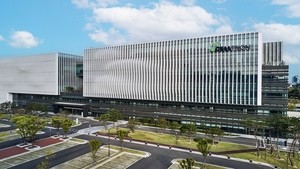
Celltrion partners with Japan's largest biotech cluster to nurture promising startups
First Korea-Japan public-private open innovation program to offer full-cycle global commercialization support; antibody, peptide and anti-aging technologies among target areas; two finalists to be selected in March next year Celltrion has teamed up with the Kobe Biomedical Innovation Cluster, Japan's largest biotech cluster, to launch the first Korea-Japan public-private open innovation program. Celltrion said Tuesday it is moving ahead with the "2026 KBIC-Celltrion Global Scale-Up Program," kicking off with an in-person briefing at the LINK-J (Life Science Innovation Network Japan) building in Tokyo. It marks the first time a Korean pharmaceutical or biotech company has directly partnered with a Japanese biotech cluster to jointly plan and operate a public-private collaboration model. The program aims to provide full-cycle support to biotech startups — from early-stage technology validation and refinement through to global commercialization. Applications will be accepted from this month through December, with two finalist companies to be selected in March 2027 following document screening and presentation reviews. The program targets startups with innovative technologies in antibody, peptide, small-molecule compound and anti-aging fields that can be linked to Celltrion's research and development needs. The selected companies will take part in a tailored scale-up program throughout 2027. Drawing on more than two decades of expertise in drug development, production and global direct sales, Celltrion will provide practical mentoring and technical advisory services covering research and development, regulatory approval and commercialization. The company also plans to connect participants with government agencies, local authorities, industry-academia cooperation bodies and venture capital networks, while exploring joint research opportunities with selected firms to identify next-generation pipeline candidates. The Foundation for Biomedical Research and Innovation at Kobe, which operates KBIC, will offer customized acceleration for each company by matching them with experts in research and development, patents and intellectual property, investment attraction and business strategy. It will also hold one-on-one meetings with domestic and overseas investors and organize demo days to help early-stage research translate into actual entry into global markets. The collaboration directly combines Japan's strong fundamental research capabilities with Celltrion's global clinical, production and commercialization strengths — addressing gaps in both countries' biotech ecosystems and accelerating the development of blockbuster drugs originating from Asia. The initiative is the fruit of Celltrion's biotech networking efforts in Japan that began in 2023. The company has been involved in KBIC's global expansion support program, known as KLSAP, from the planning stage, and has broadened its ties with the local ecosystem by opening an office in Kobe, supporting Korean startups entering the Japanese market, and building partnerships with LINK-J and the Japan External Trade Organization. "This will be a collaboration model that combines the strengths of Korea and Japan to help promising biotech startups grow," a Celltrion official said. "We will actively work to build an open innovation ecosystem so that young companies with innovative technologies can leap onto the world stage."
Sept. 8, 2026
-
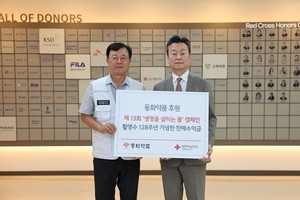
Dongwha Pharm. donates all proceeds from Hwalmyeongsu 128th anniversary edition
Donation ceremony held at Korean Red Cross Seoul branch; 13th campaign installment Funds to support water and sanitation project in Nepal's Sankhuwasabha district Dongwha Pharm. has donated the entire proceeds from sales of its "Hwalmyeongsu 128th Anniversary Edition," released last year, to the Korean Red Cross as part of its "Water That Saves Lives" campaign fund. The pharmaceutical company held a donation ceremony Tuesday at the Korean Red Cross Seoul branch, with Dongwha Pharm. Chief Executive Yoo Jun-ha, Korean Red Cross Seoul Branch Chairman Kwon Young-gyu and Secretary General Heo Hye-suk in attendance. Participants reviewed the progress of relief operations in Nepal and discussed the direction of future support. The donated funds will go toward improving and expanding water supply and sanitation facilities in Nepal's Sankhuwasabha district, as well as health and hygiene education and outreach campaigns for local residents. The Korean Red Cross is carrying out an "Integrated Water, Sanitation and Hygiene and Disaster Risk Reduction (I-WASH&DRR)" project in villages 1 and 2 of the Sabapokhari rural municipality in Sankhuwasabha. Running from 2023 through this year, the four-year initiative covers 1,078 households and 4,994 people, providing comprehensive support in drinking water supply, health and hygiene, school safety and disaster risk reduction. Hwalmyeongsu — whose name combines the hanja characters for "revive," "life" and "water" — was born in 1897 as South Korea's first domestically produced medicine and longest-running brand. Developed by royal court official Noh Do-hyeong of the Joseon Dynasty, it has long served as a life-saving remedy for ordinary people. Dongwha Pharm. has donated all proceeds from annual limited-edition releases to carry on that legacy, and Tuesday's ceremony marked the campaign's 13th installment. The 128th anniversary edition was produced in collaboration with French outdoor brand Millet in 2025. Dongwha Pharm. launched the campaign in 2013 with its 116th anniversary edition and has since partnered with a different brand each year — including film manufacturer Kodak for the 127th anniversary edition in 2024. The initiative has been recognized as a model ESG practice, with the 129-year-old domestic pharmaceutical company extending the life-affirming values at the heart of its flagship product beyond marketing into tangible international health cooperation — specifically, building drinking water infrastructure in developing countries. "We have consistently run this campaign to share with society the meaning of water that saves lives, which Hwalmyeongsu has embodied," a company official said. "We will continue to provide practical help on the ground and fulfill our corporate social responsibility."
Sept. 8, 2026
-

Mounjaro, Wegovy move beyond obesity as anti-aging drug trials get underway
Semaglutide extended the lifespan of elderly female mice by 92 days while preserving physical function; US trials now testing tirzepatide in adults aged 55–70 GLP-1 receptor agonists — the class of drugs that reshaped the global pharmaceutical market as treatments for obesity and diabetes — are now moving into a new frontier: anti-aging medicine. Following scientific evidence from animal studies showing life-extending effects, formal clinical trials have begun to test whether the drugs can slow biological aging in humans. According to the journal Nature, a research team led by Danica Chen, a professor at the University of California, Berkeley, published findings Wednesday showing that administering semaglutide — sold under the brand names Wegovy and Ozempic — to elderly mice significantly extended their lifespan. The researchers gave semaglutide to healthy female mice aged 20 months — roughly equivalent to a 60-year-old human — for three months and then tracked them over the long term. The treated mice lived an average of 834 days, 12 percent longer than the untreated control group, which averaged 742 days — a difference of 92 days. Beyond the lifespan extension, the treated mice also outperformed the control group on key physiological measures, including motor coordination, muscle function and glucose metabolism. Cellular and molecular markers of aging, including chronic inflammation that accelerates the aging process, were also found to be reduced. Notably, the study included a direct comparison with caloric restriction — one of the most well-established dietary interventions for longevity — and found that semaglutide delivered benefits beyond simple appetite suppression. The drug replicated the physical-function preservation seen with caloric restriction while showing even more favorable improvements in spatial memory, exploratory behavior and blood sugar regulation. The findings establish a mechanistic framework for semaglutide as a "caloric restriction mimetic" — one that directly regulates intracellular nutrient sensors and aging-related genes rather than merely producing secondary effects from reduced food intake. While the latest findings come from animal studies, human trials are already underway. According to ClinicalTrials.gov, researchers at the University of Texas Medical Branch at Galveston have launched a Phase 2 trial — called the Moody Longevity Trial — to test the anti-aging effects of tirzepatide, Eli Lilly's dual GLP-1/GIP receptor agonist sold as Mounjaro and Zepbound. The trial is enrolling 90 overweight adults between the ages of 55 and 70 who have obesity, high blood pressure or other weight-related conditions, and will track changes in their biological aging rate after tirzepatide treatment. The study began in February and aims to conclude in January 2028. Reactions in the scientific community are a mix of excitement and caution. Michael Corley, a professor at UC San Diego, told Nature that GLP-1 drugs "rank among the most promising candidates" in the search for longevity treatments, but added that "years of additional validation will be needed before they can be prescribed specifically for longevity." Ho Ko, a professor at the Chinese University of Hong Kong who previously identified delayed muscle-strength decline in male mice using another GLP-1 drug, exenatide, said the new study's focus on female mice means cross-sex research is needed to determine whether the effects differ by sex. He also recommended that clinical validation focus on patients in the early stages of age-related disease rather than on fully healthy individuals. The expanding indications for GLP-1 drugs are prompting a reassessment of the pipeline and production infrastructure of South Korea's pharmaceutical and biotech sector. As obesity drugs extend their reach to chronic age-related conditions — including cardiovascular and kidney disease — and potentially to longevity treatment itself, companies that have secured peptide-based drug candidates and manufacturing capacity ahead of the curve are expected to benefit. Hanmi Pharm recently out-licensed HM17321 to Genentech, a member of the Roche Group, in a deal worth up to $2.3 billion. The peptide-based drug is designed to prevent muscle loss and improve body composition, and analysts see strong potential for its expansion into treatments for age-related sarcopenia and metabolic conditions. Competition for peptide manufacturing capacity is also intensifying in the global contract development and manufacturing organization market. Samsung Biologics raised 3 trillion won ($2.21 billion) through a rights offering to acquire PolyPeptide Group, a Swiss peptide-focused CDMO, for approximately 2.7 trillion won. The move is widely seen as a strategic bid to secure a dominant position in the supply chain for key raw materials in the emerging anti-aging medical market — a goal that goes beyond simply meeting surging demand for obesity drugs.
Sept. 8, 2026
-
Sealy doubles factory size in Yeoju, eyes Asia manufacturing hub
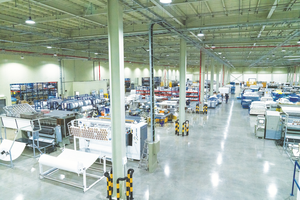
Production floor expands from 7,920 to 15,183 square meters; maximum output rises from 300 to 500 units per eight-hour shift 110 mattress types made to order — production begins only after a customer order is placed Spring factory set for completion in 2028 as company targets role as Asia's core manufacturing hub "We do not make a mattress without a production ticket." Factory Manager Yoo Dong-wan made that statement Monday at Sealy's new plant in Yeoju, Gyeonggi Province, explaining the company's pull-based production model: rather than building inventory in anticipation of demand, the factory issues a production ticket for each item only after a customer order comes in. That made-to-order production base has nearly doubled in size over the past decade. Sealy relocated and expanded from its original Yeoju factory, built in 2016, to the new Ogeum-dong facility, which holds its completion ceremony Wednesday. The production floor has grown from 7,920 square meters to 15,183 square meters, and maximum output capacity over an eight-hour shift has risen from about 300 units to 500 units. 110 mattress types, handcrafted: the high-mix, low-volume principle Stepping onto the production floor, a visitor takes in an open assembly line running from quilting through sewing to final assembly and sealing. Once an order is received, a production ticket bearing the customer's name and product details is issued and attached to the finished mattress. "We make nothing without a production ticket — there is no arbitrary production," Yoo said. "It takes five days from order to delivery." Apart from the first quilting step, most of the work is done by hand. Four large quilting machines — two for top panels and two for side panels — layer fabric and filling to form the panels. Workers then stitch the top and side panels together by hand, attaching handles and reinforcements one by one. In the final assembly and sealing stage, different foam layers and components specific to each model are stacked in sequence on top of the springs, aligned and secured manually. The high proportion of handwork reflects the company's commitment to high-mix, low-volume production. Sealy manufactures about 110 mattress types domestically, across five size specifications. "We swap out fabric about 50 times a day and produce at least 50 different models in a single shift," Yoo said. "The order in which different sheet-foam layers are stacked determines whether the mattress feels cozy, firm or plush." Along one wall of the production floor, springs — the core component of any mattress — were stacked in compressed bales. Currently imported from Australia and China, the springs undergo double heat treatment at their origin before being compressed and bundled in a process called baling for shipment to Yeoju. At the factory, the compressed coils are transferred to yellow "un-bailer" machines that release the binding wire and decompress the springs, allowing them to expand back to the height specified for each model. "This process minimizes deformation and maintains stable elasticity," Yoo said. Radon safety management is another pillar of the production process. Raw materials — fabric, foam and padding — are tested for hazardous substances by an external specialist before entering the production line, and finished mattresses are checked again on-site using a RAD8 precision radon meter. New products undergo testing at Yonsei University's Radon Safety Center before launch, and all products manufactured and sold domestically receive annual "Radon Safe Product" certification from the Korean Standards Association — a three-tier management system the company operates year-round. In-house production push: springs to be made domestically by 2028 Sealy plans to use the new factory as a springboard to accelerate in-house production. The company had long relied on imports of finished goods from the United States and OEM manufacturing, but after hitting the limits of that model in terms of domestic market growth and quality control, it opened its first production plant in Yeoju in 2016. Sealy Korea CEO Yoon Jong-hyo called the latest expansion "the engine for a second leap forward." The growth that followed the shift to domestic production drove the investment in the new facility, Yoon said. "Sealy Korea has posted the highest growth rate among all global subsidiaries over the past five years, and this year's sales are expected to reach 22 to 23 times the 2012 level," he said. "Our production target for the new factory this year is 75,000 to 80,000 units. As we expand capacity, sales growth and market expansion will follow naturally." The expanded production capacity will also support a push into Asian markets. Products made at the Yeoju plant are already exported to China and Kazakhstan, and the company is in talks to extend exports to Singapore, Hong Kong and Taiwan. "The new factory will become the central production base covering all of Asia," said Kim Jeong-min, Sealy Korea's marketing executive director. The next step is bringing spring production in-house. Sealy has purchased land near the new factory to build a spring manufacturing facility and is working through the permitting process, with a target completion date of 2028. "We currently import springs in roughly equal shares from Australia and China, but we plan to produce them domestically going forward," Yoon said. "We are looking at using wire rod from Posco." As the broader bedding industry moves to take direct control of key materials and production processes, Sealy is extending its in-house manufacturing reach to springs. "Once the spring factory is complete, we will have a one-stop production system from raw materials to finished products — a core manufacturing hub for Asia," Yoon said.
Sept. 8, 2026
-

Seoul St. Mary's Hospital confirms autologous transplant benefit in older myeloma patients, with 4-year survival rate of 67.8%
Transplant group shows 38% lower mortality risk than non-transplant group Cost-effectiveness confirmed despite higher medical expenses Elderly patients with multiple myeloma should not be excluded from autologous hematopoietic stem cell transplantation based on age alone, according to a new domestic study. A research team led by Professor Min Chang-ki of the Hematology Hospital at Catholic University of Korea's Seoul St. Mary's Hospital announced Tuesday the findings of an analysis examining the effectiveness of autologous hematopoietic stem cell transplantation in multiple myeloma patients aged 65 to 69, using claims data from the Health Insurance Review and Assessment Service. Professor Choi Su-in of the Department of Pharmacology at the Catholic University of Korea College of Medicine served as co-corresponding author, and Professor Lee Jung-yeon of the Hematology Hospital at Seoul St. Mary's Hospital was the first author. Multiple myeloma is a blood cancer in which plasma cells in the bone marrow proliferate malignantly. The number of new cases in South Korea rose roughly fourfold — from 492 in 2000 to 1,961 in 2022 — and about 90 percent of all patients are 60 or older. Although autologous hematopoietic stem cell transplantation is considered a primary first-line treatment, its use in older patients has long been debated due to concerns about treatment toxicity and cost. The research team noted that because existing evidence has been concentrated in Western studies, there was a need to assess both the transplant's effectiveness and its economic viability in the domestic medical environment, where drug prices and healthcare cost structures differ. The team analyzed 735 patients aged 65 to 69 newly diagnosed with multiple myeloma between 2009 and 2024. Of these, 458 received autologous hematopoietic stem cell transplantation following induction therapy with bortezomib, thalidomide and dexamethasone, while 277 received drug treatment only without transplantation. Survival duration and medical costs were estimated using a semi-Markov model that reflects the stages patients go through — treatment, relapse and death. This allowed the team to compare long-term survival and cost-effectiveness beyond the actual observation period. The analysis found that the four-year survival rate in the transplant group was 67.8 percent, 12.8 percentage points higher than the 55.0 percent recorded in the non-transplant group. The transplant group also showed a 38.0 percent lower risk of death, and the time to next treatment was 29.8 months, compared with 19.7 months in the non-transplant group — a difference of 10.1 months. Cost-effectiveness was also confirmed. The transplant group incurred about 29.9 million won ($22,100) more in total medical costs than the non-transplant group, but gained 0.71 additional quality-adjusted life years. The incremental cost per quality-adjusted life year gained was approximately 42.4 million won, below the domestic threshold of about 52.4 million won applied in the study. In 1,000 simulations, the probability that transplantation was cost-effective stood at 70.3 percent. The research team also identified the relatively low domestic transplant cost — ranging from about 29.7 million to 32 million won — as a factor boosting cost-effectiveness, compared with the average inpatient transplant cost of about 232.7 million won in the United States. Although national health insurance coverage for transplantation has been expanded to patients up to age 70, only 62.3 percent of eligible patients actually received the procedure. "This analysis used domestic data to show that transplantation extends survival in patients aged 65 to 69 and that its cost falls within a range our healthcare system can sustain," Min said. "The decision to transplant should be based on the patient's overall condition, not age." "Because this evidence was built on nationwide claims data tailored to domestic conditions, we expect it can also inform future discussions on national health insurance coverage policy," Choi said. The study was conducted as a multicenter research project under the Catholic Myeloma Research Network (CAREMM), and the findings were published online ahead of print in Value in Health, the official journal of the International Society for Pharmacoeconomics and Outcomes Research. Full publication is scheduled for October.
Sept. 8, 2026
-

i-Scream Edu signs AI education platform deal with Naver Cloud, Clabi
Three firms to co-develop AI-based personalized learning and growth platform Joint products to analyze learning and assessment data for educational institutions Companies also plan to pursue public-sector AI and big data projects together i-Scream Edu announced Tuesday that it signed a business agreement with Naver Cloud and Clabi to jointly develop an AI-based personalized learning and growth platform and pursue collaborative projects. The three companies plan to combine i-Scream Edu's education-focused AI technology, learning content and data with Naver Cloud and Clabi's AI cloud infrastructure capabilities to co-develop an AI platform for educational institutions. The platform will feature AI-driven personalized learning and assessment tools, along with functions to analyze and apply learner growth data. The companies also plan to build an AI business ecosystem that connects learning data with other services. Building on the jointly developed products, the three firms intend to expand their business targeting educational institutions and corporations, and plan to jointly pursue public-sector AI and big data projects. Through the agreement, i-Scream Edu aims to advance its personalized education services and lay the groundwork for new AI education solution businesses. "We expect this collaboration to play a major role in the AI-based personalized learning and growth platform we are developing," said Lee Jae-jun, chief executive of i-Scream Edu. "We will strengthen our cooperation so that it can become the standard for AI education platforms."
Sept. 8, 2026
-

Chunjae Education's T Selpa holds one-day bookmaking class for teachers
40 elementary, middle school teachers take part in Classboard, Canva workshop Program covers full process from creating learning materials to print-on-demand publishing Grand prize winner of 2026 Chunjae T Selpa Teaching Innovation Contest leads session T Selpa, the teaching and learning support service of Chunjae Education and Chunjae Textbook, held a one-day class titled "Making Our Class Book Using Classboard X Canva" for elementary and middle school teachers on Saturday, the company said Tuesday. The event took place at the AP Tower Future Hall at Chunjae Textbook's headquarters, with 40 elementary and middle school teachers in attendance. Kim Seong-eun, a teacher at Seoul Sindong Elementary School and grand prize winner of the 2026 Chunjae T Selpa Teaching Innovation Contest, served as the instructor. The program was designed to let teachers practice project-based lessons in which students use their own writing and drawings to create books or class anthologies. Participants first explored how to use Classboard for lesson planning and classroom management, then created learning materials under the theme "A study notebook you make today and use right away." They also worked through the editing process using Canva and experienced print-on-demand publishing through Prinpia Mall. A Prinpia Mall booth was also set up at the venue, where teachers could browse print-on-demand textbooks and other materials they had produced. "We designed the program so teachers could experience the production process firsthand and apply it directly in their classrooms," a T Selpa official said. "We plan to continue offering on-site programs that support lesson preparation and classroom management."
Sept. 8, 2026
-
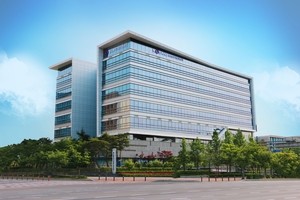
Korea SMEs and Startups Agency seeks overseas private network partners for 2027
Up to 145 institutions across 35 countries sought; applications open through Sept. 28 21 fields targeted, including market development, retail, logistics and legal affairs 124 institutions in 32 countries currently serve as overseas branch offices for SMEs The Korea SMEs and Startups Agency announced Tuesday it will accept applications from Wednesday through Sept. 28 for specialized institutions to join its "2027 Overseas Private Network," a program designed to support small and medium-sized venture companies expanding abroad. The overseas branch office program allows local private institutions abroad to act as de facto branch offices on behalf of small and medium-sized venture companies that cannot maintain their own overseas presence, providing export marketing support and assistance with entering foreign markets. The network currently comprises 124 institutions operating across 32 countries. These institutions support small and mid-sized companies with local market research, business partner identification and marketing activities. The agency is seeking to expand the network to 145 institutions across 35 countries. Applications are open across 21 fields, including market development and trade support, marketing, retail and logistics, local legal affairs and regulatory systems, and growth and innovation support. The agency said it will give preference to institutions with a proven track record in promising countries and specialized sectors where the network's current coverage is relatively thin. Applications can be submitted through the overseas branch office program website until Sept. 28. "The overseas private network plays a key role in helping small and medium-sized venture companies establish a foothold in local markets," said Park Jang-hyeok, executive director for global growth at the agency. "We look forward to participation from institutions with local expertise and infrastructure."
Sept. 8, 2026
-
Home & Shopping to air Loroskinny V-line lifting chin mask
Airs Wednesday at 10:55 p.m. — earloop hydrogel design Fits under chin and along jawline; contains niacinamide and adenosine Home & Shopping announced Tuesday it will air the Loroskinny Collagen Hydrogel V-Line Lifting Chin Mask on Wednesday at 10:55 p.m. The product is a hydrogel mask designed to care for the area under the chin and along the facial contour. It hooks over both ears and wraps from the center of the chin to the ears. A transparent collagen hydrogel patch adheres closely to the skin around the chin, providing a moisturizing and cooling sensation during use, the company said. Home & Shopping said clinical tests showed the product improved the lifting index for sagging under the chin by 20.33 percent and the facial lifting index by 13.27 percent after use. Skin temperature dropped by 6.7 degrees Celsius, it added. The product contains niacinamide and adenosine and has been launched as a dual-function cosmetic with whitening and wrinkle-improvement properties. It has also completed skin irritation testing. "As consumer attention to facial contouring and jawline care grows, demand for easy-to-use home care products is rising," a Home & Shopping official said. "We will continue to offer products that can be used conveniently at home."
Sept. 8, 2026
-
Visang Education hosts networking camp for prospective teachers with Banolim School
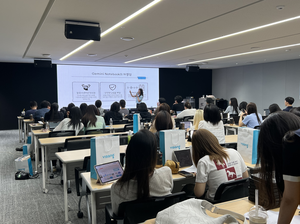
About 60 prospective, current teachers take part Participants share classroom management, AI and digital education experience Small-group sessions cover student teaching, school life Visang Education co-hosted the "2026 Banolim School Prospective Teacher Networking Camp" with Banolim School, an elementary school teachers' research group, at its headquarters in Guro-gu, Seoul, on Saturday, the company announced Tuesday. Banolim School is a teacher research group dedicated to developing educational content. Operating through two divisions — Banolim Contents School and Banolim Digital School — the group develops classroom materials, runs teacher training sessions and produces educational content. About 60 prospective and current teachers attended the roughly six-hour event, which featured sessions on classroom management, AI and digital education, and networking with working teachers. Current teachers shared their experiences managing classrooms and guiding student behavior, while prospective teachers tried out AI- and edtech-based lessons and explored related teaching and learning methods. Small-group networking sessions brought current and prospective teachers together for question-and-answer discussions on topics including student teaching practicums, classroom management and life as a teacher. Visang Education also showcased its textbooks, teaching support platform Vivasam and other educational content and edtech services at the event. "We hope this camp gave prospective teachers a chance to learn from the experiences of working teachers, get a feel for how education is changing and build the skills they will need as future educators," said Heo Bo-uk, head of Visang Education's Content Company. "We will continue to support prospective teachers as they prepare to take their first steps in the profession and stay connected with the field."
Sept. 8, 2026
-
80 firms advance to final round of innovation small-business competition with 117-to-1 odds
Final audition runs Sept. 7–10 at SVC Seoul in Mapo-gu 80 firms advance after document screening of 1,000, regional auditions of 534 TOP 11 to be named Thursday; finalists eligible for up to 40 million won in additional support Eighty companies have advanced to the final stage of this year's Innovative Small Business Development Program, which drew 9,422 applicants — meaning fewer than 1 percent of entrants made it to the final round. The Small Enterprise and Market Service said Tuesday it is holding the "2026 Innovative Small Business Final Audition" at SVC Seoul in Mapo-gu through Thursday. The event is designed to select the top 11 companies from among local businesses and high-growth small enterprises that have demonstrated potential based on regional resources and business ideas. SEMAS launched recruitment for the program in March. Of the 9,422 applicants, 1,000 were selected through a document review and each received a growth support grant of 3 million won ($2,210). Regional auditions in June narrowed the field to 534 companies, each of which received up to 60 million won in commercialization funding. After further evaluation, 80 companies — 20 local businesses and 60 high-growth small enterprises — advanced to the final audition. SEMAS said the overall competition ratio was approximately 117 to 1, with only 0.85 percent of the original 9,422 applicants reaching the final stage. At the audition, participating companies will present their business models and growth strategies. The top 11 will be selected and recognized on Thursday. All 80 finalists are eligible to receive up to 40 million won in additional commercialization funding based on their audition results. Follow-up support will also be extended to the 534 companies selected this year. SEMAS plans to provide mentoring, education and networking to help refine their business models, and will assist with connecting them to private investment and opening domestic and overseas distribution channels. The final audition takes place across multiple floors of SVC Seoul, located near Hongdae in Seoul, with programs running on the basement level, floors one through three, and the 11th floor. The basement level will host a local market featuring companies from eight regional zones across the country, while the first floor will hold a policy information booth and an exhibition of outstanding products. Participating companies will deliver their pitches on the second-floor stage. The third floor will house a consultation space staffed by experts in investment, financing, retail and management, and the 11th floor will host a "Local Insight Talk Show" featuring influencers and business leaders. "This final audition goes beyond selecting outstanding companies — it is a stage for discovering the potential of innovative small businesses that can grow into representative brands of South Korea," SEMAS Chairman In Tae-yeon said. "We will stand alongside them so their challenges can lead to even greater growth."
Sept. 8, 2026
-
Ministry selects 188 firms for K-export strategy program backed by CJ Olive Young, Musinsa
Selections span beauty, fashion, lifestyle and food sectors Program grew from 30 firms in 2024 to 80 last year to 188 this year CJ Olive Young, Musinsa, G-market, Lotte Mart to support overseas expansion South Korea's Ministry of SMEs and Startups has selected 188 companies across four consumer goods sectors — beauty, fashion, lifestyle and food — for its K-export strategy product program targeting overseas markets. A total of 983 companies applied, a competition ratio of roughly 5.2 to 1, with 19.1 percent of applicants making the final cut. The ministry announced Tuesday it had chosen the 188 firms as beneficiaries of its 2026 K-Export Strategy Product Development Program. The program identifies domestic consumer goods with strong growth potential and rising overseas demand, then supports their entry into foreign distribution networks and export expansion. The program has grown steadily since its launch. The ministry first selected 30 companies in the beauty and food sectors in 2024, expanded to 80 firms the following year by adding fashion and lifestyle categories, and has now reached 188 selections this year. The cumulative total across three years stands at 298 companies. This year, foreign consumers and global distribution experts evaluated applicants on innovation, global scalability and local competitiveness to determine the final list of supported companies. In the beauty category, Paquet — operator of the skincare brand Miksoon — was among those selected. The company has entered the United States, Japan and Southeast Asian markets with products including a fermented soybean extract essence, and plans to expand sales into Europe and Latin America. In the lifestyle category, Cocodor made the list. The company exports home fragrance products such as diffusers to more than 60 countries, with annual exports of around 10 billion won ($7.38 million). It plans to deepen its push into the global home fragrance market, drawing on its proprietary fragrance-blending technology and automated production facilities. Selected companies will receive sector-specific overseas expansion programs leveraging the infrastructure and networks of private retail partners. CJ Olive Young and Shinsegae department store will support the beauty category, Shinsegae and Musinsa the fashion category, G-market the lifestyle category, and Lotte Mart the food category. Selected firms will also receive priority access to the K-Brand Global Expansion Project and preferential treatment in government export support programs, including export vouchers, overseas certification assistance, and participation in international trade fairs and business consultations. "K-consumer goods, led by K-beauty, are establishing themselves as a new export engine," said Shim Jae-yun, the ministry's director general for global growth policy. "We will strengthen policy support so that the products of selected companies can grow into popular items representing Korea on the world stage."
Sept. 8, 2026
-
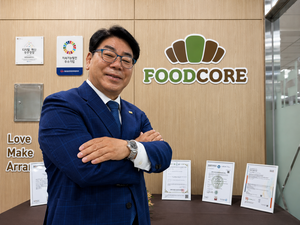
Foodcoa's cream buns head to US Costco stores in K-food export push
8 billion won export line bears fruit as first shipment sails for US on Sept. 14 Securing US mass-retail channel; company eyes 11,550-square-meter site, 20 billion won investment Survived near-insolvency during COVID-19; chairman targets top export bread maker in 5 years "For any food company, getting into Costco in the United States is the dream. The sheer volume is on a different level. We are now looking to compete overseas rather than at home." Kim Young-sik, chairman of Foodcoa, made the remarks Tuesday at the company's factory in Anseong, Gyeonggi Province, sharing news of the company's entry into US Costco stores. Foodcoa, which grew on the strength of its cream buns that became a hit in domestic convenience stores, is now poised to accelerate an export-driven growth strategy after breaking into a major American retail channel. Foodcoa's entry into US Costco is more than simply adding one overseas client. It is a test of whether the company has the production capacity, food safety standards and price competitiveness to supply a large-scale retail channel — and a successful launch could translate into sustained, high-volume orders. The company's decision last year to invest 8 billion won ($5.84 million) in expanding its production facilities and securing additional land for further scale-up was itself made with overseas markets, including the United States, in mind. "Costco is the retail channel every food company wants to get into," Kim said. "The market understands that supplying Costco means you have passed all kinds of conditions and tests. From a manufacturer's perspective, the most important thing is the sheer volume." The product Foodcoa will supply to US Costco stores is its cream bun. According to the company, the shipment is scheduled to depart by sea on Sept. 14. After maritime transit and customs clearance in the United States, sales at Costco stores are expected to begin in earnest from October. Kim said the company obtained FSSC 22000 certification — an international food safety management system standard — and met US distribution requirements. The starting point for Foodcoa's Costco push was a large-scale capital investment made last year. The company spent about 8 billion won to build an automated cream bun production line at its Anseong factory, adding capacity to produce roughly 100,000 cream buns a day. Foodcoa currently produces about 300,000 items a day across all product lines, and the new line was set up specifically to handle expanded export volumes. During a visit to the Anseong factory, the line was already running, producing items destined for US Costco stores. "Last year we spent 8 billion won to build a line that can produce an additional 100,000 units a day," Kim said. "It was built with US Costco in mind, and it is currently producing actual export volumes." Foodcoa's products have already been making inroads in overseas markets. Its bread is supplied to Taiwan, Vietnam, the Philippines and other parts of Southeast Asia, as well as to France, Germany and the United Kingdom. The company currently exports to 11 countries and plans to expand that list further. Foodcoa is already preparing its next round of investment. The company acquired an additional 3,300-square-meter plot adjacent to its existing 8,250-square-meter Anseong factory site, bringing the total to roughly 11,550 square meters. If export volumes continue to grow, the company plans to build a larger production line on the newly acquired land. The investment under consideration for the new facilities stands at about 20 billion won — a step up from the 8 billion won committed last year, contingent on how much export demand expands. "We expect the new site will need a larger production line than what we have now," Kim said. "We are thinking about roughly 20 billion won in capital investment, but we will decide on the scale after seeing how much export volume grows." Foodcoa posted consolidated sales of about 143 billion won last year. Its target this year is about 150 billion won. The strategy is to grow while maintaining profitability rather than chasing rapid top-line expansion. The company views its Costco entry less as a way to add a new sales outlet and more as an opportunity to secure stable export volumes and scale up production. "There are quite a few small and medium-sized enterprises that run into trouble by pushing purely for sales," Kim said. "We are moving in a direction that protects both sales and profit while growing steadily." The US market is also a proving ground where Foodcoa can validate overseas the cream bun manufacturing capabilities it has built up at home. While the company grew domestically through original design manufacturing, it is now cultivating its own brand, Swelly, in overseas markets to build greater independence in its export business. Kim's path to growth has not always been smooth. When COVID-19 spread, the factory halted operations for about a month, causing cash flow to deteriorate sharply. Kim described that period as being on the verge of a "profitable insolvency" — not because the company was in the red on paper, but because the production shutdown froze cash circulation to the point where he had to worry about paying for raw materials and employee salaries. "I had seen many companies go under because their earnings were bad, but that was the first time I felt that a company could face insolvency even while profitable, simply because cash flow broke down," Kim recalled. "We reached a point where we might not be able to pay suppliers for raw materials or pay our employees." He added that he pulled together funds from acquaintances and personal connections to get through the crisis, and repaid every won borrowed within a year. What allowed Kim to repay those debts so quickly was, above all, the cream bun. Foodcoa had developed a production technology that allows a large amount of cream to be packed into each bun without it bursting, and used that edge to expand domestic sales. The company that once fought for survival during COVID-19 has since reached the stage of adding production lines and weighing a further 20 billion won investment to supply the same product to a major US retail chain. The long-term goal is equally export-focused. Asked what kind of company he wants Foodcoa to be in five years, Kim said: "Just as Samyang Foods grew enormously overseas with its Buldak Bokkeum Myeon, I believe Foodcoa can become a domestic leader through overseas expansion. Rather than competing with large companies at home, our goal is to grow into a globally competitive company by riding the K-food wave abroad."
Sept. 7, 2026
MOST READ
- 1KAIST develops high-performance bio-based adhesive using E. coli instead of petroleum
- 2Pope Leo XIV declines French honors and banquet, accepts only private meeting with Macron
- 3Daimler Truck unveils next-generation transport solutions at IAA 2026
- 4What was Rachmaninoff's performance fee? A 1928 price list tells all
- 5Samsung Biologics union's show of force backfires at the bargaining table
- 6APR says hair-loss treatment research published in international journal
-
WORLD

US warns of punishment for anyone enabling Iran's Strait of Hormuz toll scheme
-
INDUSTRY
Toyota union puts productivity first; Hyundai Motor union demands bigger share of profits
-
FINANCE
National Growth Fund to invest $531M in FuriosaAI, which rebuffed Meta's $800M takeover bid
-
INDUSTRY
Korea Shipowners' Association holds amateur baduk tournament for Maritime Day