
- HOME
- SMB·BIO
-

Five agencies unite to tackle gambling problems among troops and youth
18th Anti-Gambling Addiction Day ceremony held in Seoul Speculative Industries Supervisory Commission, Defense Ministry, FSC, Financial Supervisory Service and Korea Center on Gambling Problems join forces on military gambling issues The Speculative Industries Supervisory Commission held the 18th Anti-Gambling Addiction Day ceremony at the National Library of Korea's international conference hall in Seoul on Thursday, announcing a new cooperative framework with partner agencies to prevent and treat gambling problems among military personnel. The commission designates Sept. 17 — its founding anniversary — as Anti-Gambling Addiction Day and holds an annual ceremony to raise public awareness and strengthen social cooperation on prevention and recovery. This year's event focused on linking the functions of relevant agencies in response to growing access to illegal gambling through smartphones and online platforms, covering everything from preventive education for troops to early detection, counseling, treatment, and financial and debt support. Five agencies — the Speculative Industries Supervisory Commission, the Ministry of National Defense, the Financial Services Commission, the Financial Supervisory Service and the Korea Center on Gambling Problems — signed an MOU on supporting the prevention, treatment and recovery of gambling problems among military personnel. Under the agreement, the commission will oversee policy coordination and support-system linkages among the agencies, while the Defense Ministry will cooperate on preventive education and awareness campaigns for troops and on early detection of gambling problems within the military. The FSC and the Financial Supervisory Service will strengthen counseling on gambling-related financial and debt issues and expand one-stop referrals for victims of illegal private lending, while the Korea Center on Gambling Problems will provide professional counseling and treatment and recovery services. The five agencies plan to work through follow-up consultations to flesh out specific measures, including preventive education and awareness campaigns targeting troops, early detection and referral to professional counseling, treatment and aftercare support, financial and debt counseling and referrals, and information sharing and joint cooperative projects among the agencies. Cases of secondary harm — such as illegal private lending and unlawful debt collection — are increasingly affecting people seeking funds for gambling. The agencies expressed hope that the partnership would help troops recover quickly by addressing not only gambling treatment and rehabilitation but also related financial problems, including illegal lending and overdue debts. Participating agencies also adopted a joint declaration on preventing gambling problems among young people, pledging to reduce youth exposure to illegal online gambling and to strengthen coordinated efforts to detect problems early and connect those affected with the support they need. The ceremony included the presentation of commendations from the minister of culture, sports and tourism and the commission chairman to individuals who contributed to gambling prevention and treatment, as well as an awards ceremony and screening for winners of a 29-second short-form video contest. The second part of the ceremony featured a policy forum on the current state of gambling problems among military personnel and the direction of future responses. The forum included presentations on the situation and policy approaches, as well as accounts of actual recovery cases. A panel discussion and question-and-answer session with prevention and treatment experts followed, examining the roles of relevant agencies and avenues for cooperation. Participants agreed that effectively addressing gambling problems among troops requires more than basic preventive education. They called for a phased response system that detects problems early within the military, connects service members with professional counseling and treatment, and provides support for financial and debt issues where necessary. Participants particularly emphasized the need to create an environment in which service members can seek counseling and support without hesitation, given the nature of military organizations. They also stressed the need to strengthen coordination among agencies so that counseling and treatment begun during military service are not interrupted after discharge. The commission said the agreement extends a youth gambling prevention framework established in May during "Youth Gambling Problem Prevention Week," when six agencies built a cooperative system targeting adolescents, now expanding it to cover the military service stage. The intent is to create a more comprehensive response to gambling problems spanning both adolescents and young adults by linking prevention education and early intervention for teenagers with treatment and recovery support for those already serving in the military. The commission said it plans to continue working-level consultations with partner agencies to refine support procedures and referral pathways, and to keep improving the cooperative framework so that troops can access preventive education, counseling, treatment, and financial and debt support when they need it. "Protecting military personnel from online gambling requires not just preventive education but a seamless connection among early detection, counseling and treatment, and financial and debt support," commission Chairman Choi Byung-hwan said. "We will push ahead with follow-up measures without delay so that this agreement becomes the starting point for linking each agency's support into a single system." He added that the commission would strengthen cooperation with partner agencies to ensure that prevention policies begun in adolescence carry through to the military service stage, and work to build a social protection framework that keeps young people safe from gambling problems.
Sept. 17, 2026
-
Small business groups seek direct talks with Baemin, Coupang Eats over fee cuts
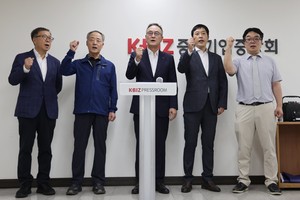
5 groups launch private consultative body with delivery platforms Demand cuts to brokerage fees, delivery charges; call for fairer terms Move follows Fair Trade Commission's rejection of consent orders in June Five small business associations said Thursday they plan to open direct negotiations with online food delivery platforms, bypassing regulatory and legislative channels to push for lower brokerage fees and delivery charges at a private bargaining table. The Korea Federation of Micro Enterprises, the Korea Merchants Federation, the Korea Food Service Industry Association, the Korea Franchise Industry Association and the Korea Cafe Owners Cooperative announced the formation of a private consultative body at a press conference Thursday at the Korea Federation of SMEs in Yeouido, Seoul. Through the body, the five groups plan to discuss fee structure reforms, improvements to what they described as unreasonable platform terms, and joint goodwill campaigns with major delivery platforms. They called on the platforms to come to the table with concrete proposals that include cuts to brokerage fees and delivery charges. The groups' decision to pursue direct negotiations was prompted by the Korea Fair Trade Commission's rejection in June of consent order applications filed by Baemin and Coupang Eats. The Fair Trade Commission declined to accept the applications and opted instead to proceed with formal sanctions. At the time, Baemin proposed a goodwill support package worth around 300 billion won ($219 million), while Coupang Eats offered around 60 billion won. A consent order is a regime that allows a company under investigation to propose its own remedies — such as compensation or market-conduct improvements — in exchange for the Fair Trade Commission closing the case without a formal ruling on whether the law was violated. The small business groups argued that a prolonged formal sanctions process would make it difficult to reduce costs for merchants in the near term. In a joint statement, the five groups said that what small business owners on the ground urgently need is "not judicial punishment in the distant future, but cost savings starting tomorrow and support measures they can actually feel." They added that they intend to resolve issues related to delivery apps "through equal private cooperation and voluntary dialogue." The groups also noted that fines collected through sanctions flow into the national treasury, meaning penalties alone would not translate into direct compensation for affected shop owners. They called on the government and the National Assembly to provide administrative and institutional support to ensure that any agreements reached through private negotiations can be applied in practice. Unlike previous government-led consultative bodies, the new group places direct negotiations between small business associations and the platforms at the forefront. The government had earlier launched a similar body in 2024 as a follow-up to its comprehensive support measures for small businesses and self-employed workers, bringing together Baemin, Coupang Eats, Yogiyo and Ddaenggyeoyo alongside merchant associations. Ko Jang-su, chairman of the Korea Cafe Owners Cooperative, said that even selling a single beverage or dessert leaves cafe owners with little profit once platform fees and delivery charges are deducted. He demanded cuts to brokerage fees and delivery charges, and called for an end to unfair practices including preferential treatment for the platforms' own services, so-called "flag planting" — the practice of paying to dominate search results in multiple delivery zones — and coercive advertising fees. The five groups warned that if the consultative body fails to produce timely goodwill measures, they will pursue additional action, including legal remedies. "Platform companies must join the official dialogue table with concrete proposals for reasonable fee reforms and support for shop owners," they said.
Sept. 17, 2026
-
SK Biopharm acquires Parkinson's drug candidate in deal worth up to W430.8b
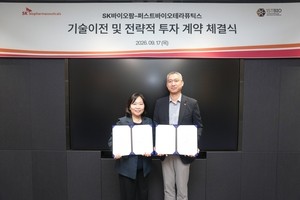
Company licenses disease-modifying treatment candidate from First Bio Therapeutics, takes equity stake Dual-target oral inhibitor marks first result of open-innovation push Deal signals expansion beyond epilepsy into broader neurodegenerative disease space SK Biopharm is moving to expand its central nervous system pipeline through open innovation, securing a disease-modifying treatment candidate for Parkinson's disease — an area with significant unmet medical need. The company announced Thursday that it has signed a license agreement with drug development biotech First Bio Therapeutics to acquire global exclusive rights to develop and commercialize a Parkinson's disease treatment candidate, along with a strategic equity investment of 3 billion won ($2.19 million) in the firm. The total value of the license agreement reaches up to approximately 430.8 billion won. The deal comprises an upfront payment of 2.5 billion won, development and commercialization milestone payments of up to 72.5 billion won, and sales-based milestones of up to $260 million. Royalties on net sales following commercialization will be paid separately. The acquired compound is a small-molecule oral drug candidate that simultaneously inhibits Type 2 LRRK2 and c-Abl — two key drivers of Parkinson's disease pathology. It is designed to address endolysosomal dysfunction and alpha-synuclein accumulation, with the goal of becoming a first-in-class disease-modifying therapy that slows or halts disease progression rather than merely managing symptoms. First Bio Therapeutics will lead preclinical candidate selection, while SK Biopharm will pursue subsequent development steps including an investigational new drug application. The deal marks SK Biopharm's first major move into neurodegenerative disease, leveraging the global commercial infrastructure and clinical capabilities it built around cenobamate, its breakthrough epilepsy drug, to push into new CNS territory. It is also the first candidate brought in through SK Biopharm's Open Innovation Center, signaling that the company's "East-West Bridge" strategy — an open R&D model aimed at identifying promising early-stage pipeline assets in Asia and advancing them into global markets — has moved into full operation. "This agreement is a concrete example of our East-West Bridge strategy, expanding our CNS portfolio through open innovation while connecting promising Asian candidates to global markets," SK Biopharm President Lee Dong-hoon said. "We will use our accumulated development capabilities and global partnerships to enhance the value of this candidate and explore the potential of next-generation disease-modifying therapies that intervene in disease progression itself." Kim Jae-eun, chief executive of First Bio Therapeutics, said the partnership carries significant weight because it combines her company's early-stage drug development capabilities with SK Biopharm's global development and commercialization expertise. "We will focus all our efforts to ensure the subsequent development proceeds successfully," she added.
Sept. 17, 2026
-

Spray-on fire-resistant insulation set to make underground parking lots safer
Building code amendment requiring non-combustible insulation in underground garages clears National Assembly Hyundai L&C's EcoSpray stands as the only domestic spray-type product meeting the new standard A spray-on non-combustible insulation product is expected to bolster fire safety in underground parking garages, where installation ease has long been a challenge. A building code amendment requiring that insulation materials used in underground parking garages meet non-combustible standards has cleared the National Assembly and is awaiting promulgation. Non-combustible is the highest fire-safety rating for construction materials, granted only to products that resist ignition, suppress the spread of fire and minimize the release of toxic gases. Hyundai L&C says its EcoSpray is the only non-combustible insulation product on the domestic market that meets the legal requirements. The spray-type product can be applied regardless of spatial constraints, and its glass wool composition earned it the top rating in both thermal insulation and non-combustibility assessments. Most non-combustible insulation products on the market come in rigid board form, making application on irregular surfaces difficult. Used alone, they also tend to fall short of statutory insulation standards. EcoSpray, by contrast, adheres directly to surfaces when sprayed, filling gaps completely. It meets insulation requirements on its own and received a Grade A rating — the highest thermal insulation classification, with a thermal conductivity of 0.034 W/mK — from the Korea Conformity Laboratories. Its non-combustibility rating was certified by the state-accredited FITI Testing and Research Institute. The product showed almost no combustion when exposed to temperatures above 700 degrees Celsius for 20 minutes, the company said. It also performed more than 60 percent above the acceptable threshold in toxic gas emission tests conducted under fire conditions. It also received a Grade 1 sound absorption rating (NRC 0.94) from the Korea Conformity Laboratories, confirming its effectiveness in absorbing vehicle and mechanical noise inside parking structures. "Inquiries about installation have increased sharply since July and August," Hyundai L&C said. "EcoSpray sales through August this year rose 31 percent compared with the same period last year."
Sept. 17, 2026
-

Kyung Dong Navien heat pump wins top prize at North American energy efficiency competition
Dual-fuel design pairs 120V heat pump with gas combustion NXW700 takes top honor at CEE's 2026 Integrated Home Competition 50-gallon capacity, UEF 3.80 rating; works with existing wiring Kyung Dong Navien has won the top prize at a North American energy efficiency competition with a water heater that combines an electric heat pump and a gas combustion system in a single unit. The company is targeting the North American water heater market with the "dual-fuel" design, which works within electrification policy frameworks while still making use of existing gas infrastructure. Kyung Dong Navien said Thursday that its NXW700 dual-fuel heat pump hybrid water heater took the grand prize at the 2026 Integrated Home Competition held in the United States. According to the Consortium for Energy Efficiency, which organized the competition, 26 electric and natural gas-based products advanced to this year's final round, with five selected as winners. The NXW700 was the sole grand prize recipient. The NXW700 uses a 120V plug-in electric heat pump as its primary heat source and activates a high-efficiency gas combustion system as a supplementary source when hot water demand rises. Kyung Dong Navien said it is the world's first dual-fuel hybrid water heater to combine a 120V electric heat pump and a gas combustion system in a single unit. Kyung Dong Navien sells its NPE series of condensing water heaters in the North American market and is expanding its water heater lineup by adding the NXW700 alongside the electric heat pump water heater NPW500. The NXW700 is scheduled for release in the first quarter of 2027. "Building on the strong sales performance of the NPE condensing water heater in North America, we will continue to grow in the local market through the NPW500 and NXW700 electric heat pump water heaters," said Kim Taek-hyun, head of Kyung Dong Navien's US operations.
Sept. 17, 2026
-
Coway to launch microbial food waste processor this month, backed by Seoul National University technology
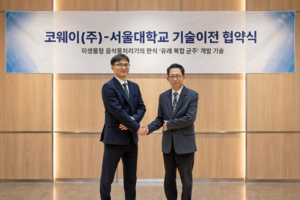
Industry-academia partnership since 2023 — microbes sourced from traditional fermented foods Microbial model to follow grinder launch in May, expanding food waste processor lineup Competition heats up with Minix, Cuckoo — Coway bets on rental service edge Coway is pushing deeper into the food waste processor market after acquiring microbial decomposition technology co-developed with Seoul National University. Having launched a dry-grind model in May, the company will add a microbial model by the end of this month, giving it a two-pronged product lineup. Coway announced Thursday that it has signed a technology transfer agreement with Seoul National University covering microbial mixed-strain technology for food waste decomposition, developed through an industry-academia partnership. The two sides have conducted joint research since 2023 to identify microbial strains suited for food waste processors. In the process, they developed technology to screen and evaluate microbes found in traditional fermented foods for their ability to break down organic waste. The research was led by a team under Professor Kang Dong-hyun of Seoul National University's College of Agriculture and Life Sciences. The team analyzed factors that promote or inhibit microbial growth and selected strains capable of maintaining decomposition performance under conditions typical of Korean food waste — high salt and moisture content, with solids and liquids mixed together. The selection criteria included enzymatic activity for breaking down proteins, carbohydrates, dietary fiber and fats. Coway said the technology transfer gives it the in-house capability to screen and cultivate decomposition strains suited to food waste processing environments. The technology will be applied to the Zero Food Waste Processor Microbial Model, set for release by the end of this month. The product uses microbes inside the unit to continuously decompose and reduce food waste, and is designed for immediate use after installation with no waiting period for microbial cultivation. It can process up to 0.7 kilograms per day, and residual byproduct needs to be removed in small amounts every one to three months. Coway entered the food waste processor market in May with the launch of the Zero Food Waste Processor Grinder Model in 2-liter and 3-liter capacities. That product dries and grinds food waste using high-temperature heating at 150 degrees Celsius and a four-blade mechanism. With the microbial model joining the lineup, Coway will offer both types. Competition in the food waste processor market is intensifying as rivals expand their ranges by type and capacity. Cuckoo sells both a dry-grind model and a 12.5-liter microbial model. Minix has said it held about a 30 percent share in a 2025 nationwide online and offline sales survey by market research firm NIQ Korea, and is expanding its dry-grind lineup from 1.5 liters to 3 liters. For Coway, an additional differentiator is its ability to extend the in-home service network it has built around water purifiers and air purifiers to cover food waste processors as well. The new microbial model will offer customers a choice between professional servicing and self-management, and rental customers will receive complimentary microbial agent refills. "This is an industry-academia case where eco-friendly foundational technology, verified through rigorous cultivation analysis, has been transferred to Coway," Professor Kang said. "I hope it leads to a solution that addresses food waste disposal in a hygienic and environmentally responsible way." A Coway official said the company has secured microbial development capabilities in the food waste processor segment through the transfer of Professor Kang's core technology, adding that it plans to continue introducing next-generation food waste processors incorporating the related expertise.
Sept. 17, 2026
-
When companies wobble, owners come back: KleanNara, Cuchen and Eduwill's return to founder control
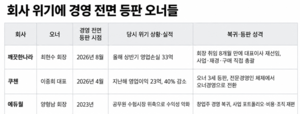
KleanNara's Choi Hyun-su, Cuchen's Lee Jung-hee step in amid weak earnings Eduwill posts back-to-back profits after founder's return; Kumho Petrochemical also rebounds Owner comeback is no cure-all — Woongjin had to resell Coway within a year When earnings weaken and growth stalls, some companies pull their owners back to the helm, taking the baton from the professional managers they had trusted to run the business. Proponents say owner-led management cuts decision-making layers and allows long-term investment to be pushed through. Critics warn that the checks on poor judgment can weaken at the same time. That tension is why a fresh wave of "owner returns" at mid-sized Korean companies is drawing attention. KleanNara's third-generation owner Choi Hyun-su resumed the role of chief executive in August, according to industry sources. Choi had stepped down as CEO when he was named chairman last December, but returned to the top executive post on Aug. 11 — roughly eight months later. The company now operates under a co-CEO structure in which Choi oversees business, finance and procurement, while co-CEO Lee Dong-yeol handles the Cheongju factory and human resources. The company said the management restructuring was intended to accelerate decision-making and execution and to translate its medium- to long-term growth strategy into tangible results. The move is widely seen as a response to deteriorating earnings. KleanNara posted sales of 508.2 billion won ($371 million) and an operating loss of 22.6 billion won in 2025, marking three consecutive years of operating losses since 2023. A downturn in the white paperboard market, compounded by intensifying competition in the household goods segment, weighed on results. The company recorded an operating loss of about 3.3 billion won in the first half of this year as well. Under Choi's leadership, KleanNara is pushing beyond its core toilet paper and hygiene products. In July the company entered the detergent market with three laundry capsule products and a dishwasher tablet, and in August it launched industrial wipes and hand sanitizers targeting hospitals and hotels under its B2B brand KleanNara PRO. The company is also expanding overseas. In the United States, it has begun supplying its toilet paper brand Sunsu Soft through a local distributor, and it jointly developed an organic cotton cover sanitary pad exclusively for the US market with American health products company MaryRuth's. Cuchen made a similar choice. Lee Jung-hee, the third-generation owner of Bubang Group, took office as Cuchen's CEO in April, shifting the company from a professionally managed structure to owner-led management. Shortly after taking office, he unveiled a "Vision 2026" declaration at the Cheonan factory, placing new growth drivers and stronger product competitiveness at the center of the agenda. The earnings picture has been difficult. Cuchen posted sales of 273 billion won and operating profit of 9.8 billion won in 2016, but sales shrank to 150 billion won in 2025. Operating profit last year came to 2.37 billion won, down 40 percent from the previous year. First-quarter sales this year fell to 37.9 billion won, down 7.7 percent from 40.8 billion won in the same period a year earlier. That puts revenue at roughly half the level of a decade ago. The slowdown in the rice cooker market alone does not fully explain the decline. While rivals expanded into rental services and home appliances, Cuchen remained comparatively dependent on rice cookers. Since Lee took the helm, Cuchen has been moving quickly to broaden its product lineup beyond rice cookers. Its "Vision 2030" plan, announced in April, set a target of more than doubling sales by 2030 and positioned the company as a smart kitchen solutions provider. New products have followed in rapid succession: an induction cooktop in May, a food waste processor called Zero Fit in July, four new refrigerator models in August, and both steam and ultrasonic humidifiers in September. The trajectory points clearly toward expanding from rice cookers into kitchen appliances and then into broader home appliances. There are cases where an owner's return has translated into real earnings improvement. At education company Eduwill, founder Yang Hyung-nam came back in 2023 and restructured the business portfolio and cost base. Sales eased to about 82.6 billion won in 2024, but the company swung to a profit with operating income of 4.9 billion won. Last year it recorded sales of 82.3 billion won, operating profit of 6.4 billion won and net profit of 3.8 billion won — a second consecutive year in the black. It is a case where a strategy that prioritized profitability over top-line growth showed up in the numbers. Under Yang's leadership, Eduwill is restructuring its business to reduce reliance on exam-preparation education. The new growth pillars in its "Eduwill Vision 2036," unveiled this year, are AI, senior learners and global expansion. The plan is to leverage the content and membership base built through its existing civil service and professional certification programs while broadening its target audience to include middle-aged adults seeking reemployment, corporate clients and overseas talent. In AI, the company is expanding curricula for teachers and job seekers, and is pursuing corporate AI training and digital transformation consulting as separate new businesses. An owner's return is no guarantee of a turnaround, however. Woongjin Group Chairman Yoon Suk-keum offers a cautionary example. In the course of rebuilding the group, Woongjin reacquired Coway — once a core affiliate — in 2019, only to find that the enormous financing burden became a crippling liability. Woongjin was forced to sell Coway again less than a year after completing the purchase.
Sept. 17, 2026
-

South Korea to cultivate 'K-pharma biotech frontier' companies
Full-cycle support from candidate development through clinical trials and commercialization R&D, investment, guarantees and global expansion linked; field opinions gathered The government plans to identify promising small and venture companies in the pharmaceutical biotech sector and build a coordinated support system covering the entire process — from candidate compound development through clinical trials, commercialization and global market entry. The Ministry of SMEs and Startups and the Ministry of Health and Welfare held a meeting Thursday with small and venture companies in the pharmaceutical biotech sector at Lunit in Gangnam-gu, Seoul, to discuss the key details and direction of the "K-Pharma Biotech Frontier Company Development Plan." Attendees included First Vice Minister of SMEs and Startups Noh Yong-seok and Second Vice Minister of Health and Welfare Lee Hyung-hoon, along with eight executives from small and venture companies in drug development, digital health and medical devices, and bio-materials and production technology. The two ministries plan to identify promising small and venture companies with growth potential and technological capability, and build a support framework linking the necessary policy tools to each company's stage of growth and specific needs. In particular, the ministries intend to go beyond supporting individual research and development projects, aligning policy tools from both agencies along a company's full growth path — from technology development through clinical trials and validation, commercialization, investment and guarantees, and global expansion. Even when pharmaceutical biotech venture companies succeed in developing a technology, they must clear multiple stages — clinical trials, product approval and commercialization — making uninterrupted support throughout the growth process critical. Participants at the meeting said the financial and staffing burden grows heavier as drug development advances. In the clinical trial phase in particular, the scale of funding required increases sharply and collaboration with specialists and medical institutions becomes essential. The government's move to link policy across clinical trials, investment and commercialization — rather than limiting support to individual R&D projects — reflects these industry-specific characteristics. The two ministries plan to combine their respective policy tools and areas of expertise. The Ministry of SMEs and Startups will contribute its capabilities in identifying and nurturing promising small and venture companies and supporting startups, R&D, investment and commercialization, while the Ministry of Health and Welfare will bring its pharmaceutical biotech expertise and clinical and commercialization support infrastructure. The two ministries jointly announced a "full-cycle pharmaceutical biotech venture collaboration plan" in March to address obstacles at each stage of growth for pharmaceutical biotech venture companies. They now intend to expand inter-ministerial cooperation through the K-Pharma Biotech Frontier Company Development Plan. "We will actively support promising companies in growing from technology development through clinical trials, commercialization and entry into global markets by combining the Ministry of SMEs and Startups' R&D, investment and commercialization capabilities with the Ministry of Health and Welfare's pharmaceutical biotech expertise," First Vice Minister Noh said. "We will work closely with the Ministry of SMEs and Startups, drawing on feedback from the field, to put in place an effective support system," Second Vice Minister Lee said.
Sept. 17, 2026
-

SMEs call for halving supplier payment deadline to 30 days
Korea Federation of SMEs hosts forum on shortening payment deadlines Average payment period over past 3 years: 27.4 days; 66% paid within 30 days Corrugated cardboard industry warns of up to 90-day waits; calls for low-interest financing South Korea's small and medium-sized enterprise community is calling for the statutory deadline for settling supplier payments to be cut in half — from 60 days to 30 — arguing that actual business practice already aligns with the shorter timeframe, with roughly two-thirds of payments already made within 30 days. The Korea Federation of SMEs said Thursday it held a forum at its Yeouido headquarters in Seoul to discuss ways to shorten the legal payment deadline for supplier invoices from 60 days to 30. Under the current Act on the Promotion of Mutually Beneficial Cooperation Between Large Enterprises and Small and Medium Enterprises, ordering companies are required to set a payment date within the shortest period possible, not exceeding 60 days from the date of delivery. If no payment date is set, or if one is set beyond 60 days, the deadline automatically falls 60 days after delivery. Oh Ki-woong, standing vice chairman of the Korea Federation of SMEs, said small businesses must front production costs such as raw materials and then wait a considerable time before receiving payment. "Since 78.6 percent of companies surveyed identified 30 days or less as the appropriate payment deadline, the statutory limit needs to be shortened to reflect what is actually happening on the ground," he said. A survey the federation released last month also found that seven in 10 small and medium-sized enterprises believed a shorter payment deadline would benefit their operations. Baek Hun, a researcher at the Korea Institute for Small and Medium Enterprises and Startups who presented at the forum, said an analysis of corporate transaction data showed the average payment period over the past three years was 27.4 days, with 66 percent of payments settled within 30 days. The gap between the legally permitted maximum of 60 days and actual business practice is wide, he said. Participants also noted that when the timing of tax invoice issuance is factored in, small businesses can wait far longer than the statutory deadline before actually receiving payment. Ju Seon-gwan, a director at the Korea Corrugated Cardboard Packaging Industry Cooperative, said goods delivered at the start of a month are often invoiced only at month's end, with payment following 30 to 60 days after that — meaning actual collection can take up to 90 days. Meanwhile, payments for raw materials must be made within 30 days, creating a cash-flow gap between when receivables are collected and when suppliers must be paid. Ju warned that simply shortening the deadline could prompt workarounds — such as delaying tax invoice issuance or using electronic promissory notes to push back the actual cash payment date — and called for low-interest financing support for SME purchasing costs to accompany any legislative change. Attorney Jeong Jong-chae of law firm Jeongbak said the current 60-day rule, though intended as a maximum, risks being treated in practice as a standard payment term. "The 60-day limit is the legal ceiling, but in the field it can be perceived as the norm," he said. "The benchmark needs to be moved forward by cutting it to 30 days." Legislative discussions are already under way. Democratic Party lawmaker Heo Seong-mu introduced a bill in June to reduce payment deadlines under both the Subcontracting Act and the Mutually Beneficial Cooperation Act from 60 days to 40. The 30-day target proposed by the SME community Thursday is 10 days shorter than that bill. The Korea Federation of SMEs said it plans to submit recommendations to the government and the National Assembly based on the forum's discussions, covering both the deadline reduction and support measures to help embed the new system.
Sept. 17, 2026
-
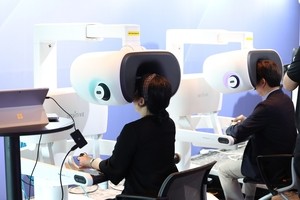
Robot surgery cuts conversion-to-open rate by 54% vs. laparoscopy, meta-analysis of 13.9 million patients finds
Study spanning 32 countries and 15 years published in international surgical journal Robot-assisted procedures shorten hospital stays and return-to-work timelines Complication and infection risks reduced; operating time longer than conventional methods A large-scale global meta-analysis has found that robot-assisted surgery significantly improves patient outcomes in benign (non-cancerous) disease procedures compared with conventional laparoscopic and open surgery. Intuitive Surgical Korea announced Thursday that a meta-analysis consolidating data from approximately 13.9 million patients with 13 major benign conditions had been published in the international surgical journal Annals of Surgery Open. The research analyzed 366 clinical and cohort studies published across 32 countries from 2010 to 2024, making it the largest comparative study of surgical approaches for benign diseases on record. The analysis found that da Vinci robot-assisted surgery reduced the likelihood of intraoperative conversion to open surgery by 54 percent compared with laparoscopic surgery. The risk of blood transfusion fell by 13 percent, average hospital stays shortened by about four hours, and return-to-work timelines were cut by roughly two days. Postoperative pain scores and analgesic use were also lower. However, average operating time was about 24 minutes longer for robotic procedures, and there were no statistically significant differences in complication rates, infection rates or 30-day mortality. The advantages were more pronounced when robot-assisted surgery was compared with open surgery. The robotic group showed a 69 percent lower likelihood of blood transfusion, a 46 percent reduction in 30-day complication risk and a 60 percent lower risk of surgical site infection. Hospital stays shortened by about two days and return to daily activities came roughly five days sooner, while the likelihood of analgesic use within 30 days fell by 37 percent. Operating time was on average 46 minutes longer than with open surgery. The study is significant for extending the evidence base for robotic surgery — previously concentrated on complex oncological procedures — into the broader realm of benign disease using large-scale real-world evidence, establishing objective benchmarks for earlier patient recovery and more efficient use of medical resources. Jamie Wong, chief medical officer at Intuitive, called it "a comprehensive analysis that consolidates the evidence on benign disease surgery previously scattered across hundreds of individual studies," adding that it "will serve as an important clinical reference for clinicians and patients as they discuss and decide on the best course of treatment."
Sept. 17, 2026
-
4 in 10 SMEs struggle with cash ahead of Chuseok, survey finds
Average funds needed per firm reach 256.45 million won; shortfall is 22.8% of total 40% report tighter finances than last Chuseok; weak sales cited by 71.5% 33.3% face difficulties borrowing from banks; 85.1% plan no extra holidays Small and medium-sized enterprises face an average shortfall of 58.48 million won ($42,700) ahead of this year's Chuseok holiday, with four in 10 firms saying their financial situation has worsened compared to last Chuseok, a survey showed Thursday. Sluggish sales, rising raw material costs and tight bank lending conditions were cited as the main obstacles to securing funds. The Korea Federation of SMEs released the results of its "2026 SME Chuseok Funds Demand Survey" Thursday, based on responses from 1,000 small and medium-sized enterprises surveyed from Sept. 1 to Sept. 7. The sample included 600 small merchants, 100 small enterprises and 300 medium-sized enterprises, split evenly between manufacturing and non-manufacturing sectors at 500 firms each. The survey found that firms need an average of 256.45 million won per company for the Chuseok period this year, of which an average of 58.48 million won remains unsecured — about 22.8 percent of total funds needed. Some 40.0 percent of respondents said their financial situation was more difficult compared to last Chuseok, while 12.9 percent said conditions were favorable. The remaining 47.1 percent said their situation was unchanged from a year earlier. Among firms reporting tighter finances, weak sales and revenue were the most commonly cited reason at 71.5 percent, followed by rising raw material and component costs at 59.5 percent, higher labor costs at 21.8 percent and delayed payment collection at 12.8 percent. Respondents could select multiple answers. To cover the shortfall, firms said they were accelerating payment collection from buyers or taking on additional debt. Early collection of outstanding payments was the most common approach at 40.6 percent, followed by borrowing from financial institutions at 38.3 percent and deferring their own payments at 29.9 percent. Access to financing through banks and policy lenders also remained strained. Some 27.0 percent of respondents said borrowing conditions through banks and policy financial institutions had become more difficult than last Chuseok — more than double the 12.6 percent who said conditions had improved. Another 60.4 percent said conditions were similar to a year ago. A third of firms — 33.3 percent — said they encountered difficulties securing bank loans. High lending rates were the biggest obstacle, cited by 56.5 percent of those respondents, followed by insufficient loan limits at 41.1 percent and tightened collateral requirements at 22.5 percent. Some 45.1 percent of firms said they planned to pay Chuseok bonuses, while 38.5 percent said they would not and 16.4 percent had yet to decide. Among companies paying bonuses as a percentage of base salary, the average payout was 37.7 percent of basic pay, while firms paying fixed-amount bonuses
Sept. 17, 2026
-
B2EN expands into automotive imaging, semiconductor sectors
Through management stake acquisition via third-party rights offering in NCN B2EN, an AI and big data company, is pushing to expand into automotive imaging and semiconductor sectors. The company announced Thursday it is pursuing a management stake acquisition in NCN, which operates automotive semiconductor and dashcam businesses. B2EN plans to participate in NCN's third-party rights offering to acquire 2.5 million new shares for 6.25 billion won ($4.57 million). Once the acquisition is complete, B2EN will hold a 27.7 percent stake in NCN. NCN is also a major shareholder of Nextchip, an automotive image recognition semiconductor company, holding a 23 percent stake as of the end of June. B2EN has been expanding primarily in data management, analytics and AI. "We plan to explore new business opportunities that can respond to the software and AI transformation of the automotive industry by linking NCN's automotive imaging business with our data and AI technology," the company said.
Sept. 17, 2026
-
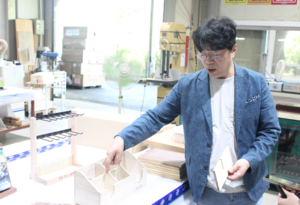
'AI can't replicate the craftsman's touch': How Paju's artisans are reinventing offline marketing
BTL specialist Valuepoint handles everything from concept to installation under one roof Planning, design, precision fabrication, installation and storage all kept in-house Skilled veterans of 20 years add the details automation cannot — global brands have taken notice MRO retail synergy fuels push for 100 billion won in sales this year On Friday, this reporter visited the Valuefactory — the production center of BTL marketing specialist Valuepoint — nestled in the Heyri arts village in Paju, Gyeonggi Province. The facility sits close enough to the front line that the North Korean hillside beyond the Imjin River is visible to the naked eye. Carved out of a wooded hillside in 2016, the complex spans 8,250 square meters. Inside the factory, advertising structures and props produced by Valuepoint are packed so tightly that the space resembles a transplanted shopping mall. Display fixtures from globally recognized brands and pop-up store furnishings for domestic companies fill the hall — objects consumers encounter every day, gathered in one place. Stepping into the workshop, visitors are hit by the acrid heat of heating elements and lasers melting acrylic sheets, and the sharp smell of organic solvents drifting from the silk-screen room. Large industrial fans stationed throughout the factory run without pause, cooling the heat thrown off by wide-format flatbed printers and laser-cutting machines. Most consumers are familiar with traditional above-the-line advertising — television, newspapers and the like — but Valuepoint's core business, BTL (below-the-line) marketing, is less well known. BTL covers the full range of offline, in-person marketing: retail shelf displays, pop-up store environments, outdoor signage and product-sampling events — anywhere consumers engage with a product through their senses. While most small operators take on only a single process — signage, large-format printing or acrylic fabrication — Valuepoint has built a one-stop total service running from in-house design and engineering at its headquarters through large-scale fabrication at the Paju factory, nationwide delivery and installation, and post-campaign storage and disposal. On the production floor, CNC equipment and precision lasers cut sheet materials without a millimeter of error, while skilled technicians apply heat and use their fingertips to bend panels to exact angles. Silk-screen printing — where a craftsman pushes ink by hand to achieve vivid colors that machine printing struggles to match — and traditional woodworking joinery that locks pieces together with interlocking grooves rather than nails are visible throughout the floor. In a licensed spray booth equipped to automotive-paint standards, workers in respirators apply uniform coats of color to signage. Valuepoint's edge lies in the accumulated detail of long experience. The company translates a client's management philosophy and brand identity into something consumers can grasp intuitively — and then actually builds it. Lee Byeong-ryeol, head of the production center, said acrylic and metal fixtures have no off-the-shelf samples, so even when a client provides only a verbal description or a rough hand sketch, the team must work out the structure internally and produce a full 3D drawing. "AI can generate a solid concept rendering, but holding tolerances to 0.5 millimeters and building a frame that won't collapse on-site — that ultimately comes down to a skilled human," he said. That level of finish has translated into long-term partnerships with demanding global clients. The company is now in the final stages of completing its Sedex Members Ethical Trade Audit (SMETA) certification, the ethical-trade audit standard required by many global corporations for their suppliers. One section of the factory is dedicated to post-campaign logistics: dismantled display units are tracked by inventory code after events end, then refurbished and reissued for the next promotion. A separate system collects clear acrylic offcuts for recycling into reclaimed sheet material. Founded in 2002, Valuepoint became a subsidiary of Kospi-listed iMarketKorea in 2022, then expanded further last year by absorbing office-supplies distributor Cubridge. By adding an MRO (maintenance, repair and operations) business that supplies stationery and consumables to corporate clients, the company significantly broadened its existing offline marketing customer base. Now 240 employees strong, Valuepoint is targeting annual sales of 100 billion won ($73.9 million) this year through cross-selling between its BTL and MRO divisions. To defend margins against rising global raw-material costs — acrylic, fabric and other inputs — the company established a procurement strategy unit this year to source materials directly from overseas suppliers. "Once the market recognizes that we have a large-scale production base with a genuine one-stop manufacturing solution, we will have a clear edge in competitive bidding," Lee said. "We will consolidate our leadership in this market through the manufacturing competitiveness to turn even the most complex brief into reality."
Sept. 17, 2026
-
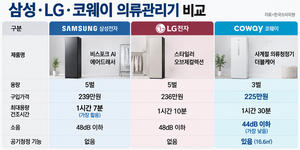
Coway makes quiet inroads into clothing care market dominated by Samsung, LG
Korea Consumer Agency compares clothing care machines from Samsung, LG and Coway Products score well overall on wrinkle removal, odor elimination — each with distinct strengths Coway records lowest operating noise at 44 dB or below, expanding its rental appliance lineup Coway is carving out a growing presence in the clothing care machine market long dominated by Samsung Electronics and LG Electronics. A Korea Consumer Agency comparison of products from all three companies found that Coway's machine performed well across key clothing care functions — including wrinkle removal and odor elimination — and was the quietest of the three models tested. According to the Korea Consumer Agency on Thursday, a quality and safety evaluation of three top-selling clothing care machines found that performance differences among the products were either minimal or varied by category, with each model showing its own strengths. The three models tested were Coway's Four-Season Clothing Care Machine Double Care (FAD-02S), Samsung Electronics' Bespoke AI AirDresser and LG Electronics' All New Styler. All three received favorable ratings for wrinkle removal, and all met benchmark standards for odor elimination and harmful bacteria removal — core functions of clothing care machines. Differences among the brands emerged, however, in detailed measures related to everyday usability. Coway earned the highest marks for noise. Its Four-Season Clothing Care Machine Double Care recorded operating noise at or below 44 dB, the lowest among the tested products. Clothing care machines are typically used for extended periods in living spaces such as dressing rooms and bedrooms, making noise level one of the factors consumers tend to notice most. For the standard clothing care cycle, LG Electronics' product was relatively faster, while Samsung Electronics' product performed better in drying time for wet garments. The domestic clothing care machine market took shape after LG Electronics pioneered the category with its Styler, followed by Samsung Electronics' launch of the AirDresser, with growth driven largely by major home appliance makers. The segment is considered one where large integrated appliance companies hold a relative advantage, as many consumers purchase clothing care machines alongside major home appliances such as refrigerators, washing machines and dryers. Coway, by contrast, built its business around rental and environmental appliances — water purifiers, air purifiers and bidets. The company has been broadening its rental product lineup into mattresses and massage chairs, extending its reach across consumers' living spaces. Clothing care machines are one pillar of that portfolio expansion strategy. Coway's key advantage lies in its existing rental customer base. While Samsung Electronics and LG Electronics target the clothing care market through their large home appliance sales networks, Coway can offer additional products to customers already renting its water purifiers and air purifiers. Rather than acquiring new customers from scratch, the company can grow its account base by increasing the number of products each existing customer uses. The importance of so-called multi-product accounts — where a single customer rents several items — has been growing across the rental industry. Expanding a customer's usage from a single water purifier to include air purifiers, bidets and mattresses raises revenue per customer while also securing long-term relationships. "Clothing care machines are a category where major appliance makers established the market early, making it difficult for latecomers to break in," an industry official said. "For a rental company, the key to expanding in this market will be how effectively it can generate additional demand by leveraging its existing customer base and maintenance service network."
Sept. 17, 2026
-
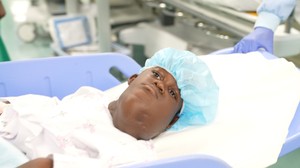
Severance Hospital removes face-sized tumor from 7-year-old boy from Eswatini
Rare venous lymphatic malformation — about 95% of lesion removed Full treatment costs of about 90 million won covered Severance Hospital has treated a 7-year-old boy from Eswatini who had been living with a growth the size of his face caused by a rare congenital condition, inviting him to South Korea for surgery. The hospital announced Thursday that it had brought Thandolubanduzi Sinemphilo, 7, a citizen of Eswatini, to South Korea last month for the procedure. The boy has a venous lymphatic malformation. Venous lymphatic malformation is a rare congenital condition in which abnormally enlarged blood vessels and lymphatic vessels form a mass. It occurs in roughly one in every 10,000 newborns. Thandolubanduzi was born with a "microcystic" lesion, in which small cysts spread between muscles, nerves and blood vessels. The lesion was first detected on the left side of his neck when he was about three months old, but without treatment it grew until it covered his jaw and neck. The family lives on a monthly income of about $125 earned by his stepfather, a truck driver, making treatment in Eswatini out of reach. The mass made it difficult for the boy to speak, and he struggled to socialize with peers or attend school. His story reached Severance Hospital through a Yonsei University College of Medicine alumnus working abroad. After medical staff reviewed his test results and treatment conditions, they selected him for the Global Severance, Global Charity (GSGC) program, which invites patients from medically underserved countries for treatment. Severance Hospital covered the full cost of about 90 million won ($66,500). Detailed examinations revealed that the lesion had spread deep into the healthy tissue of the jaw and neck. It was compressing the airway, pushing the windpipe to one side, and had invaded the muscles needed for swallowing, chewing and moving the neck. The hypoglossal nerve, facial nerve and external carotid artery were all encased by the lesion. The larynx had also been pushed far from its normal position, making it difficult to secure the airway even before surgery began. The medical team spent about 40 minutes securing the airway and two hours on anesthesia and surgical preparation alone. Kim Da-hee, the otolaryngology professor who performed the surgery, focused on securing the airway, minimizing external deformity and preserving the boy's ability to swallow and speak. The removed pathological tissue measured 15 centimeters wide and 10 centimeters long. Kim removed about 95 percent of the total lesion. Some portions that had spread to the base of the tongue and oropharynx were left in place, given the risk of requiring reconstructive surgery and causing serious complications if removed. The operation prioritized securing the airway and preserving the boy's ability to eat and speak as fully as possible, rather than removing every part of the lesion. Severance Hospital coordinated care across multiple departments — led by otolaryngology and anesthesiology and pain medicine, with support from pediatric hematology-oncology, pediatric critical care medicine and pediatric infectious disease and immunology — to carry out the surgery and support his recovery. The team also consulted on sirolimus therapy to suppress the growth and recurrence of the remaining lesion. "In South Korea, most cases are detected and treated in infancy, so it is very rare to see a case like Thandolubanduzi's, where delayed treatment allowed the lesion to grow to the size of his face," Kim said. "Rather than removing every part of the lesion, what mattered most was preserving his ability to eat, speak and live well going forward." After returning to Eswatini, Thandolubanduzi will continue taking sirolimus and undergo regular blood tests. Severance Hospital has also coordinated with a hospital in South Africa to monitor his progress. During his treatment, Thandolubanduzi said he hoped to become a doctor himself one day. "I want to become a great doctor, just like the one who treated me," he said. Meanwhile, Severance Hospital invited a 10-year-old girl from the Philippines with myelomeningocele to South Korea under the GSGC program in December last year. Before surgery, protruding nerves on her back made it difficult for her to sit or lie flat, but she recovered well enough after the operation to sleep in a proper position.
Sept. 17, 2026
-
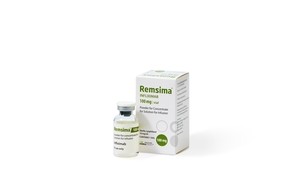
Celltrion's Ramcima tops Japan's infliximab market for first time, overtaking originator
Achievement comes 11 years after launch, boosted by synergies with Yuflyma and Aptozma; anticancer biosimilars also dominate with majority market share; subcutaneous formulation set for 2027 launch Celltrion's flagship autoimmune treatment Ramcima (infliximab) has claimed the top spot in Japan's infliximab prescription market, overtaking the originator drug in a market long known for its high barriers to entry. Citing data from IQVIA and local tracking figures, Celltrion said Thursday that Ramcima captured a 48 percent share of the Japanese market in July — its first time at the top, roughly 11 years after its local debut in April 2015. Japan's autoimmune disease market is structurally challenging for biosimilars: the country's drug pricing system leaves little difference in patient co-payments between originator and biosimilar products, meaning clinical data credibility and distribution network strength — rather than price alone — are the decisive factors driving prescriptions. Celltrion initially partnered with local pharmaceutical company Nippon Kayaku as its distribution partner to establish a foothold, then from late 2017 began running a dual-track strategy — combining the existing partnership with direct sales through its own Japanese subsidiary — to significantly broaden its prescriber base. The company also expects synergies from its broader autoimmune pipeline in Japan. Alongside Ramcima, Celltrion markets four products in the country: Yuflyma (adalimumab), which holds a 21 percent share and leads among biosimilars; Aptozma (tocilizumab); and Steqeyma (ustekinumab). Given the overlap in target diseases and local physician networks, the company plans to step up cross-marketing efforts. It is also pursuing the 2027 launch of Ramcima SC, a subcutaneous formulation designed for greater dosing convenience, to drive further growth. Celltrion's oncology biosimilar portfolio is also holding firm at the top. Herzuma (trastuzumab), used to treat breast and gastric cancer, commands a 78 percent share in Japan, while Vegzelma (bevacizumab), indicated for colorectal and lung cancer, holds 64 percent. Ramcima's rise to first place is a landmark achievement — one that reshaped market dynamics in a pharmaceutical environment where originator preference had been particularly entrenched due to limited price-reduction incentives, built on locally tailored distribution infrastructure and accumulated clinical credibility. "Reaching No. 1 after 11 years on the market is the result of a strategy calibrated to Japan's market conditions, combined with the expertise we have built up over time," said Kim Ho-woong, executive vice president of Celltrion's global sales division. "Once Ramcima SC launches, the Ramcima product line will gain an even stronger growth momentum."
Sept. 17, 2026
-
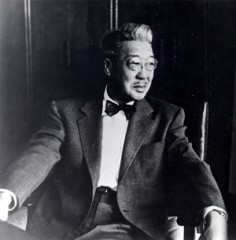
From 'Agent A' to lazertinib: Yuhan's 100-year journey to global pharma
A century of heritage built on red-brick walls and patriotic resolve Korea's 31st homegrown drug lazertinib takes hold in the US, China and Japan 33 billion won in free drug supply before reimbursement — founder's spirit lives on First-half consolidated sales top 1.17 trillion won R&D investment crosses 1 trillion won, fueling the search for the next lazertinib In the heart of Daebang-dong, Dongjak-gu, Seoul, a red-brick building called Willow House carries a weight that sets it apart from the glass towers surrounding it. The structure served as Yuhan's headquarters for 35 years beginning in 1962 and was reborn as a cultural complex this year to mark the company's centennial. Rather than demolishing the old building, Yuhan salvaged the red bricks that teachers and students had laid by hand when Yuhan Industrial High School was established in 1961 and used them to rebuild the exterior wall. The decision was a deliberate statement: to physically preserve a century of history on the very ground where it was made, and to connect past, present and future within a single space. Buried in the outdoor garden, Willow Park, alongside a decorative stone pagoda from the founder's private residence, is a centennial time capsule set to be opened 50 years from now, in 2076. Before he became widely known as a successful entrepreneur, the late Dr. Yoo Il-han volunteered at the age of 50 for the top-secret anti-Japan infiltration mission known as the NAPKO Project — run by the Office of Strategic Services, the wartime predecessor to the CIA — serving as the leader of Unit 1 and an elite special operative under the code name "Agent A." His spirit of independence, forged by the unwavering conviction that "only a healthy people can reclaim lost sovereignty," became the bedrock of the company he built. The red-brick space rooted in the site of the old headquarters stands as testament to how the legacy of a patriotic enterprise, first seeded by "Agent A," evolved over a century into a cradle of globally innovative medicines. A national enterprise born in Deokwon Building — Korea's first employee stock ownership and professional management Yuhan's founding was never simply a commercial venture. When Dr. Yoo opened an office in Deokwon Building on Jongno in Seoul in December 1926 and began selling imported medicines in smaller quantities, it was an act of national resolve — to bring quality healthcare to compatriots suffering under Japanese colonial rule. The company's very name carries that national spirit. Dr. Yoo embedded the character "han" — for Korea — at the end of his given name so he would never forget his identity even in a country whose sovereignty had been stripped away. His founding colleagues combined it with the character "yu," meaning willow, to form "Yuhan." The word "yanghaeng," meaning trading company, reflected a pioneering ambition to serve the Korean people across a wide range of needs — dyes, farm tools, automobiles, toothpaste and cosmetics — on a global stage. Even the company's willow-tree logo traces back to a wish expressed by Dr. Seo Jae-pil: that the company would flourish like a willow that bends but never breaks in the storm, offering steady shelter to the Korean people. Yuhan moved quickly beyond distributing imported drugs to build its own production infrastructure. Antiphlamine, the company's first self-developed medicine, launched in 1933 as a green tin-can ointment and remains a household staple today, generating hundreds of billions of won in annual sales more than 90 years later. In 1936, Yuhan completed the Sosa factory in Bucheon, Gyeonggi Province, equipping it with modern pharmaceutical manufacturing facilities. Its management practices were equally pioneering. In 1936, Yuhan converted from a sole proprietorship to a joint-stock company and introduced Korea's first employee stock ownership plan — distributing shares as a reward for contributions — marking a landmark in the country's corporate history. Through the turmoil of liberation and the Korean War, the company produced military medicines at a temporary factory in Busan, and after the war rebuilt the devastated Sosa plant to become the first in Korea to successfully manufacture antibiotic preparations. In 1962, Yuhan became the first pharmaceutical company in Korea to list its shares on the stock exchange. In 1969, the founding family stepped back entirely from management and appointed a president who had risen through the ranks as an ordinary employee, introducing a modern professional management system that separated ownership from operations. By the count of the Korea Listed Companies Association, Yuhan is the 11th listed company in Korea to reach its centennial. When Dr. Yoo died in 1971 at the age of 76, his handwritten will sent another wave of inspiration through Korean society. He donated his entire estate — save for a granddaughter's tuition fund — to the public-interest Yuhan Foundation, embodying in full his belief that "a company is the enduring property of society." Open innovation that rewrote K-biotech history — the 'five-minute miracle' and 33 billion won returned to patients The standout achievement in Yuhan's 100-year history is, by far, lazertinib. The drug's story marks a turning point that shifted the paradigm of Korea's pharmaceutical and biotech industry from generic manufacturing to globally innovative medicines — and at its center was an open-innovation strategy that Yuhan pioneered as the first successful model in the domestic pharmaceutical sector. Yuhan in-licensed lazertinib, a non-small cell lung cancer treatment candidate at the pre-preclinical stage, combined it with internal R&D capabilities to maximize the compound's efficacy and value, and in 2018 struck a landmark technology-licensing deal with global pharma giant Janssen (J&J) worth a total of $1.25 billion. The virtuous cycle — venture discovery, value enhancement at Yuhan, then global clinical development and commercialization by a major pharma — became the standard playbook for drug development in Korea. Thirty years after planting the first seed with the 1994 export of liver-disease drug YH439 to Japan, the combination therapy of lazertinib and J&J's Rybrevant received US FDA approval in August 2024. It was the first time a cancer drug developed by a Korean pharmaceutical company had won FDA first-line treatment approval. The drug's global footprint is expanding rapidly. The partner drug Rybrevant's subcutaneous formulation has cleared regulatory hurdles in all major pharmaceutical markets — the United States, Europe, China and Japan. The new formulation cuts the grueling six-hour intravenous infusion time to roughly five minutes, sharply improving patients' quality of life and the convenience of administration for healthcare providers. Listing as a Category 1 preferred regimen in the National Comprehensive Cancer Network guidelines and securing a J-code to facilitate US prescriptions have driven a sharp rise in prescription share. J&J projects peak annual global sales of the combination therapy at more than $5 billion. Yuhan did not let commercial success overshadow its social responsibilities. From July 2023, six months before lazertinib received national health insurance reimbursement as a first-line treatment in Korea, the company ran an Early Access Program, supplying the drug free of charge to terminal lung cancer patients across the country with no cap on enrollment. A total of 895 lung cancer patients gained access to the treatment, and the value of the support — calculated at the drug's price at the time — reached 33 billion won ($24.5 million). It was a moment when the founding principle of "making the best products and returning the benefits to the nation and its people" became tangible through lazertinib. Rather than stockpiling the returns from lazertinib's technology licensing, Yuhan has channeled them back into bold future R&D in a self-reinforcing investment cycle. Cumulative research and development spending over the past five years has exceeded 1 trillion won. In the first half of this year alone, the company allocated 10.5 percent of standalone sales — 117.6 billion won — to R&D. Yuhan is now widely credited with having fully established the standard formula of Korean biotech open innovation: reinvesting earned capital to discover the second and third lazertinib, rather than cutting costs to boost short-term earnings. Second-quarter operating profit jumps 34% — large-scale capacity expansion in Ochang, Osong and Hwaseong The global commercialization of lazertinib has fundamentally transformed Yuhan's financial profile. Cumulative consolidated sales for the first half of 2026 reached 1.17 trillion won, with cumulative operating profit hitting 75.6 billion won — both record highs. The twin engines driving the strong results are surging licensing revenue and active pharmaceutical ingredient exports. On a standalone basis, second-quarter licensing revenue came in at 58.9 billion won, a 130.6 percent jump from 25.5 billion won in the same period a year earlier. The leap reflects a one-time milestone payment of $30 million tied to the commercial launch of the lazertinib combination therapy in Europe, along with the full recognition of running royalties as global prescriptions expand. The overseas business division is also reaping strong benefits from the reshaping of global supply chains. Following a raw material supply contract signed with US-based BridgeBio Pharma in May for a cardiomyopathy treatment worth approximately 56 billion won, Yuhan landed a large-scale API supply deal with Gilead Sciences worth approximately 210.2 billion won. On Sept. 1, the company signed an API supply contract worth 131.1 billion won, followed by another worth 78.6 billion won on Tuesday, bringing total orders in September alone to more than 200 billion won. Analysts attribute the string of wins to the contract development and manufacturing competitiveness of subsidiary Yuhan Chemical, as Western pharmaceutical companies accelerate their shift away from Chinese suppliers. Yuhan is also moving quickly to expand its production infrastructure to meet growing domestic and overseas demand. To relieve the strain on its Ochang plant — which currently operates at 100 percent capacity producing 2.6 billion tablets a year — the company is building a new oral solid dosage facility in Osong capable of producing an additional 700 million tablets annually. At Yuhan Chemical's Hwaseong plant, which handles active pharmaceutical ingredients, construction of a large HC building with a capacity of 292,000 liters — on top of the existing 532,650-liter facility — broke ground in March and is on track for commercial operation in the first half of 2028. Bispecific antibodies, allergy and MASH — a pipeline aimed squarely at the next lazertinib Yuhan's next chapter is focused on finding a successor to lazertinib. Rather than resting on the success of a single blockbuster, the company is running its open-innovation engine at full capacity to build a dense next-generation pipeline spanning multiple disease areas. In oncology, the frontrunner is nesprotamig (YH32367), a HER2-targeting bispecific antibody immunotherapy co-developed with ABL Bio. The drug activates immune cells selectively within the tumor microenvironment, overcoming the liver toxicity limitations of existing immunotherapies, and is currently progressing through a global Phase 1/2 trial. An EGFR-targeting bispecific antibody, YH32364, and YH42946 — a next-generation HER2-TKI treatment for non-small cell lung cancer in-licensed from J2H Biotech — are also accumulating data in Phase 1/2 trials. A number of preclinical solid tumor pipeline candidates, including YHC3151, YHC3104 and YHC2124, provide further depth. In immunology and inflammation, the top candidate is lesigercept (YH35324), a long-acting IgE trap for allergic diseases in-licensed from GI Innovation. Having demonstrated superior sustained IgE suppression compared with the standard-of-care Xolair, the drug is approaching interim Phase 2 data readouts, and discussions on additional technology licensing deals with global major pharma companies are actively under way. The cardiovascular, metabolic and rare disease portfolio is equally strong. YH25724, a treatment for metabolic dysfunction-associated steatohepatitis, or MASH, has completed a Phase 1 trial with a dual FGF21/GLP-1 mechanism of action and is seeking a global partner. YH35995, a treatment for the rare genetic disorder Gaucher disease developed in collaboration with GC Biopharma, is an oral drug with improved blood-brain barrier permeability and has entered Phase 1 trials. Specialized pipeline candidates including YH14618 (SB-01) for degenerative disc disease and YH12852 for gastrointestinal motility disorders are advancing through late-stage clinical development. Backed by this diversified pipeline, Yuhan has set its sights on securing a firm place among the world's top 50 pharmaceutical companies. A century ago, Yuhan took its first steps from Deokwon Building in Jongno with a single purpose: to protect the health of the Korean people and help restore their sovereignty under Japanese colonial rule. Sharing the fruits of its success with society, nurturing the Korean biotech ecosystem through open innovation, and pressing forward into next-generation drug R&D, Yuhan's journey now reaches beyond Korea toward the center of global pharmaceutical innovation. "As we enter our second century, we will carry forward the noble spirit of our founder, the late Dr. Yoo Il-han, guided by our core values of Progress and Integrity," Chief Executive Jo Uk-je said. "Building on the global breakthrough of our innovative drug lazertinib, we will leap forward as a global innovative pharmaceutical company that contributes to the health of humanity."
Sept. 16, 2026
-

'AI sleep control' emerges as key battleground in heating mat market
Makers focus on restful sleep environments, using AI to find and maintain each user's optimal sleep temperature Sleep quality is closely tied to temperature, as well as physical factors such as light and noise. Heating mat makers are now using AI sleep control to automatically adjust warmth through each stage of a user's sleep cycle — and the technology has become the industry's defining competitive edge. Kyung Dong Navien recently launched two products — the Sukmienmae Onsu and the Sukmienmae Carbon — both featuring an AI sleep mode. The core function is AI temperature control: the mode uses a smartphone microphone to detect and analyze the user's breathing sounds in real time, then actively adjusts the mat's temperature in response to changes in sleep stage. Particularly during light REM sleep — when the body's ability to regulate temperature weakens and sensitivity to the surrounding environment increases — the system automatically lowers the temperature to encourage deeper sleep. The company said the mat continuously matches warmth to the user's alternating cycles of deep sleep and REM sleep, improving overall sleep efficiency. Kyung Dong Navien offers two product lines: a hot-water mat and a carbon mat. The company said customers who prefer a warm, cozy heat should choose the Sukmienmae Onsu, while those who prioritize convenience may prefer the Sukmienmae Carbon. Kiturami, which became the first in the industry to launch a carbon mat in 2020, has also entered the AI race with its new AI Ondol product. The mat features an AI sleep control system and what the company calls a "smart temperature system," automatically adjusting heat to match each user's preferred sleep temperature and habits. The AI mode determines the user's optimal temperature and usage duration during sleep, and detects whether the user has left the mat, to deliver a personalized heating environment. Pressing the AI button on the smart remote for three seconds activates the mode. The first function, the AI sleep control system, identifies the user's preferred temperature and usage time during sleep and analyzes individual sleep patterns based on accumulated data. It then automatically adjusts the temperature throughout the night, eliminating the need to set temperature and timer separately. The AI also responds when a user gets up during the night. The second function — the smart temperature system — detects whether the user has left the mat and automatically switches to an energy-saving mode when the mat is unoccupied. The company said the AI mode reactivates once it senses the user has returned. "We have combined 60 years of heating technology with AI-based intelligent sleep control," Kiturami said. "We will continue to advance our carbon mat so that customers can enjoy a comfortable and restful sleep environment."
Sept. 16, 2026
-

40% of children aged 6-12 shed obesity after Wegovy treatment, trial finds
Novo Nordisk releases Phase 3 trial results for obese children Severely obese young patients improved to normal or overweight range Forty percent of children aged 6 to 12 who received Wegovy (semaglutide) improved to a normal or overweight body weight range, according to new clinical trial results. The findings have drawn attention to whether Wegovy's approved age range — currently 12 and older — could be expanded to younger children. Danish pharmaceutical company Novo Nordisk recently released key results from its Phase 3 trial (STEP Young), which enrolled patients aged 6 to under 12. According to Fierce Pharma and other pharmaceutical trade outlets, 165 children with obesity from multiple countries participated in the trial. Of those, 85 percent had severe obesity classified as Grade 2 or Grade 3 by body mass index. Researchers compared children who received Wegovy — at doses of 1.7 mg or 2.4 mg depending on body weight — against a placebo group. Both groups followed a calorie-restricted diet and a structured exercise regimen as part of a lifestyle modification program. After 68 weeks, 40.4 percent of children in the Wegovy group had dropped below the obesity threshold, improving to a normal or overweight classification. Not a single child in the placebo group — who received only lifestyle intervention — moved out of the obese range. However, the 40.4 percent figure is based on an analysis that assumes full adherence to treatment. Researchers noted that real-world results could vary depending on how consistently patients follow the regimen. Some patients experienced side effects including nausea, vomiting and diarrhea. Novo Nordisk said these were broadly consistent with the drug's previously reported tolerability and side-effect profile. The trial found no notable impact on physical growth — including skeletal development — or pubertal development, two of the most closely watched concerns when administering the drug to young children. In practice, Wegovy is already being prescribed to young children in the United States through off-label use. Research has shown that the rate of Wegovy prescriptions for children aged 8 to 11 in the US jumped from 0.03 percent in 2019 to 9.3 percent in 2026. Meanwhile, detailed data from the Phase 3 trial are expected to be presented at ObesityWeek 2026, the annual conference of the Obesity Society, to be held in Washington, D.C., from Nov. 14 to 17.
Sept. 16, 2026
-

Wontech acquires stake in Wonmedico to push Oligio into global B2C beauty market
Company spends 13.27 billion won to secure 39% stake, internalizing consumer goods capabilities Full lineup of home-care devices and cosmetics set for launch next month Major global marketing campaign, including top-tier brand ambassador, to follow Wontech, a specialist in laser and energy-based medical solutions, is moving aggressively into the business-to-consumer market, using its flagship medical device brand Oligio as the vehicle for a full-scale expansion. The company said Wednesday it would acquire a 39.03 percent treasury stake in Wonmedico — a home beauty device and cosmetics firm — for 13.27 billion won ($9.81 million). Wontech secured the funding through a 75 billion won strategic partnership it signed with private equity fund PACM in May, and the investment marks its formal push to build in-house consumer goods capabilities. With the deal as a springboard, Wontech plans to leverage Oligio's intellectual property — previously confined to professional clinic equipment — to build what it calls an "Oligio Beauty Total Solution." The company intends to roll out a full product lineup spanning home-care devices and cosmetics, covering every stage of consumers' skincare routines beyond clinical procedures. New Oligio cosmetics products developed using Wonmedico's formulation expertise are set to launch sequentially starting next month. Wontech also plans to step up investment to establish Oligio as a B2C brand, deploying a global top-tier ambassador and a large-scale marketing campaign to broaden the brand's reach into the mass market. Alongside this, the company will defend its share in the clinical segment with the next-generation flagship device Oligio xm, which combines radiofrequency and high-intensity focused ultrasound energy in a single platform. The moves reflect a strategic effort to transfer the brand credibility Wontech has built through its high-margin B2B medical device business into the consumer goods space, with the goal of creating a comprehensive beauty and healthcare ecosystem anchored by the single Oligio IP. "We will connect consumers' entire beauty journey — from clinical procedures to skincare — under one Oligio universe," a Wontech official said. "We will back that with significant marketing investment and develop the B2C market into our next core growth engine."
Sept. 16, 2026
MOST READ
- 1Pope Leo XIV declines French honors and banquet, accepts only private meeting with Macron
- 2KAIST develops high-performance bio-based adhesive using E. coli instead of petroleum
- 3Daimler Truck unveils next-generation transport solutions at IAA 2026
- 4What was Rachmaninoff's performance fee? A 1928 price list tells all
- 5Samsung Biologics union's show of force backfires at the bargaining table
- 6APR says hair-loss treatment research published in international journal
-
WORLD

US warns of punishment for anyone enabling Iran's Strait of Hormuz toll scheme
-
INDUSTRY
Toyota union puts productivity first; Hyundai Motor union demands bigger share of profits
-
FINANCE
National Growth Fund to invest $531M in FuriosaAI, which rebuffed Meta's $800M takeover bid
-
INDUSTRY
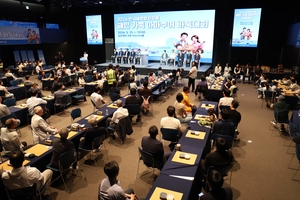
Korea Shipowners' Association holds amateur baduk tournament for Maritime Day