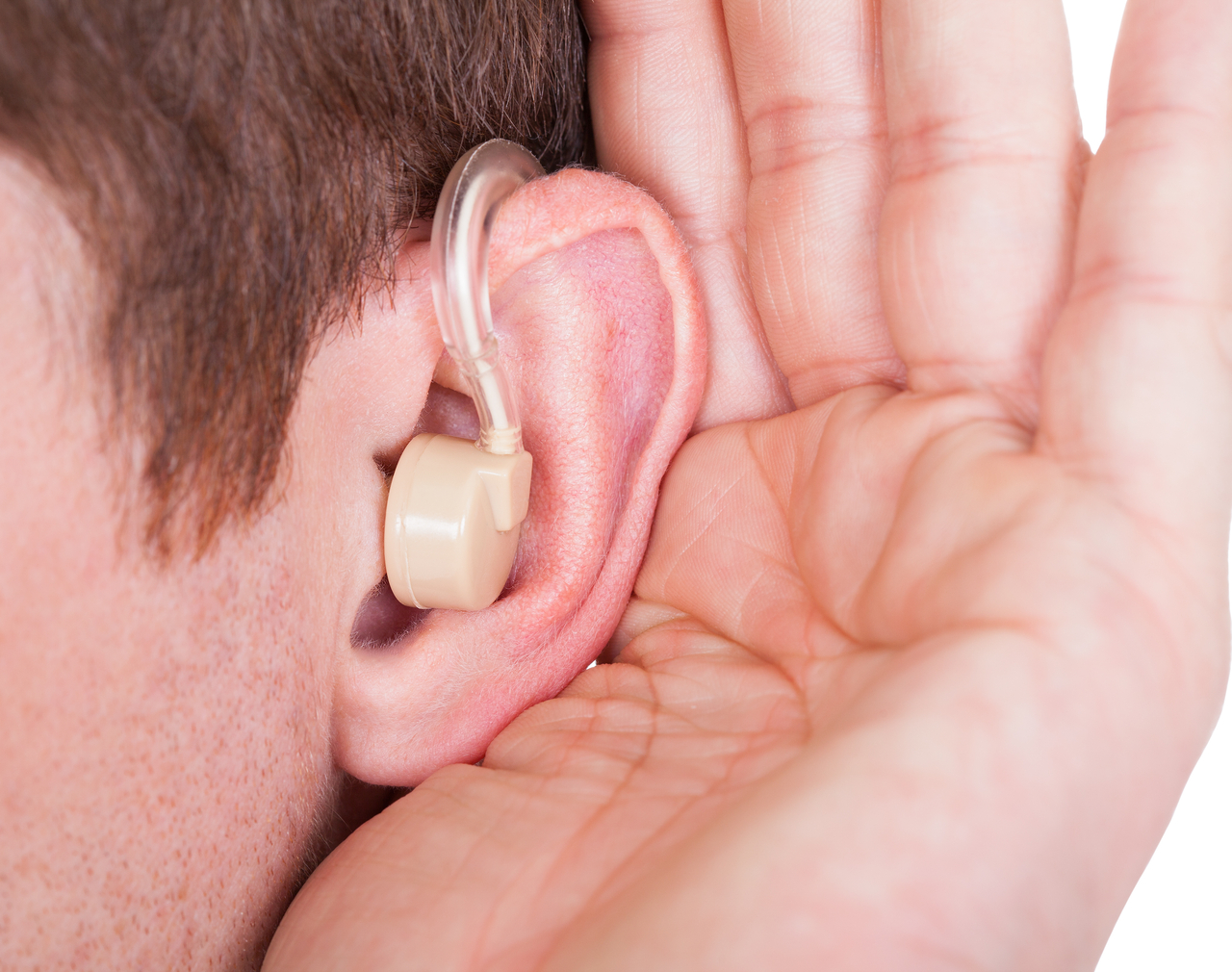
Hearing loss refers to difficulty hearing external sounds. A hallmark symptom is trouble communicating with others — patients often ask people to repeat themselves and find it increasingly hard to make out speech even in quiet places.
Other symptoms can include a feeling of fullness in the ear, tinnitus (a buzzing or ringing sound), and a diminished ability to locate where a sound is coming from. If someone increasingly asks others to repeat themselves during conversation, or needs to turn up the TV volume more than before, hearing loss should be suspected.
Hearing loss falls into two broad types. Conductive hearing loss occurs when sound cannot properly travel from the outer ear to the inner ear. Sensorineural hearing loss occurs when the cochlea or auditory nerve itself — which converts sound into electrical signals for the brain — is damaged. When both occur together, it is called mixed hearing loss.
Conductive hearing loss can be caused by earwax buildup or otitis media and is often treatable, whereas sensorineural hearing loss is much harder to reverse once damage has occurred. In its early stages, hearing loss often shows up as repeatedly saying "What?" throughout the day. Patients increasingly miss parts of conversations in noisy restaurants or cafes where several people are talking at once.
Because high-frequency sounds tend to fade first, words containing fricative sounds such as "s" or "ch" can be misheard as entirely different words. For instance, the Korean words for "apple" (sagwa) and "lion" (saja) can be confused. Growing discomfort during phone calls can also be an early sign. So can a sense that sound is not coming through clearly in one ear, or hearing a sound without being able to make out its meaning.
People who have suffered from otitis media for years, or even decades, are especially likely to develop hearing loss as a result. Once hearing loss caused by otitis media has persisted for a long time, hearing aids often bring little improvement even with extended use. A recent study found that even chronic otitis media patients who left their hearing loss untreated for more than 20 years can regain their hearing through cochlear implant surgery.
A research team led by Professor Park Hong-ju of the Department of Otolaryngology at Asan Medical Center compared hearing outcomes after cochlear implant surgery. The team studied patients with acquired chronic otitis media and those with general sensorineural hearing loss. One year after surgery, both groups showed equally strong hearing ability. Notably, in the chronic otitis media group, word recognition remained stable and did not decline even among patients who had lived with hearing loss for more than 20 years.
Otitis media refers to inflammation of the middle ear. It can impair hearing — the ear's most critical function — and disrupt communication. Long-term, recurring otitis media can lead to sensorineural hearing loss, worsening the condition further. Persistent hearing loss can shrink areas of the cerebral cortex responsible for hearing, language acquisition and speech, reducing cognitive function and potentially contributing to dementia.
Hearing loss caused by otitis media requires prompt treatment, and surgery for otitis media can improve hearing. However, missing the window for early treatment can lead to sensorineural hearing loss, in which case a hearing aid becomes necessary to hear at all. Eventually, even a hearing aid may no longer help.
The remaining option is cochlear implant surgery. Until now, however, such surgery has been offered only in limited cases for chronic otitis media patients. Chronic inflammation or anatomical changes in the middle ear and mastoid — an air-filled cavity in the bone behind the ear — raised the risk of infection or electrode extrusion during the procedure.
In response, Park's team completely removed the inflammation and filled the middle ear cavity with a fat graft before performing cochlear implant surgery, effectively restoring patients' hearing.
Park's team analyzed hearing and imaging results from before and after surgery for 33 patients with acquired chronic otitis media who underwent cochlear implant surgery between July 2006 and July 2021. The team also studied 70 age- and sex-matched patients with non-inflammatory sensorineural hearing loss.
One year after surgery, the chronic otitis media group performed just as well overall as the general sensorineural hearing loss group. This included measures such as word recognition and pure-tone hearing thresholds.
The most notable finding involved differences tied to how long patients had lived with hearing loss. In the general sensorineural hearing loss group, word recognition after cochlear implant surgery declined sharply once hearing loss had lasted more than 20 years. Chronic otitis media patients, by contrast, maintained stable word recognition even after 20 or more years of hearing loss. The research team attributed this to residual bone conduction hearing in chronic otitis media patients. This likely continued to stimulate the auditory system and helped preserve the auditory pathway and nerve function.
However, preoperative MRI scans showed that 9.1 percent of chronic otitis media patients also had labyrinthitis, and those patients showed markedly lower word recognition after cochlear implant surgery than others. This shows that the presence of labyrinthitis is a critical indicator for predicting outcomes after cochlear implant surgery.
"This study suggests that even patients who have lived with long-term hearing loss from chronic otitis media — to the point where even hearing aids no longer help — do not need to give up hope, as they can successfully regain their hearing through cochlear implants," said Park Hong-ju, professor of otolaryngology at Asan Medical Center. "For successful cochlear implant surgery, it is important to check for labyrinthitis through precise imaging tests such as MRI beforehand and establish an optimal treatment plan."
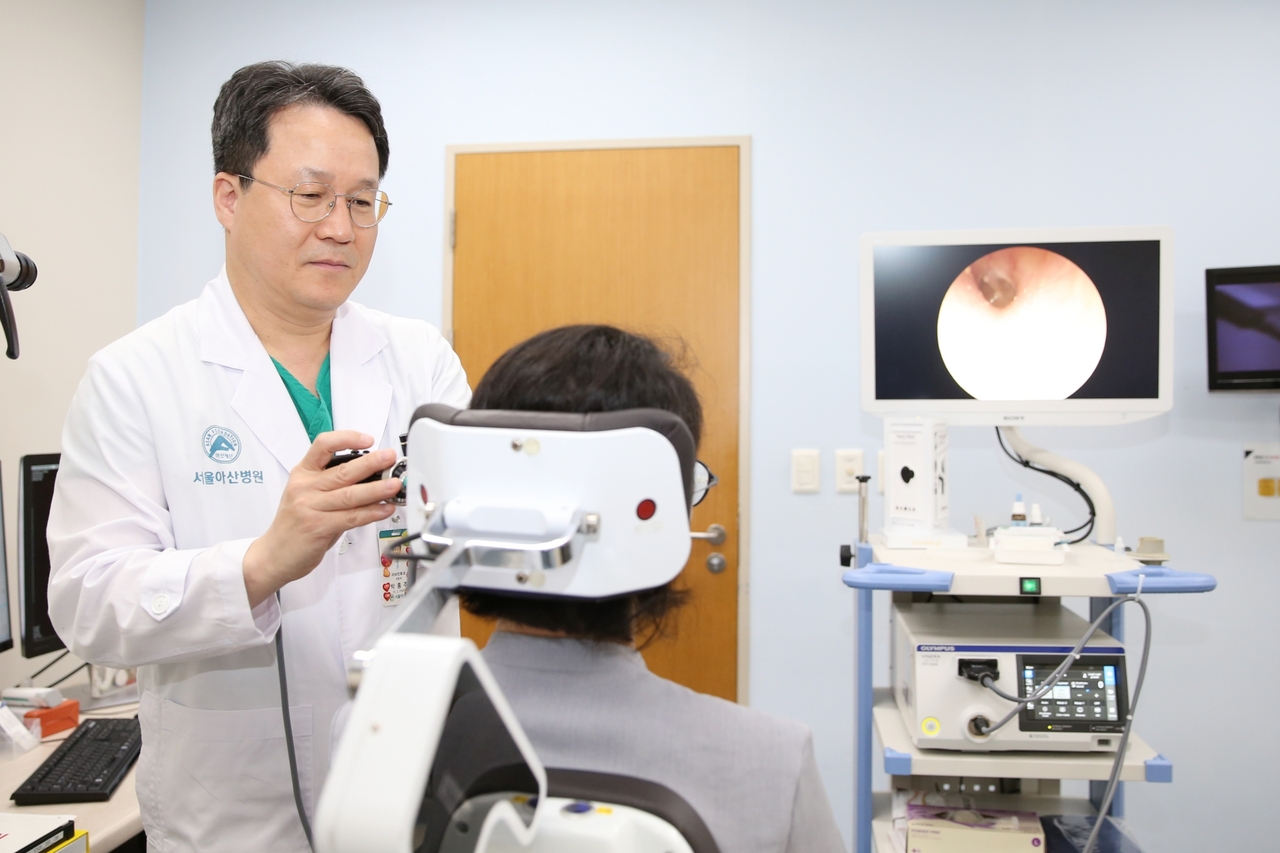
He added that hearing loss can be treated through various methods, and earlier treatment leads to better outcomes. "With recent advances in science and technology, most patients can now undergo auditory rehabilitation through a variety of methods regardless of the severity of their hearing loss. Treating hearing loss improves quality of life by easing social interaction, reducing depression and improving cognitive function. It is important to identify the exact cause of hearing loss and pursue active, tailored auditory rehabilitation," he said. The findings were published in a recent issue of the international otolaryngology journal Ear, Nose & Throat Journal.
kty@heraldcorp.com