
- HOME
- SMB·BIO
-

PharmGen Science backs health, cultural welfare at home and abroad
Vitamins, albumin supplements donated to Filipino youth 5 million won given to support fusion gugak performance at Seoul's Sowol Arts Hall PharmGen Science has expanded its ESG (environmental, social and governance) efforts by donating healthcare products and sponsoring cultural performances for underserved communities in South Korea and abroad. The pharmaceutical company said Monday it provided a combined 9 million won ($6,730) in cash and goods, including health supplement donations for marginalized youth in the Philippines and sponsorship of a domestic fusion gugak performance. On Tuesday, the company delivered three products from its healthcare brand Solutie — worth about 4 million won — to youth participants in a cultural exchange and social contribution program held in Manila, Philippines. The donation was tied to the 2026 Seoul-Manila Cultural Exchange Crossover Concert, a program selected for support under the Seoul Metropolitan Government's private international cultural exchange promotion project. The event was hosted by arts group Cinnamon and organized by Makssang Musical Company. The donated items were tailored to the nutritional needs of local youth and included Vitaing, a sustained-release vitamin C supplement absorbed gradually over up to 10 hours; Vitaing Immunity & Vitamin C Jelly, a stick-type gel supplement; and Solutie Drinking Albumin Mega Booster, a fast-absorbing liquid energy supplement. PharmGen Science also signed on as an official sponsor of "Woori Sori, Broadway-reul Mannada" (Our Sound Meets Broadway), a fusion performance scheduled for Sept. 23 at Sowol Arts Hall in Seoul, contributing 5 million won in cash. The show, part of the Seoul Metropolitan Government's support project for private gugak events, was conceived to bring new cultural experiences to underserved audiences by blending traditional Korean music and performance with Broadway musical numbers. The social contribution activities — spanning an overseas cultural exchange and a domestic traditional arts stage — represent an ESG model that links the company's healthcare brand with cultural welfare. "We wanted to help culturally underserved youth enjoy the arts while also taking care of their health," a PharmGen Science official said. "As a Seoul-based company, we will continue to fulfill our social responsibilities by contributing to broader cultural experiences for marginalized communities and diverse citizens."
Sept. 14, 2026
-
SEMAS signs MOU with Busan to expand energy voucher support for small businesses
Agreement aims to stabilize operations and boost competitiveness of small businesses in Busan DX, AX and other life-cycle support projects to be linked under the partnership The Small Enterprise and Market Service announced Monday it will sign a comprehensive support governance MOU with the Busan Metropolitan Government. The agreement is designed to link each institution's small-business support policies and projects to amplify their impact on local entrepreneurs. The two sides plan to share policy know-how and build a mutual cooperation framework. Under the MOU, the two institutions will establish a cooperation framework covering life-cycle tailored support, business stabilization, and digital transformation (DX) and AI transformation (AX). They will also operate a joint communication channel. The two sides will also work together on energy vouchers to ease the utility cost burden on small businesses in Busan. SEMAS will share its accumulated experience and expertise from running small-business support projects, while the city will draw on its own budget to provide energy vouchers directly to eligible businesses in the region. The two institutions will share tailored information with eligible recipients to ensure vouchers are distributed promptly, and will cooperate on policy outreach. SEMAS ran the "Burden Relief Credit" last year and is operating the "Small Business Management Stability Voucher" this year. The program provides a 250,000-won voucher to micro-businesses with annual sales below 104 million won that can be used for utility bills — including electricity, water and gas — national social insurance premiums, and vehicle fuel costs. Recent small-business support policy has been broadening its scope beyond simple financing to include measures that reduce fixed operating costs such as utility bills. This MOU follows that approach, combining the project management experience of a central government public institution with the locally tailored support of a municipal government. The key is to link national support programs with regional initiatives so that small businesses can feel a tangible difference. SEMAS and Busan plan to continue identifying additional areas of cooperation following the MOU signing and to expand the linkage of small-business support projects between public institutions and local governments. SEMAS President In Tae-yeon said the agency would "continue to expand cooperation with local governments to identify support policies suited to regional conditions and build a mutually beneficial cooperation framework that businesses can feel on the ground."
Sept. 14, 2026
-

Tooth sensitivity affects 7 in 10 adults — and a toothpaste ingredient may be the fix
Hydroxyapatite plugs exposed dentinal tubules to block pain signals Bukwang Pharmaceutical's Sirinmed shows 92% improvement in clinical trials after four weeks Low abrasion score of 7.8 minimizes enamel damage while promoting remineralization A sharp, stinging sensation when cold air hits the teeth or a cold drink passes over them is one of the most common oral health complaints among adults, affecting roughly seven in 10. Known clinically as dentin hypersensitivity, the condition begins when the gums recede or the enamel on the tooth surface is damaged — typically through improper brushing technique, aging, or periodontal disease. Once the protective outer layer wears away and the underlying dentin is exposed, microscopic channels called dentinal tubules open to the surface. Temperature changes or physical contact cause the fluid inside those tubules to shift rapidly, stimulating the pulp nerve and triggering sharp pain. According to the hydrodynamic theory widely accepted in dentistry, physically or chemically sealing the exposed tubule openings is the key to treating tooth sensitivity. That is where hydroxyapatite (HAp) comes in. Hydroxyapatite is a biocompatible mineral whose chemical composition is identical to that of natural human teeth and bone. Microscopic hydroxyapatite crystals penetrate the exposed tubules, fill in micro-defects directly, and form a protective layer that blocks the pathway through which external stimuli reach the nerve. In South Korea, Bukwang Pharmaceutical's Sirinmed — the country's leading sensitivity-specific toothpaste — is widely cited as a prime example of this mechanism in action. A domestic clinical trial conducted at the Department of Periodontology at Kyung Hee University's College of Dentistry found that patients using Sirinmed, which contains hydroxyapatite as its main active ingredient, reported improvement in sensitivity symptoms in 89 percent of cases after two weeks and 92.4 percent after four weeks. Abrasion management is equally critical for sensitivity toothpastes. Prolonged use of a highly abrasive formula can wear down hard tooth tissue further, worsening symptoms. Under the British Standards Institution's abrasion scale, where 100 is the reference point, conventional toothpastes typically score between 80 and 100, while Sirinmed scores just 7.8 — minimizing enamel damage while coating the dentinal tubules. Research from domestic and international academic institutions further supports hydroxyapatite's efficacy. A randomized controlled trial by periodontology researchers at Yonsei University and Seoul National University's dental hospitals found that a hydroxyapatite toothpaste produced pain reduction — measured on a visual analog scale — comparable to strontium chloride, a conventional desensitizing agent. A double-blind randomized controlled trial by an Italian research team, published in the journal Clinical Oral Investigations, also found that a 2 percent nano-hydroxyapatite formulation produced statistically significant pain relief against both cold-air and tactile stimuli compared with a control group at both the two-week and four-week marks. Beyond pain relief, hydroxyapatite also supports remineralization — the process of restoring minerals to the tooth surface. Research at Kyungpook National University's College of Dentistry found that applying micro-hydroxyapatite to artificially demineralized enamel reinforced calcium and phosphate to a depth of 100 micrometers below the surface, restoring damaged enamel rods. A separate study at Yonsei University's College of Dentistry found that combining nano-hydroxyapatite with fluoride produced a synergistic remineralization effect, contributing to the suppression of tooth decay. Experts stress that early management is essential, as untreated sensitivity can progress to nerve damage or chronic pain. Scrubbing the teeth vigorously from side to side can carve V-shaped grooves at the gumline — a condition called cervical abrasion — that accelerates tubule exposure. Dentists recommend using a soft-bristled, small-headed toothbrush and adopting a habit of applying a sensitivity-specific toothpaste such as Sirinmed directly to the affected area with a fingertip, massaging gently for about one minute before brushing.
Sept. 13, 2026
-
AI tops interest rates, tariffs as biggest business variable for SME chiefs: survey
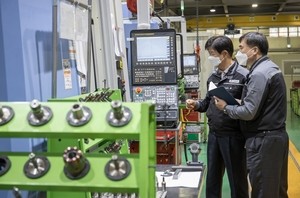
Survey of 144 mid-sized and small company CEOs Six in 10 cite AI as top management variable More than half already pursuing AI transformation "The market is changing so fast that we can't afford to miss new opportunities — but we can't chase every trend blindly either. Ultimately, we have to find what we do best." The head of a mid-sized company, speaking recently, was reflecting on how AI is reshaping the business landscape. As AI spreads at an accelerating pace, how quickly a company spots and responds to new opportunities is becoming a measure not only of its competitiveness but of its CEO's management ability. AI is emerging as the defining variable in corporate strategy for next year. Six in 10 CEOs at mid-sized and small companies ranked advances in AI technology — and the resulting shifts in industry and business models — as the single biggest factor affecting their operations, placing it above global economic conditions, interest rates, and trade and tariff policies. According to a "2027 Business Plan" survey of 144 member-company CEOs conducted by Hunet, a corporate education firm, 61.1 percent of respondents named "advances in AI technology and changes in industry and business structure" as the variable that will have the greatest impact on corporate management in 2027, the highest share among all options. Global economic conditions and interest rates came second at 36.1 percent, followed by changes in the domestic political and regulatory environment at 33.3 percent, shifts in consumer trends and the domestic market at 27.8 percent, and trade and tariff policies of major economies such as the United States and China at 22.2 percent. The share choosing AI was 25.0 percentage points higher than the second-place response. AI eclipses rates, regulation as core of business planning CEOs' attention to AI extended well beyond forecasting the business environment. When asked what they would prioritize most in drawing up next year's business plans, "AI and technological change" again topped the list at 47.2 percent. The domestic economic and policy environment came second at 44.4 percent, while the global economic and industry outlook and CEO-level management strategy each drew 38.9 percent. Talent acquisition and organizational management stood at 30.6 percent, and industry, market and consumer trends at 27.8 percent. AI is also set to feature prominently in companies' actual business plans for next year. Asked how much AI would be reflected in their 2027 business plans, 41.7 percent said they would incorporate it into "major business and management strategies," while 22.2 percent said it would serve as a "core strategy" — together accounting for 63.9 percent. Another 19.4 percent said AI would be reflected in major operations, and 13.9 percent said it would be applied in a limited way to some tasks. Only 2.8 percent said AI would not be reflected in their business plans at all. AI adoption on the ground is also accelerating. A recent report by the Korea Research Institute for Vocational Education and Training, based on an analysis of about 110,000 corporate observations, found that the AI utilization rate among domestic companies of a certain size rose from 1.4 percent in 2017 to 9.2 percent in 2024 — roughly a 6.5-fold increase. The pace has steepened in recent years, climbing from 4.3 percent in 2022 to 6.1 percent in 2023 and 9.2 percent in 2024. Among companies already using AI, product and service development was by far the most common application, cited by 59.3 percent of AI-adopting firms as their primary use. Organizational management accounted for 11.6 percent, production processes for 10.5 percent, marketing strategy for 10.1 percent, and sales for 8.5 percent. More than half of CEOs already pursuing AI transformation More than half of the companies surveyed are already pursuing AI transformation, or AX. Some 38.9 percent of respondents said their companies are pursuing AX in some business units or divisions, while 19.4 percent said they are doing so company-wide — together reaching 58.3 percent. Another 22.2 percent said they are still considering it, while 16.7 percent said they have no plans yet and 2.8 percent said they do not see the need. Meanwhile, CEOs were relatively optimistic about next year's economic outlook. When asked about South Korea's growth prospects for 2027, 47.2 percent said the economy would grow and 27.8 percent said it would hold steady — meaning 75 percent expect growth or stability. Some 22.2 percent predicted a contraction, while 2.8 percent said the outlook was too difficult to predict. "This survey confirmed that AI has grown increasingly important, cementing its place not just as a technology trend but as a core variable shaping business plans and management strategy," a Hunet official said. "For 2027 business planning, companies will need to go beyond simply adopting AI and think deeply about how AI will transform their businesses and business models."
Sept. 13, 2026
-
'Why bother with a small firm?' Unemployment benefits rival SME wages, fueling worker drain
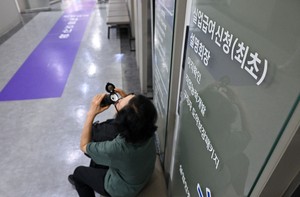
First overhaul of unemployment benefit payment structure in 22 years leaves total payout unchanged Monthly SME wage of 2.2 million won vs. 1.9 million won in benefits: 'About the same after expenses' Workers quitting SMEs, taking short-term contracts to qualify — small firms fear becoming a 'stepping stone' "Why would anyone work at a small company when unemployment benefits are this sweet?" Kim Min-ji, 29, voluntarily quit her job at a 10-person firm last year after about two years there. Voluntary resignations normally disqualify a person from receiving unemployment benefits — but Kim is currently collecting 1.9 million won ($1,420) a month while she takes a break. She became eligible after working a two-month contract at a movie theater this year and leaving when the contract expired. A workaround known as "indirect claiming" — quitting a small or medium-sized enterprise voluntarily, then taking a short-term contract job to meet eligibility requirements before collecting unemployment benefits — is circulating among job seekers, deepening fears of a talent drain from the SME sector. To qualify for unemployment benefits, a worker must have been insured for at least 180 days in the 18 months before their most recent job change, and their final departure must have been involuntary. Insured periods across multiple employers are counted together. Kim's case fits that pattern exactly: she accumulated the 180-day requirement at her previous SME, then became eligible when her movie theater contract ended. Park, 34, also quit an SME voluntarily and has been working a three-month contract at a startup since July. "Once the contract is up, I plan to leave, collect unemployment benefits while I look for a new job, and maybe travel abroad," Park said. Both said the small gap between their SME wages and the benefit amount made it easy to plan their exit. The government has moved to address the so-called "syrup benefits" controversy. The Ministry of Employment and Labor on Sept. 1 unveiled a plan to overhaul the employment insurance system — the first revision to the unemployment benefit payment structure in 22 years. The central change is a reduction in the monthly payout. Under the current system, benefits are paid for seven days a week, including unpaid rest days; the revised system will pay for six days a week, excluding unpaid rest days. As a result, the monthly floor, currently around 1.98 million won, is expected to fall to about 1.76 million won next year, while the ceiling will drop from 2.04 million won to about 1.81 million won. Critics note that the total payout remains unchanged, raising questions about the reform's effectiveness. While cutting the monthly amount, the government has decided to keep the total number of benefit days — between 120 and 270 days depending on age and length of insurance enrollment — and the total sum received intact. Because weekly payment days shrink from seven to six, recipients will simply receive the same overall amount spread over a longer period. In practice, SME wages are not far above unemployment benefits. According to the Korea Enterprises Federation, the average monthly starting salary at firms with fewer than 300 employees was about 2.7 million won in 2023, and about 2.28 million won at firms with fewer than five employees. Companies paying the minimum wage this year offer a monthly salary of about 2.2 million won. The monthly unemployment benefit floor this year stands at 1.98 million won on a 30-day basis, leaving a gap of only about 300,000 won. "At the SME I worked at, my take-home pay was around 2.2 million won, but unemployment benefits came in at about 1.78 million won tax-free," Park said. "When you factor in taxes, it felt like pretty much the same thing. There was no sense of growth at a small company, so I figured it was better to collect benefits, build up my resume and prepare to move to a bigger firm." One benefit recipient who lost her job when her SME shut down said the payments felt almost indistinguishable from a paycheck. "Even while I was sitting at home, 1.7 million won — close to a full salary — landed in my account on schedule," she said. "I was almost disappointed I could only receive it for five months. Now I'm at another small company, and I sometimes catch myself hoping it goes under too so I can collect benefits one more time." The poor benefits and heavy workloads typical of small firms are also pushing workers to prefer unemployment benefits over staying employed. Another recipient said her employer had provided no support for vehicle upkeep, commuting costs or meals. "Once you subtract what you spend just to go to work, there wasn't much difference between the salary and the benefits," she said. "The pay wasn't high, but one person had to handle multiple roles, so the stress was intense. Even getting a bit less money, I was better off on unemployment than at that company." For SMEs already struggling to find workers, the trend is unwelcome. A report published last year by the Korea Institute for Small and Medium-sized Enterprises found that 87.5 percent of SMEs have difficulty hiring the staff they need. One SME owner said the most junior employee in one department had turned over three times since last year. "A lot of young workers quit easily, whether to switch jobs or just take a break," the owner said. "Small businesses hire a lot of contract workers, so it seems easy for people to work briefly at one of those places after quitting and then collect unemployment benefits." Small firms that hire short-term contract workers say they also struggle to extend contracts. An official in the small and venture business sector said that even when an employer wants to renew a contract with a well-matched worker, many young employees quietly signal they intend to leave when the term ends. "It seems like most of them join from the outset with unemployment benefits or a job search in mind," the official said.
Sept. 13, 2026
-

'Fire your lab chief or we walk': The ultimatum that shaped Cosmax
A fork in the road one year after founding: Cosmax chose in-house R&D Road-shop boom of the 2000s sharpened its ODM edge Sales of 2.4 trillion won last year, 1.48 trillion won in H1 2026 — 3 trillion won in sight "Fire your research director immediately, or we are cutting ties." The call came out of nowhere in 1992, landing on the desk of Lee Kyung-soo, a 46-year-old founder who had barely gotten his cosmetics manufacturer, Korea Miroto — now Cosmax — off the ground. On the other end of the line was the president of Miroto, a Japanese cosmetics OEM company that had been providing technology to the Korean firm. Word had reached Japan that Korea Miroto had quietly hired a research director and set up its own laboratory. The Japanese executive's logic was blunt: his company would handle all R&D, so why was Korea Miroto paying a high salary for a research director of its own? He called for the director's dismissal. For a company less than a year old with minimal proprietary technology, the demand amounted to an existential crisis — keep the lab or keep the lights on. Lee flew to Japan immediately and spent two days meeting with the Miroto president. He pleaded for time, suggesting the research director — a recent hire — could be let go in two or three years. But the Japanese side would not budge. The choice was binary: continue the technology partnership with Miroto, or build an independent research operation. Not both. Cosmax is now the world's leading cosmetics ODM company, with consolidated sales approaching 3 trillion won. But in his memoir "I Want to Dream Together," Lee recalled that moment as a crossroads where survival itself was at stake. "I stood at a fork in the road," he wrote, "between delaying R&D a little longer and maintaining the alliance with Miroto, or braving the immediate hardship and building our own strength toward the vision of becoming a company specializing in research, development and production." After much deliberation, Lee chose to end the partnership. His reasoning came down to one conviction: without the ability to develop its own technology, the company had no future. "Only by building our own strength — even at the cost of immediate hardship — could we have a real future," he believed. The early bet did not pay off overnight. It took Cosmax years to expand its research staff and accumulate cosmetics formulations. But as the domestic cosmetics retail market began to shift in the 2000s, the value of having an independent R&D organization started to show. The rise of road-shop brands — The Face Shop, Missha, Innisfree, Etude and others — in the 2000s created a market where cosmetics labels had to launch multiple new products in rapid succession. Cosmax at one point received a request from a single client to develop 250 items within three months. The research staff and accumulated formulations Cosmax had built from its earliest days proved a decisive competitive advantage during this period, working alongside its growing production capacity. It was also around this time that the ODM model — developing not just manufacturing but also formulations and textures for clients — began to take off in earnest, moving beyond the simpler OEM approach of producing to specification. Financial results followed. Cosmax, which had posted annual sales of around 10 billion won ($7.47 million) before the 2000s, surpassed 100 billion won in annual sales in 2008. Expansion of overseas production bases, including in China, and the broader growth of Korean cosmetics brands also contributed to the company's rising scale. Export milestones accumulated as well. Cosmax received the $50 million export tower award in 2015, the same year Lee was awarded the Silver Tower Order of Industrial Service Merit. The following year, in 2016, the company became the first in the cosmetics ODM sector to receive the $100 million export tower. In 2024, it again led the industry, becoming the first ODM company to receive the $200 million export tower. The company that once agonized over whether to keep its research lab now measures its revenue in the trillions. Cosmax posted consolidated sales of 2.4 trillion won in 2025, up 10.7 percent from the previous year. Consolidated sales for the first half of this year reached 1.48 trillion won, a 22 percent increase from the same period a year earlier. Based on that first-half growth rate alone, Cosmax appears increasingly likely to approach 3 trillion won in consolidated annual sales for the first time this year. The recent growth also reflects structural shifts in the popular cosmetics industry. As the customer base has broadened from large established brands to domestic indie labels targeting overseas markets directly, the role of ODM companies capable of developing and producing for multiple clients simultaneously has grown. The Korean subsidiary's quarterly sales topping 500 billion won for the first time in the second quarter of this year was driven in large part by the overseas expansion of those indie brand clients. Cosmax is now extending its scope beyond R&D and production into OBM — original brand manufacturing — offering support in brand planning as well. The company is also applying AI and big data to its product development and production processes while working to secure local clients through its overseas subsidiaries. It would be an overstatement to draw a straight line from the 1992 decision to break with the Japanese partner directly to Cosmax's current corporate value. Many factors shaped the company's growth over the decades — its expansion into China, the rise of the domestic cosmetics market, and the surge in popular cosmetics exports among them. Still, the choice Lee made in 1992 — whether to rely on outside technology or build internal capability — was one of the early turning points that set the direction for Cosmax to grow into the ODM company it is today.
Sept. 12, 2026
-
Hunet CEO Jo Young-tak: 'We want to be the Hermès of corporate education'
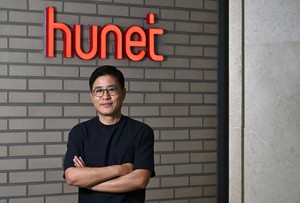
Founded in 1999, Hunet pioneered South Korea's online corporate training market 'Knowledge-delivery e-learning will decline — but AI-driven education will grow' Hyper-personalization and hybrid learning to sharpen training outcomes 'Corporate education must become an industry — K-edu will lead the world' Aiming for longevity over listing, Jo envisions a century-old institution "Corporate education needs its own storied institution — a 'grand maison' like Hermès. Hunet wants to be that." That is the vision Jo Young-tak has carried through 27 years at the helm of Hunet, the corporate training company he founded. Rather than chasing a quick valuation boost through a stock market listing, Jo wants to build a company that endures for a century in the single field of corporate education. "What I truly want is a long-lasting, traditional company in corporate education," Jo said in an interview. "My dream is to be remembered as a grand maison in this field — like Hermès or Porsche." On the question of a listing, he said he is "thinking in the direction of not going public." As for Hunet's future beyond its founder, he said he is keeping all options open — including a family succession or a professional management structure — and thinking about it with a long-term horizon. Built on the internet, now pivoting to AI When Jo founded Hunet in 1999, corporate training in South Korea was almost entirely offline. Watching the internet begin to disrupt industries from bookstores to newspapers, he concluded that corporate education could make the same shift online. The company started in the business-to-consumer space, offering online management courses for working professionals — covering human resources, marketing, accounting and finance. From 2010, Hunet moved aggressively into the business-to-business corporate training market. "We started at around tenth place in B2B and have gradually climbed to first," Jo said. "There was no single decisive turning point — we just kept trying new things and grew." Just as the internet transformed corporate education 27 years ago, Jo now sees AI as the next great disruptor. He expects generative AI to erode a significant portion of conventional online learning — but views that not as a threat to Hunet so much as an opportunity to create an entirely new corporate training market. "Pure knowledge-delivery e-learning will decline," Jo said, "because you can just ask AI and get the information you need right away." At the same time, he is bullish on education that harnesses AI, predicting it will grow substantially. The key concept is hyper-personalization. Conventional corporate training typically delivers the same course to large groups of employees, but AI makes it possible to tailor content to each individual's level and job function — and to narrow the gap between training and actual work. "The question companies always ask when they invest in training is ultimately whether it actually works," Jo said. "With AI, you can identify exactly what each person knows and does not know through conversation, and you can bring real work problems into the session and solve them together with AI — connecting education directly to performance outcomes." 'I think we've only reached 1 percent' Jo's openness to change is rooted in a management principle he has long championed: "Always 1 percent." No matter how much the company grows, he tells himself it has only reached 1 percent of its potential — a discipline against complacency. "The biggest management principle is not to get arrogant just because things are going a little well," Jo said. "Even when sales hit 100 billion won ($74.6 million), I think: we have reached about 1 percent — we still have 99 percent to go." Another long-standing practice: Jo has never had a private office. The habit traces back to roughly a decade he spent at a large conglomerate early in his career, where the hierarchical culture was so entrenched that a junior employee's proposal could take months to work its way up to the CEO for approval. Inspired by an Intel CEO he read about who worked alongside employees without a separate office, Jo resolved that he would not have one until Hunet grew bigger than Intel. He has shared an open workspace with his staff for about 25 years since. Hunet is also well known for its "happiness management" philosophy. In keeping with that ethos, the company introduced a four-day workweek in 2022 — cutting working days without reducing pay, a move that in effect raised labor costs for the company. "It is hard to say definitively that the four-day week made the company better or worse," Jo said, "but employee satisfaction and happiness have risen, and the policy has attracted a lot of good talent." The ground rule, however, is clear: work that used to take five days must be completed in four — not pushed to the following week. "The intensity and focus during those four days has gone up considerably," Jo added. 'Corporate education must grow into a full industry' Behind Jo's insistence on growing Hunet's scale is a broader ambition: to turn corporate education itself into a proper industry. "Many companies in corporate education are content with annual sales of 1 billion to 3 billion won, but I always thought we had only reached 1 percent," he said. "I had an ambition to industrialize corporate education." Hunet posted sales of 82.6 billion won and an operating profit of 4.1 billion won last year. Jo believes a larger market attracts better talent and raises service quality across the board. Just as large law firms and accounting firms lead their sectors, he argues that corporate education needs dominant players to expand the industry as a whole. "Corporate education is ultimately about developing people, and developing people connects not just to a company's competitiveness but to national competitiveness," Jo said. "I feel a sense of mission that a leading company must drive the industrialization of corporate education." The next frontier is the global market. Jo said he has focused on South Korea until now, but sees improving conditions for overseas expansion as AI advances. "One of the biggest barriers for an education company going abroad has always been language, and AI is tearing that barrier down — while the profile of Korean content is also rising," he said. "I want to build up more strength at home and then create a company that leads K-edu and corporate education worldwide." Jo Young-tak's career: born in 1965; graduated from Seoul National University with a degree in business administration in 1989; joined Kumho Group in 1988; obtained a certified public accountant license in 1996; founded Hunet in 1999; launched the Happy Management Story newsletter in 2003; established the Happy Management nonprofit association in 2017.
Sept. 12, 2026
-
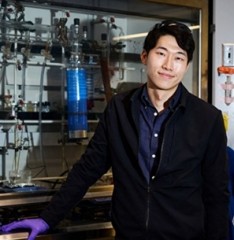
Pascal CTO Seo Jin-young draws attention in the US
Boston-based startup aims to revolutionize cooling industry with solid refrigerants MIT Technology Review names her among 'Innovators Under 35' A Korean chief technology officer at a US startup working to transform the cooling industry with solid refrigerants has drawn significant attention in the United States. Seo Jin-young is the CTO and co-founder of Pascal, a Boston-based energy startup. She was recently named to MIT Technology Review's "Innovators Under 35" list, which recognizes 35 outstanding innovators annually. Seo earned her doctorate in chemistry from Harvard University, where her graduate research focused on solid materials that change temperature and thermal energy in response to shifts in pressure. To translate that research into a next-generation cooling technology, she co-founded Pascal in 2023 alongside Harvard colleagues Adam Slavney and Jarad Mason. In conventional vapor-compression cooling systems, a refrigerant cycles between liquid and gas states through compression and expansion, absorbing and releasing heat in the process. Pascal recognized that solid materials exhibiting the same heat-absorption and heat-release behavior under pressure changes could serve the same function. The company is developing new cooling cycles using solid refrigerants — cycles that would be difficult to achieve with conventional gas refrigerants — and is testing whether this approach can deliver high-efficiency cooling systems. Pascal is initially targeting commercial refrigerators and beverage cooling systems, aiming to verify performance, durability and manufacturability in relatively compact systems before expanding into air conditioning and industrial thermal management. The company is currently conducting technology validation with a partner in the refrigeration sector. "The next challenge is making solid refrigerants not just a subject of academic papers but a technology that works in real industry," Seo said. She also expressed hope for collaboration with Korean companies in related supply chains. "Korea has world-class supply chains in functional materials, compressors and motors, heat exchangers, precision machining, and home appliance and refrigeration manufacturing," she said. "Pascal will explore a wide range of collaboration opportunities, including materials and component design, production, and reliability testing."
Sept. 11, 2026
-
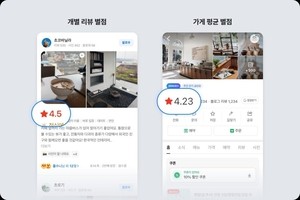
'I refused an unfair request, so I got a rating attack': Naver's rating system revival haunts small business owners
Naver revived star ratings in July after nearly 5 years Merchants report retaliatory low ratings after refusing service or compensation demands Malicious reviews spark controversy across food delivery platforms too Ministry of SMEs and Startups calls in 6 platforms to devise protective measures "I refused what the customer asked for, and they wrote a one-star review, then even sent me a screenshot of the screen right before posting it, as a text message." Two months after Naver reintroduced its star rating system, small business owners are increasingly reporting what they call "rating attacks." These are instances in which customers, angered by a refused request, give a low rating or threaten to post a negative review as a form of pressure. Critics say a system meant to help consumers make informed choices has become, for some malicious users, a weapon to pressure small business owners. Naver's return of star ratings sparks 'retaliatory rating' controversy A, who runs a lodging business, said they recently refused a customer's request and received a text message containing a one-star rating and a screenshot of a negative review-writing screen. The customer had reportedly captured the screen before actually submitting the review and sent it directly to A. "I have even received what amounted to threats using star ratings and reviews," A said. B, who runs a pub, went through something similar. After a customer verbally abused a staff member and B intervened, the customer later left a receipt-based review saying they did not want to visit again. The review came with a rating of 0.5 stars. B, who has run the business for three years, said it was the first time such a thing had happened and posted a direct rebuttal in reply to the review. Concerns among small business owners over the rating system reignited after Naver reintroduced star ratings for its Place service. Naver had stopped collecting star ratings in October 2021, running its review service mainly around qualitative elements such as keywords, photos and text. Then, starting April 6 this year, the company allowed users to enter a five-point star rating again when writing reviews. After about three months of data collection, it began publicly displaying both individual review ratings and businesses' average ratings starting July 9. Naver has described the star rating not as a replacement for qualitative reviews but as a "supplementary indicator" that helps users intuitively gauge satisfaction with a place. Business owners can choose whether to display their average rating. However, even if an owner opts not to disclose the average rating, Naver still displays the star ratings attached to individual reviews. The company has also put safeguards in place to prevent malicious reviews. It limits the period during which a reviewer can edit review content and ratings to within three months of posting. It has also designated as prohibited conduct the indiscriminate assignment of ratings below three stars without reasonable explanation, as well as actions that undermine the fairness or credibility of reviews. Naver also discloses users' average given rating so others can gauge how strict or lenient a particular reviewer tends to be. Still, small business owners say it remains difficult in practice to distinguish malicious ratings from legitimate consumer feedback. This is a particular concern for small businesses that have not yet accumulated many reviews, where just a few low ratings can significantly affect their overall score. Even when a low rating follows a rejected request for service or compensation, it is difficult for an owner to prove the reason behind it. It is unclear whether the rating reflects genuine dissatisfaction or is a retaliatory act. Government steps in on 'rating attacks,' calls 6 platforms to the table The controversy over star ratings is not unique to Naver. As ratings and reviews have become key evaluation tools across food delivery platforms such as Baemin and Coupang Eats, disputes over malicious reviews have persisted there as well. As the controversy continued, the Ministry of SMEs and Startups held a meeting that day titled "Roundtable on Win-Win Cooperation Regarding the Online Platform Rating System" to work out countermeasures. The meeting brought together small business owners along with representatives from six online platforms — Naver, Kakao, Baemin, Coupang Inc, Yeogi Eottae and Nol Universe. At the meeting, small business owners cited cases in which customers demanded free services or compensation and then left low ratings when refused. They also cited cases of malicious, false reviews written by people who never actually placed an order or used the service. They also raised a structural concern: most satisfied customers do not leave reviews at all, meaning a handful of malicious low ratings can significantly drag down a store's overall score. Small business owners called for objective standards to distinguish legitimate consumer reviews from malicious low ratings. They argued that platforms should take a more proactive role in resolving disputes. This includes guaranteeing business owners sufficient opportunity to appeal and explain their side, and imposing stronger sanctions on accounts that repeatedly post malicious reviews. The Ministry of SMEs and Startups plans to support small business owners who have suffered damage from ratings and reviews. It will offer legal consultations with specialized attorneys and dispute-response assistance through its Unfair Trade Practice Counseling Center. It also plans to expand its win-win growth evaluations in the online platform sector to encourage cooperation between platforms and small business owners. Lee Byung-kwon, second vice minister of SMEs and Startups, addressed the platform industry, saying, "The rating and review system has created a structure that unilaterally favors consumers, allowing just a few malicious low ratings to harm honest small business owners — this must be corrected." He added, "Please more clearly distinguish legitimate consumer opinions from malicious rating attacks, and strengthen protective standards so that small business owners are not unfairly disadvantaged."
Sept. 11, 2026
-

Riding K-beauty boom, Korea's top three ODM makers race to expand capacity
Cosmecca commits 200b won to Ochang, exceeding book value of existing domestic production lines Kolmar Korea's domestic cosmetics utilization rate hits 81.1%; signs deal for 173.3b won Sejong plant Cosmax pours additional 60.5b won into Pyeongtaek, produced 389m units domestically in H1 Competition among South Korea's three original design manufacturing, or ODM, cosmetics makers to expand production capacity is intensifying as global demand for K-beauty products surges. Cosmecca Korea has joined Cosmax and Kolmar Korea in investing in domestic production, committing 200 billion won ($149 million) to a new manufacturing base. South Korea's cosmetics exports already hit a record $7 billion in the first half of this year. The scale-up race reflects the ODM makers' push to secure production capacity ahead of a rapid rise in cosmetics orders. According to DART and other disclosures Friday, Cosmecca Korea, the country's third-largest ODM cosmetics maker, announced Sept. 9 that it had decided on a new facility investment worth 136 billion won to meet rising cosmetics demand. The company will invest an additional 136 billion won in production equipment, following its June decision to acquire the land and buildings of its Ochang plant in Cheongju for 64 billion won. The total investment in the Ochang production base comes to 200 billion won. Cosmecca Korea plans to build a skin care production plant spanning roughly 50,000 square meters in the Ochang Science Industrial Complex in Cheongju. Construction will begin this month, with the first phase of operations set to start in 2027 and equipment to be expanded in stages through 2030. The company also plans to adopt an AI-driven production system and hire 500 new employees. According to Cosmecca Korea's semiannual report as of the end of June, the book value of the company's production equipment stood at 189.3 billion won. The total 200 billion won earmarked for the Ochang base therefore exceeds the entire book value of the company's existing domestic production equipment as of the first half's end. Cosmecca Korea's production capacity in Korea currently stands at about 216.69 million units of basic cosmetics and 48.15 million units of color cosmetics, for a combined total of about 260 million units. Kolmar Korea has also unveiled plans to expand its domestic production base. The company signed an investment agreement with Sejong city in March to relocate its Beijing plant to Korea and build a basic cosmetics production plant in the Jeonui Industrial Complex in Sejong. Sejong city said at the time that the investment would total 173.3 billion won, with production facilities to be built on a 9,851-square-meter site in the Jeonui complex by 2028. Kolmar Korea purchased a new plant site right next to its existing Sejong plant, and expansion work on the current plant is underway. Kolmar Korea's domestic production capacity has expanded rapidly. Its domestic cosmetics production capacity grew from 557.82 million units in 2024 to 632.47 million units last year. In the first half of this year, the company confirmed production capacity of 367.51 million units. Kolmar Korea's domestic cosmetics production facilities are spread across Sejong, Jeonui and Jeondong, as well as Bucheon and Incheon. Cosmax also decided in May to invest an additional 60.5 billion won in its Pyeongtaek production base. The project involves expanding an existing plant in the Goryeom Industrial Complex in Pyeongtaek, Gyeonggi Province, with the investment equivalent to 9.9 percent of the company's equity capital. Construction began in June and is scheduled to run through late next month. The expansion targets Cosmax's Pyeongtaek Plant No. 1, which produces skin care and other products. Cosmax has been expanding production capacity by adding production lines to existing idle space. The company's global annual production capacity stands at around 3.5 billion units, and it is pursuing plans to expand that to about 4 billion units, including through the operation of new overseas plants. Once the additional capacity from the Pyeongtaek expansion is factored in, the company's production capacity is expected to rise significantly. Behind the ODM makers' continued investment in production facilities lies the expansion of K-beauty exports. According to the Ministry of Food and Drug Safety, South Korea's cosmetics exports totaled $7 billion in the first half of this year, up 27.3 percent from a year earlier — the highest first-half figure on record. Last year's full-year cosmetics exports reached a record $11.4 billion, and this year's exports already hit $7 billion in just the first six months. Export destinations are also diversifying. In the first half of this year, exports to the United States reached $1.45 billion, making it the top export destination, followed by China with $1.01 billion and Japan with $580 million. Unlike in the past, when China accounted for a large share of exports, K-beauty's export markets have spread across the US, Europe and Japan, reducing the risk for ODM makers of order fluctuations tied to economic changes in any single region. The growth of small and medium-sized enterprises and indie brands is even more directly tied to the ODM industry. According to the Ministry of SMEs and Startups, cosmetics exports by small and medium-sized enterprises rose 30.7 percent from a year earlier to a record $5.07 billion in the first half of this year. Such companies accounted for more than 70 percent of the $7 billion in total cosmetics exports. As overseas sales grow for small and indie brands that lack their own large-scale production facilities, order volumes for the ODM makers that handle their product development and manufacturing rise in tandem. "Indie brands handle marketing and overseas market development, while ODM companies support them by manufacturing and supplying the products," an industry official said. "It has only been a few years since K-beauty began significantly expanding its global footprint. Korea's role is likely to draw even greater attention going forward in a beauty market increasingly built on technological capability."
Sept. 11, 2026
-

Ministry to hold over 300 IR sessions this year to link founders with investors
142 TIPS operators join with one-on-one meetings, public pitching Program targets founders with no institutional investment experience 500 second-round advancers from 'Startup for All' also included Investment proposals open via platform starting Tuesday The government will hold more than 300 investor relations sessions this year to directly connect early-stage founders who lack investment experience with investors. The initiative aims to give founders with strong technology or ideas but limited investment networks a chance to meet investors for the first time. The Ministry of SMEs and Startups said Friday that it will launch the Challenge IR project, which supports innovative founders in securing their first round of investment, starting Wednesday. The program targets tech founders with concrete business plans — either heads of startups or prospective founders — who have not yet raised funding from an institutional investor. The ministry said founders have been pitching investors through email or demo days. However, a lack of opportunities to connect with investors has made it difficult for many to move on to actual investment discussions. A total of 142 TIPS operating companies will take part in the project. TIPS, or the Tech Incubator Program for Startups, is a public-private startup support system in which private operators select and invest in promising tech startups. The government then provides matching research and development and commercialization funding. The ministry and TIPS operators plan to hold more than 300 in-person IR programs within the year. The IR sessions will fall into three broad categories: sessions organized by individual operators, sessions linked to the Startup for All project, and sessions organized by region and industry sector. TIPS operators will first hold IR events of their own design, including one-on-one meetings and public pitching sessions. The first round will run in October and the second in November. Starting at 9 a.m. Tuesday, founders can submit investment proposals through the Challenge IR platform to operators taking part in the October program. Operators will review the proposals, select founders for in-person IR sessions and notify them of the results at least seven days before the event. However, to allow investors to review proposals carefully, founders may submit a proposal to only one operator per round. Once an operator reaches its application cap, it will close its window early. The project is also linked to the Startup for All project, which recently drew about 63,000 applicants. It will offer IR opportunities to 500 founders who advanced to the second round of the general and technology tracks in the first Startup for All project. Participants recommended by incubation organizations will be matched with TIPS operators suited to their business ideas and go on to pursue investment. The Welcome to TIPS events were previously held in five regions — the Greater Seoul area, the southeastern region, the Chungcheong region, the Honam region and the Daegyeong region. This year, the program will expand to North Jeolla Province, Gangwon Province and Jeju. Outstanding companies will also get priority selection for Pre-TIPS, a support program for promising startups outside the Greater Seoul area. Together with four science and technology institutes, the ministry will hold Startup City IR events in Daegu, Daejeon, Gwangju and Ulsan. The events will connect faculty and student founders recommended by the institutes with TIPS operators to support science and technology talent in starting businesses and raising investment. IR sessions will also be held for companies selected through K-Startup of the Year, a cross-ministry startup competition. Separate IR events will be held in connection with startup support projects run by individual ministries in fields such as defense, media, ocean industries and research and development. To ensure the effort is not a one-time meeting, the ministry plans to continue additional investment discussions and in-depth IR sessions for outstanding companies through the end of the year. Companies that succeed in securing investment will receive preferential treatment, including bonus points in TIPS project selection evaluations. The ministry also plans to review this year's results and consider developing the program into a standing investment-support system. The startup and venture industry expects the project to have a positive effect by widening opportunities for early-stage founders to meet investors directly. Observers note that prospective and early-stage founders in particular, who tend to have weaker investment networks, often have solid business ideas and technology. However, they struggle to find ways to reach investors. A chance to meet directly with multiple TIPS operators could help lower the barrier to securing a first round of funding. Roh Yong-suk, first vice minister of SMEs and Startups, said, "There are cases in which good technology and ideas fail to clear the first hurdle of attracting investment." He added, "We will lower that first hurdle through the Challenge IR project so that promising founders do not give up on their ventures simply because they could not meet investors."
Sept. 11, 2026
-
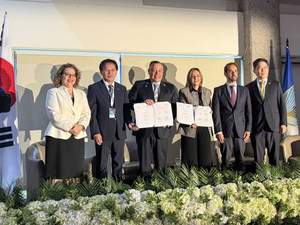
Kibo launches Costa Rica-tailored tech assessment and guarantee regime with SBD
Assessment system developed to fit Costa Rica's industrial and financial environment Local innovative SMEs to benefit from improved financing access; IDB partnership to drive expansion across Latin America Korea Technology Finance Corporation, known as Kibo, has developed a technology assessment and guarantee regime tailored to Costa Rica's industrial and financial environment and is moving to implement it locally. Kibo held a policy dissemination seminar on introducing a technology finance regime in San José, Costa Rica, from Tuesday through Thursday, together with the Inter-American Development Bank and Costa Rica's Banco de Desarrollo de Costa Rica. Kibo and the development bank signed a memorandum of understanding on technology finance cooperation at the event. The seminar was organized to share with Costa Rican government agencies and financial institutions the results of a technical support consulting project on Costa Rica-tailored technology assessment and guarantees that Kibo has been carrying out with the IDB since February last year. Kibo developed the Costa Rica Technology Rating System, or CTRS, by adapting its own technology assessment system to local conditions. Building on that, it also designed the Costa Rica Technology Guarantee regime, or CRTG, aimed at improving financing access for innovative small and medium-sized enterprises that lack sufficient collateral. To put the CTRS and CRTG into local practice, Kibo established a pilot assessment process and an operational framework. It conducted pilot assessments of local SMEs, drew up a technology assessment manual and work processes, and ran capacity-building training sessions for local practitioners. About 200 people attended the seminar, including representatives from the Costa Rican government, financial institutions, and academic and research organizations. The CTRS and CRTG were officially launched at the opening ceremony on the first day. Kibo and the development bank also signed their MOU at the opening ceremony. The two institutions will share operational experience from running the CTRS and CRTG, exchange experts and staff for joint research, and explore new cooperative projects. The Costa Rican government plans to use funding sources including the National Development Fund to provide financing to local innovative SMEs based on the CTRS and CRTG. Kibo intends to broaden the scope of its cooperation on technology assessment and guarantee regimes by sharing innovative finance cases from Latin American countries such as Peru and Uruguay with the IDB. "We have laid the institutional groundwork for innovative SMEs in Costa Rica to access financing based on their technological capabilities and growth potential," said Lee Sang-chang, a Kibo director. "We will continue working with overseas institutions to help technology finance models suited to each country's conditions take root."
Sept. 11, 2026
-
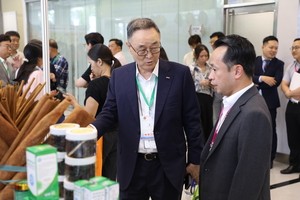
Small business federation launches first overseas push with Vietnam trade delegation
'Global scale-up delegation' sent to Vietnam Sept. 2-5 Meetings with trade ministry, KOTRA, KOCHAM, VCCI on market entry Drone, employment service sectors discuss tech, business ties with local firms The Korea Federation of Micro Enterprise has begun in earnest to support small business owners' expansion into overseas markets, starting with Vietnam. The move marks the first follow-up project stemming from an MOU the federation signed with the Vietnamese Embassy in Seoul in July, translating that agreement into market development efforts on the ground. Some participating groups have already advanced to discussing technology cooperation and business proposals with local companies. The federation said Friday it dispatched the "2026 Global Scale-Up Delegation for Small Business Owners" to Vietnam from Sept. 2-5. The trip represents the federation's official first project under its overseas expansion initiative. The delegation held a series of meetings with the Vietnamese government, economic organizations and the local Korean business community to discuss ways for South Korean small business owners to enter the Vietnamese market. The trip put into action the "Korea-Vietnam Joint Small Business Support MOU," which the federation and the Vietnamese Embassy in Seoul signed July 10. Under that agreement, the two organizations pledged to cooperate on overseas expansion and joint development for small business owners in both countries, along with digital transformation, AI transformation, cultivating next-generation small business leaders and expanding private-sector exchanges. They also planned to send a market development delegation to Vietnam in September as a follow-up step. The delegation visited the 2026 Vietnam International Sourcing Expo, hosted by Vietnam's Ministry of Industry and Trade, to observe local trade and sourcing trends. Song Chi-young, chairman of the Korea Federation of Micro Enterprise, met with Vietnamese Deputy Minister of Industry and Trade Phan Thi Thang to request administrative support for South Korean small business owners seeking to enter and establish themselves in the Vietnamese market. Both sides also discussed setting up a dedicated communication channel for future cooperation. At KOTRA's Ho Chi Minh City trade office, the delegation received briefings on the local market environment, industry trends and case studies of South Korean companies' entry into Vietnam. With the Korean Chamber of Commerce in Vietnam, the delegation discussed a cooperative framework for sharing local business information, expanding networks and supporting South Korean small business owners operating in Vietnam. The delegation also held a cooperation meeting with the Vietnam Chamber of Commerce and Industry. Both sides discussed ways to expand private economic exchanges between South Korean and Vietnamese companies and to identify cooperation models that could lead to actual business deals. Some sectors moved into concrete business discussions. The Korea Drone Industry Association, a delegation participant, discussed technology cooperation on South Korean-made drone training equipment with Vietnam's Z113 company and proposed follow-up working-level talks. The Korea Employment Service Association also discussed potential future cooperation with local firm Best HR Solution. "If the MOU signed in July was the first step in opening the door for South Korean small business owners to expand overseas, this Global Scale-Up Delegation is the first follow-up action that put that potential into practice on the ground," Song said. "We will build a model for overseas expansion that translates into tangible results — sales channels and technology cooperation — so that the products, technologies and services of small business owners can compete in the global market."
Sept. 11, 2026
-
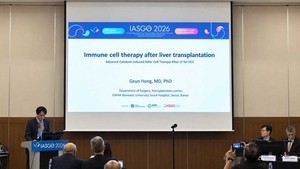
GC Cell's Immuncell-LC shows potential to curb liver cancer recurrence after transplant
Retrospective comparative study of liver transplant patients 2-year recurrence-free survival rate at 87.5% Overall survival rate 100 percent, presented at IASGO 2026 GC Cell said Friday that its immune cell therapy Immuncell-LC showed potential to suppress cancer recurrence and improve survival rates when administered to liver cancer patients at high risk of recurrence after liver transplantation. The company presented the findings of the retrospective comparative study at the International Association of Surgeons, Gastroenterologists and Oncologists 2026 (IASGO 2026). The study focused on liver transplant recipients who had hepatocellular carcinoma exceeding the Milan criteria, the standard threshold typically used for determining liver transplant eligibility. Researchers compared a group that received Immuncell-LC starting four weeks after transplantation with a control group that received no additional treatment. The primary endpoints were safety, 24-month recurrence-free survival and overall survival. The two-year recurrence-free survival rate was 87.5 percent in the group treated with Immuncell-LC, compared with 62.9 percent in the control group. The overall survival rate was 100 percent in the treatment group versus 81.5 percent in the control group. No treatment-related toxicity was observed, and there was no significant difference between the two groups in survival free of acute rejection. The findings are notable for extending the therapeutic potential of Immuncell-LC — previously studied mainly in patients who underwent liver resection or locoregional treatment — to liver transplant patients. Immuncell-LC is an immune cell therapy designed to prevent recurrence following curative treatment in patients with hepatocellular carcinoma, and it received domestic approval in South Korea in 2007 for use in patients who underwent liver resection or locoregional treatment. Liver cancer patients must continue to manage recurrence risk even after receiving a liver transplant. Liver transplant recipients in particular take immunosuppressants to prevent rejection of the transplanted organ, raising concerns about weakened immune function, and treatment becomes more difficult if liver cancer recurs. This has fueled calls for long-term management strategies for transplant patients at high risk of recurrence. "Because liver transplant patients take immunosuppressants, there are concerns about weakened immune function and organ rejection, and treatment becomes especially difficult when liver cancer recurs after transplantation," said Hong Geun, director of the transplant center at Ewha Womans University Seoul Hospital. "This study is significant in that it confirmed the potential of Immuncell-LC as a treatment option for preventing recurrence in liver transplant patients at high risk of liver cancer returning." Moon Jong-sik, head of GC Cell's oncology division, said, "This study is significant in that it expanded the clinical potential previously confirmed in liver resection and locoregional treatment patients to liver transplant patients as well. We will continue to explore the potential of Immuncell-LC as a long-term recurrence management treatment for hepatocellular carcinoma patients who remain at risk of recurrence after curative treatment."
Sept. 11, 2026
-

Archisketch's AI 3D interior agent earns top-grade GS certification, eyes public sector
3D interior agent's quality, stability verified Company says it is first in Korea's 3D interior software field to earn the rating Company plans to expand beyond private firms into public, educational institutions Archisketch's AI-powered 3D interior agent, which handles space design and furniture arrangement through natural language commands, has obtained the top grade in South Korea's GS, or Good Software, certification for software quality. The company plans to use the certification as a springboard to expand its business beyond private companies into public institutions and schools. Archisketch, an AI-based 3D interior company, said Friday that its 3D interior agent had received the top-grade GS certification. The company said it is the first in South Korea's 3D interior software field to earn the rating. Archisketch provides 3D space design and consultation solutions used in furniture, interior design, home appliances and retail. Users type in the space and interior style they want in natural language, and the AI agent carries out the related tasks. The tool arranges furniture, products and materials based on an actual space and shows the finished result in 3D. Companies can use this for customer consultations, space planning and design work. The certification's key significance is that it gives Archisketch an objective quality and stability benchmark of the kind companies and public institutions require when adopting business software. The GS certification is a state software quality assurance system that comprehensively tests and evaluates a software's functionality, performance and usability in test environments similar to real operating conditions, based on international standards. The top grade is awarded to products verified using test cases built on those international standards. Products with GS certification can receive institutional support for entering the public procurement market, including designation as a technology product eligible for priority public purchase, registration on the Public Procurement Service's Nara Marketplace, and third-party unit price contracts. Observers say this gives Archisketch a foundation to expand its customer base from private companies into public institutions and schools. In the interior design industry, the spread of cloud-based 3D design and generative AI-powered space design services has made the stability and reliability of enterprise software a key criterion for adoption. Particularly as more agent-based services put AI directly into the consultation and design process, verifying that such tools work reliably in real business settings has become increasingly important. "As 3D interior software becomes widely used in companies' consultation and design work, objective verification of stability and quality, not just functionality, is becoming increasingly important," said Lee Ju-sung, chief executive of Archisketch. "Building on this GS certification, we will strengthen a software foundation that Korean companies and institutions can trust and adopt, and continue to advance our 3D space technology so it can compete in global markets."
Sept. 11, 2026
-

Coway's Re:NK, V&A Beauty land at Musinsa Beauty's first standalone store
Both brands join Musinsa Beauty's first standalone store From skincare to color cosmetics, targeting customers in their 20s and 30s Coway's cosmetics unit Healivery expands offline retail presence Healivery, the cosmetics subsidiary of Coway, is expanding its offline retail network by placing its beauty brands Re:NK and V&A Beauty in Musinsa Beauty's first standalone store. Healivery said its beauty brands Re:NK and V&A Beauty officially opened at Musinsa Beauty Hongdae, which launched Friday in Mapo-gu, Seoul. Musinsa Beauty Hongdae marks Musinsa Beauty's first standalone store, bringing together some 600 beauty brands under one roof where customers can test and buy products in person. As Musinsa, primarily an online platform, expands its offline presence in the beauty sector, Healivery is placing both brands there at the same time to reach more customers in their 20s and 30s. Re:NK is Healivery's cell-derma beauty brand. The store carries three products from its Hyper Hyal Plumping line, four from its Radiance Tone Up Cream line, along with its Intense Brightening Cell Essence Sun Cream, Intense Brightening Vita Scrub Cleansing Foam and Lip Treatment Balm. V&A Beauty is a licensed beauty brand operated in collaboration with the Victoria and Albert Museum in London. The store introduces four shades of its multi-color balm, the Mood Glowpot Lip and Cheek. Healivery placed the skincare-focused Re:NK alongside the color cosmetics brand V&A Beauty so customers can try both lines in person. The move adds Musinsa Beauty's offline store to Healivery's existing sales channels as it looks to broaden its customer base. "Through Musinsa Beauty's first standalone store in Hongdae, we were able to introduce Re:NK and V&A Beauty to a wider range of customers," a Healivery official said. "We will continue to expand our online and offline touchpoints so customers can experience our brands."
Sept. 11, 2026
-

'We can't even communicate... do we have to beg for foreign labor?': SMEs balk at employment permit system
Applications open Monday for permit system as Labor Ministry frets over shortfall Slump curbs demand for foreign workers even as direct-hiring costs mount Language, skill gaps and job-hopping: employers say better matching should come before more permits "We do not have the capacity to hire even one more person. The employment permit system has become so burdensome that we almost have to beg foreign workers to come work for us." The head of a small and medium-sized enterprise in South Gyeongsang Province said this, describing his dilemma over whether to apply for foreign workers this year. The number of foreign workers staying in Korea under the employment permit system has hit a record high this year. But applications from companies seeking to hire new foreign workers have actually been declining. The slump has cut order volumes and, with them, companies' capacity to hire, while the added costs of training foreign workers pose a substantial burden. The Ministry of Employment and Labor will accept applications for the fourth round of this year's new employment permits for foreign workers (E-9 visa) from Monday to Sept. 29. The employment permit system allows small and medium-sized enterprises unable to find domestic workers to hire foreign workers in non-professional jobs with government approval. This round will allocate a total of 12,357 workers — 9,020 in manufacturing, 1,906 in agriculture and livestock farming, 897 in fisheries, 394 in construction and 140 in the service sector. When applications exceed the supply, assignment priority is typically decided by a scoring system for each workplace, but no such competition has taken place this year. A Labor Ministry official said, "In the first three rounds this year, applications fell short of or barely filled the recruitment quota, and every workplace that applied received foreign workers." The official added, "Right after the COVID-19 pandemic, labor shortages worsened and applications briefly rose, but they have been declining again recently. We are worried that the fourth round will also fall short." On the ground, industry sources point to the manufacturing slump as the reason behind the weak demand for foreign worker allocations. The head of a manufacturing company in Busan said, "We have relied heavily on foreign workers in fields Korean workers tend to avoid, such as machining, surface treatment and welding," adding, "Business conditions in those sectors have worsened recently, so companies are actually cutting back on staff." Another SME head said, "In the past, competition for scores was fierce and many companies could not get foreign workers. Nowadays, I understand that if you apply, you are almost guaranteed to get one." For employers, the array of regulations that come with hiring foreign workers is also a burden. Employers must handle everything from housing and insurance to various reporting requirements and helping workers adjust to the workplace. One employer said, "We employ four foreign workers, and this year alone we have already undergone a second inspection. We even installed system air conditioners and induction stoves in the dormitory and provide one room per person," adding, "I have seen many cases where foreign employees make excessive welfare demands and cause difficulties." Because of this burden, some on the ground say hiring foreign workers through staffing agencies is preferable to using the employment permit system. Direct hiring requires employers to handle everything from recruitment to training, housing and daily life management. Going through a staffing agency, by contrast, reduces that workforce management burden. Some argue this could create a "paradox of expansion" — the more the employment permit system's quota grows, the greater the demand for illegal or indirect hiring becomes. There are also problems with the skill levels of foreign workers. According to data provided by the Innobiz Association, employers said, "In manufacturing and production jobs, foreign workers need considerable time to learn the actual work and skills involved," adding, "During this period, companies must bear the costs of training and management while also accepting the lower initial productivity of new workers." It is also difficult to gather enough information at the hiring stage to control costs. Employers cited in the Innobiz Association data said, "During the hiring process through the employment permit system, companies have limited choice in selecting workers well-suited to the actual worksite, and it is difficult to determine in advance a worker's job experience, skill level or job fit." Complaints are especially pointed regarding the gap between Korean-language test scores and actual communication ability. One employer said, "Of the roughly 30 foreign workers I have worked with, only about five or six could communicate smoothly in Korean," describing finding a foreign worker who communicates well in Korean as "a matter of luck." The employer added, "I have heard from workers that some pay for exam answers in advance in their home countries to pass the Korean-language test." Another concern is that skilled workers are more likely to move to other jobs. E-9 visa holders can change workplaces once they meet certain requirements. One employer said, "When a worker we spent years training into a skilled worker moves to another workplace, we have to hire someone new and start the training all over again." The Innobiz Association data also cited workplace difficulties in cases where a company trains a foreign worker for three to four years. The worker then leaves before the company can recoup its training costs. The government aims to expand the use of foreign labor this year. It raised the cap on additional hires per workplace for manufacturers outside the Greater Seoul area from 20 percent to 30 percent. But industry voices say the priority should not simply be letting companies hire more workers. Instead, they say cutting recruitment and management costs should come first. They also call for improving the matching system so companies can select workers with the skills and language ability they need.
Sept. 11, 2026
-
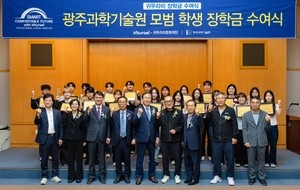
Kiturami Group expands science, tech scholarships for 120 students at DGIST, GIST, UNIST
Kiturami Scholarship goes to 50 DGIST, 20 GIST and 50 UNIST students 41 years, about 70,000 scholarship recipients, 65 billion won given back to society 600 million won purse for Korean Academy of Engineering award, 150 million won for mechanical engineering prize Kiturami Group said Friday that it presented 100 million won ($74,700) in "Kiturami Scholarships" to 50 UNIST students. On July 24, it gave 50 million won to 50 DGIST students, and on Sept. 4, it gave 50 million won to 20 GIST students. DGIST, GIST and UNIST are research-focused institutions that carry out education and research in cutting-edge fields such as AI, semiconductors, robotics and mobility, biotech, and energy. Kiturami Group provided this support as part of an effort to expand its scholarship program for science and technology talent majoring in future industries. Kiturami's scholarship program has continued for 41 years since the establishment of the Kiturami Culture Foundation in 1985. According to Kiturami Group, it has supported about 70,000 scholarship recipients nationwide to date. Kiturami Group is also expanding support in science and engineering fields. The group has sponsored the Korean Academy of Engineering award for 30 years, from the first edition in 1997 through this year. This year's total purse is 600 million won, with 400 million won going to the grand prize winner and 100 million won each to the winners of the Young Engineer Award and the New Frontier Award. Kiturami also runs the Kiturami Academic Award with four mechanical engineering societies — the Korean Society of Mechanical Engineers, the Society of Air-Conditioning and Refrigerating Engineers of Korea, the Korean Society of Combustion, and the Korean Society for Fluid Machinery. The prize money for outstanding researchers and full-time faculty totals 150 million won. Kiturami Boiler Chairman Choi Jin-min said, "To boost South Korea's future competitiveness, it is important to create an environment where the talent who will lead science and technology can learn freely and develop their capabilities to the fullest." "We will continue our support so that the people driving South Korea's scientific and technological development — from students to researchers and engineers — can grow," he added. Through the Kiturami Culture Foundation and the Kiturami Welfare Foundation, Kiturami Group carries out scholarship programs, academic research support, development funds for educational institutions, support for social welfare facilities, and residential environment improvement projects. The group said its cumulative social contributions over the past 41 years total about 65 billion won.
Sept. 11, 2026
-

Quitting smoking for 2+ years lowers depression risk in COPD patients: Seoul St. Mary's Hospital
Long-term quitters see 34% lower depression risk Risk falls about 60% in severe cases Study with Seoul National University Hospital analyzed 5,671 COPD patients Patients with chronic obstructive pulmonary disease, or COPD, who maintain abstinence from smoking for more than two years face a lower risk of developing depression than those who continue to smoke, a new study has found. The risk reduction was particularly pronounced among patients with severe COPD, at about 60 percent. The Catholic University of Korea's Seoul St. Mary's Hospital said Friday that its research team analyzed the link between smoking cessation duration and depression risk among newly diagnosed COPD patients. The joint research was led by Professor Shin Hyun-young of the hospital's Department of Family Medicine and Professor Park Sang-min of Seoul National University Hospital's Department of Family Medicine. COPD is a chronic respiratory disease in which the airways narrow and airflow becomes persistently restricted, caused by factors such as smoking and fine dust. Depressive symptoms are reported to accompany COPD in 20 to 60 percent of patients, and the combination of smoking and depressive symptoms can raise the risk of death even further. Using health checkup data from the National Health Insurance Service, the research team analyzed 5,671 adults newly diagnosed with COPD between 2003 and 2014. Over an average follow-up period of eight to nine years, 603 of them developed depression for the first time. The team divided participants into four groups based on their smoking status before and after diagnosis. The groups were: continuing smokers, those who quit for less than two years after diagnosis, those who abstained for two years or longer, and those who had never smoked. The long-term quitters had a 34 percent lower risk of developing depression than those who kept smoking. Among the 579 long-term quitters, 35 developed depression, for an incidence rate of 8.4 per 1,000 person-years — meaning roughly 8.4 cases per 1,000 patients annually. Among the 1,138 continuing smokers, 114 developed depression, for a rate of 12.0 per 1,000 person-years. By contrast, those who quit for less than two years showed no statistically significant difference in depression risk compared with continuing smokers. Non-smokers also showed no significant difference. Among all COPD patients, the study confirmed a significant risk reduction only in those who had abstained from smoking for two years or longer. The association was even stronger among patients with more severe disease. In a separate analysis limited to patients with severe COPD, long-term quitters had about a 60 percent lower risk of depression than continuing smokers. The association remained statistically significant among men and patients under 65. It also held among those with fewer coexisting conditions, higher income levels, and a body mass index under 25 kilograms per square meter. The research team said nicotine affects the release of neurotransmitters such as dopamine and serotonin, as well as the body's stress hormone system. Maintaining abstinence over the long term may allow neurotransmitter balance to recover and inflammation in the body to subside. They added that withdrawal symptoms during the first two years of quitting may mean the brain and body need time to recover. "A COPD diagnosis can be an important turning point for patients to change their lifestyle," said Park Sang-min, professor of family medicine at Seoul National University Hospital. "This study shows that not just attempting to quit smoking, but sustaining it consistently, carries positive implications for mental health as well." "The effect of smoking cessation was especially pronounced among patients with severe COPD," said Shin Hyun-young, professor of family medicine at Seoul St. Mary's Hospital. "We hope this research can serve as medical evidence for combining smoking cessation counseling with mental health management in the treatment of COPD patients." The findings were published in the September issue of the international journal Respiratory Medicine. Meanwhile, according to the Korea Disease Control and Prevention Agency's National Health Information Portal, an estimated 3 million people in South Korea have COPD. That figure represents about 13 percent of adults aged 40 and older. However, only 2.8 percent of them have been formally diagnosed by a doctor, and just 1.6 percent are receiving treatment.
Sept. 11, 2026
-

Rice-reduction policy fuels soybean glut, threatens October tofu supply crisis
Domestic soybeans pile up while imported soybeans run short Tofu industry warns Wednesday: 'Stocks will run out by early October, and factories will stop' Domestic soybean stockpile at 120,000 tons as government pushes companies to buy more Subsidy for paddy soybeans doubled from 1 million won per hectare in 2023 to 2 million won in 2024 Ministry moved to cut rice output, now struggles with a soybean stock burden The government's steep cut to imported soybean supplies this year threatens to halt roughly half of the country's more than 1,000 small and medium-sized tofu factories. Industry groups call it a looming "tofu crisis." Tracing the problem back reveals that the government's own policy of scaling back rice production while promoting soybean cultivation is ultimately to blame. The mismatch in agricultural policy triggered the soybean shortage, leaving small tofu makers to bear the brunt. In short, the government encouraged soybean cultivation to cut domestic rice output, which left it with an oversupply of homegrown soybeans. It then cut imports of soybeans to promote consumption of the domestic surplus — but that has raised the risk that tofu production could grind to a halt. Tofu factory representatives have called on the government to raise import quotas again, but officials drew a line, saying there are no such plans "for the time being." Small tofu makers face October shutdown as import quotas shrink On Wednesday, heads of soy food product cooperatives that mainly produce and sell tofu held a press conference at the Korea Federation of SMEs in Yeouido, Seoul. They called for an expansion of imported soybean supplies. Small food companies that make tofu and fermented soybean products such as soybean paste have less than a month's worth of imported soybean stock left, they said. "For domestic tofu factories to operate normally, they need at least 250,000 tons of imported soybeans every year, but the government's supply plan for this year covers only 220,000 tons. If this continues, imported soybeans will run short starting in early October, and factories will shut down," they said. In a statement, the industry said, "Raw material stocks at production sites are running out, and there is a serious risk that tofu and fermented soybean product factories nationwide will begin shutting down as early as late September." They called on the government to set the industry's actual annual requirement of 250,000 tons as the minimum supply baseline. Soybeans used for processing can be imported at a 5 percent tariff up to the volume set under the tariff-rate quota system. Any amount beyond that faces a 487 percent tariff. "Processing soybeans can only be imported through the state monopoly trading system and competitive bidding run by aT (Korea Agro-Fisheries & Food Trade Corp.), with an import profit fee added on top of the 5 percent tariff," the industry said, calling for private companies to be allowed to import directly. The groups also said the government's push to encourage farmers to plant more soybeans, meant to ease a domestic glut, is the biggest reason behind the current tofu crisis. This oversupply also led officials to cut import volumes. The government reduced this year's import volume, mostly sourced from the US and Canada, by 30,000 tons. Meanwhile, domestic soybean stocks remain high: the Ministry of Agriculture, Food and Rural Affairs said in May that domestic soybean stockpiles stood at about 120,000 tons. The ministry acknowledged that "domestic soybeans face a heavy stock burden relative to demand." Domestic soybeans overflow, imports run dry — the root cause is rice Tracing the current supply mismatch — a shortage of imported soybeans alongside a domestic glut — leads back to rice policy. The Moon Jae-in administration pursued policies, including the public interest direct payment system, to reduce rice production. When oversupply persisted, it took the extreme step of isolating 200,000 tons of rice from the market at the end of 2021. The problem was that rice production kept rising even afterward. After the change in administration, the debate over rice supply policy shifted to the Grain Management Act. The Democratic Party of Korea and other opposition parties pushed a revision to the act through the National Assembly on March 23, 2023. The revision required the government to purchase rice when output exceeds a certain threshold or prices fall sharply. President Yoon Suk Yeol exercised his veto power over the revised Grain Management Act in April 2023, the first veto of his term. The administration's reasoning at the time was that mandatory government purchases of surplus rice could worsen the rice oversupply. One policy the Yoon administration introduced to curb rice oversupply was the strategic crop subsidy program. Farmers who grew soybeans on rice paddies received 1 million won ($747) per hectare. The idea was to reduce rice-growing area while boosting soybean production, which relies heavily on imports. At the time, mounting instability in global grain supplies following the Russia-Ukraine war also made raising the country's food self-sufficiency rate a stated policy goal. Support grew the following year. Starting in 2024, the subsidy for soybean cultivation doubled from 1 million won to 2 million won per hectare. The Ministry of Agriculture, Food and Rural Affairs said the program's purpose was to "raise the food self-sufficiency rate, stabilize rice supply and demand, and improve the utilization of paddy fields." More than 540 billion won has reportedly been spent on the strategic crop subsidy program over the past three years or so. The problem is that while soybean production increased, consumption did not grow at the same pace. The Ministry of Agriculture, Food and Rural Affairs ultimately acknowledged in May that soybean stockpiles had grown too large. "In recent years, the area planted with paddy soybeans and their output have increased sharply. As production growth outpaced demand expansion, the government's stockpile also rose to a high level," the ministry said. Not all soybeans are equal: tofu makers say domestic and imported beans cannot be mixed With domestic soybeans piling up, the government belatedly moved to boost consumption of homegrown beans, asking tofu makers to mix domestic and imported soybeans. Tofu producers argue, however, that the two cannot be mixed because the beans differ in size. According to the tofu industry, domestic soybeans are larger than imported ones, so soaking times differ. Soaking beans too long causes surface defects. Making tofu with beans of different sizes also affects later processes such as grinding and coagulation, and lowers yield. Small companies that have long run their production equipment based on imported soybeans would also need to readjust their process conditions if they switch raw materials. That would add costs, the industry said. The government needs to reduce its domestic soybean stockpile, while the tofu industry needs to secure the imported soybeans it requires. The policy expanded paddy soybean cultivation over the past three years to curb rice production. This year, that same policy has turned into a problem of finding buyers for the resulting soybean surplus. Kim Suk-won, head of the Gwangju-South Jeolla soy food products cooperative, urged the government to "lower tariffs so companies can import soybeans directly." But a Ministry of Agriculture, Food and Rural Affairs official said, "We plan to urgently import 9,000 tons of soybeans and supply them this month, and additionally supply 65,000 tons of domestic soybeans to the market, but for now, there is no plan to expand imports."
Sept. 11, 2026
MOST READ
- 1KAIST develops high-performance bio-based adhesive using E. coli instead of petroleum
- 2Pope Leo XIV declines French honors and banquet, accepts only private meeting with Macron
- 3Daimler Truck unveils next-generation transport solutions at IAA 2026
- 4What was Rachmaninoff's performance fee? A 1928 price list tells all
- 5Samsung Biologics union's show of force backfires at the bargaining table
- 6APR says hair-loss treatment research published in international journal
-
WORLD

US warns of punishment for anyone enabling Iran's Strait of Hormuz toll scheme
-
INDUSTRY
Toyota union puts productivity first; Hyundai Motor union demands bigger share of profits
-
FINANCE
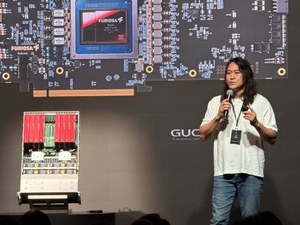
National Growth Fund to invest $531M in FuriosaAI, which rebuffed Meta's $800M takeover bid
-
INDUSTRY
Korea Shipowners' Association holds amateur baduk tournament for Maritime Day