
- HOME
- SMB·BIO
-

Samsung Biologics union's show of force backfires at the bargaining table
A post-mediation table painstakingly arranged to bridge the deep divide between Samsung Biologics management and its union ran aground before it could even get started. The session, brokered by the Incheon Regional Labor Relations Commission, was the first time the two sides had sat down together since mediation broke down in March — a gap spanning five months and 20 days, 27 rounds of formal bargaining, and an unprecedented full-scale strike. Yet what emerged from that first meeting was not a glimmer of compromise but a unilateral leak of meeting minutes and reports of a breakdown. After the first post-mediation session on Tuesday, the Samsung Biologics Mutual Prosperity Labor Union distributed a five-page document compiled from the meeting to journalists and company employees. The document contained the opening remarks of the mediation chair — a public-interest commissioner — along with the names and verbatim quoted statements of the employer-side commissioner, the worker-side commissioner, and the company's chief bargaining representative. Article 27, Paragraph 2 of the Labor Relations Commission Rules strictly prohibits audio recording, video recording, and photography without the chair's permission in order to maintain order during proceedings. Despite this, the union released a document bearing strong signs of unauthorized recording, disregarding even the most basic rules of a formal mediation process. More troubling still is the selective editing and distortion. In a closed mediation, a commissioner is expected to press both sides hard to narrow the gap between them — and in practice the chair called on both parties to make concessions. Yet the opening section of the union's circulated minutes was edited to highlight only the parts where, as the document framed it, "the chair and the worker-side commissioner criticized management's lack of sincerity and good faith." Distributing named individuals' statements without their consent and editing them with apparent malice carries a serious risk of violating defamation provisions under the Act on Promotion of Information and Communications Network Utilization and the Personal Information Protection Act. Ultimately, observers say the union brought the situation on itself by clinging to an ill-advised show of force. Having already staged the company's first-ever full-scale strike in May, the union has few meaningful bargaining cards left to play. A second strike would, given the nature of biopharmaceutical production, inevitably trigger batch losses and customer defections — damage that would be incalculable. Weighed down by that reality, the union chose instead to file seven lawsuits at the very moment post-mediation talks began, then immediately after the session passed a resolution for a second strike and leaked the minutes — a brinkmanship with no clear justification that only ratcheted up pressure. What is needed now is not a muscle-flexing show of force but a genuine willingness to find common ground through dialogue. The deepest contradiction here is that the union's reckless conduct is holding back the very members who most want a settlement before Chuseok. Rank-and-file workers want to pocket a pre-holiday bonus and put the conflict behind them — yet the leadership's scorched-earth leak campaign has slammed the door on compromise, ignoring the wishes of those on the ground. The employer-side commissioner's deadline of "before Chuseok, no later than Sept. 22" was urgently needed to ease the fatigue of employees worn down by a prolonged standoff. Management, too, has every reason to want a swift resolution: a new European contract worth 350.8 billion won ($261 million) has pushed the company's cumulative order backlog to the cusp of $22 billion. Even so, it cannot simply abandon its principles. The union's demand for prior agreement on any changes to the personnel management system encroaches on management's prerogative. If the company rushes to paper over the union's unauthorized recording and one-sided distortion of a confidential proceeding just to beat a deadline, it will find itself held hostage to strike threats every holiday season. Peace without principle is built on sand. Without first restoring the procedural integrity and mutual trust that have been broken, no durable agreement is possible. The labor-management culture of a company that leads Korean biotech on the world stage can only stand on a foundation of mature respect for the law and mutual respect — not on tantrums and underhanded tactics.
Sept. 15, 2026
-

Ace Gyeongam Foundation donates W210m in rice ahead of Chuseok, marking 28th year of holiday giving
7,500 bags of rice delivered to Seongnam for vulnerable residents Cumulative donations since 1999 reach 175,260 bags, worth 4.44 billion won Foundation also backs firefighters, ALS care facility and disaster relief The Ace Gyeongam Foundation donated 210 million won ($156,000) worth of white rice to support low-income residents in Seongnam ahead of Chuseok — continuing a tradition it began in 1999 and is now marking for the 28th consecutive year. The foundation held a rice donation ceremony at Seongnam City Hall on Tuesday, handing over 7,500 bags of 10-kilogram rice to the city. The rice will go toward supporting the livelihoods of vulnerable residents, including elderly people living alone, during the holiday season. The foundation has donated rice every Lunar New Year and Chuseok since 1999. Cumulative donations through this Chuseok now stand at 175,260 bags, equivalent to about 4.44 billion won. This year the foundation donated 7,500 bags for both the Lunar New Year and Chuseok. It said it maintained the expanded donation volume introduced at this year's Lunar New Year in recognition of the growing financial burden on low-income households amid high prices. Beyond its holiday rice donations, the foundation has continued disaster relief and welfare support efforts. In March last year, it donated 500 million won to Hope Bridge Korea Disaster Relief Association to help with recovery from wildfires in the Gyeongsang region. It subsequently partnered with dealerships in Daegu and North Gyeongsang Province to support the restoration of living environments, providing a total of 150 million won in bed purchase subsidies to more than 110 households over roughly a year. The foundation has also contributed a cumulative 1.5 billion won to improve working conditions for firefighters, and donated a total of 400 million won to the Seung-il Hope Foundation to support the construction of an ALS care hospital and improve medical and nursing conditions for patients. Through a briquette-sharing program involving its employees, the foundation has delivered more than 340,000 briquettes to date. In Icheon, Gyeonggi Province, it operates the "Ace Senior Center," providing free meals to about 200 people a day. "I hope this rice donation brings warm comfort and a bountiful Chuseok to neighbors going through difficult times," foundation Chairman Ahn Sung-ho said. "Just as we have consistently donated rice for 28 years, we will continue to provide support that makes a real difference in the daily lives of our community and neighbors."
Sept. 15, 2026
-
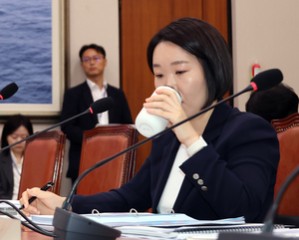
SME minister nominee signals flexibility on 52-hour workweek, all-inclusive pay rules
Jeon Eun-su: more SMEs lack successors; special bill on employee buyouts in the works Lee So-young: aware of third-party M&A bill, overseas employee acquisition schemes On Kim Do-eup's questions: blanket ban on all-inclusive pay would burden firms; 52-hour rule needs reform Lee So-young, nominee for minister of SMEs and Startups, said Tuesday she would explore ways to ease the financing barriers that prevent employees from acquiring small businesses, expressing support for diversifying succession options beyond family transfers to include employee buyouts and third-party mergers and acquisitions. She also signaled that the 52-hour workweek rule and all-inclusive pay arrangements should be applied more flexibly depending on industry and job type. Speaking at her confirmation hearing before the National Assembly's Trade, Industry, Energy, SMEs and Startups Committee, Lee responded to questions from Democratic Party of Korea lawmaker Jeon Eun-su on business succession, saying that while a family business succession regime already exists, many people in the current generation prioritize their own lives and preferences and do not wish to take over a company. Lee said she was aware that a bill to promote third-party M&A had already been introduced in the National Assembly, and that some countries have systems allowing employees and executives to raise funds and acquire their companies. Jeon said that as small and medium-sized enterprises age, family-only succession can no longer guarantee business continuity. She noted that one in three SMEs is led by a CEO aged 60 or older, and that many companies approaching the retirement of their founders cannot find anyone to take over. Jeon said there is a need to promote third-party succession — including employee buyouts — beyond family transfers, and announced she is preparing a special bill on employee business acquisitions. She said financing during the acquisition process remains a major obstacle and that institutional support is needed to help businesses continue to grow after a succession. Jeon cited Korea Engineering Consultants Corp. as a domestic example of a successful employee buyout, and said policy financing and other institutional support mechanisms are needed to make such transactions possible. In response, Lee said she would look into what options might be available to resolve the financing problem. The issue of business succession also came up in questions from People Power Party lawmaker Kim Do-eup, who identified inheritance tax burdens as one reason South Korea has far fewer century-old companies than Germany or Japan. Kim said that when business owners try to pass a company on to a successor, they often have to sell the factory just to pay the inheritance tax, making succession effectively impossible. He said companies that meet certain criteria should receive tax relief during the succession process, warning that jobs and technology can disappear along with businesses that are sold off or liquidated. Lee's stance on labor regulations also drew scrutiny at the hearing. When Kim asked about all-inclusive pay arrangements and the 52-hour workweek, Lee said businesses should be given a degree of autonomy and flexibility over working-hour and wage regulations. On a blanket restriction of all-inclusive pay arrangements, she said there could be some concerns. She added that some industries and companies are not well suited to tracking hours and paying overtime accordingly. Lee said that in such cases, uniformly banning the practice or legally restricting the wage structure altogether would add to the burden on businesses. She also said the 52-hour workweek rule needs improvement. While acknowledging the need to reduce working hours given concerns about overwork and long hours, she said the nature of work has changed significantly from the past. Lee said that unlike the traditional model of clocking in and out of a factory, many forms of knowledge work are evaluated by output rather than hours spent. She said enforcing the 52-hour limit as a rigid, blanket regulation — with criminal penalties of up to two years in prison for employers who violate it — does not fit the increasingly diverse ways people work today, and said reform is needed.
Sept. 15, 2026
-

'We find dementia in retinas and voices, and rehabilitate with AI': biotech startups taking on Alzheimer's
From early detection to management, rehabilitation and treatment — dementia-response technology expands on all fronts Six companies at Seoul Bio Hub show a full 'predict-diagnose → manage-rehabilitate → treat' value chain for dementia Sept. 21 is National Dementia Awareness Day in South Korea. Designated under the Dementia Management Act enacted in August 2011, the date coincides with World Alzheimer's Day, jointly established in 1995 by the WHO and Alzheimer's Disease International. According to the Ministry of Health and Welfare's 2023 dementia epidemiology and status survey, the prevalence of dementia among Koreans aged 65 and older stands at 9.25 percent. At this rate, the number of dementia patients in South Korea is projected to exceed 1 million in 2026. Dementia has become a challenge that society as a whole must prepare for, not just a concern for some elderly individuals. Biotech and healthcare startups are joining the push to develop technologies to overcome dementia. Approaches vary widely — from AI that detects early warning signs in retinal images and voices, to electronic medicine that stimulates brain function, AI-powered rehabilitation solutions, and innovative new drugs targeting Alzheimer's disease. The fight against dementia is not the exclusive domain of global pharmaceutical giants. Seoul Bio Hub is home to a cluster of startups — small in scale but formidable in capability — that are taking on the challenge of dementia treatment. A closer look at their technologies reveals a new value chain taking shape: from detecting dementia risk earlier, to managing its progression, supporting rehabilitation of impaired functions, and ultimately attempting to cure the disease itself, forming a continuum of "predict and diagnose → manage and rehabilitate → treat." Early detection is where the chain begins. Dementia is a condition where identifying warning signs and intervening before symptoms become pronounced is critical, and new technologies are emerging that use data relatively easy to collect in everyday settings to screen high-risk individuals more quickly and conveniently. Demenphil develops a solution that uses AI to analyze retinal fundus images and screen for dementia and mild cognitive impairment at an early stage. The retina, which is embryologically derived from the brain and can be observed non-invasively, has long attracted research interest as a source of biomarkers for brain disease. Demenphil applies AI image-analysis technology to this premise, aiming to identify individuals at risk of mild cognitive impairment and dementia quickly and conveniently through an eye examination alone, without additional diagnostic procedures. The company has incorporated explainable AI (XAI), which provides the reasoning behind its judgments, and uncertainty quantification (UQ) technology that calculates prediction reliability, so that results can be verified and used in clinical settings. Though only founded in 2025, the company has already been selected for the TIPS R&D program, earning recognition for its technological capabilities. Voinosis turned its attention to the signals hidden in the human voice. Founded in 2019 by Shin Jeong-eun, an otolaryngologist by training, the company provides a service that analyzes subtle biomarkers in speech using medical-grade voice big data and AI technology to predict and manage dementia at an early stage. The company recently received investment from Daewoong Pharma and has since introduced its service at Classic500 and the Hanam Care Center. Building on the data it has accumulated, Voinosis established a US subsidiary to pursue overseas expansion and is strengthening partnerships with companies in the United States, Japan and elsewhere, broadening its service scope along the "early detection → management and rehabilitation → treatment" continuum. Though Demenphil and Voinosis take different approaches, both share the same underlying goal: moving the point of dementia intervention from after symptoms worsen to the stage of detecting early warning signs. Beyond medication, other answers are being sought through electronic medicine and AI for management and rehabilitation. Another pillar of dementia response is slowing the disease's progression and preserving patients' function for as long as possible — through technologies that intervene in brain function by means other than drugs, or that support rehabilitation of the language and cognitive abilities that tend to decline with dementia. Neurogreen was co-founded in 2021 by Kim Seon-gwang, a professor at Kyung Hee University's College of Korean Medicine, and Jeong Ji-hun, a professor at Chungbuk National University's College of Medicine. The company is introducing a new device-based approach to dementia treatment, a field that has long been dominated by pharmaceuticals. Neurogreen's focus is cerebrospinal fluid circulation and the accumulation of waste products in the brain. In a healthy brain, metabolic waste is cleared through the glymphatic and cerebrospinal fluid circulation systems, but in patients with dementia or cerebrovascular disease, this cleansing mechanism may not function properly — an insight that underpins the company's work. The company has developed a wearable electronic medicine device called CEROGRIN that stimulates the vagus nerve to promote cerebrospinal fluid circulation, facilitate the removal of waste from the brain, and induce improvements in cognitive function. Neurogreen describes this as a kind of "brain-cleaning" mechanism that improves the brain's internal environment through autonomic nervous system regulation. After confirming the concept in animal studies, the company moved to develop the electronic medicine device for human application. Following investigator-initiated clinical trials in healthy volunteers, it recently completed an exploratory clinical trial in patients with vascular dementia. The company is now preparing for a large-scale confirmatory trial and, based on its preclinical and clinical research, published two papers in SCI-indexed international journals this year. Mal Science Playground has integrated AI into language and cognitive rehabilitation for dementia patients. Founded in 2024 by Lee Yun-jin, who holds expertise in speech-language pathology and a doctorate in Korean medicine, the company operates an AI-powered language rehabilitation platform called Neurotalk. At its core is a proprietary speech recognition engine specialized for disordered speech — developed to accurately recognize the speech of patients with language disorders, which standard speech recognition technology struggles to process — achieving a recognition accuracy of 89.58 percent under certified testing standards. The platform also automates five clinical language therapy techniques so that patients can continue training on their own even when a therapist is not present. The company is currently pursuing Class 1 medical device registration, while separately running a Class 2 digital therapeutics clinical trial targeting post-stroke dysarthria as an indication. The underlying technology has completed domestic patent registration and PCT international filing, and the company is also preparing field validation trials at skilled nursing facilities in the United States. "The language function of dementia patients deteriorates rapidly when left unused," said Lee, the company's chief executive. "Our goal is to go through medical device registration and clinical trials so that patients with language disorders and their families can access high-quality training anytime, anywhere — and to reach the stage where the platform is actually being used at dementia care centers and long-term care facilities." Even as early detection and management and rehabilitation technologies advance, the ultimate goal in the dementia field remains the development of treatments that target the disease's underlying causes. South Korean biotech startups are also taking on the challenge of developing innovative drugs for Alzheimer's and other neurodegenerative diseases. Illimis Therapeutics develops Alzheimer's drug candidates targeting amyloid beta, based on its proprietary GAIA (GAS6-mediated anti-inflammatory adapter) platform. Founded in 2021 by Park Sang-hun, the company has completed a Series B funding round and won the 2023 Seoul-BMS Innovation Square Challenge. It has expanded its global footprint by moving into Eli Lilly's Lilly Gateway Labs and establishing a US subsidiary. Cureverse, a research spinoff from the Korea Institute of Science and Technology, develops small-molecule drugs targeting intractable neurological diseases including Alzheimer's disease, Parkinson's disease and multiple sclerosis. Co-led by Cho Seong-jin and KIST researcher Park Ki-deok, the company was founded in 2021 and is currently conducting a pre-IPO funding round with a target of listing in the first half of next year. Its lead pipeline candidate, CV-01, has completed a domestic Phase 1 trial and secured a clinical study report, confirming strong safety, predictable pharmacokinetics and applicability in elderly patients. The company has since initiated a Phase 1b trial in Europe and is preparing regulatory submissions with the goal of entering a domestic Phase 2a trial for Alzheimer's disease in the second half of next year. In 2024, it signed a license-out agreement with Italian pharmaceutical company Angelini Pharma worth about 500 billion won ($372 million), demonstrating the global commercialization potential of South Korean brain disease drug startups. Detecting warning signs in retinas and voices, managing and rehabilitating patients' function with electronic medicine and AI, targeting the disease itself with innovative drugs — the six companies at Seoul Bio Hub start from different points but are heading in the same direction. Their shared aim is to transform dementia from a condition simply accepted as part of aging into one that can be detected earlier, managed and treated. No single technology can solve the dementia problem on its own. The more different technologies advance across the full continuum — from prediction and diagnosis to management, rehabilitation and treatment — the broader the range of options available to patients and clinicians. How the challenge mounted by the biotech and healthcare startups gathered at Seoul Bio Hub will reshape South Korea's dementia-response ecosystem remains to be seen.
Sept. 15, 2026
-

Kakao Pay users can now pay at Seoul Pay merchants via QR link built by Coocon
No separate app download required for payments at Seoul Pay merchants Existing QR infrastructure leveraged, boosting sales potential for merchants Coocon, a business data platform company, announced Tuesday that it has built a QR payment infrastructure linking Kakao Pay and Seoul Pay. Under the new integration, Kakao Pay users can make QR payments with Kakao Pay Money at Seoul Pay-affiliated merchants. Kakao Pay is the first domestic payment service to connect with Seoul Pay merchants. With about 43 million cumulative subscribers, Kakao Pay is one of South Korea's leading mobile payment services, and the integration now enables payments at roughly 270,000 Seoul Pay-affiliated merchants. Kakao Pay users can pay at Seoul Pay merchants through the Kakao Pay home screen within KakaoTalk or through the Kakao Pay app, with no separate app installation required. Seoul Pay merchants can also expand payment options for customers without additional system investment by continuing to use their existing QR infrastructure — a development expected to contribute to higher sales. Coocon operates as the payment and settlement operator for Seoul Pay, designated by the Seoul Metropolitan Government, and runs the payment infrastructure connecting Seoul Pay with domestic and international mobile payment services. The company had earlier integrated global payment services — including UnionPay, WeChat Pay and Alipay+ — with Seoul Pay, improving payment convenience for foreign tourists. Coocon is also expanding its offline payment coverage. The company is building QR merchant networks based on local currency systems and broadening its direct franchise merchant base. On top of that, it plans to accelerate expansion into global markets, starting with Asia, by establishing a Singapore subsidiary to secure international partners and diversify its service channels. "This Kakao Pay integration is significant because it marks an expansion of Coocon's QR payment infrastructure — which has led the way in cross-border payments — into domestic payment services," said Coocon CEO Kim Jong-hyun. "We will use the payment infrastructure we have built domestically as a foundation to actively target overseas markets, including Asia, and grow into a global payments company." Meanwhile, Coocon disclosed at its regular investor relations briefing last month that it posted second-quarter sales of 17.96 billion won ($13.4 million) and operating profit of 4.96 billion won, up 12.2 percent and 10.9 percent, respectively, from the previous quarter. The payments segment led earnings with sales of 9.31 billion won and operating profit of 2.23 billion won, driven by new customer acquisition among major payment gateway companies and higher transaction volumes. The data segment also held its ground, posting sales of 8.65 billion won on the back of an expansion in new customers for financial MyData services.
Sept. 15, 2026
-

Platform regulation, fee transparency 'valid options,' SME minister nominee says
Lawmaker cites fee, ad and delivery cost burdens on small businesses; platform monopoly raised Nominee backs regulation, disclosure through online platform law and SME ministry bill Public delivery app budget of over 120 billion won should move beyond coupon handouts, she says Lee So-young, the nominee for minister of SMEs and Startups, said Tuesday that regulating private platforms through legislation and requiring them to disclose information could be effective tools for addressing excessive fees charged by companies such as Coupang Inc, open-market operators and online food delivery apps. She also said policy support is needed to make public delivery apps more competitive, and pledged to find more efficient ways to spend the related budget. Speaking at her confirmation hearing before the National Assembly's Trade, Industry, Energy, SMEs and Startups Committee, Lee responded to questions from lawmaker Song Jae-bong on platform monopoly issues. "I think the difficulties that small business owners and self-employed people face because of platforms are very serious," she said. "I believe many are suffering not only from Coupang Inc's fees but also from open-market commissions and online food delivery app fees." Song had raised concerns that small business owners are bearing the brunt of high commissions, advertising costs and delivery charges, and asked whether regulating platforms through an online platform law and expanding public delivery apps would help. In response, Lee said, "Regulating currently operating private platforms and requiring various forms of information disclosure through the online platform law or the Ministry of SMEs and Startups bill currently under review would also be a valid approach." She also raised the need to develop public delivery apps as a competitive alternative to private platforms. "I think growing what are commonly called public delivery apps into attractive, competitive apps could also be one way forward," Lee said. Lee said the way the government spends its existing public delivery app budget also needs to be revisited. "The Ministry of SMEs and Startups' budget proposal for this year includes more than 120 billion won ($89.2 million) to foster public delivery apps," she said. "I will think about how to use that budget in a more efficient way rather than simply distributing coupons." Song also said a significant portion of the public delivery app support budget is allocated to coupon distribution, which he said could undermine long-term sustainability. He suggested the funds should instead go toward improving user convenience and overhauling the delivery system. On the question of a delivery fee subsidy, Lee left open the possibility of further discussion during the National Assembly's budget review process. "My understanding is that the Ministry of SMEs and Startups pushed for a delivery fee support budget, but it was not reflected in the final government proposal," she said. "If the committee members take it up during the Assembly's budget review, I think it could become a very meaningful budget item." Lee had previously announced plans to systematically analyze the cost burdens facing small business owners — including rent, interest payments, online food delivery app fees, advertising costs and delivery charges — and develop a roadmap for improving their cost structures. At Tuesday's hearing, she elaborated on specific measures, including regulating private platforms, requiring information disclosure and strengthening the competitiveness of public delivery apps.
Sept. 15, 2026
-

Lee So-young defends apartment ownership at confirmation hearing as lawmaker raises non-residency concerns
Apartment in Hongje-dong bought for 490 million won in 2016; nominee lived there about 4 years Moved to Uiwang ahead of 2020 general election; has not resided in unit since Dispute also flares over tax policy for non-resident single-homeowners The ownership of an apartment in Seoul's Hongje-dong came under fresh scrutiny Tuesday at the National Assembly confirmation hearing for Lee So-young, nominee for minister of SMEs and Startups. People Power Party lawmaker Choi Su-jin said Lee had held the property for about seven years without living in it after residing there for roughly four years, while Lee pushed back, saying she had never realized any capital gains because she had not sold the unit. At the hearing before the Assembly's Industry, Trade, Resources, SMEs and Startups Committee, Choi asked Lee whether she had purchased the Hongje-dong apartment for 490 million won ($364,000) in 2016, and Lee confirmed she had. Lee said she lived in the apartment for about four years before moving to Uiwang in Gyeonggi Province in February 2020, when she decided to run in that year's general election. Choi said Lee had held the Hongje-dong apartment for roughly seven years without actually living there, noting that the unit's current market price stands at around 990 million won — an increase of about 500 million won from the purchase price. Lee said in response that she had not yet sold or otherwise disposed of the property, so no gain had been realized. The exchange extended to government tax policy on single-homeowners who do not reside in their properties. Choi raised concerns about a policy that applies different tax burdens based on residency status, arguing that some single-homeowners cannot live in their own homes for unavoidable reasons such as schooling or work. Lee said she understood the government's policy to involve differentiated tax benefits for non-resident single-homeowners rather than direct regulation of non-residency itself. Choi countered that differentiation itself amounts to discrimination, reiterating that tiered tax treatment for non-resident single-homeowners may fail to adequately account for the varied circumstances of genuine end-users. Lee's camp has maintained that the Hongje-dong apartment was purchased for residential use, not as an investment, and that she relocated to the constituency to run in the general election. The property has not been sold.
Sept. 15, 2026
-
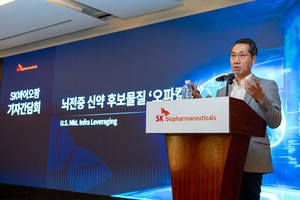
SK Biopharm CEO buys additional 1,000 shares in show of commitment
Second purchase in two weeks brings total to 3,000 shares; strategy chief also adds to stake Key executives at SK Biopharm have made a series of open-market share purchases, signaling their commitment to responsible management and shareholder value. SK Biopharm disclosed Tuesday that President and CEO Lee Dong-hoon bought an additional 1,000 shares on Friday. The average acquisition price was 78,800 won ($59) per share, bringing the total purchase to about 79 million won. Lee had previously bought 2,000 shares on Aug. 27, and returned to the market roughly two weeks later, bringing his total recent share purchases to 3,000. On the same day, Chief Strategy Officer Yoo Chang-ho also acquired 500 additional shares at an average price of 79,087 won per share. Yoo had likewise purchased 500 shares on Aug. 27, and expanded his stake further with this latest purchase. The company said the executives' decision to invest their own funds in rapid succession reflected strong confidence in the company's medium- to long-term growth strategy, as well as a firm commitment to defending corporate value and practicing responsible management. SK Biopharm is accelerating its pipeline expansion beyond its flagship epilepsy drug cenobamate, having signed a global exclusive license agreement last month for opicalmide, a new drug compound in the selective potassium channel (Kv7) activator class.
Sept. 15, 2026
-
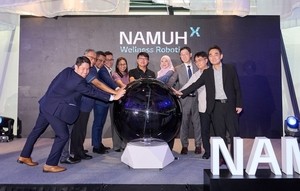
SK Intellix takes NAMUHX wellness robot brand to Malaysia in first overseas push
First overseas move after building domestic base AI and robotics combined with air management, health monitoring Malaysia to serve as springboard for US and global expansion NAMUHX, the AI wellness robotics brand of SK Intellix, is making its first foray into overseas markets, starting with Malaysia. SK Intellix said Tuesday it held a NAMUHX launch event in Malaysia on Monday, with government officials and partner company representatives in attendance. The company chose Malaysia as its first overseas market, citing the country's push to develop advanced technology industries including digital and AI, and its emergence as a hub for AI and data centers in Southeast Asia. NAMUHX plans to use Malaysia as a springboard to expand sales into major global markets, including the United States. NAMUHX combines AI and robotics to deliver indoor environment management and health-monitoring functions. The product features an air solution that detects pollutants in a given space, navigates autonomously and purifies the air, as well as a live view function that lets users check real-time video feeds. Even without an internet connection, users can control key functions by voice using an on-device large language model. The robot also includes a vital sign check feature that measures five health indicators without physical contact. In personal data and security, the product has obtained ISO/IEC 27001 certification, the international standard for information security management. The company positions NAMUHX's integration of air quality management, health monitoring and AI voice interaction into a single mobile robot as its core competitive advantage. The overseas expansion marks a turning point for the NAMUHX business as it extends sales beyond the domestic market. However, how much demand the company can generate for wellness robots — a relatively new product category — in overseas markets will be a key factor in determining whether it can establish a lasting foothold abroad. "Malaysia is a market with strong growth potential in the advanced AI industry," a NAMUHX official said. "Starting with Malaysia, we plan to continue introducing NAMUHX to major global markets, including the United States."
Sept. 15, 2026
-

LX Hausys earns top call center quality rating for 6th consecutive year
Named every year since interior category was added in 2021 Chatbot, video consultation services bolster remote support Expanded agent training, dedicated technical specialists deployed LX Hausys announced Tuesday it has been named an outstanding company in the interior category of the 2026 Korea Call Center Quality Index, an annual survey conducted by the Korean Standards Association. The recognition marks the sixth consecutive year LX Hausys has received the designation since the interior category was introduced in 2021. The company said it is the only firm to have earned the distinction in the interior category every year since the category's inception. The Korea Call Center Quality Index evaluates the quality of customer service provided through corporate call centers, assessing factors including accessibility, reliability, courtesy and responsiveness. LX Hausys has worked to strengthen both agent training and its remote consultation systems. The company regularly provides call center agents with training on interior products, installation and customer service, and also runs installation and repair education sessions as well as collaborative learning programs with service engineers. Its dedicated training facility, the LX Z:IN Interior Academy, offers both theoretical and hands-on instruction. The programs are designed to handle specialized inquiries arising not only from product questions but also from installation and repair processes. The company has also expanded its digital consultation channels. It operates a chatbot service available 24 hours a day, 365 days a year, along with a video consultation service, and provides self-help instructional videos that allow customers to identify and address issues on their own. Technical specialist agents have been assigned separately within the call center. They connect with customers via video call to assess on-site conditions and then guide them through simple remedies or product usage instructions. "We plan to continuously maintain a high standard of customer consultation quality, deliver differentiated value, and pursue customer-first management built on trust," an LX Hausys official said.
Sept. 15, 2026
-
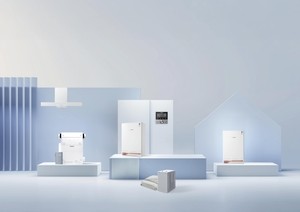
Kyung Dong Navien launches Navien BathCare subscription, expanding air quality lineup to bathrooms
Product inspection, cleaning and filter washing every six months Bundle with dehumidifying ventilation purifier for 4,000-won monthly discount Subscription lineup expands to bathrooms after ventilation purifier, 3D air hood Kyung Dong Navien is launching a subscription service for its Navien BathCare bathroom air quality product, extending its subscription lineup beyond the dehumidifying ventilation purifier and 3D air hood to cover the bathroom. The company announced Tuesday it is rolling out the Navien BathCare subscription and introducing a bundled discount for customers who subscribe to two or more products at the same time. Navien BathCare, released in July, is a bathroom air quality management product offering four modes — dehumidification, warm air, drying and exhaust. It is designed to manage post-shower moisture through its dehumidification function while also letting users control bathroom temperature and odors according to their needs. Subscribers will receive professional care service every six months, covering product inspection, interior and exterior cleaning, filter washing, and sterilization and deodorization. The company said the subscription model suits air quality products, which require regular hygiene maintenance. With BathCare added to the subscription roster alongside the dehumidifying ventilation purifier and 3D air hood, Kyung Dong Navien has expanded its lifestyle air solution coverage to include the living room, kitchen and bathroom. The move extends the company's broader strategy of diversifying beyond its traditional heating-focused product range into ventilation, air purification, dehumidification and kitchen appliances. The company also introduced a bundled discount for customers who use multiple products at the same time. Subscribers to two or more products receive a reduced monthly fee. Customers who subscribe to both the dehumidifying ventilation purifier and Navien BathCare get a 4,000-won monthly discount. With additional promotions applied, the company said both products can be used for around 30,000 won ($22) per month. Kyung Dong Navien has been expanding its lifestyle air solution business, which goes beyond air purification to manage temperature, humidity and odors. In the kitchen, it links the 3D air hood with the ventilation purifier, and it is now adding BathCare to the subscription lineup to broaden its room-by-room air quality product offering. "As a lifestyle environment solution company, we will continue to offer products covering air quality management, heating, sleep and all aspects of daily life in subscription form," a company official said.
Sept. 15, 2026
-
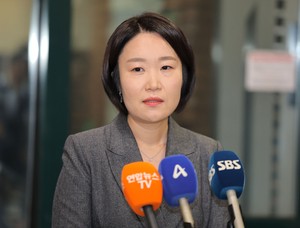
Lee So-young vows 'cost-structure roadmap' to ease burden on small business owners
Rent, interest, delivery app fees to be tracked as management burden indicators; existing policy effectiveness to be reviewed Public delivery app competitiveness, self-employed social safety net expansion on agenda Regulation reform, Kosdaq trust restoration, AI transition and carbon response support for SMEs Lee So-young, nominee for minister of SMEs and Startups, said Tuesday she would draw up a "cost-structure improvement roadmap" to reduce the financial burden on small business owners, targeting expenses such as online food delivery app fees, rent and interest costs. She also said she would spell out the role of small and medium-sized enterprises in the government's three major mega-projects, which are set to receive around 800 trillion won ($595 billion) in total investment. Lee made the pledge in her opening statement at a confirmation hearing before the National Assembly's Trade, Industry, Energy, SMEs and Startups Committee on Tuesday. "I will systematically track the management burden on self-employed business owners as measurable indicators and draw up a cost-structure improvement roadmap to bring those costs down in a meaningful way," she said. She said small business owners are struggling under a combination of high interest rates, high inflation, rent, interest payments, online food delivery app fees, advertising costs and delivery charges. "Simply keeping them afloat with subsidies is not enough," she said. "We need to build a structure where running a business leaves something behind, where effort leads to growth, and where failure is not the end." Lee said she would also review the effectiveness of existing small business support policies. On public delivery apps, she said she would "create new competitiveness and alternatives so that consumers actually choose to use them." Her opening statement, however, did not specify a target level for fee reductions, a concrete implementation approach or a timeline for completing the roadmap. Expanding the social safety net for the self-employed was also listed as a priority. She outlined plans to broaden support for healthcare costs, industrial accident insurance and employment insurance, and to overhaul policies for business closures and second-chance programs. For the broader SME and venture sector, Lee said her policy direction would focus on streamlining regulation and restoring confidence in the capital market. She said she would seek solutions to regulations blocking new business challenges regardless of which ministry has jurisdiction, and would personally persuade other ministers when necessary. "I will identify roles for small and medium-sized enterprises in large-scale national projects and turn the AI transition and carbon response into new growth opportunities," Lee said. She added that the role of SMEs and venture companies in the three major growth projects must be made more concrete and explicit. On the Kosdaq market, Lee described it as a key funding channel for SME growth and an exit market for venture investment. "I will restore the trust that Kosdaq has lost and build a market that attracts fresh capital," she said, adding that she would not treat it as solely the Financial Services Commission's domain but would actively convey the SME sector's perspective. Lee also said she would ensure the role of SMEs and venture companies is specifically reflected in the national growth strategy from the planning stage — covering the three mega-projects, the seven SEED initiatives and the five-pole, three-special growth engine strategy. She said she would define the areas of participation and the support and special provisions needed for SMEs in the semiconductor, AI data center and physical AI sectors. She added that she would support AI adoption and smart factory upgrades at small manufacturing sites, and would expand institutional reforms, carbon-reduction equipment transitions and research and development support to help businesses respond to global carbon regulations and expanded ESG disclosure requirements. "It is the government's responsibility to create an environment where innovation can be attempted and a structure where effort is rewarded," Lee said. "I will communicate with small businesses, venture companies and self-employed owners, and actively reflect the committee members' insights in policy."
Sept. 15, 2026
-
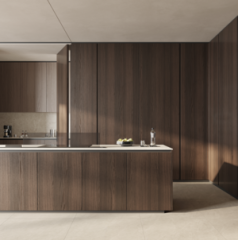
Hansol HomeDeco launches Storyboard X Film Vol.10 with expanded oak patterns
Furniture board and interior film share identical patterns, extending to walls and doors Three lineups: Signature, Special and Entry Hansol HomeDeco announced Tuesday it has relaunched "Hansol Storyboard X Film Vol.10," a collection that pairs furniture board materials and interior film in matching patterns. Hansol Storyboard is a furniture surface material made by bonding finishing layers — including PET (polyethylene terephthalate), PP (polypropylene) and LPM (low-pressure melamine) — onto E0-rated MDF (medium-density fiberboard) produced in-house. It is used in the fabrication of custom furniture such as kitchen cabinets and built-in wardrobes. Hansol Storyfilm, launched alongside the board line, is an interior film developed in the same patterns as Storyboard, allowing the same design to be applied not only to furniture but also to surrounding walls and doors. Hansol HomeDeco, which also handles flooring, wall panels and ceramic materials, is pursuing a strategy of broadening design coordination across its product categories. The full range is on display at its official showroom, The Hansol HomeDeco, in Guro-gu, Seoul. Vol.10 is organized into three lineups: Signature, Special and Entry. The Signature line emphasizes the texture of natural materials such as wood and stone, while the Special line features antibacterial and fingerprint-resistant surface coatings with a triple-layer structure. The Entry lineup offers enhanced resistance to discoloration. The Signature line in particular subdivides its oak patterns into variants including Natural, Deep Brown and Deep Gray. The company said the expanded selection reflects growing demand among custom-furniture buyers for mixing and matching colors and materials. Three new patterns developed in collaboration with professional interior design firms have also been added. The "Ever Oak" pattern, previously featured in the "Hansol Storyfilm Plus Edition," has now been extended to the Storyboard product line. The company's website currently highlights Vol.10 products and Ever Oak among its featured offerings. "This renewal focused on realizing the colors and textures of diverse materials while strengthening design continuity between Storyboard and Storyfilm," a Hansol HomeDeco official said. "We will continue to expand our product lineup to meet the needs of the custom furniture market."
Sept. 15, 2026
-
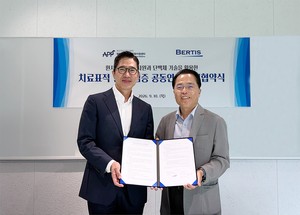
Vertis signs MOU with Hwasun Chonnam National University Hospital to identify, validate cancer treatment targets
Proteomics platform to be linked with patient clinical and pathological data Human-derived samples to assess target expression in actual tissue Partnership aims to commercialize next-generation drugs including antibody-drug conjugates Vertis, a proteomics specialist, has teamed up with a university hospital to validate drug treatment targets using patient clinical data. Vertis announced Tuesday that it signed an MOU with the Advanced Precision Medicine Industrialization Support Center at Hwasun Chonnam National University Hospital for joint research on the discovery and validation of treatment targets, leveraging patient-derived clinical resources and proteomics technology. Under the agreement, the two institutions will work to identify new treatment targets for major diseases including cancer and verify their efficacy at the patient level. Candidate targets identified through Vertis's proteomics target discovery platform SURF will be cross-referenced with de-identified clinical and pathological data and human-derived biological samples held by Hwasun Chonnam National University Hospital, with the aim of evaluating target expression characteristics in actual patient tissue, disease associations and clinical value from multiple angles. SURF uses AI to analyze big data on proteins at and near cancer cell surfaces to identify targets, which are then refined through laboratory testing into a technology transfer package. Cell-surface proteins are considered key targets for next-generation therapeutics such as antibody-drug conjugates (ADCs) and bispecific antibodies. The Advanced Precision Medicine Industrialization Support Center at Hwasun Chonnam National University Hospital holds preclinical testing infrastructure that recently received Good Laboratory Practice designation from the Ministry of Food and Drug Safety. The two institutions plan to pursue not only academic publication of research findings but also follow-on research and step-by-step commercialization of promising candidate compounds. The partnership moves proteomics target analysis beyond its traditional focus on cell-line-based discovery and into direct integration with hospital patient tissue and clinical pathology data — pre-validating the clinical viability of drug candidate targets and enhancing the commercialization potential of the pipeline. "Validating that a drug target actually functions as a meaningful target in real patient tissue is just as important as discovering it in the first place," said Han Seung-man, co-CEO of Vertis. "By combining our proteomics discovery technology with the hospital's clinical research resources, we will secure highly reliable targets and translate that into drug development and technology transfer outcomes."
Sept. 15, 2026
-

Celltrion files IND for high-dose Zymfentra phase 4 trial in US
240 mg data to support 'two-track' dosing lineup for US market Rheumatoid arthritis indication expansion underway alongside bowel disease First-half sales jump 176% as insurance coverage tops 90% Celltrion has begun clinical procedures to establish a high-dose prescribing basis for Zymfentra (infliximab), its subcutaneous autoimmune disease treatment that has gained a foothold in the US market. Celltrion announced Tuesday that it had submitted an investigational new drug application to the US Food and Drug Administration for a phase 4 clinical trial to support 240 mg high-dose administration of Zymfentra. The phase 4 trial will enroll 447 patients with Crohn's disease and ulcerative colitis across 55 sites in the United States. The study aims to directly demonstrate the non-inferiority of Zymfentra 240 mg against high-dose intravenous infliximab, generating objective clinical data for high-dose use ahead of any regulatory requirement. Celltrion plans to bring to the US market the tailored dose-escalation strategy it has already validated in Europe. Remsima SC, which contains the same active ingredient, holds about a 32% market share across the five major EU countries as of the first quarter of this year, with high-dose prescribing calibrated to disease severity credited for driving that share higher. By securing the new data, Celltrion intends to complete a "two-track" lineup in the US pairing the existing 120 mg dose with 240 mg, giving local physicians greater prescribing flexibility and improving patient convenience at the same time. Alongside the dosing expansion, the company is pursuing additional indications to broaden the drug's potential market. Celltrion is running a global clinical program in parallel to add a rheumatoid arthritis indication — a condition with a large patient population in the US — to the existing inflammatory bowel disease label, widening the pool of eligible patients. Zymfentra has already secured reimbursement coverage of more than 90 percent through contracts with major US pharmacy benefit managers. Supported by synergies with its direct-sales distribution network, the product posted first-half sales of 99.5 billion won ($73.9 million), a jump of 176.4 percent from the same period last year. The phase 4 launch is a strategic move to draw into the subcutaneous segment those intravenous patients who previously required dose increases due to diminishing efficacy, cementing Zymfentra's dominance as the only subcutaneous infliximab formulation available in the United States. "This trial will be an opportunity to diversify tailored treatment options based on patient condition and elevate the clinical value of Zymfentra to a new level," a Celltrion official said. "We will combine clinical data with our direct-sales capabilities to lead the autoimmune disease treatment market in the United States."
Sept. 15, 2026
-

Seoul St. Mary's Hospital finds blood protein clues to Alzheimer's antibody treatment response
Blood immune proteins linked to treatment efficacy, side effects Findings raise prospect of biomarkers for personalized therapy South Korean researchers have found that levels of immune proteins in the blood before antibody treatment for Alzheimer's disease may be linked to both treatment efficacy and the occurrence of side effects. A research team led by Professor Kang Dong-woo of the Memory Disorder Clinic in the Department of Psychiatry at Seoul St. Mary's Hospital, the Catholic University of Korea, said Tuesday it had confirmed associations between pre-treatment blood levels of complement proteins C1q and C3 and patients' treatment responses and side effects. Professor Byun Ki-hwan participated in the study as first author. The findings showed that higher pre-treatment C1q levels were associated with smaller reductions in amyloid buildup in the brain after treatment. Conversely, patients with lower C3 levels tended to develop amyloid-related imaging abnormalities, or ARIA, a known side effect, more frequently. Amyloid-targeting antibody treatment works by helping to clear amyloid beta that has accumulated in the brain. It is applied at the mild cognitive impairment or mild dementia stage of Alzheimer's disease, with the goal of slowing the progression of cognitive decline. Because the treatment can cause ARIA — brain swelling or microbleeds detectable on MRI scans — regular MRI monitoring is required during the course of therapy. The research team conducted a retrospective analysis of real-world clinical data from 62 early-stage Alzheimer's patients who began lecanemab treatment at Seoul St. Mary's Hospital. Of those, 34 patients who underwent amyloid positron emission tomography, or PET, scans both before treatment and 26 weeks after were also assessed for changes in amyloid levels. Among the PET-tracked group, the mean centiloid value — a measure of amyloid burden in the brain — fell from 67.8 before treatment to 38.1 at 26 weeks. The average reduction was 29.7 centiloids, representing a 43.8 percent decrease from pre-treatment levels. C1q and C3 are components of the "complement" immune protein system. C1q initiates the complement cascade, while C3 plays a central role in the subsequent reaction process. The team analyzed the associations between pre-treatment levels of the two proteins and post-treatment amyloid reduction and ARIA occurrence. Among all 62 patients, ARIA occurred in seven, or 11.3 percent — five with mild cases and two with moderate cases. Because the study was a single-institution exploratory analysis, further validation through large-scale, multi-center research is needed. Should the results be replicated, C1q and C3 could serve as candidate biomarkers for evaluating treatment response and safety. "The significance of this study lies in connecting blood test data and brain imaging obtained from real clinical settings to confirm that complement proteins C1q and C3 may each be associated with amyloid reduction and ARIA in anti-amyloid antibody treatment," Kang said. "We will verify the clinical utility of these findings through follow-up research involving multiple institutions." The findings were published in the international journal Alzheimer's & Dementia: Translational Research & Clinical Interventions (TRCI). Meanwhile, as of May 2026, Seoul St. Mary's Hospital had administered antibody treatment to slow Alzheimer's disease progression in 200 cases — a milestone achieved through the neurology and psychiatry departments each operating independently as prescribing entities.
Sept. 15, 2026
-

Genome&Company to unveil new ADC pipeline data at World ADC San Diego
Research results on CNTN4- and ITGB4-targeting candidates to be presented Company to pursue technology transfer and co-development talks with global pharmaceutical companies Early preclinical license-out targeted as part of commercialization push Genome&Company plans to present key data from its internally discovered antibody-drug conjugate pipeline at the world's largest ADC conference and open discussions on global technology transfers. The company said Tuesday it will participate in World ADC San Diego, to be held Oct. 12-15 in San Diego. World ADC is a specialized scientific conference that draws more than 1,300 representatives from biotech firms and research institutions worldwide to share the latest development trends and technologies. At the event, Genome&Company will present development updates and core research data for its novel-target ADC pipeline, discovered through its proprietary GNOCLE™ platform. Results to be disclosed include data for GENA-104 ADC, which targets CNTN4; GENA-120, a monoclonal antibody ADC targeting ITGB4; and GENB-120, a bispecific antibody ADC designed to simultaneously target ITGB4 and TROP2. At the conference, the company plans to hold partnering meetings with multiple multinational pharmaceutical companies to actively explore technology transfer and co-development opportunities at the preclinical stage. Building on successive technology transfers to UK-based Ellipsis Pharma and Switzerland's Debiopharm, Genome&Company is pursuing a strategy of licensing out at least one pipeline candidate per year at the preclinical stage. As competition intensifies around established oncology targets, the ability to identify novel targets with high unmet medical need is drawing growing attention, and the company aims to leverage active meetings with global firms to pursue technology transfer opportunities. Having kept up its partnering activities at major events this year — including the J.P. Morgan Healthcare Conference, BIO USA and the American Association for Cancer Research annual meeting — Genome&Company intends to use World ADC to secure additional business opportunities. "We will introduce research data on our key novel-target ADCs at World ADC and discuss specific collaboration plans with potential partners," Chief Executive Officer Hong Yu-seok said. "We will translate global conferences into business development opportunities and deliver further technology transfer results."
Sept. 15, 2026
-
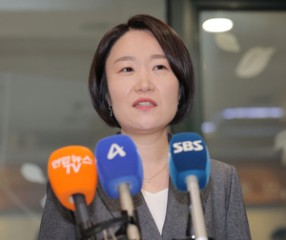
Lee So-young faces confirmation hearing grilling over consulting fees, real estate and deregulation agenda
Assembly committee opens hearing at 10 a.m. with 1,858 document requests Consulting fees paid to vacant-address firm, non-resident homeownership, interest-free family loan under scrutiny Zero SME bills on record fuels expertise debate; Kosdaq, food delivery policy also on agenda Lee So-young, nominee for minister of SMEs and startups, faces a National Assembly confirmation hearing Tuesday, with questions over her ethics and policy credentials set to dominate the session. At the center of the ethics scrutiny are roughly 70 million won ($52,000) in legislative consulting fees paid to a firm whose registered address turned out to be vacant, along with real estate holdings and intra-family financial transactions. Lawmakers are also expected to press her on her expertise in small business policy and the feasibility of her self-styled vision to serve as a "minister of deregulation." The National Assembly's Trade, Industry, Energy, SMEs and Startups Committee opens the hearing at 10 a.m. Tuesday. The committee approved 1,858 document requests ahead of the session. However, no separate witnesses or reference persons were called. The sharpest controversy heading into the hearing involves the roughly 70 million won in consulting fees. While serving as a lawmaker from 2023, Lee paid a consulting firm between 3.3 million and 11 million won per month — totaling about 70 million won — for legislative advisory services. Questions arose after it emerged that the firm's registered corporate address had been vacant for years, casting doubt on whether the work was actually performed and whether the payments were appropriate. Former Seoul city council member Lee Jong-bae filed a complaint with the Seoul Metropolitan Police Agency on Sunday, accusing her of violating the Political Funds Act. Lee's camp rebuffed the allegations, calling the arrangement "a lawful and normal service contract." Her office said the firm provided analysis of the constituency's policy environment and public relations advice from September 2023 to March 2024 and from July 2024 to April 2025, with the scope of work spelled out in the contract. Her side also said the contract was awarded based on the consultant's qualifications and capabilities, not the firm's registered address. Her real estate holdings are another flashpoint. Lee bought an apartment in Hongje-dong, Seodaemun-gu, Seoul, for 490 million won in 2016 and lived there for about four years before relocating to Uiwang in Gyeonggi Province to run in the 2020 general election. She currently rents out the Hongje-dong unit while renting her own home in Uiwang on a jeonse basis. After a unit of the same size in the building sold for 995 million won last October, the opposition raised concerns about her owning a property she no longer lives in and an unrealized gain of around 500 million won. Her camp denied any gap investment, saying she had lived in the apartment for four years and has never sold it to realize a profit. An interest-free loan between family members is also under review. Lee's husband lent her mother 223.1 million won interest-free in 2022 to cover a jeonse deposit. When critics pointed out that no gift tax had been filed, Lee said the transfer was made to fulfill a duty to support her parents, but added that she would proceed with a gift tax filing to put the matter to rest. Her policy expertise is also a major point of contention. Of the 85 bills Lee sponsored in the 21st and 22nd National Assemblies, 35 fell under the climate and environment category. The opposition noted that she has no record of sponsoring legislation directly under the SME ministry's jurisdiction. Lee pushed back, saying she had pursued SME-related legislation even outside the ministry's direct purview and had handled increases and cuts to the SME ministry's budget as the lead negotiator for her party on the National Assembly's Budget and Accounts Special Committee. The consistency between her record as a lawmaker and her stated priorities as a nominee is another point of interest. After her nomination, Lee said she would approach the role with the mindset of a "minister of deregulation" and work to ease unreasonable regulations. Yet as a lawmaker she sponsored numerous bills that imposed additional obligations or restrictions on businesses — including measures to limit financial support for overseas coal-fired power plants, tighten regulations on environmental advertising, and reform the emissions trading scheme. Her past stance on the so-called Yellow Envelope Act may also come under scrutiny. Lee actively backed the legislation as a lawmaker and last year dismissed business community warnings that it would cost jobs as "exaggerated." The Korea Federation of SMEs and the Korea Federation of Mid-sized Enterprises have long opposed the law, arguing it would increase the burden on companies in labor-management relations. More recently, however, she has shown a more flexible posture toward industry demands. She said there was "merit" in the venture industry's push to ease the 52-hour workweek cap, and called for a slower pace on the financial regulator's plans to tighten Kosdaq delisting standards and introduce a promotion-and-relegation system. She also said exceptions may be needed to any mandatory treasury share cancellation requirement, noting that some venture companies hold their own shares for extended periods to compensate executives and employees. The viability of her "ministry of deregulation" concept will also face scrutiny. In written responses submitted ahead of the hearing, Lee noted that SME-related policy is fragmented across 671 programs in 21 government ministries, and proposed elevating the chairmanship of the SME Policy Deliberation Council — currently held by the SME minister — to the deputy prime minister for economic affairs. She said she would strengthen mandatory prior consultation with the SME ministry whenever other ministries introduce new regulations or programs affecting small businesses, and improve the effectiveness of SME regulatory impact assessments. Lawmakers are also expected to ask how she plans to address pressing issues for small business owners, including deregulation of hypermarket early-morning delivery, online food delivery platform commission fees, and the burden of the minimum wage. Lee has said a roadmap is needed to examine the overall cost structure facing small business owners, including delivery app fees, but she had not staked out a clear position before the hearing on contentious issues such as early-morning hypermarket delivery or a cap on food delivery platform commissions. Restructuring of agencies under the SME ministry is another live issue. With a merger of the public home-shopping channel and the Korea SME and Startups Agency under way, Lee said in written responses that she did not know the "background and circumstances" of the reorganization in detail, but would review it with an eye toward improving efficiency and minimizing side effects. The hearing is expected to further examine the risk of gaps in sales-channel support for small businesses and what follow-up measures are planned after the merger.
Sept. 15, 2026
-

KB Autotech expands India client base to include Hyundai Motor, Kia
Chennai factory relocation boosts production capacity, opens door to passenger car parts KB Autotech, an automotive air-conditioning systems maker, has expanded its client base in India to include local plants operated by Hyundai Motor and Kia, following the expansion of its Chennai factory. The company relocated the Chennai factory in February, enlarging the floor space roughly 1.7 times from 3,967 square meters to 6,612 square meters. The expanded production capacity has boosted sales of existing products and created room to take on new orders. Since entering the Indian market in 2012, KB Autotech has supplied bus air-conditioning systems to Tata Motors in the commercial vehicle parts segment. It also supplies truck HVAC systems to Daimler India Commercial Vehicles. More recently, the company secured orders for seat ventilation blowers from the Indian subsidiaries of Hyundai Motor and Kia, marking its expansion from commercial vehicle parts into the passenger car parts market. "The relocation and expansion of the Chennai factory has allowed us to strengthen production capacity and enhance quality competitiveness," a KB Autotech official said. "We will continue to grow our local order base in both commercial and passenger vehicle parts."
Sept. 14, 2026
-
Hanjil Cement to pay partner firms early ahead of Chuseok
42 billion won to be disbursed to over 500 partners before holiday Hanjil Cement will make early payments totaling 42 billion won ($31.2 million) to its partner companies ahead of the Chuseok holiday. The payments are scheduled for Sept. 21, up to two weeks ahead of the original due date, and will cover more than 500 partner firms. "We determined that mutual growth is more important than ever, even as the construction sector continues to struggle," company President Jeon Geun-sik said. "We will build a sustainable partnership through meaningful support for our partners." Hanjil Cement also operates an 11 billion won mutual-growth fund to help partner companies access low-interest loans. The company has also drawn attention for an oil-price indexing scheme that adjusts contract payments in line with fluctuations in fuel costs.
Sept. 14, 2026
MOST READ
- 1KAIST develops high-performance bio-based adhesive using E. coli instead of petroleum
- 2Pope Leo XIV declines French honors and banquet, accepts only private meeting with Macron
- 3Daimler Truck unveils next-generation transport solutions at IAA 2026
- 4What was Rachmaninoff's performance fee? A 1928 price list tells all
- 5Samsung Biologics union's show of force backfires at the bargaining table
- 6APR says hair-loss treatment research published in international journal
-
WORLD

US warns of punishment for anyone enabling Iran's Strait of Hormuz toll scheme
-
INDUSTRY

Toyota union puts productivity first; Hyundai Motor union demands bigger share of profits
-
FINANCE
National Growth Fund to invest $531M in FuriosaAI, which rebuffed Meta's $800M takeover bid
-
INDUSTRY
Korea Shipowners' Association holds amateur baduk tournament for Maritime Day