
- HOME
- SMB·BIO
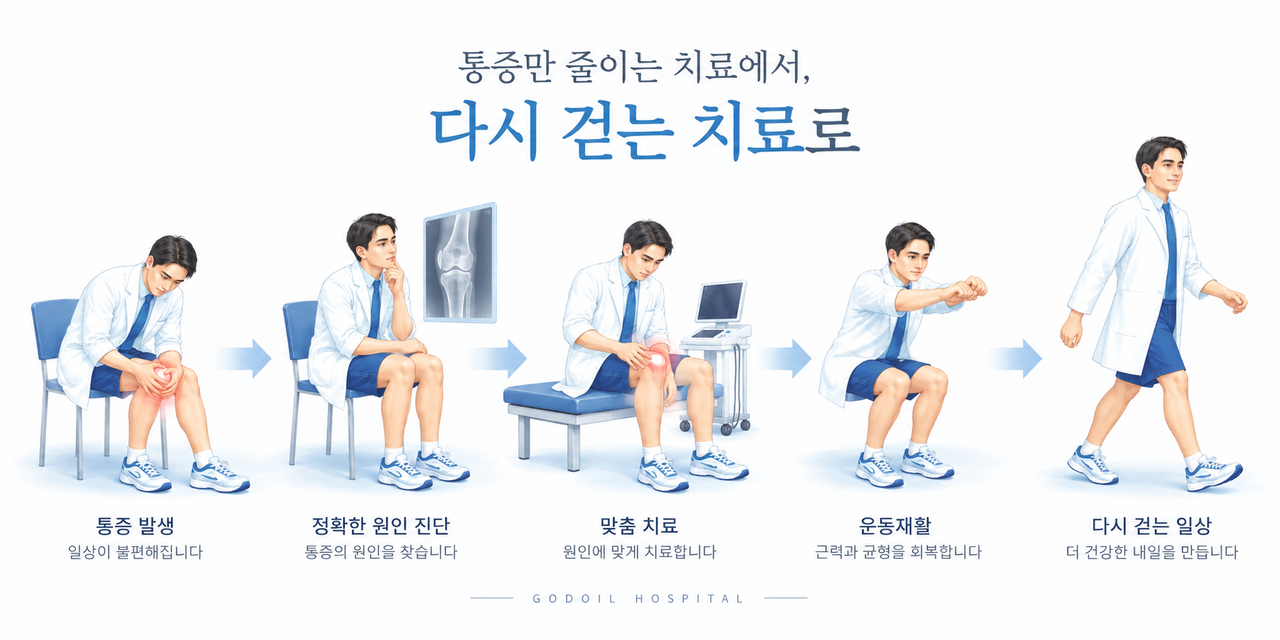
Godo-il Hospital builds integrated 'lifelong mobility' system linking spine, joint and rehabilitation care
In a super-aged society, the goals of spine and joint treatment are changing. Simply reducing pain is no longer enough — restoring the function that allows patients to walk again, climb stairs and maintain an independent daily life for as long as possible has become the priority. The key is not to focus only on the area where pain is felt, but to identify the underlying causes in detail. Back or neck pain does not always originate from a herniated disc. A range of structures — including the facet joints, neural foramina, ligaments, peripheral nerves, deep muscles and fascia — can all contribute to pain. Go Do-il, director of Godo-il Hospital and a neurosurgery specialist, said the current trend is toward strengthening an integrated treatment system that builds on non-surgical spine care and connects it to knee joint-preservation treatment, exercise rehabilitation, and strength, balance and gait management. "An approach that incorporates when pain worsens, which postures and movements aggravate it, and in which direction numbness spreads — all reflected together through physical examination, imaging and functional assessment — is increasingly emphasized," he said. For example, a patient whose legs hurt after about five minutes of walking but who feels better quickly upon sitting may be showing signs of neurogenic intermittent claudication associated with lumbar spinal stenosis, rather than simple muscle pain. Conversely, even when an MRI shows a disc protrusion, the primary source of pain may lie in a different structure. That is why symptoms and movement must be assessed alongside imaging, not instead of it. "Rather than judging back pain based on a single MRI finding, it is important to look at the posture and movements that trigger pain, neurological symptoms and gait function together to identify the true cause," Go said. "After controlling pain through non-surgical treatment, an important goal is to restore core and lower-body strength, balance and gait function so patients can move again." Once pain subsides, the focus must shift to restoring movement. Even after a procedure or injection reduces pain, patients who have long avoided movement may find that their thigh and gluteal muscles have weakened and their balance and walking ability have declined. Rehabilitation following pain management is essential to break the vicious cycle in which reduced activity leads back to muscle loss and recurring pain. Depending on the patient's condition, non-surgical pain treatment should be followed by a stepwise program connecting manual therapy and exercise rehabilitation with core and lower-body strengthening and flexibility and balance training. For older patients in particular, assessment should go beyond pain scores to include real-life functional measures — whether the patient can rise from a chair unaided, walk a set distance steadily, change direction and stand on one foot. For knee treatment, what matters is not the most acclaimed therapy but the one suited to each patient's knee. Treatment options for degenerative knee osteoarthritis have expanded well beyond medication, physical therapy, and hyaluronic acid (HA) or steroid injections to include polynucleotide (PN), collagen, platelet-rich plasma (PRP), bone marrow aspirate concentrate (BMAC) and autologous adipose-derived stromal vascular fraction (SVF). But a wider range of options does not mean every treatment is necessary. "It is important to select the appropriate treatment based on the stage of arthritis, the state of inflammation, the condition of the cartilage and meniscus, the patient's age, activity level and treatment goals," Go said. "Hyaluronic acid assists joint lubrication and shock absorption, while steroids are used to rapidly control inflammation." PN and collagen-based treatments may also be considered depending on symptoms and indications. PRP is prepared by separating platelet-rich plasma from the patient's own blood, while BMAC involves concentrating the patient's own bone marrow aspirate and injecting it into the joint cavity. BMAC is commonly referred to as a "stem cell injection," but the precise term is "intra-articular injection of bone marrow aspirate concentrate." Its indications and limitations must be clearly explained to patients, and neither PRP nor BMAC should be oversimplified as treatments that restore worn cartilage to its original state or guarantee outcomes for all patients. The goal is to help appropriate candidates improve pain and function, and then — through rehabilitation — to allow them to use their own joints for as long as possible. Autologous adipose-derived SVF offers another option for knee joint preservation. Autologous adipose-derived stromal vascular fraction is obtained by harvesting the patient's own adipose tissue, then processing and separating it to yield a cellular component. It is distinct from cultured stem cell therapy and may be considered as one joint-preservation option for degenerative knee osteoarthritis, taking into account the patient's stage of arthritis, symptoms, age and activity level. SVF is likewise not a treatment to be applied uniformly to all patients. The goal is not to assert that worn cartilage will be restored to like-new condition, but rather to help appropriate candidates improve pain and function, and to connect that with exercise rehabilitation and strength and gait management so they can use their own joints for longer. Actual application must follow relevant regulations and permitted indications and protocols, with the expected benefits and limitations fully explained to the patient before a decision is made. Bang Hyeong-sik, director of orthopedic surgery at Godo-il Hospital, said knee osteoarthritis treatment cannot be reduced to a single injection that works for every patient. "Treatment must be chosen by weighing the stage of arthritis, the degree of inflammation, the condition of the cartilage and meniscus, and the patient's age and activity level," he said. "Joint-preservation treatments such as PRP, BMAC and autologous adipose-derived SVF should also be applied to carefully selected patients and combined with rehabilitation and strength training, with the aim of improving pain and function and enabling long-term use of the patient's own joint." Go said the priority is not to look for a single procedure as the solution, but to build a system that connects the entire process from pain reduction to restored movement — treating the spine, knee and muscle as one mobility system. "We plan to expand our clinical framework by adding joint-preservation treatment, exercise rehabilitation, and sarcopenia and fall prevention to our existing strengths in non-surgical spine care, so that we can manage the real-life functional needs of older patients," he said.
Kim Tae-youl Sept. 18, 2026
-

K-scent brand Centlier expands reach through Musinsa Beauty stores
Senton's Centlier fragrance brand enters Musinsa Beauty Hongdae following Seongsu debut Whether K-scent can reach customers at home and abroad through the Musinsa Beauty platform is drawing attention. Musinsa Beauty recently opened its first standalone store in Mapo-gu, Seoul, according to industry sources Friday. The beauty retailer had previously opened a shop-in-shop inside Musinsa Megastore Seongsu in April. The standalone store, Musinsa Beauty Hongdae, spans 1,262 square meters — from the basement level to the third above-ground floor — and houses more than 600 beauty brands. Fragrance company Senton has brought its perfume brand Centlier into the Hongdae store, occupying the first and second floors. The brand offers 15 products, including eau de parfums and perfume hand creams. The eau de parfums come in 10, 30 and 50 milliliter sizes, allowing customers to sample scents and choose the option that suits their preference. The first floor features five eau de parfums — "Orange Blossom Toscana," "English Daisy," "Fjord Glass," "Santal Boisé" and "Citrus Positano." On the second floor, customers can try four perfume hand creams: "Orange Blossom Toscana," "English Daisy," "Fjord Glass" and "Flower233." The Hongdae entry follows Centlier's earlier placement in the Musinsa Beauty section at the Seongsu store, expanding the brand's customer touchpoints. "Trying and comparing fragrances in person is crucial to the purchase decision, so we wanted to broaden that hands-on experience," a Senton spokesperson said. "We plan to introduce the brand to customers in their 20s and 30s as well as foreign tourists."
Sept. 18, 2026
-

Hansol Paper wraps up 9-year wastewater project in Ecuador
EDCF funds sewer infrastructure in Santo Domingo Facility to process 20,000 tons daily, serving about 190,000 residents Overseas environmental portfolio grows after projects in Nicaragua, Azerbaijan and Indonesia Hansol Paper has completed a large-scale wastewater infrastructure project in Ecuador that took nine years to finish, building 40 kilometers of sewer pipelines and a treatment facility capable of processing 20,000 tons of wastewater per day. The company said Friday it had wrapped up the environmental infrastructure project in Ecuador's Santo Domingo region, carried out through the government's Economic Development Cooperation Fund (EDCF) — a policy fund established to support economic and social infrastructure development in developing countries and expand economic cooperation with South Korea. The project aimed to improve water quality and residents' living conditions in Santo Domingo, a region that had long lacked adequate wastewater treatment infrastructure. Work began in 2017. Hansol Paper constructed 40 kilometers of sewer pipelines along with a treatment facility with a daily capacity of 20,000 tons to collect and process domestic sewage and wastewater generated in the area. Previously, a shortage of treatment facilities had allowed sewage and wastewater to flow directly into local waterways. The company expects the new facility, once in operation, to reduce pollutants entering rivers and give about 190,000 local residents access to improved wastewater infrastructure. The project took roughly nine years from launch to completion, delayed particularly by the COVID-19 pandemic and changes in the local business environment. Hansol Paper maintained ongoing consultations with the project owner and local authorities throughout the extended timeline to see the work through. The company has also carried out domestic projects, including the Pyeongtaek Eco Center, a food-waste leachate biogas facility in the Greater Seoul area, a private investment project for the Gimpo wastewater treatment facility, and a sewer rehabilitation project in Geumsan. The Ecuador completion adds to its accumulated experience in designing, building and operating water treatment facilities at home and abroad. "This project is meaningful in that we were able to bring it to a stable conclusion through close cooperation with relevant agencies despite a range of challenging local conditions," a Hansol Paper official said. "We will continue to expand our environmental infrastructure business at home and abroad, drawing on our accumulated technical expertise and project experience."
Sept. 18, 2026
-
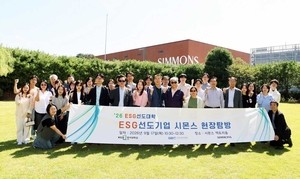
Simmons hosts ESG Leading University program visit for second consecutive year
About 60 students visit Icheon Factorium and Terrace Program covers manufacturing processes and community engagement Simmons announced Friday that students enrolled in the "2026 ESG (environmental, social and governance) Leading University" program — run by Kyonggi University and the Gyeonggi Province Social Economy Center — visited Simmons Terrace and Simmons Factorium in Icheon, Gyeonggi Province. It was the second consecutive year the program has brought students to Simmons' ESG operations. The ESG Leading University program trains ESG professionals by giving them hands-on exposure to corporate management processes and ESG practices. About 60 participants attended the visit, examining how Simmons integrates ESG management into its manufacturing processes and community partnership activities. Students toured the sleep research and development center and quality testing facilities inside Simmons Factorium, and observed the mattress manufacturing process from spring production through final inspection. They also visited Heritage Alley, a brand museum at Simmons Terrace, along with the Terrace Store. Lee Jong-seong, Simmons' executive vice president of production and logistics strategy, delivered a special lecture that day, fielding questions from students on real-world ESG management applications, community engagement, and production and business operations. Corporate ESG activity has increasingly moved beyond declarative goal-setting toward practical integration into manufacturing, quality control and community collaboration. ESG education programs have followed suit, incorporating direct visits to company facilities to give participants concrete examples of how such initiatives are put into practice. The ESG Leading University program draws students from a range of backgrounds, including corporate executives, company employees, university professors and civil servants. After completing the program, participants are expected to promote ESG management practices in their respective fields. "If Simmons Factorium represents our manufacturing philosophy — rooted in an unwavering commitment to quality and safety — then Simmons Terrace is the space where that philosophy extends into coexistence with the local community," a Simmons official said. "We will continue to share the ESG experience and know-how we have built up in a variety of ways, and work toward creating a sustainable virtuous cycle."
Sept. 18, 2026
-

Yuhan-Kimberly unveils innovation roadmap, targets 95% sustainable product sales by 2030
2026 Innovation Fair held at Seocho research center 30 poster sessions cover new materials, advanced technology and open innovation Summer diaper launch in 2015 led to expansion across sanitary pads, masks and more Yuhan-Kimberly has unveiled a mid-to-long-term product innovation roadmap centered on new materials, advanced technology and sustainable products. The company is targeting a 95 percent share of sustainable products in total sales by 2030 while accelerating efforts to translate research and development results into commercial products and projects. The company held its 2026 Innovation Fair on Thursday at its Seocho research center in Seoul, sharing the roadmap and a range of advanced technologies with employees across the organization, it announced Friday. The Innovation Fair is an annual event organized by the Seocho research center to share R&D achievements and future innovation directions with staff. This year's edition was held under the theme "The journey of innovative ideas taking root in customers' everyday lives." The event featured 30 poster sessions covering the company's future product and technology development directions, including new materials, advanced technology, sustainable product innovation and open innovation. Employees from marketing, sales, manufacturing and sustainability joined researchers to discuss ways to translate R&D outcomes into real business results. Yuhan-Kimberly said it plans to apply lessons learned from incorporating shifts in consumer lifestyles and climate change into product development to its next-generation product pipeline. Summer products offer a prime example. In 2015, the company launched a summer-specific diaper in South Korea in response to rising temperatures and changing consumer usage patterns. It has since expanded its lineup of summer-oriented products to include sanitary pads, incontinence underwear, masks and wet wipes. The company is also stepping up efforts to embed environmental considerations into product development. Yuhan-Kimberly has set a goal of raising the share of sustainable products in total sales to 95 percent by 2030 and is developing related materials and products toward that end. Notable examples include the Huggies Nature Made diaper, which uses sugarcane-derived biomass material; the Kleenex paper wet wipe, made with plastic-free fabric; and the Bebegrow Pure Baby bottle, which uses castor-derived ingredients. Beyond product development, the company is also running resource-circulation initiatives. Yuhan-Kimberly said it is conducting a hand-towel recycling program with more than 40 companies and organizations, through which it has achieved greenhouse gas reductions of more than 900 tons to date. Yu Gyu-young, head of Yuhan-Kimberly's Seocho research center, said the Innovation Fair "goes beyond sharing current achievements — it is a platform for innovation where we look ahead at changes in consumers' lives and the market and prepare together for future growth opportunities." Yu added that the company would "continue to introduce products and technologies that contribute to a better lifestyle for consumers."
Sept. 18, 2026
-

Daelim Trading to supply two faucet models to Panasonic unit, adding W350m in annual sales
FL460 basin faucet, FS330 water purifier faucet to be supplied Four-decade Japan partnership expands product lineup 2025 consolidated sales at 126.2 billion won; Asia sales reach 21.4 billion won Daelim Trading, a bathroom and kitchen fixture maker, will supply two new faucet models to Panasonic Housing Solutions (PHS), the residential equipment arm of Japan's Panasonic Group. The new contracts are expected to generate annual sales of 350 million won ($254,000), broadening the company's product lineup in Japan beyond its existing basin mixer faucets to include a dedicated water purifier faucet. Daelim Trading said Friday it has signed supply agreements with PHS for two models — the FL460 basin faucet for bathroom sinks and the FS330 under-sink water purifier faucet for kitchens — and has begun preparations for mass production. Expected annual sales from the new orders are about 230 million won for the FL460 and about 120 million won for the FS330, totaling 350 million won. The FL460 is a single-lever faucet mounted on top of a countertop. It features a chrome finish and minimalist design developed to meet Japanese residential design and quality standards. Pre-assembly verification has been completed, and the first shipment is scheduled for December. The FS330 is a dedicated under-sink water purifier faucet for kitchen installations. Its development draws on Daelim Trading's experience supplying water purifier faucets to Japan's Takagi and other clients. The company is currently producing the molds, with mass-production shipments targeted for May next year. Daelim Trading's ties with Japanese housing fixture companies stretch back more than four decades. The company began a technology partnership with Japan's INAX in 1983, then started supplying Takagi in 1998 and Panasonic in 2009. Cumulative sales in the Japanese housing fixture market over the past decade have exceeded 250 billion won, according to the company. Expanding into Japan and other overseas markets is becoming increasingly important to Daelim Trading's financial performance. The company's consolidated sales last year came to 126.2 billion won, down 7.9 percent from 137 billion won the year before. Its operating loss widened to 9.6 billion won from 3.4 billion won in the prior year. Daelim Trading operates a building materials business centered on faucets, sanitary ware and bidet products. The company has noted in its business reports that the building materials market, including faucets, is heavily influenced by real estate and construction conditions. Its export products are sold primarily in the mid-to-high price range through original equipment manufacturing arrangements. "Building on the quality competitiveness and customer trust we have accumulated through more than 40 years in the Japanese market, we secured this new order from PHS," a company official said. "We will proceed with the initial shipment and stable mass production, and continue to propose follow-on products for PHS's residential fixture lineup to expand our orders."
Sept. 18, 2026
-

Work, get a massage, take a nap — all in one chair
Coway launches Berex Triple Chair 2 Slim A new category of "multi-function chair" is drawing attention — one that lets users work, get a massage and catch a short nap without leaving their seat. The concept merges an office chair with a massage chair and recliner in a single unit. Coway has introduced just such a product with its new Berex Triple Chair 2 Slim. At its core, the chair is designed as an office seat comfortable enough for remote work or long study sessions. A "hidden massage ball" mechanism tucks the massage nodes flush with the backrest when not in use, so users feel no protrusion while sitting upright. A firm head cushion supports the neck and head, and its height can be adjusted by up to 5 centimeters to suit different body types. An optional "lumbar customization" setting applies what the company calls a "C-curve close-fit design," allowing the lumbar support to extend forward by up to 70 millimeters to hold the lower back firmly and encourage proper posture. Users can also save up to four personalized positions, the company said. When it is time to rest, a motorized recline function tilts the backrest to 150 degrees, with free adjustment anywhere between 110 and 150 degrees. The backrest and leg rest can each be set independently. A three-zone heated seat — covering the back, lumbar, hips and legs — helps relieve fatigue, the company said. The chair also delivers 21 types of customized massage through three-dimensional massage technology. The massage balls extend up to 83 millimeters and move not only up, down, left and right but also forward and back for a more immersive massage. A shoulder-detection sensor reads the user's shoulder position and works from the neck down to the lower back, the company added. Despite being 9 percent smaller than its predecessor, the new model offers 21 massage modes in total. A "swing massage" course gently rocks the backrest back and forth to release tension more effectively, the company said. "Rising residential costs and the growing number of one- and two-person households have made space efficiency a key factor in product selection," Coway said. "With its compact design, the chair fits comfortably even in smaller spaces, and we are launching it in response to demand for multi-function products."
Sept. 18, 2026
-
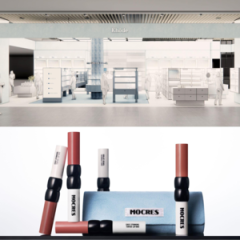
Mocres enters Hyundai Department Store Pangyo 3 months after launch
From online launch to W Concept in July, now expanding retail footprint Mocres debuts at Khode, Hyundai's new derma-beauty concept store Pre-A funding to drive product development and overseas expansion Mocres, a beauty brand operated by K-beauty startup Praun, is making its first move into offline retail by entering Hyundai Department Store's Pangyo branch just three months after its launch. The brand had previously sold exclusively through online channels, including its own website and W Concept. Praun said Mocres began selling Friday at Khode, a new derma-beauty concept store on the basement level of Hyundai Department Store Pangyo. Mocres officially launched on its own online store on June 12 and joined the online fashion platform W Concept in July before expanding to a physical department store location roughly three months later. Khode is a new derma-beauty concept store introduced by Hyundai Department Store. The 165-square-meter shop on the basement floor of the Pangyo branch carries more than 60 brands. Hyundai Department Store plans to open a second Khode location at The Hyundai Seoul early next year and expand the concept across its department stores and outlet centers. Mocres will showcase its flagship product, the Easystunning Tinted Lip Duo, at the Khode store. The product combines a tinted lip formula with a lip oil, letting users achieve color and lip care in a single step. The in-store presence will allow customers to experience shades, textures and feel firsthand — qualities that are difficult to assess online. Praun was founded in June last year. In July, the company secured Pre-A investment from Mark & Company and Solidone Partners, with plans to use the funds for product development, retail channel expansion and overseas market entry. The company is also pursuing trademark registrations in the United States, Japan and the EU. "Khode is a channel where customers can directly experience the easy classic beauty and caring makeup that Mocres stands for," said Yang Chae-won, chief executive of Praun. "We will observe how customers use and respond to our products at the Pangyo store and use those insights to expand our product lineup and distribution channels."
Sept. 18, 2026
-
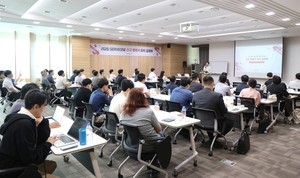
Subwon expands supplier network with roadshows in Pyeongtaek, Changwon and Gumi
Six sessions held across 3 cities from Monday through Friday Network spans 1,500-plus clients and 10 nationwide logistics hubs Supplier trade fairs also held in 2023 and 2025 Subwon, a maintenance, repair and operations (MRO) procurement management company, is stepping up efforts to recruit new suppliers. The company plans to leverage the MRO business model — which consolidates purchasing demand across diverse industries — to broaden product choices for its clients while opening new sales channels for suppliers. Subwon said Friday it held six sessions of its "2026 New Supplier Recruitment Information Session" across Pyeongtaek, Changwon and Gumi from Monday through Friday. The sessions were designed to identify new suppliers with competitive products and technology and connect them to Subwon's client and logistics networks. MRO businesses handle the procurement and management of consumable materials and auxiliary supplies used at corporate worksites. Because the range of items is broad and demand varies by client, securing reliable suppliers is directly tied to purchasing competitiveness. Subwon works with more than 1,500 domestic and international clients and operates 10 logistics hubs across the country. By joining Subwon's sourcing network, new suppliers can pitch their products to the purchasing needs of multiple clients — beyond simply securing direct contracts with individual companies. Inventory management and logistics tailored to product characteristics are also made available to suppliers. Subwon operates pre-agreed transaction terms and settlement systems, and offers a mutual-growth support program linked to financial institutions for suppliers that meet certain requirements. Existing Subwon suppliers also took part in the sessions, sharing their transaction experiences and examples of business growth. Byeon Min-su, a director at Yurim Lumber, which has worked with Subwon for about 20 years, said the partnership helped the company grow to the next level — expanding supply volumes to large enterprises and securing new clients, which in turn enabled upgrades to its production facilities. "Subwon has become an important partner that works with us to solve problems and find new growth opportunities," he said. Subwon has for years been expanding events that connect supplier products with external clients. A trade fair co-hosted with HD Hyundai Heavy Industries in 2023 drew more than 30 suppliers. Last year, a fair on ESG and carbon neutrality in the auto parts industry, organized together with Hyundai Motor, Kia and the Korea Auto Industries Cooperative Association, drew 41 suppliers. Going forward, the company plans to expand efforts to introduce domestic suppliers' products and technology to overseas clients by leveraging its foreign subsidiaries and logistics network. Kim Yu-jun, Subwon's executive vice president for strategic sourcing, said strong partnerships with competitive suppliers are essential to delivering better products reliably and on favorable terms. "We will build a virtuous cycle that enhances the competitiveness of partners with strong products and technology and translates that into value for our customers," he said. Subwon accepts applications from prospective suppliers year-round through its website, regardless of whether they attended the sessions. Companies that submit information about their products undergo a review of pricing and competitiveness, followed by negotiations on transaction terms, before a decision is made on registering them as suppliers.
Sept. 18, 2026
-
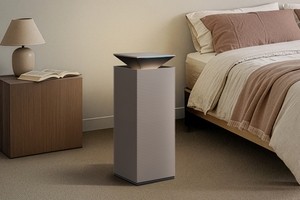
Coway upgrades Noble air purifier line with two new Plus models
Two models for 70㎡ and 57㎡ spaces feature height-adjustable 'Air Pop-Up' Four-sided intake, 12-filter system removes 99.999% of ultrafine dust NOx sensor added, pet mode enhanced for broader household gas detection Coway has launched a new premium air purifier with upgraded air circulation and harmful gas detection. The new product retains the design identity of the Noble Air Purifier, first introduced in 2021, while adding improvements to its filters, sensors and pet-specific functions. The company said Friday it is releasing two Noble Air Purifier Plus models — one for spaces up to 70 square meters and another for up to 57 square meters. Both feature an "Air Pop-Up" mechanism that adjusts the height of the top unit and disperses purified air in four directions from the top of the device. Users can choose from several airflow modes — including a standard mode for whole-room purification, a diffusion mode, a three-dimensional mode and a quiet mode — depending on the space and situation. The purifiers use a "4D spatial filtration system" that draws in air from all four sides and passes it through a square tower-shaped filter array. Three filters are positioned on each side for a total of 12. Coway said the system can remove 99.999 percent of ultrafine dust particles as small as 0.01 micrometers. The units also include an internal hygiene function using UV-C LED technology. Pet-owner features have also been expanded. When pet mode is activated, the device uses airflow to lift pet hair and dust from the floor before drawing them in. With an optional dedicated pet filter, the purifier can eliminate up to 99 percent of hydrogen sulfide — one of the compounds responsible for pet waste odors — according to the company. The new models have received certification from the British Allergy Foundation and have also been certified by KOTITI Testing & Research Institute, a nationally accredited testing body, for reducing airborne microplastics. Coway said the certification confirmed the purifiers remove more than 99.9 percent of suspended microplastics from the air. The Noble Air Purifier is Coway's premium air purifier line, launched in 2021. The original models drew on architectural design for their square tower form and four-sided intake structure, and the lineup has since expanded from 50-square-meter and 67-square-meter models to a larger 100-square-meter version.
Sept. 18, 2026
-

Hanssem launches Timeless, Knob recliner sofas with low-profile design
Minimal aesthetic meets enhanced space efficiency Hanssem announced Friday the launch of two new recliner sofa models: the Timeless and the Knob. The new products focus on a design that conceals the recliner mechanism — a look increasingly favored by consumers. Both models reduce the bulk and visible seam lines typical of conventional recliners and feature a low-back design that makes the living room appear more spacious when the headrest is lowered. A low pillow-type armrest that supports the head and neck has also been added, catering to users who prefer to lie back on the sofa. The Timeless comes in two colors: red bean and white. The Knob features a straight-lined silhouette with double-piping trim along the armrest and comes with a built-in lumbar cushion as standard. It is available in dove gray and white. Both models use natural bull leather from Italian manufacturer Pelle Milano. To improve seating comfort, the sofas combine gradient pocket springs — the type used in mattresses — with high-density memory foam. The seat height has been adjusted to suit the standard Korean body type, and a 10-centimeter clearance beneath the sofa accommodates robot vacuum cleaners. The furniture industry has seen a growing number of functional sofas that pare down bulk while maximizing space efficiency. As living rooms are increasingly used for work and hobbies in addition to relaxation, demand has grown for products that retain full functionality while blending naturally into the room like a conventional sofa — driving an expansion of that product category. "We focused on achieving a clean design and a seating feel tailored to the Korean body type," a Hanssem official said.
Sept. 18, 2026
-

Samsung Medical Center unveils humanoid surgical assistant robot
Samsung Medical Center publicly demonstrated its humanoid surgical assistant robot Wednesday at the ninth floor of Samsung Life Insurance's Ilwon Station Building B. Samsung Medical Center was selected in 2025 as the lead institution for a major national research initiative — South Korea's version of the US ARPA-H program — and has since been developing a "humanoid Physical AI-based surgical assistant robot for efficient operating room environments." The hospital is carrying out the project through a consortium called ORchestra, which includes Rainbow Robotics, Aidin Robotics, Hahaeho, the Samsung Advanced Institute for Health Sciences and Technology, Seoul National University, the National Cancer Center and Jeonbuk National University Hospital. The team is currently in the verification stage, testing the robot's ability to pass and retrieve surgical instruments, manipulate endoscopes, retract tissue, understand voice commands, and safely stop and recover in a simulated operating room environment. The path to commercialization will involve repeated performance testing, simulated and preclinical trials, usability evaluations by medical staff, GMP quality system compliance, clinical trials and medical device regulatory approval. The humanoid surgical assistant robot — developed over roughly the past year and publicly unveiled for the first time — demonstrated step by step how it can share responsibilities with medical staff, from handling repetitive support tasks in the operating room to performing precise movements in minimally invasive surgery. "We were able to see intuitively how successfully a humanoid surgical assistant robot — one that follows the commands and controls of medical staff who hold full authority to judge and intervene throughout the procedure — can assist humans in the operating room," said Prof. Jung Yong-ki of Samsung Medical Center's otolaryngology department. In the first demonstration, the robot was shown directly grasping surgical instruments and performing a series of precise procedures: incision, dissection and suturing of biological tissue. Jung said the robot is not yet at the stage where it independently assesses a patient's condition and operates autonomously. "Rather, it is a system in which skilled medical staff control the robot's two arms and surgical instruments in real time through a control device," he explained. The robot mirrors the movements of the operating surgeon as the surgeon watches a monitor — similar to the motion-mimicking robot depicted in "Real Steel," the science fiction film starring actor Hugh Jackman. "The humanoid surgical assistant robot converts the movements of a human's hands and arms into the robot's coordinate system and reproduces them inside the operating room," Jung said. In the second demonstration, the robot took on the role of a surgical scrub nurse — handing over instruments on request — as well as that of an assisting physician, responding to instructions such as "insert the laparoscope a little deeper." The robot handled tasks previously performed by humans: circulating surgical instruments, maintaining the endoscopic field of view and retracting tissue to support the operating surgeon. The demonstration showed the humanoid surgical assistant robot carrying out a continuous sequence of tasks mirroring an actual surgical procedure. Particularly notable was a scene — described as a world first — in which two robots collaborated with a human surgeon simultaneously. Robot No. 1 served as the scrub nurse: it understood the surgeon's verbal requests, identified the requested instrument, adjusted the handle orientation and delivery position so the surgeon could safely grasp it, and passed it over. Once the instrument was used, the robot retrieved it, returned it to its designated position, and updated the status of available instruments and pending requests. "The key is not simply handing over a tool once and stopping, but completing the full instrument-circulation cycle — request, delivery, use, retrieval and organization — just as a human would during an actual operation," Jung said. Robot No. 2 simultaneously performed the roles of both assisting physician and nurse: its left hand held a laparoscopic endoscope and adjusted the field of view to keep the surgical site centered on the monitor, while its right hand was fitted with surgical forceps to retract biological tissue in the direction specified by the operating surgeon. Research into introducing humanoid surgical assistant robots into operating rooms remains at an early proof-of-concept and demonstration stage worldwide, and South Korea has entered the competition at the outset to help pioneer the market. Development of surgical humanoid robots is broadly heading in two directions: one focused on logistics and preparation tasks before and after surgery, and the other on participating directly in procedures and handling surgical instruments. Foxconn, the world's largest electronics CMO, drew attention at this year's Computex trade show in Taiwan when it introduced Nuarbot, a robot capable of moving through hospital wards to deliver medicine and supplies and also perform operating room nursing duties. The commercial prospects for humanoid surgical assistant robots that replicate human-controlled surgical movements have also grown considerably. In July, researchers at the University of California San Diego published findings in Nature showing that a humanoid surgical assistant robot, guided by human teleoperation, successfully performed surgery on a porcine model using conventional laparoscopic instruments. "This means the humanoid surgical assistant robot can use existing operating rooms designed for humans and existing surgical instruments as they are, without the need to build a separate operating room," Jung said. "After commercialization, it could be rapidly deployed in actual operating room settings without any additional environmental changes." Samsung Medical Center said the focus of this demonstration was not on perfecting individual movements but on connecting the entire surgical workflow — enabling the robot to understand and act across the full arc of a procedure, the way a human team member would. While surgical robots being developed elsewhere in the world are largely advancing toward performing specific tasks as well as, or better than, humans, Samsung Medical Center said its distinguishing approach is to build an operating room system in which multiple humanoid surgical assistant robots share surgical context and collaborate with humans as a single team. "If humanoid surgical assistant robots can assist humans in environments that are difficult for people to operate in, or in areas involving repetitive and physically demanding labor, we can create a more favorable surgical environment for patients," Jung said. "We expect the robots to help run surgeries more stably with a limited medical workforce, and to fill staffing gaps in nighttime, emergency and essential medical settings where it is difficult to secure skilled surgical support personnel." The humanoid surgical assistant robot development project at Samsung Medical Center is part of the "2025 Korean ARPA-H Project," supported by the Ministry of Health and Welfare and the Korea Health Industry Development Institute's K-Health Future Promotion Division. The government-funded research and development project runs 54 months, from July 2025 through December 2029, with total funding of 13.84 billion won ($10.1 million). It is a competitive initiative in which projects advance to a second phase following a first-phase competitive evaluation at the end of 2026.
Sept. 18, 2026
-

Kibo's bad-loan recovery rate slips to 3% as government expands COVID-era debt relief
Kibo's bad-loan recovery rate drops from 4.2% in 2021 to 3.4% last year Bad loans reach 6.21 trillion won last year; recoveries total 210.2 billion won Kibo cites joint-guarantee exemptions and rising rehabilitation cases as recovery conditions worsen Korea Technology Finance Corporation's bad-loan recovery rate fell to the 3 percent range last year, even as the government moves to expand debt restructuring for small business owners and the self-employed burdened by COVID-19-era debt. Kibo attributed the decline to a shrinking pool of debtors following the introduction of joint-guarantee exemptions and a rise in bonds on which creditor rights are restricted due to corporate rehabilitation and credit recovery proceedings. Analysts say the government's broader debt-relief stance is likely to add further pressure on policy finance institutions' ability to collect on outstanding loans. According to data submitted to the office of Democratic Party of Korea lawmaker Kim Won-i, a member of the National Assembly's Trade, Industry, Energy, SMEs and Startups Committee, Kibo's annual bad-loan recovery rate fell from 4.2 percent in 2021 to 4.0 percent in 2022, 3.7 percent in 2023, 3.7 percent in 2024 and 3.4 percent last year. As of the end of last year, Kibo held 6.21 trillion won ($4.53 billion) in bad loans. The amount recovered during the year — including proceeds from bad-loan sales — came to 210.2 billion won, leaving the recovery rate at just 3.4 percent of the total outstanding balance. The volume of bad loans grew by 709.1 billion won over five years, rising from 5.5 trillion won in 2021 to 6.21 trillion won last year. Annual recoveries, meanwhile, remained stuck in the 200 billion won range — 231.1 billion won in 2021, 216 billion won in 2022, 209.1 billion won in 2023, 222.9 billion won in 2024 and 210.2 billion won last year. As bad loans expanded without a proportional increase in recoveries, the recovery rate continued to slide. Kibo cautioned, however, that bad loans can be recovered over multiple years, making it inappropriate to simply subtract a given year's recoveries from that year's outstanding balance and treat the difference as unrecovered debt. "There can be a significant time lag between when a subrogation payment occurs and when recovery takes place," a Kibo official said. "It is more reasonable to compare the total bad-loan balance against annual recovery amounts." The declining recovery rate also reflects the expansion of policy-driven corporate rehabilitation support programs. Kibo operates a joint-guarantee exemption system, and said the number of debtors has fallen since the system took effect, while the volume of bonds on which creditor rights are restricted due to rehabilitation and credit recovery proceedings has grown. The joint-guarantee exemption, introduced in 2018, corrected the practice of holding company representatives personally liable for corporate debt when a business fails. The downside for Kibo is that the system has increased the pool of funds that are difficult to recover. Also drawing attention is the government's recent move to again expand debt restructuring for small business owners and the self-employed carrying debt accumulated during the COVID-19 pandemic. Last year, the government announced a plan to purchase unsecured personal loans of up to 50 million won that had been in arrears for seven years or more, then either write them off or restructure them based on the debtor's repayment capacity. The program targeted about 1.13 million people and covered bonds worth around 16 trillion won. The government also broadened the eligibility and principal reduction available under the Fresh Start Fund. Support measures targeting COVID-19 debt have continued this year as well. The government recently announced a plan for the New Leap Fund to purchase and either cancel or restructure about 4.5 trillion won in long-overdue small-business loans held by securitization companies and consumer finance firms. The plan also calls for clearing arrears of 20 years or more and expanding support for small business owners who have been making diligent repayments. Kibo's bad-loan problem is part of a broader deterioration in asset quality across policy finance institutions. Bad loans that state-run asset manager Kamco acquired from Kibo, the Korea SMEs and Startups Agency and the Small Enterprise and Market Service totaled 3.4 trillion won from 2021 through last year. Kibo accounted for the largest share at 2.01 trillion won. The government's debt restructuring policy aims to help small business owners and the self-employed who cannot return to normal economic activity because of debts accumulated during the pandemic. At the same time, Kibo's own data confirm that rehabilitation support measures — including joint-guarantee exemptions and the expansion of corporate recovery and credit rehabilitation programs — are making it harder to collect on outstanding bonds. The broader the scope of debt relief, the greater the need to simultaneously review and strengthen bad-loan management and recovery systems at policy finance institutions. President Lee Jae Myung, at an Aug. 4 briefing by the Ministry of SMEs and Startups, said other countries had their governments absorb the burden of COVID-19 support, adding that South Korea had in some respects shifted onto small business owners and the self-employed responsibilities that the government should have borne. "I think the government needs to act boldly on at least part of this," he said. Lee also called for swift action at a Financial Services Commission briefing in July, saying long-term delinquent debtors with no ability to repay must be resolved quickly.
Sept. 18, 2026
-

Seoul St. Mary's Hospital performs robot-assisted stomach surgery on 97-year-old cancer patient
Full gastrectomy deemed unavoidable, carried out with robotic system Doctors say overall health, not age alone, should guide treatment decisions Seoul St. Mary's Hospital has performed a robot-assisted total gastrectomy on a 97-year-old stomach cancer patient. The medical team said that when deciding whether to operate on elderly cancer patients, doctors should assess overall health — including physical and cognitive function and underlying conditions — rather than age alone. According to the Catholic University of Korea Seoul St. Mary's Hospital, Kim So-jung, a gastrointestinal surgery professor at the hospital's Gastric Cancer Center, recently performed the robot-assisted total gastrectomy on a patient identified as Y, born in 1929. About 10 years ago, Y was diagnosed with early-stage stomach cancer in the lower part of the stomach and underwent two endoscopic resections, followed by regular follow-up examinations. This year, a new tumor was discovered near the upper stomach, close to the esophagus. Although the cancer was at stage one, the tumor was large and had poorly defined margins, making endoscopic resection difficult. Because Y had undergone multiple endoscopic procedures on the lower stomach in the past, preserving even part of the organ was not feasible, and a full gastrectomy became necessary. Detailed examinations found no evidence that the cancer had spread to other organs. Y was also in good physical and cognitive condition — able to get around without a cane or hearing aid — and the medical team determined that surgery was viable. When the team decided to proceed with the operation last month, they chose robotic surgery given the patient's advanced age. They judged that the robotic system would allow for precise maneuvering in narrow, deep areas and help minimize bleeding during the procedure. Unlike a partial gastrectomy, which leaves part of the stomach intact, a total gastrectomy requires removing the entire organ and reconnecting the esophagus directly to the small intestine. The procedure demands exceptional precision: the esophagus and small intestine differ in position, size and tissue characteristics, and any leakage or narrowing at the connection site can lead to serious complications. Post-operative management of food intake, weight loss and nutritional deficiency is also critical. Y, a former educator, had maintained a regular routine of walking and strength training. At the first outpatient visit after being discharged Tuesday, Y told the medical team and family, "I feel like I am a very fortunate person," expressing gratitude to both. Kim said age alone should never be the deciding factor in cancer treatment for elderly patients. She said doctors must conduct a comprehensive assessment that takes into account the patient's baseline health, physical function, underlying conditions, cognitive ability and prospects for post-operative recovery. "For elderly patients, post-operative care is just as important as the surgery itself," Kim said. "There needs to be a careful process of monitoring nutrition, exercise, management of underlying conditions and prevention of complications to help patients return stably to their daily lives." Kim said she witnessed a family member's cancer battle as a caregiver during her years in medical school. "When treating patients, I try to look not only at the disease but also at what the patient and their family are going through emotionally during the course of treatment," she said, adding that treating patients like family — to ease the anxiety of both patients and caregivers — is an essential part of care. Meanwhile, Seoul St. Mary's Hospital reached the milestone of 20,000 robotic surgeries last May, about four years after setting a domestic record for the shortest time to reach 10,000 procedures in 2022. Of the 20,000 total cases, roughly 20 percent — 3,798 procedures — were performed using single-port robotic surgery, which requires only one incision.
Sept. 18, 2026
-

GC Cell's GCC2005 wins compassionate use approval for refractory T-cell lymphoma patients
Drug administered to refractory peripheral T-cell lymphoma patients with no other options Next-generation pipeline completes domestic Phase 1a trial, prepares for Phase 1b Fourth-generation allogeneic CAR-NK therapy co-expresses IL-15 to overcome treatment limits GC Cell's allogeneic immune cell therapy candidate, developed in-house, has received compassionate use approval from the Ministry of Food and Drug Safety and will be administered on an emergency basis to patients with refractory blood cancer. GC Cell announced Friday that GCC2005 — its CD5-targeting chimeric antigen receptor natural killer (CAR-NK) cell therapy — had obtained compassionate use approval from the Ministry of Food and Drug Safety. Compassionate use approval is a regulatory mechanism that allows investigational drugs still in development to be administered on an exceptional basis to critically ill or terminally ill patients who have no alternative treatment options. The approval came after Seoul National University Hospital applied on behalf of peripheral T-cell lymphoma patients who had exhausted existing therapies and had no remaining options. GCC2005 is GC Cell's lead new drug candidate, targeting first-in-class status globally. It is a fourth-generation allogeneic CAR-NK cell therapy engineered to target CD5, a protein predominantly expressed in T-cell lymphoma, and is precisely designed to co-express interleukin-15 (IL-15) to enhance the persistence of immune cells in the body. The company has completed dosing for all patients in the domestic Phase 1a trial and is preparing to enter Phase 1b. Byun Ja-min, a professor in the Division of Hematology and Oncology at Seoul National University Hospital, is leading the administration and serves as the principal investigator for the domestic Phase 1 trial of GCC2005. She has built clinical expertise in T-cell and NK lymphoma. The Ministry of Food and Drug Safety approval is significant because, despite GCC2005 being an early-stage investigational compound, regulators recognized its safety and potential efficacy and authorized its use in actual patient care for refractory T-cell lymphoma patients who have no treatment options available in the clinic. "Patients with refractory T-cell lymphoma who have failed standard treatment have extremely limited options," Byun said. "I hope this administration will give patients a meaningful opportunity for treatment." A GC Cell official said the company was "providing a treatment opportunity to patients too critically ill to wait for subsequent clinical trials" and added that it would "support the dosing process in collaboration with the Seoul National University Hospital research team while continuing its clinical development and global expansion strategy."
Sept. 18, 2026
-

RSV hospitalizations among elderly already 1.7 times last year's total ahead of Chuseok
Elderly RSV hospitalizations hit 1.7 times last year's full-year count as Chuseok family gatherings raise transmission fears Over half of patients develop pneumonia; underlying conditions worsen in up to 80% of cases One-shot vaccine Arexvy shown to provide protection across three seasons Many grandparents are looking forward to holding their grandchildren for the first time in a while this Chuseok holiday — but the joyful reunion comes with a serious warning about a potentially deadly respiratory infection. The holiday's nature of bringing together infants, young children and the elderly in close contact raises the risk of a rapid spread of respiratory syncytial virus, or RSV. This year in particular, the number of elderly patients hospitalized with RSV has already far surpassed last year's full-year total — even before the peak season typically begins in October — prompting calls for heightened caution. Hospitalizations among those 65 and older surge before peak season; Chuseok gatherings raise family transmission risk According to sentinel surveillance data from the Korea Disease Control and Prevention Agency's infectious disease portal, the number of RSV patients aged 65 and older who were hospitalized stood at 3,247 as of week 34 of this year — 1.7 times the full-year total of 1,906 recorded for the same age group last year. The sharp rise is already under way among older adults, even ahead of the RSV season that typically begins in late autumn. RSV spreads easily through respiratory droplets from coughing and sneezing. During peak season, a single infected person can pass the virus to roughly three others, making it highly contagious. In enclosed home settings, the secondary transmission rate ranges from 11.6 percent to as high as 39.3 percent. If an infant or toddler carrying the virus has close contact — such as hugging — with grandparents during the holiday, it can lead to a life-threatening infection in the elderly. Over half develop pneumonia; hospitalization risk up to 13 times higher for those with chronic conditions RSV is particularly dangerous for older adults because it does not simply cause cold-like symptoms — it can trigger severe, life-threatening complications. According to domestic research, 56.8 percent of RSV patients aged 65 and older who were hospitalized were diagnosed with pneumonia. A quarter were transferred to intensive care, and 10.6 percent died in hospital. The aftereffects can linger long after discharge. A study of patients aged 60 and older found that six months after hospitalization, 33 percent still had difficulty performing basic daily activities such as eating, dressing and using the bathroom, while 32 percent showed a decline in instrumental daily living skills such as grocery shopping and doing laundry. The risks are even greater for those with underlying conditions. Compared with healthy adults, the hospitalization risk from RSV infection is roughly two to four times higher for asthma patients, three to 13 times higher for those with chronic obstructive pulmonary disease (COPD), and about eight times higher for heart failure patients. Among RSV patients aged 60 and older who were hospitalized, about 80 percent of COPD patients, about 50 percent of asthma patients and about 38 percent of heart failure patients experienced a worsening of their underlying condition during their hospital stay. The annual RSV-related hospitalization rate among immunocompromised patients — including cancer patients who have undergone hematopoietic stem cell or organ transplants — is also about 4.7 times higher than that of the general adult population, at 862 cases per 100,000 people compared with 184 cases. No antiviral treatment available, making prevention essential; vaccine Arexvy shows 95% efficacy in patients with chronic conditions There is currently no established antiviral treatment for RSV infection in adults beyond supportive care to relieve symptoms, making vaccination the only and most reliable means of prevention. Arexvy, one of the RSV vaccines available in South Korea, is approved for all adults aged 60 and older as well as high-risk adults between 18 and 59. Arexvy is formulated with an adjuvant (AS01E) designed to maximize immune response in older adults, whose immunity tends to weaken with age. Clinical research shows the vaccine achieved 82.6 percent efficacy against lower respiratory tract disease in adults aged 60 and older, and 94.6 percent efficacy in those aged 60 and older with at least one underlying condition such as COPD, asthma, heart failure or diabetes. A subgroup analysis of Korean participants confirmed similar efficacy and safety profiles to the global clinical trial results. The vaccine targets the F protein found in both RSV type A and type B, providing protection against both subtypes, and a single dose has been shown to maintain protection across three consecutive seasons. Real-world evidence from the United States also demonstrated strong effectiveness, with an 83 percent reduction in hospitalizations and a 77 percent reduction in emergency room visits among adults aged 60 and older. On the basis of these clinical benefits, the Korean Society of Infectious Diseases and the US Centers for Disease Control and Prevention strongly recommend a single RSV vaccine dose for all adults aged 75 and older, as well as for adults between 50 and 74 who have underlying conditions or are immunocompromised. The sharp rise in elderly hospitalizations this year points to an earlier-than-usual respiratory virus season that has emerged in the post-COVID-19 era. Experts say it underscores the urgent need to move beyond basic personal hygiene measures toward a proactive, vaccine-centered public health strategy focused on high-risk groups, particularly as South Korea enters a super-aged society. "Chuseok is a time when family contact increases, and it also coincides with the period when respiratory viruses become more active, so extra caution is needed," said Jeong Dong-hyeok, a professor in the family medicine department at Severance Hospital. "When multiple generations gather, everyone should follow hygiene practices such as avoiding contact with others if they have respiratory symptoms. Adults aged 75 and older, and those aged 50 and older with chronic conditions such as heart failure or diabetes, should consult a specialist in early autumn — just before the season peaks — about getting vaccinated."
Sept. 18, 2026
-

Alteogen enters obesity drug race with once-monthly platform technology
Company files international patent for new long-acting conjugate platform New approach targets both weekly injection burden and post-treatment weight rebound Alteogen bets on platform technology as global pharma giants compete in obesity market Alteogen, the biotech company that built a multibillion-dollar technology export record with its human hyaluronidase platform (ALT-B4) for converting intravenous drugs into subcutaneous formulations, has formally entered the obesity treatment market — the pharmaceutical industry's most fiercely contested arena. The company is going beyond simple pipeline development, leading with a new platform designed to extend drug duration and simultaneously address two of the biggest weaknesses of existing blockbuster obesity drugs: dosing frequency and post-treatment weight rebound. According to industry sources Friday, Alteogen has completed an international patent application (PCT) for its proprietary Long-Acting Conjugate platform, which extends a drug's duration of action by combining multiple active molecules, and has begun developing ALT-M5, its first obesity treatment candidate based on the technology. The platform builds on existing antibody conjugation technology to extend a drug's half-life in the body, with the core design goal of enabling once-monthly dosing. The global obesity drug market is currently dominated — by more than 90 percent — by once-weekly subcutaneous injection formulations, led by Novo Nordisk's Wegovy and Eli Lilly's Zepbound. Two persistent limitations remain: the burden of weekly injections and the sharp rebound in body weight, commonly known as the yo-yo effect, that occurs when patients stop treatment. As a result, the global development race is rapidly shifting toward ultra-long-acting formulations that dramatically extend the dosing interval. Amgen is advancing its once-monthly candidate MariTide through late-stage clinical trials, and other major pharmaceutical companies including Pfizer are also racing to develop once-monthly formulations. Alteogen has selected ALT-M5, a once-monthly obesity treatment candidate, as the first pipeline to use the new platform. The company highlighted animal study results showing both the feasibility of once-monthly dosing and the ability to suppress weight regain after treatment stops. If the multi-molecule conjugation technology can control the sharp appetite rebound that occurs as drug efficacy gradually wanes, ALT-M5 could become a strong alternative that overcomes the chronic limitations of existing treatments. Industry observers say the move marks a turning point that could diversify Alteogen's corporate value structure. Market attention has long been concentrated on the company's hyaluronidase-based subcutaneous injection platform (ALT-B4), but the new technology can be extended beyond obesity to a wide range of peptide and protein biopharmaceuticals. Alteogen plans to formally present ALT-M5's weight-regain suppression research findings at ObesityWeek 2026, scheduled for Nov. 14-17 in Washington, D.C., and to begin demonstrating its technology's competitiveness to global pharmaceutical companies. "This patented technology is a platform that can be applied to a wide range of biopharmaceuticals to create once-monthly dosing formulations," said Jeon Tae-yeon, chief executive of Alteogen. "Building on the ALT-M5 animal study results, we will develop a differentiated obesity treatment that addresses the unmet needs of once-monthly dosing and weight regain after discontinuation."
Sept. 18, 2026
-

Competition cools for expanded 'Everyone's Startup' program despite record applicants
92,838 apply — 30,000 more than first round Slots doubled, budget sharply raised, yet competition ratio falls from 12.6-to-1 to 9.3-to-1 The second round of the government's Everyone's Startup Project drew a record number of applicants, but the competition ratio fell from the first round — a sign that enthusiasm has not kept pace with the program's rapid expansion. According to the Ministry of SMEs and Startups, 92,838 people applied during the second-round recruitment period, which ran from Aug. 20 through Thursday. Of those, 80,764 applied in the general and technology tracks, while 12,074 applied in the local track. The raw applicant count surpassed the first round, which drew 62,944 — an increase of 29,894. The ministry said the figure "far exceeded the final applicant count from the first round, confirming an even stronger entrepreneurial spirit." When the expanded number of slots is factored in, however, the picture looks different. The ministry doubled the number of participants to be selected — from 5,000 to 10,000 — but second-round applicants grew by only 47.5 percent. As a result, the competition ratio dropped from roughly 12.6-to-1 in the first round to about 9.3-to-1 in the second. While total applicants hit an all-time high, demand did not fully match the scale of the expansion. The government has been rapidly scaling up the program following the first round's strong reception. This year, the project received a combined 263.1 billion won ($192 million) — 62.8 billion won from the original budget and 200.3 billion won through a supplementary budget. Next year's proposed government budget allocates 441.1 billion won for the program, an increase of 178 billion won, or 67.7 percent, over this year. Despite the surge in fiscal commitment, the program has attracted somewhat less policy attention than it did in its first round. During the first round, Prime Minister Han Seong-sook — then serving as minister of SMEs and Startups — personally toured university campuses nationwide to promote the program. With the minister's post now vacant, First Vice Minister Noh Yong-seok has taken over the campus tour, though the visits have drawn comparatively less public attention. A personal data breach also cast a shadow over the second round. After participants' personal information was leaked, the ministry moved to strengthen its data security measures. The combination of the minister's absence and the data breach created a noticeably different atmosphere for the second-round recruitment compared with the first. Participation did broaden in some respects. Applicants from outside the Greater Seoul area accounted for 63.3 percent of the total, up 9.9 percentage points from 53.4 percent in the first round. Youth participation also rose: applicants in their teens made up 15.4 percent of the total and those in their 20s accounted for 36.4 percent, together exceeding half of all applicants. The share of applicants aged 39 or younger reached 71.8 percent, up 3.8 percentage points from 68.0 percent in the first round. The Everyone's Startup Project provides step-by-step support for people with ideas who want to try starting a business. With the government set to sharply increase the budget again next year, a key challenge going forward will be sustaining broad public interest and ensuring that participation translates into actual business launches and growth. "We will provide even stronger support so that these challenges lead to real startups and growth, nurturing the next generation of innovative entrepreneurs," said Cho Gyeong-won, director general for startup policy at the ministry.
Sept. 18, 2026
-
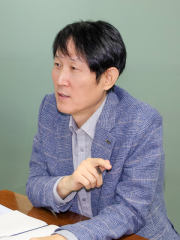
'Can the company run without you?' Owner dependency shapes SME M&A valuations
Written interview with Jeon Tae-hwan, head of Kibo's M&A Support Center Sales and technology tied to the founder create post-acquisition gaps — 'start preparing 2-3 years ahead' Sellers focus on after-tax proceeds, buyers on profitability — bridging the price gap is key "The key question is whether the company can keep running after the owner walks out the door." Jeon Tae-hwan, head of the M&A Support Center at Korea Technology Finance Corporation, identifies owner dependency as one of the most critical factors acquirers scrutinize in small and medium-sized enterprise deals. When a founder's personal sales relationships, technical expertise or client ties account for a large share of a company's competitive strength, concerns that the business's value will erode the moment the owner departs tend to weigh on sale negotiations, he said. "Whether it's sales or technology, if it's all tied to the owner personally, that becomes a gap after the acquisition," Jeon said in a written interview Thursday. "Owner dependency alone does not automatically reduce a company's valuation by a fixed percentage, but it is one of the things buyers look at very carefully." It is not uncommon for small and medium-sized enterprises to have founders who personally manage key client accounts or carry near-sole responsibility for core technologies. The more trust and know-how built up over years is concentrated in a single individual, the more a prospective buyer must weigh whether the company can sustain itself without that person. Jeon said the problem is solvable, however. "Documenting sales processes and technology, assigning dedicated staff, and formalizing key client relationships through contracts can make a real difference," he said. "If you are thinking about succession, I tell people to start preparing at least two to three years in advance." Pricing gaps are another persistent obstacle in SME mergers and acquisitions. Unlisted small and medium-sized enterprises vary widely in location, industry, budget and the buyer's strategic purpose — what Kibo describes as a standardization problem. Unlike apartment transactions, where a well-established market price exists and the gap between buyer and seller expectations tends to be narrow, SME deals involve far greater price divergence. "Net asset value is based on what the company owns, while earnings value is based on future cash flows — and even for the same company, the numbers can differ dramatically depending on which method you weight more heavily," Jeon said. In practice, M&A advisers examine net asset value, earnings value, discounted cash flow, EBITDA multiples and the value of technology and intangible assets together before comparing the result against what a buyer can realistically afford to pay. Founders' psychological resistance to selling is another hurdle SME deals must clear. "When people come in for an initial consultation, quite a few see selling as a kind of failure," Jeon said. "But when they hear about cases where jobs were preserved and the business continued, their perspective shifts. Holding regional bridge forums this year was aimed at exactly that." Jeon said the first problem he encounters in M&A work is information asymmetry. When neither side has adequate knowledge of valuation methods or deal procedures, buyers and sellers end up assessing the same company on the basis of different information — and that divergence ultimately shows up as a price gap. "I see the pricing issue less as a separate factor and more as the visible symptom of information asymmetry," he said. He cautioned, however, against assuming that a price gap alone kills a deal. The transfer of management control, job retention, whether key personnel stay on, the succession of existing client relationships, and post-acquisition management style all affect whether a transaction closes. Sellers and buyers also view taxes very differently. While a buyer focuses on the target company's future profitability relative to the acquisition price, a founder selling the business inevitably fixates on how much money will actually be left after taxes are paid. "From the seller's perspective, they have to think about retirement funds and asset management after the sale, so the after-tax proceeds are a far more practical benchmark than the headline price," Jeon said. "Tax policy can be a significant factor in whether a seller is willing to do a deal and on what terms." Manufacturing companies that hold substantial land and factory assets but generate modest operating profit can also face wide pricing gaps during a sale. Sellers want full credit for the current market value of real estate they have held for years, while buyers prioritize the returns the underlying business actually generates. Jeon said that in such cases it may be worth exploring a deal structure that separates the business from its assets. "When you look at the business succession and the handling of real estate and other assets separately, you sometimes find a structure both sides can agree on," he said. Ultimately, Jeon said, revitalizing M&A-based business succession requires connecting every link in the chain — from sourcing quality targets and providing professional brokerage and technology protection, to tax support, acquisition financing and post-succession growth assistance. "Even if the tax framework is in order, deals will not start without matching buyers and sellers — and even with a match, they will not close without financing," he said. "The most effective approach is to connect all of that support as a single package."
Sept. 17, 2026
-
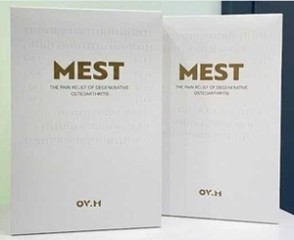
OVMedi's knee pain relief device wins FDA Breakthrough Device designation
MEST, backed by full-cycle clinical evidence, wins FDA recognition as company eyes global expansion A South Korean implantable medical device for knee osteoarthritis pain relief has received Breakthrough Device Designation from the US Food and Drug Administration. OVMedi said Thursday that its knee osteoarthritis pain relief device, MEST, had received the designation and that the company would move forward with clinical trials and the regulatory approval process in the United States. MEST is the world's first knee pain relief medical device to directly target the vastus medialis — the key muscle supporting knee load — rather than relying on conventional approaches such as intra-articular injections or joint replacement surgery. The implantable device supports weakened muscles and delivers microstimulation to alleviate knee pain. OVMedi built its clinical evidence base through a comprehensive research program that began with neurophysiological basic mechanism studies in animal models, then progressed to randomized controlled trials — including exploratory and confirmatory clinical studies approved by South Korea's Ministry of Food and Drug Safety — as well as meta-analyses and real-world clinical research. "Most FDA Breakthrough Device Designations earned by Korean companies have been concentrated in AI and diagnostic software," a company official said. "MEST's designation as an implantable medical device — one applied directly inside the patient's body — is drawing attention as an exceptional achievement." The FDA's Breakthrough Device Designation is a program designed to accelerate the commercialization of innovative medical technologies that offer meaningful advantages over existing treatments for serious or life-threatening conditions causing irreversible physical dysfunction. Designated devices benefit from a dedicated FDA review team, early coordination throughout the approval process and priority review, significantly shortening the time to market. OVMedi added that the designation would also provide advantages when seeking reimbursement coverage under US health insurance programs after approval. As a first-of-its-kind technology with no comparable precedent, MEST is expected to receive comprehensive FDA support throughout the process. The company is also pursuing regulatory approvals in Europe under CE MDR, as well as in the Philippines, Vietnam and Paraguay. "Being designated as an FDA Breakthrough Device as an implantable medical device — not software or a diagnostic tool — is an unparalleled technological achievement," an OVMedi official said. "We will complete the FDA approval process on the strength of an evidence base built without gaps, from basic science through real-world clinical use."
Sept. 17, 2026
MOST READ
- 1KAIST develops high-performance bio-based adhesive using E. coli instead of petroleum
- 2Pope Leo XIV declines French honors and banquet, accepts only private meeting with Macron
- 3Daimler Truck unveils next-generation transport solutions at IAA 2026
- 4What was Rachmaninoff's performance fee? A 1928 price list tells all
- 5Samsung Biologics union's show of force backfires at the bargaining table
- 6APR says hair-loss treatment research published in international journal
-
WORLD

US warns of punishment for anyone enabling Iran's Strait of Hormuz toll scheme
-
INDUSTRY

Toyota union puts productivity first; Hyundai Motor union demands bigger share of profits
-
FINANCE

National Growth Fund to invest $531M in FuriosaAI, which rebuffed Meta's $800M takeover bid
-
INDUSTRY
Korea Shipowners' Association holds amateur baduk tournament for Maritime Day