"I don't think I could live without them anymore ... "
From bathrooms to restaurants, wet wipes have become a fixture of daily life — a modern essential that people reach for almost out of habit.
What is less well known is that these ubiquitous products can cause damage that most users never anticipate.
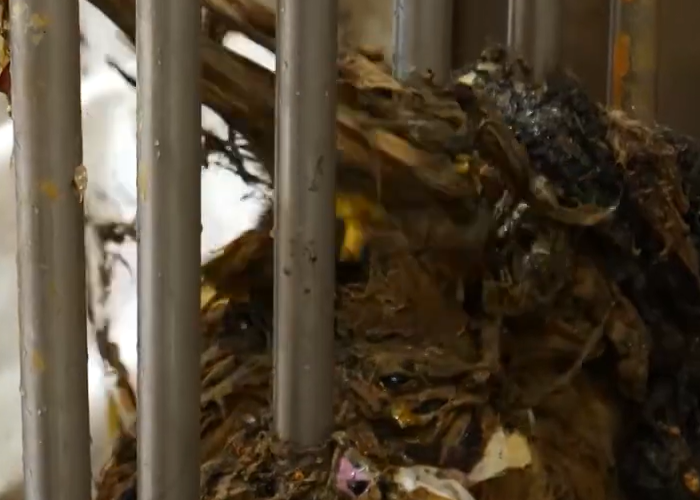
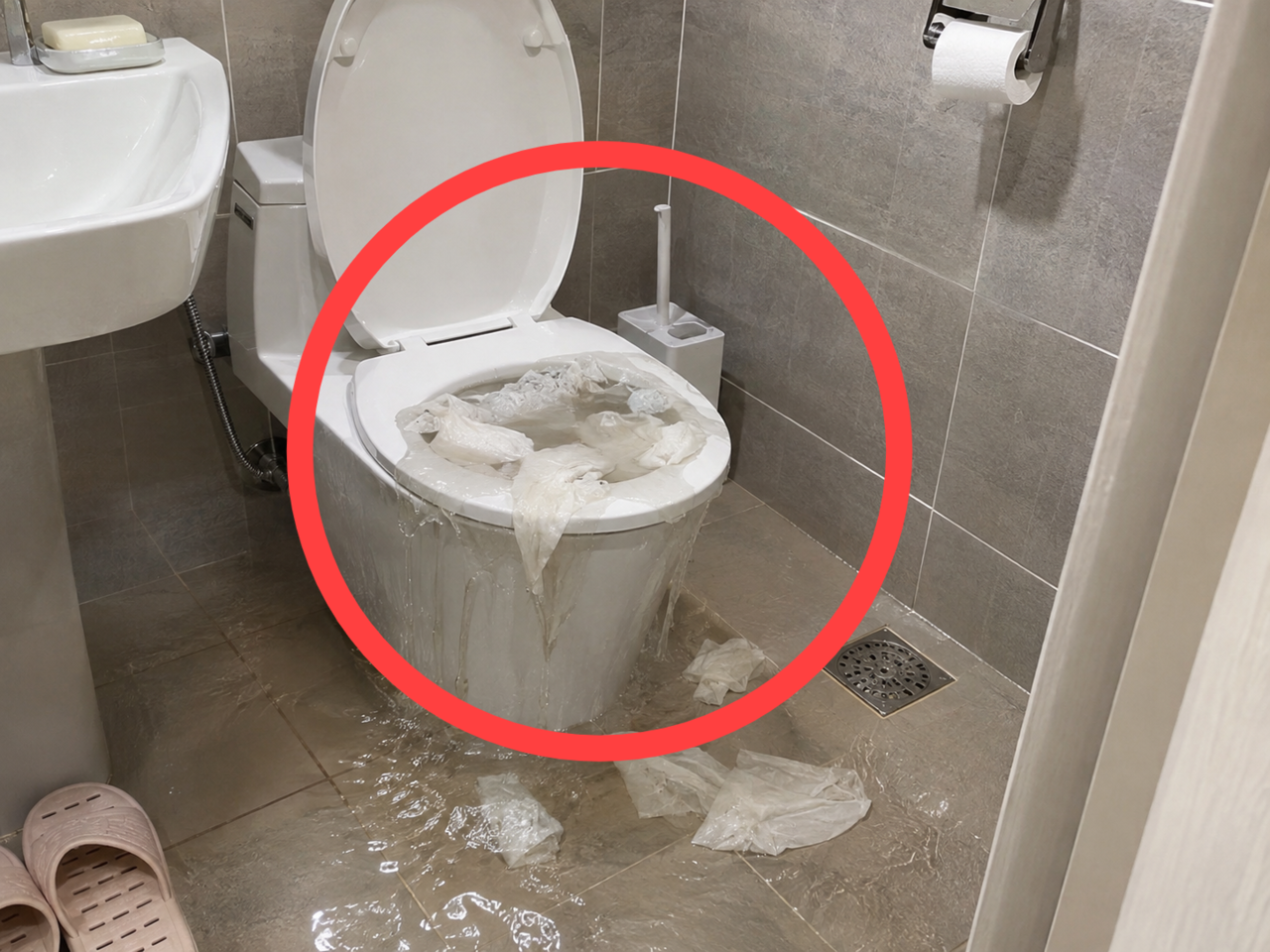
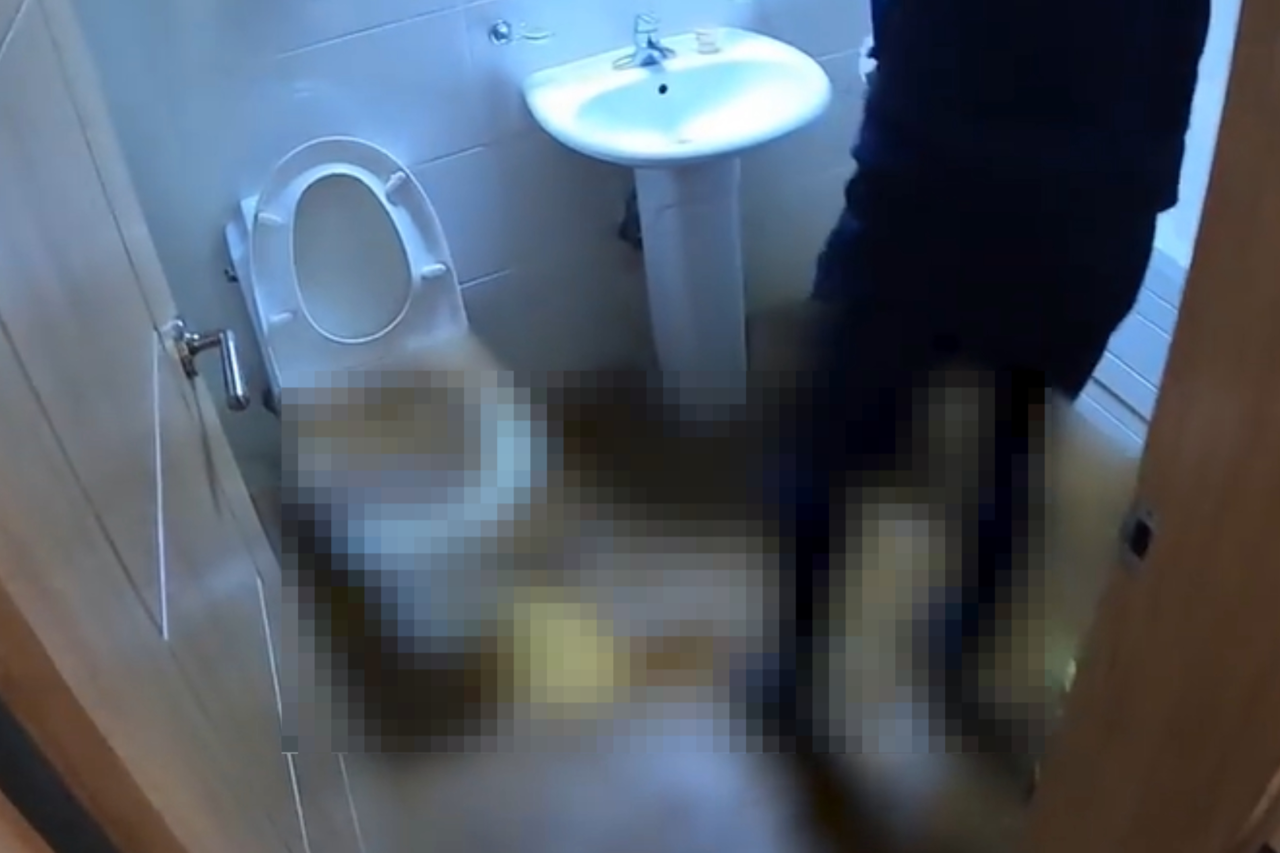
The most visible problem is sewer blockages. Wet wipes flushed down toilets tangle with grease and solidify into massive clumps of waste — and in severe cases, sewage backs up through the toilet itself.
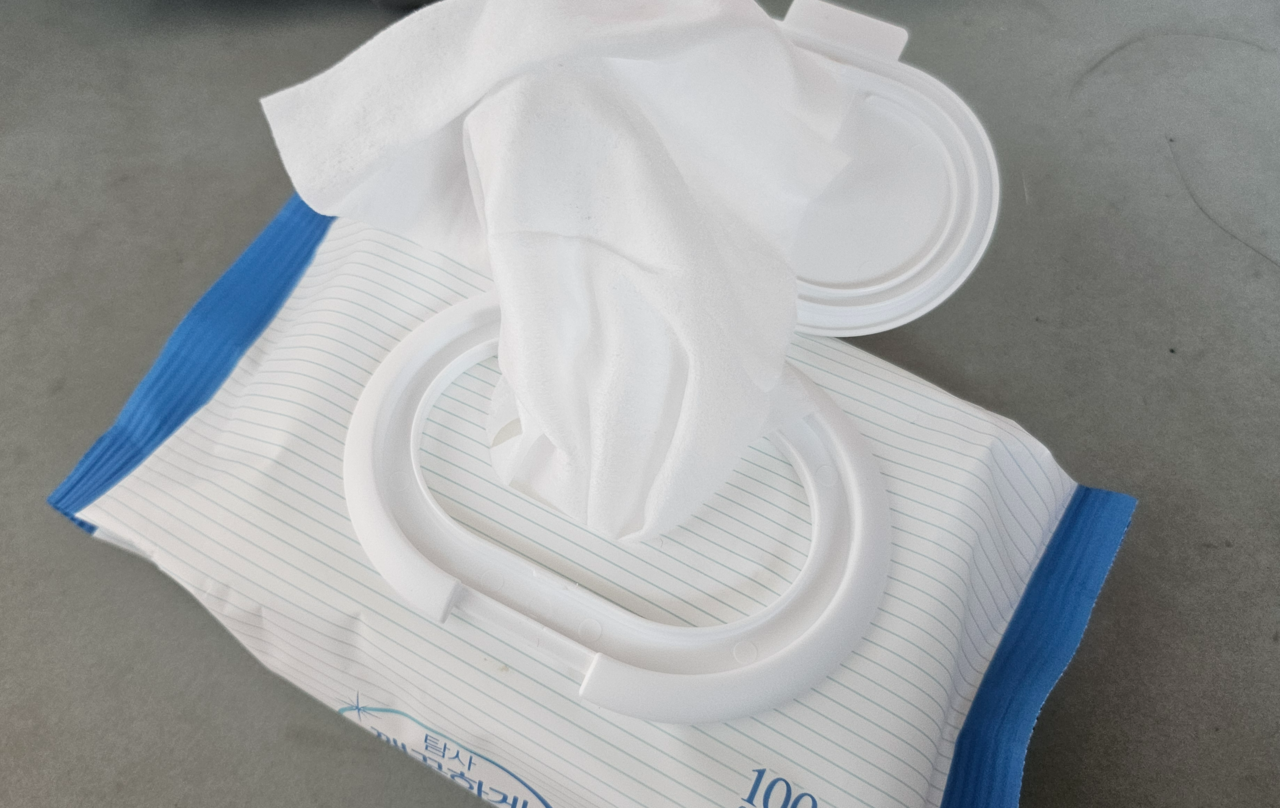
The reason is straightforward: wet wipes do not break apart easily in water. Despite their name, most are made not of paper but of plastic-based synthetic fibers.
When wet wipes reach rivers or the ocean, they fragment over time and generate microplastics, posing a threat to fish and other aquatic life.
The problem has grown serious enough that some countries have enacted outright bans on the sale of wet wipes. In South Korea, however, production has been moving in the opposite direction.
According to the Ministry of Food and Drug Safety, domestic production of wet wipes for food-service establishments reached 67.5 billion won ($50.5 million) last year, a 19 percent increase from the previous year. Compared with 2021, when output stood at 43 billion won, production has surged 57 percent in just four years.
The volume being discarded has also grown sharply. A national waste statistics survey published by the Ministry of Environment — now the Ministry of Climate, Environment and Energy — found that between 2021 and 2022, the average South Korean disposed of 22.49 grams of wet wipes per day in standard waste bags, more than double the 10.59 grams recorded in a survey five years earlier.
Many people think of wet wipes as little more than moistened paper. In reality, a large share of the wet wipes on the market are made from plastic-based synthetic fibers — polyester and polypropylene being the most common. These materials stay tough and intact even when wet, which is precisely what makes them useful in use and problematic in disposal.
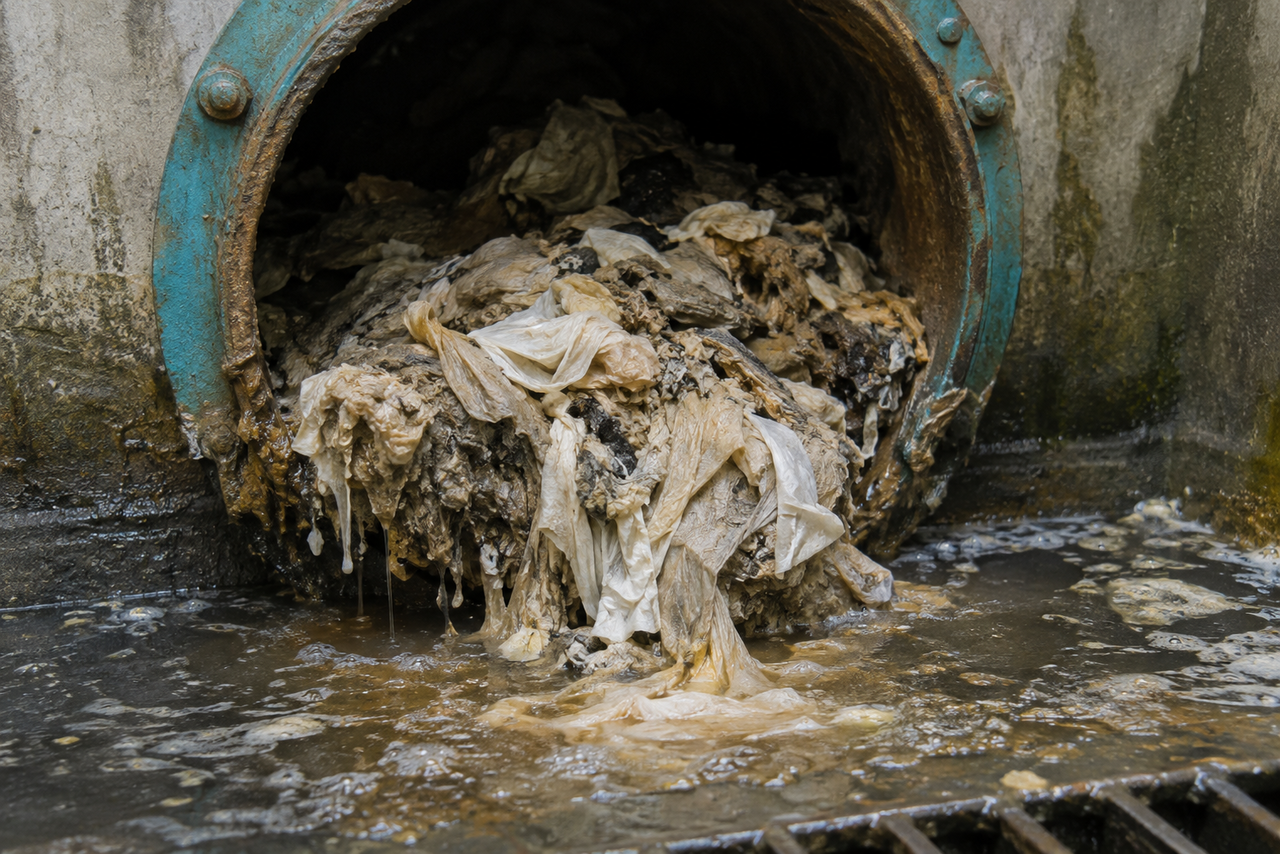
Ordinary toilet paper breaks down relatively quickly in water. Wet wipes made from plastic fibers, by contrast, hold their shape for a long time — and that difference matters once they enter the sewer system.
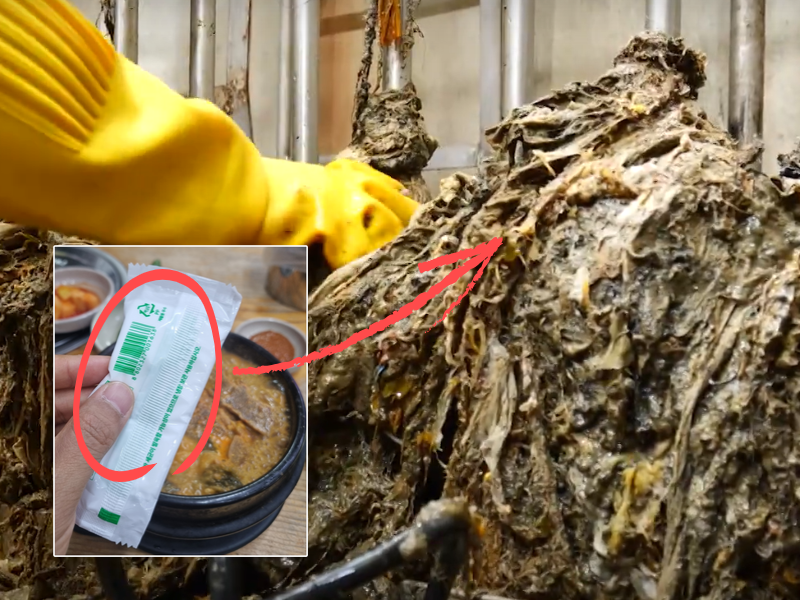
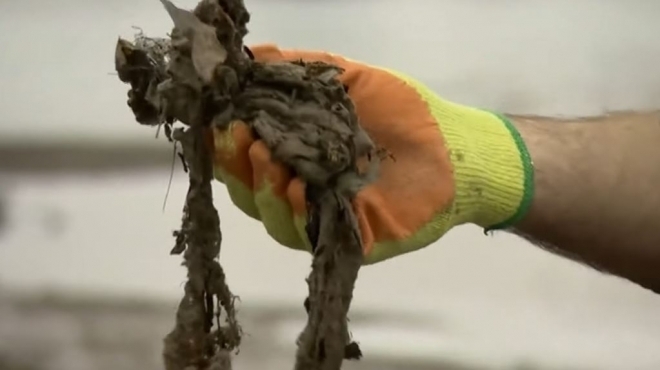
When flushed, wet wipes accumulate inside pipes and restrict water flow. When they combine with cooking grease, they can congeal into enormous masses of solid waste known as "fatbergs."
The damage overseas has reached serious proportions. According to the British government, wet wipes are involved in roughly 94 percent of sewer blockages in the United Kingdom. Water companies spend around 200 million pounds a year clearing them.
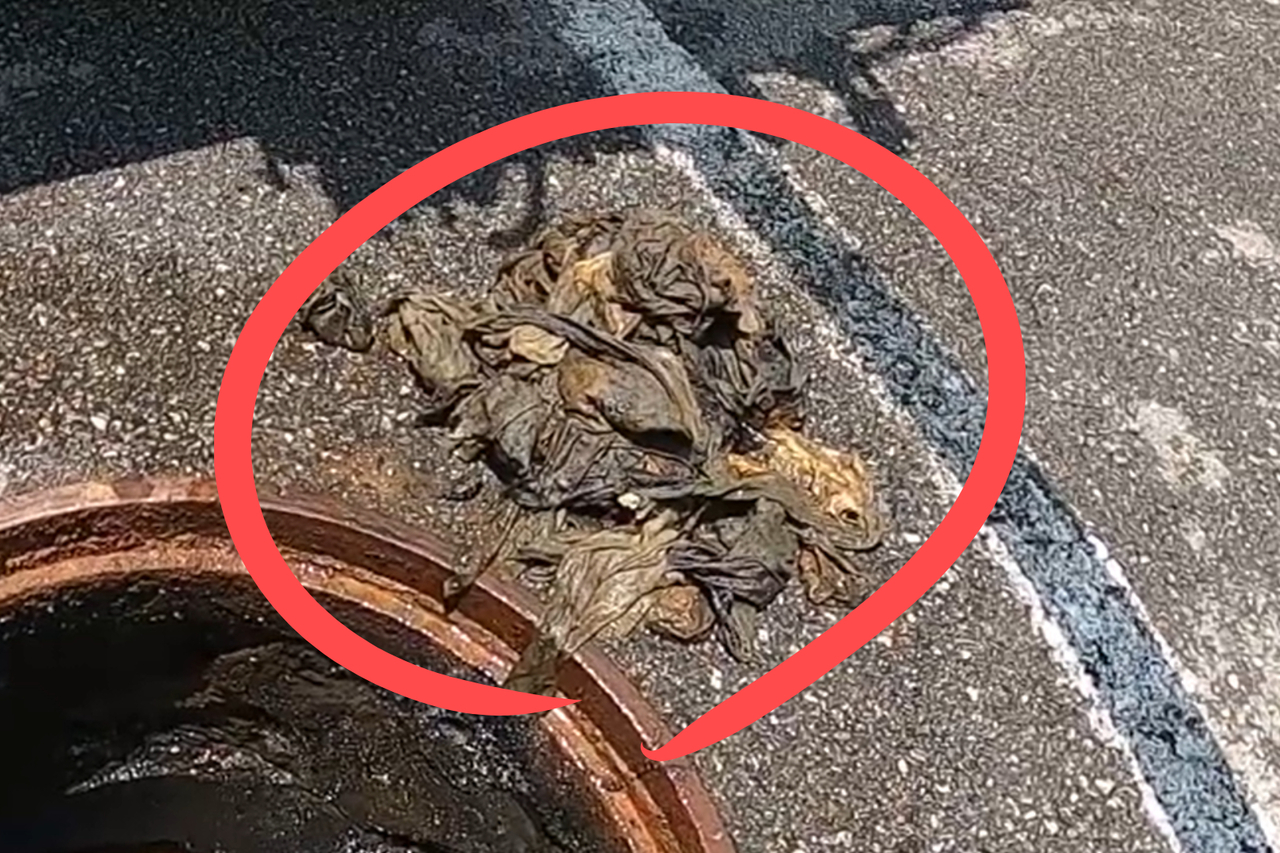
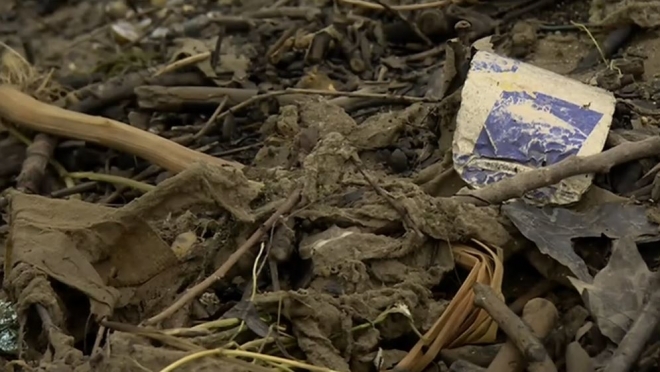
Hundreds of billions of won are spent each year just to unblock pipes and repair damaged infrastructure. The environmental toll is equally significant. Wet wipes that escape the sewer system and reach rivers and the sea do not break down readily in nature. Instead, they slowly fragment into microplastics.
A survey released by the British government found that between 2015 and 2020, an average of 20 wet wipes were found per 100 meters of British coastline. Microplastics shed by wipes discarded in the natural environment can be ingested by fish and other aquatic organisms, with potentially harmful effects on entire ecosystems.
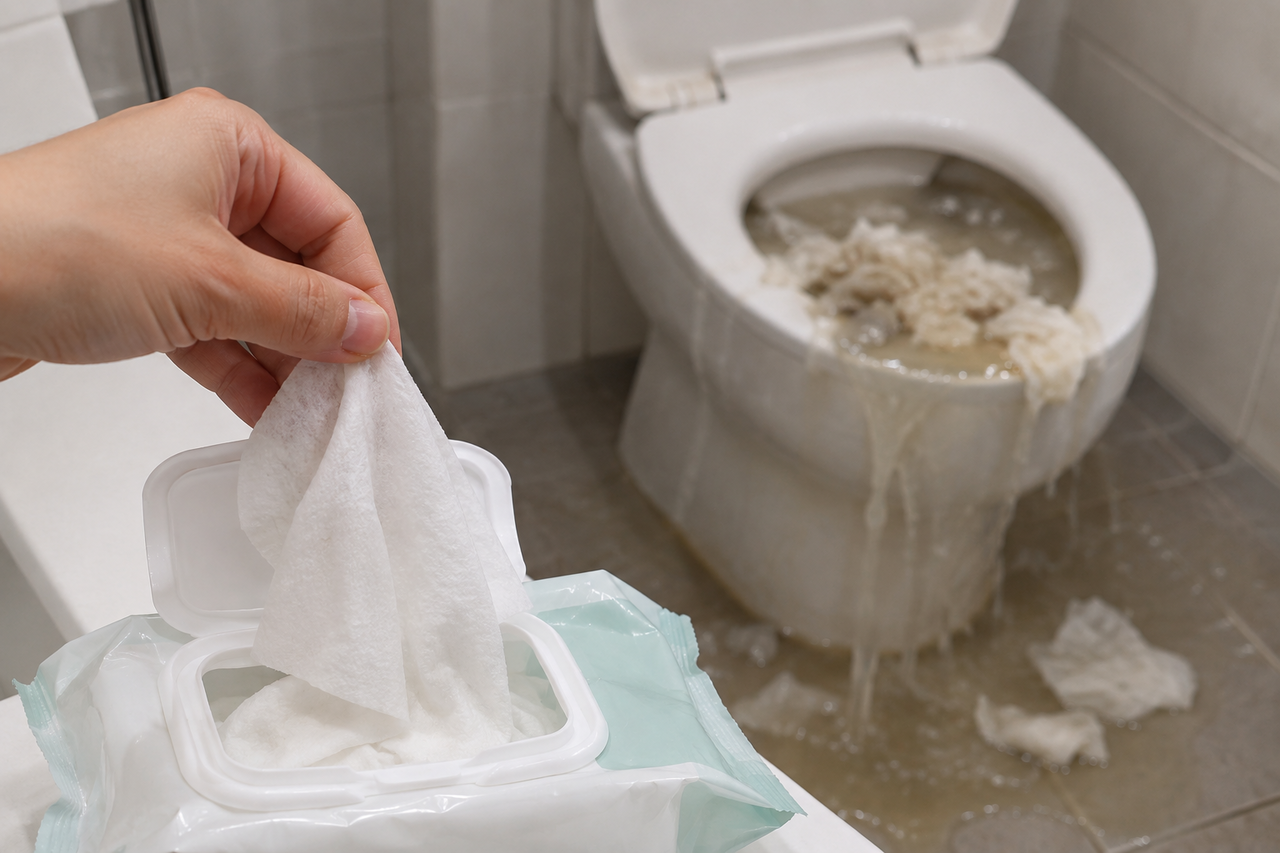
What about "flushable" wet wipes marketed specifically for toilet use? The answer is not straightforward. Products designed to disperse in water are available, but how quickly and completely they break down varies considerably by brand.
Even plastic-free wipes that do not dissolve as rapidly as ordinary toilet paper can still block pipes. The British government accordingly advises consumers to dispose of all wet wipes — including those labeled "flushable" — in a bin rather than the toilet.
Even wipes marketed as "eco-friendly" or biodegradable are not without risk. A study published in March by researchers at Gangwon National University examined 15 varieties of wet wipes sold in South Korea and detected toxic effects on aquatic organisms in the extracts of some biodegradable products.
Biodegradable wipes also do not disappear from the environment as quickly as their name implies. Researchers at Cardiff University in the United Kingdom tested two types of biodegradable wet wipes at 10 actual waterways and found that most of the wipes were still intact after five weeks.
As the environmental damage caused by wet wipes has grown more acute, other countries have moved toward strict regulation. The United Kingdom stands out as the leading example: last November, it enacted legislation banning the sale and supply of single-use wet wipes containing plastic.
The ban is set to take effect in Wales on Dec. 18, with England and other regions to follow in phases next year. Not all wet wipes will be prohibited — products free of plastic are exempt, as are certain medical-use items.
Even so, the decision to ban an everyday consumer product is significant. It signals a shift toward regulating wet wipes at the production and distribution stage, rather than treating the problem purely as a waste-management issue.
In South Korea, critics say wet wipes remain a blind spot in environmental regulation. A report released in January by the National Assembly Research Service found that wet wipes account for 80 to 90 percent of the solid waste — known as screenings — filtered out at domestic sewage treatment facilities.
That figure points to a substantial burden on the country's wastewater infrastructure. Yet under South Korea's Act on the Promotion of Saving and Recycling of Resources, wet wipes are not classified as disposable products subject to use restrictions.
Body-cleansing wet wipes are regulated as cosmetics, while those used in food-service establishments fall under hygiene products — but neither category carries meaningful rules aimed at reducing the plastic content of the wipes or the pollution generated when they are discarded. Calls are growing for wet wipes to be brought under disposable-product regulations and for producers to bear greater responsibility for their environmental impact.
"The United Kingdom's approach marks a turning point — treating the wet wipe problem not as simple waste management but as a matter of national infrastructure and environmental protection," the National Assembly Research Service said. "A prevention-focused approach at the production stage is needed in South Korea's regulatory framework as well."
woo@heraldcorp.com