
- HOME
- ECONOMY
-
South Korea to allow foreign banks to handle won payments abroad
Bank of Korea's won settlement network to support offshore won transactions Overdraft borrowing for settlement purposes allowed without limit; reporting threshold raised Won-denominated capital transactions between nonresidents exempt from reporting, except domestic real estate South Korea will introduce a regime allowing qualified foreign financial institutions to support won-denominated payments for nonresident customers from abroad. The reporting requirement for won-denominated capital transactions between nonresidents will also be waived. The Ministry of Economy and Finance said Wednesday it had promulgated revised guidelines on foreign exchange operations by foreign financial institutions, along with amendments to the Foreign Exchange Transaction Regulations. The revisions are part of measures to build an offshore won settlement system under the government's "won internationalization roadmap," announced in July. The amendments formalize a new category of "overseas won business" — won-related foreign exchange operations conducted abroad for nonresidents — and establish a new license class, the Registered Foreign Institution for Korean Won (RFI-K). Foreign financial institutions already registered as Registered Foreign Institutions (RFI) that wish to handle won business must register separately. The RFI-K is a won-specialist license built on top of the existing RFI framework. Foreign institutions registered as RFI-K will be able to settle won transactions by opening an integrated account at a domestic foreign exchange bank, which in turn connects to the Bank of Korea's won international settlement network. This will establish an offshore won settlement system allowing won transactions to be conducted without restrictions on time or location. RFI-K institutions will be permitted to open won accounts for foreign nonresident customers abroad and handle remittances, investment and lending transactions. Their scope of business will also cover holding, procuring and managing won — including won payments, receipts and deposits. However, customers must be foreign nonresidents, and foreign financial institutions with deposit-taking functions, such as banks, are excluded. The reporting requirement for won-denominated capital transactions between nonresidents will also be waived. Domestic real estate transactions, however, are excluded from the reporting exemption. To help institutions secure the won liquidity needed for settlement, overdraft borrowing from domestic banks for settlement purposes will be permitted without limit. The reporting exemption threshold for won borrowing will be raised from 30 billion won ($22.2 million) to 100 billion won. Oversight mechanisms for offshore won transactions have also been put in place. RFI-K institutions must verify that their customers are nonresidents and submit monthly transaction records to the Bank of Korea, including identifying information on senders and recipients, transaction amounts, currency types, and transaction and settlement dates. As with existing RFI institutions, they may delegate compliance obligations to an agent. The government plans to conduct prudential oversight of RFI-K institutions and monitor transaction records and compliance together with the Bank of Korea and other relevant authorities. Provisions have also been established to allow restrictions, when necessary, on the methods RFI-K institutions use to raise and deploy won funds, as well as on the scope of their assets and liabilities.
Sept. 16, 2026
-
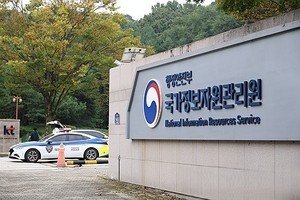
South Korea to migrate 50 public information systems to private cloud
Migration costs and service fees covered through 2027 to ease institutional burden; service continuity a top priority South Korea's Ministry of Interior and Safety announced Wednesday that it will begin migrating 50 administrative and public information systems to private cloud infrastructure this year, aiming to make fuller use of private-sector technology and human resources. The move follows the "AI Government Infrastructure Governance and Innovation Direction" released in February by the National AI Strategy Committee. The government plans to strengthen data center safety management in the public sector by leveraging private-sector capabilities, with a phased migration timed to the planned closure of the National Information Resources Service by 2030. Systems that can be quickly transitioned to a private cloud environment will be moved first. The ministry selected 50 information systems — including agency websites and basic information-delivery services that require no separate information strategy plan — and plans to complete their migration by the first quarter of 2027. To ease the financial burden on migrating agencies and support private cloud adoption, the ministry will cover both migration costs and private cloud service fees through 2027. Next year, the ministry plans to identify additional systems eligible for private cloud migration based on security ratings under the National Intelligence Service's National Network Security Framework guidelines, and will continue expanding the scope through consultations with relevant agencies. "Above all, we will do our utmost to ensure a seamless transition so that the public experiences no disruption to the services they rely on," said Hwang Gyu-cheol, director general of the ministry's AI Government Office. "We will lay the groundwork for faster and more convenient administrative services by bringing in private-sector expertise."
Sept. 16, 2026
-
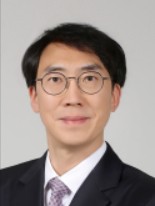
Korea University professor Yoo Seung-han appointed as Fair Trade Commission non-standing member
Yoo Seung-han, a Korea University economics professor specializing in market design and platform economics, has joined the Korea Fair Trade Commission as a non-standing member. The Fair Trade Commission said Wednesday it had appointed Yoo to the post. Non-standing members are appointed by the president upon the recommendation of the Fair Trade Commission chairman and serve three-year terms. Yoo earned his doctorate in economics from Cornell University in 2008 and went on to work as a postdoctoral researcher at the National University of Singapore and as a professor at Nanyang Technological University. He has been on the faculty of Korea University's economics department since 2011, rising from assistant professor to associate professor to full professor. His research has focused on microeconomic theory, market design and platform economics. He has served on the Fair Trade Commission's competition policy advisory committee this year and has also been active as an editorial board member of the Journal of Econometrics and an organizing committee member of the East Asian Conference on Contract Theory. The commission said it expects Yoo to strengthen the expertise of its adjudication process, drawing on his background in economics, his research in market design and online platforms, and his advisory work on competition policy.
Sept. 16, 2026
-

South Chungcheong Province to reopen Geumgang Arboretum with expanded facilities
Province, Sejong City sign MOU for full reopening next year; loess Meta Trail to open Monday Geumgang Arboretum, which has served as a premier forest destination in central Korea for more than 30 years, is set to return to the public in an expanded form. South Chungcheong Province Governor Park Soo-hyun signed a memorandum of understanding with Sejong City Mayor Jo Sang-ho on Wednesday at the lawn plaza of the forest museum at the former main campus of the provincial Forest Resources Research Institute, committing the two sides to jointly reopen and operate Geumgang Arboretum and related facilities. Cho Cheol-gi, speaker of the South Chungcheong Provincial Assembly, and Yoo In-ho, deputy speaker of the Sejong City Council, also attended the signing ceremony and expressed their support for the project at the legislative level. The MOU covers cooperation on four areas for the reopened arboretum: staffing, operating costs and facility expenses, revenue management and settlement, and administrative procedures. The former main campus of the provincial Forest Resources Research Institute, which opened before 1994, spans 269 hectares and includes Geumgang Arboretum, Geumgang Nature Recreation Forest, a forest museum, a tropical greenhouse, an animal village and a tree hospital. The province formally announced plans to sell the site to a private buyer in July 2024 and closed it at the end of June last year ahead of relocating the institute's main campus to Cheongyang in July. Following the launch of the ninth directly elected provincial administration, the province reversed course from a sale to a reopening. After completing administrative procedures, functional reorganization and facility inspections and repairs, the arboretum and related facilities will begin welcoming visitors in January next year. The expanded reopening will make the former site of the provincial Forest Resources Research Institute — owned by the province's 2.2 million residents — available for shared use, with the aim of promoting forest recreation and leisure for people across the Chungcheong region and the country as a whole, as well as preserving and activating forest resources. Starting Monday, ahead of the Chuseok holiday, the arboretum's outdoor spaces — including the exhibition garden, the loess Meta Trail, walking paths and rest facilities — will be opened to the public free of charge on a temporary basis. The province plans to open the walking paths and other outdoor areas first, while conducting comprehensive safety inspections covering structural, electrical and fire safety standards before gradually bringing accommodation facilities into operation. The forest museum will be repurposed as a forest culture and ecology education exhibition center, featuring displays on the province's forest policy, forest ecology, climate change, wildfire prevention and forest products from across the province. The tropical greenhouse will be converted into a temperate southern-region and Jeju native plant garden focused on climate change adaptation, taking into account its aging infrastructure and overlapping functions with the large greenhouse at the nearby National Sejong Arboretum. It is set to resume operation in January next year. The animal village will be closed, as the province determined it was not operationally viable given that it must shut down whenever a livestock infectious disease breaks out, and will be converted into a children's forest education and experience facility. "Geumgang Arboretum is not provincial land or real estate for asset accumulation — it is a precious public asset that South Chungcheong, Sejong and indeed all citizens of the country should enjoy together," Park said. "Geumgang Arboretum is located in Sejong but owned by South Chungcheong Province — yet when it comes to residents' rest and happiness, there are no boundaries between administrative zones," Park said. "From now on, Sejong and South Chungcheong will jointly provide staff, share operating costs and manage revenue together." Park added that the province would "carefully manage every remaining step of the preparation process to ensure the reopening in the first half of next year proceeds without a hitch, and will nurture this forest — preserved together by South Chungcheong and Sejong — into a century-long forest for our children's children to enjoy."
Sept. 16, 2026
-
S. Korea, OECD discuss AI accountability and ethics standards for public institutions
Officials from 28 countries and international organizations gather in Paris Forum covers sustainable management, AI governance Ministry of Economy and Finance says findings to inform public institution policy South Korea and the OECD discussed accountability and ethics standards for public institutions adopting AI, as well as ways to implement sustainable management practices. The Ministry of Economy and Finance said it hosted the "4th Korea-OECD International Policy Forum on Public Institutions" at OECD headquarters in Paris on Tuesday. The forum brought together the ministry's director general for public policy, South Korea's ambassador to the OECD, the OECD's director of the Corporate Affairs Division, and public institution policy officials from 28 countries and international organizations. Participants discussed policy experiences and future challenges under three themes: implementing sustainable management at public institutions, AI adoption and corporate governance innovation at state-owned enterprises, and linking public policy goals to performance evaluations of public institutions. The South Korean delegation said the principles of the revised 2024 OECD Guidelines on Corporate Governance of State-Owned Enterprises must be developed into policies and implementation cases suited to each country's circumstances. It also said solutions must be sought to help public institutions deliver stable public services and sustainable outcomes amid climate change and digital transformation. The OECD introduced the current state of corporate governance at South Korean state-owned enterprises, drawing on key findings from its forthcoming "State-Owned Enterprises Ownership and Governance 2026" report. The sustainable management session addressed ways to translate government policy commitments into concrete targets, incentives and monitoring frameworks. The Korea Institute of Public Finance presented guidelines and case studies on spreading ESG — environmental, social and governance — management practices across domestic public institutions. The AI governance session examined the opportunities and risks of AI adoption, covering data management, cybersecurity, accountability and ethical use. Kim Dong-jin, director of the ministry's Public Innovation Planning Division, introduced the government's role and domestic regulatory regime in building trustworthy AI governance during the digital transition. The final session focused on how to set and manage public policy goals for state-owned enterprises and incorporate them into performance evaluations. Officials from Spain, Morocco and the IMF shared cases in which they had balanced commercial and non-commercial objectives at state-owned enterprises and adjusted performance indicators accordingly. The Ministry of Economy and Finance said it would use the discussions and country cases from the forum to inform future public institution policy, and that it would continue sharing policies and cooperating with OECD member states on the management and operation of public institutions.
Sept. 16, 2026
-
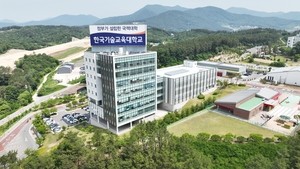
Korea Tech University holds job fair with 40-plus companies, on-site career consultations
Event held Wednesday at Damheon Silhak Hall on campus Personnel officers from 33 firms join corporate recruitment booths Alumni working at LG Electronics and others offer job mentoring Korea University of Technology and Education announced it will hold its "2026 Job Fair" on Wednesday at Damheon Silhak Hall on its campus in Cheonan, South Chungcheong Province. More than 40 companies are taking part, spanning the semiconductor, electronics, automotive, machinery and energy sectors, including large conglomerates, public institutions, foreign-invested firms, and small and medium-sized enterprises. The event aims to provide current students and graduates with hiring information and the competencies required for specific roles, while giving participating companies a chance to meet top talent. The corporate recruitment zone will feature personnel officers from 33 companies, including JB Corporation, KB Autosys, SFA Semicon, Globaltech, Youngrim Industrial, Army Headquarters, Cheonan Urban Corporation, Kctech and Korea Midland Power. Representatives will offer one-on-one consultations covering company and job introductions, hiring plans, ideal candidate profiles and role-specific requirements. Some companies will also conduct on-site consultations linked directly to recruitment. At the alumni mentoring pavilion, graduates currently employed at LG Electronics, Korea National Railway, Steco, Booyoung and other organizations will share their experiences preparing for employment, going through the hiring process, handling actual job duties and navigating workplace life with current students. Additional programs include an AI photo booth, a career tarot reading, a personal color analysis session and professional headshot photography for resumes. Seo Hui-seok, director of career development and IPP at the university, said the hiring market is shifting rapidly toward job-specific and practical competencies. "We hope this fair gives students a concrete direction for their job search and helps companies discover outstanding talent," he said. Meanwhile, the university recorded an employment rate of 82.8 percent in university information disclosures released last December, ranking first among all four-year universities nationwide. It was the only university in the country to surpass the 80 percent mark.
Sept. 16, 2026
-
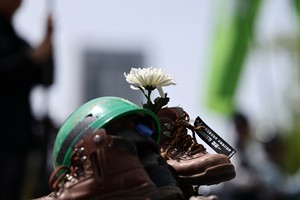
369 foreign workers killed in industrial accidents — government response stalled for 3 months
299 deaths in construction, manufacturing — 81% of total Falls account for 140 deaths, most of any cause Integrated support roadmap due in June still delayed Experts call for native-language, hands-on safety training A total of 369 foreign workers died in industrial accidents from 2022 through the first quarter of this year, with eight in 10 fatalities occurring at construction or manufacturing sites. A government support roadmap that had been due in June remains stuck in interministerial consultations three months later. The figures, submitted to Democratic Party of Korea lawmaker Shin Jeong-hun of the National Assembly's Climate, Energy, Environment and Labor Committee by the Ministry of Employment and Labor, are based on industrial accident compensation approval data from the Korea Workers' Compensation and Welfare Service. Annual deaths rose from 85 in each of 2022 and 2023 to 102 in 2024. Last year, 77 workers died, and 20 more lost their lives in the first quarter alone this year. By industry, construction accounted for the largest share at 194 deaths, or 52.6 percent of the total. Manufacturing followed with 105 deaths, or 28.5 percent. Combined, the two sectors claimed 299 lives — 81.0 percent of all fatalities. Other sectors recorded 45 deaths (12.2 percent), followed by agriculture with 11 (3.0 percent) and forestry with 6 (1.6 percent). Falls were the leading cause of death, killing 140 workers, or 37.9 percent of the total. Entrapment followed with 56 deaths (15.2 percent), then being caught under or overturned by objects with 31 (8.4 percent), being struck by objects with 28 (7.6 percent), and fires with 27 (7.3 percent). Collisions and collapses each claimed 24 lives, accounting for 6.5 percent apiece. Despite the mounting toll, the government's response has fallen behind schedule. On April 30, the government announced the direction of a foreign workforce integrated support roadmap and pledged to release the final version in June. According to the Ministry of Employment and Labor, however, the roadmap remains at the draft preparation and interministerial consultation stage. "Life and safety are not issues that can be deferred over disagreements between ministries," Shin said, adding that foreign workforce policy must shift its focus from the scale of recruitment to worker protection and the development of skilled labor. "Given that 81 percent of industrial accident deaths among foreign workers occur in construction and manufacturing, exceptional safety measures are needed," Shin said. "The government must put in place measures that actually work on the ground — native-language safety education, hands-on training for each type of task, guaranteed adaptation and skill-building periods, and the placement of interpreter safety managers at high-risk worksites."
Sept. 16, 2026
-

Lotte On brings Japanese select-shop brand Tomorrowland to Korea for first time
Women's labels Ballsey, Macphee among five to debut Lotte On announced Wednesday that it will launch Japanese select-shop brand Tomorrowland in South Korea for the first time. The online shopping platform will begin carrying Tomorrowland's 2026 fall/winter collection on Friday. Founded in Japan in 1978, Tomorrowland has developed its own labels while operating select shops, and as of August runs 121 stores across Japan. Lotte On will initially introduce five of Tomorrowland's women's labels: Ballsey, Macphee, Tomorrowland Collection, Des Prés and Galerie Vie. The platform plans to present the brand's fashion perspective and curation approach in a way tailored to the domestic online shopping environment, giving customers the experience of discovering Japanese fashion — previously accessible mainly through overseas travel — alongside new brands and tastes. "We plan to convey not only Tomorrowland's products but also its fashion perspective and sensibility to customers in Korea," a Lotte On official said. "We will continue to seek out a variety of Japanese fashion brands and select shops to introduce to the domestic market."
Sept. 16, 2026
-
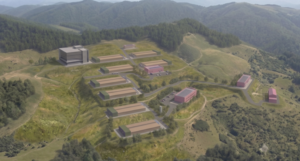
South Korea's first smart egg-laying complex to be built in Taebaek
483.9 billion won to be invested by 2031 Complex to produce 3.7% of daily national egg output; 355 jobs expected South Korea's first smart egg-laying complex will be built in Taebaek, Gangwon Province, with 483.9 billion won ($360 million) to be invested by 2031 to raise about 3.2 million laying hens and produce 1.86 million eggs a day. The Ministry of Agriculture, Food and Rural Affairs announced Wednesday that it had selected Taebaek as this year's designated site for its smart livestock complex development project. A smart livestock complex brings together ICT-based smart farm facilities, livestock data centers and related infrastructure on a single site. Complexes for dairy cattle are already operating in Dangjin, South Chungcheong Province; pig complexes have been established in Goseong, South Gyeongsang Province, and Nonsan, South Chungcheong Province; and Hanwoo beef cattle complexes are in place in Goheung and Damyang, South Jeolla Province. The Taebaek facility will be the first dedicated to egg-laying hens. The complex will cover 45 hectares and carry a total project cost of 483.9 billion won. Of that, 17.8 billion won will come from the national government and 8.2 billion won from local authorities, with agricultural corporation Ganong Bio financing the remaining 457.9 billion won through its own funds and loans. Once complete, the complex will house about 3.2 million laying hens and produce an average of 1.86 million eggs per day — equivalent to 3.7 percent of the country's daily egg output. Taebaek's high-altitude geography was a key factor in its selection. The city experiences no tropical nights, reducing heat-related stress on laying hens during summer, and its lack of migratory bird habitats lowers the risk of highly pathogenic avian influenza (HPAI). Poultry have no sweat glands and are highly vulnerable to heat; when barn temperatures exceed 26.7 degrees Celsius, the birds can suffer heat stress that affects both their health and laying rates. Increasingly difficult egg production conditions also drove the push for a large-scale production base. HPAI-related culls and heat waves can suppress laying rates, and starting next September the minimum floor space per laying hen will increase from the current 0.05 square meters to 0.075 square meters. The project is also expected to boost the local economy. Ganong Bio, currently based in Pocheon, Gyeonggi Province, will relocate to Taebaek to develop the complex. The Ministry of Agriculture, Food and Rural Affairs estimates the move will create about 355 new jobs. Taebaek's population has fallen from 115,000 in 1986, when the coal industry was booming, to 36,700 this year. Easing community concerns about the complex remains a challenge. Civic groups in neighboring Samcheok have raised worries about odors, dust and the spread of livestock disease. Taebaek city plans to install air purification and forced-ventilation drying systems in all barns and to treat and recycle wastewater. If needed, the city will also consider introducing a monitoring system that allows residents of both Taebaek and Samcheok to directly inspect odor and wastewater management conditions. Chicken manure will be used as biomass fuel to generate renewable energy, and a portion of the electricity sales revenue will be shared with nearby residents. Plans also include an egg-experience facility and festival, senior employment programs, and free egg delivery for elderly residents living alone. "The selection of Taebaek as the smart livestock complex site will mark a new milestone in the future of South Korea's egg industry," Lee Jae-sik, the ministry's livestock policy director, said. "We will support Taebaek's development into an egg industry cluster encompassing production, processing, retail, research and development, and the training of specialized personnel."
Sept. 16, 2026
-
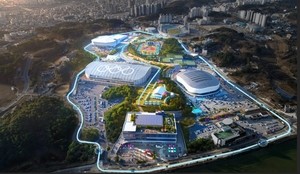
Gangneung ITS World Congress draws 60,000 from 90 countries as Gangwon Province mobilizes full support
Congress billed as 'Olympics of transport science and culture' Gangwon Province shifts related events to Gangneung to build momentum Hyundai, LG Electronics, Google among 419 firms and institutions attending The Gangneung ITS (Intelligent Transport Systems) World Congress will be held at Gangneung Olympic Park from Oct. 19 to 23, drawing more than 60,000 participants from about 90 countries. Gangwon Province announced Wednesday that, with just over a month until the opening of the 2026 Gangneung ITS World Congress, it has activated a full on-site support system centered on its administrative support headquarters. The event is billed as an Olympics of science, technology and culture, featuring ministerial meetings, academic conferences, cutting-edge transport technology exhibitions, technical demonstrations and cultural programs. A total of 419 domestic and international companies and institutions — including Hyundai, LG Electronics and Google — will participate, showcasing future transport technologies such as Level 4 self-driving car demonstrations, parking robot displays and AI traffic platform exhibitions. The administrative support headquarters, led by the vice governor for economic affairs, will operate support systems across transportation, public relations, safety, fire services, medical care, roads and tourism. A comprehensive on-site operations center will run throughout the congress to share real-time updates across all areas, with plans to coordinate rapid responses with Gangneung city and the organizing committee should any unexpected situations arise. To build public enthusiasm and increase attendance, the province will direct meetings, training sessions and workshops held by provincial and municipal offices, affiliated agencies and public institutions to take place in Gangneung and the Yeongdong region during the congress period. Organizers also plan to guide congress attendees to exhibition halls and technology demonstrations, with the aim of boosting local accommodation, tourism and consumer spending. About 400 participants from 10 events — including the Gangwon Advanced Traffic Safety Culture Workshop — are already scheduled to visit the congress venue, and the province plans to expand the number of linked events through additional demand surveys. "With the congress now just over a month away, we will shift from a preparation-focused support system to a field execution system," said Lee Jong-gu, director of the Gangwon Province construction and transportation bureau. "We will work closely with Gangneung city, the organizing committee, municipalities and public institutions to ensure a safe and successful congress." Starting 30 days before the congress opens, the province will launch an intensive promotional campaign using a range of channels including the official website, SNS, electronic billboards and transit advertising. Public institutions, associations and civic groups will also be asked to promote the congress and encourage participation, to raise public awareness and a sense of engagement. On Friday, the province will hold the second preparatory briefing of its administrative support headquarters to review readiness and outstanding issues across all areas, and to finalize the operations center plan and each department's roles and coordination framework for the congress period.
Sept. 16, 2026
-
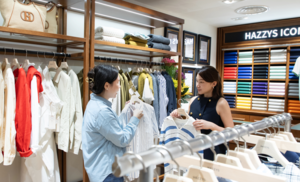
LF's Hazzys enters Hong Kong, targets 6 stores within 3 years
First store opens at Causeway Bay Sogo department store, with product lineup tailored to local climate and lifestyle LF's contemporary casual brand Hazzys has entered Hong Kong, the company announced Wednesday, extending its push into the greater Chinese market after establishing a presence on the mainland. Hazzys opened its first Hong Kong store Monday on the third floor of the Sogo department store in Causeway Bay, occupying roughly 66 square meters. The store carries a wide selection of men's and women's clothing and accessories, featuring key collections including Iconic and Hazzys Blue. The interior concept draws on British heritage. The product lineup has been tailored to local conditions. Given Hong Kong's mild and humid climate, the store places greater emphasis on lightweight items in thin fabrics. Alongside fall/winter 2026 products, select spring/summer 2026 pieces suited to the Hong Kong climate are also available. The brand gauged its prospects in the market through contact with domestic and international customers and buyers. At Space H Seoul — Hazzys' global flagship in Myeong-dong — roughly half of all foreign visitors were from the greater Chinese market. Hong Kong customers have also shown steady engagement through the brand's global online channels. Hong Kong buyers who attended the Hazzys global order fair held in Seoul in January responded positively. Hazzys aims to position itself in Hong Kong as a premium contemporary casual brand, combining British heritage with the refined design and fit of Korean fashion and highlighting its total collection spanning both men's and women's wear as a key differentiator. The company is targeting six stores in Hong Kong within three years. Next year, it plans to enter new markets including Thailand and India. "Building on the brand competitiveness and business experience we have accumulated in China, we have expanded our touchpoints with customers in the greater Chinese market," an LF official said. "We will continue to strengthen the brand's presence and competitiveness in key global markets on the back of our performance in Hong Kong."
Sept. 16, 2026
-

The Born Korea introduces card payment system for franchise supply orders
Partnership with KB Kookmin Card; headquarters to cover 100% of transaction fees The Born Korea announced Wednesday that it has added a card payment function to the order management system franchise owners use to purchase supplies, allowing them to pay for orders with a dedicated payment card. The company said the move aims to ease short-term cash flow pressures that can arise during franchise operations ahead of the chuseok holiday, while giving franchise owners more flexibility in how they pay. The Born Korea built the system in partnership with KB Kookmin Card. Franchise owners can register a dedicated payment card directly within the existing order management system — no separate platform or ordering tool required — and then choose to switch eligible supply payments to card transactions. The headquarters will cover 100 percent of card transaction fees. "Supply costs are an ongoing expense in running a franchise," a company official said. "Ahead of the holiday season, when cash demand rises, this will go a long way toward spreading out the burden of cash outlays for our franchise owners."
Sept. 16, 2026
-
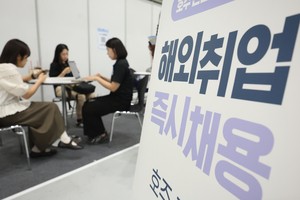
32 firms from 9 countries seek young Korean talent at global job fair
Ministry of Employment and Labor, HRD Korea host 'Global Job Matching Day' On-site interviews in IT, finance, aviation; counseling and mentoring also offered Government to support 4,700 young job seekers overseas this year through K-Move School Thirty-two companies from nine countries are looking to hire young Korean talent. South Korea's Ministry of Employment and Labor and the Human Resources Development Service of Korea (HRD Korea) said Wednesday they are hosting the "2026 Global Job Matching Day" at Seoul Garden Hotel to connect young job seekers with overseas employers. The event brings together 32 companies from nine countries, including Korean Reinsurance's London office and Kansai Airport Group. Hiring fields span IT and systems, machinery, electrical and electronics, finance and accounting, sales and service, and aviation and airport services. At the corporate recruitment hall, participating companies and young job seekers meet directly to review hiring information and conduct on-site interviews. Special lectures and company-specific recruitment briefings are also on offer. Additional programs to help candidates prepare for overseas employment include one-on-one job consulting, mentoring sessions with Koreans who have already found work abroad, and professional profile photo shoots. The organizers said the event aims to go beyond simply providing job information, offering direct job matching between overseas companies and young Korean candidates. The ministry and HRD Korea plan to support 4,700 young people in finding overseas employment this year through programs including K-Move School and an overseas employment settlement grant. They said they will strengthen step-by-step support covering job-skills training abroad, post-hiring settlement assistance and re-employment help upon returning to Korea. Ha Chang-yong, the ministry's director general for youth employment policy, said the capabilities young people build while experiencing new cultures and environments overseas "will become a valuable asset not only for their personal growth but also for enhancing the global competitiveness of our companies and Korea." Lee Byung-hoon, president of HRD Korea, said the organization will "expand job matching between overseas employers and young Koreans at home, and provide systematic support from overseas job preparation and local career development to re-employment after returning to Korea."
Sept. 16, 2026
-

Bungae Jangter, Seoul to host youth flea market at Banpo Hangang Park
Free entry and booth space at Dalbit Square, Sept. 18–19 Secondhand marketplace platform Bungae Jangter announced Wednesday it will co-host a youth flea market with the Seoul Metropolitan Government. The event runs Friday through Saturday at Dalbit Square in Banpo Hangang Park. It is an official program of the city's 2026 Seoul Youth Week and grew out of an MOU between the two organizations. Seoul Youth Week is an annual event the city has held since 2021 to mark Youth Day, observed on the third Saturday of September each year under the Youth Basic Act and the Seoul Metropolitan Government Youth Basic Ordinance. Bungae Jangter chose the theme "Jopal Johal," a Korean shorthand for "sell what you loved to do what you love," with the aim of encouraging participants to reinvest their sales proceeds into new pursuits. Sellers were recruited from Bungae Jangter users between the ages of 19 and 39, and 20 teams were selected from 112 applicants. The submissions fell into four themes: challenge, love, letting go and personal taste. Participants include a performing arts college startup club, a young person raising funds for a student exchange program in Japan, a couple preparing for a month-long trial living arrangement before marriage, and a model looking to clear a wardrobe of nearly 1,000 items. One applicant also submitted a story about donating the proceeds to charity. All 20 selected teams will receive a booth and equipment free of charge, with no participation fee. The top seller will receive a 1 million won ($743) grant, and the first 10 teams to verify a successful sale will each receive 100,000 won. Visitors will be able to vote for their favorite seller on-site. Payments will be processed through the Bungae Jangter app. Users who verify the app will receive a reusable shopping bag, and those who list a product on the app will receive 10 biodegradable delivery pouches. "As secondhand trading among young people has evolved beyond saving money into a form of self-expression and sustainable consumption, we will work with the Seoul Metropolitan Government to expand programs that support youth tastes and ambitions," a Bungae Jangter official said.
Sept. 16, 2026
-
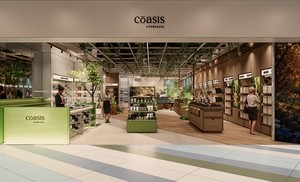
Hyundai Home Shopping opens 5th Coasis beauty store at Hyundai Department Store Mokdong
184-square-meter space on below-ground 2nd floor features new wellness, aesthetic zones Existing stores surpassing sales targets by over 50%, company says Hyundai Home Shopping Network will open the fifth location of its Coasis beauty select shop at Hyundai Department Store's Mokdong branch on Thursday. The four existing Coasis stores — at Hyundai Outlet Space One, Garden Five, Dongdaemun and Hyundai Department Store's Cheonho branch — have each exceeded their sales targets by more than 50 percent. The flagship Space One location draws an average of more than 2,000 visitors a day, more than double the average foot traffic at other Hyundai Outlet beauty stores. The new store occupies 184 square meters on the below-ground second floor of the Mokdong branch, making it the largest Coasis location to date. Designed around a "beauty forest" concept, the interior features wood furnishings and plant landscaping. The number of brands and products carried will each exceed the existing store average by at least 30 percent and 50 percent, respectively. The store also expands into health supplements, home spa and functional hair care categories. New zones include a "Wellness & Inner Beauty" section showcasing health supplements and daily essentials, and an "Aesthetic Zone" bringing together premium aesthetic brands. A dedicated perfume zone will also be set up, offering more than 150 domestic and international fragrance products. "We designed the space to go beyond beauty and encompass an entire lifestyle — wellness, aesthetics and more," a Hyundai Home Shopping Network official said. "We will continue to tailor our store strategy to reflect the characteristics of each retail district." Meanwhile, Hyundai Home Shopping Network recently signed an MOU with Cosmax to co-develop exclusive products. The company plans to expand its Coasis product lineup to 60 items by year-end through increased collaboration with various partners.
Sept. 16, 2026
-

Daejeon launches Chuseok spending event for Ontong Daejeon 2.0
Residents spending 300,000 won or more at 3 or more affiliated stores in September are automatically entered in a draw — 40,000 winners to receive Ontong Daejeon points Daejeon is holding its first spending promotion event to mark the launch of Ontong Daejeon 2.0, timed to coincide with the Chuseok holiday season. The city announced Wednesday that residents who spend a combined 300,000 won ($223) or more at three or more Ontong Daejeon-affiliated stores between Sept. 1 and Sept. 30 will be automatically entered into a draw for a chance to win 5,000 won in Ontong Daejeon points. A total of 40,000 winners will be selected, with points to be distributed in October. No separate registration is required — any payment made through Ontong Daejeon during the event period counts as an automatic entry. Residents can earn the bonus points simply by going about their everyday shopping, dining and lifestyle spending as usual. The city aims to channel the surge in Chuseok holiday spending toward local businesses, including traditional markets, neighborhood commercial districts and local restaurants, boosting both consumer benefits and sales for small business owners. The Chuseok event in September is the first of three planned spending promotions. It will be followed by an event tied to the Korea Grand Festival in October and November, and a year-end promotion in December. Through the three events, the city plans to distribute Ontong Daejeon points to a total of 100,000 residents by the end of the year, expanding consumer benefits and sustaining local economic activity. September will also feature a prize event run in partnership with Hana Bank, as well as a spending promotion on the Ontong Daejeon Mall, offering residents additional ways to use the platform in their daily lives and experience its benefits firsthand. "Ontong Daejeon 2.0 is a lifestyle economic platform where residents' spending revitalizes the local economy," said Moon In-hwan, director of Daejeon's People's Economy Bureau. "Whether it's Chuseok grocery shopping, dining out or visiting a traditional market, paying with Ontong Daejeon means extra benefits for residents and more sales for small business owners. We hope many residents will join this spending promotion event."
Sept. 16, 2026
-
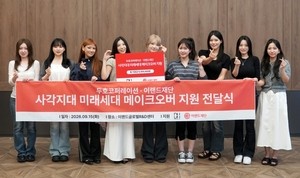
Eland Foundation launches makeover campaign with W9.3m in clothing support
13 creators from Duho Corporation join in 1-to-1 matching initiative The Eland Foundation announced Wednesday that it is teaming up with Duho Corporation to run a makeover campaign offering clothing and styling support to youth aging out of foster care, young caregivers and teenagers from multicultural families. The foundation held a support handover ceremony Tuesday at the Eland Global R&D Center in Magok, Gangseo-gu, Seoul. Eland Foundation Director Lee Yun-jeong, Duho Corporation Support Division Head Sa Gyu-jin, Business Division Head Jang Seo-eun and participating creators attended. Thirteen creators affiliated with Duho Corporation — Kaindkong, Chaedo, Meoksaem, Dana, Eunbangul, Gondudinyeong, Byeongkwon, Pobaek, Yea, Hyejituz, Mallang, Bae Su-in and Dabin — are taking part in the campaign. Each will be matched one-to-one with one of 18 beneficiaries, helping them select clothing at Eland World brand stores and providing styling guidance. The creators raised 4.65 million won ($3,460) in designated donations, and the Eland Foundation matched that amount to assemble a total support fund of 9.3 million won. The funds will go toward supporting the 18 young beneficiaries. The creators will document the makeover process on video and share the content on their individual SNS channels. "We will continue to support marginalized young people so they can become independent, healthy members of society," an Eland Foundation official said. A Duho Corporation official said the company hopes that sharing the process of choosing clothes and finding one's own style as content will inspire more people to show interest and give back.
Sept. 16, 2026
-
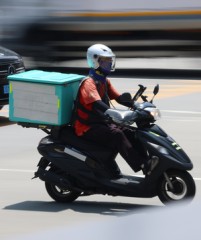
Korea Labor Foundation launches autumn safety campaign for delivery, courier workers
Campaign covers motorcycle inspections, injury-prevention education and health consultations Runs from Wednesday through November, starting in Cheonan The Korea Labor Foundation announced Wednesday that it will launch an autumn field safety campaign targeting delivery riders, courier workers and other mobile and outdoor workers. The campaign is part of the foundation's "2026 Safety Bridge Project — Four Seasons," a year-round initiative to prevent seasonal industrial accidents. Following earlier campaigns on spring traffic safety and summer heat illness prevention, the autumn edition carries the slogan "Clear autumn, bright safety." To guard against fires caused by dry autumn weather and outdoor work accidents from typhoons and strong winds, the foundation will offer seasonal disease and fire-and-typhoon prevention education, motorcycle safety inspections and worker health consultations. The first event, held Wednesday in Cheonan, targets delivery workers. Inspectors will check motorcycles for brake and lighting defects and tire wear to prepare riders for nighttime driving and changing road conditions, and will distribute safety manuals and seasonal safety supplies. The campaign will continue through November in Seoul, Gyeonggi Province, Cheongju and other locations. "Autumn is a period when the risk of accidents for mobile and outdoor workers rises sharply due to sudden temperature swings and worsening weather," Korea Labor Foundation Secretary General Park Jong-pil said. "Through on-site, hands-on support, we will work to close the safety and health gap for vulnerable workers and help spread a culture of safe workplaces."
Sept. 16, 2026
-
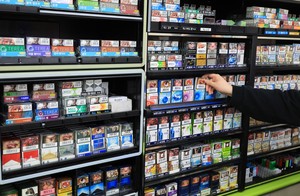
South Korea to release tobacco hazardous ingredient data for first time, as calls grow to revisit 11-year price freeze
Tobacco manufacturers and importers required to submit hazardous ingredient data by product Smoking reduction effect uncertain; experts call for broader policy debate including pricing The government will release the results of hazardous ingredient analyses of tobacco products for the first time in October. Whether the disclosure will meaningfully reduce smoking remains uncertain, and calls are growing for broader policy measures — including a cigarette price hike — to complement the move. According to industry sources Tuesday, the Ministry of Food and Drug Safety plans to publish hazardous ingredient content test results for 44 types of combustible and heated tobacco products and 20 types of liquid e-cigarettes next month. The disclosure follows enforcement of the Act on Management of Tobacco Hazardous Substances, which took effect last November. Under existing laws — the Tobacco Business Act and the National Health Promotion Act — manufacturers were required to print eight carcinogenic substances on cigarette packaging, including tar, nicotine, naphthylamine, nickel and benzene. No separate procedure existed for systematically testing and disclosing hazardous ingredients. Under the new act, tobacco manufacturers and importers must have each product tested for hazardous ingredients at a designated specialist testing institution every two years and submit the results to the minister of food and drug safety. The ministry plans to publish content levels of key carcinogens and hazardous substances — including benzene, formaldehyde and heavy metals — on its website in the second half of this year. Enacted in October 2023, the act is regarded as a turning point that raises the regulatory framework by a notch. It strengthens consumers' right to know and lays the groundwork for science-based hazardous substance management. It also positions the government to respond to the diversification of the tobacco market, which now includes heated and liquid e-cigarettes. However, it remains to be seen whether this non-price regulation — disclosing hazardous ingredient information — will actually reduce smoking. Most adult smokers are already aware of the health risks of tobacco, and providing numerical ingredient data may not be enough to drive behavioral change or encourage cessation. That has prompted calls to examine other smoking-reduction policy tools, including pricing measures. The WHO recommends tobacco tax increases as the single most effective regulatory tool for reducing tobacco consumption, noting that the effect is particularly pronounced among young people and low-income groups, who are more sensitive to price changes. Research published in the Journal of the Korean Society for Research on Nicotine and Tobacco found that cigarette price increases in 2005 and 2015 produced meaningful behavioral changes, including higher rates of transition to non-smoking and lower rates of relapse. Domestic cigarette prices have not been adjusted in 11 years, since they rose from 2,500 won to 4,500 won in 2015. In the meantime, consumer prices and household incomes have consistently risen, meaning the real financial burden on smokers is lower today than in the past. South Korea's current cigarette price — around $3.50 per pack — stands at roughly one-third of the OECD average of about $10. "The enforcement of the act is meaningful in that it provides consumers with more transparent information and establishes a government-level framework for managing tobacco hazards," an industry official said. "To achieve the ultimate goals of tobacco regulation policy, effective measures must be pursued — including bringing the price, frozen for 11 years, in line with reality."
Sept. 16, 2026
-
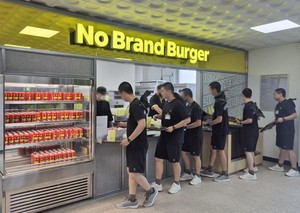
No Brand Burger makes first foray into military bases
Partnership with Pulmuone Foods & Culture expands dining options for troops No Brand Burger has entered a military base for the first time, Shinsegae Food announced Wednesday. The burger chain recently opened a store at the recruit training battalion cafeteria of the 35th Division in Imsil-gun, North Jeolla Province, in partnership with Pulmuone Foods & Culture. Under the arrangement, No Brand Burger operates within a military food-service facility run by Pulmuone Foods & Culture. Soldiers who sign up in advance can order from the menu during dinner hours. The outlet serves up to 250 meals a day. "We partnered with Pulmuone Foods & Culture to launch No Brand Burger at a military base in order to give troops the chance to enjoy a wider variety of dining options and to improve overall satisfaction with their meals," a Shinsegae Food official said.
Sept. 16, 2026
MOST READ
- 1KAIST develops high-performance bio-based adhesive using E. coli instead of petroleum
- 2Pope Leo XIV declines French honors and banquet, accepts only private meeting with Macron
- 3Daimler Truck unveils next-generation transport solutions at IAA 2026
- 4What was Rachmaninoff's performance fee? A 1928 price list tells all
- 5Samsung Biologics union's show of force backfires at the bargaining table
- 6APR says hair-loss treatment research published in international journal
-
WORLD

US warns of punishment for anyone enabling Iran's Strait of Hormuz toll scheme
-
INDUSTRY
Toyota union puts productivity first; Hyundai Motor union demands bigger share of profits
-
FINANCE
National Growth Fund to invest $531M in FuriosaAI, which rebuffed Meta's $800M takeover bid
-
INDUSTRY
Korea Shipowners' Association holds amateur baduk tournament for Maritime Day