
- HOME
- LIFE·CULTURE
-

'Gangwon new office site needs review over cost, artifact probe'
Chuncheon Jungdo Prehistoric Site Preservation Headquarters briefs at Gangwon Province Office 'Not opposed to development itself, but process must be lawful' The Chuncheon Jungdo Prehistoric Site Preservation Headquarters held a briefing at the Gangwon Province Office briefing room on Tuesday. It called for a full review of both the cost-effectiveness of the new provincial office project in Goeun-ri and the investigation into buried cultural heritage at the site. Kim Jong-mun, the head of the group, said Gangwon Province responded in an official document — No. 1104, dated March 10, 2023, from the Gangwon Provincial Office Building Construction Promotion Team — that the cost of newly constructing the current office building would be at least 300 billion won ($223 million). Including relocation and demolition costs, the total would rise to about 350 billion won. The province also said construction costs would likely be similar regardless of the candidate site. However, the new Goeun-ri office project is currently being pursued at a cost of about 500 billion won. The preservation headquarters said, "Despite a 150 billion won gap with rebuilding the current building, the province must disclose to residents the economic rationale for choosing Goeun-ri." He said Gangwon Province conducted sample surveys at 85 locations across roughly 137,939.5 square meters of the project site. The Cultural Heritage Administration approved a precise excavation survey covering only 6,598 square meters on May 19 — just 4.78 percent of the entire project site. However, while construction was underway in areas not covered by the precise excavation survey, 97 suspected items of buried heritage were reported found on Sept. 1, halting construction. On Sunday, 48 more suspected artifacts were found at the new provincial office site. Regarding the situation, the preservation headquarters said, "Rather than simply collecting the found items and resuming construction, the province must re-compare and verify the existing survey results against the actual discovery locations." The group called for full disclosure of related materials, a re-verification of the existing survey results, and additional excavation surveys if necessary. Kim said, "As this project involves the investment of hundreds of billions of won of residents' tax money, the province must now transparently disclose the cost-effectiveness, project costs and the results of the buried heritage survey. If we do not confirm this now, buried heritage could be discovered again during construction, costing far more time and money. The actual situation must be verified first before the project proceeds." Kim said, "Chuncheon is a historic resource city that has functioned as a major urban center for thousands of years despite being a basin, thanks to its high elevation and abundant water. The discovery of buried heritage here is therefore highly meaningful, as it could provide major clues to history." He added, "Following the procedures set by law and developing only after all procedures are completed, with no unlawful administrative acts, would be lawful. But many of the facts that have come to light so far make it difficult to say that the law was followed throughout the entire process."
Sept. 8, 2026
-

Chef Park Eun-young offers $223 dining voucher at Chinese restaurant Nuwa
Star Chef's Invitation X The Herald Business A fine dining journey, presented every month September's chef: Park Eun-young, the 'Chinese cuisine goddess' A chance has arrived to taste the food of Park Eun-young, the "Chinese cuisine goddess" who left a strong impression on audiences through Netflix's Culinary Class Wars. The Herald Business is running its "Star Chef's Invitation" event from this month through December, giving readers a chance to experience star chefs' culinary worlds firsthand. The protagonist of September's culinary journey is Park Eun-young, who runs the Chinese restaurant Nuwa. Park first drew public attention in 2015 through the SBS entertainment show "Culinary Showdown: Chinese Restaurant," and went on to earn recognition for her skills across various television programs. She solidified her status as a mainstream star chef particularly through Netflix's Culinary Class Wars. The sight of a petite female chef wielding a wok among masters of Chinese cuisine was striking in itself. Earlier this year, she opened her own Chinese restaurant, Nuwa, where she has been fully unfolding her own culinary world. Nuwa is where Park channels her years of experience in Chinese cuisine into her own distinct style. The restaurant serves the "dongpo pork mandu," dumplings filled with braised pork belly, that became a talking point on Culinary Class Wars. It also offers stir-fried lamb ribs, Cantonese-style roast duck and other dishes rarely found at typical Chinese restaurants. Park explains that Nuwa's direction is to add a new twist to familiar food, giving diners a distinctly different culinary experience. For Park, the role of a star chef goes beyond simply becoming famous. She said that expanding the boundaries of cuisine by taking on new dishes and genres is an important role for a star chef. This event was designed to let readers directly experience the food of chefs featured in The Herald Business's culinary interview series, "Midam." Joining the event is simple. Sign up as a member on The Herald Business website, read articles consistently every day and click the "I read it" button. Among logged-in readers who read articles consistently throughout September, winners will be drawn by lottery. They will receive a 300,000 won ($223) dining voucher for Chef Park Eun-young's Nuwa, along with a special gift including her autograph. Entries can be submitted through the event page on The Herald Business website, with the participation period running through Sept. 30. Entering multiple times a day, every day, increases the chances of winning. Winners will be announced Oct. 8. The event is open to Herald members, and details on how to participate along with terms and conditions are available on the event page. For those who have only watched the star chef cook on Culinary Class Wars, this event offers a chance to taste that food in person. Chinese cuisine completed with fire and a wok by Chef Park Eun-young — and the "familiar yet different culinary experience" she speaks of. The "Star Chef's Invitation" September culinary journey event runs through Sept. 30.
Sept. 8, 2026
-

Dancing dragons awaken remote Yanggu village of Sangmuryong
Gongsu-ri, Sangmuryong 2-ri chosen for Yanggu-gun's village festival support project Sangmuryong 2-ri, a village on the western edge of Lake Paro in Yanggu-gun, saw much of its land submerged after the Hwacheon Dam was built. In the village's Seoho area, residents could once reach the outside world only by small motorboat. The Sangmuryong suspension bridge, built in 2022, made it possible to walk across the lake to the other side. After completing safety checks, the bridge reopened July 14, and the village has recently regained a fresh sense of energy. The village will host the Dancing Dragon Festival from Oct. 3-4. Using the suspension bridge and other local assets, the festival will feature sales of local agricultural specialties, food and hands-on programs, bringing residents and tourists together. Yanggu-gun selected two villages, Sangmuryong 2-ri and Gongsu-ri, for its 2026 village festival support project. Residents of both villages are organizing resident-led festivals that draw on their villages' distinct characteristics and resources. The village festival support project was created to help fund small-scale local festivals planned and run directly by residents, with the aim of preserving each village's culture and traditions, strengthening community spirit, and using distinctive content to attract tourists and boost the local economy. Sangmuryong, the westernmost remote village in Yanggu-gun, takes its name from a phrase meaning "the lake where dragons once danced." The village once had 200 households and two schools — the Seoho and Doil branch schools of Yanggu Elementary School — but most residents left after the dam was built. Today, about 40 households, made up of longtime residents and people who have returned to rural life, still call Sangmuryong home. The festival will be held in Sangmuryong 2-ri, also known as Sangmuryong-ri or Seoho village, the community north of the Sangmuryong suspension bridge. The bridge, one of Yanggu's nine scenic wonders, has been gaining word of mouth among the public in recent years. For 80 years, the village was cut off by land from the outside world after the Hwacheon Dam was built at the northernmost point of the North Han River. This turned it into an island-like village surrounded by land, accessible only by residents' own boats. In 2022, however, the Sangmuryong suspension bridge — long awaited by residents and built for both tourism and daily use — revealed the village's hidden charm to the wider world. Since then, residents have not stopped at simply being "connected" to the outside world — they have worked hard to attract tourists from both home and abroad. Residents began spreading the word that this small village is home to a wealth of tourist attractions. The Sangmuryong suspension bridge, the Peace Trail and the site of former President Syngman Rhee's retreat anchor the historical sights. A memorial house dedicated to "Dosi Eobu" ("Urban Fisherman," a TV fishing show) sits alongside the Seocheon fishing spot — nicknamed "half water, half fish" by angling enthusiasts — and a smelt fishing spot for anglers. Rounding out the offerings is a water leisure facility near Yanggu's "Navel of Korea" landmark. This festival offers all citizens a chance to experience the quiet, pristine charm of a remote village and the essence of Yanggu's culture and arts. It also features humanities programming that reflects the sorrows of residents displaced by the dam's flooding, along with their hopes for a new revival. The opening ceremony will feature a Dancing Dragon performance, a progress report on the village's history and transformation, and a gender-equality performance. Also on the program are a ukulele performance by a Yanggu-gun team, a poetry reading themed around Sangmuryong, and nostalgic accordion busking. A Seoul-based rock band that includes a member from Yanggu will perform. This will be followed by a pledge session in which residents reflect on how hardship only deepened their love for their hometown. During the festival, visitors can try a dart-throwing lucky draw, sign up for individual talent shows, and take part in a singing contest. Exhibitions will showcase poems written by Sangmuryong 2-ri residents and old photographs in a show titled "Memories of Seoho." The event will also include a special exhibition and sale of local agricultural and forest products. Food offerings round out the event, including the Sangmuryong Cafe, a lakeside snack bar, an outdoor dining experience run by the Yanggu-eup Saemaul Association, and other tastes of remote-village life. Visitors are likely to be moved as they witness the long-hidden passion of these once-secluded residents come vividly to life. The Gongsu-ri Village Council is preparing the Gongsu-ri Village Tavern Grandma Festival for October. Themed around traditional taverns, the festival will offer hands-on experiences, food and programs for residents and visitors to enjoy together, aiming to strengthen unity among residents and showcase Gongsu-ri's own warm village culture to outside tourists. The plans call for tidying up the area around the festival grounds, running food stalls, resident participation programs and various events, with residents themselves directly involved in preparing and running the festival. Park Hyun-jung, director of Yanggu-gun's Tourism and Culture Division, said, "It is meaningful that village residents are creating these festivals themselves, using their own local characteristics and resources." She added, "We will actively support both villages from the planning stage so that their festivals can become occasions for resident unity as well as new tourism content."
Sept. 8, 2026
-

Idol Miyeon faces complaint over checkup video for alleged medical ad law violation
Miyeon, 29, a member of the K-pop group (G)I-DLE, has come under fire over a possible medical advertising law violation after posting a YouTube video documenting her health checkup. According to multiple entertainment outlets Tuesday, a complaint was filed with the Yongsan-gu Public Health Center in Seoul through the government's online civil petition portal on Monday. The complaint calls for a review of whether the video, posted to YouTube on Sept. 1, constitutes medical advertising under the current Medical Service Act. It cites the video's identification of a specific medical institution along with its staff and facilities. Earlier, the YouTube channel Jeondosa posted a video showing Miyeon undergoing a health checkup for the first time in her life. The video captured the entire process of Miyeon's checkup, from filling out a medical questionnaire at a medical facility to undergoing an upper endoscopy. The issue was that the video also showed Miyeon being administered a sedative for the endoscopy and footage of the endoscope being inserted into her mouth. Although the scenes were mosaic-blurred, the footage included more of the procedure, both before and after, than was necessary. In addition, the video showed the name of the medical institution, the faces of its medical staff and its interior facilities in full view. It also included a phrase describing the institution as a "health checkup center specializing in gastric and colon endoscopy." The complainant, identified only as A, wrote in the petition that "the content exposed the name of a specific medical institution, its medical staff, facilities, information related to their expertise, the administration of a sedative, and the actual upper endoscopy procedure." A also asked authorities to determine whether the content constitutes medical advertising under the Medical Service Act, who the actual advertiser is, and to what extent the medical institution was involved in producing or filming the video. In addition, A pointed out that the video described the institution as a "specialized hospital." According to health care provider records, however, the facility is classified not as a specialized hospital but as a clinic. A asked officials to also assess whether the institution's name and the term "specialized hospital" used in the video were appropriate. Article 56 of the Medical Service Act restricts anyone who is not the founder or head of a medical institution, or a licensed medical professional, from advertising medical services. According to the Ministry of Health and Welfare's guidelines on medical advertising, content can be classified as medical advertising even if it is not a typical paid advertisement, as long as it conveys information about medical procedures, institutions or personnel to consumers.
Sept. 8, 2026
-

'I will take all necessary measures': Lee Su-ji's agency vows legal action against online harassers amid political controversy
Entertainer Lee Su-ji announced her return through her YouTube channel and SNS amid a controversy over alleged political bias, as her agency said it would take strict action against malicious online attacks targeting her. CP Entertainment said in a statement Tuesday that it had confirmed a steady stream of malicious posts and comments targeting Lee on online communities and SNS, including defamatory content, personal attacks and the spread of false information. "As this constitutes a serious infringement on the artist's reputation and rights, we are closely monitoring all related matters and responding thoroughly," the agency said. The agency also made clear it would pursue all necessary legal measures, including civil and criminal action, through legal counsel against anyone who writes, distributes or spreads malicious posts or comments. "We will respond strictly under a zero-tolerance policy, with no leniency or settlement," CP Entertainment said. "We will continue to do our utmost to protect the rights and interests of our artists." The controversy was sparked by a video posted in July on Lee's YouTube channel "Hot Issue Ji," in which she portrayed a civil servant character named Kim Ji-young. In the video, Kim Ji-young tells a member of the public to stop after the person shouts "re-election." The scene drew criticism online, with some arguing it portrayed those calling for a re-election — following a ballot shortage during the June 3 local elections — as troublesome complainants. Lee posted an apology on "Hot Issue Ji" on Aug. 1, saying she was "sincerely sorry for the disappointment and discomfort this has caused many people." She added that she would "take this matter seriously, take sufficient time to regroup, and return with a more careful and responsible attitude." Lee announced her comeback on Aug. 25 through a video titled "Tteuntteun Unni's Health-Unrelated Life Tips," roughly a month after the controversial video.
Sept. 8, 2026
-

Actor Sami-ja, 86, gets dementia test — and passes with flying colors
Behind every public figure's appearance lies a personal health regimen. This series examines the diets, exercise routines, procedures, and beauty and fashion choices of newsmakers as practical lifestyle information. As people age, struggling to recall a familiar name or a word once on the tip of the tongue can easily trigger fears of early dementia. Actor Sami-ja recently underwent a dementia screening at her family's urging after they noticed she had been forgetting things more often. The results, however, were reassuring: while age-related changes were visible in her brain, her memory and overall cognitive function tested above average for her age group. Sami-ja shared the experience on her YouTube channel, showing herself and her husband visiting a hospital for a neuropsychological evaluation and a brain MRI. When she asked why she had been brought in, her husband explained that she had been forgetting things unusually often lately. She had been having trouble immediately recalling people's names and certain words. The results defied expectations. Neurologist Kwon Ye-ji said the scans showed age-related brain shrinkage and atrophy, but that Sami-ja's short-term memory and overall cognitive ability were excellent. "There is no suspicion of dementia whatsoever — her scores place her well above average," Kwon said. Forgetting a name or word doesn't automatically mean dementia A gradual slowing in the speed at which memories are retrieved is a natural part of aging. The US National Institute on Aging lists occasional examples of normal age-related forgetfulness: momentarily forgetting an appointment but remembering it later, briefly losing track of what day it is before recalling it, or not being able to find the right word immediately. What matters more than how long it takes to recall something is whether the lapse actually interferes with daily functioning. Kwon said the key question is whether a person has difficulty with daily activities or needs help from others to manage independently. "Forgetting things as you age is a natural phenomenon in itself," she said. "If you cannot immediately recall what you had for a meal or a particular word but remember it after a moment's thought, that is generally not a cause for concern." For example, struggling to remember the name of a familiar actor and then having it come to mind later is common. The same applies to forgetting where you put something but retracing your steps to find it. The picture changes, however, when someone repeatedly forgets recent conversations or events, keeps asking the same questions, gets lost in familiar places, or struggles to carry out tasks they once handled independently — such as banking, cooking or managing medications. The National Institute on Aging describes dementia not as simple memory loss but as a decline in the ability to think, remember and make judgments severe enough to interfere with daily life. Even in the early stages of Alzheimer's disease, signs can include repeatedly forgetting recently learned information, difficulty managing finances, and taking significantly longer to complete familiar tasks. Between normal aging and dementia lies a condition known as mild cognitive impairment, or MCI — a state in which memory or thinking ability is noticeably below that of peers of the same age, yet most daily activities can still be managed independently. Not all MCI progresses to dementia, which is why getting a proper evaluation is important if concerning symptoms appear. MRI shows aging brain, yet memory stays sharp — what is 'cognitive reserve'? One of the more striking aspects of Sami-ja's results was the gap between what the MRI showed and how she actually performed: age-related brain atrophy was visible on the scan, yet her cognitive test scores were excellent. The brain does change with age. Some regions shrink in volume, connections between neurons shift, and processing new information or retrieving stored memories can take longer than before. But these structural changes do not in themselves mean dementia. The National Institute on Aging notes that mild forgetfulness can be a normal part of aging, and that some people maintain high cognitive function well into old age. The concept that often comes up to explain this gap is cognitive reserve. Cognitive reserve refers to the brain's ability to draw on efficient neural networks or alternative circuits — built up over a lifetime — to sustain thinking and memory function relatively well even as aging or pathological changes occur. In simple terms, it is something like a buffer that allows the brain to compensate for a degree of structural change. Education, diverse intellectual activities, complex work experience and social engagement have all been studied as factors associated with greater cognitive reserve. Research cited by the National Institute on Aging found that people with higher levels of education showed relatively less impact on memory even as white matter changes in the brain increased. That said, cognitive reserve does not mean the brain is protected from disease itself. There is also research linking consistent mental activity to the timing of dementia onset. Researchers at Rush University tracked 1,903 adults with an average age of 80 who had no dementia at the start of the study, following them for about seven years while measuring how often they engaged in cognitive activities such as reading, writing, and puzzles or board games. Those who were most active in such pursuits received an Alzheimer's diagnosis up to about five years later than those who were least active. Because it was an observational study, however, the findings cannot be taken as proof that mental activity alone prevents dementia. Books, exercise, conversation — the brain needs consistent use too So what can people do to keep their cognitive function healthy? Activities that engage the brain in unfamiliar ways — reading, writing, learning a foreign language or a musical instrument, doing puzzles, or picking up new skills — may help. Rather than simply repeating the same tasks, consistently engaging in activities that involve learning, retaining and evaluating new information is considered beneficial. Social interaction also matters. Holding a conversation requires listening to and understanding another person, retrieving information from memory and forming it into sentences — a cognitively demanding process. Long-term research cited by the National Institute on Aging found that people who maintained frequent social contact with friends and others in middle age and beyond tended to show better cognitive performance later in life and were less likely to receive a dementia diagnosis. Exercise, too, is not just a matter of physical health. Regular physical activity can improve cardiovascular health and help maintain blood flow to the brain and overall brain health. Alongside exercise, lifestyle habits that protect vascular health — adequate sleep, managing blood pressure, blood sugar and cholesterol, and not smoking — are also worth maintaining. The Alzheimer's Association similarly lists exercise, lifelong learning, social engagement and sleep management among the key lifestyle factors for brain health. On the other hand, a noticeable recent worsening of forgetfulness need not automatically be chalked up to age. Conditions that can be treated or corrected — including depression, sleep deprivation, certain medications, thyroid disorders and vitamin deficiencies — can produce symptoms that resemble memory decline. If worrying changes persist, seeking a neurocognitive evaluation to identify the cause is advisable. What Sami-ja's case illustrates is less about the presence of age-related changes on her MRI and more about the fact that structural brain aging and actual cognitive function do not necessarily move in lockstep. Rather than panicking the moment a name fails to come to mind, it is more useful to ask: is the person still managing daily life independently, can they retrieve the memory later, and are the lapses getting progressively worse? Even with age, it remains possible to keep learning new things, talking with people and staying physically active. The brain's aging cannot be stopped — but how actively it is used is still something that can be changed.
Sept. 8, 2026
-

Govt. to revive hollowed-out provincial downtowns with spaces, content
Three ministries launch pilot 'RE:CORE Project' for provincial old town centers Comprehensive support from vacancy clearance to content activation One to two sites per region to be selected next year across seven major zones outside Greater Seoul Up to 24.24 billion won in national funding per selected site The government is moving to revitalize provincial old town centers hollowed out by population decline and commercial stagnation, offering support for both physical space renewal and local content development. The Ministry of Culture, Sports and Tourism, the Ministry of Land, Infrastructure and Transport, and the Ministry of SMEs and Startups announced Tuesday they will jointly pursue a pilot program called the "RE:CORE Project" — a hub-focused initiative to transform provincial old town centers into vibrant spaces by nurturing young people, entrepreneurs, artists and locally rooted content. The project goes beyond simply clearing out vacant spaces. It is a cross-ministry collaboration designed to restore the core functions of old town centers by addressing both physical infrastructure and content in tandem. Provincial cities have been hit hard by the concentration of population and industry in the Greater Seoul area, the outflow of young residents and the collapse of local commercial districts. The vacancy rate for small commercial properties has worsened sharply, climbing from 6.7 percent in the first half of 2022 to 8.5 percent in the first half of this year. In response, the relevant ministries plan to intensively renovate vacant storefronts and idle buildings scattered across provincial old town centers, repurposing them as activity spaces for young people, artists and entrepreneurs to draw people back. The Ministry of Land, Infrastructure and Transport will acquire or take long-term leases on vacant commercial properties — or enter into cooperative agreements — to create what the project calls "old town revitalization stores." The spaces will be renovated for use as artists' studios, startup offices, co-working spaces and pop-up stores, with rent subsidies provided to help young residents, artists and entrepreneurs operate stably. To ensure lasting impact after the project ends, local governments will be required to include a minimum 10-year operational plan when drawing up their project proposals. Larger idle facilities within old town centers — including unused public buildings, vacant motels and clusters of empty storefronts — will be converted into "specialized hubs." Depending on local characteristics, these may take the form of cultural and arts centers, startup support facilities, childcare centers, commercial district support facilities, or spaces for exhibiting and selling local brands. The project will also expand supporting infrastructure such as parking, and improve the streetscape through signage and facade upgrades. The Ministry of Culture, Sports and Tourism will run a separate initiative to develop and disseminate signature content that raises the cultural appeal of old town centers and generates sustained visitor demand. The ministry plans to identify content that showcases each area's distinct character by drawing on local cultural resources, then support it through successive stages — from creation and production to testing, refinement and distribution — until it grows into a representative local content brand. That content will be promoted through local festivals, cultural facilities, commercial districts and online platforms, and will also be featured in exhibitions and performances at the specialized hubs and revitalization stores created under the land ministry's component of the project. Cities already designated as "cultural cities" whose national funding has expired will receive bonus points in the selection evaluation if they apply to participate in this project. In the early stages of the project, pop-up stores featuring popular content will be operated to give local residents broader access to cultural experiences while offering local content companies a pathway to commercialization. Young content creators and startup founders who move into the revitalization stores will also receive a modest activity stipend. The government will first select one to two pilot sites per region across the seven major zones outside Greater Seoul and launch the pilot program next year. Eligible sites must be designated as urban decline areas under the Special Act on the Promotion and Support of Urban Regeneration, fall within areas classified as urban or sub-urban centers in current city and county master plans, and be old town centers with a high concentration of vacant commercial properties in urgent need of regeneration. Selected sites will receive up to 36.5 billion won ($26.9 million) in total project funding, of which up to 24.24 billion won will come from the national government. The Ministry of Culture, Sports and Tourism will provide up to 2.4 billion won in national funds per selected site over four years for signature content development and distribution — with local governments required to match 50 percent — and up to 840 million won in national funds for old town revitalization through cultural content, also with a 50 percent local match. The Ministry of Land, Infrastructure and Transport will contribute up to 21 billion won in national funds per site over four years, with a 30 percent local match required. Sites that also participate in the Ministry of SMEs and Startups' local commercial district development program, traditional market development program, or small business lifestyle and culture innovation support program will receive preferential treatment in the selection process. Through these linkages, the project aims to identify and cultivate local entrepreneurs who can inject energy into regional commercial districts and help their businesses grow into anchor stores that build thriving local economies. Companies supported under the "startup city" designation will be able to access spaces within old town mixed-use regeneration project areas, while businesses that relocate into the revitalization stores will be eligible for rent subsidies. The government will hold an information session for local governments on Sept. 17 to explain the project, and will proceed with the site selection process once the budget is finalized. Culture Minister Choi Hwi-young said the ministry would "actively support efforts to breathe life into every corner of old town centers through content that carries each region's own story, so that these places become a source of pride for residents and a cultural destination where visitors want to linger." Land Minister Kim Yun-deok said the project would "connect the assets and potential that old town centers already hold to new sources of demand, and rebuild the foundation for regional growth and transformation." Noh Yong-seok, first vice minister of the Ministry of SMEs and Startups serving as acting minister, said the project would "create a new model for provincial commercial district growth that combines the unique resources of old town centers with local entrepreneurship."
Sept. 8, 2026
-

Cellist Park Sang-hyuk takes 3rd at George Enescu Competition; 14-year-old Jung Seo-jin wins special award
Cellist Park Sang-hyuk, 22, has taken third place at the George Enescu International Competition. According to the competition organizers and the Kumho Culture Foundation, Park performed Dvorak's Cello Concerto in B minor, Op. 104 in the cello category of the 2026 George Enescu International Competition in Bucharest, Romania, earning third place. The prize carries 5,000 euros ($5,810). First place went to Samuel Niederhauser of Switzerland, who performed Shostakovich's Cello Concerto No. 1. In addition to the top prize, Niederhauser received the Best Interpretation of the Compulsory Work award and the Audience Prize. He had previously placed third at the 2023 Paulo International Cello Competition in Finland. Second place went to Joshua Kovacs of the United States, who performed the Dvorak concerto. Kovacs also took the "Serafim Antropofmanu" prize, awarded to the competitor who best performs Enescu's Sonata No. 2 for Cello and Piano. Jung Seo-jin, 14, the youngest competitor to reach the final round, advanced as far as the semifinals before receiving the "Playing for Tomorrow" special award, given to a young musician of exceptional potential. The George Enescu International Competition is the centerpiece of the George Enescu Festival, the largest music festival in Eastern Europe. It was founded in 1958 to honor the Romanian composer and violinist Enescu. The competition began with violin and piano categories, later added voice and composition, and ran on a three-year cycle through 1971. A cello category was introduced in 2009, and the event has since operated on a two-year cycle across four categories: piano, violin, cello and composition. The competition has launched the careers of many world-renowned musicians, including pianist Radu Lupu, Dmitri Alexeev, Arie Vardi and violinist Silvia Marcovici. Korean cellists who have won the top prize in the cello category include Hong Eun-sun, who took first place in 2014, and Han Jae-min, who did so in 2020. Park made his debut at the Kumho Young Artist Concert in 2019 and rose to prominence with a third-place finish at the 2023 Tchaikovsky International Competition and second place at the Krzysztof Penderecki International Cello Competition. He graduated at the top of his class from both Yewon School and the Korea National University of Arts, and studied under Lee Kang-ho, Jang Hyung-won and Tsuyoshi Tsutsumi. He is currently studying under master cellist Ivan Monighetti at the Reina Sofia School of Music in Madrid, Spain, and the Liechtenstein Music School.
Sept. 8, 2026
-

Ha Ji-won, 48, looks decades younger — here's her daily skin routine
Behind every public figure's enduring looks lies a personal wellness routine. This series examines the diets, workouts, treatments, and beauty and fashion habits of notable figures as practical lifestyle insights. Actor Ha Ji-won, 48, said she checks her skin every morning before deciding whether to apply a cold compress, use a gua sha tool, or give herself a light facial massage. Rather than mechanically repeating the same routine each day, she first assesses her skin's texture, moisture level, and any puffiness — then adjusts accordingly. Her approach treats skin care less as a fixed regimen and more as a matter of reading what her skin needs and calibrating stimulation to match. Appearing recently on the tvN program "You Quiz on the Block," Ha said, "Whether it's my skin or my body, I think what matters is being aware of my own condition." She checks her skin's texture and hydration each morning and, when needed, applies a cold compress or does a simple gua sha massage. "I think lifting the facial muscles upward and gently massaging them to help them relax has been good for elasticity," Ha said. Choosing the right care for each day and sticking with it consistently is the core of her approach to skin care. Does pulling the face upward build elasticity? Relaxation matters more than lifting The face contains multiple muscle groups — those that form expressions and the jaw muscles used for chewing, among others. Habitual teeth-clenching, tension, and stress can leave the muscles around the jaw and temples feeling stiff and sore. A light massage can help ease that tension and temporarily make the face feel more relaxed. However, repeatedly pushing the skin upward with your hands does not actually lift sagging skin. Skin aging and sagging result from a combination of factors: declining collagen and elastin, UV exposure, and changes in subcutaneous fat and bone structure. The realistic goal of a facial massage, then, is not to forcibly push skin upward but to gently release tension in tight areas and reduce temporary puffiness. The same applies to gua sha, which Ha said she uses. The Cleveland Clinic describes facial gua sha as a massage technique performed with very light pressure, noting it may help reduce facial puffiness and promote a sense of relaxation. On the face in particular, the firm pressure used when performing gua sha on the body should never be applied. Pushing too hard or scraping repeatedly can cause pain, bruising, or skin discoloration. Gua sha should be avoided when the skin is already irritated — such as with eczema, psoriasis, open wounds, or sunburn. When massaging, applying a cream or oil to the face first reduces friction, and the tool should be used lightly enough that the skin itself does not drag or shift. Increasing pressure on the assumption that more pain means better results can backfire. Cold compress on puffy days, moisturizer on dry ones — the same routine isn't needed every day One notable aspect of Ha's routine is that she does not repeat the same steps every morning. On days when her face is puffy, she uses a cold compress; on days when her skin feels dry or dull, she focuses on moisturizing. Right after waking, the face can appear temporarily swollen depending on shifts in fluid distribution, salt intake the previous day, or sleeping position. Briefly pressing a chilled towel or a cloth-wrapped cold pack against the face can help reduce heat and puffiness. Applying ice directly to the skin for an extended period should be avoided, however, as prolonged exposure to very low temperatures can irritate and damage the skin. A cold compress should always be used with a cloth barrier and kept to short applications. On the other hand, if the skin feels tight and dry, moisturizing should come before cold compresses or massage. The American Academy of Dermatology recommends using a gentle, fragrance-free cleanser on dry skin and applying a cream or ointment moisturizer while the skin is still damp to help lock in moisture. As skin loses its ability to retain moisture with age, adjusting the formulation of a moisturizer to suit the skin's condition can make a difference. For severely dry skin, a richer cream with higher oil content may be more effective than a lightweight lotion. Conversely, for oily or acne-prone skin, layering on heavy oils or creams indiscriminately is not the answer — products labeled "non-comedogenic" or "won't clog pores" are a better choice. Sun protection and moisturizing are the foundation of firm skin Facial massage, gua sha, and cold compresses can all be useful daily tools, but they cannot replace the core practices that slow skin aging. The American Academy of Dermatology identifies daily sunscreen use as the single most fundamental step in slowing skin aging. UV rays damage collagen and skin structure, accelerating photoaging in the form of wrinkles and pigmentation. A broad-spectrum sunscreen of SPF 30 or higher is recommended for going outdoors, with reapplication advised during extended time outside. Moisturizing, too, does more than simply prevent the skin from feeling tight. Keeping the skin hydrated can make fine lines less noticeable and leave the skin's surface looking smoother and more radiant. Piling on multiple functional products at once out of concern over wrinkles or sagging can actually irritate the skin. The AAD notes that using a variety of anti-aging products simultaneously over a short period can cause irritation that makes skin look older, not younger. Lifestyle factors — sleep, diet, and smoking — also affect skin condition. If the skin is in particular looking dull, red, or itchy, the better first step is to reflect on recent lifestyle changes such as sleep deprivation, over-cleansing, or the introduction of new cosmetics, rather than intensifying massage. The most telling aspect of Ha's approach may be captured in her own words: "Whether it's my skin or my body, I think what matters is being aware of my own condition." Cool the face when it's puffy, add moisture when it's dry, and ease off when it's been irritated. Rather than daily intensive massage or multiple treatments, the foundation is sun protection and moisturizing — with only the care the skin actually needs added on top, day by day. The habit of observation that Ha models may be the most sustainable skin care routine of all.
Sept. 8, 2026
-

'Seoul Mun' street in Tashkent draws criticism for Japanese torii gate, Chinese lanterns
A large structure on the "Seoul Mun" street in Tashkent, Uzbekistan, is drawing criticism for resembling a Japanese torii — the ceremonial gate traditionally erected at the entrance to Shinto shrines. Sungshin Women's University Professor Seo Kyoung-duk said Tuesday that an internet user had tipped him off about the structure. "After looking into it, I found that it is shaped like a Japanese torii and even has Chinese-style red lanterns hanging from it — nothing about it fits the 'Seoul Mun' concept," he wrote on social media. According to Seo, Seoul Mun is a commercial and cultural complex symbolizing friendship and exchange between South Korea and Uzbekistan, inspired particularly by Korean streetscapes and waterfront promenades. The street has become a popular destination for both Tashkent residents and foreign tourists. "Using the official title 'Seoul Mun' while putting up signage on a structure shaped like a Japanese torii is plainly wrong," Seo said. He added that the structure should be replaced immediately to avoid cultural confusion, given the large number of visitors photographing and filming the site.
Sept. 8, 2026
-
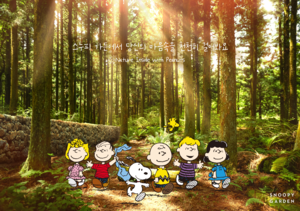
Snoopy in a 'gat' greets tourists at Korean airports
Korea Visit Year Committee x Snoopy Garden MOU signed to welcome international visitors Welcome booths to operate at Incheon and Jeju airports The Korea Visit Year Committee signed an MOU with Snoopy Garden on Monday to create a welcoming atmosphere for international tourists and promote Korean traditional culture, the committee announced Tuesday. The agreement aims to combine Peanuts characters with Korean tourism and cultural elements to offer international visitors a memorable welcome experience, while raising the domestic and international profile of Korea Welcome Week. Under the MOU, the two organizations will develop a joint key visual and promotional content for Korea Welcome Week, set up Peanuts character welcome booths and photo zones, run interactive events and plan commemorative gifts for international tourists, and carry out joint promotions across online and offline channels. The joint key visual — featuring Peanuts characters including Snoopy and Woodstock dressed in hanbok and the traditional "gat" hat — will appear at Korea Welcome Week venues, in promotional materials, online content and on merchandise to help build a welcoming atmosphere. During Korea Welcome Week, running for 17 days from Oct. 30 to Nov. 15 at Incheon International Airport and Jeju International Airport, Peanuts character photo zones and interactive event spaces will be set up for international tourists. The venues will offer multilingual travel and regional tourism information, along with a range of benefits covering tourism, shopping, transportation and cultural experiences available during visitors' stays in Korea. "We expect that combining the globally beloved Peanuts characters with Korea's culture and tourism content will give international visitors an even more memorable welcome experience," a Korea Visit Year Committee official said. "We will expand cooperation with the tourism industry, local governments and private companies, and continue to develop differentiated hospitality content so that the positive first impression formed upon arrival leads to greater satisfaction with travel in Korea and repeat visits." Snoopy Garden is a nature-friendly theme garden located in Gujwa-eup, Jeju, where the characters and episodes of the American comic strip Peanuts are brought to life amid Jeju's natural landscape. Its interactive exhibitions and photo zones featuring iconic lines and illustrations from the Peanuts series have proven popular with visitors. "It is meaningful to be able to showcase the bright and cheerful spirit of Peanuts alongside Korea's culture of hospitality," a Snoopy Garden official said. "We will actively cooperate to help this partnership spark greater interest in Jeju tourism and Snoopy Garden."
Sept. 8, 2026
-

Im Young-woong releases special album marking 10 years from obscurity to icon
Special album out Tuesday captures a decade-long journey From busking to 14.4 billion streams New release follows 2.5 million albums sold Singer Im Young-woong is returning with an album that looks back on the past decade — a self-told story tracing his journey from an unknown artist to what fans call an icon of his generation. His agency Mulgogimusic said Im will release the special digital album "IM HERO 10" across major streaming platforms Tuesday at 6 p.m. Marking his 10th debut anniversary, the album brings together Im's broad musical range and his growth as a lyricist and composer. The album contains 10 tracks, led by the title track "Ddoddo." Six of them — "Ddoddo," "Moisee," "Baila," "Please Be Happy," "To Us Who Have Lived" and "New York" — are new songs that Im co-wrote and composed, showcasing his credentials as a singer-songwriter. The remaining four are reimagined versions of earlier works: his 2016 debut track "I Hate You," the long-running chart hit "Love Always Runs Away," the self-penned ballad "Grain of Sand," and "À bientôt," which originally paired his vocals with hip-hop beats. The album carries special weight as a document of Im's decade in music. He made his debut in August 2016 with "I Hate You" and spent years busking and largely unknown. He began drawing attention late in 2017 with five consecutive wins on KBS1's morning program "Achim Madang — Challenge: Stage of Dreams," then broke through nationally in 2020 when he won the inaugural title on TV Chosun's "Mr. Trot" with more than 1.37 million votes. His voice — blending trot with the textures of ballad and folk rather than sticking to conventional trot technique — carved out what listeners now call the "Im Young-woong genre," drawing fans across generations. His mass appeal upended a domestic album market long dominated by K-pop groups. His 2022 debut full-length album "IM HERO" sold 1,102,012 copies in its first week, according to the Hanteo Chart, and his second full-length "IM HERO 2" also topped one million copies, pushing his cumulative album sales past 2.5 million. On the streaming platform Melon, he became the first solo artist to surpass 10 billion cumulative streams, earning induction into the Billions Diamond Club; his running total now exceeds 14.4 billion plays. The music video for the title track "Ddoddo," pre-released Monday, warmly captures the bond between Im's pet dog Siwol and child actor Kim Jun, who portrays the dog in human form. Im had already unveiled the new songs to an audience of about 95,000 at the main stadium of Goyang Sports Complex during his 2026 "IM HERO" concert. Starting from the Goyang show, he is continuing a nationwide tour and has now drawn a cumulative audience of roughly one million.
Sept. 8, 2026
-

South Korea, France launch 'Lumière Partnership' with W1.6tr film investment
South Korea and France co-hosted the Lumière Summit, an international film and screen industry conference, at the Maeght Foundation in Saint-Paul-de-Vence, France, on Monday (local time), with both countries pledging bold investment in the film and content sector. According to the Ministry of Culture, Sports and Tourism, the summit was held to mark the 140th anniversary of diplomatic ties between South Korea and France and to establish the world's first multilateral response framework for the screen industry in the birthplace of cinema. The two countries plan to channel around 800 billion won ($590 million) into the film and screen industry over the next five years, leading efforts to restore the creative ecosystem in response to sweeping transformation driven by the spread of OTT platforms and advances in AI. More than 200 government officials, company representatives, public institution staff and creators from over 50 countries gathered at the summit, where South Korean businesses and government representatives met with key players in the international screen industry to forge concrete cooperation. At the opening ceremony, co-chaired by President Lee Jae Myung and French President Emmanuel Macron, the two countries announced the launch of the International Film and Screen Industry Investment Cooperation Initiative — known as the Lumière Partnership. The initiative commits around 800 billion won to the film and screen sector over five years, with the aim of rebuilding the creative ecosystem amid the rapid expansion of OTT services and the rise of AI. A steering committee comprising relevant agencies from both sides, including South Korea's Ministry of Culture, Sports and Tourism and France's Ministry of Culture, will also be established to develop concrete bilateral cooperation on content production, investment and distribution. The summit also saw a series of agreements between South Korean and international content companies and institutions. Production company SLL and MediaOne, Europe's largest media group, agreed to jointly develop localized remakes of each other's intellectual property formats for the Korean and European markets, as well as co-productions across multiple genres targeting the global market. Naver and France's Institut National de l'Audiovisuel signed a strategic MOU to combine AI technology with audiovisual cultural heritage archives. The Korean Film Council also signed a comprehensive cooperation agreement with the Motion Picture Association covering talent discovery and development, professional personnel exchange, information and knowledge sharing, and screening events. On the sidelines of the summit, Culture Minister Choi Hwi-young met Italian Culture Minister Alessandro Giuli and officially signed a Korea-Italy film co-production agreement. The agreement addresses the limitations of the existing audiovisual co-production framework, which required the participation of at least two EU member states, and establishes a direct bilateral foundation for film co-production between the two countries. In his closing remarks, Minister Choi said the summit was "a historic milestone that enabled deep communication across borders through the shared language of film and screen, and built a bridge of solidarity for a sustainable future." He added that the South Korean government "will broaden creative freedom and spare no policy or institutional support as the most trusted partner and hub for international screen content production."
Sept. 8, 2026
-

Netflix to mark 10th anniversary in Korea with 'Netfljanchi' fan festival
Netflix will hold a two-day fan festival called "Netfljanchi" at the Mapo Oil Reserve Culture Park in Sangam on Oct. 24 and 25 to mark the 10th anniversary of its service in South Korea. Designed as a celebration with viewers, the festival will bring Netflix's "total entertainment" experience — spanning all genres — to life in an offline setting. The first batch of programming announced includes segments such as "10 Years of Netflix Korea: The Stars We Loved, All in One Place," "Find Netflix's Greatest Brain," "Our Dance School Right Now" and "The World's Hottest Romance Paradise." "At Netfljanchi, audiences will take part in interactive events alongside the cast of beloved Netflix series and variety shows," the company said. Popular artists including Bada, Choi Baek-ho, Kyuhyun, Kwon Jin-ah, Car, the Garden and Rain will perform special celebratory sets. The event will also feature a live on-site taping of "Here to Celebrate," a spinoff of Netflix's own YouTube series "Here to Promote," along with previews of upcoming titles. The venue will feature a variety of food and beverage booths, and all attendees will receive a sun visor as a gift. A limited-edition 10th-anniversary T-shirt and a traditional fan called "Eolssu Buchae" will also be available on a first-come, first-served basis. Tickets for Netfljanchi will be available free of charge through Naver reservations starting Thursday. Additional lineup details and information will be released gradually through Netflix's official social media channels. Netflix launched its service in South Korea in 2016 and marks its 10th anniversary this year. Since Netflix began tracking its global Top 10 in 2021, more than 210 Korean titles have appeared on the chart, reflecting the platform's role in advancing the growth of Korean content worldwide. Korean stories have captivated audiences around the globe — from "Squid Game," which spent 32 consecutive weeks on the global Top 10, to "KPop Demon Hunters," which ignited a worldwide K-culture craze, to "When Life Gives You Tangerines," which showcased the beauty of Jeju Island, and "Juvenile Justice," which ranked among the top 10 most popular non-English series of all time. "Netfljanchi is a festival prepared to express our gratitude to the creators, partners and subscribers who have been part of this 10-year journey together, while also looking ahead with excitement to the next 10 years of stories to come," Netflix said.
Sept. 8, 2026
-

Wonju's solo matchmaking event goes festival-style with a two-day format
Same participants reunite after nine days to deepen connections Wonju's take on solo matchmaking is drawing attention by staging the event as a full-blown festival. The city of Wonju said the first session of the "Play Some Festival" — a matchmaking event for single men and women in the city — was recently held at Sound of Silence Cafe under the theme "Youth Festival Day." Competition to get in was fierce. Wonju opened applications to employed residents and self-employed individuals between the ages of 25 and 39 (born 1987–2001) who live or work in the city. A total of 310 people applied, and 40 finalists — 20 men and 20 women — were selected by lottery. The city organized the event to give local young adults, who often lack opportunities to meet new people amid busy daily lives, a natural setting for socializing and connection. During "Youth Festival Day," participants took part in a range of interactive programs designed to ease the awkwardness of a first meeting and help them get to know one another organically. The Play Some Festival is structured as a two-part program, with participants attending both sessions consecutively to give them ample time to interact and build connections. The format is akin to the reality matchmaking show "Nasol" (I Am Solo) extended into "Nasol Sagye" (I Am Solo, Love Continues) — offering participants not just a first encounter but a follow-up opportunity to deepen budding relationships. The second session, "Heart Connection Day," will run from 1 p.m. to 8:30 p.m. on Sunday at Sogeum Mountain Grand Valley and Tehas Restaurant. Participants will spend the day exploring one of Wonju's signature tourist destinations, joining outdoor activities and interactive programs as they get to know each other more deeply and search for a lasting connection. "The 310 applications we received — more than we expected — showed just how eager young people are to meet and connect," a Wonju city official said. "We hope this event becomes a meaningful opportunity for local youth to form new relationships, and we will continue to create diverse opportunities for young people to settle comfortably in Wonju and lead vibrant lives here."
Sept. 8, 2026
-

Evan on Enhypen's Billboard 200 No. 1: 'I'm truly proud'
"I deeply understand the disappointment and concern fans may feel." He walked away from a group on the rise to stand on his own — and fans were left stunned. Heeseung of Enhypen, by far the most prominent among boy groups that debuted around the same time, has now voluntarily stepped away from the security of the group to begin a solo career. He goes by the name Evan. Evan, formerly of Enhypen, held a media showcase Monday afternoon at the Peace Hall of Kyung Hee University in Dongdaemun-gu, Seoul, to mark the release of his debut mini album "Death of Me" and officially launch his solo career. "After a long period of reflection on what kind of music I wanted to share, I decided to pursue a path as a solo artist," Evan said. "I want to repay that with music that is genuine." Evan was a vocalist in Enhypen, which was formed through Mnet's talent show "I-LAND" in 2020. He announced his departure from the group in March. Three months later he released a solo single, "Ride or Die," under the name Evan, and two months after that he unveiled the eight-track mini album. After Evan's departure, Enhypen regrouped as a six-member act and topped the Billboard 200, the main US album chart, marking a career high — which only drew more attention to Evan's next move. "I am sincerely proud of them. Reaching No. 1 on the Billboard 200 is not an easy achievement," he said. "The best I can do is give my all from where I stand and show the best of myself in my own place." "Death of Me" strips away the group's sound to reflect Evan's identity in full. The emotional thread running through the album is a resolve to hold the reins of tangled feelings and press forward without wavering. Evan wrote the lyrics for all eight tracks and led the composition and production of seven of them. The title track "Death of Me" is a heavy pop R&B number built around the declaration that nothing can break him. The anguish of hitting his own limits and the fierce struggle to stand as a solo artist are woven throughout the lyrics. Evan described the album as "a self-portrait and a mirror." He cited his recently disclosed battle with childhood cancer as central to the album's authenticity. "It would be a lie to say the grueling treatment process has had no effect on who I am today," he said. "It was a story I could not avoid if I wanted to put my inner self into music as it truly is. I hope it can be a small comfort and source of hope for those going through pain." For Evan, who has moved from main vocalist of a boy group to an independent solo musician handling his own songwriting and production, the album is "music that carries the meaning of a comeback, but also feels like a new starting point. I sincerely hope it reaches the hearts of many people," he said. "It is my calling to deliver, through music, the strength to overcome hardship," he added. "Even in the face of fear, I will keep moving forward."
Sept. 7, 2026
-
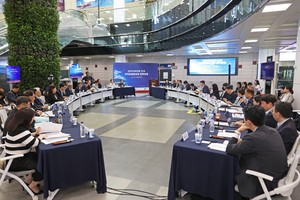
Land Ministry pledges support for new routes to Yangyang airport, linking Sokcho, Gangneung and Chuncheon
The Ministry of Culture, Sports and Tourism, the Ministry of Land, Infrastructure and Transport, and Gangwon Special Self-Governing Province jointly held a "Cooperative Forum on Regional Tourism Promotion Linked to Local Airports" at Yangyang International Airport on Monday. Chaired by Culture Ministry Second Vice Minister Kim Dae-hyeon, the forum drew about 50 participants, including the heads of Yangyang-gun — which hosts the airport — and the cities of Chuncheon, Gangneung and Sokcho, along with representatives from the Korea Culture and Tourism Institute, the Korea Tourism Organization, Korea Airports Corporation, the Gangwon Tourism Foundation, the Korea Tourism Association (KATA), airlines and the travel industry. Discussions centered on ways to develop local airports into primary gateways for foreign tourists and to connect airports with surrounding areas into integrated tourism zones where visitors can move, stay and spend freely. Lee So-young, director general for aviation policy at the Ministry of Land, Infrastructure and Transport, said the ministry would "actively support airlines in launching new routes to Yangyang airport and create conditions for stable route operations." She added that efforts would also be made "to more closely connect Yangyang airport with the surrounding region, including expanding convenience services for foreign travelers at the airport and improving ground transportation access." Son Sin-uk, an associate research fellow at the Korea Culture and Tourism Institute, presented on strategies to link aviation and tourism in the area around Yangyang airport. He said there is a need to further expand the flow of foreign tourists into the Gangwon region and to use Yangyang airport as a gateway through which visitors can experience the appeal of Gangwon tourism. Local travel agencies and airlines shared the current state of inbound tourism product development for the Gangwon region, along with challenges encountered on the ground and areas for improvement. Local governments, Korea Airports Corporation, the Korea Tourism Association, the Gangwon Tourism Foundation, the Korea Tourism Organization and the Korea Culture and Tourism Institute also outlined their respective roles to participants. The Culture Ministry and the Ministry of Land, Infrastructure and Transport said issues identified at forums in Daegu, Gimhae and Yangyang would not be treated as one-off discussions but would be tracked on an ongoing basis through a tourism-transportation policy council. A public forum is planned for November to gather broad input from citizens and industry stakeholders on revitalizing local airports and spreading foreign tourist traffic beyond major cities, with the findings to be reflected in future policy. Culture Ministry Second Vice Minister Kim said the government would "spare no comprehensive support to ensure that attracting foreign tourists does not stop at arrival — but that travel from the airport to tourist destinations, and experiences and spending throughout Gangwon, flow naturally and seamlessly."
Sept. 7, 2026
-

Young musicians brainstorm 'Gangwon's Hongdae' with province's governor
Gov. Woo Sang-ho holds informal session with youth artists to reshape downtown spaces Young musicians based in Gangwon Province are brainstorming ways to create a local equivalent of Seoul's Hongdae district — a vibrant hub of youth culture and street performance. They gathered Monday with Gangwon Province Governor Woo Sang-ho for a discussion on transforming vacant downtown spaces into cultural anchors for young artists. It was the first time the musicians had sat down with the provincial governor to talk policy. The session was deliberately informal, designed to let the governor and young artists freely exchange ideas on downtown revitalization and building a sustainable music ecosystem in the province. The meeting was conceived to breathe new life into empty storefronts and idle spaces left behind by the decline of commerce in older downtown areas, turning them into cultural hubs where youth and the arts can thrive. Gangwon Province said it wanted to hear directly from young artists about how to create spaces — modeled on Seoul's Hongdae district — where musicians can spontaneously gather to perform, create and connect. Ideas raised at the session will be actively incorporated into provincial policy, officials said. The young musicians spoke candidly about the shortage of affordable practice and performance spaces and the difficulty of achieving financial independence, and put forward a range of ideas for making use of vacant downtown storefronts. The main proposals were: converting empty storefronts into small live-music venues and shared rehearsal rooms; expanding support for young musicians through local festival participation and creative grants to help build a self-sustaining ecosystem; and establishing a permanent street-performance framework where musicians and residents can mingle naturally, forming a dedicated youth cultural district. "If the empty storefronts of a fading downtown were filled with young people's music, they could become a remarkable cultural hub," one musician said. "It was meaningful to feel, in such an informal setting, that our ideas could actually shape policy." Young musicians and provincial officials plan to continue working together toward making the Gangwon version of Hongdae a reality. "The heart of urban regeneration lies not just in improving physical spaces, but in the people and culture that fill them," Governor Woo said. "We will boldly translate the valuable ideas raised today into policy, so that the fresh sensibility and free energy of young musicians can breathe new life into our old downtown."
Sept. 7, 2026
-

Singer Kim Hyun-jung loses 12 kg without weight-loss drugs — here's what she cut out
Behind every public figure's appearance lies a personal regimen. This series examines the diets, workouts, procedures, and beauty and fashion choices of notable figures as practical lifestyle information. Singer Kim Hyun-jung has revealed that she lost 12 kilograms for her first profile shoot in 11 years — without any weight-loss medication. Over roughly three and a half months, she managed her diet while combining gym workouts with dance. What draws as much attention as the weight loss itself is how she replaced foods she loved with healthier alternatives and exercise. Kim shared new profile photos on her SNS and wrote, "What do you think of my profile photos? I lost a total of 12 kg for this shoot — my first in 11 years." She had previously announced an 8 kg loss, and said she managed her weight through diet and exercise alone, without weight-loss drugs. During her diet, she cut out cola, white rice, cup ramyun, tteokbokki, ice cream and sweetened flavored milk, replacing them with eggs, low-fat milk, tenderloin, almonds, brown rice porridge, potatoes and sweet potatoes. When she felt hungry at night, she chose a fried egg instead of ramyun. Cutting white rice and ramyun: it's the type and amount of carbs that matter The biggest shift in Kim's diet was a sharp reduction in refined carbohydrates and high-sugar foods that are easy to reach for. Foods like ramyun, tteokbokki, ice cream and sugary drinks add calories quickly while providing little lasting sense of fullness. Sugary beverages are particularly easy to overconsume because they require no chewing, meaning extra calories are taken in without any reduction in solid food intake. White rice is also lower in dietary fiber than whole grains such as brown rice, since the bran and germ are removed during milling. Whole grains retain more fiber and micronutrients, so swapping some refined grains for brown rice or oats can improve overall diet quality. The Harvard T.H. Chan School of Public Health similarly recommends choosing whole grains and less-processed carbohydrates over refined ones. That said, cutting out white rice or carbohydrates entirely is not a prerequisite for weight loss. The National Institute of Diabetes and Digestive and Kidney Diseases (NIDDK) recommends that a healthy weight-management diet include a variety of foods — vegetables, whole fruits, whole grains, low-fat dairy, and lean proteins such as meat, eggs, beans and nuts. The Centers for Disease Control and Prevention (CDC) also advises eating a wide range of healthy foods rather than eliminating entire nutrient groups. That Kim avoided fruit during her diet is best understood as a personal dietary choice. Whole fruit does not need to be eliminated in general weight management. Unlike fruit juice or sweetened fruit products, whole fruit contains both water and dietary fiber. Ramyun, too, is not a food that must be banned outright — it is more a matter of frequency and how a serving is composed. Reducing the amount of noodles and adding protein such as eggs, tofu or lean meat along with vegetables can improve the nutritional balance of a meal. Eating less of the broth also helps lower sodium intake. The egg Kim chose as a late-night alternative is a practical source of protein. Frying it in large amounts of oil, however, raises the calorie count. Using a small amount of plant-based oil high in unsaturated fats — such as olive or canola oil — is a better approach. The American Heart Association (AHA) also recommends liquid vegetable oils like olive and canola oil over solid fats such as butter and lard, which are high in saturated fat. Gym and dance: exercise you enjoy is exercise you'll keep doing Kim did not rely on diet alone. She said she consistently kept her body moving by hitting the gym and dancing to songs by younger singers. Depending on the moves and pace, dance can qualify as moderate-to-vigorous aerobic exercise. Continuous footwork combined with arm and torso movement raises the heart rate and increases energy expenditure. For those who genuinely enjoy music and choreography, it also has a key advantage over repetitive exercises like treadmill running: it is far easier to stick with over time. Pairing dance with strength training at the gym helps preserve muscle mass during weight loss. If body weight drops while muscle mass falls sharply, physical fitness declines and maintaining the lower weight becomes harder. WHO recommends that adults get 150 to 300 minutes of moderate-intensity aerobic activity per week, or 75 to 150 minutes of vigorous activity, along with muscle-strengthening exercises targeting major muscle groups at least twice a week. Combining dance to favorite music with weight training — as Kim did — can boost sustainability, which matters more than which exercise burns the most calories. Exercise needs to be repeatable in daily life, not crammed into a few weeks, for its effects to last. After losing 12 kg, the harder part begins — the body wants the weight back In practice, maintaining lost weight can be harder than losing it in the first place. When body weight drops, the body requires less energy than before, and physiological changes that increase appetite can follow. The NIDDK notes that metabolism slows after weight loss, reducing the calories needed at the new weight, and that hormonal changes can make maintaining that weight more difficult. Returning immediately to old habits after reaching a target weight makes regain likely. Diets that imposed extreme restrictions during the loss phase are also particularly hard to sustain for life. During the maintenance phase, the priority is building an eating pattern that can be kept up long-term, rather than continually expanding the list of forbidden foods. Practical steps include replacing some white rice with multigrain rice, swapping sugary drinks for water or unsweetened beverages, and choosing a small protein-containing snack if a late-night bite is unavoidable. Exercise also plays an important role in keeping weight off. The NIDDK says regular physical activity helps prevent regained weight, and that 150 to 300 or more minutes of activity per week can be useful during the maintenance phase. The real takeaway from Kim's 12 kg loss is not simply that she cut out certain foods. The core was a comprehensive lifestyle change: reducing sugary drinks and high-calorie snacks, switching to less-refined carbohydrates, making sure to include protein, and sustaining months of gym workouts alongside dance she genuinely enjoyed. The weight-loss phase may last a few months, but the maintenance phase lasts far longer. Even after a successful loss, the true key to keeping the weight off without rebound is building a diet and exercise routine that can be repeated over time — without giving up the pleasure of eating entirely.
Sept. 7, 2026
-

3 outdoor events in Seoul to catch this September
[20's Choice] tells the real stories of people in their 20s — in their own words, through their own eyes. The summer of 2026 was unusually long and scorching. Now that September has arrived, a noticeably cool breeze has begun to stir in the mornings and evenings — making it the perfect time to revive those outdoor plans put on hold during the midday heat. Across Seoul, a variety of outdoor events are opening up to help residents savor autumn nights. From an outdoor library that took a break over the summer, to a downtown district ablaze with light, to a riverside walk along the Han River with a cool breeze at your back — each offers its own distinct charm to fill September evenings. Autumn passes quickly, so why not make the most of it before it slips away? Here are three outdoor events in Seoul worth visiting right now. Reading under the autumn breeze: Seoul Outdoor Library Venue: Seoul Plaza, Gwanghwamun Square, Cheonggyecheon Dates: Sept. 4 – Nov. 1, every Friday, Saturday and Sunday Hours: 4–10 p.m. (September) How about taking a moment to sit back with a good book in the heart of the city, with a cool autumn breeze for company? Seoul Outdoor Library, which paused during the summer heat, returns Friday to welcome visitors back. Reading spaces will open at several downtown locations — Seoul Plaza, Gwanghwamun Square and along Cheonggyecheon — each transformed into an open-air reading retreat. In September, the library runs from 4 p.m. to 10 p.m., making it easy to stop by after work or around an evening appointment. No need to bring your own book — a wide selection is available on-site, free to browse. Bean bag chairs and seats are set up so visitors can simply sit back and unwind in the middle of the city. But it is more than just a place to read. Each location also offers cultural programming — performances, exhibitions and hands-on activities — so there is something to suit every taste. For those who want to stretch out on an open lawn, Seoul Plaza is the spot. Gwanghwamun Square pairs books with a broader cultural atmosphere, while the Cheonggyecheon site offers a quieter setting where visitors can turn pages to the sound of flowing water. Best of all, admission is free and open to everyone. If you are looking for a quiet escape from the daily grind, head to one of these outdoor reading spaces in central Seoul this weekend. Seoul lit up after dark: Seoul Light DDP 2026 Autumn Venue: DDP front exterior wall and Eoulrim Plaza Dates: Sept. 3–13 Hours: 7:30–10:30 p.m. (last showing begins at 10 p.m.) After sunset, Dongdaemun Design Plaza transforms into a vast media art venue. Running from Thursday through Sept. 13, Seoul Light DDP 2026 Autumn turns the building's 222-meter exterior wall into an enormous canvas of light and moving images. This autumn's edition takes "K-Original Light" as its theme, reinterpreting iconic Korean art and culture through a contemporary lens. Works inspired by Nam June Paik's video art, Yoo Young-kuk's abstract paintings and "Cheonggu Yeongeon" — Korea's earliest known collection of gasa songs — will illuminate the DDP facade. Seeing how familiar works of Korean art are transformed through media art is itself a highlight of the experience. This year, the festival engages the ears as well as the eyes. Live music performances are paired with the media art, with the visuals and lighting on the DDP wall responding in real time to musicians playing on stage. For those who want more than the performances alone, the festival also has food to offer. An outdoor food street features a K-food zone with a variety of dishes, as well as a pickup zone operated in partnership with online food delivery platforms. The fun continues even after the main show. A "DDP x Dongdaemun Super Pass" links the festival to local spots in the Dongdaemun area, offering discounts and complimentary menu items at participating venues. Combining the light show, street food and a stroll through Dongdaemun makes for a full September night out. No reservation or admission fee is required, so why not take a walk past the brilliantly lit DDP on a cool September evening? A bridge for people, not cars: Car-Free Jamsu Bridge Tubeoktubeok Festival Venue: Jamsu Bridge and Banpo Hangang Park Dates: Sept. 6 – Oct. 25, every Sunday Hours: 2–10 p.m. Every Sunday, Jamsu Bridge — normally busy with traffic — is reclaimed as a sweeping pedestrian space for Seoul residents. Running from Sunday through Oct. 25, the Car-Free Jamsu Bridge Tubeoktubeok Festival closes the bridge to vehicles and invites people to walk freely across it while taking in the Han River. This autumn, operating hours have been extended to run from 2 p.m. to 10 p.m., giving visitors time to catch the sunset and the night skyline along with the cool river breeze. Beyond the walk itself, the festival features live performances on the Rainbow Live Stage, a flea market, food trucks and various hands-on programs. Spreading out a mat and spending a leisurely hour gazing at the river is an equally good option. This year's edition carries extra significance. The Seoul Metropolitan Government plans to permanently convert Jamsu Bridge into a pedestrian-only space in the second half of next year, which means this autumn is the last season the festival will be held in its current car-free format. It is the final chance to experience the bridge as it has been before the permanent transformation. Autumn is right here — no need to travel far to enjoy it. This weekend, take a slow walk across a bridge filled with people instead of cars and soak in a Seoul autumn night. If you have been putting off an outdoor outing because of the heat, now is the time. September in Seoul, with its cool breezes, is full of places to see, walk and rest. Autumn is short — all the more reason to step outside this weekend and take your time enjoying Seoul after dark. By Kim Ju-yeon, Content Operator Editing by Min Sang-sik
Sept. 7, 2026
MOST READ
- 1KAIST develops high-performance bio-based adhesive using E. coli instead of petroleum
- 2Pope Leo XIV declines French honors and banquet, accepts only private meeting with Macron
- 3Daimler Truck unveils next-generation transport solutions at IAA 2026
- 4What was Rachmaninoff's performance fee? A 1928 price list tells all
- 5Samsung Biologics union's show of force backfires at the bargaining table
- 6APR says hair-loss treatment research published in international journal
-
WORLD

US warns of punishment for anyone enabling Iran's Strait of Hormuz toll scheme
-
INDUSTRY

Toyota union puts productivity first; Hyundai Motor union demands bigger share of profits
-
FINANCE

National Growth Fund to invest $531M in FuriosaAI, which rebuffed Meta's $800M takeover bid
-
INDUSTRY

Korea Shipowners' Association holds amateur baduk tournament for Maritime Day