A landlocked city's distinct meat culture
Special soy sauce developed to tame pork's gamey edge
Even a Spanish-trained chef learned to cook the local way
Without a coastline to call its own, Cheongju in North Chungcheong Province has long looked to the land rather than the sea. Unable to cast nets for silvery fish, its people devoted their attention — and their craft — to meat.
That scarcity became the engine of a distinctive culinary identity. Cheongju's samgyeopsal, marinated in soy sauce before hitting the grill, upends the assumption that pork belly is a humble, everyday dish. A trip to Cheongju is, in many ways, a journey through the effort its people have poured into flavor.
From royal tribute to market revival: Cheongju's pork legacy
Cheongju's bond with pork runs deep. The geographic section on Chungcheong Province in the "Sejong Sillok Jiriji," a geographic survey compiled in the early Joseon Dynasty, records that Cheongju produced high-quality pigs in such abundance that they were sent as tribute to the royal court.
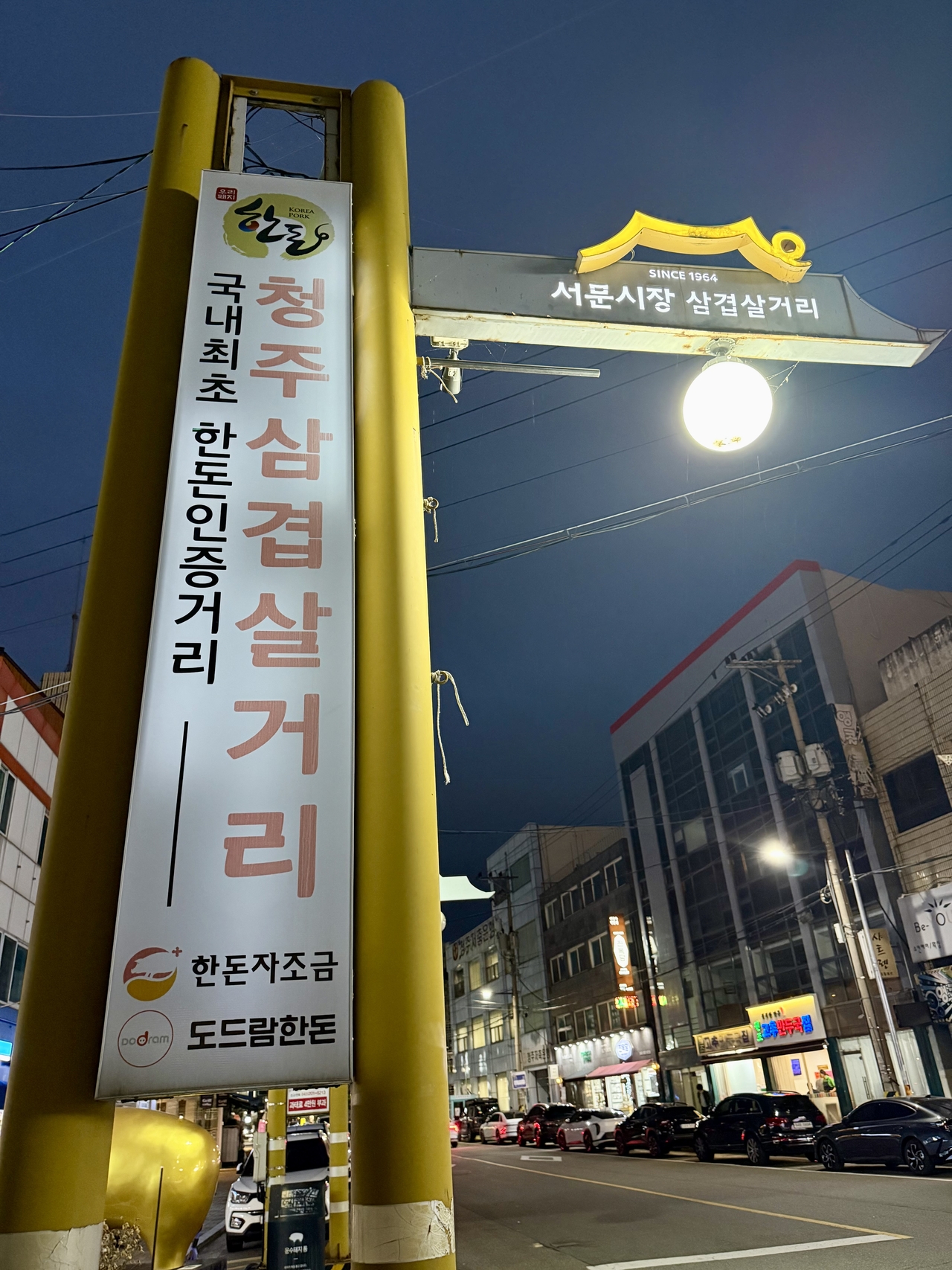
That legacy lives on today in the samgyeopsal specialty street at Seomun Market. When the Cheongju Express Bus Terminal stood in Seomun-dong, the surrounding area thrived as a hub of traffic and commerce. In 1999, the terminal moved to Gaegyeong-dong to ease congestion, and the old neighborhood began to hollow out.
What revived the declining alleyways was a samgyeopsal specialty street established in 2012. It is the only commercial district in the country dedicated exclusively to samgyeopsal, and in 2020 the entire street — not just individual restaurants — became the first in South Korea to be certified as a "Handon-certified street," meaning every establishment uses only domestically raised pork.
On a recent visit, a traveler who said they had just arrived from Taiwan was wheeling a suitcase through the alley, deliberating over which restaurant to enter — a sign that Cheongju's samgyeopsal reputation has spread well beyond Korea's borders. Inside one of the alley's restaurants, a 200-gram serving was priced at around 13,000 won ($10), relatively reasonable compared with typical pork restaurants in Seoul.
An official from the North Chungcheong Cultural Foundation who joined the visit said that in Cheongju, honored guests from out of town are taken to a samgyeopsal restaurant before a beef restaurant.
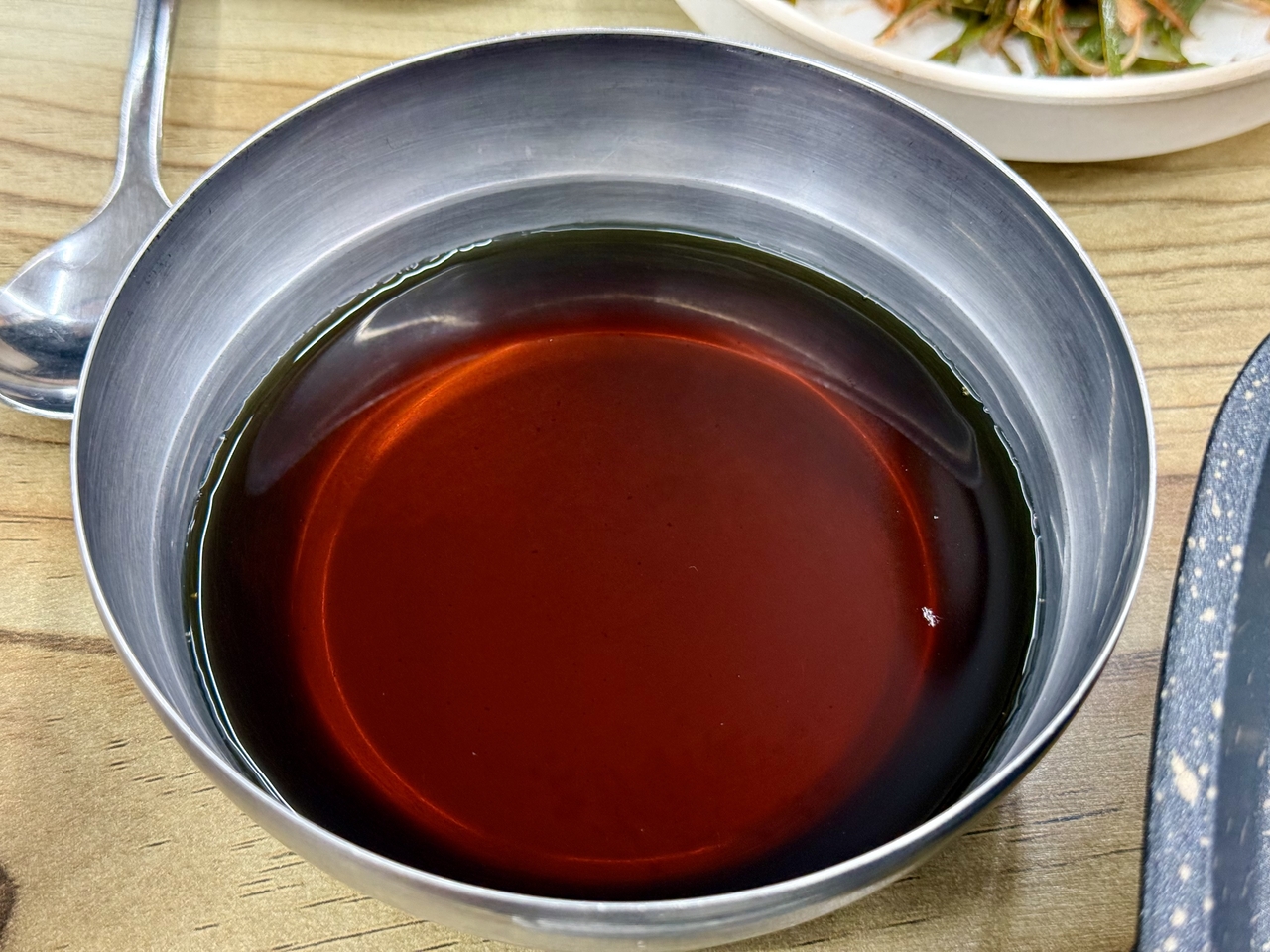
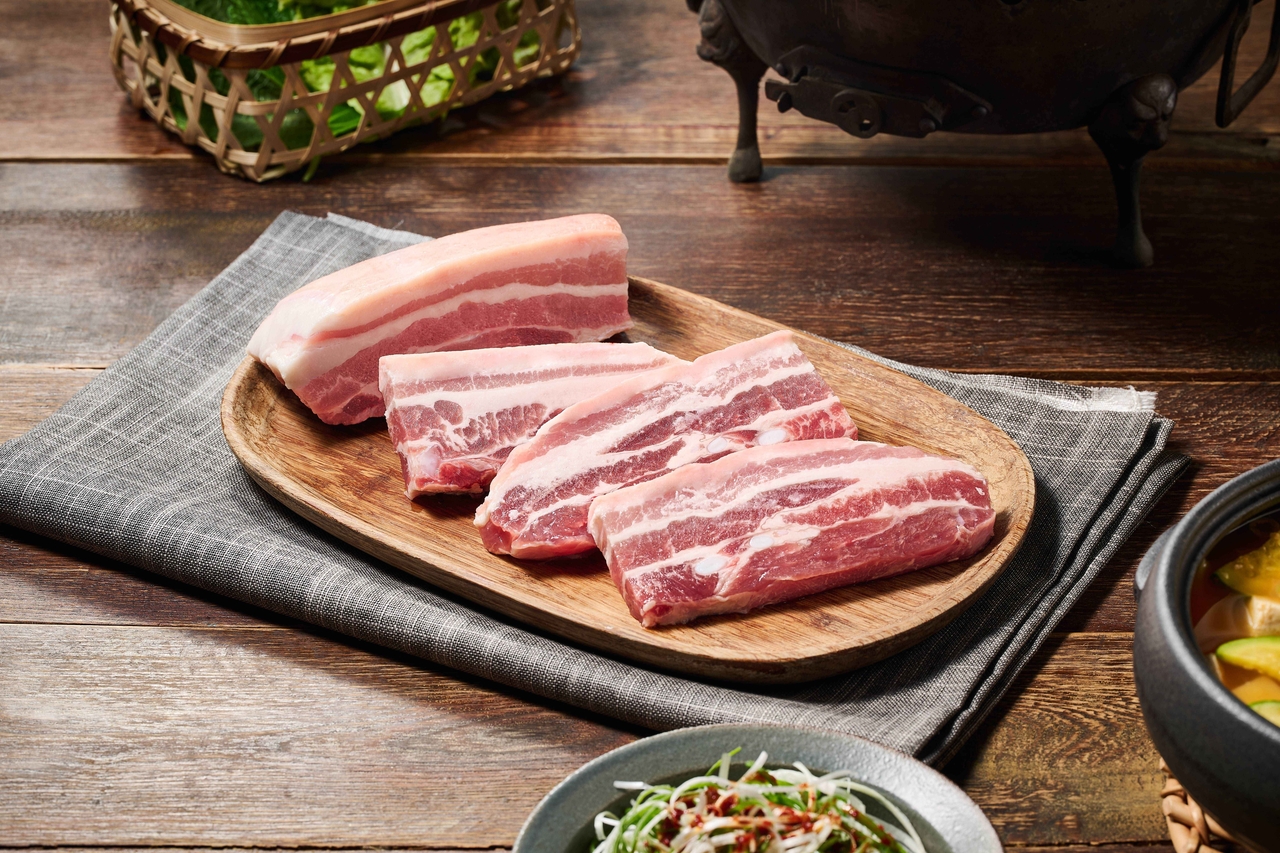
Moments later, a thick slab of fresh pork belly arrived at the table alongside a bowl of deep brown soy broth — the hallmark spread of Cheongju's signature "soy sauce samgyeopsal." The dish traces its origins to the 1950s and 1960s, when restaurants around Jungang-dong and Seomun Market began soaking pork in soy sauce simmered with ginger, green onion, licorice root and other medicinal herbs before grilling it. The technique was developed to neutralize the gamey smell of pork and tenderize its coarser cuts.
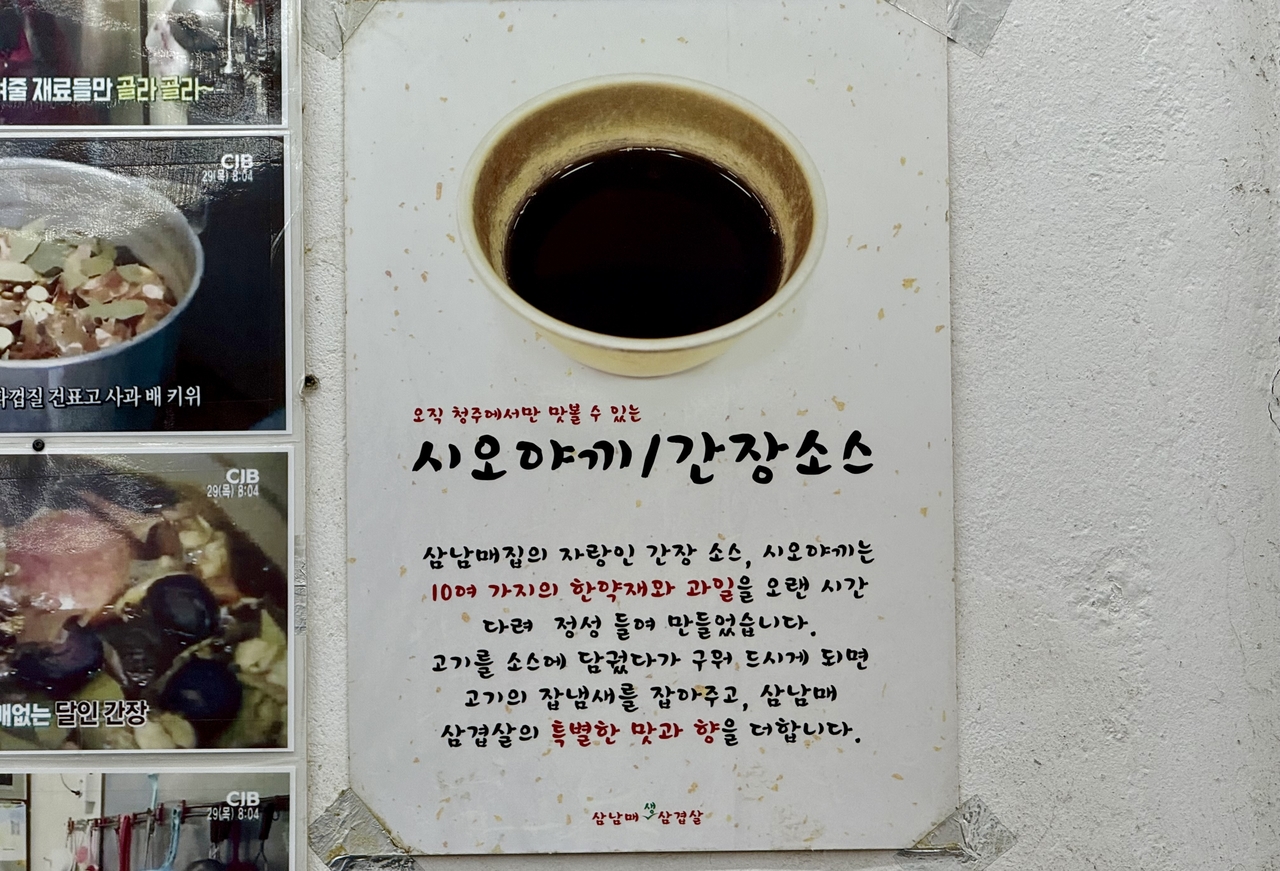
The style spread through the restaurant district along Nammun-ro in Cheongju. For a time, the dish was referred to by the Japanese word "shioyaki," meaning salt-grilled meat, but it is now known by its own name: Cheongju soy sauce samgyeopsal.
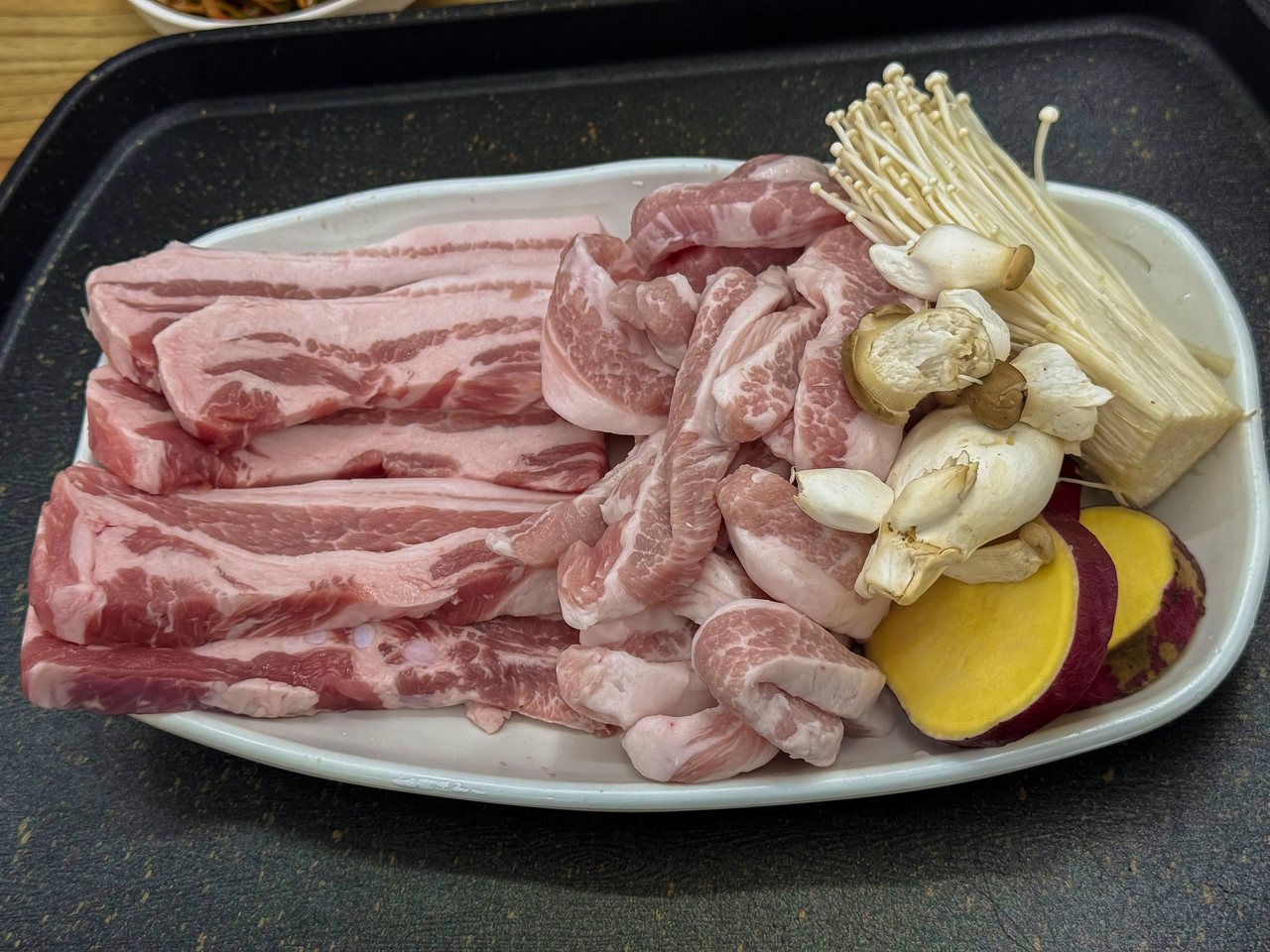
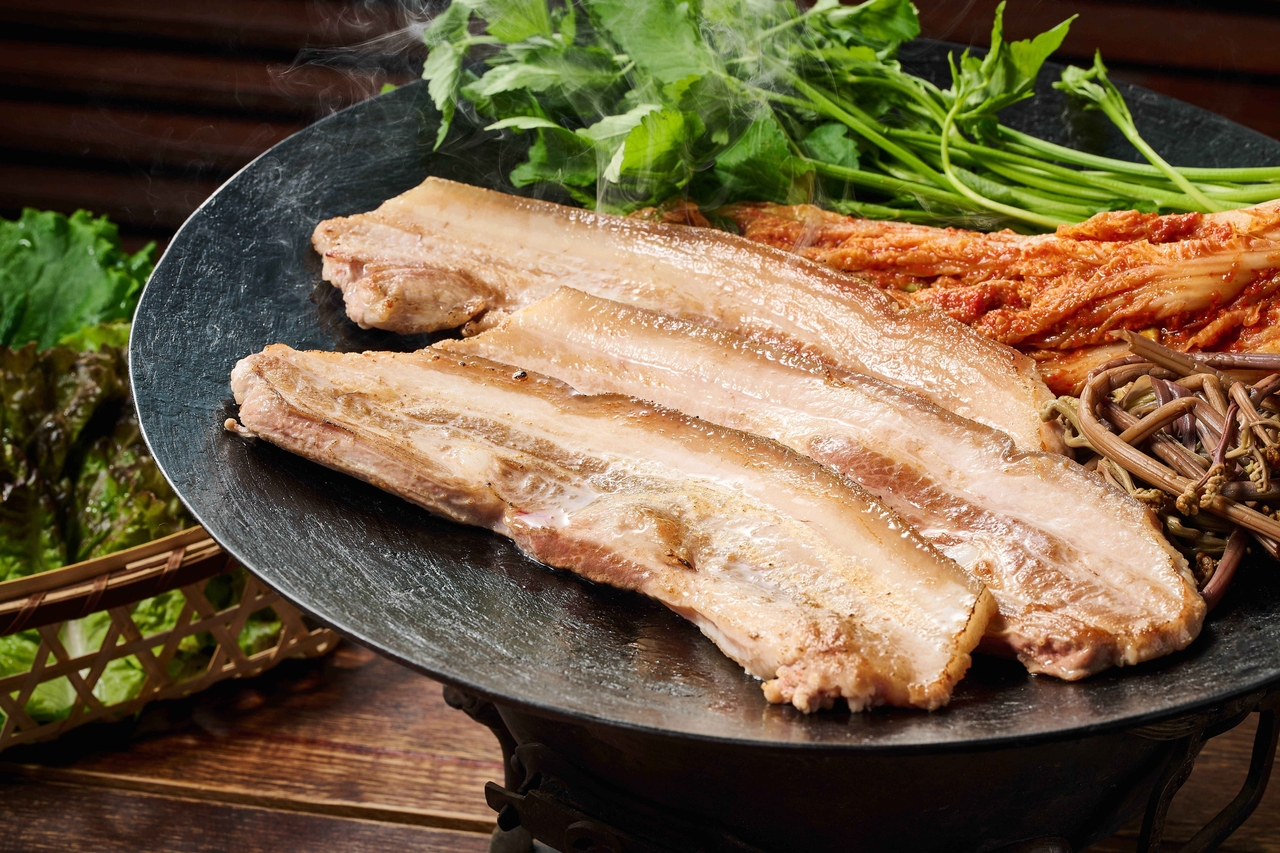
The preparation method sets it apart. Before the meat ever touches the grill, it is soaked in the house sauce. As the pork sears, the sauce reduces and forms a thin caramelized crust on the surface. The saltiness burns off in the heat, leaving behind a subtle herbal fragrance and a rich, fatty depth. Mushrooms, bracken fern, bean sprouts, garlic, kimchi and onion grilled alongside add further layers of flavor. The combination — sauce and savory meat juices melding together — is unlike any other samgyeopsal, and the chopsticks move almost on their own.
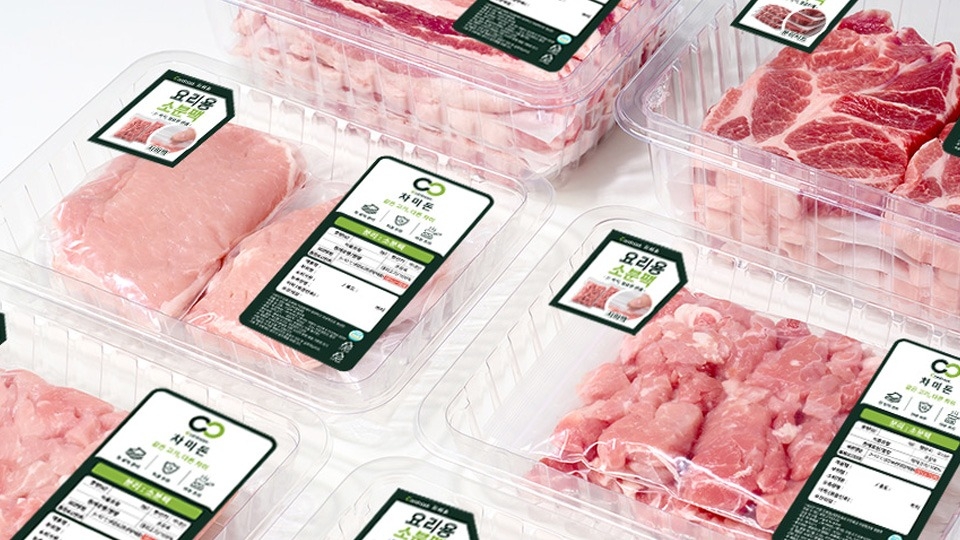
Cheongju's passion for pork has also given rise to its own premium brand. Pig farmers in what was then Cheongwon County — now part of Cheongju — formed a cooperative and, with technical support from the Cheongwon County Agricultural Technology Center, developed a premium pork brand called Chamidone. The pigs are raised from around 100 days old until slaughter on a feed blended with green tea extract, wood vinegar, olive oil, charcoal, and vitamins C and E — a regimen designed to eliminate gamey odors and improve the meat's color and marbling. In 2006, Chamidone became the first livestock product in North Chungcheong Province to receive ISO 9001 quality management certification, and the brand's meat is now available to order online.
From Madrid to Cheongju: a chef's 13-year journey
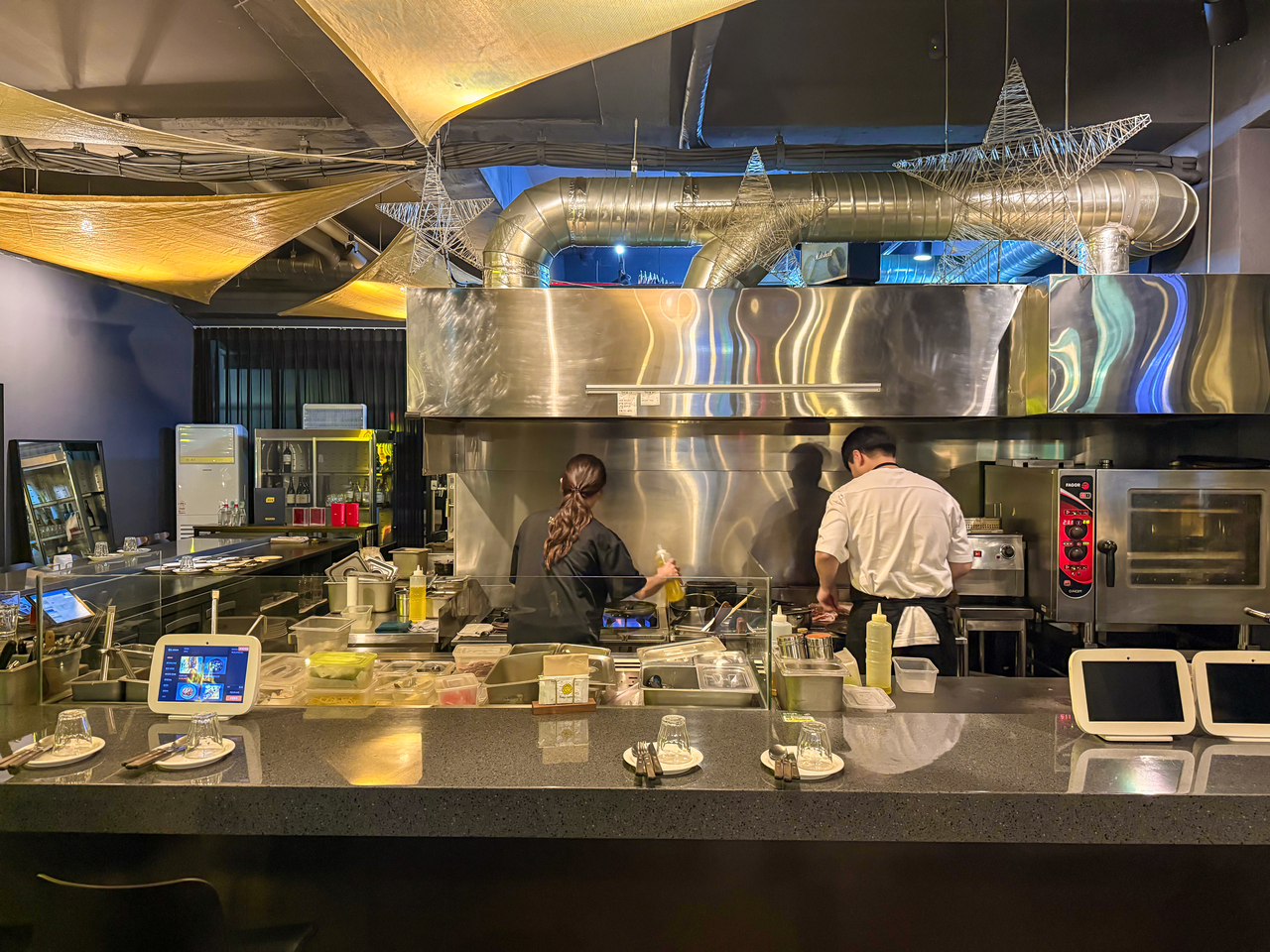
The trip included designer Lee Hyo-jae, who has spent years introducing Korean traditional aesthetics to the world. Having settled in North Chungcheong Province seven years ago and taken it upon herself to promote the region, Lee pointed the way: "There's a chef in Cheongju who does authentic Spanish cuisine." The prospect of hearing about Iberico pork — one of the world's most celebrated breeds — in a city already so devoted to pork was enough to spark curiosity.
Chef Kim Sung-kyun of Taberna, a Spanish restaurant in Cheongju, spent 13 years honing his craft in Spain before returning to Korea. The restaurant he ran there earned a 3.5-star rating — effectively the highest score — from prominent local food critic Jose Carlos Capel, who happened to stop in one day. After the review ran, six months of reservations sold out. The restaurant also earned a listing in the Guia Repsol, the most authoritative food guide on the Iberian Peninsula.
But a crisis struck at the peak of his success. The COVID-19 pandemic shut down his business, and with no clear path to recovery, Kim boarded a flight home at 37. In 2021, at his mother's urging, he dropped anchor in his hometown: Cheongju.
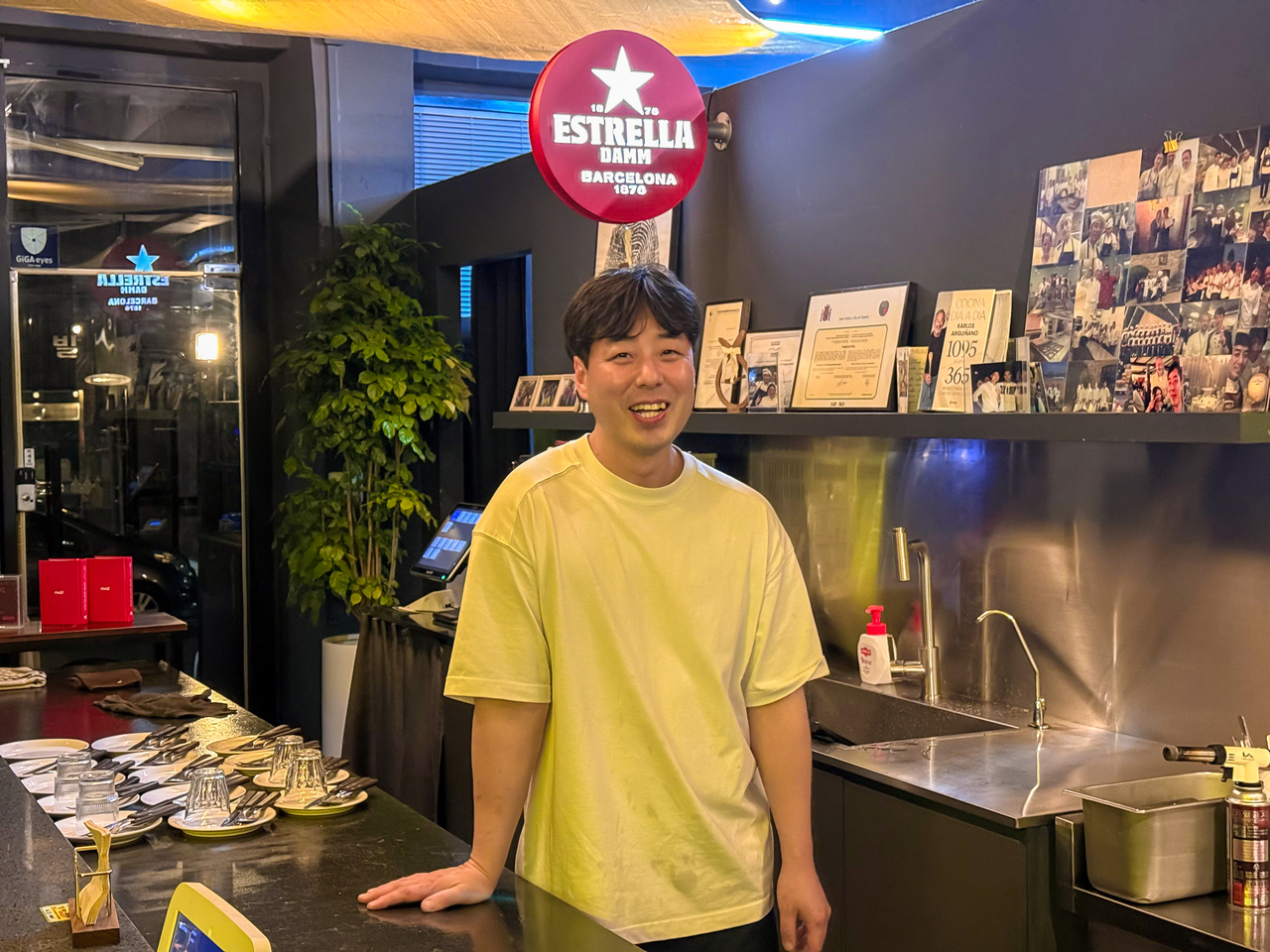
In the early days after opening, Kim pushed to replicate authentic Spanish technique without compromise. He brought in top-grade Iberico bellota — acorn-fed, free-range pork — and served it cooked medium-rare in the Iberian style, seared crisp on the outside. Then a customer tasted it and erupted in protest, demanding to know how anyone could charge money for spoiled meat. The customer had mistaken the deep, cured aroma of Spanish jamón and Iberico pork for something gone bad.
Cheongju has spent more than half a century developing a food culture built around eliminating exactly that kind of strong, gamey smell from pork — using soy sauce, ginger and medicinal herbs. A head-on collision with the Iberian Peninsula's tradition of savoring that same intensity as a mark of aged quality was all but inevitable.
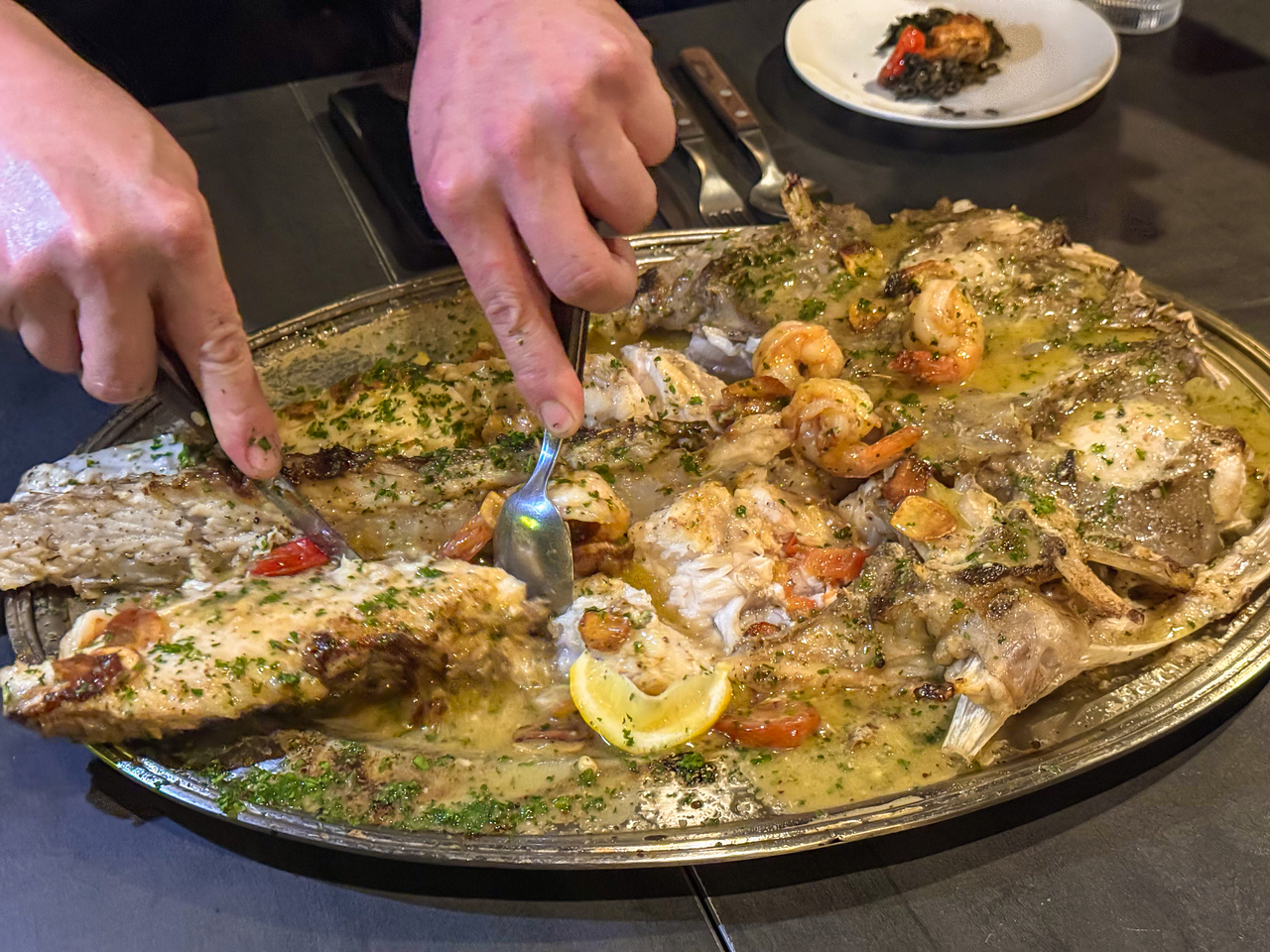
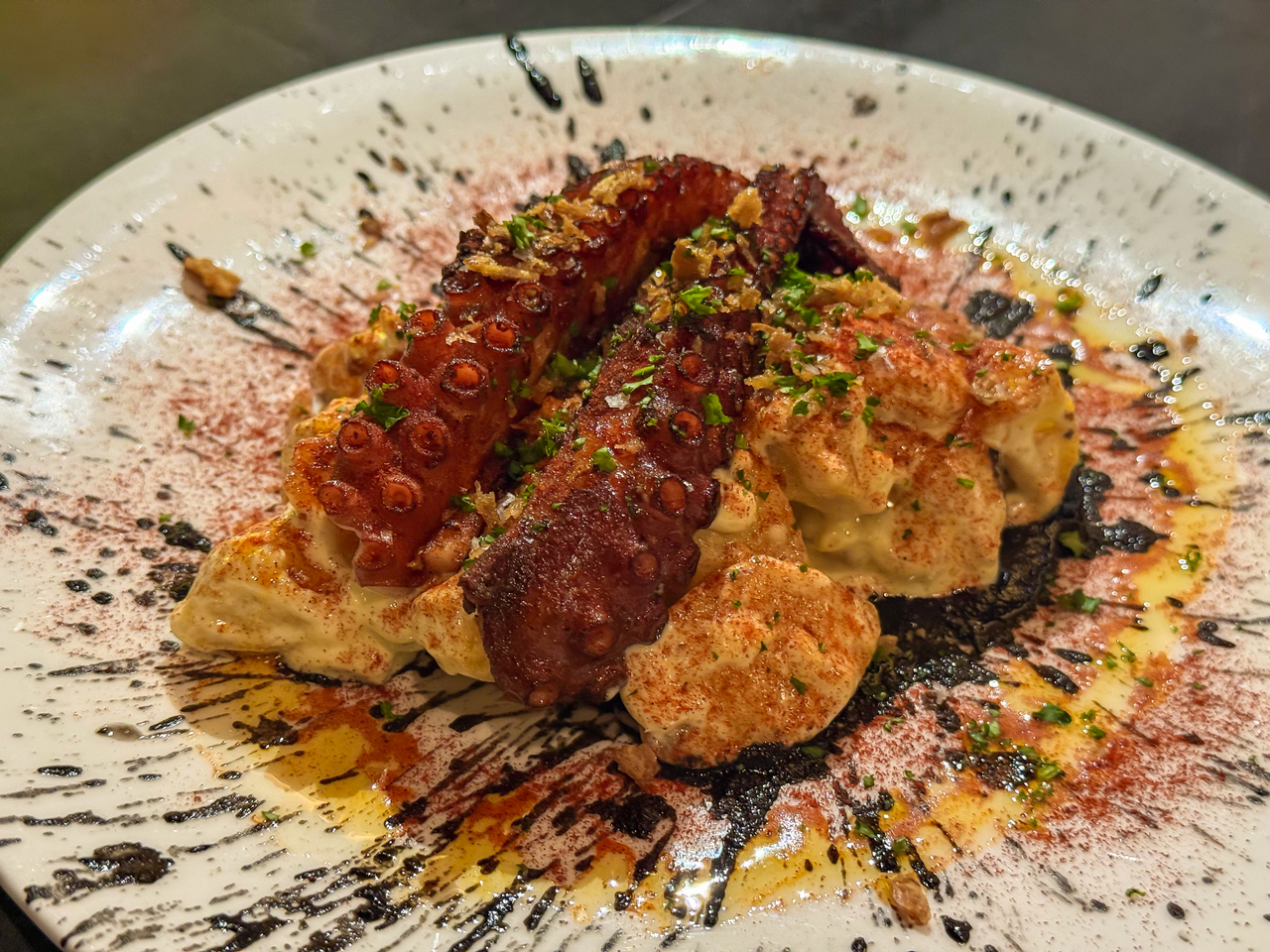
After that, Kim adjusted the doneness of his meat and the seasoning of his sauces to suit local sensibilities, keeping the Spanish framework while finding a middle ground that Cheongju palates could embrace. Now in his sixth year running a kitchen in the city, the menu has expanded to include Iberico bellota steak, grilled monkfish sourced daily from Tongyeong, seafood ink paella and grilled Spanish octopus. On weekends, the restaurant fills up to the point where walk-ins are rarely possible.
"I learned that for a restaurant to have staying power, you ultimately have to respect the tastes and expectations of your local customers," Kim said with a laugh. "Because I went through failure, I now have a confidence built on that experience and what I learned from it."
What do you hold precious when you have little? A landlocked city looked long and hard at the pig. A fading market drew people back with pork belly, a cut once considered inferior to beef. A stubborn chef found his regulars only after setting his pride aside. Cheongju's food culture offers its own lesson in how acknowledging scarcity — and stripping things back — can open an entirely new path.
terry@heraldcorp.com