
- HOME
- LIFE·CULTURE
-
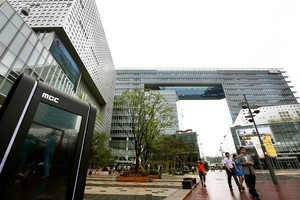
MBC narrows presidential search to two finalists
Candidates to compete on public-service duties, deficit solutions BCPF board to hold final interviews Sunday, announce pick The field of candidates to lead MBC has been narrowed to two finalists: Lee Seong-ju, a managing director at iMBC, and Jeon Dong-geon, former president of Ulsan MBC (listed in Korean alphabetical order). The Broadcast Culture Promotion Foundation, or BCPF, MBC's largest shareholder, and the Citizens' Presidential Candidate Recommendation Committee — a 150-member public panel — held a policy presentation forum Saturday at the Golden Mouse Hall of MBC's Sangam headquarters in Mapo-gu, Seoul. Four candidates — Lee Geun-haeng, Jeon Dong-geon, Lee Ho-in and Lee Seong-ju — took part in the livestreamed event, each laying out a management roadmap centered on fulfilling public broadcasting's civic obligations, strategies to address the network's deficit, and plans for organizational reform. Following the presentations, the committee conducted deliberative discussions, a question-and-answer session and a vote to select the two finalists. Lee Seong-ju joined MBC as a reporter in 1995 and served as chairman of the MBC branch of the National Union of Media Workers from 2013 to 2015. After heading the media planning division, he has served as a managing director at iMBC since 2024. Jeon Dong-geon joined MBC as a reporter in 1991 and went on to work as an investigative reporter for the current-affairs program "Sisa Magazine 2580," serve as chairman of the Korean Broadcast Journalists Association and head the news production division. He served as president of Ulsan MBC from 2021 to 2024. The BCPF board plans to hold a special meeting Sunday at 2 p.m. to conduct final interviews with both candidates before announcing the president-designate. The formal appointment is set to be completed Monday through an MBC shareholder meeting.
Sept. 12, 2026
-

Lee Chang-dong's 'Possible Love' wins FIPRESCI Prize at Venice, 24 years after 'Oasis'
Federation cites film's 'multilayered exploration of class, desire and ethics'; first feature from Lee in 8 years stars Jeon Do-yeon and Sul Kyung-gu Director Lee Chang-dong's new film "Possible Love" has won the FIPRESCI Prize at the 83rd Venice International Film Festival. The International Federation of Film Critics (FIPRESCI) announced Saturday on its official website that "Possible Love" had been selected as the winner of this year's FIPRESCI Prize in the main competition section. The federation praised the film as "a work that portrays subtle dynamics with perfect pacing and a multilayered structure," adding that it "delves deeply into exploitation and class, love and desire, possession, and even the ethics of narrative." It marks the first time Lee has received the FIPRESCI Prize at Venice since "Oasis" in 2002 — a gap of 24 years. At the time, "Oasis" swept the award along with the Silver Lion for Best Director and the Marcello Mastroianni Award for best new actor, won by Moon So-ri. "Possible Love" is Lee's seventh feature and his first since "Burning" (2018). The film follows the conflicts and changes that unfold when a laid-off worker and his wife meet a documentary filmmaker couple while collaborating on a film project. Actors Jeon Do-yeon, Sul Kyung-gu, Jo Yeo-jeong and Jo In-sung all deliver standout performances. Meanwhile, the FIPRESCI Prize in the Orizzonti section, which spotlights emerging cinematic trends, went to "The Color of the Sun," directed by Xavier Terra. The closing ceremony, at which major awards including the Golden Lion will be announced, is scheduled for the early hours of Sunday (Korean time).
Sept. 12, 2026
-
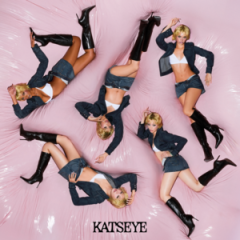
Katseye lands in UK Official Chart top 20 for 7th consecutive week
Katseye, the global girl group formed through a joint venture between Hybe and Geffen Records, is making its presence felt across major Anglo-American pop charts and global streaming platforms at the same time. According to the latest data released by the UK Official Charts on Saturday, "Animal," the pre-release track from Katseye's third mini album "WILD," came in at No. 18 on the Official Singles Top 100, marking seven consecutive weeks inside the top 20. The title track "Hootie Frutti" landed at No. 41, charting for the fourth straight week. The mini album "WILD" held at No. 33 on the Official Albums Top 100, maintaining its chart presence for four consecutive weeks. Katseye's momentum is carrying over to streaming platforms as well. Four of the group's tracks are simultaneously charting on Spotify's Weekly Top Songs Global: "Animal" at No. 34, "Hootie Frutti" at No. 56, "ICONIC BY MISTAKE" — a collaboration with Le Sserafim and Illit — at No. 147, and "Gabriela" at No. 192. "Gabriela" has now charted for 64 consecutive weeks. The official music videos for "Animal" and "Hootie Frutti" are also approaching 100 million views on YouTube. On the Official Singles Chart, "Golden," from the soundtrack of the Netflix animated series KPop Demon Hunters, held at No. 58 for its 64th consecutive week. BTS's fifth studio album "Arirang" remained at No. 99 on the Official Albums Chart, extending its run to 25 consecutive weeks.
Sept. 12, 2026
-

Yeosu World Islands Expo vows legal action over 'malicious rumors and abusive content'
False rumors and abusive content targeting the 2026 Yeosu World Islands Expo have been spreading online in recent weeks. Some of the material has been graphic enough to alarm parents, drawing not just criticism but outright shock from the public. Observers have compared the situation to the notorious incident in which a group was seen eating fried chicken next to a hunger-strike tent held in memory of the Sewol ferry disaster victims. As the campaign appeared to be organized and sustained, the expo's organizing committee said Saturday it would take firm action against unverified reports and content that maliciously cites them. The committee said it is operating a monitoring team to track the production and spread of fabricated videos, indiscriminate defamation and reputation-damaging comments based on false information. It plans to pursue criminal complaints on charges including defamation under the Act on Promotion of Information and Communications Network Utilization and Information Protection, as well as civil damages claims, with a zero-tolerance approach. The committee also rebuffed recent media reports claiming that food ingredients had to be discarded due to a power outage at a secondary venue, calling the coverage a distortion that falsely linked an unrelated incident to the expo. It added that it would take resolute action against sensationalist reporting and the YouTubers and internet users who maliciously amplify and spread such unverified content as misinformation. The reports had portrayed the situation as a vendor at the secondary venue discarding all food supplies and pulling out due to a power failure. In practice, the restaurant interviewed was run by a local women's association with no direct connection to the expo. Separate reports pointed to abandoned vessels and waste around Gukdong Port, implying the harbor connecting the expo's secondary venues had been neglected. The committee called this one-sided coverage that ignored the facts, saying "Gukdong Port is not the passenger ferry terminal linking the secondary venues of Gaedo and Geumodo, and the seized derelict vessels are being held and preserved at the port in accordance with relevant laws and regulations." The committee said it takes seriously the situation in which some online communities, YouTubers and internet users are producing and spreading provocative videos and malicious comments that are seriously damaging the expo's image and the reputation of Yeosu citizens. In one recent case, a user on an online community posted content falsely suggesting that heavy metals had been detected at Market Island, a restaurant inside the expo grounds. After the committee posted a warning comment, the post was immediately deleted. The committee said it is working to enhance the visitor experience by adding new content, including weekly concerts, outdoor film screenings using media facade technology, inspirational message displays and autumn evening concerts. Kim Jong-gi, secretary-general of the organizing committee, said the committee is "carefully attending to every small issue on the ground to ensure the expo's success." He added: "We will humbly accept constructive criticism and suggestions, but we will hold those responsible for intentional distortions and misinformation strictly accountable to the end, in order to protect the success of the expo and the honor of our citizens."
Sept. 12, 2026
-

Hainan's Boao Lecheng medical tourism zone offers global drugs and therapies free from China's approval rules
Exciting Hainan: health, joy and vitality ⑥ Sweeping deregulation adds meditation and arts wellness Green Cross, Daewoong Pharma, GE, Boston Scientific among global suppliers 43 hospitals spanning Eastern and Western medicine; 100% foreign ownership allowed 'Came in a wheelchair, walked out' — visitor testimonials draw attention The Boao Lecheng International Medical Tourism Pilot Zone in Hainan — often called the "Hawaii of the East" — is an ambitiously developed cluster bringing together traditional Chinese medicine, Korean medicine, Western medicine, medical devices, therapy, beauty and wellness under one roof. Since its first phase opened in 2014, the zone has undergone continuous upgrades, evolving into a fully integrated medical-and-tourism healing destination. Particularly notable is the zone's status as a kind of medical and wellness free-trade area: patients can receive prescriptions for, or purchase, drugs and health supplements that have won approval in multiple credible countries and gained global popularity — even if those products have not been cleared by Chinese national authorities. Global pharmaceuticals and medical devices can be used here through a streamlined process under Hainan provincial authorities, bypassing the central government's approval requirements. The zone operates as a national-level special district built on the "pilot-first" principle — experiment and implement before regulating. Research hospitals, treatment hospitals, traditional Chinese medicine hospitals, world-class pharmaceutical companies, beauty therapy providers and wellness centers are all concentrated in one place. Beyond general medical care across numerous specialties, the zone concentrates everything related to healthy and beautiful living — next-generation chest CT imaging, anti-aging treatments, aesthetic medicine and fat-reduction procedures. Many treatment options, at roughly half the cost of Korea or less Visitors can choose from the world's most popular pharmaceuticals and therapies tailored to their constitution, generally at one-third to one-half the cost of equivalent care in Korea. For Korean and other international visitors, the zone is best understood not as a disease-treatment center within China, but as a global medical cluster that has assembled the world's finest pharmaceuticals and therapies in one place. Korean companies present as tenants or suppliers include Green Cross, Daewoong Pharma and Cheong Kwan Jang, while global players such as Pfizer, GE HealthCare, Bausch + Lomb, Boston Scientific and Violette have product lines or research teams operating on site. The cluster operates 43 hospitals and also houses academic and research facilities for medical students from the prestigious Shanghai Jiao Tong University School of Medicine. Compared with the Texas Medical Center in the inland desert of the United States or the medical complex in Afyon in central Turkey, Boao Lecheng is broader in the range of global medical schools and companies it has attracted, and adds therapy, preventive medicine, wellness and aesthetics to the mix. Its integration with the surrounding natural landscape surpasses Texas and rivals Afyon — with the added advantage that Boao Lecheng, unlike either of those cities, sits close to the sea. Even drugs not yet approved by China's pharmaceutical authorities are expected to find a smoother path through the notoriously demanding Chinese approval process once they demonstrate superior efficacy on patients within this health free-trade zone. Well-known drugs and health supplements all available Research and development collaboration is also in full swing here. One recent example: a technology to treat chronic obstructive pulmonary disease — a condition previously managed only through long-term hospitalization aimed at slowing its progression — was developed through international cooperation, using a medical device roughly the size of a small piece of chalk that is inserted into the body. The health supplement section stocks only products whose efficacy has been verified in countries with established reputations for quality. Items from China, South Korea, Japan, Switzerland and Canada are particularly prominent. Korean vitamins, antioxidants, arfoten, red ginseng sticks, pomegranate collagen, omega-3 and coenzyme-series products are displayed at the front of the health supplement section, alongside Japan's XOZ and international brands including Zaley, Schiff and the gel-candy format supplement NYO3. At the heart of the zone's medical tourism offering is the Boao Yiling Life Health Management Center, which has received China's national high-tech enterprise certification three times since 2017 and has been selected for seven consecutive years as an official hospitality and service support institution for the Boao Forum for Asia Annual Conference. The center holds the highest-level accreditation from the American Association of Blood Banks and is qualified to conduct clinical trials for pharmaceuticals and medical devices under Good Clinical Practice standards. Specialized medical facilities within the center include an international medical imaging and diagnostics center, a life health pre-screening center, a radiation diagnostics center, a precision medicine research center, a life health management science research center, a cardiovascular and metabolic medicine center, a life health management center, a life aesthetics management center and a mind-body medicine health management center. Ten health management fields, rich wellness programs guided by a spirit of healing Core services span 10 health management fields — precision diagnostics, prevention, chronic disease management, health promotion, internal and surgical medicine, oncology treatment and dental care — as well as domestic and international medical referral and transfer services, personal image management, plastic surgery and anti-aging services, and women's cancer screening and prevention. Wellness programming includes meditation, yoga and inner well-being cultivation; healing arts such as gayageum, baduk, calligraphy, painting, tea ceremony, perfume blending and flower arrangement; art appreciation; cultural experiences including coffee and wine; and customized services tailored to individual needs. The building is organized across multiple floors: the first floor houses a traditional Chinese medicine hospital, the second a biopharmaceutical section, the third research and development laboratories, the fourth various treatment rooms, floors five through ten five-star resort-style guest rooms, and the eleventh an infinity pool. The lawn courtyard and corridor lounge areas of the mixed-use residential care apartments are surrounded by trees, creating an atmosphere reminiscent of a healing center set within nature. Among the psychological and healing programs on offer are gayageum therapy, calligraphy and painting. Participants focus intently — finding the precise notes and resonance of the stringed gayageum, or applying just the right pressure with a brush to complete a piece of writing or a painting — as a way of calming and centering the mind. At Guoyitang, the traditional Chinese medicine hospital within the zone, a wooden plaque hangs prominently bearing the spirit of "benevolent medicine" — an Eastern equivalent of the Hippocratic oath, calling on practitioners to treat patients with sincerity, virtue and wholehearted dedication. Behind the statue of Sun Simiao — revered as the "king of medicine" (581–682) — an inscription reads like a Chinese version of the Hippocratic oath. "A great physician is one who, through effective treatment, promotes harmony among humanity. One who sets one's will without greed or desire, and first vows to arouse great compassion and mercy to relieve the suffering of all souls. If someone comes seeking help in illness or disaster, make no distinction between the noble and the humble. Do not shrink from sacrifice. Even in deep sorrow, do not avoid danger. Through beautiful scenery, night, cold, heat, hunger, thirst and fatigue — strive wholeheartedly to save, and bring benefit to the people." Along the corridor walls of Guoyitang, medical illustrations based on the physical structure of Mongolian people are displayed, accompanied by explanations of the scientific analyses drawn from them. Insurance coverage available if anything goes wrong The zone also offers various therapies conducted inside semicylindrical enclosures built from health-promoting woods such as pine and cypress, shaped to resemble MRI machines, along with dedicated spaces for physical therapy and a therapeutic restaurant designed to support dietary treatment programs. Residential care stays of one week, one month or three months are available. Staff say it is not uncommon for visitors who arrived in wheelchairs to leave walking with only a cane — or walking unaided. The sight calls to mind the great wall of crutches and canes at Saint Joseph's Oratory in Montreal, Canada — a vast display of items left behind by patients who recovered through the combined healing ministry of therapeutic treatment and the laying on of hands by a medical priest. Testimonials from international visitors who say they experienced real results at the Yiling Hospital within the Boao Lecheng zone continue to pour in. The Boao Lecheng Pilot Zone offers a wide range of benefits to medical tourists and global players in the pharmaceutical sector. Long-stay patients combining residential care with treatment may bring up to a three-month supply of medications from their home country — including drugs not approved by Chinese authorities — for use during their stay. Insurance coverage is provided if any problems arise during treatment or recovery. For health supplements, there are virtually no restrictions on what can be distributed within the zone, as long as the product enjoys global credibility. Since 2024, cell therapy for cancer patients has also been permitted within the zone, and a 15 percent tariff exemption on pharmaceuticals has been introduced. A zone official said the requirement for foreign companies to form joint ventures when investing in the Boao Lecheng Pilot Zone has been abolished, and wholly foreign-owned companies are now permitted to establish legal entities within Hainan.
Sept. 12, 2026
-

Han Go-eun's husband needed emergency procedure after workout left his legs 'paralyzed'
Behind every public figure's appearance lies a personal health and beauty regimen. This series examines the diets, workouts, procedures, and fashion and lifestyle choices of people in the spotlight. Shin Young-soo, the husband of actor Han Go-eun, was hospitalized and underwent a medical procedure after suffering sudden back pain and radiating leg pain. He had a pre-existing herniated disc condition, and overexertion during exercise is believed to have worsened it. A video recently posted to Han's YouTube channel was titled "My husband called me in tears during filming — I ended up rushing to the hospital at 4 a.m." Han described the situation in the video, saying her husband first called to say his back had suddenly flared up and he was heading to the hospital. He then called again to say he was in a wheelchair and would need a procedure. Han finished filming around 3 a.m. and went straight to the hospital, where she cared for her husband for three days. "He had a herniated disc to begin with, and I think he pushed himself too hard with exercise," she said. "As you get older, you can't just work out however you want." Shin also described the experience, saying the pain radiated down his right leg and left it feeling paralyzed. "It was a situation where I had to have the procedure done as an emergency right away," he said. Back pain that shoots down the leg — what happens when a disc presses on a nerve The condition commonly known as a "herniated disc" is medically termed lumbar disc herniation. Between each vertebra sits an intervertebral disc that acts as a shock-absorbing cushion. When the soft inner core of a disc pushes outward and compresses or inflames nearby nerves, it can cause not only lower back pain but also pain or numbness radiating through the buttocks, thighs, calves and feet — a symptom known as radiculopathy. Where the pain appears depends on which nerve is being compressed. The leg may feel numb or as though it is being pulled, and in more severe cases, reduced sensation or weakness in the leg can accompany the pain. Herniated discs rarely have a single cause. With age, the discs lose moisture and elasticity, reducing their ability to absorb impact. Prolonged sitting, repeated strain on the back and poor posture also play a role. Insufficient physical activity can weaken the muscles around the lower back and abdomen, making it harder to provide stable support to the spine. On the other hand, exercising more does not automatically mean a healthier back. Suddenly ramping up intensity without adequate preparation, lifting heavy weights, or repeatedly bending and twisting the lower back can aggravate an existing back condition. Exercise helps back health — but pushing harder when it hurts makes things worse Appropriate exercise is important for back health. Aerobic activity such as walking, combined with strengthening the abdominal, gluteal and lower back muscles, helps support the spine and reduce the load placed on the back during daily life. Strength exercises such as squats and bridges can also be beneficial, provided they are performed with correct form and suited to the individual's condition. However, the calculus changes once back pain or radiating leg pain has already set in. Pushing through the pain or suddenly increasing workout intensity on the assumption that building more muscle will fix the problem is best avoided. It is also difficult to label any particular sport as universally bad for the back. Activities involving repeated trunk rotation — such as golf or bowling — and strokes requiring large back movements, such as butterfly or breaststroke, can trigger symptoms in some patients with back conditions, but the impact varies greatly depending on the individual's diagnosis and exercise form. Swimming is often cited as a low-impact option for the back, but not every stroke suits every patient. If back or leg pain worsens during exercise, stop the movement and consult a professional about what approach suits your condition. More than ordinary back pain — see a doctor if leg weakness or bladder problems develop Most cases of back pain do not signal a serious condition. However, if the pain persists for an extended period, worsens over time, or is accompanied by radiating pain that travels from the buttocks down the leg, it is worth seeking a proper diagnosis. Neurological symptoms — such as noticeable weakness in the legs or diminished sensation — warrant evaluation by a medical professional. Severe back pain combined with difficulty controlling bladder or bowel function, or abnormal sensation around the perineum, may indicate a medical emergency in which the nerves are under serious compression. In such cases, prompt hospital care is essential. When it comes to back health, the key to exercise is not doing more but doing what is right for your body. Building core and spinal support through consistent physical activity and strength training is valuable in the long run, but once pain and radiating symptoms appear, listening to what the body is signaling should take priority over pushing through.
Sept. 12, 2026
-

'Only death remains?' Sharks circle a drifting boat — and a survivor does the unexpected
220. Winslow Homer The painter called America's Robinson Crusoe His pictures of hope grew steadily more complex 'The most original figure among American painters' Editor's note Huam-dong Art Museum is the original home of long-form cultural storytelling suited to the boundless digital space. Press ■ Subscribe to reporter■ to enjoy a new art story every weekend. Articles are written as narrative storytelling grounded in historical fact, with some imaginative embellishment. A sea change in mood Well, men. How does it feel? The wind picks up. The catboat's sail fills. The sea opens ahead. White foam rises to the surface. Looking up, dark clouds roll in — but there is no smell of rain, so they are welcome shade, nothing more. "Well, men. How does it feel?" the man at the rope asks again, playfully. The three boys who came along say nothing. They need not answer. They sit at ease, leaning and reclining, gazing into the distance — taking in a sky the color of sky, a sea the color of sea. Behind them, another sailing vessel sounds its horn. At their feet, a freshly caught fish flaps. Their chests swell. The boys' voyage is only just beginning. The world is this wide, and nothing has been decided yet. They can go anywhere, do anything. This, then, is a painting about hope. Its title is "Breezing Up (A Fair Wind)." ...What is there left to do. And then the wind blows again. The small boat's sail has long since been reduced to rags. The sea has not merely opened — it has been torn apart. Even the white foam looks ominous. The sky has turned a sickly yellow. A waterspout surges up on one side. "What can be done now," the man slumped against the hull mutters again. "Is death all that remains?" Again, there is no answer. None can be given. He simply turns away from the circling sharks and stares into the distance once more. A white sail, a dark cross, a slack rope — all evoke a grave and a funeral. The reddish haze drifting through the water leaves only a raw, unsettling aftertaste. There is nowhere to go, nothing to do. The earlier sea spoke of possibility. This sea speaks, in and of itself, of survival. Is this, then, a painting about despair? Its title is "The Gulf Stream." Between thirty-seven and sixty-three Two paintings of opposite moods were made by the same hand. The first, full of anticipation, came from a vigorous man of about thirty-seven. The second, steeped in dejection, was the work of a man of sixty-three. Winslow Homer — an American painter who taught himself to paint, yet rose to the very top of his country's art world, only to spend his final years living in such seclusion that he earned the nickname "Robinson Crusoe." What did Homer see, and what did he live through? How did both his life and his seascapes come to be turned so completely upside down? This is a story about how one painter — and, before that, one human being — came to see the world differently. A painter of forward motion The setting is a battlefield of the American Civil War — the Rappahannock Valley, under the command of Union General Nelson A. Miles. Afternoon sunlight filters through a break in the clouds. An orange tent cloth hangs stiff and dry. A pot over a burning fire sends up smoke, and hardtack on a tin plate glints like gold. In the foreground, two infantrymen rest — one standing still, one sitting with chin in hand, both lost in thought. One row back, a regimental band plays "Home, Sweet Home." When our band (Union) played the most spirited marches and patriotic airs ( ... ) the Confederate band would respond with equal enthusiasm. Such demonstrations sometimes stirred feelings of hostility between the two armies ( ... ) but when "Home, Sweet Home" was played, the animosity vanished as if by magic. Every band joined in with harmony and feeling. This is the account left by General Miles, reflecting on the scene the canvas depicts. Even in the damp of the trenches, music bloomed. Even with fates unknown from one day to the next, there were moments when everyone kept time together. For a war painting, it is a tender work. This is Homer's early canvas "Home, Sweet Home." Homer also refused to paint the most harrowing scene of war — a surrender — according to the old conventions. Union General Francis Channing Barlow stands with his hands clasped behind his back, dressed in a fine uniform. His expression is composed, the sword at his hip reassuring. A group of Confederate soldiers lowers their rifles to signal defeat — but they do not bow their heads. They meet the general's gaze directly. The young man at the far left has even thrust his hands into his pockets. There is something almost defiant in their bearing, as if to say: it is not you alone, but all of us together, who must rebuild this continent. Winner and loser are clearly divided, yet the distance between them does not look so great. Homer, once again, refused to paint the obvious. Rather than a picture that closes after the surrender, he offered one that hints at the need to build something together from this point forward. It was unmistakably an open-ended work. This early painting is titled "Prisoners from the Front." Both canvases were conceived and completed when Homer was around thirty years old. As noted in the discussion of "Breezing Up," Homer during this period painted primarily pictures of forward motion. What he sought to scatter across his canvases was a spirit of growth and challenge, reconciliation and unity. Remarkably, Homer held to this artistic vision even after witnessing the Civil War firsthand as a correspondent for the New York-based magazine Harper's Weekly. While most of his peers in similar roles filled their writing and drawings with scattered blood and bodies, Homer knew how to press feeling and resonance into his work instead. The magazine's editorial policy — something along the lines of "don't paint anything too gruesome, it won't sell" — may have played a role, but his own convictions were strong from the start. That much can be inferred from the fact that Homer revised "Prisoners from the Front" repeatedly to achieve its open, unresolved atmosphere. A flat canvas is no match for the three-dimensional world — yet Homer's paintings drew critical acclaim the moment they were shown. One reviewer praised him as "one of the few young artists who, with their very first exhibited work, have made their ability clearly felt" (of "Home, Sweet Home"). Art critic Peter Schjeldahl called "Prisoners from the Front" "the painting that tells us most about the Civil War." Homer was elected to the National Academy of Design at twenty-nine. He studied in Paris. His work was shown at the World's Fair. Money and a future seemed assured — but The 1870s. After the Civil War, Homer turned his eyes to the beautiful countryside and the young dreamers and growing children who lived there. Peace, vitality, and — amid the fading smell of gunpowder — the emergence of new possibility. The stage had changed, but Homer drew from the same emotional well as the battlefield paintings he had made before. His 1872 work "Snap the Whip" is a case in point. The world is fresh and green. Barefoot children push and pull at one another in play. The little ones grow more in daylight than in dark. What brushes their skin is a pleasant autumn breeze; what fills their ears is laughter. The fields hold a school, flowers and seeds, the scraped knees and bare soles of mischievous children. "Breezing Up" was painted around the same time — and carried particular weight given that it was completed in 1876, the centennial of American independence. The New York Tribune lavished praise on the painting, which shared "Snap the Whip"'s fresh spirit: "In no exhibition we remember have we seen a picture that could be compared with this." Both canvases offered comfort to Americans still raw from the war — a reassurance that the country could grow again, that it could move forward together. Homer's reputation rose accordingly. Around this time, Homer also threw himself into watercolor. In the early stages, some critics mocked him — suggesting a child with an ink bottle could do better. But after he produced polished works such as "The Blackboard" and "Schooner at Sunset," such talk disappeared entirely. Homer had, in fact, first made a name for himself as an illustrator, which spoke to the breadth of his artistic range. His foundations were anything but ordinary. Money began to accumulate as a matter of course. There was much he could do, and much he wanted to do. Homer's future? It looked as certain to stay vigorous as his paintings. But then... The 'reality' he found in a North Sea fishing village Homer's skin was burned red. The North Sea wind was fierce. The thick smell of salt stung the tip of his nose. There was no room for sentiment here — only prayer and superstition-laced custom. In 1881, at the age of forty-five, Homer traveled to Cullercoats, a small fishing village on the English coast. There, confronted with the raw landscape, he was left speechless. Men and boys headed out to sea every morning. Women and girls knitted nets and cleaned the day's catch morning, noon and night. When the weather turned ugly, they would stop and press their palms together again and again, watching boats leave and return. There was little idle conversation among them. Warm sunshine and clear moonlight were rare. Every stone, every tree seemed to carry its own quiet sorrow. Yet every soul in this place was bound to the others with a closeness that could bring tears to the eyes. Perhaps, Homer thought, this is where the vast majority of ordinary people actually live. Whether that reflection led him to reconsider his own path is unknown — but what is certain is that his painting began to change from this point on. Homer no longer painted pictures of simple peace and nostalgia. He began putting onto canvas not play but labor, not harmony but the desperate moments where life and death hang in the balance. This continued after he relocated, a year and seven months later, to Prouts Neck, Maine — another rugged coastline lashed by a piercing sea wind. His home there was a converted stable just 75 feet (about 23 meters) from the shore. The shape and angle of hope Had Homer, then, simply crossed over in an instant from painter of hope to painter of despair? From a single great shock? That reading seems too simple. Homer's "A Fresh Breeze" shows two women from the village of Cullercoats carrying baskets. Their faces are wrapped in cloth, their sleeves rolled up without ceremony, and they walk with steady, unhurried purpose. There is no sign that they intend to yield to the force of nature — even if what awaits them at the end of the road is the same labor they have performed their entire lives. Homer's "The Life Line," meanwhile, depicts a man rescuing an unconscious passenger from a shipwreck. On the open sea, all that sustains life is a rope and a pair of straining arms. Nothing is visible but waves, yet the man holds on and does not let go, does not slip, does not give up. Neither canvas offers any clear hope, nor any trace of romance. And yet Homer painted every one of these figures with an unyielding dignity. Must life have meaning only when we are chasing hope? Is a journey that takes the moment itself as its purpose — without hope as a means — not also meaningful? Human beings, it turns out, can live on love for family, attachment to home, and pride in their work. They can rise even without holding fast to some grand dream or goal. Homer's painting had changed, then, but his philosophy of painting had not. He was still making pictures of forward motion — only deeper ones. He had simply dug further into the concept of hope, and looked at its shape from a wider angle. 'The boat and the sharks are not important' Can "The Gulf Stream," then, also be called something more than merely a painting of despair? The scene is undeniably bleak. The waves look ready to swallow the small boat whole, and the sharks open their jaws in anticipation of prey about to fall. And yet the man is still on the boat. He could bury his head in his hands in terror, or cry out in grief — but he does not. He looks at the sea. He cannot do anything, or change anything, and yet he keeps thinking, as if still turning over what might yet be possible. Paradoxically, it is precisely this act that keeps the door of life from closing entirely. Even a one-in-a-thousand, one-in-ten-thousand chance of a miracle is not extinguished. Seen in this light, might this painting ultimately be read as a picture of hope as well — even if that hope is paved not with flowers but with thorns? Whether Homer intended exactly this, of course, cannot be known. I have crossed the Gulf Stream ten times and know all about it. The boat and the sharks are not of much importance. They have been blown off by a hurricane. You must tell the ladies that the unfortunate negro who is now so dazed will be rescued and returned to his friends and home, and ever after live happily. This is what Homer said when a viewer asked about the narrative of "The Gulf Stream." And then there is the faint outline of a ship visible in the upper left of the canvas — added, it is said, during revisions after the painting was otherwise complete. Some analysts say this too was intended to soften the desolate atmosphere, to ensure his "message" would not be misread. The painter who became 'Robinson Crusoe' An Anglo-Saxon Robinson Crusoe, marooned on his own island of art. As he entered the final years of his life, Homer found himself saddled with this nickname. He lived and painted quietly at Prouts Neck. His mother — an amateur watercolorist who had first opened his eyes to art and remained his closest companion throughout his life — died in 1884. His father, a hot-tempered businessman, died in 1898. With each loss, Homer raised the walls of his isolation higher. Apart from a few trips taken to escape the brutal winters at Prouts Neck, he spent nearly all of his remaining time there. The New York Evening Post described him as "one of the most original (distinctive) figures among American painters." "Right and Left" — the painting Homer made near the very end of his life — remains a subject of divided interpretation in academic circles to this day. A hunter fires a shotgun. The shot is aimed at a pair of goldeneye ducks just beginning to take flight. The male on the left strains with everything it has to keep rising into the sky. The female on the right dips her neck and chooses to descend back into the water. The hunter's figure is barely visible. At first glance the female appears to be in mortal danger, but the clues — wounds, traces of blood — that would confirm this are hard to make out. Whether she has been hit or has dodged the shot, whether she has lost consciousness or is simply fleeing the danger in her own way, all of it remains ambiguous. The background, too — dawn or dusk, cloud or fog — is indistinct. What is Homer trying to say? Having spent a lifetime probing the shape and angle of hope, what conclusion did he reach through the image of two ducks poised on the boundary between life and death? Perhaps this: that life itself, and hope itself, have no single correct answer — that each person finds their own way. Homer was also once asked about the direction of the largest wave in the painting and the cause of the smaller ripples around it — a question that, depending on his answer, might have offered a glimpse into his intentions. His response, however, was never recorded. As long as one hopes for hope, there is no end Homer suffered a stroke in 1908. It left him with temporary difficulties in speech and muscle function. He recovered enough to complete works including "Right and Left," but his regained health did not last. He died in 1910, at the age of seventy-four, in his studio at Prouts Neck. Look at nature, work independently, and solve your own problems. Homer's words, and the paintings he left behind, were regarded in their time as among the most quintessentially American aphorisms of the age. The world does not always offer a fair wind. Sometimes the road closes, the sail tears, and a hurricane descends on top of everything else. Yet as long as one holds on to some form of hope — any form at all — life does not close. There was a time when only the flower-lined path seemed worth having; but living through it all, one finds that the thicket has its own value too. Perhaps that is what Homer, without ever saying so directly, was trying to say. References Elizabeth Johns, Winslow Homer: The Nature of Observation, University of California Press Cross, William R., Winslow Homer: American Passage. New York: Farrar, Straus and Giroux Griffin, Randall C., Winslow Homer: An American Vision, London: Phaidon Press
Sept. 11, 2026
-
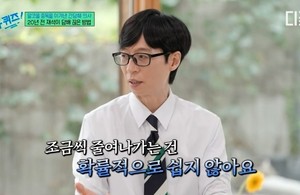
Yoo Jae-suk says he quit smoking cold turkey after 20 years — and research suggests that may be the better way
Behind every public figure's appearance lies a personal approach to health and wellness. This series examines the diets, exercise routines, procedures, and beauty and fashion choices of people in the spotlight. 02 2026-09-11 14:13:10 N Y Broadcaster Yoo Jae-suk, 54, has said he was once a smoker and has now been tobacco-free for about 20 years. He said he initially tried cutting back gradually but found it too difficult, and ultimately chose to quit all at once. Yoo shared his experience on the tvN program "You Quiz on the Block," saying he had smoked in the past and had been quit for 20 years. He said his first attempt involved limiting himself to five cigarettes a day, but that approach did not work. He eventually decided to stop entirely in one go rather than tapering off. The longer a person smokes, the greater the risk of developing various diseases, making early cessation all the more important. But for smokers who have developed a nicotine dependence, quitting is not simply a matter of willpower — it requires overcoming physical withdrawal symptoms while also changing deeply ingrained lifestyle habits. Cigarette smoke attacks more than just the lungs Cigarette smoke contains thousands of chemical compounds — including nicotine, tar, carbon monoxide, formaldehyde and benzene — many of which are toxic or carcinogenic. Harmful substances inhaled during smoking do not stay in the airways and lungs; they enter the bloodstream and travel throughout the body. The effects of smoking therefore extend well beyond lung disease. In the respiratory system, cigarette smoke repeatedly irritates the airways and lung tissue, triggering inflammation and reducing lung function. Long-term smoking can cause chronic cough, phlegm and shortness of breath, and raises the risk of chronic obstructive pulmonary disease (COPD). It also weakens the airways' natural defenses, increasing vulnerability to infection, and lung cancer is one of the diseases most closely linked to smoking. The heart and blood vessels bear a burden as well. Carbon monoxide binds to hemoglobin in the blood, reducing its ability to carry oxygen, while other harmful compounds in tobacco damage the inner walls of blood vessels and promote inflammation. Nicotine stimulates the sympathetic nervous system, accelerating the heart rate, raising blood pressure and constricting blood vessels. Repeated exposure can accelerate the development of arteriosclerosis and increase the risk of cardiovascular and cerebrovascular conditions such as heart attack, angina and stroke. According to the WHO, smokers face two to four times the risk of coronary artery disease and stroke compared with non-smokers. Quitting cold turkey — is it more effective than cutting back gradually? Research suggests that quitting all at once, as Yoo did, may be more effective for some people than tapering off. A research team at the University of Oxford in the United Kingdom compared quit rates among 697 adult smokers based on their cessation method. One group stopped smoking entirely on a set quit date, while the other reduced their smoking by about 75 percent over the two weeks leading up to that date before stopping. After four weeks, 49 percent of those who quit abruptly had remained smoke-free, compared with 39 percent of those who cut back gradually. The same pattern held at six months, with rates of 22 percent and 15.5 percent, respectively. The researchers said the process of gradually reducing cigarette consumption may itself have added an extra burden for some smokers, potentially making it harder to complete the final transition to full cessation. Because nicotine dependence and smoking habits vary from person to person, finding a strategy that suits the individual is important. For those who find it difficult to quit on their own, seeking professional help from the outset is also an option. Getting through just a few minutes can make all the difference In the early stages of quitting, one of the biggest challenges is riding out sudden, intense cravings. According to the Mayo Clinic, cravings typically ease within a few minutes even when they feel overwhelming. When the urge to smoke strikes, waiting about 10 minutes and redirecting attention to another activity can help. Options include drinking water, chewing sugar-free gum, taking a short walk or simply getting up and moving around. It also helps to identify situations that typically trigger the urge to smoke — such as drinking coffee or alcohol, or right after a meal — and to plan alternative behaviors in advance. During the quitting process, nicotine withdrawal symptoms may appear, including irritability, anxiety, difficulty concentrating, insomnia, increased appetite and mood changes. For those who repeatedly relapse or find that these symptoms interfere with daily life, smoking cessation counseling and behavioral therapy are available. Quitting smoking is not simply a matter of getting through each day without a cigarette — it is a process of overcoming nicotine dependence while changing lifestyle habits at the same time. Even after multiple failed attempts, trying again remains an option, and the chances of success improve when a person finds the right approach and makes use of professional support.
Sept. 11, 2026
-

Hwaseong to host family festival celebrating King Jeongjo's filial devotion
Event features Muyae 24 Techniques performances, King Jeongjo Golden Bell quiz and hands-on traditional culture activities Family programs include family motto calligraphy, traditional knotting and archery Festival runs Saturday from 10 a.m. at Jeongjo Hyo Culture Park A historical and cultural festival celebrating King Jeongjo's filial devotion and traditional Korean culture will be held in Hwaseong, offering activities for the whole family. Hwaseong will host the 2026 King Jeongjo Filial Piety Experience Festival at Jeongjo Hyo Culture Park on Saturday from 10 a.m. to 6 p.m. Held under the theme "Connecting Hearts Through King Jeongjo's Filial Spirit," the event is designed to honor the king's devotion to his parents and give residents an accessible, enjoyable introduction to traditional culture. The centerpiece of the festival is the Muyae 24 Techniques program, a recreation of representative military martial arts from the Joseon era under King Jeongjo. A performance will open the event at 10 a.m., followed by a 30-minute audience participation session beginning at 11 a.m. Additional performances and hands-on sessions will run from 2:30 p.m. to 4 p.m. A magic show for families will take the stage at 2 p.m. At 4 p.m., the King Jeongjo Golden Bell quiz will challenge participants with questions on the king, filial culture and traditional history. A total of 50 participants will take part — 25 registered in advance and 25 on the day — and the top five finishers will receive prizes. The festival will close with a lively traditional performance featuring beonanori spinning-top acrobatics and a lion dance, running for 30 minutes from 5 p.m. before the event wraps up at 6 p.m. The hands-on activity area will offer family motto calligraphy and traditional knotting craft sessions, each running five times throughout the day — at 10:30 a.m., 11:30 a.m., 1:30 p.m., 3 p.m. and 4:30 p.m. — with 10 participants per session. A wide range of drop-in activities will also be available to all visitors. These include making hopae and mapae identification tablets, traditional archery, gyeokjaeng drum petition demonstrations, tuho ring toss, making and kicking jegi shuttlecocks, making and playing tal ddakji mask cards, and crafting jokduri traditional headpieces. Craft workshops will let visitors make traditional sticker munjado scroll hangings and peach-blossom lanterns. A photo zone where visitors can dress in royal court attire and take commemorative pictures will also be set up, offering families a special keepsake. Advance registration for the family motto calligraphy, traditional knotting craft, Muyae 24 Techniques experience and King Jeongjo Golden Bell quiz is available via QR codes printed on promotional materials. Some programs will also accept walk-in registrations at their respective booths on the day of the event.
Sept. 11, 2026
-

AI companion dolls serve as friends and assistants for elderly residents in Taebaek
For elderly residents receiving care services in Taebaek, Gangwon Province, an AI companion doll is both a friend and a personal assistant. The device holds everyday conversations with its owner, offers a range of interactive content, and provides voice reminders for medication schedules, hospital appointments and other personal daily information. It also alerts care workers when it detects warning signs — such as an emergency call, negative expressions or distress-related words — so staff can review the situation and take any necessary action. Taebaek plans to go beyond using the AI companion doll as a simple conversation device. Through ongoing monitoring by neighborhood administrative welfare centers and partner organizations, the city aims to identify elderly residents in need of care at an early stage. Any health, safety or emotional difficulties flagged by the device will be referred to local institutions such as public health centers and welfare agencies, and managed within an integrated support system covering medical care, long-term care and welfare services. The city currently operates 100 AI companion dolls and announced Friday it will soon expand that number to 200. To prepare for the rollout, it recently held an AI care robot training session for frontline care workers at eight neighborhood administrative welfare centers and the Taebaek City Welfare Foundation. The training was designed to strengthen workers' ability to operate the devices and manage care recipients, enabling more systematic support for elderly residents who need assistance. "The AI companion doll is a supplementary care tool that eases loneliness for elderly residents while also detecting small warning signs in their daily lives," a city official said. "We will strengthen our integrated care system so that residents who need help can be identified early through staff training and continuous monitoring, and the necessary health and welfare services can be connected to them promptly."
Sept. 11, 2026
-

Festival showcasing endangered species to be held in Hongcheon
Gangwon Province Natural Environment Research Park A rare festival offering visitors a close look at disappearing plants and animals — including a specimen of the great Jeju longhorn beetle, Natural Monument No. 218, as well as the two-spotted stag beetle, giant water bug, Korean dung beetle and Neofinetia falcata orchid — is set to open in South Korea. The Gangwon Province Natural Environment Research Park will hold the 7th Endangered Flora and Fauna Festival from Sept. 18 to 20. The festival features a wide range of programs allowing visitors to encounter rare species rarely seen in urban settings and to develop a natural appreciation for the importance of ecosystem conservation. Alongside this, a photo exhibition capturing endangered insects in vivid detail and a botanical illustration show featuring rare plants of the Korean Peninsula will also be held. Visitors can experience living insects firsthand through all five senses, take part in nature-themed craft activities such as making moss doll planters, and try VR horseback riding — blending hands-on experience with play. A special magic performance will also be staged. All programs during the event are free of charge. An Su-dong, director of the Gangwon Province Natural Environment Research Park, said he hopes the festival will offer families a unique and enjoyable experience while also serving as a meaningful opportunity to reflect on the value of the living things disappearing from our world.
Sept. 11, 2026
-
![[Webtoon] Where should Seoul build its next apartments? [Walkspot]](https://wimg.heraldcorp.com/news/cms/2026/09/11/news-p.v1.20260911.a0e6f5642c7a427f9643d131dd61c391_T1.jpg?type=h&h=240)
[Webtoon] Where should Seoul build its next apartments? [Walkspot]
Episode 30: Seoul Apartments Seoul has long been a city of too many people and too little land. From hillside slopes to islands, Gangnam to the outskirts, and even the greenbelt, it has kept pushing outward to find new places to build. Now, almost no empty land is left to develop. Yongsan, Yeomchang, Tancheon, Taereung. We face a new question. Where do we build? And what do we preserve? To be continued... Yeomchang Park (San 24-1, Yeomchang-dong, Gangseo-gu, Seoul) Yongsan Children's Garden (21 Hangang-daero 38-gil, Yongsan-gu, Seoul) Taereung Athletic Training Center (682 Hwarang-ro, Gongneung-dong, Nowon-gu, Seoul) Tancheon Water Reclamation Center (625 Gaepo-ro, Gangnam-gu, Seoul) Adapted and illustrated by Lee Ju-seop, CP jusoeba@heraldcorp.com [Created with the assistance of AI]
Sept. 11, 2026
-

'Dream High Season 3: Reboot' opens with Seven, Yukhyeon returning to stage
Directed by Kim Sung-su in a fresh reinterpretation Show explores life after achieving one's dreams and the courage to try again Choreography by Choi Young-jun; movement direction by Seo Byung-gu Runs through Oct. 18 "Dream High," the story of young people chasing their dreams, has returned to the stage — this time set a decade later. Art One Company announced Friday that the musical "Dream High Season 3: Reboot" opened Tuesday at the BBCH Hall of Gwanglim Arts Center in Seoul. The production continues the world of its predecessors while centering on the realities and new challenges the characters face after 10 years have passed. Where Seasons 1 and 2 focused on the growth and rivalry of young dreamers striving toward their goals, Season 3 begins with two questions: What remains after a dream is achieved? Can a stalled dream be started again? At the heart of the story are characters who have experienced failure in an environment where success and defeat are judged quickly, and who must choose whether to find their own path once more. Director Kim Sung-su has preserved the emotional core of the earlier works — music, dance, competition and friendship — while reshaping the narrative for contemporary audiences. The production weaves together memories of the past and the realities of the present, offering longtime fans a sense of familiar change while giving first-time viewers a self-contained coming-of-age story. What sets this reboot apart is its use of the passage of time itself as the engine of the story, rather than simply recreating a beloved property. While targeting both returning fans and new audiences, the production foregrounds universal themes — anxiety after success and the choice to begin again — rather than leaning on nostalgia alone. In doing so, it broadens "Dream High" beyond its origins as a youth story, making it one that adult audiences can claim as their own. Music and dance play a larger role than ever on stage. Choreographer Choi Young-jun handled the principal choreography, while Movement Director Seo Byung-gu shaped the actors' physical expression and stage movement. Large-scale ensemble numbers visualize the pressure and desire felt by individuals amid competition, and the process of coming together again. Actor Seven returns to the role of Song Sam-dong, reprising the character from Season 2 and portraying the emotional arc of a man transformed by a decade of life. After the opening performance, Seven said, "I am so happy to be able to show you all a newly reimagined 'Dream High.' I hope you will continue to show it your love and support." Yukhyeon also takes on a key role in the production, with an emphasis not only on performance but on conveying the character's inner emotional shifts. At the opening night curtain call, Yukhyeon said, "A great deal happened before we could bring this show to the stage, but everyone found the strength to push through together, and here we are." Chanho, making his musical stage debut with this production, personally called out the name of each ensemble cast member during the curtain call. The production is led by Art One Company General Producer Kim Eun-ha, and a new producer who graduated from the Korea National University of Arts has joined as co-producer starting this season. "Dream High Season 3: Reboot" runs through Oct. 18 at the BBCH Hall of Gwanglim Arts Center. The cast includes Seven, Yukhyeon, Jang Dong-woo, Yoo Young-jae, Sun Ye, Lee Ji-hoon, Yeji, Yeo Won and Lim Se-jun.
Sept. 11, 2026
-
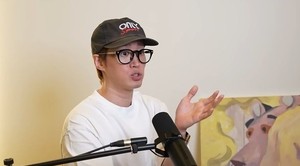
Tablo says he's sleeping only 4 hours a night — why sleep matters more as you age
Behind every public figure's appearance lies a personal health and beauty regimen. This series examines the diets, workouts, treatments, and lifestyle choices of people in the spotlight. Epik High member Tablo has revealed he has been averaging only four hours of sleep a night for the past month due to insomnia. Despite trying warm water, warm milk, exercise, sunlight exposure, melatonin, magnesium and meditation, he said he still cannot fall asleep easily. "Insomnia has come back over the past month," Tablo said on his YouTube channel. "I'm averaging about four hours of sleep a day, and at my age that's dangerous." He added that the prolonged sleep deprivation has left him so worn out he sometimes loses track of what he is saying. He described a range of remedies he has tried: drinking warm water, warm milk and chamomile tea, exercising and getting sunlight, and taking melatonin and magnesium supplements, as well as meditating — none of which produced satisfying results. The causes of insomnia are wide-ranging and include stress, lifestyle habits, underlying conditions and medications. For people in middle age and beyond, changes in sleep architecture and circadian rhythms that come with aging can add another layer of disruption. Lying in bed for hours but still not rested? Deep sleep declines with age As people age, sleeping the same way they did in their youth becomes increasingly difficult. Total sleep time tends to shorten, sleep grows lighter, and the number of nighttime awakenings rises. Slow-wave sleep — the deep sleep involved in physical recovery and memory consolidation — makes up a smaller share of the night. As a result, even after spending enough hours in bed, many people no longer wake up feeling truly rested. A meta-analysis published in the international journal Sleep confirmed these patterns. Researchers analyzed 65 studies covering 3,577 participants between the ages of 5 and 102 and found that as adults grow older, total sleep time, sleep efficiency and the proportion of slow-wave sleep all decline, while the amount of time spent awake after falling asleep increases. Not all of these changes can be attributed to normal aging alone, however. Pain, nocturia, medications, alcohol consumption, sleep apnea, and conditions such as depression and anxiety can also disrupt sleep. Anyone who snores heavily, experiences breathing interruptions during sleep, or feels overwhelming daytime drowsiness and fatigue despite spending adequate time in bed should consider whether a sleep disorder such as sleep apnea may be involved. Feeling sleepy early in the evening, waking before dawn — the body clock shifts with age Not only the depth of sleep but also its timing can change with age. The body has an internal clock that regulates sleep and wakefulness in sync with the day-night cycle, and this rhythm tends to shift earlier as people get older. The amount and pattern of melatonin secretion — which normally rises at night — can also change with age. When the circadian rhythm advances, people may find themselves feeling drowsy in the early evening and waking naturally in the early hours of the morning. For this reason, getting plenty of bright light during the morning and daytime hours is important, as is reducing light exposure in the evening. Daytime sunlight signals the body clock that the day has begun, helping keep the sleep-wake rhythm consistent. Before bed, it helps to dim bright lights and limit prolonged exposure to bright screens such as televisions and smartphones. Strong light at night suppresses melatonin secretion and can delay the time it takes to fall asleep. 'I worked out hard at 9 p.m. and felt even more wired' — the timing of exercise matters Tablo said he once tried intense exercise around 9 p.m., thinking that physically tiring himself out would help him fall asleep. Instead, the heightened alertness that followed the workout lingered and made it even harder to get to sleep. Regular exercise can improve overall sleep quality, but vigorous activity immediately before bed raises heart rate, body temperature and alertness — and for some people that can actually interfere with sleep rather than help it. The Korean Sleep Research Society recommends exercising regularly during the day but avoiding overly intense workouts within three to four hours of bedtime. The bedroom environment also plays a role. Minimizing light and noise and keeping the room at a comfortable temperature can make a difference. Maintaining a consistent daily rhythm — waking at roughly the same time each day and keeping naps short — is also beneficial. A month of insomnia disrupting your days? Find the cause rather than just trying harder to sleep A few restless nights happen to everyone. But when insomnia persists for weeks despite multiple lifestyle changes — as in Tablo's case — and begins to affect daytime functioning through fatigue and difficulty concentrating, it should not be dismissed as simply being "someone who can't sleep." It is worth examining whether an underlying condition or medication may be driving the insomnia, and seeking specialist sleep care if needed. For chronic insomnia, cognitive behavioral therapy for insomnia (CBT-I), which addresses maladaptive sleep habits and sleep-related anxiety, is one established treatment option. Getting good sleep is not just about piling on more remedies in an effort to force sleep. Staying in bright environments during the day, creating conditions at night that allow the body and brain to rest, and — when insomnia persists — identifying the root cause are the priorities.
Sept. 11, 2026
-
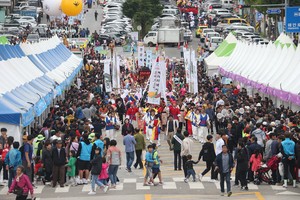
Norazo, Jang Min-ho headline speech-free Mureungje festival in Donghae
Sept. 17–20: art and nature converge along the Baekdudaegan ridge Jang Min-ho, Park Hye-shin and Choi Su-ho set to perform; local food takes center stage Festival pledges no ceremonial speeches, no price gouging, no accidents Known as "Korea's Utopia," Mureung Valley in Donghae, Gangwon Province is a nationally designated scenic site whose breathtaking landscapes and spiritual aura were recorded in the Joseon-era text "Cheokjuji," in a chapter on Dutasan. Communities living along the slopes of Dutasan, Cheongoksan and Swineumsan — all part of the Baekdudaegan mountain spine — have long regarded the valley as a guardian spirit of their region. The Mureungje festival was born from that spirit. When Donghae was elevated to city status in 1980 through the merger of Bukpyeong-eup in Samcheok County and Mukho-eup in Myeongju County, residents channeled the valley's storied energy into a festival meant to drive the new city's growth. The event brings together local artists and performers who showcase their craft before residents and visitors, while celebrated regional dishes are laid out for tourists and locals alike. The 39th Mureungje festival runs Sept. 17–20 at Donghae Wellbeing Leisure Sports Town. The city of Donghae is the host, with the Donghae Culture and Tourism Foundation serving as organizer. This year, Donghae has decided to scrap the opening ceremony's customary speeches entirely, freeing up that time for more arts and culture programming. The move echoes a broader trend in which weddings are dropping the formal officiant's address in favor of performances and interactive moments. Donghae has recognized that a nationally celebrated scenic site and its arts-and-nature festival are not well served by a procession of suit-clad officials collecting greetings from neighborhood heads and women's association leaders. The moment a beautiful tourist landscape is overtaken by a long relay of institutional speeches and VIP itineraries, the destination loses much of its appeal and visitors turn away — a pattern seen the world over. Experts advise officials attending events for safety or management purposes to dress like ordinary visitors. Donghae's decision to hold a speech-free festival is a refreshing change of approach. Unlike last year, the opening ceremony and main performance stages have been moved to the grass field at Donghae Wellbeing Leisure Sports Town. The expanded space has been reorganized to accommodate performances, hands-on activities, food and amenities in a new layout — a shift that goes beyond a simple venue change, transforming the festival from a spectator event into one where visitors linger and take part. True to its promise, the opening ceremony on Wednesday at 7:15 p.m. will drop the traditional VIP speeches, moving straight from a video presentation and opening declaration into the celebratory performances. A Navy honor guard and military band will perform before the ceremony, joined by a troupe from Anhui Province in China, before Jang Min-ho, Norazo, Park Hye-shin and Choi Su-ho take the stage. The festival grounds will also have a new look. A "light tunnel" made of more than 560 traditional lanterns will greet visitors at the entrance for the first time, while the grass area will feature dedicated zones for a marine rescue experience, traditional games and sports — expanding the range of activities for families with children. Another guiding principle for this year's festival is the "three zeros" pledge: no ceremonial speeches, no price gouging and no safety incidents. The focus is not only on adding programming but on removing friction for visitors. Food stalls will be run by local restaurants and dessert vendors offering regional fare at reasonable prices. Final preparations are now in full swing ahead of the opening. The city and the foundation are conducting intensive checks of the revamped venue layout, covering visitor flow, parking and traffic, food, amenities and safety management as they race to be ready for guests. Jeong Yeon-su, chief executive of the Donghae Culture and Tourism Foundation, said the organizers had focused on delivering change that visitors would feel on the ground. "We are carrying on 39 years of tradition, but the emphasis this year is on changes that people will notice the moment they arrive," he said. "We will keep refining things right up to the end so the festival is safe, comfortable and full of things to enjoy — with less formality and more fun."
Sept. 11, 2026
-

Im Young-woong's 'Ddoddo' proves 10 years of quiet mastery
Another chart sweep on comeback A decade of musical achievement 'The power of comfort delivered without force' Im Young-woong has done it again — a chart sweep that began the moment he made his comeback. His new release instantly dominated South Korea's largest music streaming platform, with every track on the album following close behind onto the charts. According to his agency Fish Music and the streaming platform Melon on Friday, the title track "Ddoddo" from Im's 10th-anniversary special album "IM HERO 10," released Tuesday, topped Melon's Hot 100 chart within one hour of its release. Every other track on the album also entered the upper reaches of the chart. It took less than a day for Im to achieve a full chart sweep — claiming the top spots on the real-time charts of all major domestic streaming platforms, including Genie, Bugs and Vibe. As of Friday, "Ddoddo" sits at No. 5 on Melon's Hot 100, with all tracks from the album placed within the top 20. Im has consistently demonstrated strong streaming power with each new release, but this comeback carries special weight as the culmination of a full decade since his debut. Even amid a crowded field of chart-dominating acts each season, he has shown that his staying power goes beyond fandom loyalty — it reflects a decade of steady musical growth built in relative silence. His beginnings were anything but glamorous. Im made his debut on Aug. 8, 2016, with "I Hate You / Summer Rain," and spent years in obscurity with songs like "What Matters" (2017) and "Take the Elevator, Not the Stairs" (2018). At the time, he was a rookie firmly rooted in the conventions of traditional trot music — a deep, trembling voice and the sharp, plaintive vocal breaks the genre demands. The turning point came in 2020. After winning TV Chosun's "Mr. Trot" by a commanding margin, Im began dismantling genre boundaries in earnest. He embraced polished pop ballads like "Trust Me Now" and showcased an expansive British rock vocal style on "HERO." By 2021, collaborating with Sol Woon-do on the lyrical folk-trot "My Love Like Starlight" and recording the drama series theme "Love Always Runs Away," he had shed the trot vocal style almost entirely, completing his transformation into an adult contemporary vocalist with broad, effortless appeal. "Love Always Runs Away" in particular became a national favorite — surpassing 1 billion streams on Melon and topping both the noraebang and Gallup charts for three consecutive years. His first full-length album, "IM HERO," released in May 2022, gave that growth wings. It featured an emotional ballad co-written by Lee Juck, "Can We Meet Again," alongside the hip-hop and reggae-inflected "A Bientot" and the breezy folk-rock track "Rainbow," signaling the full flowering of his musical range. Pre-orders alone exceeded 1 million copies, and the album crossed the 1 million mark within three days of release, finishing its first week with 1,102,012 copies sold. His total physical album sales have since surpassed 2.5 million copies. Im has never stopped evolving within his music. Starting with his first self-composed track, "London Boy" (2022), he has continuously expanded his range — from "Grains of Sand" (2023), a song of deep repose built on nothing but guitar melody and a gentle whistle, to the EDM track "Do or Die" (2023), paired with bold synchronized choreography, to "Warmth" (2024), a tender consolation tied to a short film. His new single "Ddoddo" is also self-composed, capturing the quiet everyday moments with his dog Siwol in a soothing acoustic melody that brings him one step closer to his listeners. The greatest strength of Im's music is its ease. Even on high notes, he never strains for effect or forces his voice into a shout. "Im Young-woong sings as if he is speaking — laying the lyrics on top of his breath," one music industry insider said. "Even as the notes climb, his voice never cracks; it flows as smoothly as a single breath." Particularly striking is his restraint with sorrow: rather than pushing emotion to its breaking point, he holds back, leaving perhaps 70 to 80 percent of the feeling unspoken and pausing for a beat. Another industry insider noted that since Im began writing his own songs, the lyrical direction has moved beyond conventional love songs toward something more existential — a sense of solidarity and a contemplative view of life that adds literary depth. "On top of that, the comfortable space his vocals leave open invites listeners to fill it with their own memories and longing," the insider said. "That is Im Young-woong's greatest power."
Sept. 11, 2026
-

Yoon Hye-jin, 46, says she eats this dish daily to keep her ballerina physique
Behind the beauty of people in the public eye lies their own particular approach to self-care. "Their Beauty Aesthetics" looks at the diets, workouts, treatments, beauty and fashion of newsmakers as everyday lifestyle information. Former ballerina Yoon Hye-jin, 46, recently shared the healthy meal she has been eating often these days. It is a light dish piled with vegetables such as cabbage and cucumber, with tuna added for protein. While the combination works well for weight management, people with high activity levels should be cautious about eating meals with almost no carbohydrates, like this one, at every sitting. Yoon recently posted a photo of the dish on her social media account with the caption, "What I've been eating every day lately." The plate held shredded cabbage, cucumber, tuna and seaweed, topped with sesame sauce. "This may not look like much, but it tastes amazing," Yoon wrote, also showing herself wrapping the cabbage, cucumber and tuna in the seaweed like a lettuce wrap. A former principal dancer with the Korea National Ballet, Yoon married actor Uhm Tae-woong in 2013, and the couple have a daughter. Having kept up consistent exercise and body management, she drew attention this year by returning to the ballet stage for the first time in about a decade. Cabbage, cucumber and tuna: a light, filling one-plate meal The biggest advantage of Yoon's meal is its low energy density. Cabbage and cucumber are high in water content and relatively low in calories. They also contain dietary fiber, which helps keep portions substantial while controlling overall calorie intake. Cutting portion sizes too drastically while dieting can trigger intense hunger, making it hard to stick with a diet over time. Eating plenty of low-calorie, high-volume foods like vegetables can help build a satisfying plate while keeping the calorie count down. Tuna serves as the protein source in this meal. Protein not only helps maintain satiety after eating but also plays an important role in minimizing muscle loss during weight loss. This is especially true for people in their 40s and beyond, who need to pay attention to muscle maintenance, not just the number on the scale. Since muscle mass and strength tend to decline with age, sufficient protein intake paired with regular strength training is recommended. The US National Institute on Aging also recommends getting protein from a variety of sources — fish and seafood, eggs, lean meat, beans and nuts — as part of a healthy diet. Adding seaweed is another way to round out the meal's nutrition. Seaweed contains various minerals, including iodine. However, those who frequently eat large amounts of seasoned seaweed should also watch their intake of added oil and sodium. Is a rice-free diet good for weight loss? No need to cut carbs entirely The plate in the photo contains almost no obvious carbohydrate source, such as rice, sweet potato or whole grains. While this can work as a way to keep one meal light, it would not be accurate to conclude that a diet is healthier simply because it lacks carbohydrates. Carbohydrates are the body's primary energy source for physical activity. This is especially true for high-intensity activities like ballet, where consuming far less than the body needs can hurt performance and lead to fatigue. When managing weight, it is more realistic to adjust the type and amount of carbohydrates consumed rather than eliminating them altogether. That means cutting back on foods made with sugar or refined grains while eating brown rice, mixed grains, whole grains, beans and sweet potatoes — foods that provide fiber and other nutrients — in amounts suited to one's activity level. So there is little issue with building one light, vegetable- and protein-centered meal like Yoon's, as long as other meals provide enough carbohydrates. On the other hand, maintaining a similarly low-calorie, low-carbohydrate diet for all three meals a day over a long period could lead to shortfalls in energy and various nutrients. After 40, focus on muscle and bone health, not just the number on the scale When managing diet in middle age and beyond, it is important not to focus solely on weight loss but also to look after muscle and bone health. Yoon's plate includes tuna as a protein source, but there is no need to rely on the same food every day. Rotating protein sources — eggs, tofu, beans, chicken and various kinds of fish — can help diversify a diet's nutritional makeup. Women in particular need to pay attention to bone health after middle age. Getting enough calcium and vitamin D, along with consistent weight-bearing and strength exercises, can help. While the meal Yoon shared does not include dairy or foods fortified with calcium or vitamin D, there is no need to fit every nutrient into a single meal — what matters more is achieving balance across a full day's meals. The nutritional content of the sesame sauce and canned tuna can also vary by product. Sesame itself contains unsaturated fats, but some store-bought sauces are high in sugar or sodium. Tuna, too, differs in calories and fat content depending on whether it is packed in oil or water. A meal like Yoon's — rich in vegetables and paired with protein — can be a good option for weight management. However, what determines a healthy diet is not a single plate but balance across an entire day. Consuming carbohydrates, protein and fat in amounts suited to one's activity level, while also caring for muscle and bone health after middle age, is the way to maintain a healthy body over the long term.
Sept. 11, 2026
-

Everland's newest panda cub named Shubao after 220,000 votes
Fourth cub follows Fu Bao, twin sisters Name means "treasure bright as dawn light" Shubao wins 42% of 220,000 votes cast Cub grows from 171g to 5.5kg in 100 days The fourth baby panda born at Everland's Panda World has been named Shubao, or Seobo, following a public vote that drew 220,000 entries. Samsung C&T's resort division, Everland, officially unveiled the name Friday as the cub marked its 100th day. Shubao is a female giant panda born through natural breeding on June 3 to father Le Bao and mother Ai Bao. She follows Fu Bao, born in 2020, and twins Rui Bao and Hui Bao, born in 2023. Her name carries the family's shared syllable "bao," meaning "treasure," combined with a meaning of "treasure bright as dawn light." The name was finalized through a two-month public naming campaign and vote that began July 13. More than 10,000 people took part in the first round, submitting suggestions through Everland's social media and community comments. A naming committee of keepers and veterinarians then narrowed the submissions down to five finalists — Shubao, Yubao, Jubao, Linbao and Junbao — based on meaning and pronunciation. The second round of voting, held both online and offline, drew a total of 220,000 votes, with Shubao winning first place with 42 percent support. Yubao followed with 30 percent, then Jubao with 17 percent, Linbao with 8 percent and Junbao with 3 percent. Giant pandas are typically born prematurely, weighing under 200 grams, and international convention calls for naming them with a Chinese name around the 100-day mark, once their health has stabilized. Eldest sister Fu Bao and twin sisters Rui Bao and Hui Bao were also named through public campaigns around their 100th day. Everland held a naming announcement and 100-day celebration Friday morning at Panda World, attended by staff including zookeepers Kang Cheol-won and Song Young-kwan, along with fans and reporters. Shubao weighed just 171 grams at birth but has grown more than 30-fold, surpassing 5.5 kilograms by her 100th day. Her characteristic black markings emerged around 10 days after birth, and she now has the fully formed appearance of a panda. Raised under the care of mother Ai Bao and round-the-clock monitoring by keepers and veterinarians, Shubao has recently begun sleeping on her own. She has also started growing her first teeth, showing normal development. "Thanks to the interest and affection of the whole nation, our youngest, Shubao, was able to grow healthy through her 100th day," Kang said. "We ask for continued support for Shubao as she grows under the care of her mother, Ai Bao, and the keepers." Everland said it is closely monitoring Shubao's growth and her adjustment to outside conditions, and is considering opening her to public viewing before the end of the year.
Sept. 11, 2026
-
![[Photo Gallery] Friedrich Kunath solo show 'The Closest and Farthest Place' opens at Pace Gallery Seoul](https://wimg.heraldcorp.com/news/cms/2026/09/09/news-p.v1.20260909.e719b50706d3405ea0ebb4c58f376835_T1.jpeg?type=h&h=240)
[Photo Gallery] Friedrich Kunath solo show 'The Closest and Farthest Place' opens at Pace Gallery Seoul
Pace Gallery Seoul, located in Yongsan-gu, is presenting a solo exhibition by Friedrich Kunath titled "The Closest and Farthest Place" through Oct. 24. The show marks Kunath's first solo exhibition at Pace Seoul, featuring about 30 new paintings and drawings displayed across the gallery's second and third floors. The exhibition highlights the artist's distinctive painterly world, where dreamlike natural landscapes serve as a backdrop for personal memory and cultural imagery to intersect freely, blurring the line between the familiar and the unfamiliar, the real and the imagined. Born in Germany in 1974, Kunath graduated from the University of Fine Arts Braunschweig and is currently based in Los Angeles. He is known for combining disparate references — German Romantic painting, the landscape tradition of the Hudson River School and American pop culture — within a single composition, probing the boundaries between seriousness and humor, tragedy and comedy. By Lee Seung-hyun, Herald Art Day curator
Sept. 11, 2026
-

Award-winning Korean souvenirs make their retail debut at The Hyundai Seoul
25 winning works unveiled at The Hyundai Seoul President's Award goes to bangjja brassware tableware inspired by Baudeogi Permanent sales corner opens inside The Hyundai Souvenir Amazon, duty-free tie-ups planned for overseas expansion Korea's top tourism souvenirs are making their way into major retail spaces, expanding contact points with domestic and international consumers in earnest. The move aims to widen distribution channels for competitive tourism goods, supporting inbound tourism promotion and consumer spending. The Korea Tourism Organization will showcase the final selections of the "2026 Korea Tourism Contest" (souvenir category) at The Hyundai Seoul from Friday through Sept. 20. Themed "Korea Select 25," the event was organized to expand distribution channels for outstanding tourism souvenirs. The organization is working with its sponsor, Hyundai Department Store, to continue supporting sales channels that widen contact points with both domestic and international consumers. The event displays a total of 25 award-winning works, including "Baudeogi's Radiant Stage Unfolds on the Table," which won the President's Award in this year's contest. This bangjja brassware tableware, crafted around the fan motif of Baudeogi — a signature cultural heritage of Anseong — is displayed alongside the other selected works. They are on view in the central space on the fifth floor of The Hyundai Seoul. The works will also go on permanent sale in a shop-in-shop corner inside The Hyundai Souvenir, a popular shopping destination for both Korean and foreign visitors. Song Eun-kyung, head of the Korea Tourism Organization's shopping and accommodation team, said, "Building on our collaboration with Hyundai Department Store, we plan to actively support the expansion of sales channels through sponsoring organizations such as Lotte Duty Free and the National Museum Cultural Foundation, as well as entry into overseas online platforms like Amazon." Meanwhile, the organization will hold the country's largest "Tourism Souvenir Fair," bringing together Korea's leading tourism souvenirs, at Dongdaemun Design Plaza from Nov. 20 to Nov. 22. Companies participating in the fair will receive support such as free booths and one-on-one business consultations, with applications accepted through the organization's website until Sept. 18.
Sept. 11, 2026
MOST READ
- 1KAIST develops high-performance bio-based adhesive using E. coli instead of petroleum
- 2Pope Leo XIV declines French honors and banquet, accepts only private meeting with Macron
- 3Daimler Truck unveils next-generation transport solutions at IAA 2026
- 4What was Rachmaninoff's performance fee? A 1928 price list tells all
- 5Samsung Biologics union's show of force backfires at the bargaining table
- 6APR says hair-loss treatment research published in international journal
-
WORLD

US warns of punishment for anyone enabling Iran's Strait of Hormuz toll scheme
-
INDUSTRY

Toyota union puts productivity first; Hyundai Motor union demands bigger share of profits
-
FINANCE

National Growth Fund to invest $531M in FuriosaAI, which rebuffed Meta's $800M takeover bid
-
INDUSTRY

Korea Shipowners' Association holds amateur baduk tournament for Maritime Day