We see the world through food. Welcome to Middam, stories worth savoring. The day humans first mastered fire, the first chef was born. For more than a million years, they have woven culture into cuisine. These are the stories of chefs — the oldest artists in pursuit of gastronomy.
An interview with Lee Seon-young, chef of hansik dining restaurant O-eun
"Even the same dish leaves a different first impression depending on the vessel"
"I focus on bringing out the flavors of seasonal ingredients in their purest form"
"Be careful — it's hot."
Anyone who has ordered a bowl of rice at a Korean restaurant knows the warning well. The culprit is the stainless steel rice bowl, colloquially known as the "seutaeng bowl." Most diners have at some point grabbed one without thinking, only to recoil from the heat. The sight is so familiar it barely registers — yet the stainless steel rice bowl is, by almost any measure, a poor vessel for food.
Stainless steel conducts heat readily. Beyond the obvious burn risk, that property works against flavor. High thermal conductivity means the bowl loses heat just as fast as it absorbs it: rice arrives scalding, then cools rapidly, never settling at the temperature where it tastes best. The quick temperature swing also dries out the rice, degrading its texture.
Above all, the stainless steel bowl is aesthetically lacking — which is the main reason most people do not use one at home. The old Korean saying that "the taste of food lies in how it is presented" turns out to be more than folk wisdom. Research backs it up. A 2011 study published in the journal Appetite found that the same food was rated more delicious when plated neatly. In 2022, the journal Foods published findings showing that the aesthetic qualities of tableware make diners perceive food as tastier.
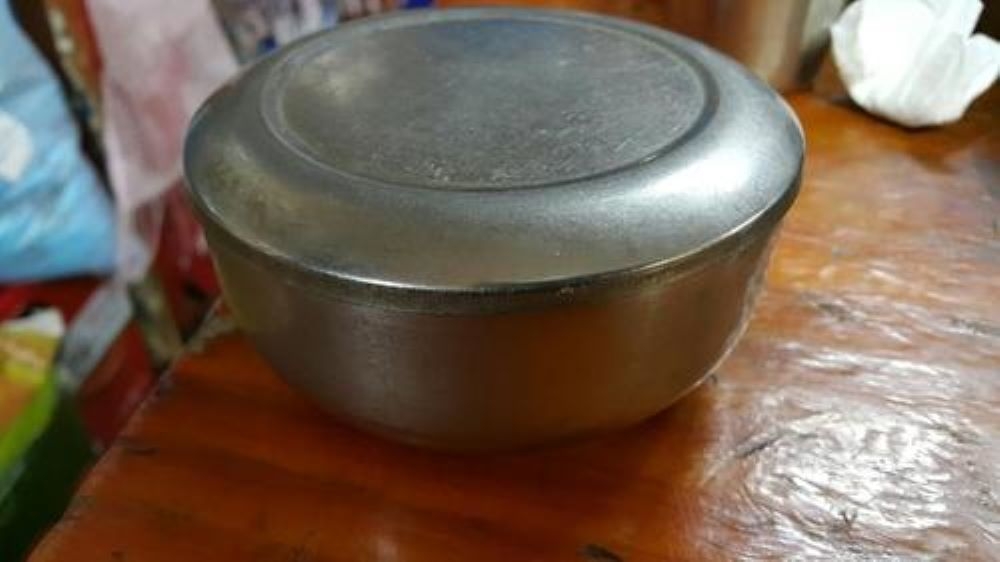
Yet the stainless steel bowl became the defining vessel of Korean dining — a legacy rooted in the country's history of poverty. The restaurant bowls in use today were born of a government effort to limit how much people ate. In 1973, facing a rice shortage, the Seoul Metropolitan Government mandated that restaurant rice bowls measure no more than 11.5 centimeters in diameter and 7.5 centimeters in height. Stainless steel was well suited to mass production.
South Korea's rapid economic growth brought prosperity, but the stainless steel bowl never disappeared — a lingering artifact of harder times. Restaurant owners had little reason to abandon a vessel that was cheap, durable and nearly impossible to break. Korean diners, meanwhile, had grown so accustomed to it that even its inconveniences felt normal.
Tableware shapes a dish's first impression: 'The value of food is built from every experience'
That perception is slowly shifting. As interest in fine dining has grown and more Koreans have traveled abroad, attitudes toward the stainless steel bowl have begun to change. The shift is most visible in the country's dining scene, where tableware is increasingly treated as an integral part of the meal.
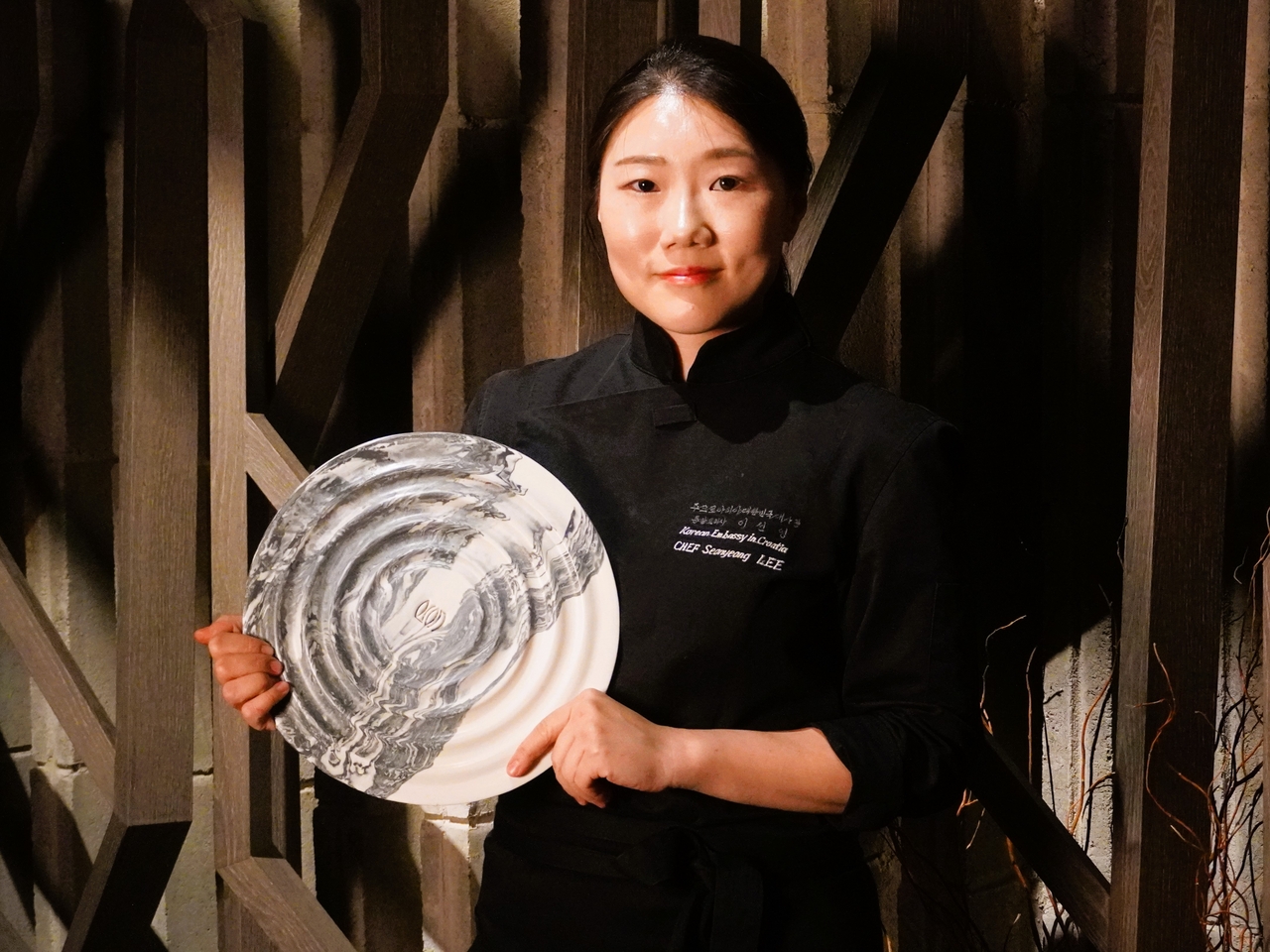
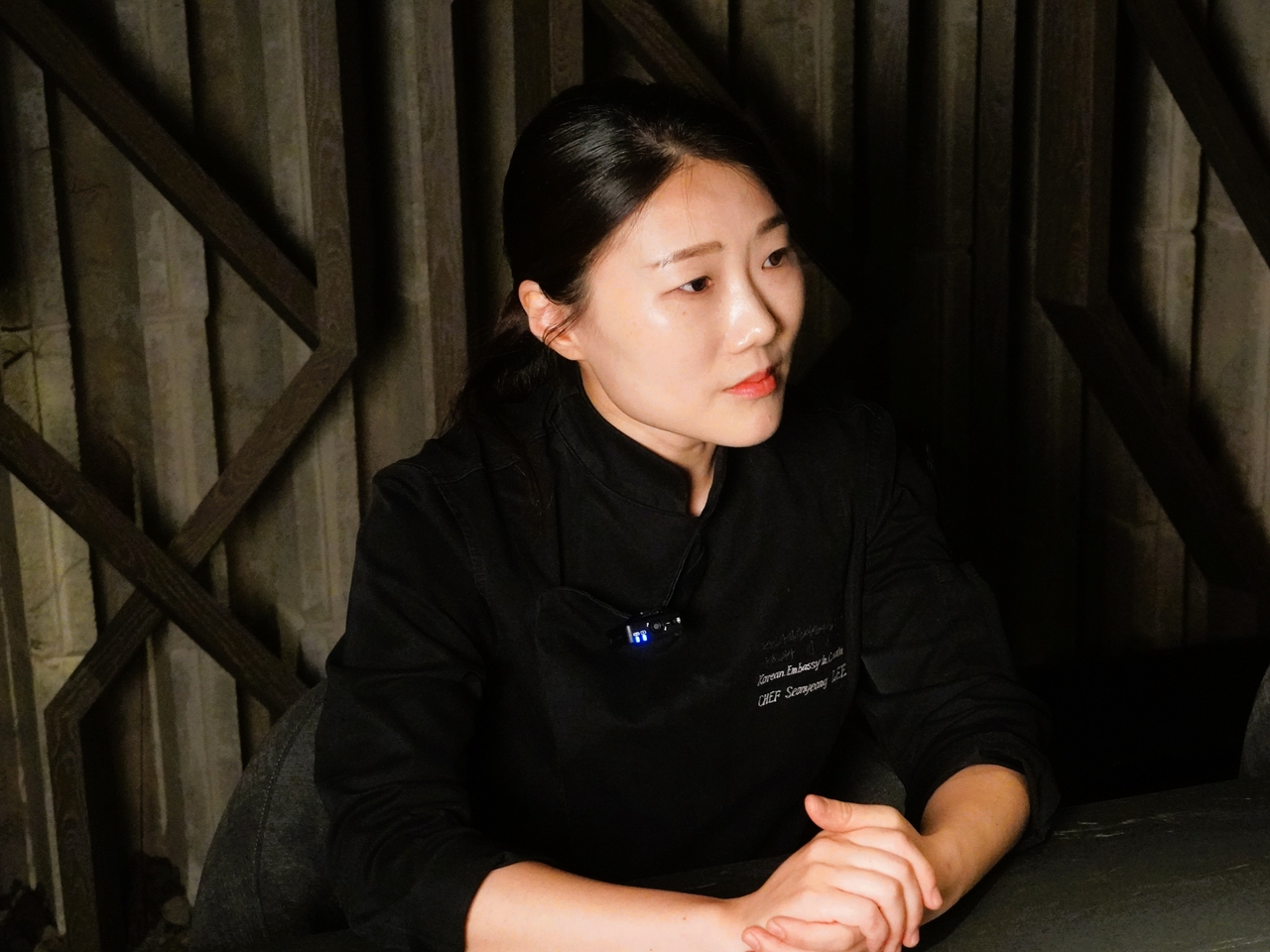
Chef Lee Seon-young of hansik dining restaurant O-eun is one of the people driving that change. A cook and a ceramicist, Lee designs and fires every piece of tableware used in her restaurant. The vessels she creates carry more than food — they hold the mood of a dish, the spirit of a season, the texture of the natural world.
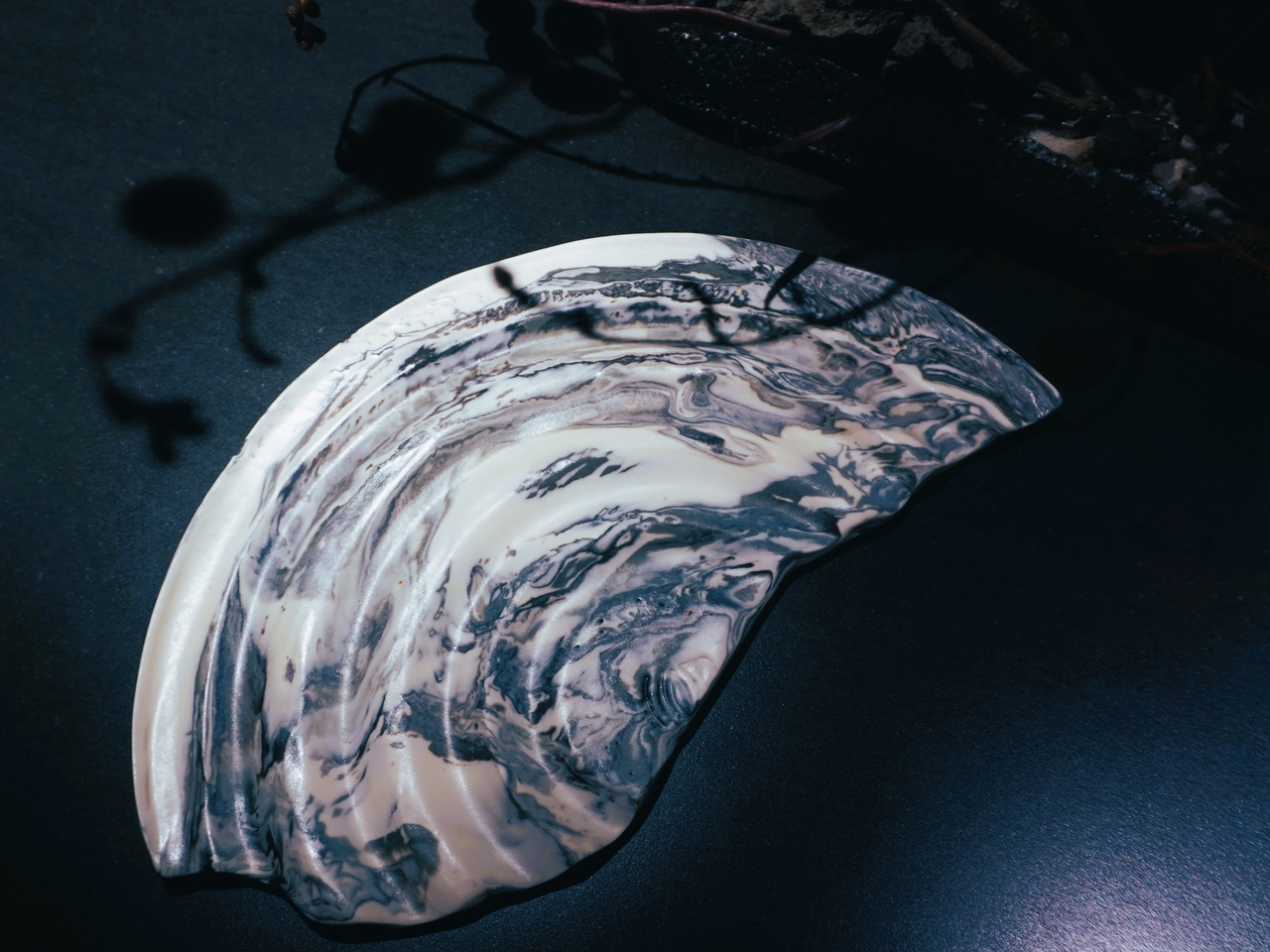
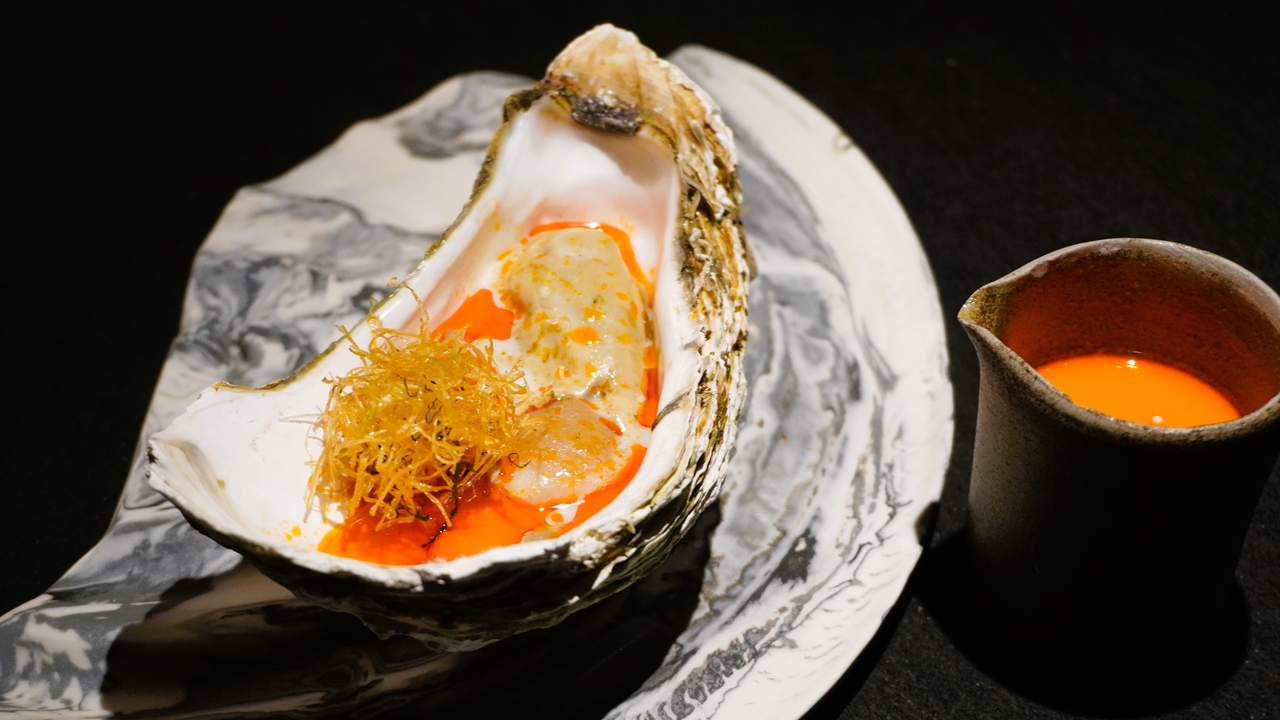
Her signature work is the "Marble Series" — plates defined by surfaces that recall the breaking swells of the Adriatic Sea, their patterns irregular as the foam a wave leaves on sand. No two pieces are alike. Lee typically plates seafood dishes on them, so that ingredients drawn from the ocean rest on vessels that mirror it. Plate and food lift each other, completing a single scene.
"When tableware and food bring out the best in each other and create a comfortable, joyful experience for the diner — that, I think, is the most important role tableware plays in gastronomy," Lee said. "Even the same dish can leave a different first impression depending on the vessel it is served in. The taste of food is only part of the experience. What you see, what you feel with your hands, what touches your lips — all of it shapes the meal."
Nature runs through everything Lee makes. She translates into ceramic form the moments the natural world produces: the shifting landscapes of each season, the shapes of plants, the movement of water. She is drawn less to precise symmetry than to the irregular forms that arise by chance. Nature never repeats itself — the foam a breaking wave leaves behind, the silhouette of a leaf trembling in the wind, each is different from the last. Her tableware shares that quality. Its imperfection gives it life; its refusal to be perfectly ordered makes it feel at ease.
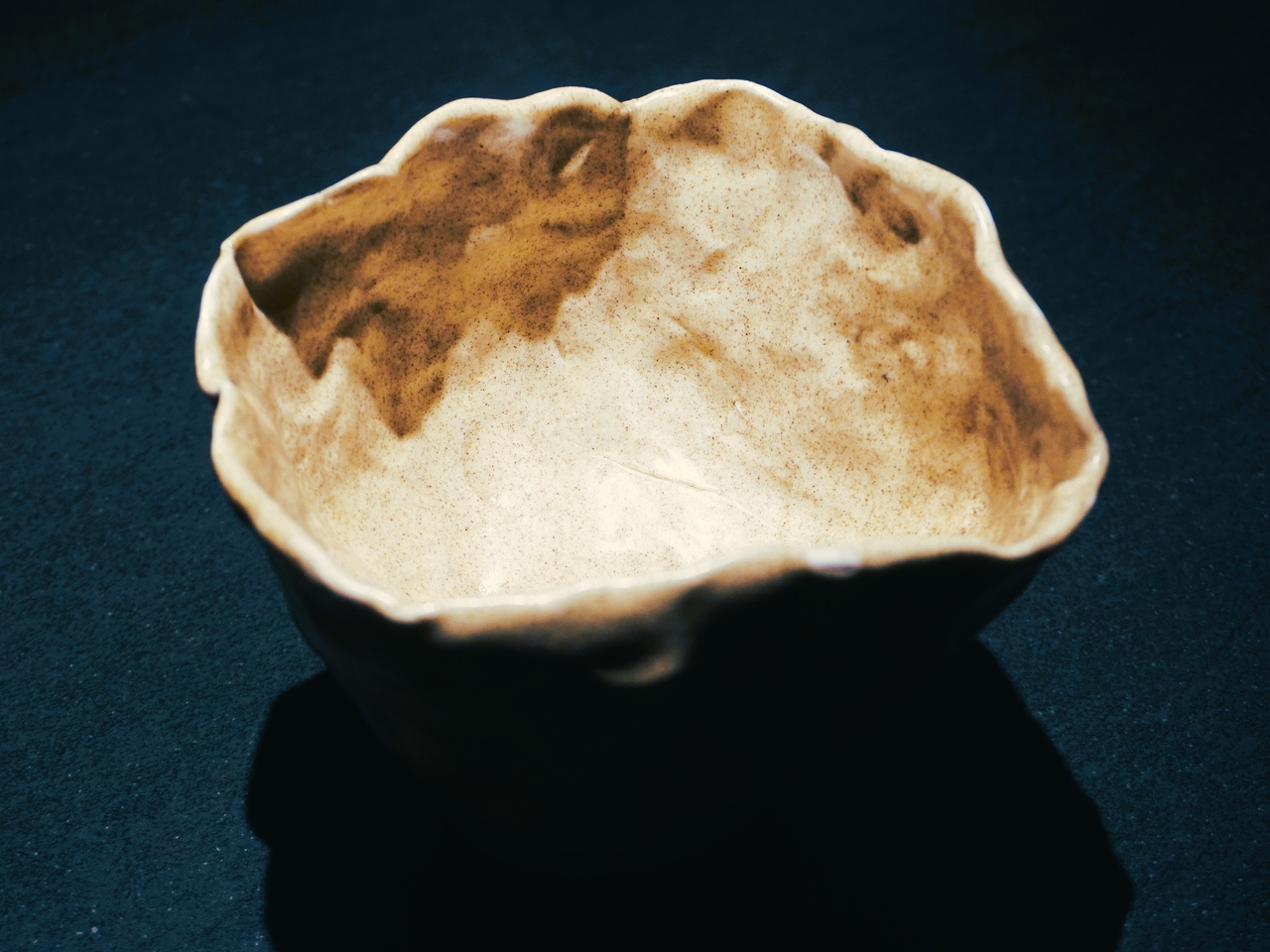
For Lee, tableware is not mere decoration. It is another expressive tool — one that shapes how a guest receives a dish. That philosophy is evident in the acorn mandu she plans to introduce this winter. For the dish, she chose a ceramic piece with an uneven surface and an irregular form: warm in color, naturally distorted as if shaped entirely by hand. It is nothing like a neatly trimmed plate. There is something rough and endearing about it, and it radiates the warmth of food made by hand — a fitting match for the humble, familiar character of acorn mandu.
Lee double-majored in ceramics while studying hotel culinary arts at Kyonggi University. From the time she first dreamed of becoming a chef, she wanted to make the tableware that would best showcase her cooking.
"Restaurants are evolving into comprehensive entertainment spaces," she said. "Many elements come together to fill the senses — not just taste, but sight, sound and smell as well. I believed tableware was one of those elements. I wanted to make the vessels that would suit my food best."
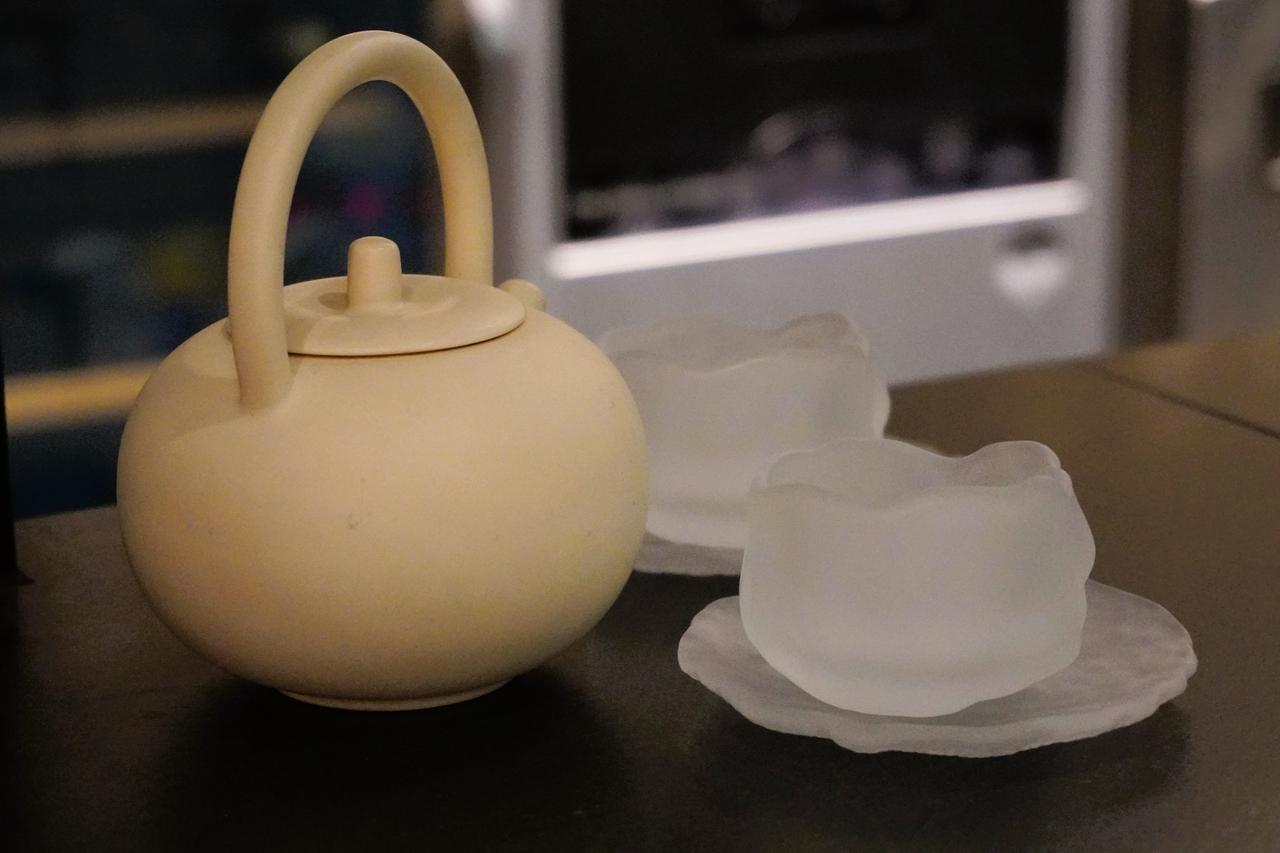
Lee believes the importance of tableware will only grow in Korea. She says the shift is already underway in the fine dining world: more ceramicists are specializing in tableware, and more restaurants are seeking them out. But the most important catalyst, she argues, rests with diners themselves. When enough people start asking for better vessels, the culture will follow.
"Ten years ago there were very few ceramicists who specialized in tableware," she said. "Now there are many — and that tracks with the rise and growth of the fine dining market. But what ultimately matters is a change in consumers. It is the public that changes culture. When more people seek out beautiful plates, the tableware culture will naturally change with them."
Lee's cuisine: nature, seasonality and a sensory reinterpretation of essentials
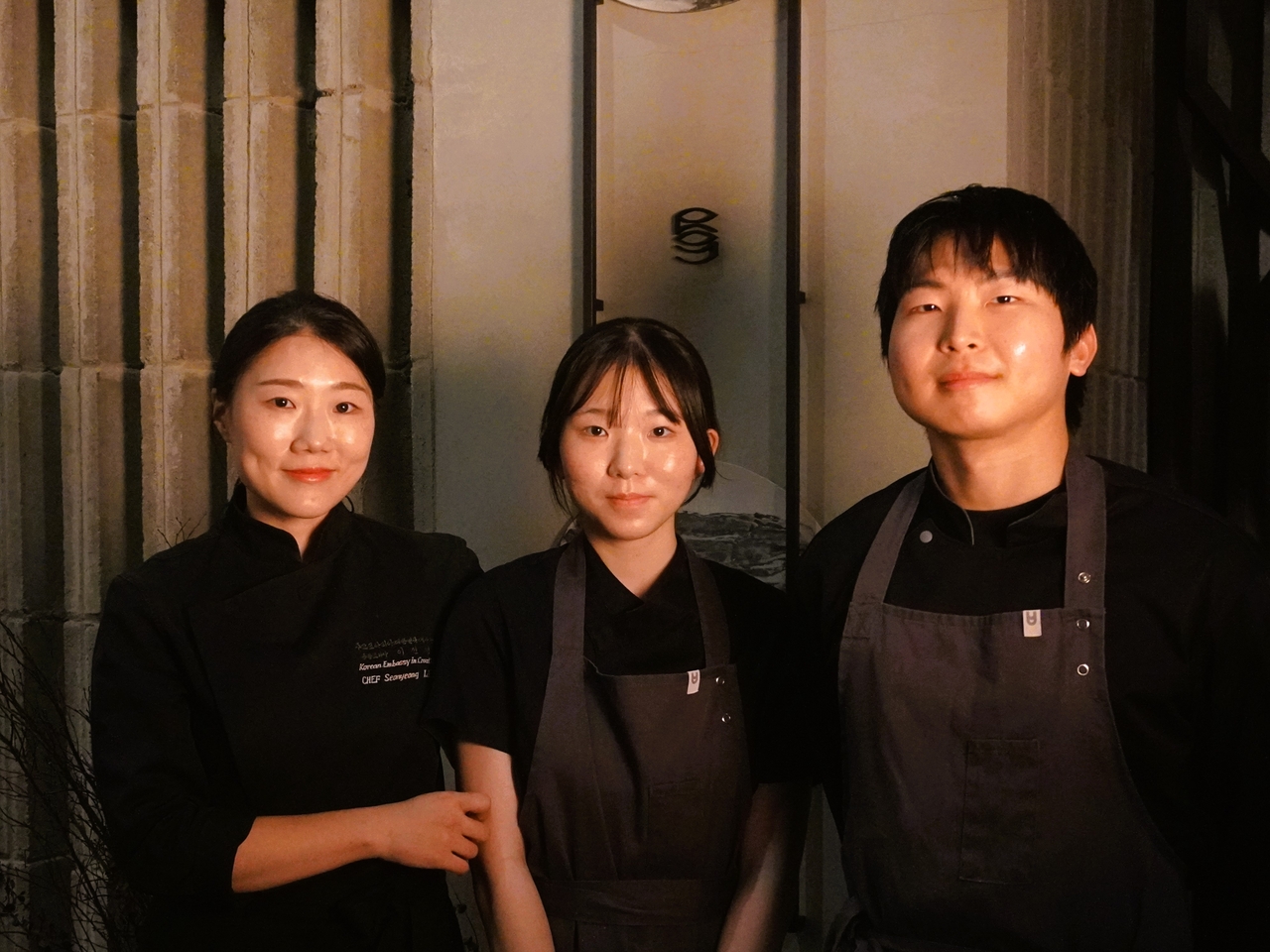
The aesthetic Lee pursues through her tableware runs parallel to her approach in the kitchen.
Lee worked as a chef at the Croatian Embassy, where she absorbed the food culture of southern Europe. She later returned to Korea and trained under Chef Kim Ji-young, who has spent years exploring traditional hansik through historical cookbooks, learning the roots of Korean cuisine. Through those two experiences, Lee absorbed the southern European instinct for coaxing maximum flavor from minimal ingredients alongside the Korean philosophy of fermentation, aging and seasonal produce. She is now building a cuisine of her own from those two traditions.
"I pursue preserving the essence while reinterpreting it through the senses," she said. "And I believe that essence always lies in flavor. There are many techniques and modes of expression in cooking, but what ultimately matters is how honestly and delicately you capture the inherent taste of an ingredient. I pay particular attention to fermentation, aging and seasonal ingredients — the foundations of Korean food."
O-eun, the dining restaurant where Lee serves as chef, is a physical expression of that philosophy. The name means "hidden space." Tucked inside a residential neighborhood in Gangnam, surrounded by high-rise buildings and easy to miss, the restaurant carries the quiet, secretive air its name suggests. The interior, designed to evoke a nest, feels intimate and self-contained. Guests come not merely for a meal but for an experience in which season, ingredient and space converge.
A significant share of O-eun's guests are foreigners seeking an encounter with hansik. For them, the food, the tableware, the space and the service all become part of what Korean gastronomy means. The goal is not simply to explain the flavors of hansik, but to let guests experience Korea's seasons and sensibility at the table.
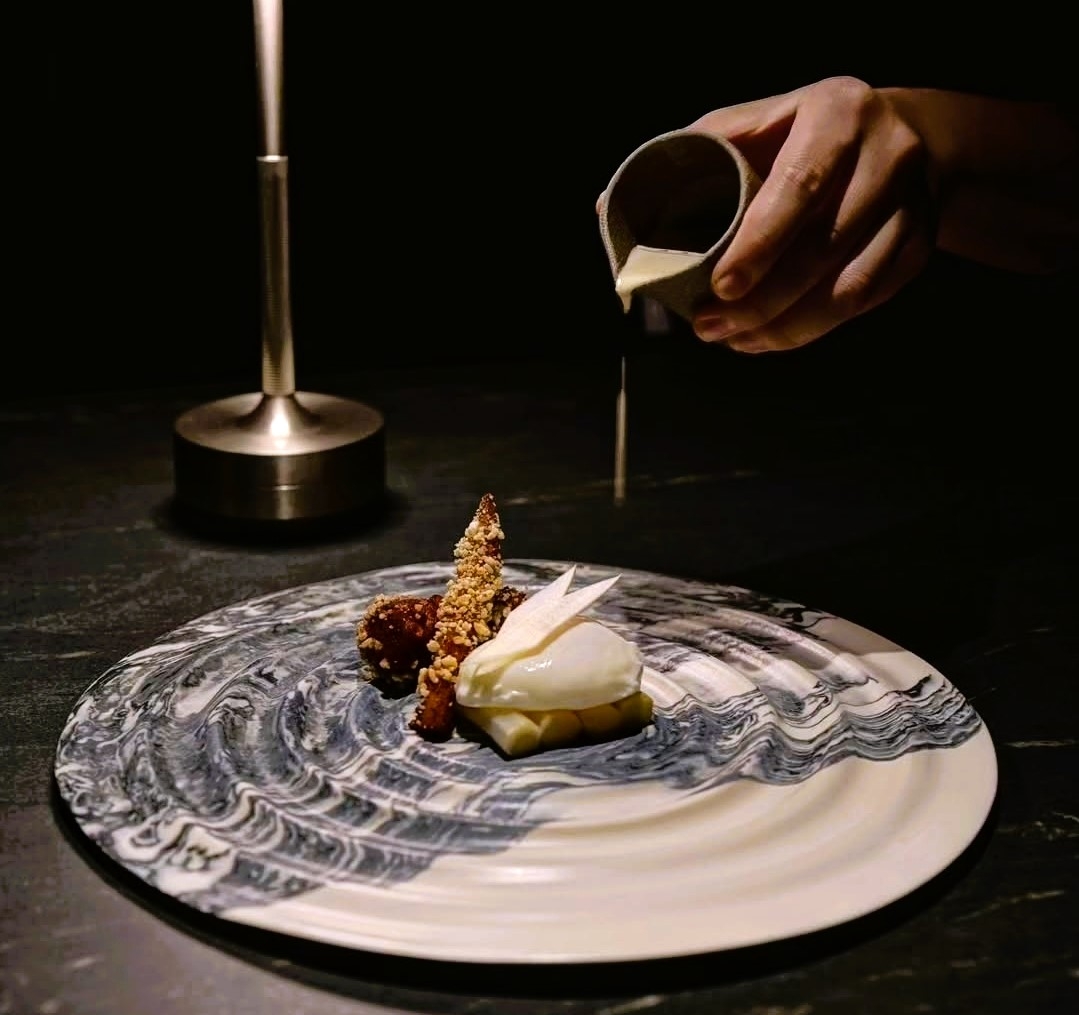
"What Dining O-eun pursues is not simply providing a meal," Lee said. "It is offering a single gastronomic experience that carries Korea's seasons, its passage of time and its cultural sensibility. I design and make the ceramic tableware used in the cooking myself. I think constantly about how food, tableware, space and service can flow together as one, rather than exist as separate elements."
The future Lee envisions for herself is not one defined by glittering accolades. She wants to be a chef who is remembered for a long time — someone whose meals linger in a guest's mind long after they have walked out the door.
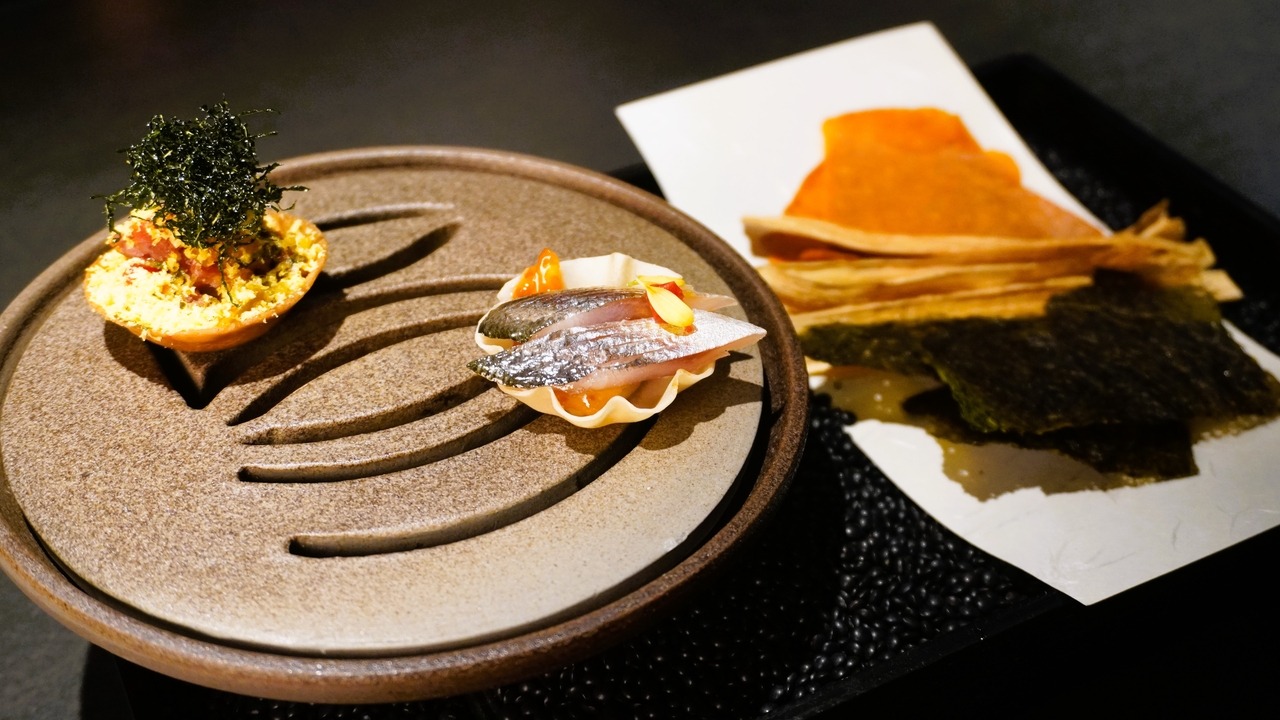
"I hope the food I make stays with guests not merely as a good meal, but as a scene that comes back to them unexpectedly, even years later," she said. "Rather than chasing elaborate techniques or novelty for its own sake, I want to build a restaurant that people remember for a long time — through good ingredients, careful cooking and a comfortable dining experience."
A well-made ceramic piece holds its luster for a thousand years. One hopes Lee becomes a chef who endures just the same.
123@heraldcorp.com