Watch sheepdogs herd flocks and bond with animals at a mountain ranch
Brave a suspension bridge at Jwagusan, then unwind with a foot bath
Hunt for the kiln from 'The Glory' at Yonghwasa Temple in Cheongju
Soak in the mineral spring that once treated King Sejong's eye ailment
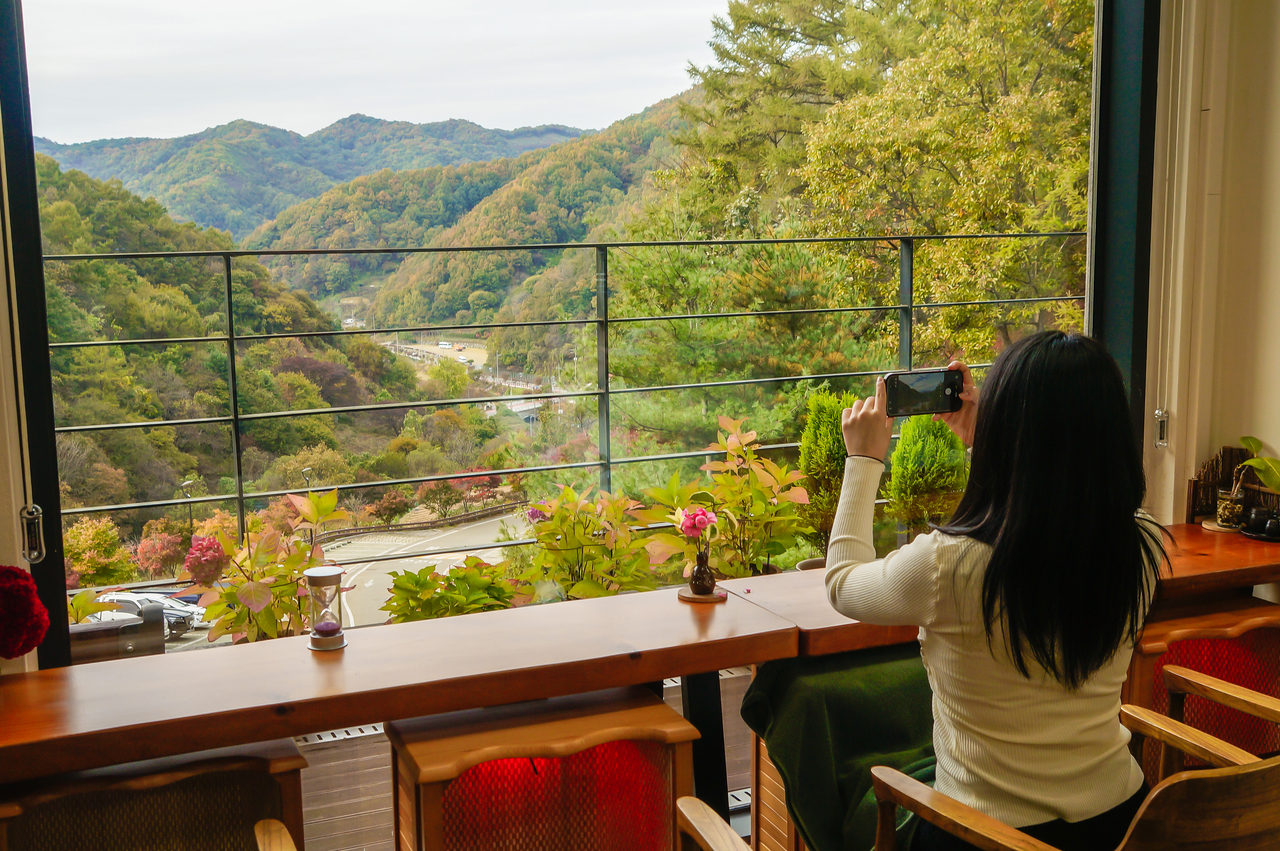
North Chungcheong Province has no coastline, but its mountains cradle water, and that water mirrors the mountains back. The province's 757 lakes and reservoirs fill the void left by the absent sea — a slow, restorative rhythm that invites visitors to walk without hurry and let the landscape do its quiet work.
From a hillside ranch where animals graze against a reservoir backdrop, to a suspension bridge swaying above a forest gorge, to the stillness of a centuries-old temple, the route from Jeungpyeong's Dutasan through downtown Cheongju and on to Chojeong offers a succession of pauses — places where the pace of ordinary life falls away.
Bonding with animals on the pastures of Belfore Resort
Despite its unhurried name, Jeungpyeong is a young municipality — it split from Goesan-gun in 2003 and marks its 23rd year as an independent county this year. Even as rural aging and population decline weigh on much of the region, Jeungpyeong posts the highest population growth rate in North Chungcheong Province. Two military bases bring a steady influx of young service families, and a rail vehicle manufacturing factory anchors the local economy. For visitors from Seoul and the greater metropolitan area, the county is closer than it feels: a KTX ride to Osong Station followed by a Chungbuk Line transfer, or a drive on the Jungbu Expressway, puts it within about an hour.
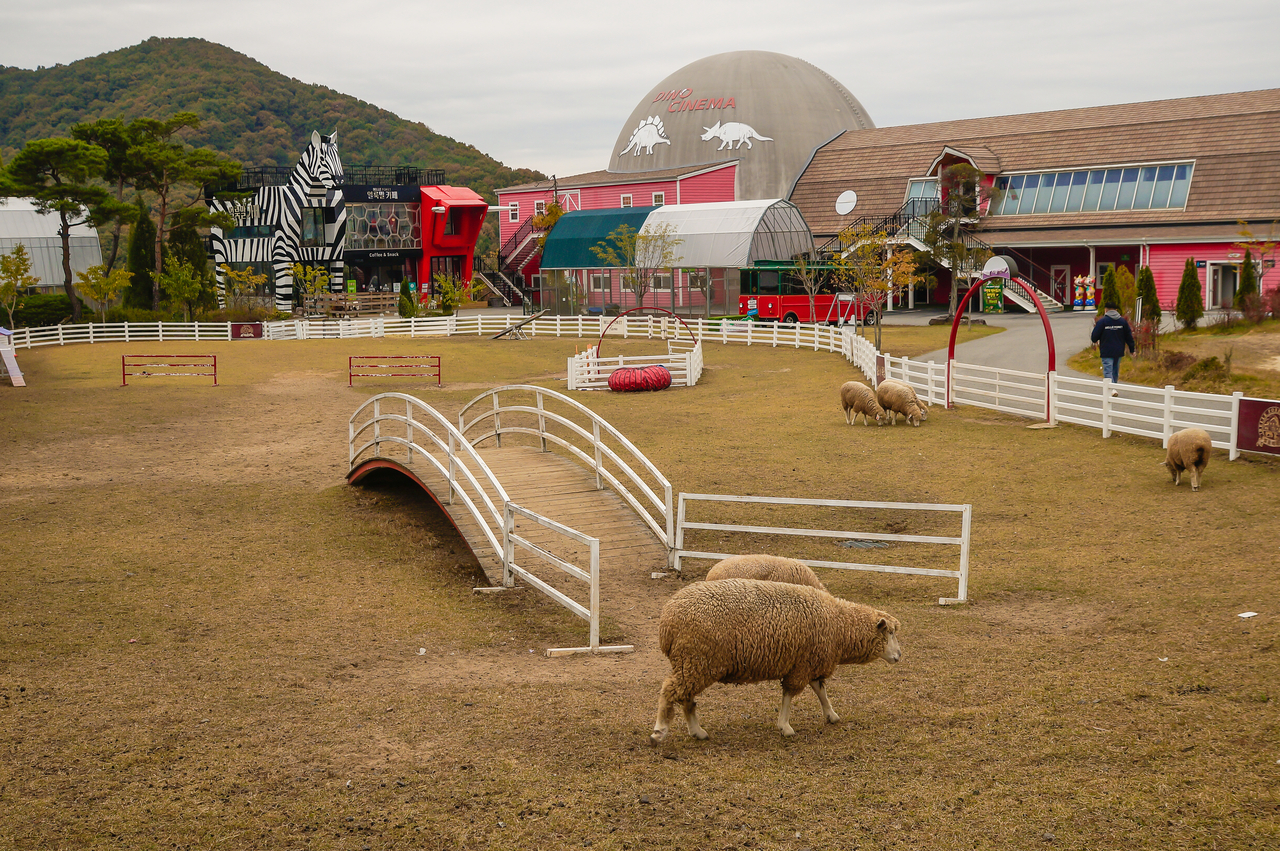
The county shelters a resort that blends mountain and lake. Blackstone Edufarm Resort — better known by its brand name, Belfore Resort — sits at the foot of Dutasan in Jeungpyeong's Doan-myeon, beside Wonnam Reservoir, ringed by low, unnamed hills that form a natural screen. Its ranch, set against green pastures and the reservoir, is a place to breathe in step with nature.
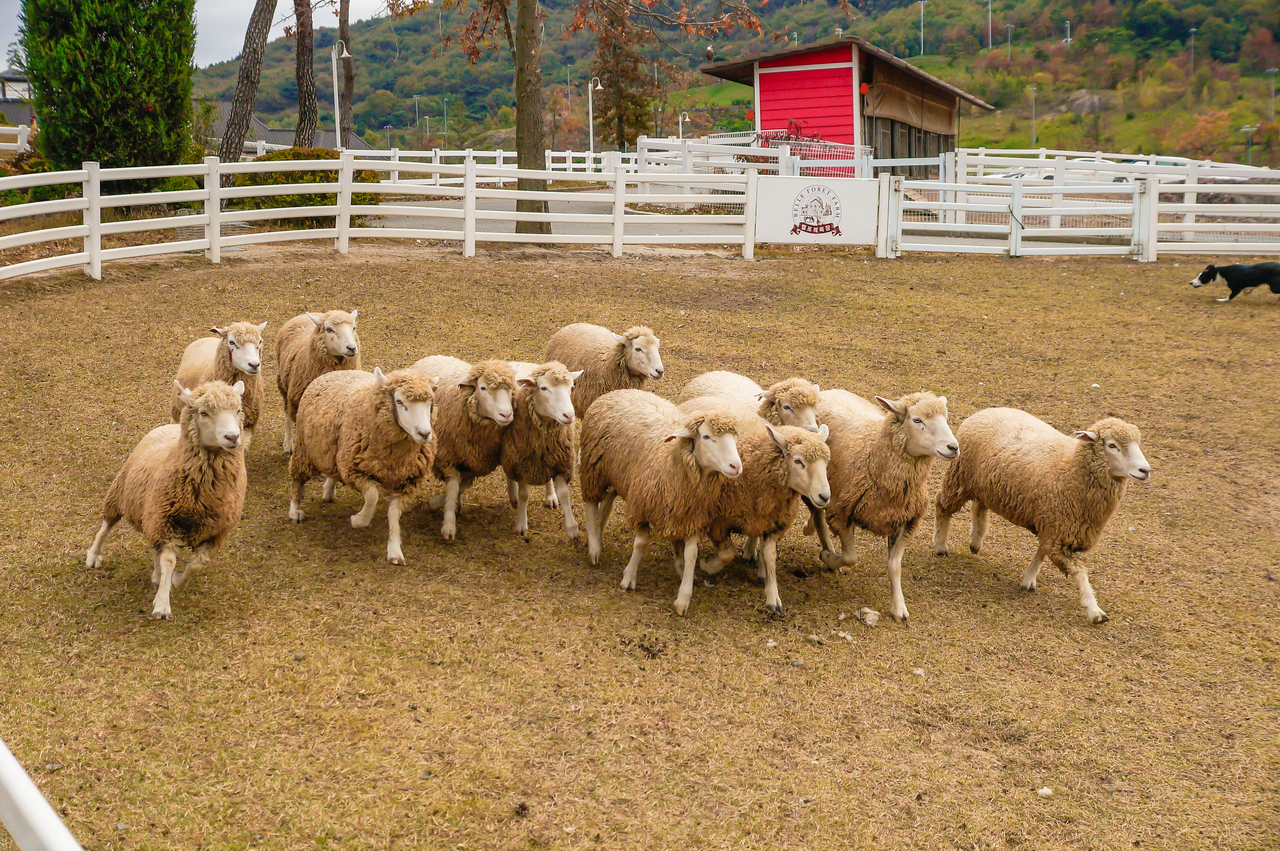
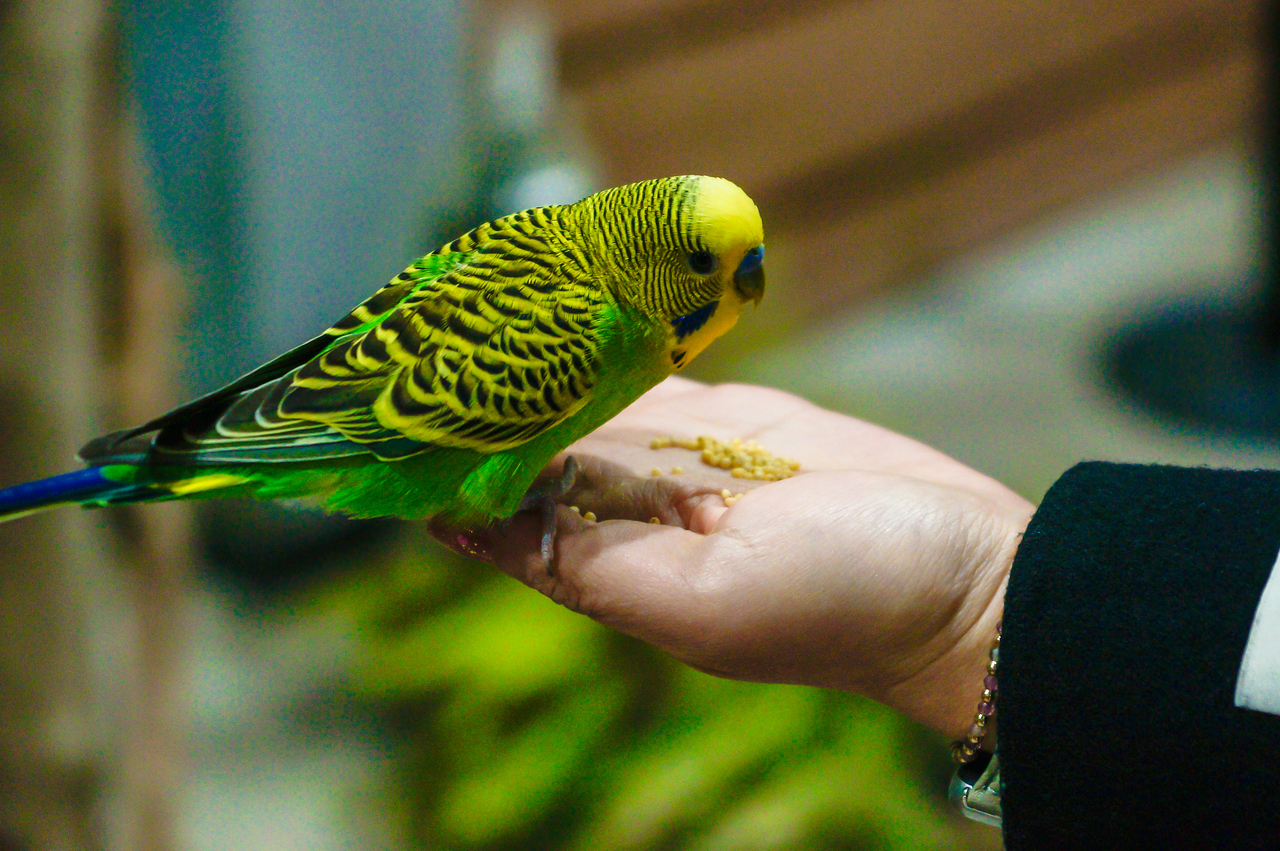
On weekends and public holidays, a trained Border Collie herds a flock of sheep across the pasture at the sound of a whistle. Beyond the paddock fence, Boer goats, horses, rabbits and guinea pigs take hay and carrots from visitors' hands. Inside a greenhouse-style aviary, parrots flutter down onto outstretched palms to peck at feed. From the observation deck at the top of the ranch, the calm surface of Wonnam Reservoir spreads out below.
Near the ranch sits Moto Arena, a kart track built to international racing standards. Professional competitions are held there, but general visitors can also get behind the wheel of a low-slung racing kart and feel the vibration of the track through their entire body.
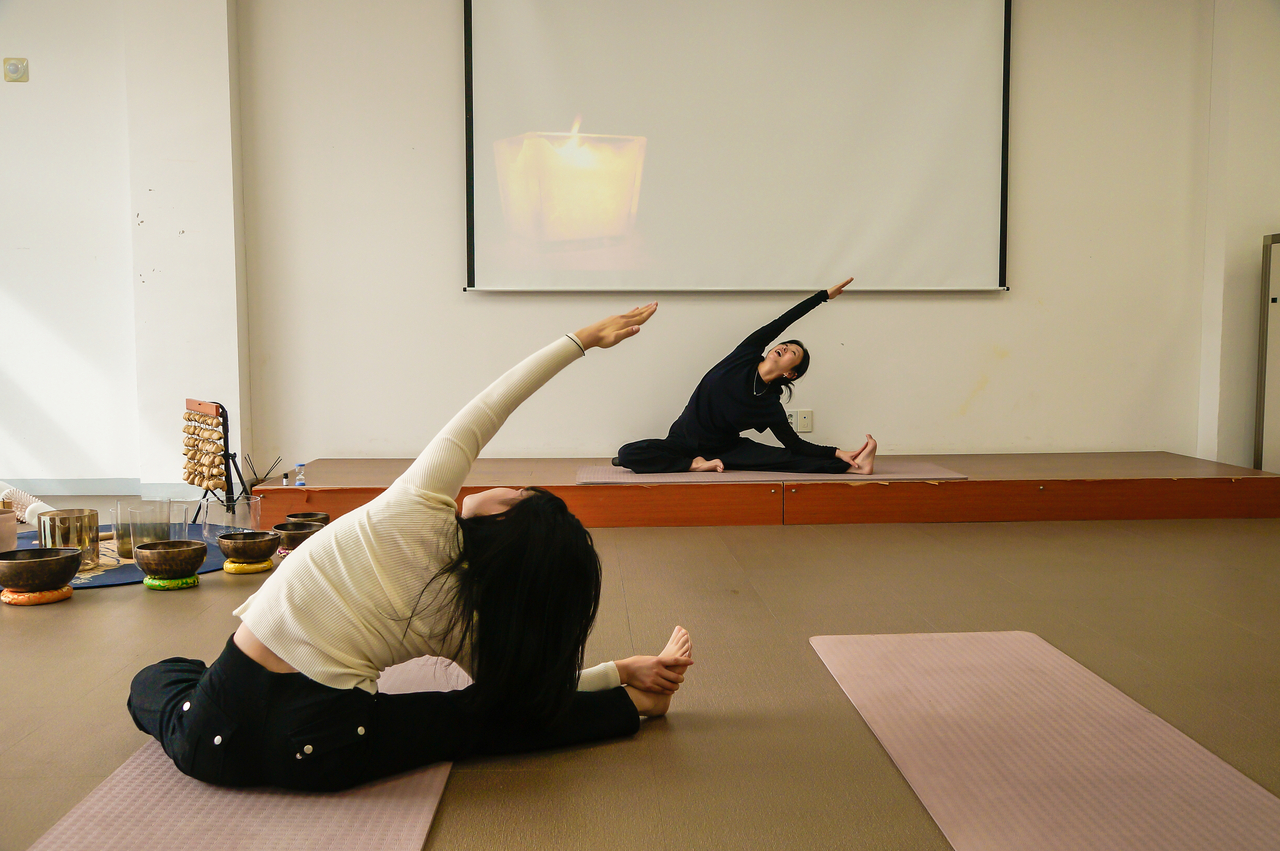
Past the speed and energy of the track lies a space of stillness. The resort runs a mindfulness program operated by Maumoum, a meditation specialist company, with resident instructors on hand to guide guests through exercises designed to ease the tensions of daily life.
"We get annual physical check-ups, yet we often neglect our mental health, telling ourselves we are too busy," said Jo Su-mi, Maumoum's senior instructor. "Just as physical exercise builds muscle, repeatedly practicing the awareness of present-moment sensations — setting aside judgment — strengthens what we call 'mind resilience,' the inner capacity to recover."
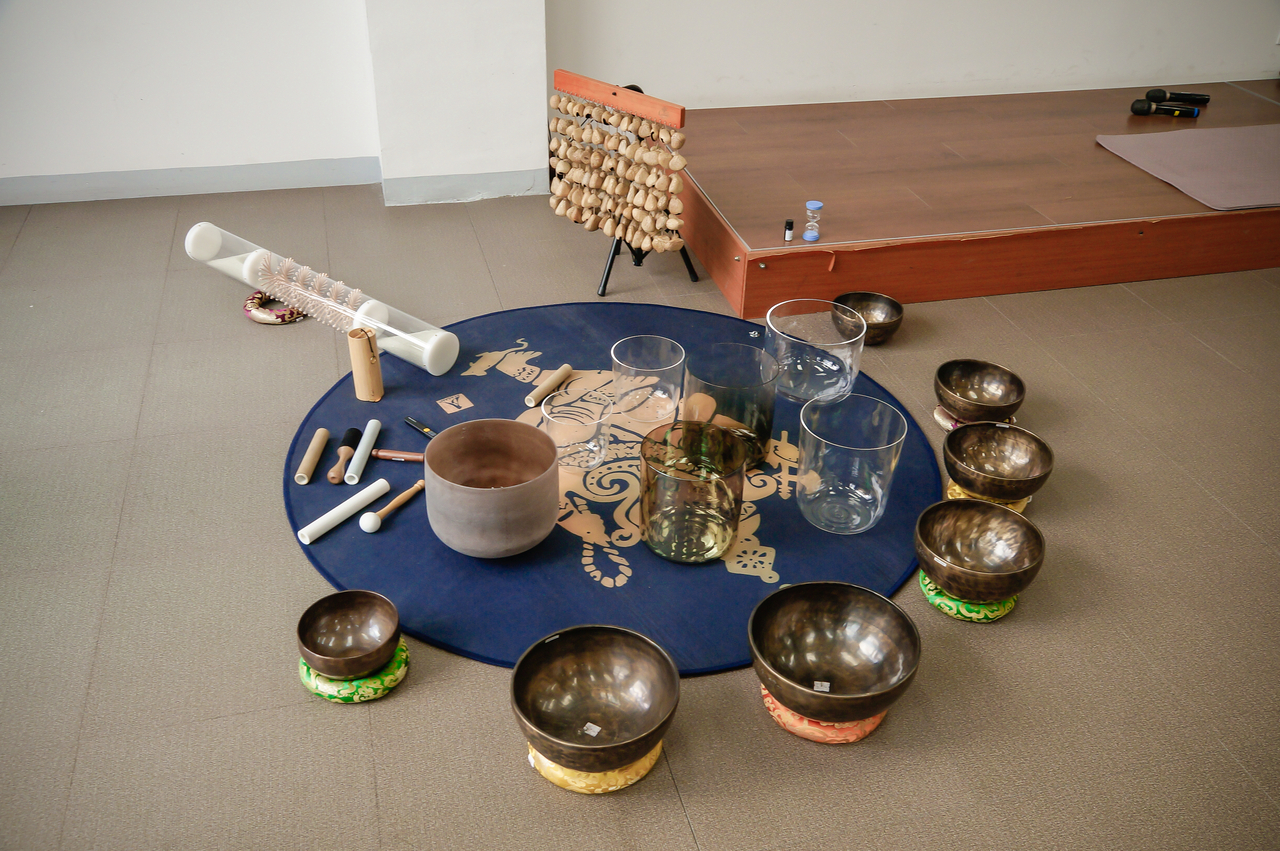
Participants sat on mats, straightened their spines and gently twisted their torsos to loosen stiff muscles. They stretched their legs, fanning their toes wide and then curling them tight, repeating the motion in a slow rhythm. Then they lay on their backs as the deep vibration of a singing bowl spread through the room — a long, low metallic resonance that gradually quieted restless minds. A state arrived that was neither sleep nor full wakefulness.
"This is the most ideal state of relaxation for the body," Jo said. "True relaxation is not the body going limp — it is a light doze in which only tension has been emptied, while clear awareness remains."
As participants' breathing settled, a drop of cedarwood and lavender oil was placed in each person's palm. Inhaling the scent, they smiled, feeling a calm that had spread through the body.
A suspension bridge 50 meters up, and a warm foot bath below
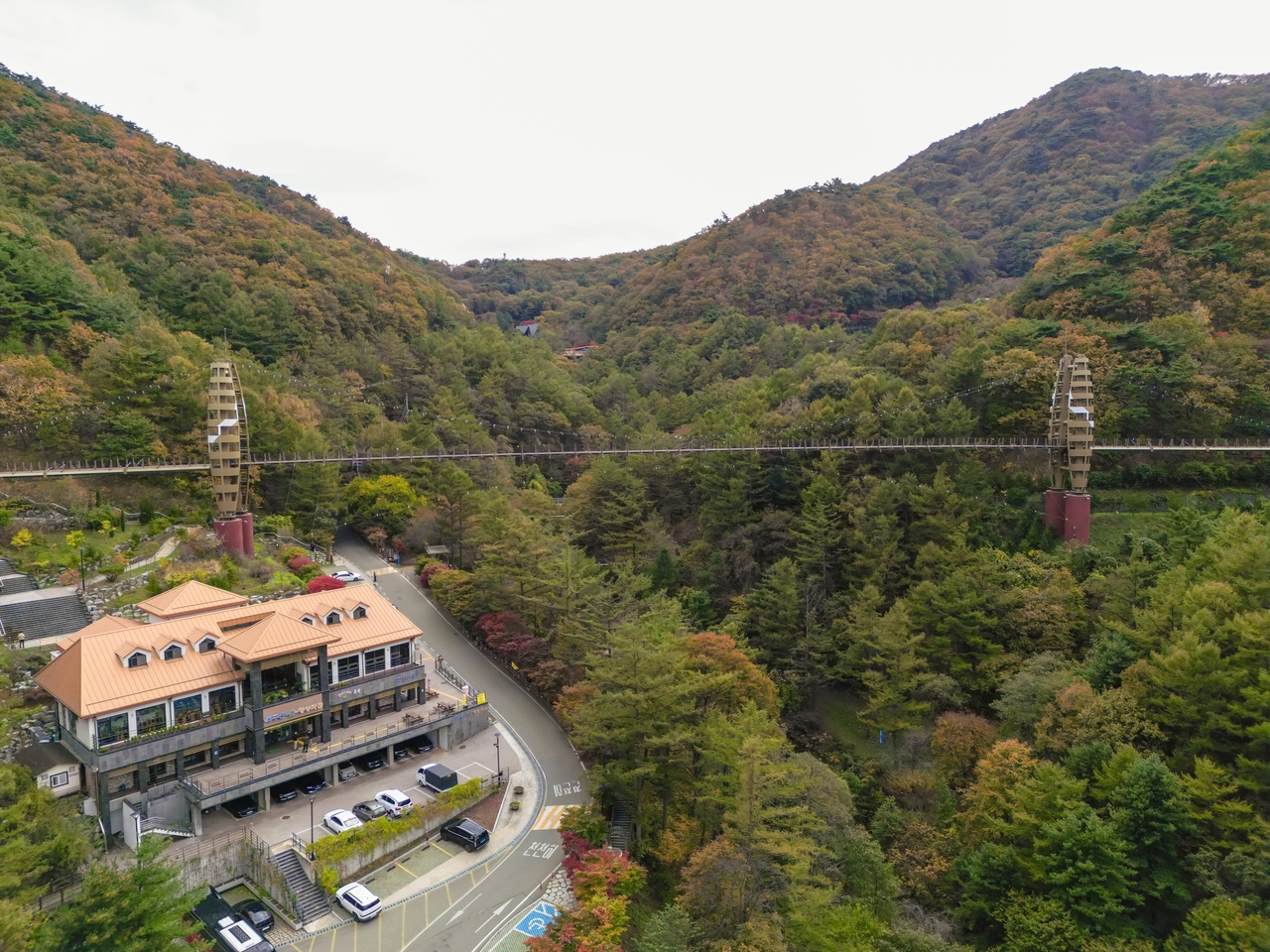
Where Belfore soothes through sound and breath indoors, the nearby Jwagusan Natural Recreation Forest offers the raw texture of the forest itself. Deep inside the recreation forest, a suspension bridge called the Meditation Cloud Bridge spans a gorge. Opened in 2017, it stretches 230 meters and hangs 50 meters above the valley floor — a scale and sensation unlike any ordinary swinging bridge.
Each step sends a faint sway through the air, combining a vertiginous sense of height with an awakening of dormant senses. The unlikely pairing of dizziness and meditation — two words that rarely belong together — meets on the bridge, and the irony eases the tension just enough.
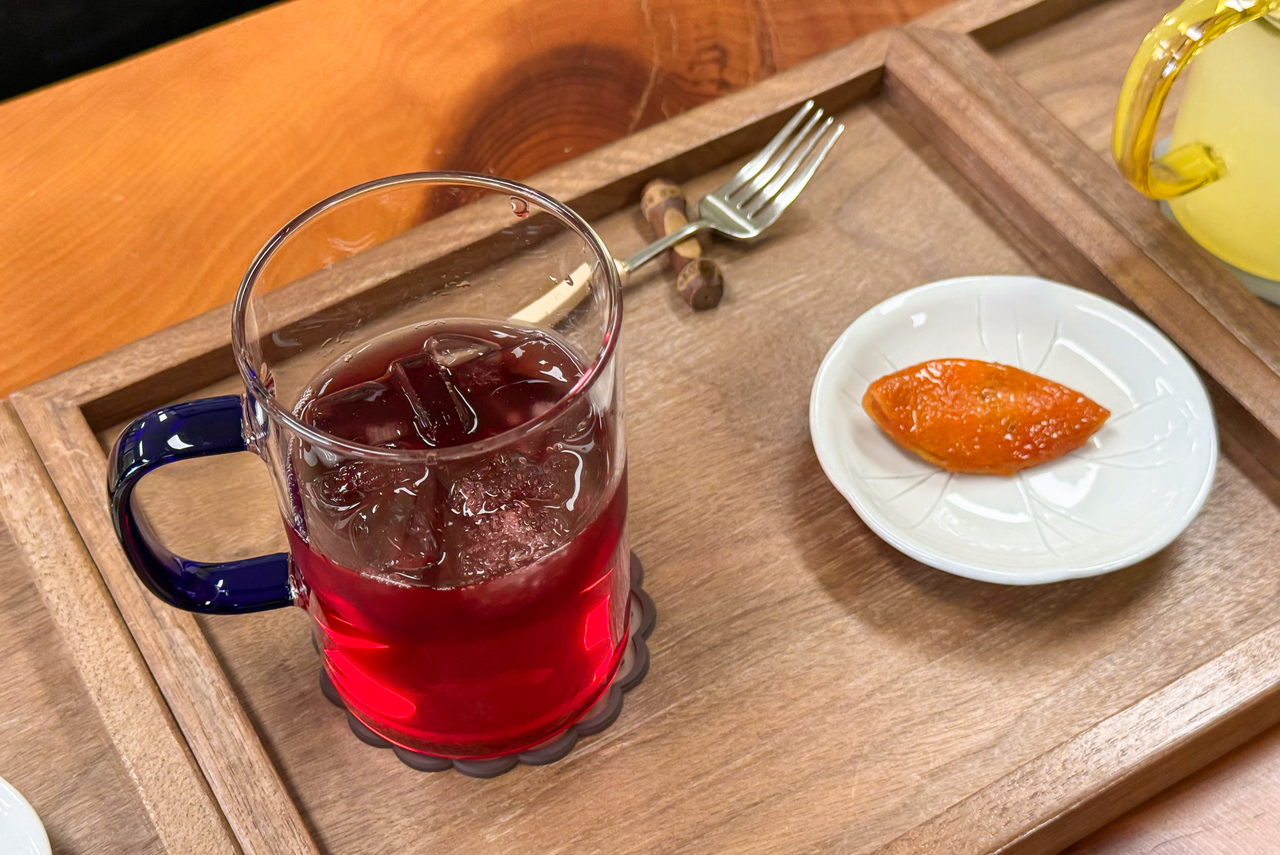
At the far end of the bridge, the Forest Meditation House waits. Visitors slip their feet into dry foot-bath units that warm the lower body and improve circulation, and sip hot flower tea as dried petals slowly unfurl in the cup. The nerves wound tight on the bridge settle back down, and the fatigue of daily life drifts away like steam rising from a teacup.
The kiln from 'The Glory' returns to Yonghwasa
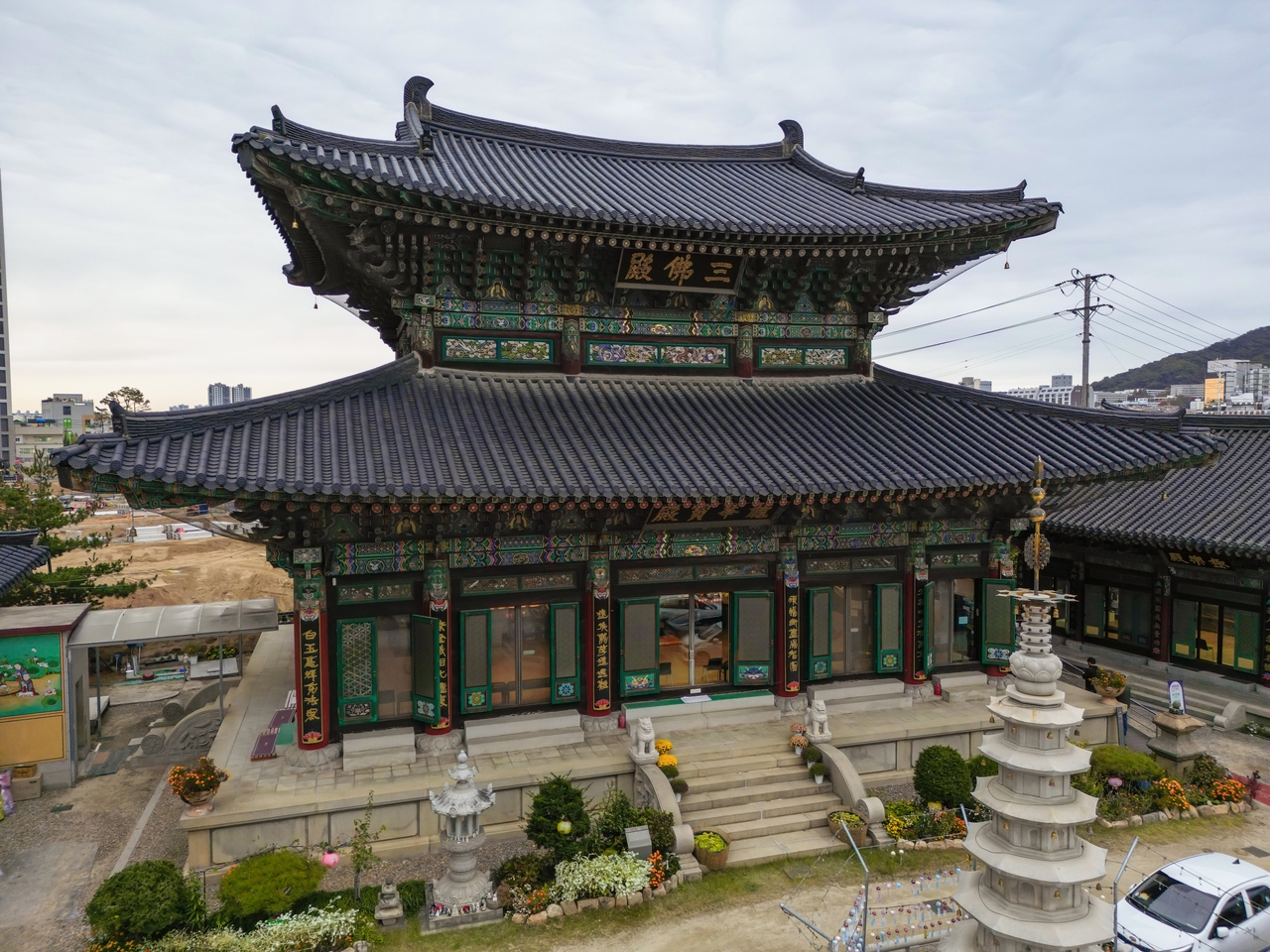
Leaving Jeungpyeong and heading into downtown Cheongju, Yonghwasa Temple draws visitors to a halt amid the apartment complexes lining the Musimcheon stream. According to the temple's founding legend, seven Buddhas appeared in a dream to Royal Noble Consort Sunheon — a concubine of Emperor Gojong — in 1901, and following that vision, seven stone Buddha statues were retrieved from the Musimcheon and a temple was built around them.
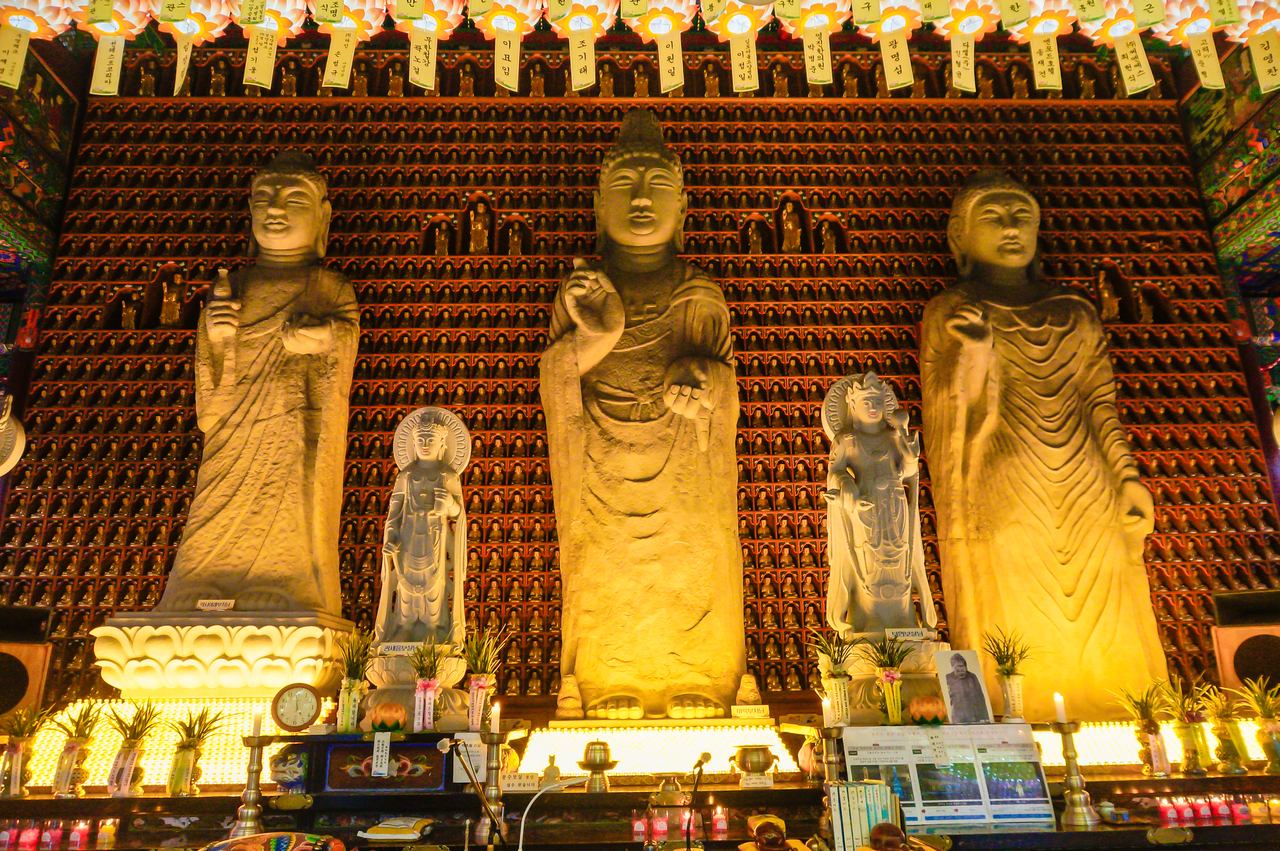
Within the temple grounds stands National Treasure No. 985, the Stone Buddha Statues of Cheongju Yonghwasa, carved during the Goryeo period. Each figure bears a distinct expression and differently incised robe folds; on the back of the standing Shakyamuni statue behind the main hall, a relief carving of the bodhisattva Yudeung is rendered in sharp detail.
A deeper layer of history lies buried beneath the temple. In October 1993, during road-widening work along the Musimcheon, more than 400 bronze artifacts bearing the name of a Goryeo-era temple called Sanoesa were unearthed. Scholars believe they were hidden inside large cauldrons and jars to protect them during the Mongol invasions of the 13th century; the objects are now held at the Cheongju National Museum and other institutions.
"There are records that eminent monks of the Goryeo period — such as the National Preceptor Jingak — stayed here for about 90 days while traveling from Chungju down to Gilsangsa or Songgwangsa to practice Seon meditation," said Gagyeon, the head monk of Yonghwasa. "The artifacts that appeared in those historical texts actually turned up here in the ground."
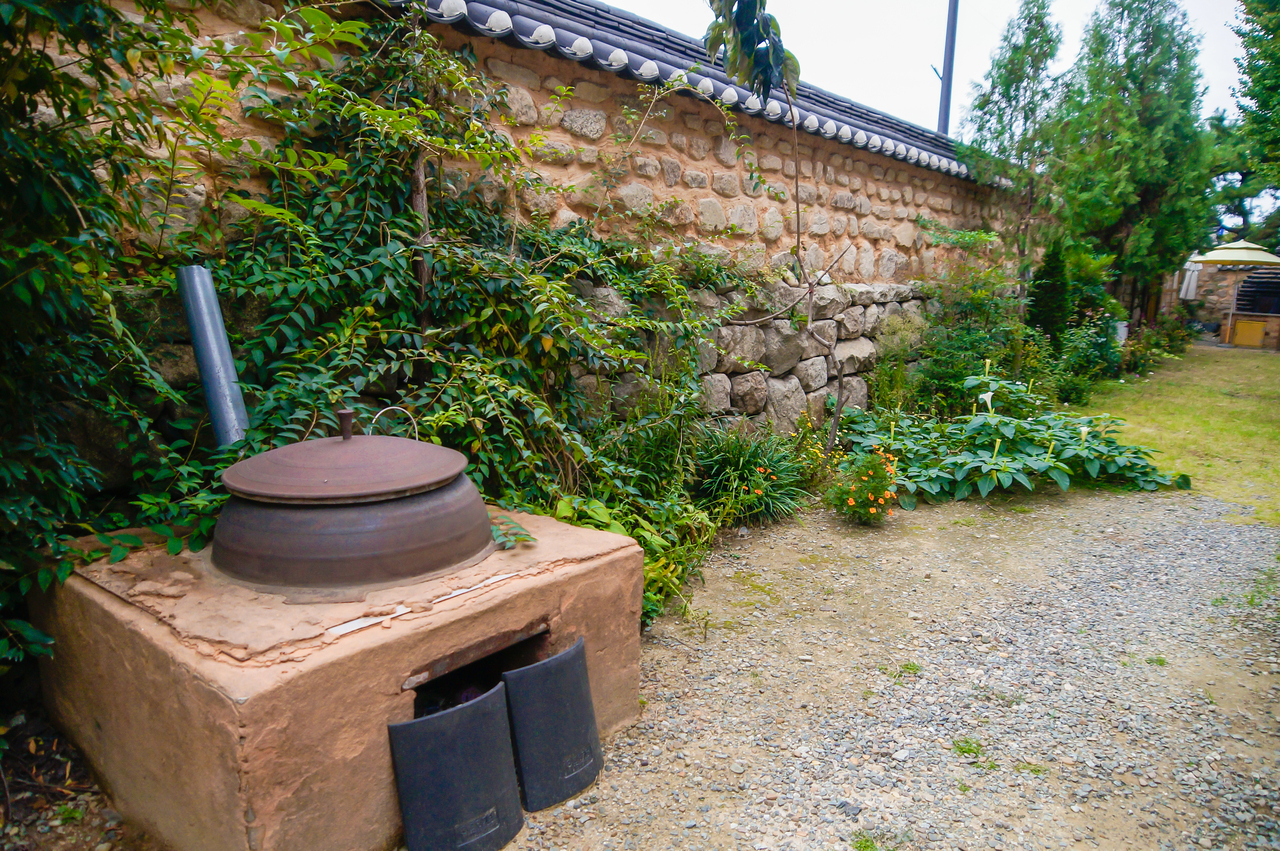
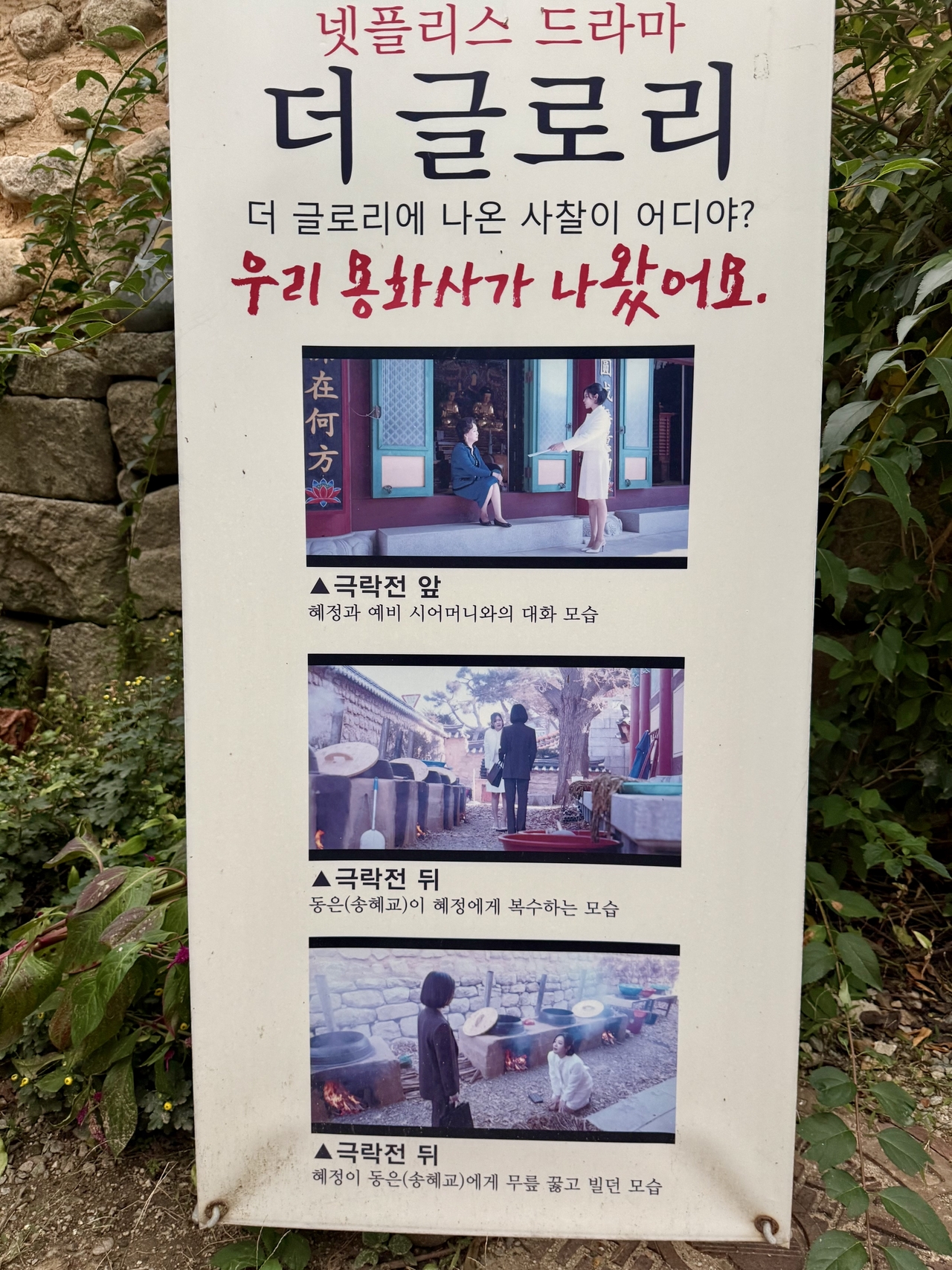
Alongside a millennium of history, the temple also carries a trace of contemporary popular culture. Behind the Geungnakjeon hall, a modest kiln sits next to a sign identifying the spot as a filming location for the Netflix drama series "The Glory." It is the setting for the scene in which Choi Hye-jeong, one of the bullies who tormented protagonist Moon Dong-eun, falls to her knees before Dong-eun in supplication. The head monk explained that the kiln had originally been removed and was later reinstalled.
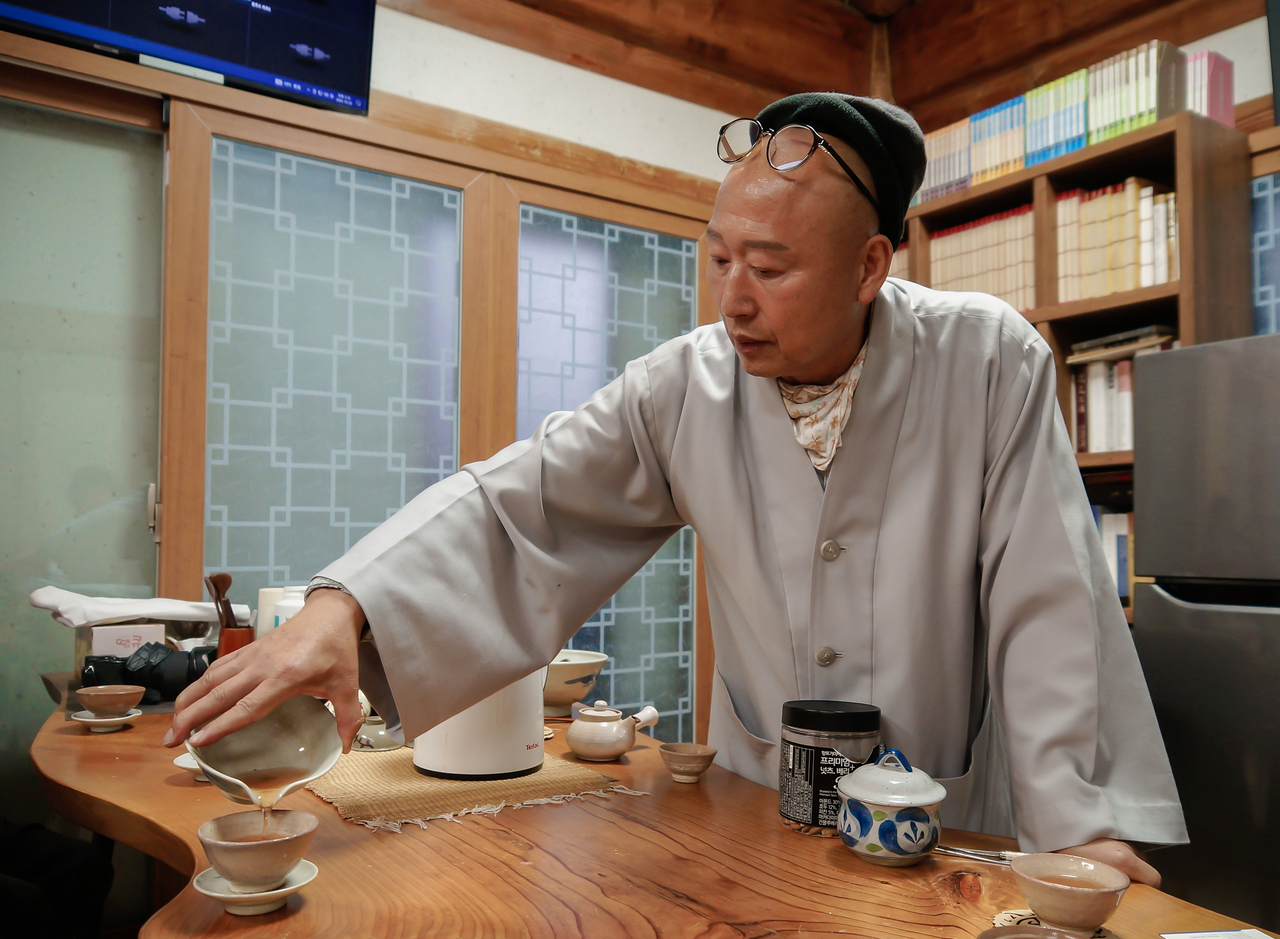
"The production crew installed four kilns for the shoot, but they blocked the path for handcarts, so we had them all removed after filming. Then after the show aired, tourists started flooding in asking, 'Where is that kiln from the drama?' It got to the point where we ended up restoring one of them."
When told that the constant stream of visitors must keep the monk busy, the head monk waved the thought away, saying the role was nothing special. "I am not doing anything grand here at the temple — I help with parking and take care of small, everyday tasks," the head monk said with a laugh. There was something in that — an unassuming warmth offered without fanfare, not unlike the humble kiln standing quietly nearby.
The spring that healed a king's eyes
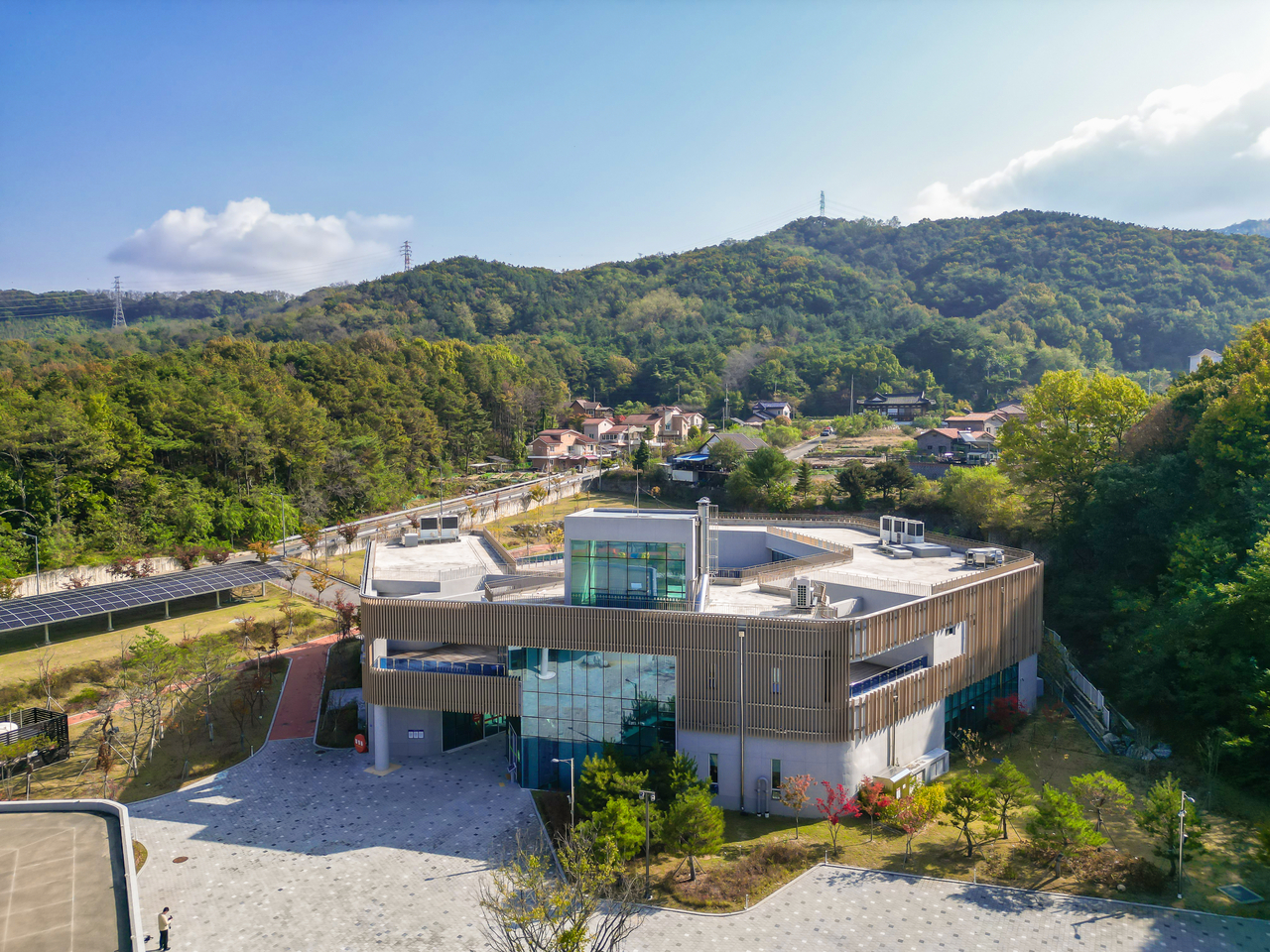
Head to Naesu-eup in Cheongju's Cheongwon-gu and Chojeong Healing Village comes into view — a modern hydrotherapy complex built around Chojeong mineral spring, ranked among the world's three great carbonated mineral waters. Historical records note that King Sejong had a temporary palace built here to treat an eye ailment, a fact that speaks to the spring's long-standing reputation.
The facility combines rest with evidence-based therapy. After changing into treatment attire, visitors move through a sequence of experiences: a multisensory therapy room where forest imagery, ambient sound and fragrance fill a darkened space; a heated room to loosen stiff muscles; and then a bubble therapy session in which rich foam made from natural ingredients including rice flour and sulfur is applied to the skin.
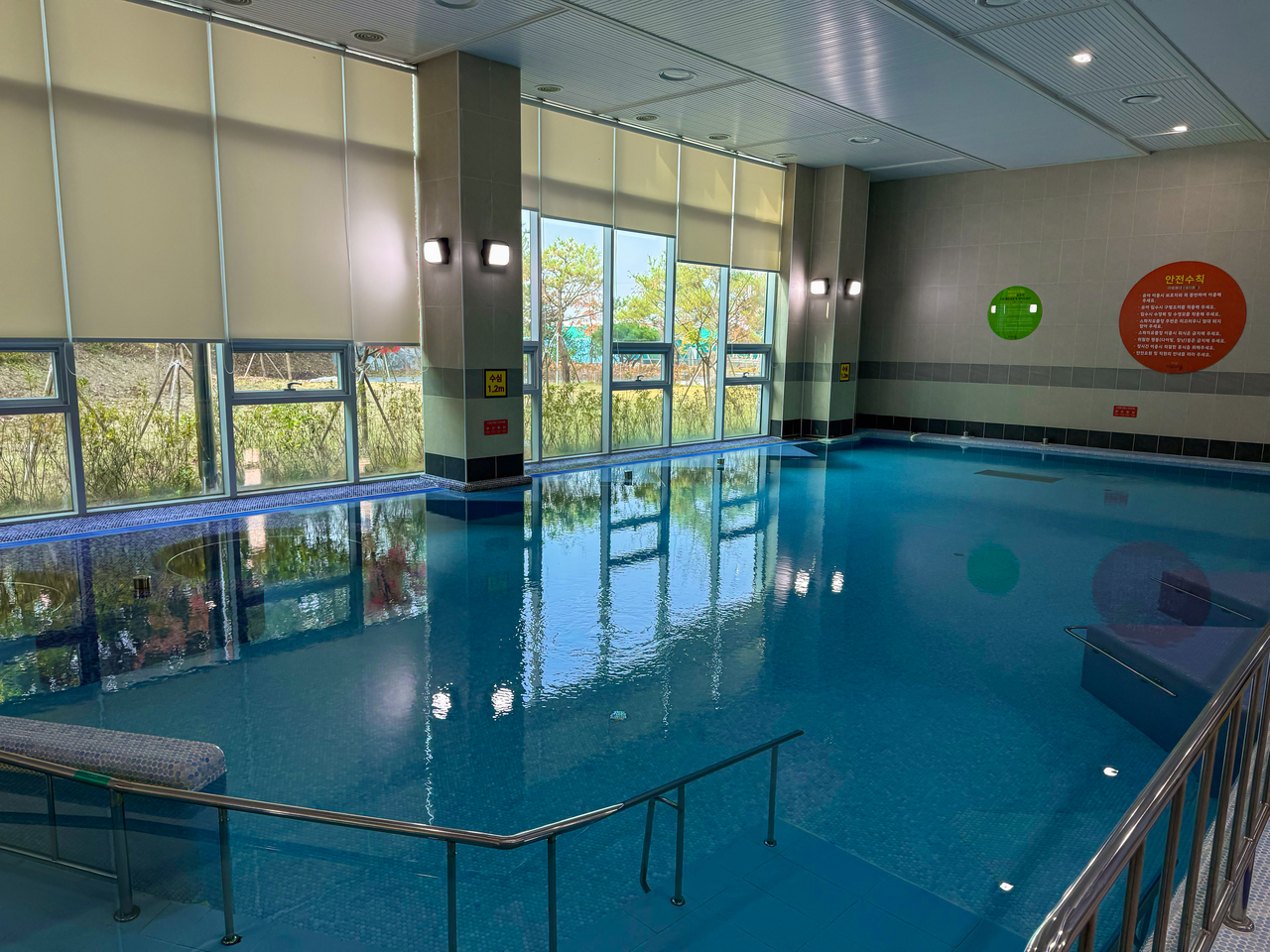
The centerpiece is the water therapy area. Submerging in the carbonated mineral pool — filled with unheated spring water straight from the source — the sharp tingle of carbon dioxide bubbles envelops the skin and awakens peripheral sensation. Moving then to a warm spa pool kept at around 37 degrees Celsius, a high-pressure neck shower pounds the back of the neck while buoyancy supports the body's weight and draws it into deep relaxation. Alternating between cold and warm pools, the aquatic therapy promotes circulation and washes away the fatigue of the journey.
In a land that fills the absence of a sea with lakes and mineral springs, healing seeps into every step without any need to rush. The breath steadied here gradually becomes the deep, sustaining breath that carries a weary everyday life forward.
terry@heraldcorp.com