High-immunogenicity vaccines for those 75 and older await budget committee review
Sanofi's 500,000-dose cut and delay drew no sanctions, sparking controversy
GC Biopharma, SK Bioscience still in early clinical stages; fast-track approval seen as critical
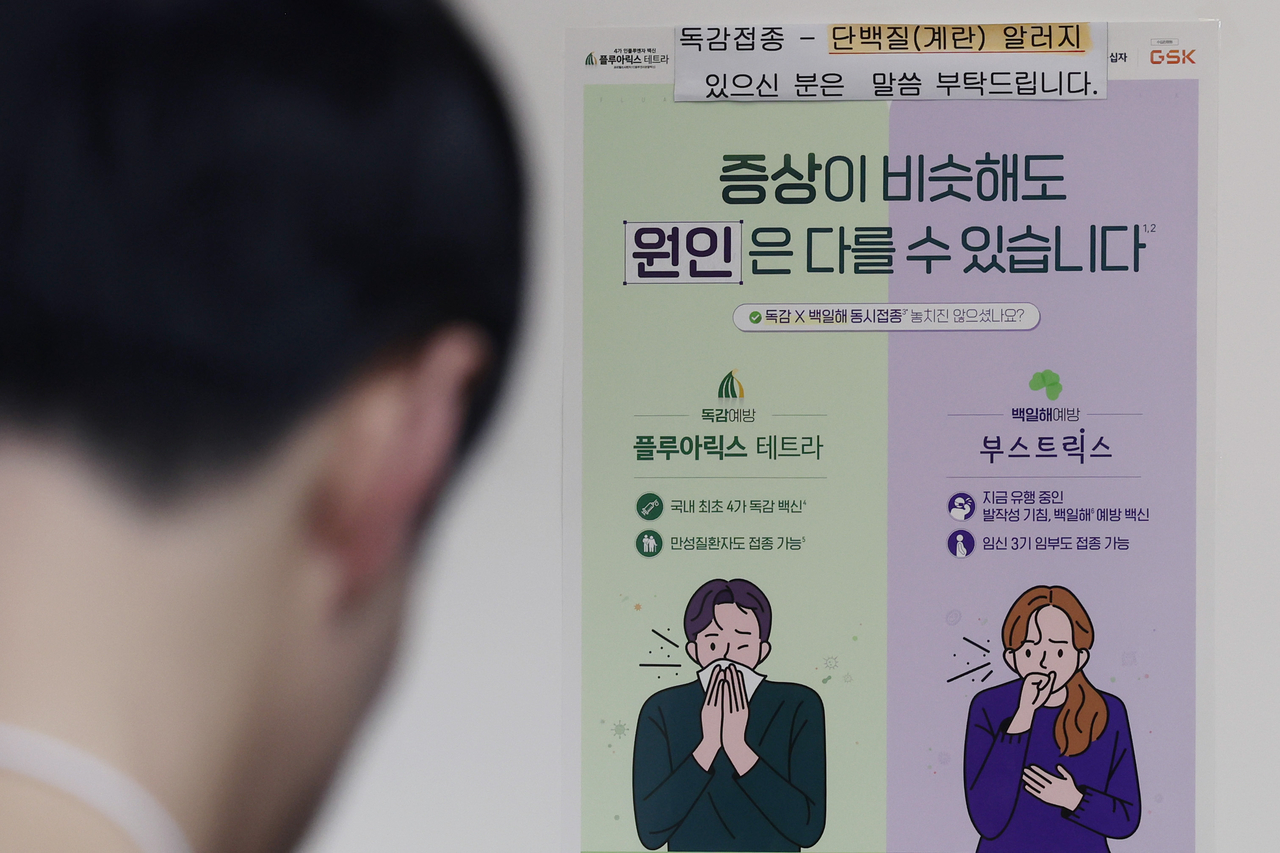
Discussions in the National Assembly on introducing high-immunogenicity influenza vaccines for high-risk groups, including the elderly, are gaining momentum. But experts say the policy cannot take hold without strict penalties for global pharmaceutical companies that disrupt supply, alongside meaningful support to help domestic vaccine developers reach commercialization sooner.
Anticipation has been building ahead of a review by the National Assembly's Budget and Accounts Committee. The Korea Disease Control and Prevention Agency had already flagged the transition to high-immunogenicity flu vaccines for adults 75 and older as a priority consideration under the National Immunization Program in a presidential briefing in July, and the issue's arrival on the budget review table signals the policy is moving into full gear.
The medical and pharmaceutical communities agree, however, that securing a stable vaccine supply chain must come before the program launches. Because the domestic market for high-immunogenicity flu vaccines currently depends entirely on imports, they warn that locking in adequate volumes on time will remain difficult as long as supply is subject to the fluctuations of foreign manufacturers.
That concern is not hypothetical. Earlier this year, during the initial phase of the flu vaccination season, Sanofi delayed delivery of its contracted doses and cut approximately 500,000 from the agreed volume, causing significant disruption at clinics across the country. The government scrambled to fill the gap by redirecting doses that domestic pharmaceutical companies had set aside for private retail distribution.
The aftermath proved equally troubling. Despite Sanofi's delayed delivery and reduced volume, the government imposed no meaningful penalties or sanctions, drawing accusations of preferential treatment and inaction. Industry observers warn that if global pharmaceutical companies continue to face no real accountability for supply failures, disruptions to vaccination programs could recur even after high-immunogenicity vaccines are introduced.
Achieving domestic self-sufficiency in vaccine production is ultimately seen as the only structural solution to the risk of another supply crisis triggered by a foreign manufacturer's production problems or shifts in global supply. Leading domestic vaccine developers are already accelerating their work on high-immunogenicity flu vaccines in line with the government's policy direction.
Among domestic companies, GC Biopharma is the furthest along. In September, it received approval from the Ministry of Food and Drug Safety for a Phase 2/3 clinical trial application for its high-dose candidate GC3114B, which uses an elevated antigen content. The trial will directly compare the candidate against an active control group in adults 65 and older, with a target of securing product approval within three years. In July, GC Biopharma also signed a CMO agreement with Korea Vaccine to build a prefilled syringe production and supply chain.
SK Bioscience is developing NBP607B, which applies an adjuvant to its cell-culture flu vaccine Skycelflu. The company submitted a Phase 1/2 clinical trial application in July last year and aims to produce interim results by 2027. Alongside this, SK Bioscience is conducting basic research and preclinical work on a microneedle patch-format high-immunogenicity flu vaccine with global partners.
However, with domestic pipelines still at the Phase 1/2 or Phase 2/3 entry stage, near-term commercialization faces clear constraints. "For the high-immunogenicity flu vaccine program to take root successfully, the government must establish a management framework before launch — one that includes precise market supply forecasting and strict penalties for pharmaceutical companies that cause supply disruptions," an industry official said. "At the same time, effective institutional support such as R&D funding and expedited approval pathways must be provided in parallel so that domestic companies can achieve vaccine self-sufficiency as quickly as possible."
silverpaper@heraldcorp.com