
- HOME
- POLITICS
-
Half of KOICA volunteer dismissals tied to sexual misconduct
8 of 15 dismissals in past 5 years involved sexual misconduct Lawmaker Lee Ki-heon calls for stronger victim protection Sexual misconduct has accounted for more than half of all dismissals from the Korea International Cooperation Agency's overseas volunteer program, which receives an average annual budget of 73.9 billion won ($54 million), newly released data shows. Of the 15 volunteers stripped of their status over the past five years, eight were dismissed for sexual misconduct. Six of those eight had been working in the education sector at their postings. The figures come from data that Democratic Party of Korea lawmaker Lee Ki-heon, a member of the National Assembly's Foreign Affairs and Unification Committee, obtained from KOICA and made public Thursday. According to the data, 1,890 volunteers were dispatched overseas between 2022 and August 2026. Of those, 130 withdrew early due to personal circumstances, difficulty adjusting to local conditions or health problems, while 15 had their volunteer status revoked for reasons including poor performance and sexual misconduct. Sexual misconduct made up the majority of revocations. Eight volunteers lost their status for inappropriate physical contact or sexual harassment. Three of the eight were repeat participants who had previously served in overseas volunteer programs. In one specific case, a volunteer dispatched to Colombia in 2022 was dismissed in April 2024 after making inappropriate remarks, including "I'm going to find a girlfriend in Colombia" and "Stay the night at my place — come live with me." Another volunteer sent to Laos last year repeatedly asked students personal questions unrelated to education — including whether they were married, whether they had dating experience and whether they planned to have children. The volunteer was also found to have made comments suggesting he was looking for a marriage partner, and lost his status in June this year. Observers have noted that the overseas nature of the program makes it harder to monitor volunteers' conduct continuously compared with domestic postings, and have called for more effective oversight. There are also concerns that victims may find it difficult to raise complaints immediately, given that small groups of volunteers often live and work together in the same local environment. "KOICA volunteers are dispatched in the name of the Republic of Korea and interact directly with local communities, so inappropriate conduct cannot be dismissed as mere individual wrongdoing," Lee said. "It is a serious matter that can damage our country's standing and credibility, and severe service violations including sexual misconduct must be dealt with firmly." Lee also weighed in on a recent rise in emergency passport issuances overseas, saying the Ministry of Foreign Affairs should not treat the trend as a simple statistic. "It could be an early warning sign that the safety of our citizens abroad is at risk," he said, urging the ministry to closely monitor regions where issuances have surged and take necessary safety measures.
Sept. 17, 2026
-
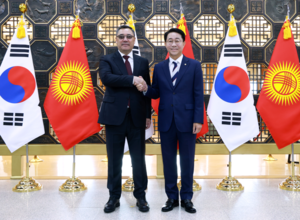
Assembly speaker meets Kyrgyz president, eyes expanded cooperation in AI, energy and healthcare
Speaker urges close cooperation for peace on Korean Peninsula National Assembly Speaker Cho Jung-sik met with Kyrgyzstan President Sadyr Japarov at the Assembly's reception room Thursday to discuss expanding economic and investment cooperation between the two countries, as well as ways to strengthen multilateral diplomacy and inter-parliamentary exchanges. Welcoming Japarov and his delegation on their second visit to South Korea and the National Assembly, Cho said the two countries had elevated their ties to a "comprehensive partnership" in 2024 — 32 years after establishing diplomatic relations — and that the visit marked the start of concrete follow-up steps. "I highly appreciate the fact that bilateral trade doubled last year compared to the previous year, cementing Kyrgyzstan's position as South Korea's second-largest trading partner in Central Asia," he said. Cho also mentioned plans to establish a "Korea Desk" in Kyrgyzstan and open a KOTRA trade office in Bishkek, expressing hope that the moves would facilitate stable market entry and investment by South Korean companies. "As Kyrgyzstan's economy is growing rapidly, the National Assembly will actively support efforts to expand bilateral cooperation into areas such as AI and advanced technology, energy and healthcare," he said. Cho congratulated Kyrgyzstan on its election in June to a non-permanent seat on the UN Security Council, saying he looked forward to the country playing a greater role on the international stage. He added that he hoped the two countries would work closely together for peace and stability on the Korean Peninsula. With next year marking the 90th anniversary of Koryo-saram settlement in Central Asia, Cho expressed gratitude to the Kyrgyz government and people for standing alongside the ethnic Korean community over the years. He said he hoped the president's visit would serve as an opportunity to further develop not only bilateral relations but also exchanges and cooperation between the two countries' parliaments. President Japarov said trade between South Korea and Kyrgyzstan had grown more than 90 percent over the past six years, with cooperation expanding broadly across politics, economics, investment, culture and people-to-people exchanges. "Inter-parliamentary cooperation is an important foundation that underpins political dialogue between our two countries and an effective means of deepening and advancing our relationship," he said. "The Korea-Central Asia Summit has created a new opportunity to take our cooperation to the next level, and it is important that we continue to pursue substantive cooperation at the parliamentary level as well."
Sept. 17, 2026
-

6 of 17 drone demos unsuccessful at defense expo; ministry calls it 'part of development process'
Military rules out separate probe into causes Ministry pledges expanded testing opportunities The Ministry of National Defense said Wednesday that six unsuccessful demonstrations out of 17 drone and counter-drone system showcases at a defense expo were "not failures, but part of the process of developing better technology." While some participating companies suggested frequency interference as a possible cause of the setbacks, the military said it would not conduct a separate investigation. Defense Ministry spokesperson Jeong Bit-na said at a regular briefing Thursday that 11 of the 17 demonstrations at the 2026 Defense Drone Technology Exhibition, held Wednesday, were successful, and that all drones currently operated by the military performed without issue. She added, however, that even those military-operated drones are not fully fielded equipment but systems being tested by pilot units. The event, held for the first time this year, was designed to assess the military applicability of drone and counter-drone systems being independently developed by domestic private companies and to incorporate military feedback into their development. "Although some private companies' prototypes did not succeed in their demonstrations, we view this not as failure but as part of the process of developing better technology," Jeong said. "Since actual battlefield environments involve a wide range of variables — including frequency conditions, weather and terrain — it is important to identify unexpected technical challenges during the testing process." On the causes of the unsuccessful demonstrations, Jeong cited the possibility of frequency interference, while noting this was based on the companies' own assessments. "After hearing from the companies, it appears that frequency jamming on-site is suspected," she said, adding that companies relying primarily on civilian frequency bands may have been affected by unexpected variables at the venue. It has not been confirmed, however, whether crowd activity or mobile phone use actually caused the disruptions. The ministry pushed back against reports that the military would investigate the causes. "There is no separate investigation being conducted into the causes," Jeong said. "The companies need to analyze the issues themselves and achieve further technological advancement." At the briefing, questions were raised about whether it was appropriate to leave cause analysis and improvements entirely to private companies, given that the technology is intended for military use. The underlying point was that the Ministry of National Defense, the armed services, the Agency for Defense Development (ADD) and the Defense Acquisition Program Administration (DAPA) should all be actively involved, since the event was meant to evaluate equipment for military use. "The Ministry of National Defense will actively support companies so they can receive better feedback and develop the best possible drones," Jeong said. The ministry said participating companies had made meaningful technological progress during their preparations and expressed a desire for additional demonstration and testing opportunities. On that basis, the ministry said it plans to expand such opportunities so that companies can press ahead with development without being discouraged by setbacks along the way.
Sept. 17, 2026
-

Defense committee adopts Kang Shin-cheol hearing report, led by ruling party
Sept. 17, 2026
-
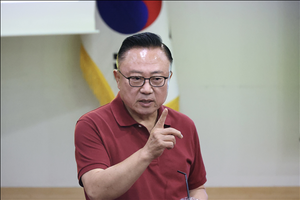
Opposition lawmaker criticizes Foreign Ministry overseas missions for buying luxury foreign cars
Mercedes-Benz, BMW vehicles operated at 19 overseas missions Lawmaker says embassies are 'ignoring the competitiveness of Korean-made vehicles' People Power Party lawmaker Ko Dong-jin, a member of the Foreign Affairs and Unification Committee, criticized the Foreign Ministry on Thursday over its overseas missions' purchases of foreign-made vehicles. According to data on vehicle manufacturers used at each overseas mission, which Ko obtained from the Foreign Ministry, 19 missions — including the embassy in the United Kingdom — have purchased and operated top-of-the-line foreign luxury vehicles for use by their ambassadors and for protocol purposes. Ko said the purchases violated the Foreign Ministry's vehicle management regulations for overseas missions, which require that Korean-made vehicles be given priority when procuring official cars. Ko said the foreign-car purchases amounted to "ignoring the competitiveness of Korean-made vehicles." He added that Korean automakers produce vehicles fully capable of competing on performance and features, and that overseas missions — which should be at the forefront of promoting Korean companies and products abroad — were instead undermining the case for domestic cars. The data obtained by Ko's office showed that the embassies in the United Kingdom, Thailand and Switzerland, among others, are operating Mercedes-Benz and BMW vehicles. "It is hard to understand why missions used taxpayer money to buy luxury foreign cars when regulations require the purchase of Korean vehicles and high-performing domestic options are available," Ko said. He called on the Foreign Ministry to strengthen its oversight of vehicle procurement at overseas missions, saying it must determine whether individual ambassadors' personal preferences — rather than any reasonable justification — have been driving purchasing decisions.
Sept. 17, 2026
-
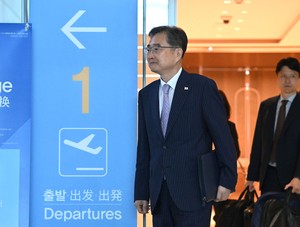
Foreign Minister Cho Hyun departs for Washington for talks with Rubio
Foreign Minister Cho Hyun departed from Terminal 2 of Incheon International Airport on Thursday, bound for Washington, D.C., to attend a South Korea-US foreign ministers' meeting. Cho is set to hold talks with US Secretary of State Marco Rubio in Washington on Friday, with the two countries expected to discuss a broad range of topics including bilateral relations, Korean Peninsula issues, and regional and global matters.
Sept. 17, 2026
-
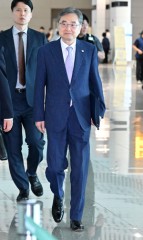
Foreign Minister Cho Hyun departs for Washington for talks with Rubio
Foreign Minister Cho Hyun departed Thursday from Terminal 2 of Incheon International Airport, heading to Washington, D.C., to attend a South Korea-US foreign ministers' meeting. Cho is set to hold talks with US Secretary of State Marco Rubio in Washington on Friday, with the two countries expected to discuss a wide range of issues, including bilateral relations, Korean Peninsula matters, and regional and global affairs.
Sept. 17, 2026
-
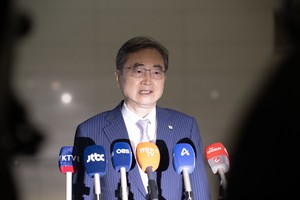
Foreign Minister Cho Hyun departs for Washington ahead of talks with Rubio
Foreign Minister Cho Hyun departed Thursday from Terminal 2 of Incheon International Airport for Washington, D.C., ahead of a bilateral foreign ministers' meeting. Cho is set to meet with US Secretary of State Marco Rubio in Washington on Friday, with the two countries expected to discuss a wide range of issues including South Korea-US relations, Korean Peninsula matters, and regional and global affairs.
Sept. 17, 2026
-
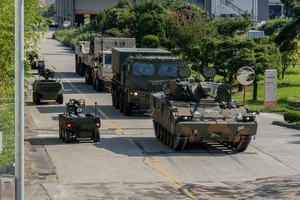
Hanwha to field 6 unmanned ground vehicle types by 2030, convert K9 and Chunmoo to AI-enabled systems
Technology development underway to convert existing manned weapons to unmanned systems Arion-SMET to be supplied to Army and Marine Corps from next year Hanwha Aerospace is developing technology to convert existing weapons systems — including the K9 self-propelled howitzer and the Chunmoo guided missile system — into AI-enabled manned-unmanned teaming combat platforms, as part of a push to strengthen South Korea's military capabilities and global export competitiveness. The company also plans to field a full lineup of small, medium and large unmanned ground vehicles (UGVs) across six common platforms by 2030. Hanwha Aerospace unveiled the roadmap Thursday alongside plans to establish and begin operating a production system for the Arion-SMET, the first multipurpose unmanned ground vehicle to be adopted by the South Korean military. The company signed a mass-production contract with the Defense Acquisition Program Administration (DAPA) this month, with deliveries to Army and Marine Corps infantry units set to begin next year. The Arion-SMET will be produced at the Changwon plant, which also manufactures the Chunmoo, the Cheongung-II medium-range surface-to-air interceptor missile and the L-SAM long-range surface-to-air interceptor missile launcher. To ensure stable mass production of the Arion-SMET, Hanwha Aerospace has built a cooperative network with about 40 suppliers providing key components including structural parts, batteries, navigation systems, lidar and remote-control equipment. More than 98 percent of the vehicle's major components are domestically sourced, enabling rapid follow-on logistics support and maintenance. Starting with the Arion-SMET, Hanwha Aerospace plans to secure six UGV common-platform variants spanning small, medium and large classes by 2030. Representative models include a multipurpose unmanned vehicle weighing under 10 tons, a medium-class tracked robotic combat vehicle (T-RCV) under 20 tons, and a large heavy unmanned ground vehicle (H-UGV) in the 30-ton class. Hanwha Aerospace is also mass-producing South Korea's first defense robot — an explosive ordnance detection and disposal robot. The company is participating in the development of a range of unmanned systems, including an unmanned reconnaissance vehicle designed to precede mechanized units on the battlefield, an AI-based Korean combat engineer vehicle (K-CEV) capable of deploying drones and robots, and a manned-unmanned combined chemical, biological, radiological and nuclear reconnaissance vehicle. Interest in the Arion-SMET has grown internationally following its domestic procurement contract. Romania, Finland and Canada are among the countries showing interest, and Hanwha estimates the global market for such systems could reach the multi-trillion won range around the 2030s. Hanwha Aerospace also plans to accelerate the conversion of existing manned equipment to optionally manned fighting vehicle (OMFV) configurations. The company has set a 2029 target for converting the K9, Chunmoo and the next-generation infantry fighting vehicle to OMFV configurations. Manned-unmanned teaming technology will also be applied to a broader range of firepower and mobility platforms, including the 120mm self-propelled mortar, the Marine Corps amphibious assault vehicle (KAAV) and the combat engineer vehicle (K-CEV). "The future battlefield is shifting toward a multi-domain environment built on highly secure, hyper-connected networks that enable intelligent decision support," said Kim Dong-hyun, head of Hanwha Aerospace's land systems division. "We will proactively secure the technology needed to become a leading company in defense unmanned systems, prepared for the battlefields of the future." Hanwha Aerospace operates three plants in the Changwon area of South Gyeongsang Province, where its core equipment is produced. Changwon Plant 1 manufactures most of the aviation engines used in South Korea's main domestically produced fighter jets and helicopters; Plant 2 produces the Chunmoo launcher; and Plant 3 produces the K9 self-propelled howitzer. Hanwha Aerospace's Changwon Plant 2, visited by a group of Ministry of National Defense press corps journalists on Monday, covers a site of approximately 198,000 square meters — equivalent to about 30 soccer fields. Finished weapons and equipment are mostly loaded onto vessels at the nearby port of Masan for delivery to countries around the world. Established in 1984, Plant 2 has produced a range of mobility platforms including the K200, South Korea's first domestically developed armored vehicle, and the K21, the Army's current main infantry fighting vehicle. A journalist who rode in the K21 at speeds of up to 60 kilometers per hour — with a top speed of 70 kph — found that despite the vehicle's powerful mechanical roar, it handled corners and slopes with a stability smooth enough to feel the breeze on one's face. The general manufacturing process follows five steps: welding of structural components such as the vehicle hull and turret; precision machining of the hull and turret; assembly of tracked vehicles and other systems on the assembly line; turret assembly and system integration; and system testing covering fire control and integrated interoperability functions. Some steps vary by platform given the facility's high-mix, low-volume production model. The Chunmoo, the most representative weapons system produced at the plant, was developed through company-led research and development and began deployment to front-line units and the five West Sea islands from 2015. Export contracts began with Middle Eastern countries in 2017 and 2021, followed by three successive contracts with Poland starting in November 2022 and subsequent deals with Estonia, Norway and Croatia. Following the K9, Hanwha Aerospace plans to hold its first "Chunmoo User Club" event next year — a gathering where operating nations share development directions and operational know-how for the weapons system. The K9 User Club held its fifth such event this year.
Sept. 17, 2026
-

Assembly judiciary panel adopts hearing report on Kim Seung-won, led by ruling party; PPP walks out
Sept. 17, 2026
-
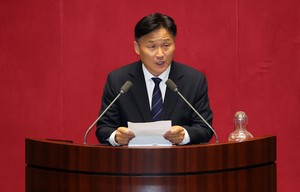
Kim Young-jin: 'Build trust first, not approval ratings'
'Further controversy will make it hard to build public consensus' On Choo's opposition to Kim Ji-yong nomination: 'Is the CSIO a social club?' 'Take the Roh Moo-hyun era as a lesson — criticism must be measured' Democratic Party of Korea lawmaker Kim Young-jin said Thursday, ahead of President Lee Jae Myung's press conference, that the ruling party and the government must focus on earning the public's trust rather than chasing a rebound in approval ratings. "Is it not a matter of 'mushin bullip' — that without trust, nothing stands?" Kim said. "If we lose trust, we will not be able to move forward." Speaking on SBS Radio that day, Kim said the president appeared to have gathered sufficient input on a range of issues ahead of the press conference. "I think he will have collected enough opinions and settled his positions on the withdrawal of indictments, the constitutional amendment to allow a consecutive term, questions surrounding various ministerial nominees, the Hormuz Strait troop deployment issue related to the United States, and major matters of diplomacy, defense, domestic politics and the economy," he said. Kim said it would not be appropriate for him to speak on behalf of the president, but added that he expected Lee to speak after careful deliberation. "I believe he will judge and speak after fully considering what changes would be appropriate for the ruling party and government in order to meet the public's expectations and align with the people's perspective," he said. On the mounting controversy over the withdrawal of indictments and the consecutive-term constitutional amendment, Kim warned that further dispute could hamper governance. "If the controversy grows any further, it will not be easy to carry out state affairs, execute policy, or build public consensus," he said. "I believe he will make the appropriate judgment under those circumstances." Asked for advice on holding a press conference just ahead of the chuseok holiday, Kim said the occasion called for a change in atmosphere. "I think what is needed is a situation where the ruling Democratic Party can ask the public to help create a new environment in which we can get to work — expressing regret where mistakes were made and showing that we want to move forward together with the people," he said. When asked who the primary audience of the press conference should be, Kim said the president should not think in terms of core supporters, traditional supporters or moderates. "It needs to be a press conference held from the perspective of the general public as a whole," he said. "In fact, I think the direction is to see this as the first step toward building a foundation of trust, rather than simply bouncing back in the approval ratings." Kim also called on Gyeonggi Province Governor Choo Mi-ae, who has been publicly criticizing the nomination of Kim Ji-yong as the inaugural head of the Central Serious Crimes Investigation Office, to temper her remarks. "Criticism should be measured and appropriate," he said. Kim drew on the experience of the Roh Moo-hyun administration as a cautionary tale. "In the past, we lost power while embroiled in controversy over four major reform bills, including the National Security Act — we must take that painful experience as a lesson and recognize that there is a point up to which criticism is acceptable," he said. "There are things that can be handled internally and privately, but openly fighting in public is not something the people should have to see." Governor Choo had on Wednesday invoked the concept of the "banality of evil" in connection with the nominee and called for the nomination to be withdrawn. Kim pushed back, saying the office should be led by the most capable investigator. "The whole point of creating the Central Serious Crimes Investigation Office was to have the best investigator take the helm," he said. "Is the CSIO some kind of social club?"
Sept. 17, 2026
-
PPP boycotts standing committees after Democratic Party pushes through Kim Seung-won confirmation report
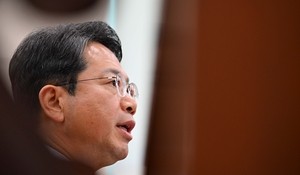
Democratic Party's Legislation and Judiciary Committee rams through hearing report alone PPP cancels Land and Industry committee sessions in retaliation 'Even PSPD opposes him' vs. 'cheap political attack' Lee Hyung-il's report adopted with bipartisan agreement The political standoff between the Democratic Party of Korea and the People Power Party over the nomination of Kim Seung-won as minister of justice has spilled beyond the confirmation hearing into a broader parliamentary confrontation. After the Democratic Party moved to adopt Kim's confirmation hearing report without PPP support, the PPP retaliated by canceling scheduled plenary sessions of standing committees it chairs. The clash over Kim's nomination has begun to ripple out to other cabinet nominees in President Lee Jae Myung's second-round reshuffle. Of the standing committees scheduled to take up confirmation hearing reports Thursday, those chaired by Democratic Party lawmakers — the Legislation and Judiciary Committee, the Finance and Economy Planning Committee and the National Defense Committee — proceeded with their plenary sessions as planned. Each committee had on its agenda the adoption of confirmation hearing reports for Kim; Lee Hyung-il, nominee for deputy prime minister and minister of economy and finance; and Kang Shin-cheol, nominee for minister of national defense. The Finance and Economy Planning Committee, which held its plenary session first, adopted Lee's confirmation hearing report. Committee Chair Cho Seung-rae, a Democratic Party lawmaker, said the report had been drawn up in consultation with negotiators from both parties, focusing on issues raised during the hearing and Lee's responses to them. However, the PPP included a statement of opposition to Lee's nomination in the report. Bae Jun-young, the PPP's lead negotiator on the committee, said many concerns had been raised about Lee, as reflected in the hearing report, but added that he recognized the need for a policy coordinator to quickly reverse the struggling economy. The clash over Kim's report was far sharper. PPP members of the Legislation and Judiciary Committee boycotted the plenary session, with one member saying there had been no proper consultation on adopting the report despite Kim's shortcomings being widely known. The Democratic Party adopted Kim's confirmation hearing report without the PPP. The fallout spread to other committees. The Industry, Trade, Resources, SMEs and Startups Committee and the Land, Infrastructure and Transport Committee — both chaired by PPP lawmakers — canceled their scheduled plenary sessions. The two panels had been set to take up confirmation hearing reports for Lee So-young, nominee for minister of SMEs and startups, and Hong Ji-sun, nominee for minister of land, infrastructure and transport, respectively. The PPP said the Democratic Party had been steamrolling post-hearing procedures for Kim and other nominees and responded by suspending committee business. The PPP's floor leadership decided to halt meetings of committees it chairs after the Democratic Party signaled it would push through Kim's report unilaterally at the Legislation and Judiciary Committee, according to sources familiar with the matter. PPP Floor Leader Jeong Jeom-sik, speaking at a supreme council meeting, criticized the Democratic Party for pressing ahead with Kim's nomination despite opposition from People's Solidarity for Participatory Democracy, a civic group generally sympathetic to the progressive camp. "Everyone knows the real reason for forcing through this appointment lies in dropping the criminal charges against President Lee Jae Myung," he said. Jeong also said the nominees for the defense, finance, land and SMEs portfolios would all qualify as real estate speculators under the Democratic Party's own standards. "This is the left's characteristic sense of entitlement — strict with the public, lenient with their own — on full display," he said. The Democratic Party said it would press ahead with adopting the remaining confirmation hearing reports regardless of the PPP boycott. Democratic Party floor spokesperson Jeon Eun-su told reporters Thursday that the party had no special countermeasure planned and that proceedings at the Legislation and Judiciary Committee and the National Defense Committee would continue as scheduled. The Democratic Party maintained that Thursday's committee sessions had been arranged through prior consultation with the PPP. A staffer in the office of a National Defense Committee member said the two parties' negotiators had agreed to hold a plenary session to adopt the confirmation hearing report before a full Assembly vote. On the PPP side, however, there were signs of confusion in the committees it chairs. A staffer in the office of an Industry, Trade, Resources, SMEs and Startups Committee member said the panel had been set to adopt Lee So-young's confirmation hearing report but was stopped by the PPP. Democratic Party Floor Leader Han Byung-do said the PPP had spent the two-day hearings obstructing rather than scrutinizing the nominees. "The PPP wasted time that should have been used to assess policy competence with personal attacks, abusive language and shouting," he said. "Turning allegations into crimes and launching personal attacks through mockery is not vetting — it is a cheap political attack." Cheong Wa Dae is expected to review each nominee's confirmation hearing report before deciding on appointments. Some observers believe President Lee will sign off on all the nominations despite the ongoing controversies surrounding each candidate. A Cheong Wa Dae official said the hearings appeared to have addressed the key concerns to a significant degree and that the decisions would be made with those findings in mind.
Sept. 17, 2026
-
Incheon to accelerate aging-city renewal with dedicated planners, fast-track system
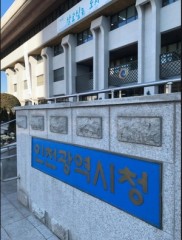
Incheon Metropolitan City is building a dedicated administrative support system — combining specialized personnel and expert review bodies — to accelerate the renewal of aging planned districts. The initiative aims to reduce early-stage community conflicts and sharply cut the time spent on administrative procedures as the city pushes to transform older neighborhoods into future-oriented smart cities. The city announced Friday it will allocate a total budget of 64.3 million won ($47,000) across six pilot zones and introduce a rapid-implementation system for aging planned-city renewal — linking dedicated master planners (MPs) with a specialized committee — with full operation set to begin in 2027. The city also plans to gradually expand the scope and scale of support to newly designated renewal sites going forward. The centerpiece of the initiative is a public-private cooperative renewal support fast-track mechanism. By having private stakeholders and local government jointly review and resolve key issues and zone-specific concerns from the earliest stages of a project, the city aims to head off resident disputes and administrative missteps — the most common causes of delays in renewal projects. Concrete support measures have also been put in place. A dedicated MP will be assigned to each zone to provide close guidance throughout the entire process of drawing up a special renewal plan, offering differentiated renewal directions tailored to each area's locational characteristics and coordinating key stakeholder interests. Alongside this, the city will restructure its dedicated review body — the Aging Planned City Renewal Committee — so that it can conduct reviews and provide advisory opinions on an ongoing basis whenever issues arise, significantly reducing administrative wait times. The city has already laid the groundwork. It launched a master-plan development contract in October 2024 and has held a series of public information sessions since then. In December 2025, it completed the master plan and opened applications for pilot zones. In August, it established a dedicated renewal committee and finalized the selection of six pilot zones. Going forward, Incheon will hold a series of community meetings to establish criteria for forming resident representative groups and to identify new candidate sites. The city aims to finalize and officially announce its master plan for aging planned-city renewal before the end of the year, complete the on-site deployment of MPs, and proceed without delay with recruiting new candidate sites for next year. "This is a measure to secure a tangible pace of project implementation that residents can feel, following the designation of pilot zones," said Yoo Gwang-jo, director of Incheon's Urban Balance Bureau. "We will provide one-stop, hands-on support from planning through final review, so that aging urban areas can be swiftly reborn as comfortable, smart cities of the future."
Sept. 17, 2026
-
Only 1 in 4 misdirected transfers recovered under gov't return program
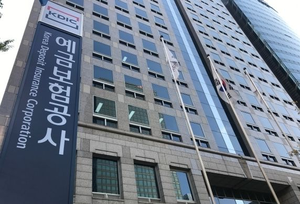
38.67 billion won returned out of 162.84 billion won sought over 5 years Application rate rising, but return rate has fallen by half Fraud-linked accounts top list of rejection reasons Lawmaker Kim calls program 'rescue in name only' Of the roughly 160 billion won ($117 million) sought through the government's misdirected-transfer return program — which helps people recover money sent to the wrong account — only 38.6 billion won was actually returned, according to data released Thursday. Applications have consistently increased over the past five years, but the return rate has fallen by half. Critics say the program's effectiveness is undermined because accounts linked to fraud and other crimes — the very cases where bank-based recovery is most difficult — are excluded from eligibility. Data submitted to the office of Democratic Party of Korea lawmaker Kim Yong-man, a member of the National Assembly's Political Affairs Committee, by the Korea Deposit Insurance Corporation showed that of the 162.84 billion won applied for under the misdirected-transfer return system from the second half of 2021 through June, only 38.67 billion won — or 23.7 percent — was actually returned. In terms of case counts, 26,836 of a cumulative 70,784 applications — 34.4 percent — resulted in a return, meaning roughly seven out of 10 people who used the program still did not get their money back. The misdirected-transfer return system was introduced in July 2021 as a consumer financial protection measure. It was designed to reduce the time and legal costs that individuals would otherwise face in pursuing litigation when bank-based recovery alone proved insufficient. Since the program launched, the number of applications has been on the rise. Annual filings grew from 11,478 in 2022 to 13,442 in 2023, 16,753 in 2024 and 21,566 in 2025 — more than doubling over the period. The number of cases the Korea Deposit Insurance Corporation approved for support, however, has remained largely flat: 5,402 cases (47.1 percent) in 2022, 5,780 (43.0 percent) in 2023, 5,288 (31.56 percent) in 2024 and 5,419 (25.12 percent) in 2025. As a result, the return rate plunged from 47.1 percent in 2022 to 25.12 percent last year. The rate was even lower for high-value cases. Of 220 applications involving transfers of more than 50 million won but no more than 100 million won filed from 2023 through June, only 18 — 8.2 percent — resulted in a return. The program's ceiling was raised from 50 million won to 100 million won in 2023. The most common reason for rejection was that the recipient account had been flagged as linked to fraud or other criminal activity. Of the 40,748 applications rejected between July 2021 and June, 12,441 fell into that category. The number of such rejections more than tripled, from 1,209 cases in 2022 to 3,920 in 2025, while the total amount involved surged more than fivefold — from 1.93 billion won to 11.13 billion won over the same period. In practice, bank-based recovery is in effect impossible when a misdirected transfer goes to an account used for fraud, yet the public program also excludes such cases from support. The Korea Deposit Insurance Corporation told Kim's office that accounts linked to fraud or other crimes, accounts subject to legal measures such as seizure, and cases involving liquidation or bankruptcy are matters for individuals to pursue through legal channels. "This program exists for people who cannot get their money back through banks, yet six or seven out of every 10 applications are being rejected," Kim said. "We must correct the corporation's passive administrative posture so the program does not remain a rescue in name only, and actively put real recovery procedures into operation."
Sept. 17, 2026
-
Cheon Ha-ram slams defense minister nominee over special housing allocation: 'Shameless'
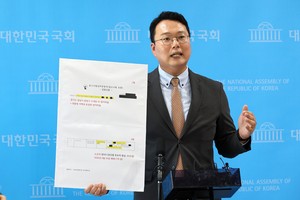
'Special supply for displaced residents out of step with government policy' 'Pushing Kim Seung-won through sends a bad signal' Reform Party floor leader Cheon Ha-ram on Thursday renewed his attack on Kang Shin-cheol, the nominee for defense minister, saying the Seocho-dong apartment Kang obtained through a special housing allocation for displaced residents was purchased for 520 million won ($380,000) and now carries an asking price of more than 2.2 billion won. Appearing on CBS Radio's "Park Seong-tae's News Show," Cheon said he had known Kang was a beneficiary of the displaced-residents program but called him a "shameless" one, adding that Kang owes the public a credible explanation and an apology. Cheon argued that the apartment pre-sale was out of step with public sentiment. "Securing a newly built apartment in Seoul has become nearly impossible for ordinary people," he said. "From the public's perspective, this is deeply frustrating, and it runs counter to the Lee Jae Myung administration's policy direction." Cheon also questioned the legitimacy of how Kang obtained the allocation. "He was a senior military officer, and those displaced-resident designations should go to people who truly need them," he said. "Using a fake address registration in Hwacheon, Gangwon Province, just to get that designation — that's simply not right." Cheon also took issue with Kang's son posting a photo of himself with his father as his KakaoTalk profile picture. "If you're really the son of a four-star general, everyone in the unit already knows it," he said. "Having that photo as your profile picture could make not only your fellow soldiers but also your superiors uncomfortable." At the confirmation hearing held Wednesday, Kang responded to that criticism by saying "people can think differently" — a reply Cheon said revealed a troubling lack of awareness. "Doesn't this show that the nominee's understanding of the distinction between public and private conduct, and of fairness within the military, is simply too low?" Cheon said. "On issues that could be problematic, he comes across as brazen, and on sensitive points that are hard to defend, he claims ignorance." Turning to Kim Seung-won, the nominee for justice minister, Cheon said it was deeply problematic that a sitting lawmaker had directly lobbied the head of the Ministry of Food and Drug Safety over a new drug approval. "Lawmakers hear all kinds of constituent requests and make referrals — that's part of the job — but directly lobbying the food and drug safety minister over a new drug is a different matter entirely," he said, adding that remarks involving the word "oppa" and other comments that emerged during the hearing were "embarrassing for the public to hear." "If the government pushes ahead with the appointment, won't that send a bad signal to the public about the integrity of public office?" Cheon added.
Sept. 17, 2026
-
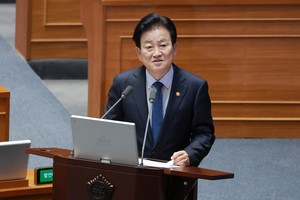
Unification minister calls Lee-Trump pairing 'optimal leadership' for Korean Peninsula peace
Minister outlines four key tasks: peace deal, cross-recognition, arms control, humanitarian cooperation Minister of Unification Jeong Dong-young on Thursday described the pairing of President Lee Jae-myung and US President Donald Trump as "the optimal leadership combination for achieving a transition to a peace regime on the Korean Peninsula," calling for the completion of "cross-recognition" through the normalization of North Korea-US and North Korea-Japan diplomatic ties as inter-Korean dialogue advances. Jeong made the remarks at an academic conference titled "Three Blueprints for Peaceful Coexistence on the Korean Peninsula: A Journey Toward a Peace Regime," co-hosted by the Ministry of Unification and the East Asia Institute at the Westin Chosun Seoul hotel in Jung-gu, Seoul. On the political front, Jeong called for the conclusion of a peace deal. On the diplomatic front, he identified the normalization of North Korea-US and North Korea-Japan relations as "unfinished business left over after South Korea established ties with the Soviet Union and China." He said completing that cross-recognition framework — a concept former US Secretary of State Henry Kissinger first proposed at the UN General Assembly in 1975 — was essential to laying a solid foundation for a lasting peace regime on the peninsula. Jeong also laid out a roadmap for military and humanitarian-economic affairs. On the military side, he said it would be possible to "first halt the advancement of nuclear capabilities and then develop mutual confidence-building measures," adding that conventional arms control could also be put on the table. On humanitarian and economic cooperation, he said discussions could cover "humanitarian collaboration as well as cooperation to overcome new challenges such as climate change and AI, and to improve people's lives." Jeong stressed that both President Lee and President Trump have a strong will to engage with North Korea, and underscored the South Korean government's commitment to taking the initiative in building trust. "We must make clear that our willingness to pursue mutual respect and an end to confrontation is not empty rhetoric — without first demanding concessions or change from North Korea," he said. "We will do our utmost to establish inter-Korean communication channels, including opening lines of contact, and will pursue the peaceful use of border areas as part of the transition to a peace regime on the Korean Peninsula."
Sept. 17, 2026
-
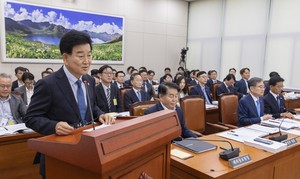
N. Korea demands US drop 'three hostile policies' before talks, ministry says
Unification Ministry briefing to National Assembly foreign affairs committee North Korea is watching developments closely while demanding that the United States drop what Pyongyang calls its "three hostile policies" — denuclearization pressure, human rights criticism and joint military exercises — as a precondition for resuming US-North Korea dialogue, South Korea's Ministry of Unification said Thursday. Seoul said it would play a "pacemaker" role to help bring about US-North Korea talks, capitalizing on an opening created by President Donald Trump's order to scale back joint military exercises, and would then work to channel any diplomatic momentum into multilateral talks aimed at building a peace regime on the Korean Peninsula. The ministry presented a report titled "Recent North Korean Trends and Future Policy Direction" at a plenary session of the National Assembly's Foreign Affairs and Unification Committee on Thursday. According to the report, North Korea has recently been showcasing solidarity with China and Russia while signaling its negotiating conditions to Washington. Kim Yo-jong, vice director of the Korean Workers' Party, emphasized personal ties between the two leaders in response to Trump's conciliatory gestures — including his order to reduce joint exercises — but also demanded the United States "abandon its hostile policy toward Korea" on Aug. 19. North Korea's Foreign Ministry then explicitly cited denuclearization, human rights and military threats — including exercises such as Freedom Edge — as the "three hostile policies," signaling them as preconditions for any future US-North Korea dialogue on Aug. 31. However, North Korea calibrated its response to Freedom Edge, the trilateral South Korea-US-Japan exercise held Sept. 7-11: it issued a defense minister's statement of condemnation and launched a ballistic missile on Saturday, but refrained from sending any separate public diplomatic message. On inter-Korean relations, Pyongyang has been firmly blocking Seoul's attempts to engage in US-North Korea diplomacy. Kim Yo-jong harshly criticized the South Korean government's welcoming response to the exercise reduction, invoking the South Korean president by name and using terms such as "master-servant relationship," "puppet" and "double-tongued behavior." The ministry assessed that North Korea is monitoring Seoul's North Korea policy positions and statements in real time. Domestically, Pyongyang has focused on consolidating internal cohesion — carrying out military personnel reshuffles and economic reviews through the fourth expanded Politburo meeting and the second session of the Party Central Military Commission, and invoking "naval nuclear armament" at the commissioning ceremony of a new destroyer. The ministry said it would move forward with the "three blueprints for peaceful coexistence on the Korean Peninsula" announced in this year's Liberation Day address. The specific tasks outlined include restoring inter-Korean communication channels and reviving the Sept. 19 military agreement for stable peaceful coexistence; eliminating mutual hostility and promoting civilian exchanges and four peace-exchange projects for inclusive peaceful coexistence; and halting the advancement of North Korea's nuclear capabilities through ending the war and transitioning to a peace regime, for responsible peaceful coexistence. The government said it particularly intends to seize the opening for resumed US-North Korea dialogue created by Trump's decision to scale back joint CPX. "We will support the realization of US-North Korea talks through a pacemaker role, and work to channel the momentum from those talks into multilateral dialogue aimed at building a peace regime on the Korean Peninsula," the ministry said. "A peace regime in which there is no need to fight is the most complete security asset and the fundamental solution to the Korean Peninsula issue."
Sept. 17, 2026
-
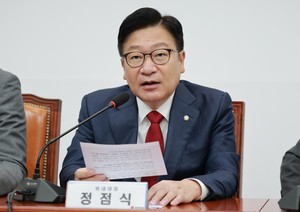
PPP floor leader warns of 'cabinet of 35 convictions' if Kim Seung-won is confirmed as justice minister
People Power Party Floor Leader Jeong Jeom-sik warned Thursday that pushing ahead with the appointment of Justice Minister nominee Kim Seung-won — who has a drunk-driving conviction — would expand what he called a "cabinet of criminals" to a total of 35 prior convictions. Jeong also said everyone knows the real reason the ruling party is pressing so hard for Kim is to secure the withdrawal of criminal charges against President Lee Jae Myung. Speaking at a supreme council meeting at the National Assembly on Thursday morning, Jeong said the Democratic Party had declared Kim qualified for the justice minister post on the grounds that he had no serious disqualifying factors. "The current cabinet, including a president with four prior convictions, already has a combined total of 34 convictions among its key figures," he said. "The Lee Jae Myung administration is itself a structurally criminal cabinet," Jeong said. "With so many people with criminal records, what is the point of the Democratic Party even debating whether someone is disqualified?" He added that the government and the ruling party were "running roughshod over personnel appointments with no regard for the people," calling it "a declaration of war against the public." Jeong said President Lee's approval rating had hit a record low, yet the president was "clinging to his own political security and policy stubbornness." He added that the latest cabinet reshuffle was "pouring fuel on public anger," and described Kim's confirmation hearing as "a tearful melodrama starring the arts-faculty oppa." "Even a majority of the public — and even the pro-ruling-party People's Solidarity for Participatory Democracy — oppose this, yet they are pressing ahead," Jeong said. "Everyone knows the reason for this reckless move lies in dropping the charges in the president's trial." He went on to criticize the other nominees, saying the candidates for the Defense Ministry, Ministry of Finance and Economy, Ministry of Land, Infrastructure and Transport, and Ministry of SMEs and Startups were "all real estate speculators by the Lee Jae Myung administration's own standards." He said the appointments exposed "the raw sense of privilege unique to the left — always strict with the public, always lenient with their own." Jeong said the Justice Ministry nominee faced allegations of solicitation lobbying, while the Land Ministry nominee had taken out loans to the limit to buy an apartment. The Defense Ministry nominee, he said, had proposed abolishing his own alma mater, the Korea Military Academy, and the SMEs Ministry nominee had backed the so-called Yellow Envelope Act, which he described as anti-business legislation. "Even if you tried to hand-pick only unqualified candidates, you could not assemble a lineup this unqualified," Jeong said. Separately, Jeong addressed the chaos surrounding the university early-admissions application period, calling it a failure of the Ministry of Education's oversight responsibilities. "Over this application fiasco, Education Minister Choi Kyo-jin and all those responsible must resign," he said. He said the core problem was that university acceptance-rate data had been made public during a one-hour extension of the application window. "Students who submitted applications after seeing the published figures gained an advantage, while those who applied earlier were put at a disadvantage — this is a matter of fairness," he said. He called on the Ministry of Education to take "firm and principled action" to ensure that students who applied early were not left to suffer unfairly from the irregularity.
Sept. 17, 2026
-
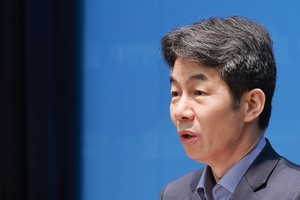
Ruling party lawmaker warns Lee's approval rating is 'collapsing without pause'
Democratic Party of Korea lawmaker Yoon Geon-young said Thursday that President Lee Jae Myung's sliding approval rating reflects a serious breakdown in public support. Appearing on MBC Radio's "Kim Jong-bae's Focus," Yoon said the current downward trend in the president's approval rating is striking in both its scale and speed. "There needs to be something that at least slows the decline, but the situation is one of collapse without pause," he said. He added that the local election results may have been a preview of a warning — "but the main feature has arrived far too soon." Yoon identified trust as the core reason for the drop. "When a policy goes wrong, fixing and improving it can restore approval ratings — but once trust is broken, people simply refuse to look," he said. "Whatever is done, whatever is said, people no longer believe it," he continued. "This is shaking the very foundation, and I raised this because we need to take it seriously before things get worse." Yoon pointed particularly to controversies over the withdrawal of indictments and the debate over a constitutional amendment allowing consecutive presidential terms as fueling public doubt. "Many people who once wondered whether the president would really do such things have now reached the point of withdrawing their trust entirely," he said. On President Lee's press conference scheduled for Friday, Yoon said it must be approached with the mindset that "if the public wants 10, the president should give 11." He added that the event was necessary to create a turning point that halts the approval rating decline and secures momentum for state affairs. Turning to a dispute between Gyeonggi Province Governor Choo Mi-ae, who had criticized Kim Jiyong, the nominee for inaugural chief of the Serious Crimes Investigation Agency, and Democratic Party Chairman Kim Min-seok, who responded to her, Yoon advised both to show restraint. "Even if you use the same words, use the language of comrades — why resort to the language of exclusion?" he said. On the ongoing clash between Chairman Kim and Rebuilding Korea Party research institute director Cho Guk over merger talks, Yoon urged both sides to exercise restraint, saying supporters of the progressive and reform camp "will not look favorably on this." He told Chairman Kim that "right now, winning hearts matters more than the pace of change," and asked Director Cho to "consider using the language of respect and the language of comrades."
Sept. 17, 2026
-
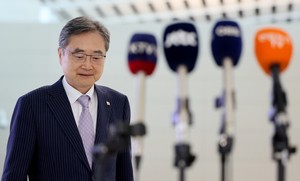
Delay in US investment announcement reflects domestic procedures, not disagreement, Cho says
'Will maintain clear stance if anything goes against national interest' at Friday's Rubio meeting Foreign Minister Cho Hyun said Thursday that the recently delayed announcement of South Korea's investment plans for the United States reflects domestic procedural considerations rather than any disagreement between the two countries. Cho made the remarks to reporters at Incheon International Airport before departing for Washington to attend a bilateral foreign ministers' meeting. Asked whether South Korea's US investment plans would come up during his meeting with US Secretary of State Marco Rubio on Friday (local time), Cho said the issue would likely surface "in the course of reviewing the overall relationship between the two countries." He added that Seoul would clearly explain to Washington what it is able to offer, and said he intends to "lay out in detail and maintain a clear stance" on any issue that runs counter to South Korea's national interest or differs from its position. On the question of deploying troops to the Strait of Hormuz — a request from the US — Cho reaffirmed a cautious stance, saying the matter "has not yet been decided and is under review with various factors in mind." He said he would convey to Washington the government's position that South Korea would participate in international cooperation efforts while giving priority to the safety of its citizens and freedom of navigation through the strait. He added that Seoul had already communicated its basic position to Tehran during a phone call last week with Iranian Foreign Minister Abbas Araghchi. On follow-up measures stemming from the joint fact sheet issued after two Korea-US summits — covering nuclear-powered submarine cooperation and civil nuclear energy collaboration — Cho signaled that Seoul intends to move quickly. He said he plans to push for "continuous and swift working-level consultations" and to implement the joint fact sheet outcomes "as soon as possible." Regarding the growing momentum for resumed North Korea-US dialogue, Cho said any breakthrough in relations between the two would be "something our government would welcome," adding that "there is no chance the government will be bypassed, so we will need to keep a close watch on developments."
Sept. 17, 2026
MOST READ
- 1KAIST develops high-performance bio-based adhesive using E. coli instead of petroleum
- 2Pope Leo XIV declines French honors and banquet, accepts only private meeting with Macron
- 3Daimler Truck unveils next-generation transport solutions at IAA 2026
- 4What was Rachmaninoff's performance fee? A 1928 price list tells all
- 5Samsung Biologics union's show of force backfires at the bargaining table
- 6APR says hair-loss treatment research published in international journal
-
WORLD
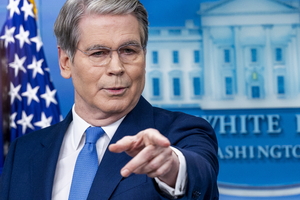
US warns of punishment for anyone enabling Iran's Strait of Hormuz toll scheme
-
INDUSTRY
Toyota union puts productivity first; Hyundai Motor union demands bigger share of profits
-
FINANCE
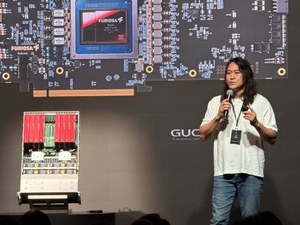
National Growth Fund to invest $531M in FuriosaAI, which rebuffed Meta's $800M takeover bid
-
INDUSTRY
Korea Shipowners' Association holds amateur baduk tournament for Maritime Day