Union emails executives demanding thorough quality checks on the eve of a walkout by QC and QA staff; a member faces reinvestigation over unauthorized factory surveillance during May strike
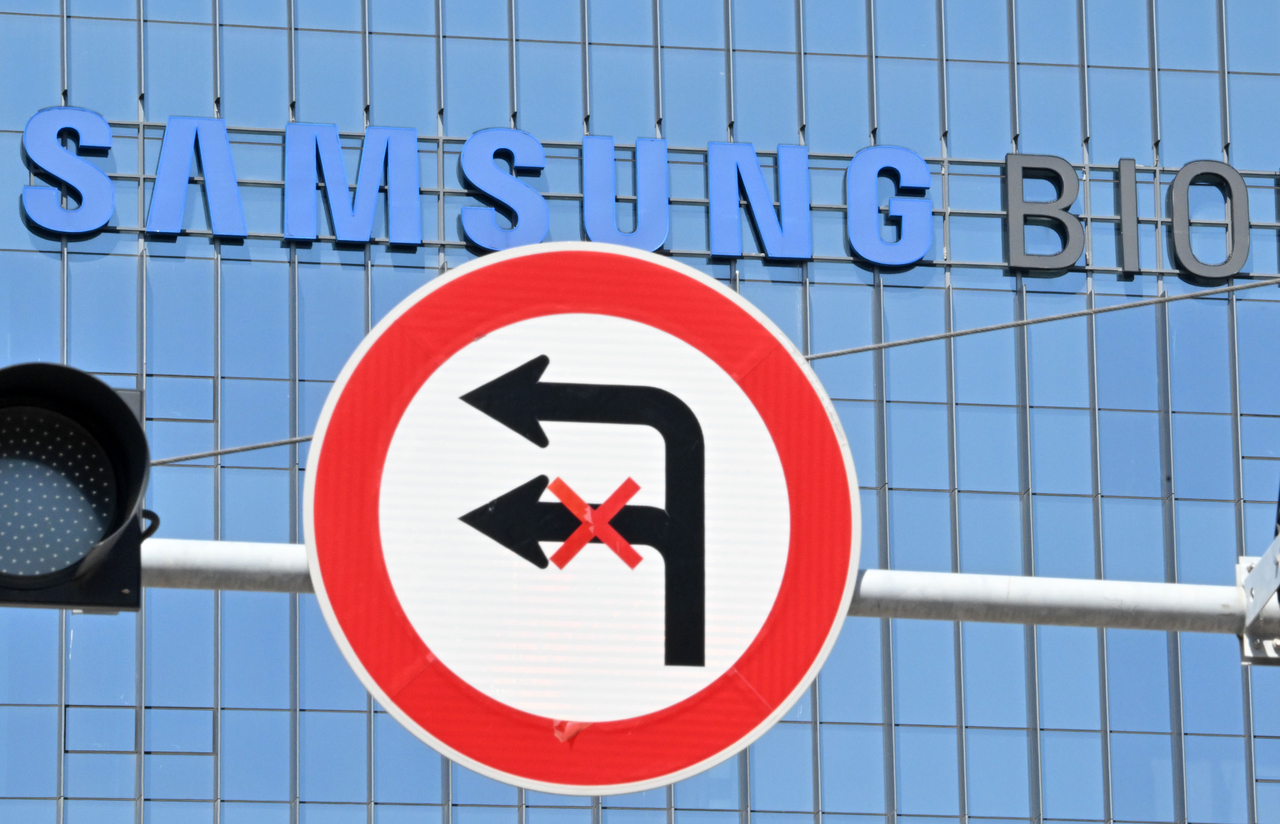
The Samsung Biologics Mutual Prosperity Labor Union, which launched a second strike targeting quality control, quality assurance and logistics departments after a court barred walkouts in nine core production processes, is drawing sharp criticism for what industry observers are calling a glaring contradiction: the union created the quality risk itself, then threatened to report the company to regulators if problems arise.
The controversy is compounded by a separate legal development. A union member accused of unauthorized surveillance on the production floor during the first strike in May now faces reinvestigation after prosecutors called for a fresh police inquiry, adding judicial risk and questions about the union's conduct to an already fraught dispute.
Union pulls quality staff, then tells management to 'inspect thoroughly'
According to industry sources, the Samsung Biologics Mutual Prosperity Labor Union launched its second strike at midnight Friday, involving roughly 400 workers from the quality control, quality assurance and logistics departments.
Yet the day before the walkout, on Thursday, the union sent emails to the company's quality executives and managers urging them to "carry out quality-related duties more thoroughly than usual." It also warned that it would "clearly caution against any act of tolerating quality standard violations or evading responsibility" and would "report to regulatory authorities if procedural problems arise."
Industry insiders have been scathing in their assessment. The union, they say, directly ordered the strike that created the quality management gap, then turned around and tried to shift the blame onto the company — a textbook contradiction.
After the Seoul High Court's injunction blocked strikes in nine core production processes, the union pivoted to support departments such as quality and logistics to inflict indirect damage. Critics say it is now using the threat of regulatory reporting to pressure the company's emergency response — the very effort to fill the gap the union created — by deploying non-union and technical staff to maintain quality.
"The court has already banned industrial action in production processes on the grounds of supply stability for life-critical medicines, including anticancer drugs and HIV treatments," one biotech industry official said. "For the union to interfere with the company's legitimate emergency response, taken precisely to maintain that supply stability, appears to cross a clear line."
The union drew similar criticism in March, when it distributed an English-language press release to global customers warning of "supply chain risks" ahead of a strike authorization vote — an act widely seen as undermining the company's own competitiveness in winning new contracts.
Member who monitored factory floor during May strike faces reinvestigation for obstruction
Questions about the legality of the union's activities have resurfaced. Police have reopened an investigation into a union member accused of obstructing operations during the first strike in May.
According to industry sources, prosecutors on Oct. 21 asked the Incheon Yeonsu Police Station to reinvestigate a case involving a Samsung Biologics Mutual Prosperity Labor Union member on charges of obstruction of business — just 20 days after police closed the case on Oct. 1, citing insufficient evidence.
The member is accused of entering the production floor without authorization during the first strike, despite having no quality-related duties, and monitoring manufacturing processes in a way that disrupted normal operations.
The company views the conduct as going beyond ordinary labor activity, characterizing it as a violation of facility management rights and a departure from proper workplace safety protocols.
The union had initially pointed to the police's decision not to refer the case to prosecutors as evidence that the member had been cleared. The prosecutors' demand for reinvestigation means the member must now face a fresh legal determination.
The central questions in the reinvestigation will be whether the member's entry and surveillance activities fell within the legitimate scope of union activity, and whether they in fact constituted obstruction of business.
Investigators are expected to examine in particular the circumstances surrounding the member's access to the production floor, the specific nature of the activities carried out there, and the impact on normal operations.
No production disruption on second day of strike; union members resign in growing numbers
Fatigue among union members is mounting as the strike drags on and the union's tactics draw increasing scrutiny.
On anonymous workplace online forums, a wave of resignation requests has emerged from members who say the union is fighting for appearances rather than concrete gains, with internal cohesion showing signs of strain.
As of Saturday, the second day of the strike, no production disruptions had been reported. The company activated emergency operations and deployed non-union employees and technical staff to maintain quality and keep production processes running normally.
The company said its priority is to ensure process and quality stability. "We remain committed to dialogue and reaching a wage and collective bargaining agreement," a Samsung Biologics official said. "At the same time, we will do everything possible to maintain process operations and quality stability so that patients and customers are not affected."
silverpaper@heraldcorp.com