
Bessent cites Iran threats; Blanche, Hegseth, Rubio and Miller also living on bases
CNN warns of vanishing democratic tradition of officials living among ordinary citizens
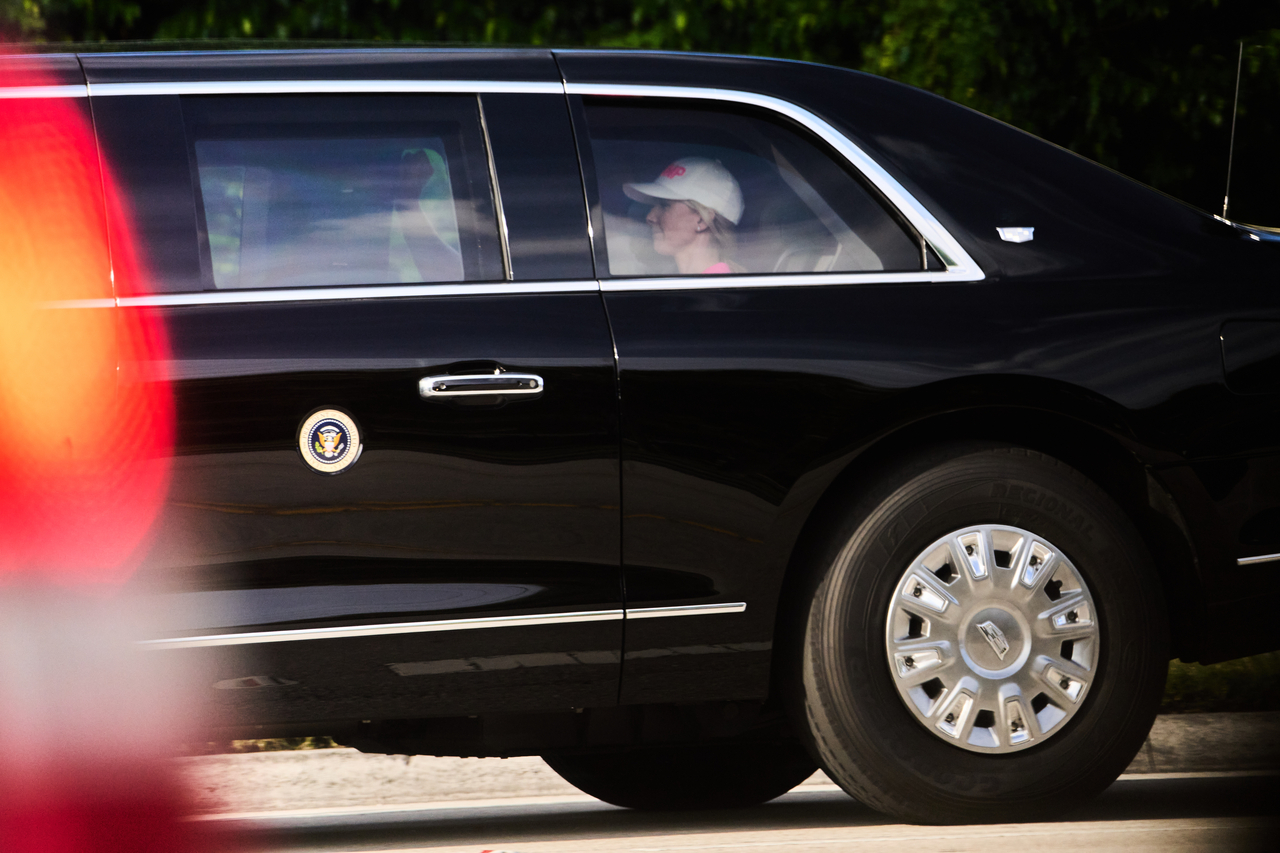
At least six senior officials in the Donald Trump administration have left their homes and relocated to military base housing in the Washington area, citing Iranian assassination threats and the public disclosure of their personal information.
According to CNN on Friday (local time), six cabinet-level officials have been confirmed to be living on military bases — the highest number of any administration in US history. In previous administrations, it was rare for senior civilian officials to reside on military installations.
A White House official told CNN the officials "cannot live in the city due to security threats."
The most recent to make the move are Treasury Secretary Scott Bessent and Attorney General Todd Blanche. Bessent, who has led the economic pressure campaign against Iran, left his Georgetown home in Washington, D.C., and moved to a military base earlier this month.
In a CNBC interview this month, Bessent said Iran had "started making assassination threats against me and other cabinet members." CNN also reported this month that Iran had been planning attacks targeting senior Trump administration officials in Washington, including a so-called dirty bomb — a device that spreads radioactive material — or a chemical weapons strike.
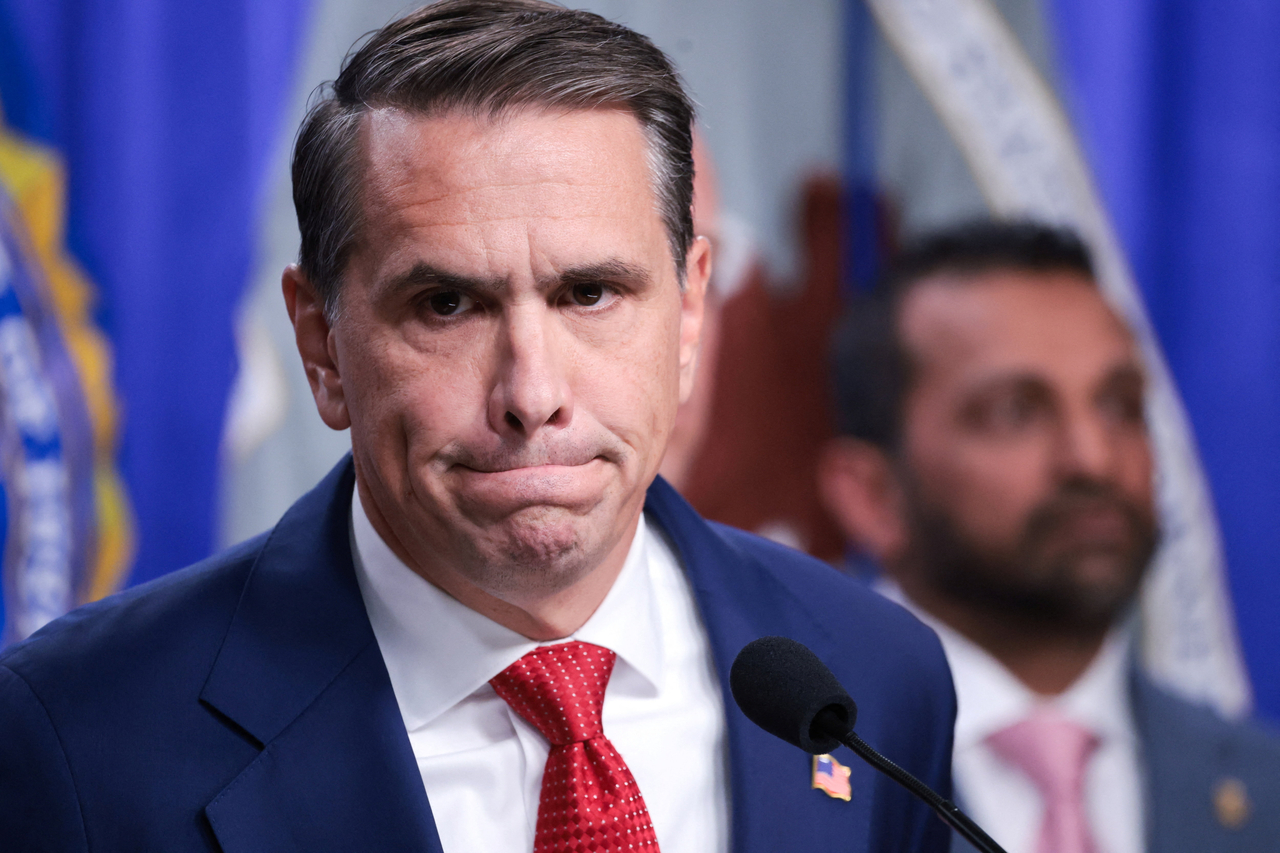
Blanche also moved to a military base over personal safety concerns. According to US news outlet NewsNation, Blanche has been living on a military base since early this year and is under FBI protection. His predecessor, former Attorney General Pam Bondi, also moved to a heavily secured military base residence after receiving threats while in office.
White House Chief of Staff Stephen Miller and his wife left their home in northern Arlington, Virginia, last year and moved onto a military base.
According to The Atlantic, protests had been held near Miller's home at the time. One group distributed wanted-style flyers listing Miller's home address and accusing him of committing "crimes against humanity." Miller's wife, Katie Miller, said a protester approached her outside their home the day after conservative activist Charlie Kirk was killed and told her, "We're watching you."
A White House official told CNN that the Millers relocated "because of stalking, doxxing and threatening activity directed at their residence."
Cabinet members gather on 'Generals' Row' — pets become neighbors too
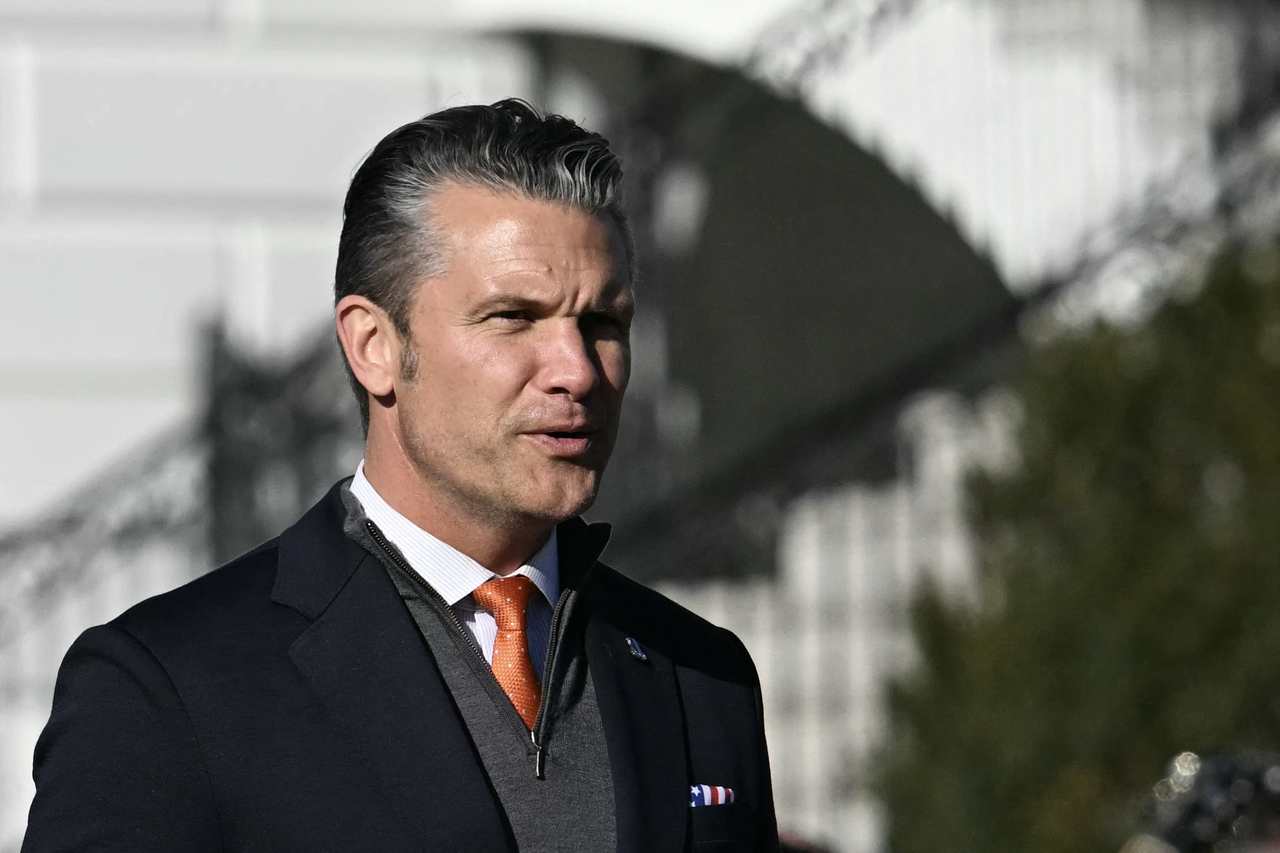
Defense Secretary Pete Hegseth is renting a residence at Fort McNair in Washington.
His quarters are located in a zone on the base known as "Generals' Row" and were previously used by the Army's vice chief of staff. According to The New York Times, Hegseth pays around $4,620 a month in rent.
Secretary of State Marco Rubio and the Millers also live on the same street. Rubio, appearing on Katie Miller's podcast, recounted how his goldendoodle once accidentally wandered into Hegseth's home.
Hegseth's cat has also been known to sit on Rubio's front porch, and Rubio said he tells the cat, "Your house is two doors down."
According to CNN, civilian officials living in military base housing typically pay more than $4,500 a month depending on the unit. When former Defense Secretary Robert Gates — who served from 2006 to 2011 and was the first defense secretary to move into military base housing — was in office, the law required paying market-rate rent of more than $6,500 a month. A 2008 change to the law now requires the defense secretary to pay only 5 percent more than what a four-star general with dependents pays.
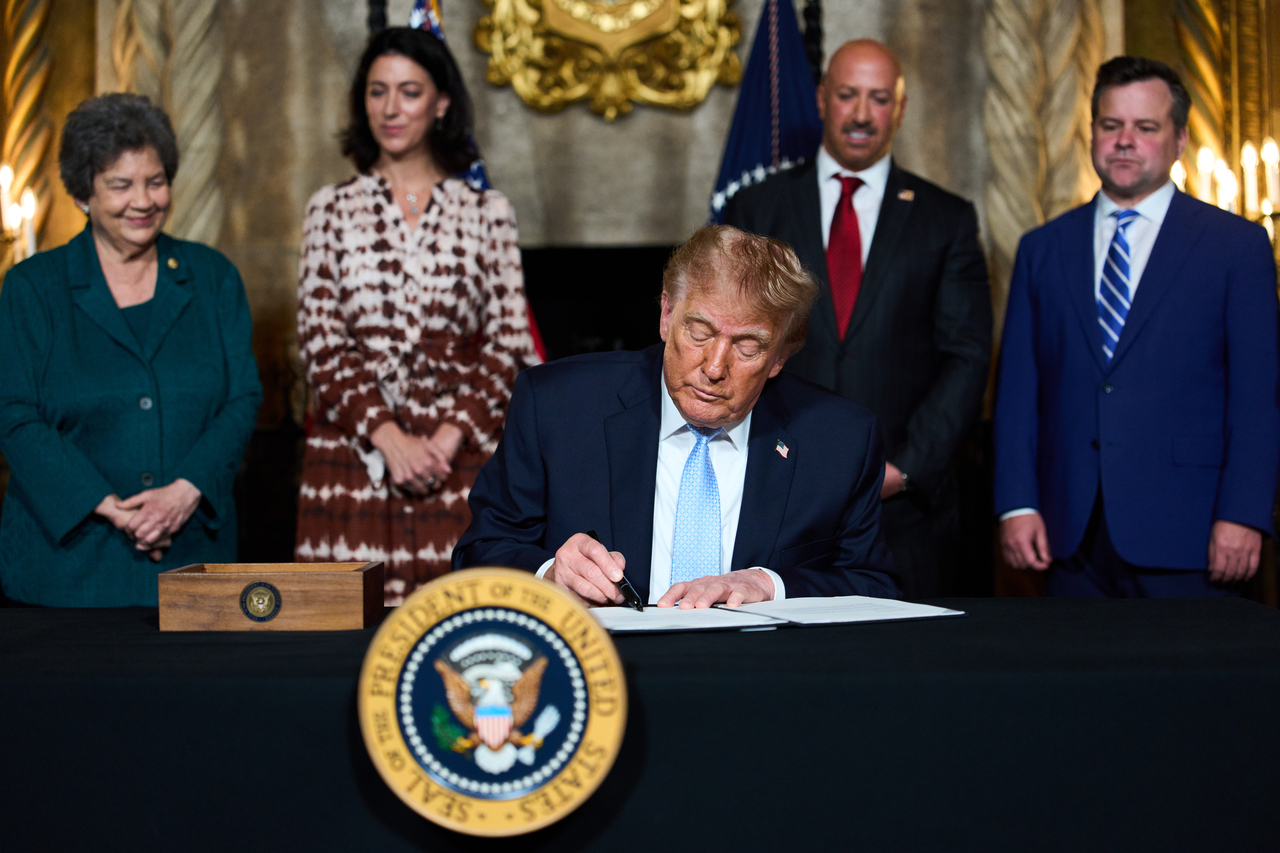
Living on military bases is not a practice that began with the Trump administration.
During Trump's first term, Defense Secretary James Mattis moved into Navy quarters in 2017. Secretary of State Mike Pompeo attempted in 2018 to move into the residence previously occupied by Gates, but the Navy expressed reservations, saying there were "issues," and Pompeo subsequently lived at Fort Myer in Virginia.
CNN noted that despite Trump deploying the National Guard to improve security in Washington, D.C., and undertaking various renovation projects in the capital, his administration remains more isolated in Washington than any previous administration.
Thomas Kahn, director of the Center for Congressional and Presidential Studies at American University, told CNN that cabinet-level officials who receive security details already live in a "bubble" cut off from the outside world, adding, "Now they're not even living in the ordinary neighborhoods where most of us live."
dbsdn1110@heraldcorp.com




