
Expert input sought from Korea Research Institute for Human Settlements, Korea Research Institute for Local Administration
AI-based lifestyle services, circular economy proposed for depopulating areas
Signature policy tasks and resident-focused initiatives to be identified
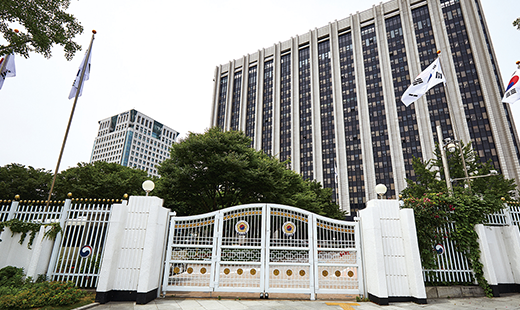
South Korea's Ministry of Land, Infrastructure and Transport and Ministry of Interior and Safety are moving to flesh out policy measures aimed at narrowing economic and living-condition gaps between regions. The two ministries will gather expert input on nurturing regional growth hubs, improving public services in depopulating areas and revitalizing local finance.
The two ministries said Thursday they will hold the second meeting of the Regional Disparity Reduction Working Group in Seoul on Friday afternoon. Following last week's inaugural session, the meeting is designed to collect opinions from research institutions and specialists on regional gap-reduction tasks identified by each ministry and to refine implementation plans.
The working group is a joint consultative body operated by the two ministries, tasked with identifying measures to reduce disparities in regional economies and living conditions and with coordinating projects and policies across related ministries. The session will be attended by the Ministry of Interior and Safety and the Ministry of Land, Infrastructure and Transport as co-chairs, along with related ministries and expert institutions.
Participants will review ministry-level proposals aimed at boosting regional investment and employment and easing residents' daily inconveniences, examining whether the measures fit local conditions and demand and whether their effects will be tangible to residents. Matters requiring coordination across projects and regulatory improvements will also be discussed.
Presentations will focus on nurturing regional growth hubs and revitalizing local finance. Yun Yeong-mo, head of the Balanced Development Support Center at the Korea Research Institute for Human Settlements, will present a plan titled "Strategies for Nurturing Five-Hub, Three-Special-Zone Growth Centers to Reduce Regional Disparities." The presentation will outline directions for developing growth hubs tailored to each region's industrial base and local conditions, along with proposals for linking industrial, residential and transportation functions to attract corporate investment and talent.
Park Jin-gyeong, director of the Regional Balanced Development Division at the Korea Research Institute for Local Administration, will propose measures under the theme "Tailored Strategies to Reduce Disparities in Depopulating Areas," covering guaranteed basic services, AI-driven upgrades to everyday public services and the establishment of regional circular economies. Kim Dae-hwan, a professor at Konkuk University, will offer recommendations on revitalizing local finance. Participants are expected to use those proposals as a basis for discussing the direction of financial support to expand investment by small and medium-sized enterprises in the regions and ways to stimulate capital supply.
The two ministries plan to use the tasks and expert opinions gathered from both meetings to identify signature policy initiatives that reflect regional characteristics while contributing to gap reduction, as well as resident-focused measures whose effects residents can feel in their daily lives.
Kim Min-jae, vice minister of the interior and safety, said narrowing regional disparities is a core element of addressing polarization and called for fundamental structural reform rather than staying bound by existing institutional frameworks or inter-ministry silos. "The tasks the working group produces must be practical alternatives that bring tangible change to residents' lives, and we must concentrate all our capabilities to ensure they take root at the local level," Kim said.
Kim I-tak, first vice minister of land, infrastructure and transport, said reducing regional disparities requires pursuing policies that span everything from supporting corporate investment and job creation to improving residents' living conditions. "We must closely coordinate projects across related ministries based on expert input and work together to ensure the vitality of growth hubs extends to surrounding areas and to residents' everyday lives," Kim said.
Meanwhile, the government announced its polarization-response framework on Nov. 11 and formed a task force headed by the deputy prime minister for economic affairs. The task force plans to identify gap-reduction measures across five areas — labor markets, industry, regions, generations and society — and incorporate them into the "2027 Economic Growth Strategy" to be released at year's end.
hwshin@heraldcorp.com




