From a makeshift shed to the world's fifth-largest lactic acid bacteria producer — 30 years at the helm of production
Dual-coating pH technology and academic outreach conquered the pharmacy market in probiotics' home country
Exports now top 50% of sales as Cell Biotech eyes facility expansion and a biopharma leap within five years
An interview with Lee Hyun-yong, Cell Biotech factory director
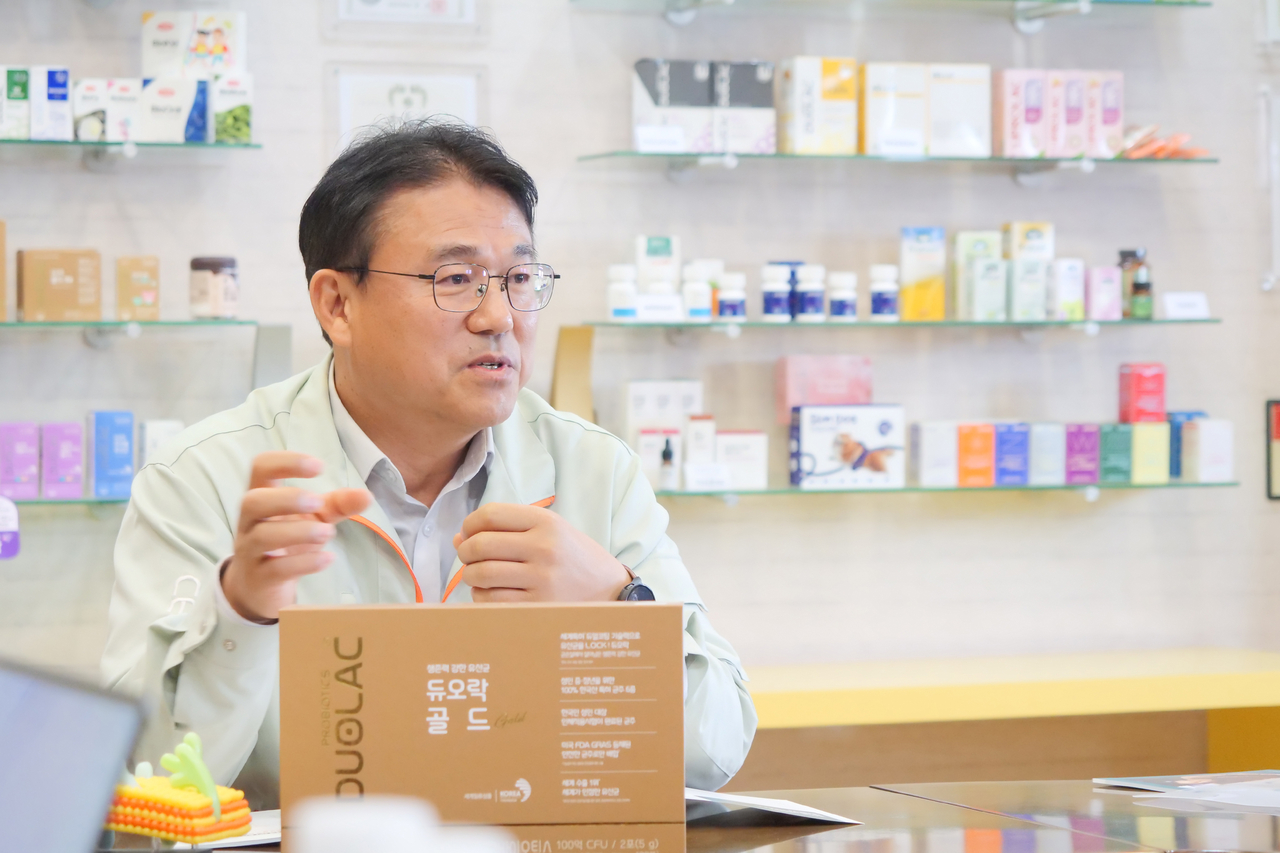
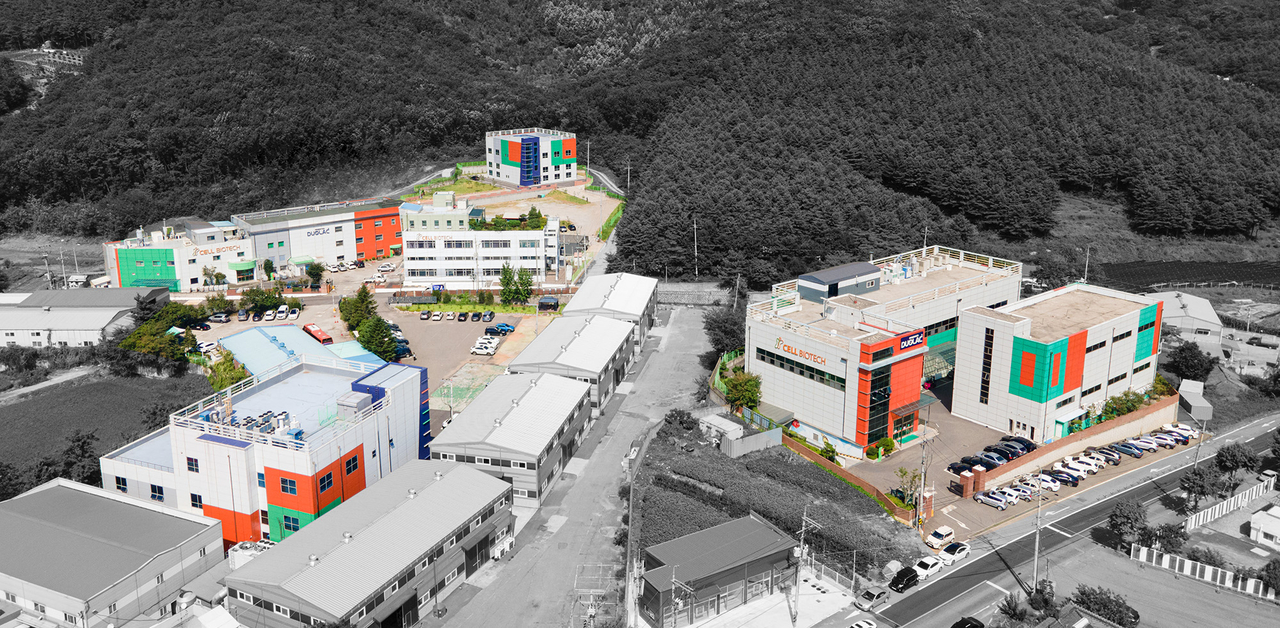
When Lee Hyun-yong joined Cell Biotech as a second-cohort recruit in 1997, the company amounted to little more than one or two ramshackle temporary buildings tucked into a valley on the outskirts of Gimpo, Gyeonggi Province. Probiotics were barely a known concept at the time, and peering at microorganisms through a microscope, Lee found himself wondering whether lactic acid bacteria could ever put food on the table.
Lee, now the company's factory director, is a living witness to Cell Biotech's 31 years of ups and downs — all experienced from the production floor. A graduate of Kangwon National University's department of applied biological engineering, Lee joined the company in 1997 and has overseen production at the Gimpo plant for three decades.
Cell Biotech achieved mass production of lactic acid bacteria just nine months after its founding — the first in South Korea and only the fifth in the world, after Denmark, the United States, Germany and Japan — laying the groundwork for the company's independence. It went on to survive as a first-generation biotech venture even as most of the roughly 100 companies that sprang up during the early-2000s biotech boom disappeared.
Recalling the company's early days, Lee said the humiliation ran deep. "When we went to the bank during the Asian financial crisis to scrape together payroll, they told us they would sooner lend money if we ran a kimchi factory," Lee said. "Back then we had no weapons to fight with, but the fermentation, separation and coating technologies we built from scratch by enduring that harsh environment have become our most powerful weapons in the global market today."
The manual, makeshift conditions of those early years have given way to a fully automated infrastructure combining smart GMP systems, data-driven monitoring and AI-powered vision sorters. With five factories in Gimpo handling everything from starter-culture development to finished-product packaging entirely in-house, Cell Biotech reached a milestone: as of January this year, it held a 46.6 percent share of the pharmacy market in Denmark — the birthplace of probiotics — making it the No. 1 brand there.
"It would be nearly impossible for a Danish person to come to Korea and successfully sell doenjang — fermented soybean paste — so for a Korean lactic acid bacteria product to break into the pharmacy market of the very country that pioneered probiotics was a challenge bordering on the miraculous," Lee said. "What changed the game was our dual-coating technology, which maximizes bacterial survival by responding to intestinal pH levels, combined with rigorous academic education targeting local specialists."
Cell Biotech's lactic acid bacteria products now reach 56 countries, and overseas sales account for more than half of total revenue. Surging orders from Europe and Southeast Asian markets including Indonesia have made efficient allocation of existing production lines and capacity expansion an urgent priority.
"We are running high-concentration fermentation using large 3-ton fermentation tanks, but global demand is rising so steeply," Lee said. "We are keeping all options on the table — including expanding our production facilities — to support business growth."
The company is preparing to move beyond health supplements and into microbiome-based biopharma. Its colorectal cancer drug candidate PP-P8 — which combines beneficial bacteria with a drug delivery system to produce anti-cancer proteins directly in the intestine — is advancing through a Phase 1 trial with Seoul National University Hospital on schedule, and researchers expect to see meaningful clinical results.
Lee likened the company's current stage of development to a marathon. "We are passing the 35-kilometer mark of a full 42.195-kilometer course — the point where your lungs burn the most and the pain is at its worst," Lee said. "We will push past the limits of a domestic market ravaged by cutthroat competition, and firmly establish ourselves as a global biopharma company within five years by completing our two pillars: an export-driven health supplement business and a microbiome-based new drug pipeline."
silverpaper@heraldcorp.com