8th working-level meeting set for Friday; talks on residential support, workforce development expected to continue
Labor calls for 4.5-day workweek; Korea Enterprises Federation seeks to extend labor exemptions beyond special zones
Special committee active through Jan. 31; year-end tripartite agreement uncertain
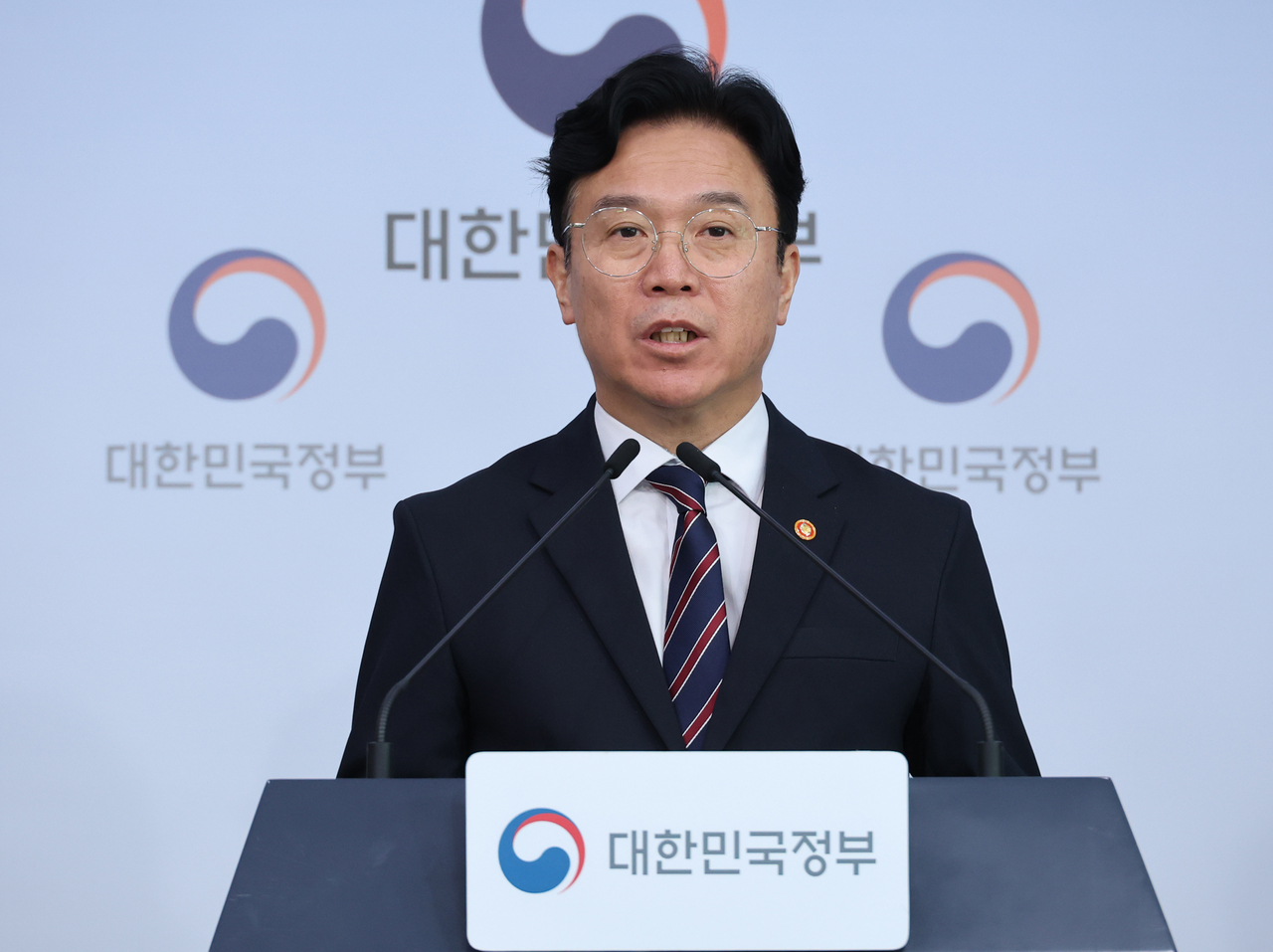
The National Assembly has formed a special committee to review legislation that would establish ultra-wide special zones to support regional investment in advanced industries such as semiconductors. Labor, management and government are set to hold an eighth working-level meeting on Friday, but when the central sticking point — exemptions from the 52-hour workweek — will be taken up remains undecided. With a wide gap between labor and management over special provisions governing workforce management, and both major union federations urging the Assembly to wait for the outcome of social dialogue, a year-end tripartite agreement looks uncertain.
According to the Ministry of Employment and Labor, the eighth working-level consultative body meeting on the ultra-wide special zone bill is scheduled for Friday. At the seventh session on Friday, the government presented proposals on residential support and workforce development for workers stationed in the zones. Because labor groups have additional demands regarding residential conditions, discussions on residential support are expected to continue at the eighth meeting.
At the first deputy minister-level steering meeting on Nov. 2, the tripartite parties agreed to address the zones' basic objectives and residential support and workforce development first, followed in sequence by industrial safety and health, working hours and workers' health rights, employment types and worker protections, and labor-management relations and worker participation. The working-level body includes the two major union federations, the Korea Enterprises Federation, the Korea Chamber of Commerce and Industry, related ministries, and the Economic, Social and Labor Council. Key issues are to be coordinated at the deputy minister-level steering meetings.
Labor seeks 4.5-day week; KEF calls for deregulation of working hours and employment rules
The Korea Enterprises Federation, citing difficulties in securing talent for advanced industries, has proposed a "white-collar exemption" that would apply different working-hour rules to high-income professionals. It also called for expanding flexible and selective working-hour arrangements, extending the permitted duration of fixed-term employment contracts, and broadening the use of dispatch workers. The federation has also argued that the scope of special provisions should extend beyond the designated zones.
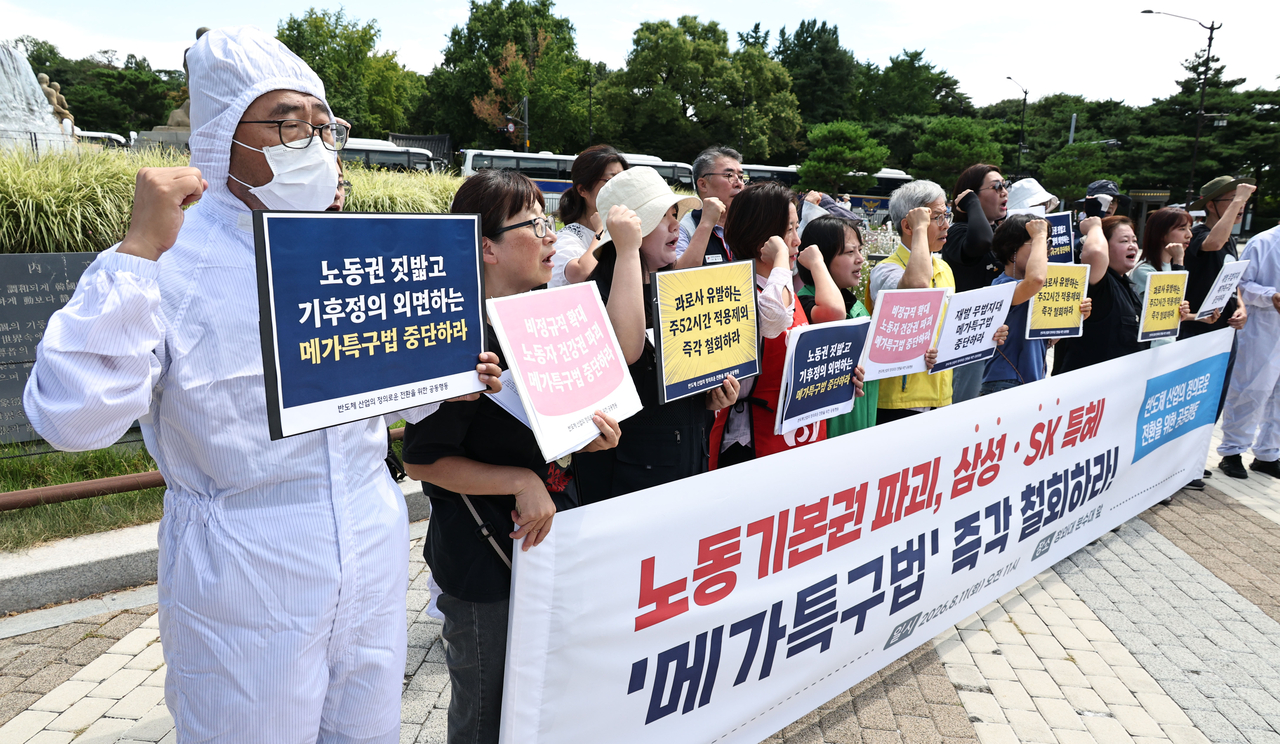
The Korean Confederation of Trade Unions has proposed introducing a 35-hour workweek and a 4.5-day workweek in the zones as a priority, along with expanding full-time jobs for young workers. It also called for applying the same safety and health management framework to subcontracted workers in the semiconductor and secondary battery sectors. The Federation of Korean Trade Unions demanded a 4.5-day workweek, a 48-hour weekly cap, and wage compensation for any reduction in working hours, and included in its proposals the reimbursement of relocation costs for workers moving to the zones and improvements to residential conditions for their families.
Bills with and without labor exemptions coexist as National Assembly special committee begins review
The National Assembly passed a resolution on Thursday to establish a special committee on strategic industry special zones covering ultra-wide regions. The committee comprises 18 members — 10 from the Democratic Party of Korea, six from the People Power Party, and two from non-floor groups. It will review bills related to ultra-wide special zones and renewable energy special leading complexes through Jan. 31 next year.
A bill introduced by Democratic Party lawmaker Park Sang-hyeok on Oct. 20 includes exemptions from the 52-hour workweek, an extension of the settlement period for selective working-hour arrangements, and a longer permitted duration for fixed-term employment. A bill introduced the following day by fellow Democratic Party lawmaker Choi Ki-sang omits the labor exemption provisions. Both major union federations protested the introduction of the exemption bill during ongoing consultations and demanded the provisions be withdrawn. The working-level consultation schedule at the time was also pushed back by five days.
Employment and Labor Minister Kim Young-hoon reaffirmed on Tuesday that the government would pursue legislation based on the content discussed and agreed upon through social dialogue, following a meeting with Korean Confederation of Trade Unions leadership. Even after the special committee was formed, both major union federations maintained that the Assembly should wait for the outcome of tripartite consultations before moving to legislate. Whether Friday's meeting can wrap up the residential support discussions and move on to the working-hours agenda will be the next key test.
fact0514@heraldcorp.com