Oil-bond correlation breaks down in October
Weakness in AI shares read as sign of slowing growth, easing inflation pressure
Bonds no longer a guaranteed safe haven
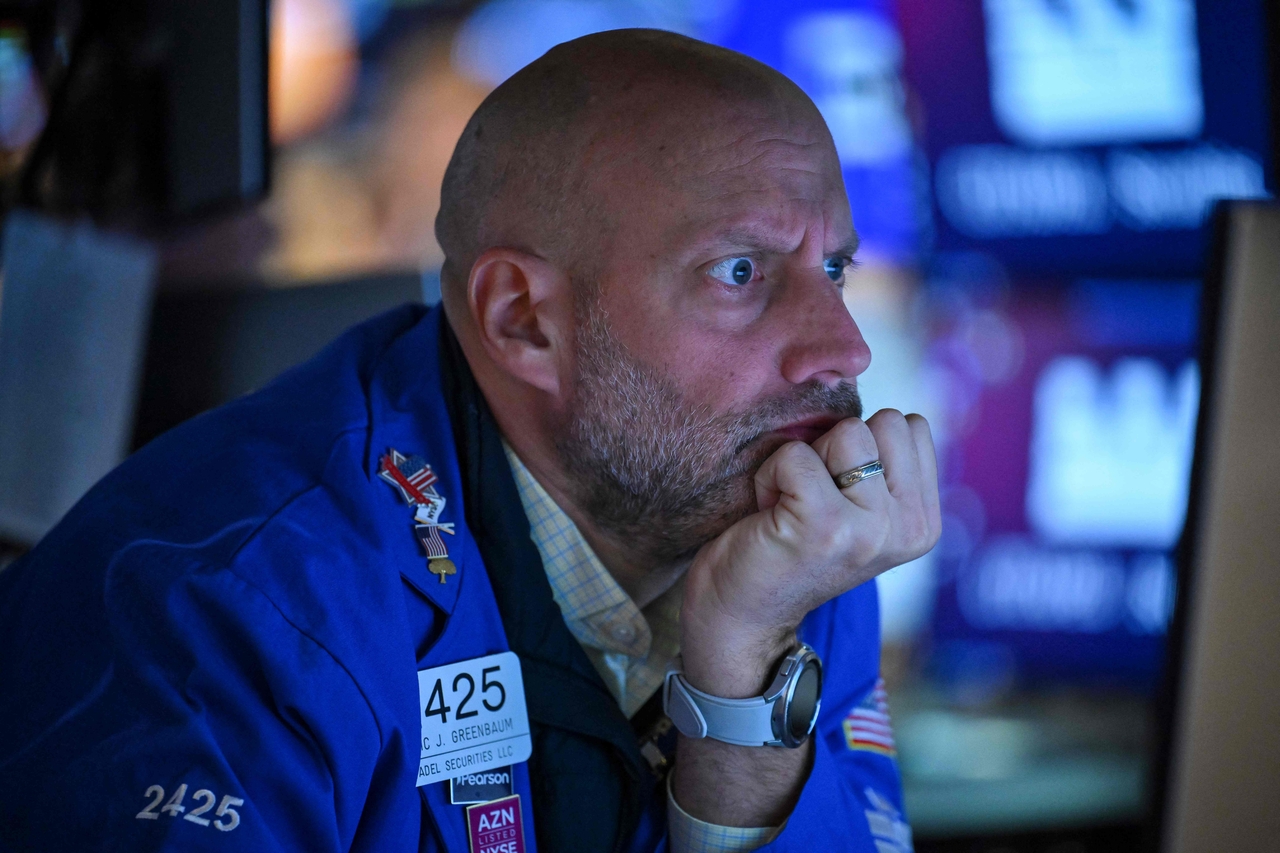
International oil prices and US Treasury yields moved largely in tandem for most of this year — until last month, when they abruptly diverged. As AI investment increasingly shapes the US economy, the AI market has emerged as a more powerful driver of Treasury yields than crude oil.
Jeffrey Rosenberg, senior portfolio manager at BlackRock, the world's largest asset manager, appeared on CNBC's "ETF Edge" on Monday (local time) and said the correlation between oil prices and US Treasury yields had stood at 80 percent this year before suddenly breaking down in October. "This is an important signal for financial markets," he said.
Typically, rising oil prices push up inflation expectations, prompting investors to hold off on buying Treasuries in anticipation that the Federal Reserve will raise interest rates — sending bond prices lower and yields higher. Last month, however, US Treasury yields fell even as oil prices climbed. Rosenberg said the divergence showed that "markets have started to view AI-related risks as more important than geopolitical risks."
Rosenberg said that when AI-related shares came under pressure, investors interpreted the weakness as a signal of slowing US economic growth. The expectation that a pullback in AI investment could lead to a broader economic slowdown and ease inflation pressure drove Treasury yields lower, he said.
"AI has already established itself as a core engine of US economic growth," Rosenberg said. US business investment grew at an annualized rate of 12.7 percent in the third quarter, with investment in information-processing equipment — used in data centers and similar facilities — jumping 37 percent.
Federal Reserve Chair Kevin Warsh, however, has pushed back on the idea that AI alone explains the strength of the US economy. At an FOMC press conference on Oct. 28, he said capital expenditure by businesses was spreading beyond a handful of technology sectors into a wider range of industries.
Rosenberg nonetheless noted that financial markets are growing increasingly sensitive to AI investment trends. Should enthusiasm for AI spending cool, he said, the US growth outlook could deteriorate and push long-term Treasury yields even lower.
In that scenario, long-term Treasuries could serve as a hedge against losses in equity markets, he said. Still, he cautioned that bonds are not always a safe bet: if oil prices stay elevated, inflation remains persistent and the AI boom continues, Treasury yields could rise again.
The surge in AI investment is also rippling through the corporate bond market, as big technology companies ramp up external borrowing to fund massive outlays on AI infrastructure such as data centers.
Rosenberg projected that AI-related companies could issue roughly $4 trillion in bonds over the next four years. While the global bond market can absorb that volume, he warned that a sustained increase in issuance could push bond prices lower and raise borrowing costs for companies.
"AI is still a very positive investment story," he said, "but markets do not move in only one direction." Even as the AI investment boom continues, he said, a more serious reckoning with risks that have long been overlooked is now underway.
mokiya@heraldcorp.com