
US cites industrial overproduction in new tariff plan targeting 14 trading partners
Vietnam (35%), India (25%) offered lower rates of 20%, 17% if trade deals are reached
China faces up to 20% additional tariff on top of existing 25%; could hit 40% if truce lapses
Analysts say overproduction tariffs could accelerate negotiations
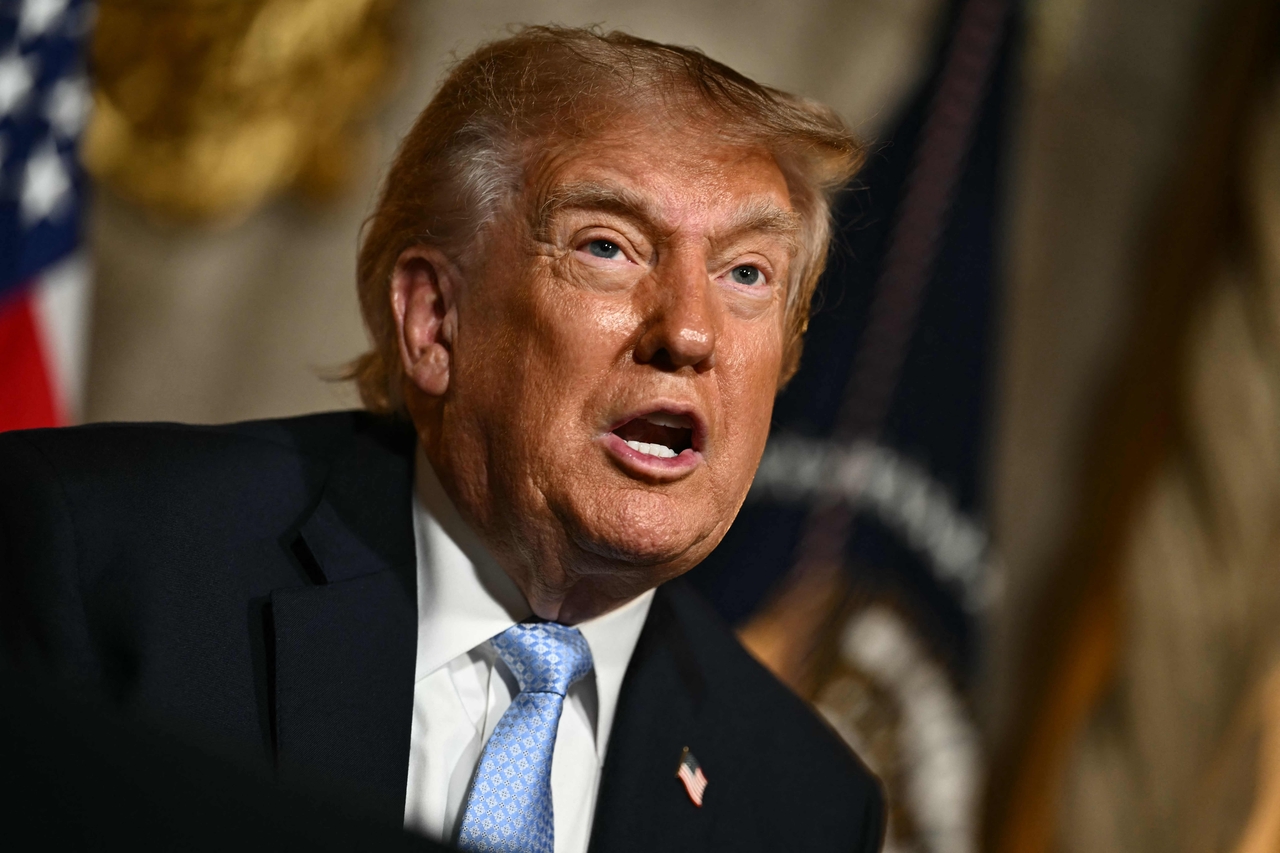
The Trump administration has announced plans to impose new tariffs on 14 trading partners — including China, Vietnam and India — citing the need to curb industrial overproduction. Vietnam faces a rate of up to 35% and India up to 25%, but both countries have been offered lower rates of 20% and 17%, respectively, if they conclude mutual trade agreements with the United States. The structure creates strong pressure on both countries to accelerate negotiations.
CNBC reported Thursday (local time) that the overproduction tariffs could serve as an incentive for some countries to speed up trade talks in order to lock in lower rates. Analysts said the measures would likely push average tariff levels only modestly higher overall, but noted that India and Vietnam stand out given the significant gap between their standard and deal-linked rates — 25% versus 17% for India, and 35% versus 20% for Vietnam — depending on whether negotiations succeed.
Wendy Cutler, vice president of the Asia Society Policy Institute, said both countries have a strong incentive to reach a deal in order to secure the lower rates. According to Reuters, Vietnam's Ministry of Industry and Trade said Thursday it is working with the United States to conclude a trade agreement as soon as possible. India, too, could gain a competitive edge over some Asian rivals if it wraps up its long-running negotiations, qualifying for a lower rate than many of its regional competitors.
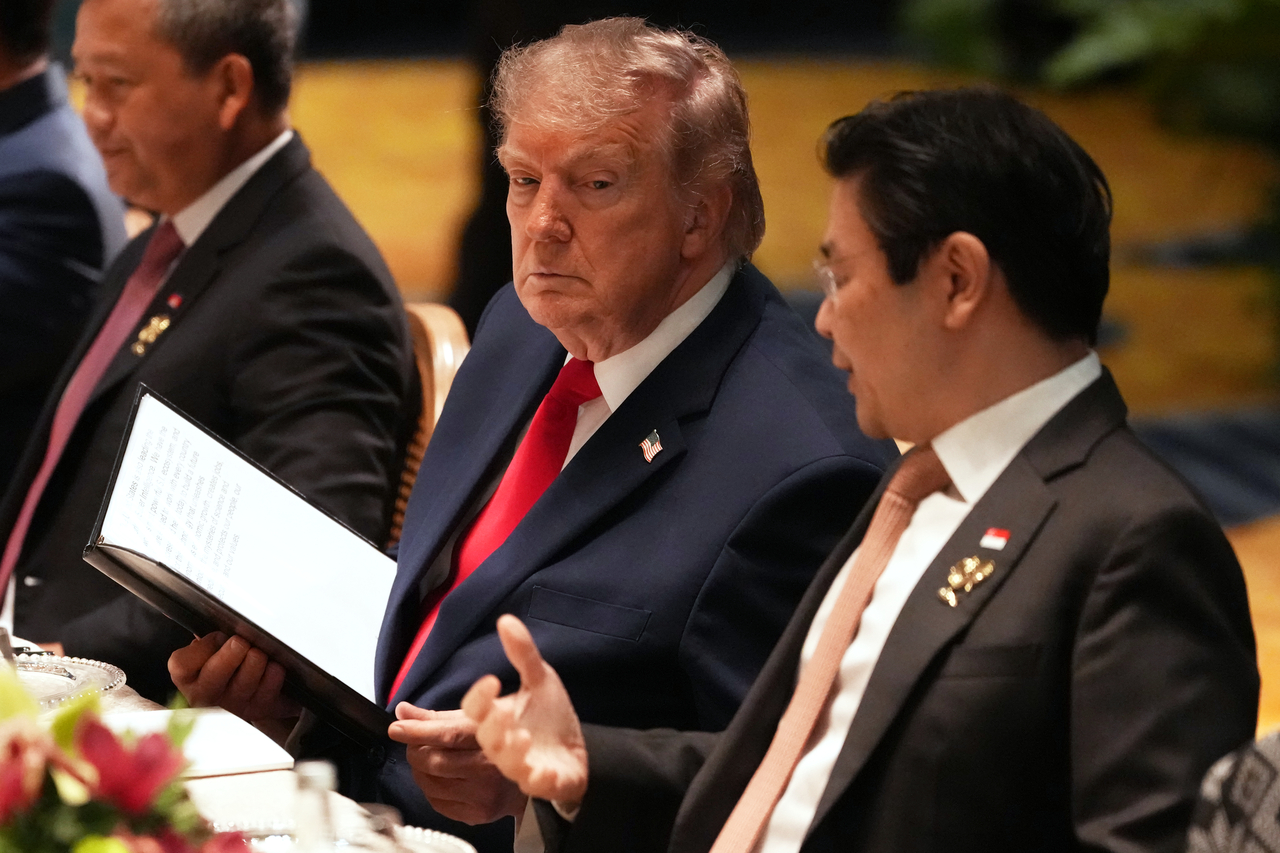
Singapore faces a similar dynamic. According to Singapore's Ministry of Trade and Industry, the new tariff plan would impose a rate of up to 20% on Singaporean exports, excluding tariffs already in place under Section 301 of existing US trade law. However, that rate would fall to 10% if Singapore concludes a mutual trade agreement with the United States or resolves the concerns raised in the US Trade Representative's investigation.
Singapore said it was "very disappointed" by the measures, arguing that the USTR's findings failed to adequately reflect the structural characteristics of its economy. Deputy Prime Minister Gan Kim Yong said that if the US applies the maximum 20% rate, roughly 33% of Singapore's direct exports to the United States — worth 9.4 billion Singapore dollars — would be affected. He added that the effective tariff rate on affected Singaporean exports would rise from the current 7.8% to 10.3%.
"We are very surprised by this development, as it is not what one would expect from an important major trading partner," Gan said. "We have worked together for a long time and have a free trade agreement with the United States." Singapore and the United States signed an FTA in 2004.
Under that agreement, Singapore applies zero tariffs on US goods. Nevertheless, the US trade surplus with Singapore grew from $27 billion in 2024 to $33 billion last year.
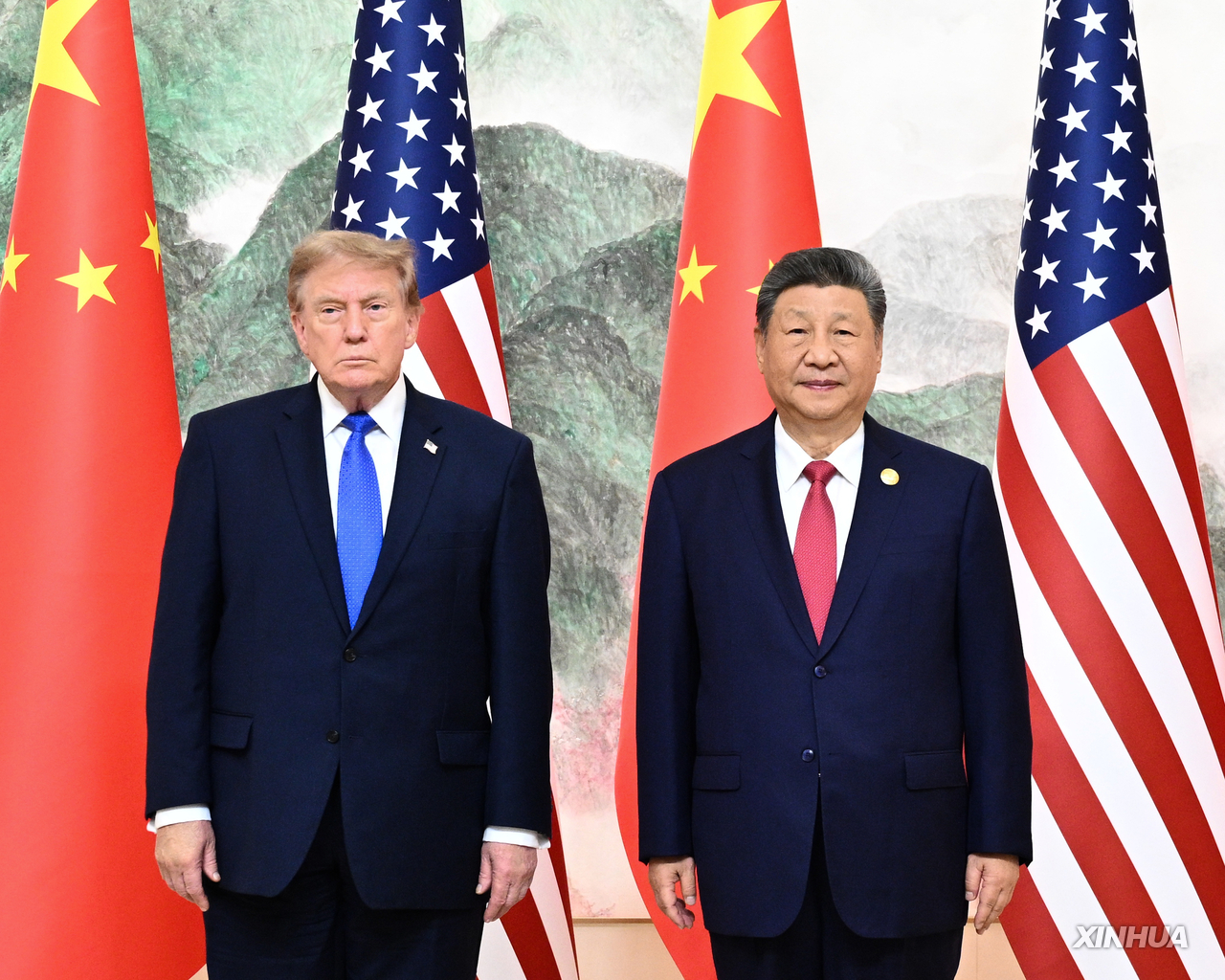
China's situation is different. On top of the existing 25% tariffs imposed during Trump's first term, China now faces an additional rate of up to 20%. The USTR said the additional rate could rise to 40% if the US-China trade truce reached in South Korea in October last year is not extended beyond January next year.
Cutler said China's government would likely find the new tariffs unsatisfactory but appears prepared to tolerate them as long as the additional rate does not exceed 20%. She described the tariffs as a negotiating tool the United States is using — while leaving room to raise them further if talks deteriorate — "to secure scheduled supplies of critical minerals and rare earths and to drive additional purchases of US agricultural products."
Beijing pushed back against Washington's overproduction claims and said it would take whatever steps are necessary to protect its interests. Tensions between the two countries appear to be rising again despite several meetings between Trump and Chinese President Xi Jinping in a conciliatory atmosphere this year. The two leaders are expected to meet for the fourth time this year on the sidelines of the G20 summit in Miami in December.
A Williams Economics analyst said the sweeping measures targeting the other 13 trading partners — aside from China — also appear to be effectively aimed at Beijing. In a tally of the USTR's investigation report on Vietnam, the analyst found the word "China" appeared 253 times.
"The most prominent of what the US identified as 'unreasonable acts, policies and practices' by these countries was their reluctance to restrict imports of Chinese goods and Chinese foreign direct investment," the analyst said. The analyst added that Trump appeared to show little concern over allegations that Chinese technology companies had circumvented US semiconductor export controls.
South Korea and Taiwan are expected to feel a comparatively smaller impact. Analysts said exemptions for semiconductors and other electronics would cushion the blow for South Korea and Taiwan, whose economies are heavily dependent on those industries. The USTR raised concerns about South Korea's concentration in memory chip production and what it deemed excessive government support, but Korean semiconductors were excluded from the overproduction tariffs.
Taiwan, which faces a cap of 15%, also benefits from tariff exemptions on other electronics including mobile phones and network equipment.
mokiya@heraldcorp.com




