Five months after JTBC default,
Joongang Ilbo control passes to Daou, CJ
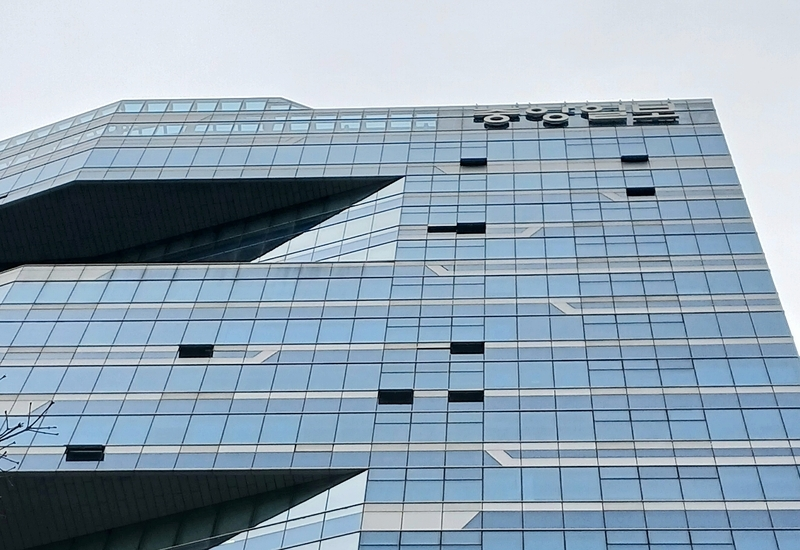
Joongang Ilbo is set to change hands. A consortium led by Daou Technology and CJ Group — also including Shinsegae and Saramin — will acquire newly issued shares in the newspaper and become its largest shareholder, marking the first transfer of management control in 27 years since the company was spun off from Samsung Group in 1999.
Joongang Ilbo announced Wednesday that it will sign a conditional share subscription agreement with the consortium Thursday for 520 billion won ($388 million) in new shares. The investment breakdown is Daou Technology at 36.5 percent, CJ Group at 35.7 percent, Shinsegae at 14.1 percent and Saramin at 13.7 percent. All four consortium members and Joongang Ilbo held separate board meetings Wednesday to approve the deal.
The transaction will take the form of a third-party allotment capital increase. Joongang Ilbo will issue 104 million new shares at a par value of 5,000 won each, with the consortium taking the entire allotment — 15.7 times the existing share count of 6.609 million. According to regulatory filings by Daou Technology and Saramin, the two companies will hold stakes of 34.4 percent and 12.9 percent respectively after the deal closes, giving the Daou Kiwoom Group side a combined 47.3 percent. The CJ-Shinsegae side is expected to reach a similar level of around 47 percent once CJ Olive Networks' existing 9.24 percent stake is included. Under the Newspaper Act, large business groups may not own more than 50 percent of a general daily newspaper. The mass issuance of new shares without a capital reduction is expected to dilute the combined stake held by Joongang Holdings and Chairman Hong Seok-hyun from roughly 80 percent to around 4 percent.
The consortium pledged to guarantee employment for all staff, honor existing collective bargaining agreements and rule out forced restructuring. The agreement also includes a clause barring undue interference in news coverage, commentary and editorial decisions. According to Saramin's regulatory filing, the deal is scheduled to close Dec. 23, subject to prior conditions including approval from the Korea Fair Trade Commission for the business combination filing, a resolution by bondholders and court confirmation. Joongang Ilbo plans to use the proceeds to repay financial bonds and publicly issued corporate bonds, and to exit its workout program before year's end.
From JTBC default to workout
The liquidity crisis at Joongang Group first surfaced at JTBC on June 12, when the broadcaster declared a default after failing to repay 20.6 billion won in securitized borrowings at maturity. Over two days — June 14 and 15 — holding company Joongang Holdings and four other affiliates, including JTBC, filed for court receivership at Seoul Bankruptcy Court. According to NICE Credit Rating, the group's combined total borrowings stood at 2.8 trillion won at the end of last year.
In terms of its newspaper business alone, Joongang Ilbo ranked first among domestic newspaper companies by sales last year. But the company was deeply entangled with the broader group through intercompany loans and payment guarantees. Of its 405.4 billion won in borrowings and corporate bonds as of the first quarter, 223.4 billion won was due within a year. Hanyang Securities demanded early repayment of 22 billion won in commercial paper, citing an event of default, and when Joongang Ilbo failed to comply, the paper was declared in default — first on June 18 and finally on June 19. Joongang Ilbo applied for a workout with its main creditor bank, Hana Bank, on June 19, and creditors voted to commence the process on July 10 with more than 75 percent approval by debt amount.
The self-rescue plan Joongang Ilbo submitted to creditors included the sale of the controlling shareholder's management stake — less than two months after the company had filed a police complaint against those who spread rumors of a sale in a KakaoTalk open chat room in May, calling the reports "clearly false."
CJ skipped preliminary bid, joined three days before final deadline
Because the largest shareholder, Joongang Holdings, was under court receivership, selling existing shares required prior court approval. Hana Bank switched to a new-share issuance structure and announced a public competitive bidding process on Sept. 4. Six parties submitted letters of intent by the Sept. 21 deadline: Global Saea, Geumbo Development, Daou Technology, Orion, eBroadcasting and OK Financial Group. CJ Group, Joongang Ilbo's third-largest shareholder, did not participate.
Under the sale rules, only parties that submitted a letter of intent in the preliminary round were eligible for the final bid. CJ joined the process on Oct. 16 — three days before the final bid — by teaming up with qualified candidate Daou Kiwoom Group in a consortium arrangement. On Oct. 19, the day of the final bid, the Daou-CJ consortium was selected as the preferred negotiating partner, and Shinsegae formally announced its participation the following day. Other candidates are understood to have offered between 300 billion and 400 billion won. Joongang Ilbo was founded in 1965 by Samsung founder Lee Byung-chul; CJ Group Chairman Lee Jae-hyun is the founder's eldest grandson, and Shinsegae Chairwoman Chung Yoo-kyung is the founder's maternal granddaughter.
"We will do our utmost to faithfully protect the interests of creditors and investors while achieving early normalization of operations," Joongang Ilbo CEO Park Jang-hee said. "Once the new ownership structure is in place, we will raise our content competitiveness and management efficiency to an even higher level."
shee@heraldcorp.com