Foreign patients in Seoul up 3.7 times in two years
City selects tailored lodgings after on-site inspections
Designated facilities to receive one-year certificates
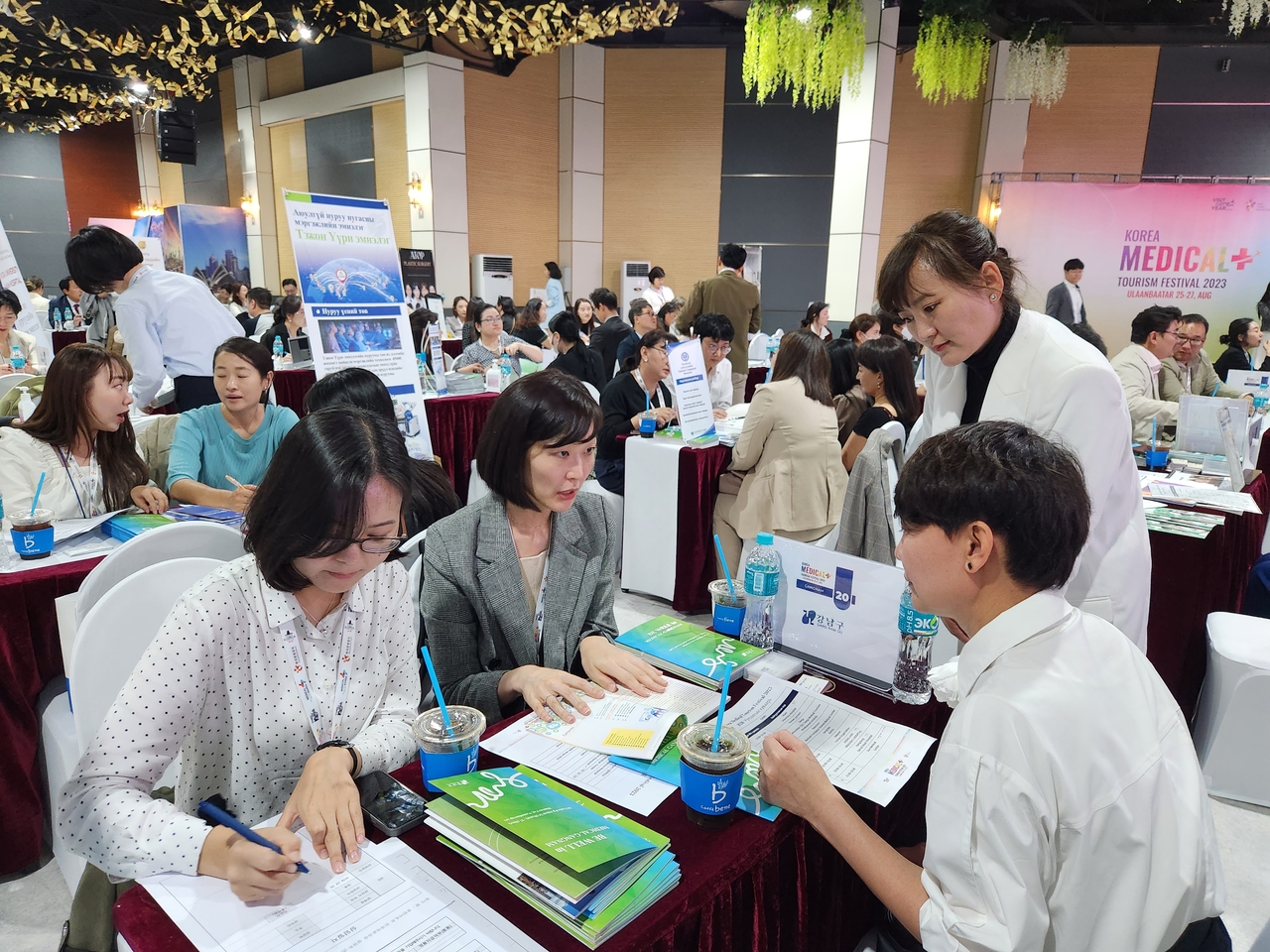
The Seoul Metropolitan Government announced Monday that it has designated 19 "Seoul medical-friendly accommodations" to help foreign patients and their accompanying families stay safely and comfortably from treatment through recovery.
Seoul's medical tourism market has been growing sharply. According to the Korea Health Industry Development Institute, about 1.76 million foreign patients used medical facilities in Seoul last year — a 3.7-fold increase from about 470,000 in 2023 and the highest figure on record.
Medical tourists also spent significantly more than ordinary visitors. Average spending per medical tourist came to about 6.73 million won ($5,030), roughly 3.8 times the 1.78 million won spent by general tourists. Medical tourists also stayed longer on average — 7.2 days compared with 6.5 days for general tourists.
As the number of patients visiting Seoul grows, the importance of providing a comfortable and safe environment before and after treatment has risen alongside the quality of medical care itself. Unlike general tourists, foreign patients often need extended stays tied to treatment schedules, accommodation for accompanying caregivers, and rest spaces for post-treatment recovery. Patients with limited mobility after surgery or procedures in particular require lodgings with easy access to medical facilities, lifestyle amenities and emergency response systems.
Reflecting these needs, the city launched its first open recruitment for Seoul medical-friendly accommodations this year. A total of 40 facilities applied, and the final 19 were selected after document reviews, on-site inspections and expert evaluations.
The selection process went beyond assessing general service standards, comprehensively examining the conditions foreign patients need during treatment and recovery. The main evaluation criteria were accessibility to medical facilities, availability of long-term stays, lifestyle amenities such as cooking and laundry services, and a 24-hour emergency response system.
The designated facilities were recognized for providing spaces and services tailored to foreign patients — including dedicated areas for medical tourists, long-stay convenience services, transportation support and emergency response capabilities.
The city plans to gradually expand the number of designated medical-friendly accommodations, starting with this round, to improve the stay experience for foreign patients.
The 19 selected facilities will receive a "Seoul Metropolitan Government Medical-Friendly Accommodation" certificate valid for one year starting next year. In addition, the city plans to support them with global promotion and marketing, medical tourism network connections, and service capacity-building programs to raise their international profile and improve accessibility for foreign patients.
"We will continue to identify accommodation infrastructure that reflects the needs of foreign patients and strengthen ties with medical institutions, so that Seoul becomes a medical tourism destination where visitors can feel at ease from treatment all the way through recovery," said Jo Seong-ho, director of the Seoul Metropolitan Government's Tourism and Sports Bureau.
ikson@heraldcorp.com