
NIS worked to free Korean technician detained in China on espionage charges
China detained Korean national after prosecutors sought warrants over Samsung chip leak
Agency denies offering Taiwan intelligence as condition for release
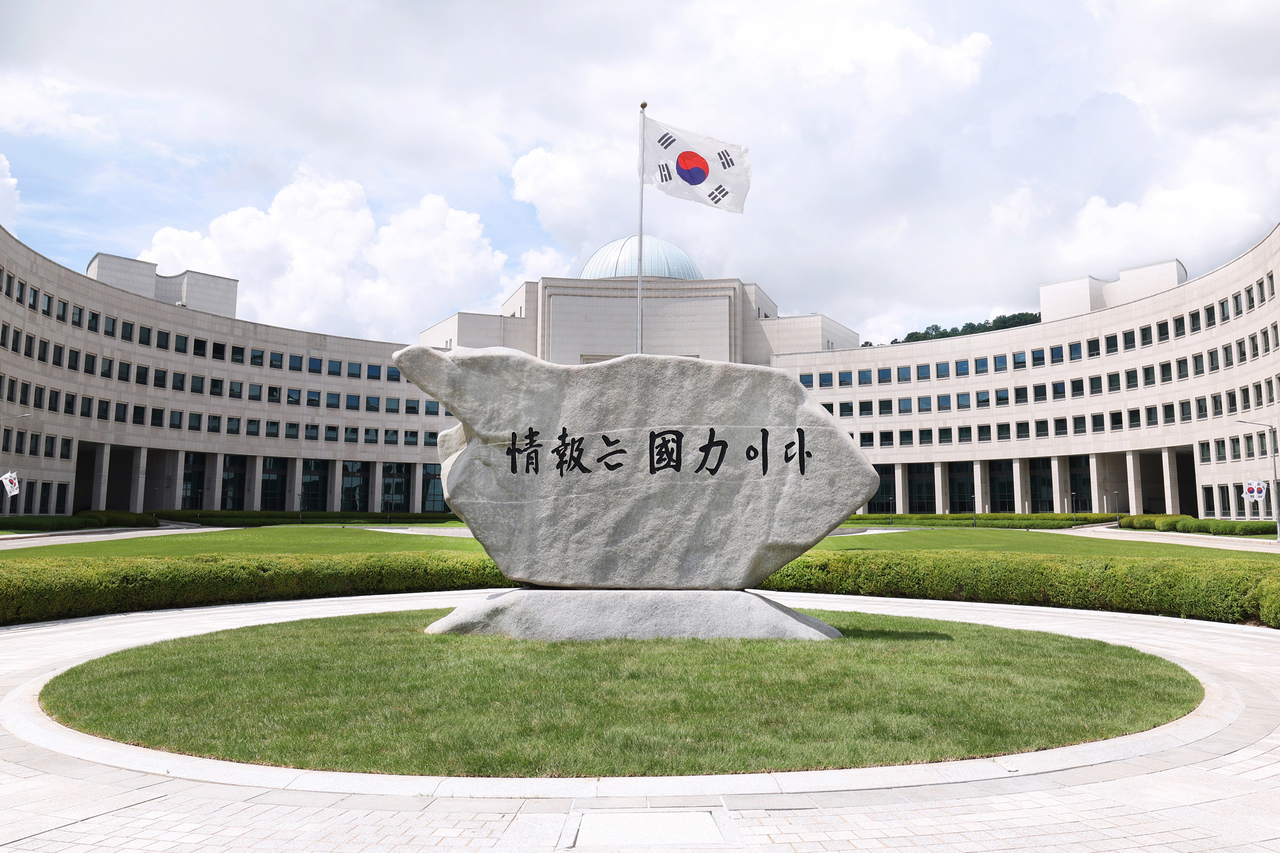
The surprise removal of National Intelligence Service Director Lee Jong-seok is being attributed in part to the fallout from an intensifying semiconductor war between South Korea and China. Analysts say negotiations between the NIS and Beijing over the release of a Korean chip engineer — who had been serving as a human intelligence, or HUMINT, asset — ultimately contributed to Lee's ouster.
According to reporting compiled Friday, the Korean semiconductor technician, identified only as A, worked as an ion-implantation engineer at Samsung Electronics' semiconductor division before being recruited by CXMT in 2016. After moving to another Chinese chipmaker, A was arrested in December 2023 by the Hefei Municipal State Security Bureau on suspicion of leaking semiconductor-related information back to South Korea while previously employed at CXMT.
A is understood to have detected signs that South Korean semiconductor technology was being transferred to China and passed that information to the NIS. What South Korea viewed as a tip-off to prevent technology leakage, China treated as espionage.
Complicating matters, South Korean prosecutors had sought arrest warrants against Samsung Electronics employees just five days before A was detained — on charges of passing Samsung's 18-nanometer DRAM process technology to a Chinese firm. Some observers interpret China's detention of A as a direct countermove against South Korea's technology-leak investigation amid the broader semiconductor rivalry between the two countries.
After the Lee Jae-myung administration took office, the NIS moved in earnest to negotiate A's release as a matter of protecting a South Korean national. When talks stalled, the agency is reported to have explored, in the first half of this year, offering China an alternative it might find attractive as a condition for A's release. Allegations have also surfaced that South Korea proposed counterintelligence cooperation targeting Taiwan as part of those overtures.
The NIS pushed back on those claims Friday, saying it "is making every effort to secure the release of our citizen detained in China," while flatly denying that Beijing had proposed, as a condition for release, that the NIS halt its counterintelligence activities against China. The agency also rebuffed reports that it had offered to provide Taiwan-related intelligence to China in exchange for A's freedom.
The NIS similarly denied separate allegations that China had demanded cooperation on intelligence operations targeting the United States during the negotiations, and rejected claims that US objections had caused those talks to collapse.
Despite the NIS's denials, the timing is striking: sensitive details of the Korea-China negotiations have come to light almost immediately after the nomination of Kang Geum-sil as the new NIS director. President Lee Jae-myung announced Monday that he was replacing Lee — known within foreign-policy circles as a proponent of strategic autonomy — along with Unification Minister Jeong Dong-young, nominating Kang and Hong Ik-pyo in their respective places. Political circles have begun citing US concerns over the Korea-China back-channel dealings surrounding the HUMINT asset's detention as one factor behind both officials' departures.
Meanwhile, the NIS had not briefed lawmakers on the National Assembly's intelligence committee on the matter as of Friday morning.
youknow@heraldcorp.com
rimsclub@heraldcorp.com




