After vowing not to rely on deficit bonds,
Takaichi shifts tone as two-year cost estimate hits 10 trillion yen
She also denies talk of a 'Takaichi weak yen' or 'Takaichi high rates'
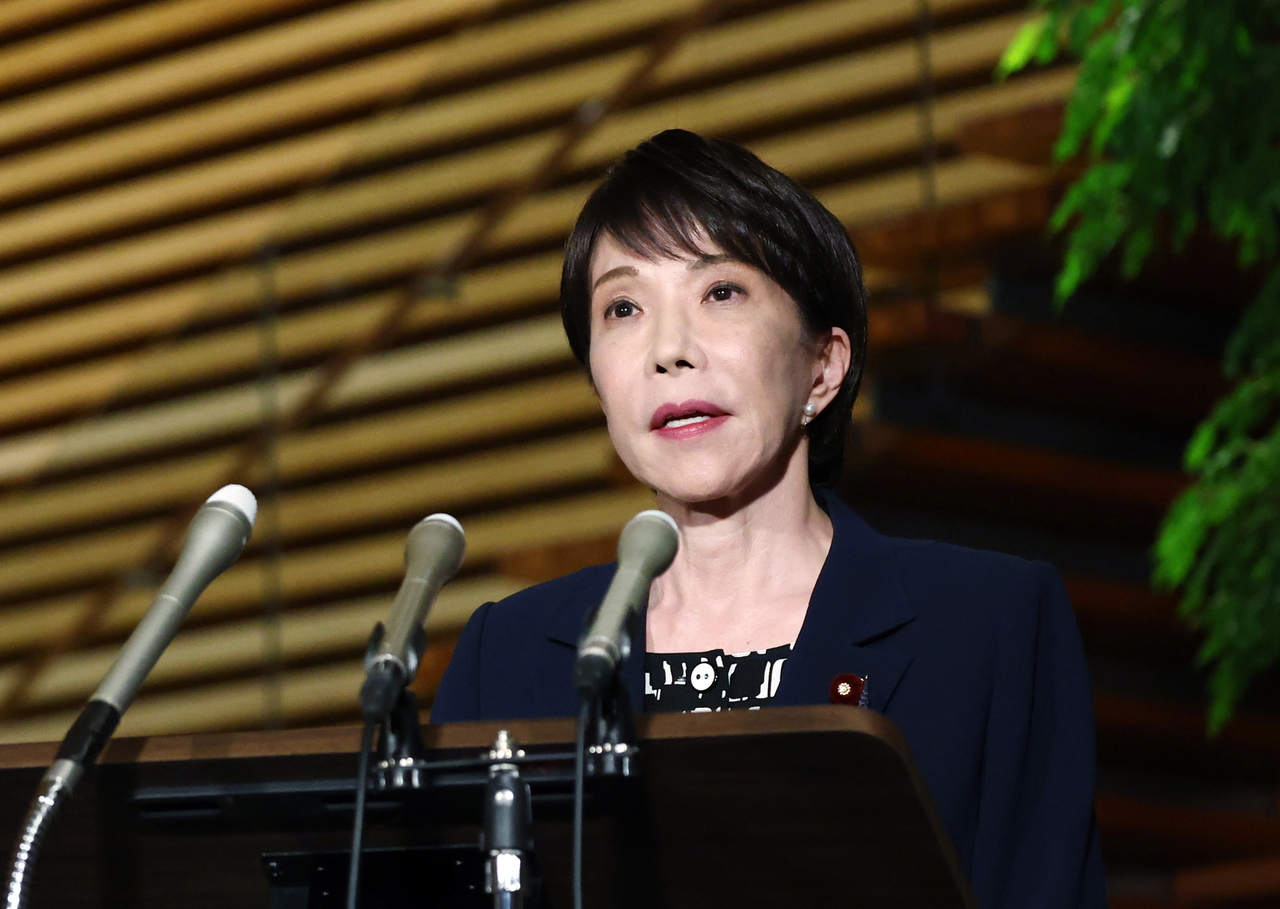
Japanese Prime Minister Takaichi Sanae, who had denied plans to fund her tax-cut agenda through deficit bond issuance, struck a notably different tone Monday, saying she was "not ruling out" government bond issuance to cover the costs of her signature policy.
Appearing before the upper house budget committee, Takaichi said she would "appropriately control the volume of government bond issuance" in response to questions about how she plans to finance a temporary reduction in the consumption tax rate on food items, set to take effect next April for two years. "I am not denying government bond issuance," she said.
The consumption tax cut is one of the centerpiece economic policies Takaichi has championed. Analysts project that the two-year temporary reduction in the consumption tax, combined with an income-linked wage support program, will cost roughly 10 trillion yen ($63.3 billion). Takaichi had previously said she would finance the measures through spending restructuring and would not rely on deficit bonds — which add to the fiscal burden — without clearly spelling out where the money would come from. Her remarks Monday, which appeared to leave the door open to bond issuance, have prompted speculation that she may be reversing course.
Japan's national debt stood at 204.4 percent of GDP last year, the highest among major advanced economies. Expanding deficit bond issuance to fund tax cuts could deepen that fiscal strain further.
Market concerns about Japan's fiscal health could push the yen lower and drive bond yields higher. Last month, Japan joined the United States in facing negative market sentiment over fiscal sustainability in the bond market, sending yields higher.
Takaichi also pushed back Monday against what she called unfair characterizations of her policies. "There has been talk of a 'Takaichi weak yen' or 'Takaichi high rates' — I clearly deny that," she told the National Assembly. She added that "a strong economy and fiscal sustainability are not an either-or choice," pledging to pursue bold investment policies while achieving fiscal sustainability and bolstering confidence in the yen.
Chief Cabinet Secretary Kihara Minoru, the government's spokesperson, urged caution against reading too much into Takaichi's remarks at his regular briefing, saying her comments on bond issuance in relation to the consumption tax cut were "a response concerning the budget compilation process as a whole."
kate01@heraldcorp.com