
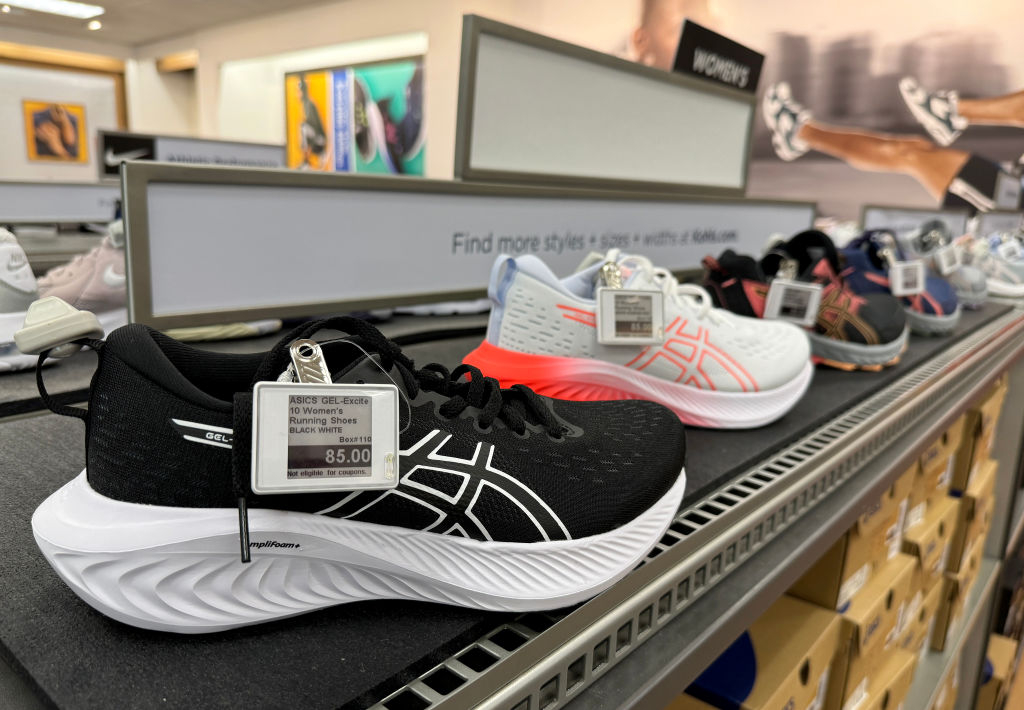
Asics, the Japanese sportswear brand that spent years mired in losses, has staged a dramatic turnaround and is now projected to surpass 1 trillion yen ($6.32 billion) in sales this year.
According to local media including the Japanese IT outlet Business+IT, Asics said at an earnings briefing in August that its annual sales would reach 1.05 trillion yen this year — a record since the company's founding.
Asics traces its roots to Onitsuka, a company founded in 1949 by Onitsuka Kihachiro. The brand grew steadily, launching basketball shoes in 1950 and marathon shoes in 1953. In 1965, it unified its branding under the name Onitsuka Tiger to pursue the market more aggressively.
The striped "Mexico Line" design, introduced ahead of the 1968 Mexico City Olympics, became the brand's signature look. In 1977, a merger with sporting goods companies including Jelenk gave rise to the Asics name.
The company hit a rough patch in the 2000s, however, as it failed to keep pace with shifting trends and accumulated excess inventory. Sales fell to 300 billion yen in the 2010s, and the company slipped into the red in 2020.
Asics clawed its way back by improving performance through its proprietary GEL cushioning and energy-return technology, while keeping prices more competitive than rival brands to target the global running market. Collaborations with prominent fashion brands and a shift toward SNS-driven marketing helped reshape its image as a brand that resonates with younger consumers.
Above all, the revival of Onitsuka Tiger — riding a wave of nostalgia for thin-soled, retro-styled footwear — laid the foundation for the comeback. In South Korea, where the brand is marketed as "Onitsuka Tiger," its vintage designs have made it a must-buy for travelers visiting Japan.
Despite its strong performance this year, Asics faces stiff competition from global brands intensely focused on the running shoe market, including Nike, Adidas, Hoka and On.
kate01@heraldcorp.com




