10-2 vote to hold; dissenters backed another hike
Rate frozen days before midterms dominated by inflation concerns
Fed warns inflation 'still elevated'
December FOMC meeting eyed for next move
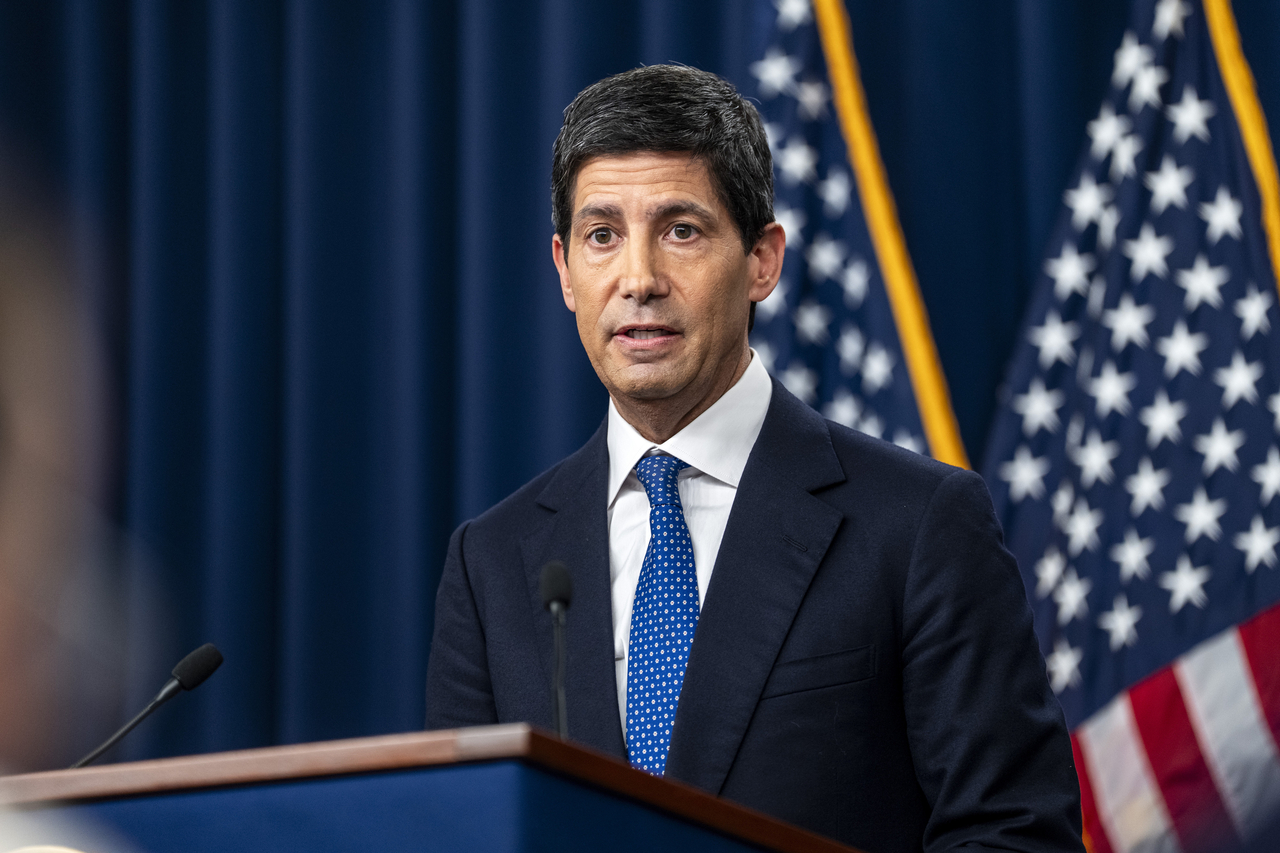
The Federal Reserve held its benchmark interest rate at 3.75–4.00 percent Wednesday (local time), concluding a two-day Federal Open Market Committee meeting without a further increase — a pause widely interpreted as a deliberate slowdown after the Fed raised rates last month for the first time in three years and two months.
The decision passed with 10 of the 12 voting FOMC members in favor; the 12 include Fed governors and regional Federal Reserve Bank presidents. Two dissented: Fed Governor Lisa Cook and Cleveland Fed President Beth Hammack both argued for an additional 0.25 percentage point increase.
In its statement, the Fed said "economic activity is expanding at a solid pace," noting that domestic spending remained firm and that productivity and capital investment were healthy despite geopolitical uncertainty. On employment, the Fed said job gains were keeping pace with labor force growth and that the unemployment rate had shown little change.
However, the Fed stressed that "inflation remains elevated" and said it would determine the appropriate monetary policy stance to bring inflation back to its 2 percent target based on incoming economic data. In the statement released immediately after the rate decision, the Fed reaffirmed its commitment to price stability, saying "the Committee will achieve price stability."
The Fed had cut its benchmark interest rate three consecutive times — in September, November and December 2024 — and again three consecutive times in September, October and December last year. This year, it held rates steady for five consecutive meetings before raising them last month, marking a shift toward monetary tightening.
The hold is seen as a chance to assess the effects of last month's rate increase before moving again. The timing also drew attention: the decision came six days before the US midterm elections on Nov. 3, with high inflation emerging as the dominant issue for voters.
Still, with the Fed signaling that upward price pressures remain significant and leaving the door open to further hikes, markets are already anticipating that monetary tightening could resume after the election. Attention is now turning to the Fed's final FOMC meeting of the year, scheduled for Dec. 8–9.
With the Fed holding rates steady, the gap between South Korea's benchmark rate of 3.00 percent and the upper bound of the US rate remained at 1.00 percentage point.
kate01@heraldcorp.com