"The number of artists creating quality art toys keeps growing. The question is whether there are enough stages to consistently show their work."
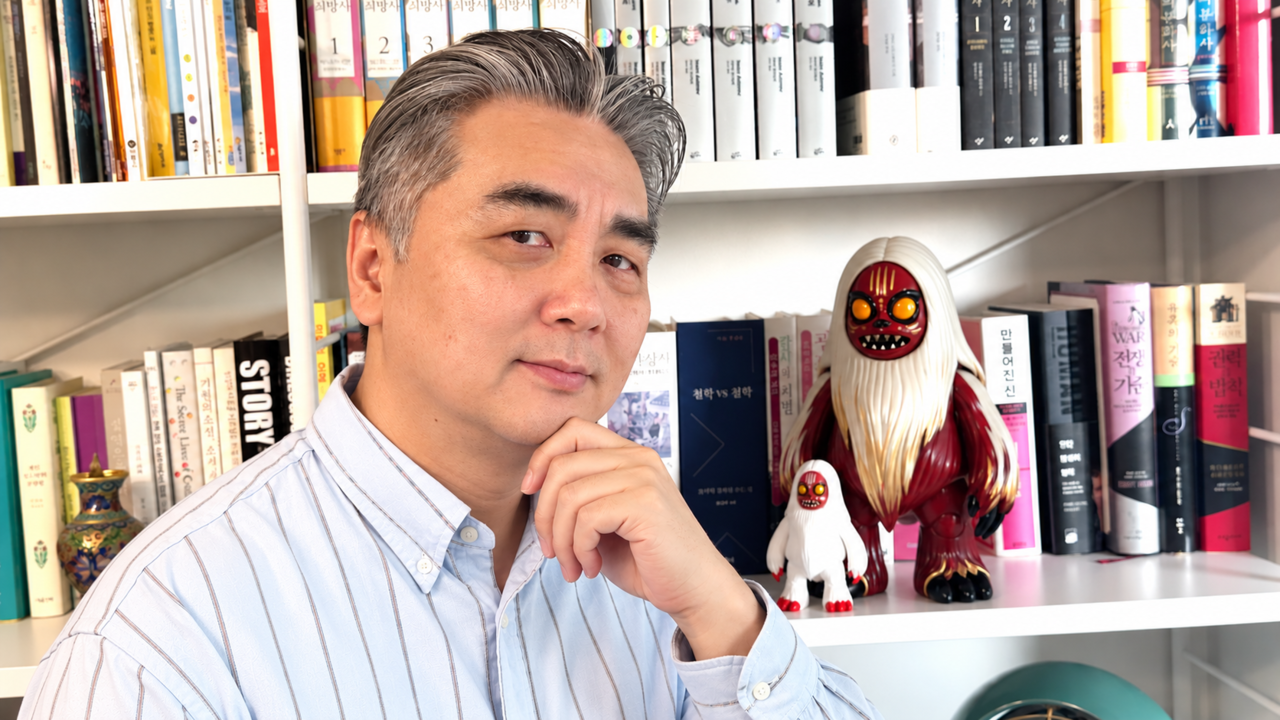
That concern sits at the heart of what Cheon Chang-wook, chief operating officer of Kaipro Studio, set out to build with the Seoul Toy Festival, which opens Oct. 19. His central goal was to create a stage where creators can present their work without undue pressure and meet audiences directly.
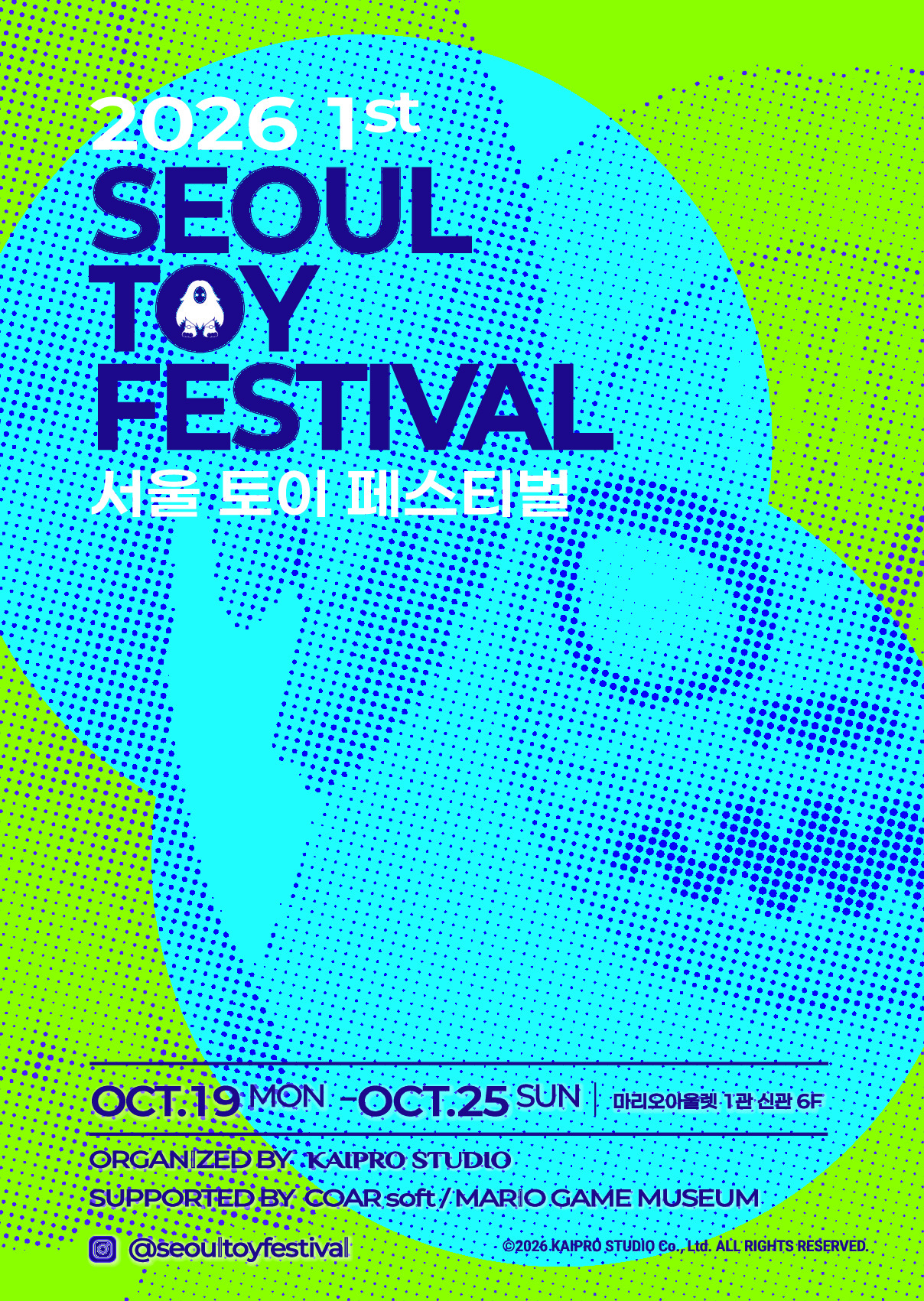
The festival runs Oct. 19–25 on the sixth floor of the new wing of Mario Outlet Building 1 in Geumcheon-gu, Seoul. The event brings together art toys, character intellectual property, figures and resin toys under one roof, with domestic art toy artists and independent creators taking part.
Art toys converge at Mario Outlet, Oct. 19–25
Art toys are collectible artistic works that express a creator's sensibility and worldview through characters or sculptural forms. Well-known examples include BE@RBRICK, the Companion figure by American artist KAWS, and Labubu, which has drawn considerable attention in recent years.
Cheon described the festival as something distinct from a large-scale trade fair. Rather than competing on elaborate facilities and booths, the focus is on creating a space where creators and visitors can talk about works up close, and where emerging artists can introduce their pieces without feeling overwhelmed.
The event grew out of an idea by Lee Hee-kyung, CEO of Kaipro Studio and a working illustrator. Having encountered creative events at home and abroad, Lee believed artists needed more opportunities to present their work and connect with audiences, and established the company to build a sustainable foundation for running such events.
Cheon, who joined the company later, shared that vision. He had spent more than a decade making ball-jointed dolls and art toys and participating directly in various events in Korea and overseas.
"It was frustrating that while more and more people were making things, the opportunities to show those things to the world weren't keeping pace," Cheon said. "As production technology — including 3D printers — has advanced, many more artists have started turning their own characters into three-dimensional works and making art toys themselves."
One place Cheon frequently encountered Korean artists was, somewhat ironically, overseas toy events. Those events offer access to larger markets and a wider range of collectors, but the financial burden on emerging artists is considerable.
"Once you add booth fees, airfare, accommodation, shipping costs and living expenses, it becomes a significant burden for an artist just starting out," he said. "There are good events in Korea, but I felt artists needed more options — more chances to show their work a little more often."
From combat sports to art toys — the same lesson about stages
The importance of a stage is a lesson Cheon learned well before he entered the art toy world. His background includes a chapter in mixed martial arts that has nothing to do with toys.
Cheon once worked at an MMA agency, pushing for Korean fighters to break into overseas competition. He was involved in the process that saw fighters enter the world's top promotions for the first time — including Choi Mu-bae, known as the "Busan Heavy Tank," entering Japan's Pride FC, and Kim Dong-hyun, known as "Stun Gun," competing in the UFC — at a time when domestic stages for fighters were scarce.
"The fields are completely different, but back then too, people needed a stage to show themselves if they were going to grow," Cheon said. The lesson he took from MMA — that a stage is essential — mapped directly onto the frustrations he later felt in the art toy world. He said that experience was part of what drew him to Lee's proposal and led him to join the company.
That conviction shaped how the Seoul Toy Festival is run. "The operating principle is simple: lower the barrier to participation and get the work as close to the audience as possible," Cheon said. "If you focus on making the event bigger and grander, facility and operating costs rise, and that inevitably feeds back into what participants have to pay."
"Rather than aiming for a massive trade fair or flashy booths, I want to create an event where visitors can look at work up close, ask questions, and artists can explain what they made," he added. "I want established artists and artists showing their work for the very first time to meet audiences in the same space."
Lower barriers, closer encounters
The festival's programming was also designed to help visitors discover new works and artists. A standout special feature is "Yosu City in Seoul," created in collaboration with Korean sculptural collective 357PARTMENT.
The project reinterprets goblins and strange beings from Korean folk tales and traditional lore as contemporary characters, art toys and sculptural works. Rather than displaying a handful of pieces in a corner of the venue, the organizers structured it as an exhibition within an exhibition — an independent world unto itself inside the Seoul Toy Festival.
A dedicated resin toy exhibition zone will also be set up, allowing visitors to see for themselves the actual scale, form, texture, paint work and fine sculptural detail of pieces they may have encountered only as images online or on social media. Booths run by participating artists, character IP companies and independent creators will feature limited-edition art toys, new releases and collaboration works.
Holding the event at Mario Outlet rather than a dedicated exhibition hall also fits the goal of broadening the audience. The idea is that not only existing art toy collectors but also general visitors who come to the mall for shopping or leisure will have a natural opportunity to encounter art toys and characters.
Not a one-time meeting — a festival that keeps coming back
What Cheon ultimately envisions goes beyond a one-off event for displaying and selling work. He wants to build a space where new artists and characters are discovered and where those encounters lead to further opportunities.
"Someone might become a fan of an artist they first heard of at the event, or two artists might meet and start working together," he said. "If a character has potential, I think it could lead to broader IP projects — collaborations with companies, merchandise, content. Kaipro Studio wants to build a role in connecting those kinds of opportunities."
He identified continuity as the most important condition for that to happen. "Rather than trying to produce something from a single event, what matters is that as the event repeats, relationships between artists, visitors and various parties accumulate naturally," Cheon said. "Someday I hope it becomes an event where, when an artist finishes a new piece, their first thought is: 'I should show this one at the next Seoul Toy Festival.'"
He also had a message for creators who have never shown their work to an audience and are hesitant to start. "It's OK if it's your first time," he said. "We're waiting for artists who want to start fresh and take on new challenges."
yjc@heraldcorp.com