Medical and educational volunteers in Ukraine, Mongolia and Malawi trained local dental professionals and women leaders to build self-sustaining communities
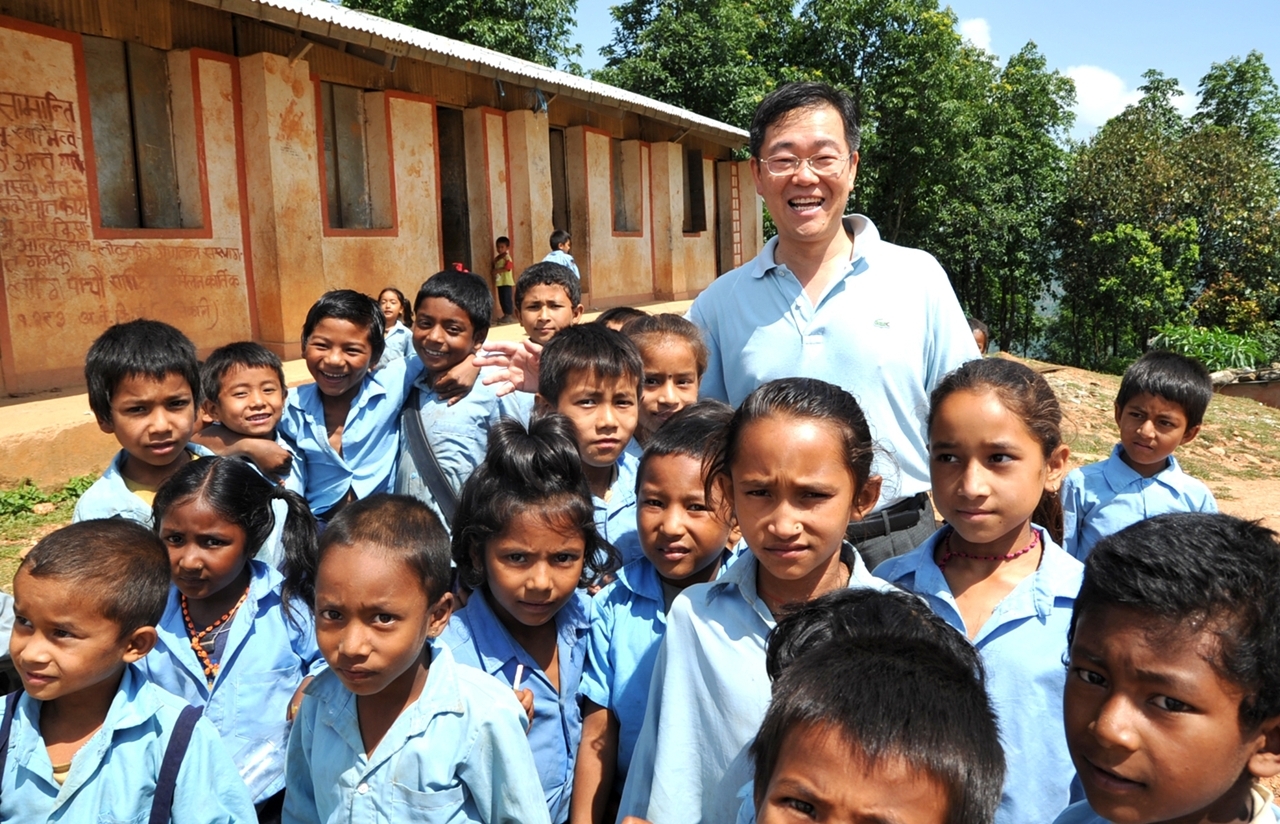
Medical Service Award — Dr. Park Cheol-seong, who spent 32 years serving people with disabilities in Korea and underserved communities in the Philippines and Nepal
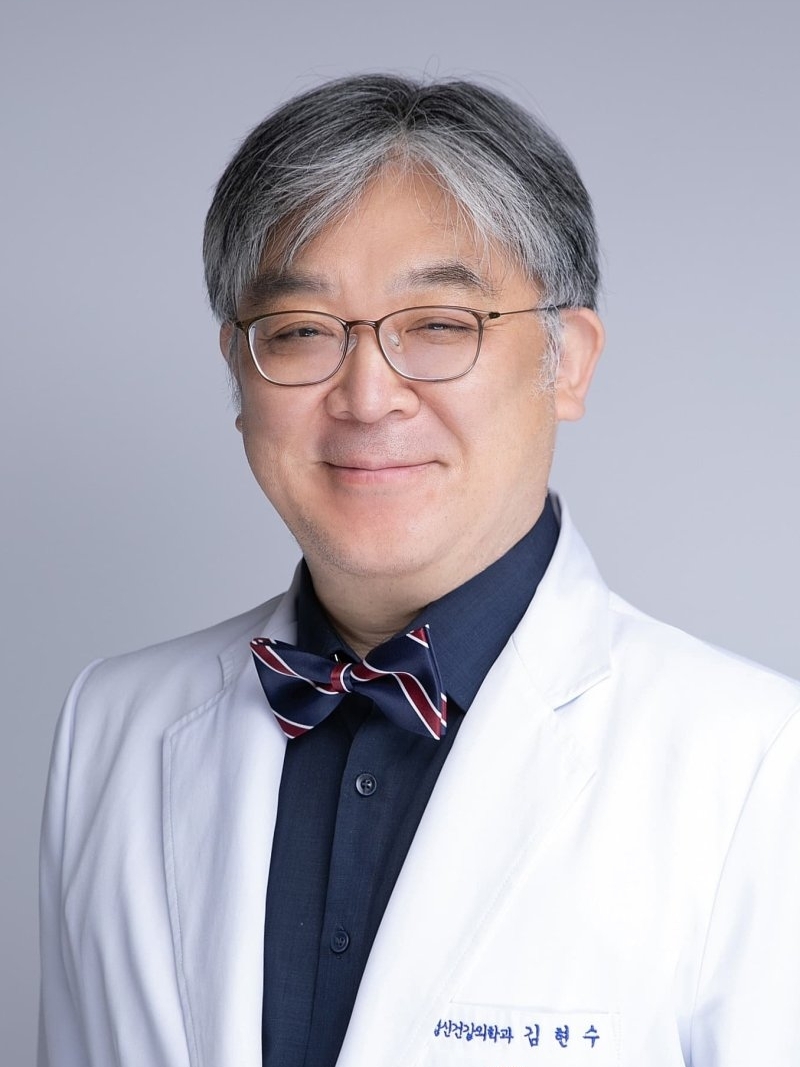
Social Service Award — Kim Hyun-su, who spent 34 years supporting the independence of youth with borderline intellectual functioning and autism
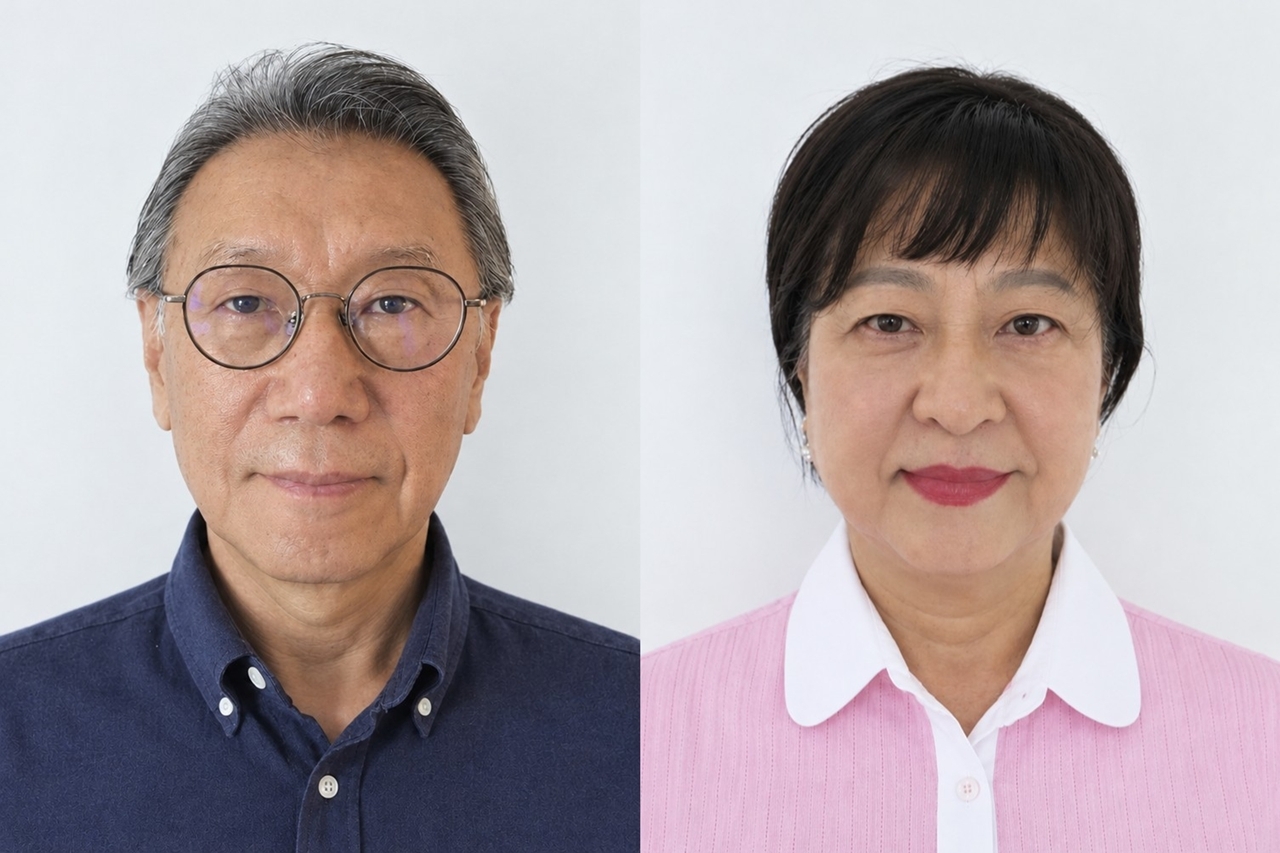
The Asan Foundation has named Kang Ji-heon and Joo Su-kyung, a married couple who spent 30 years providing medical and educational services to marginalized communities in Ukraine, Mongolia and Malawi, as the recipients of the 38th Asan Award. The couple trained local dental professionals and supported children and women to help build foundations for self-reliance in each country.
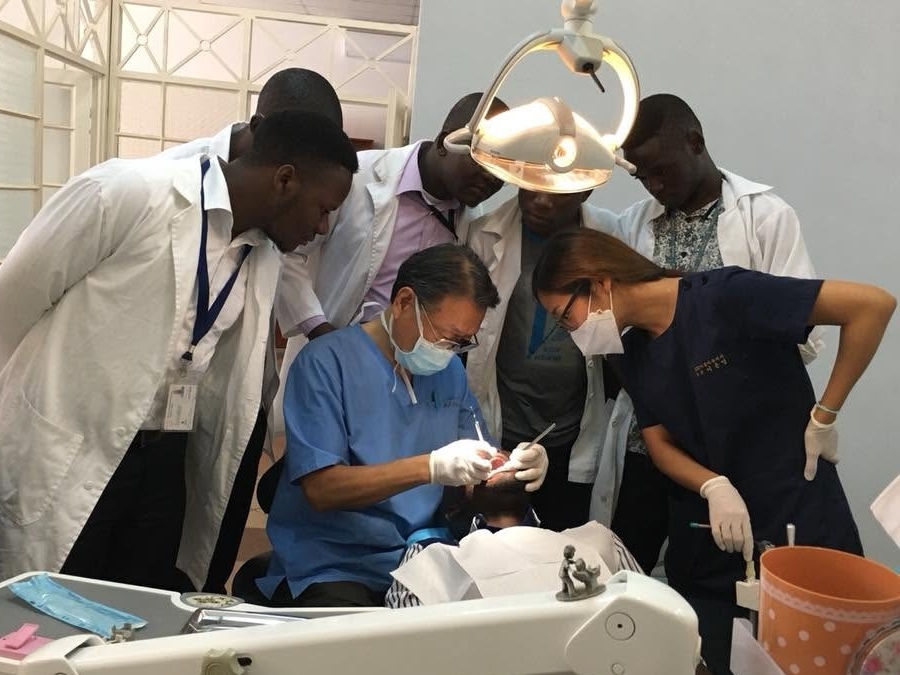
Kang, a dentist, began his overseas volunteer work in Ukraine in 1996 and continued in Mongolia and Malawi. In Ukraine, he conducted mobile dental clinics in medically underserved areas and in communities of ethnic Koreans. In Mongolia, he ran Ebada Dental Clinic, training local dentists so they could eventually operate the facility on their own. In 2015, he moved to Malawi, where conditions were even more difficult, and opened Epata Dental Clinic. There he treated local residents, provided clinical training to dental students and offered free care to refugees. (Both "Ebada" and "Epata" derive from the biblical word meaning "be opened.")
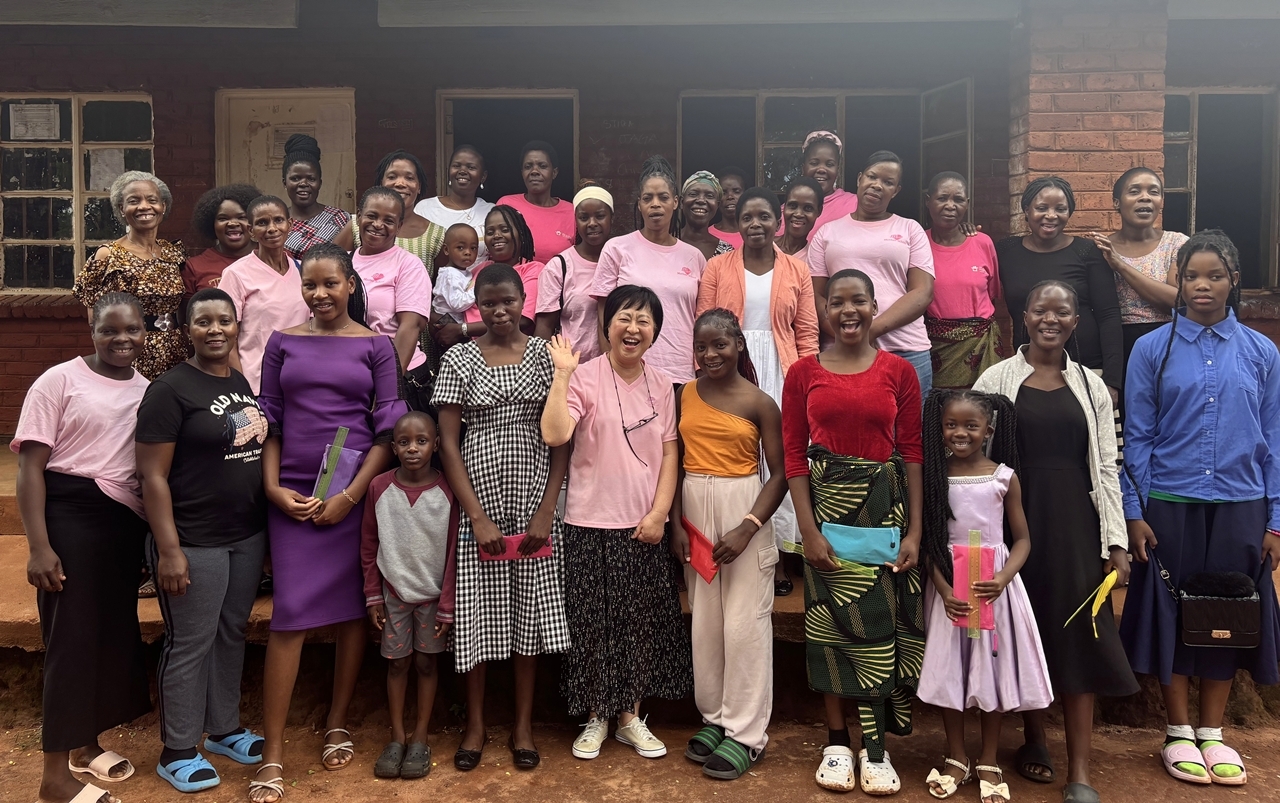
Joo accompanied her husband in his overseas service, focusing on children's education and women's empowerment. She ran mothers' school programs in both Mongolia and Malawi, helping women reflect on their lives and family relationships, improve parenting and marital dynamics, and develop into local community leaders. She also established a children's support center in Malawi for vulnerable children, providing after-school learning and care while helping local churches and residents take ownership of the center's operations.
The Medical Service Award went to Dr. Park Cheol-seong, director of Park Family Medicine Clinic, who over 32 years cared for people with severe disabilities and epilepsy patients in Korea while also running clinics, conducting mobile medical services and working to strengthen local health systems in underserved areas of the Philippines and Nepal.
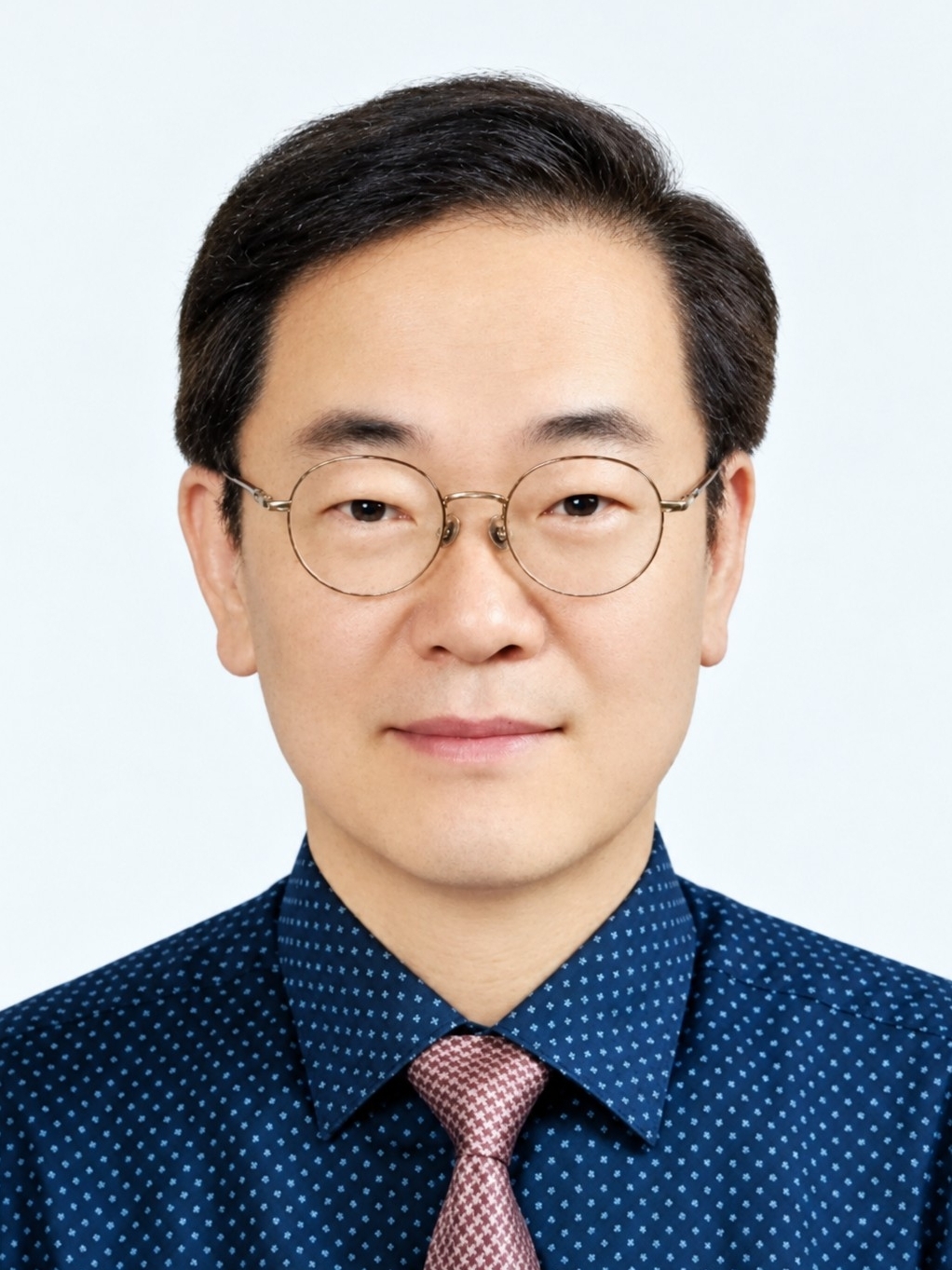
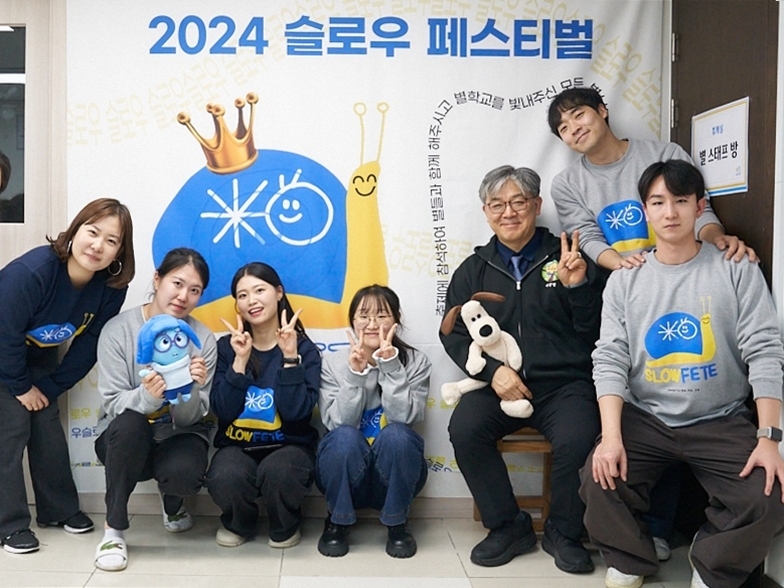
The Social Service Award went to Kim Hyun-su, chairman of the nonprofit Byeol-ui Chingudeul (Friends of Stars), who over 34 years has supported the recovery of at-risk youth, people with mental disabilities, homeless individuals and bereaved families of the Sewol ferry disaster. Kim also built an integrated support system — spanning education, employment and social participation — by operating an alternative school and vocational training programs for youth and young adults who struggle to adapt to mainstream education due to borderline intellectual functioning, autism and related conditions.
The award ceremony will be held Nov. 25 at the auditorium of the Asan Institute for Life Sciences at Asan Medical Center in Songpa-gu, Seoul. Kang and Joo will receive a prize of 300 million won ($221,000), while Dr. Park and Kim will each receive 200 million won.
An additional 15 recipients across three categories — the Welfare Practice Award, the Volunteer Service Award and the Filial Piety and Family Award — will each receive 20 million won. In total, 18 recipients across six categories, including organizations, will share prize money of 1 billion won.
The Asan Foundation established the Asan Award in 1989 to recognize individuals and organizations devoted to helping those in need or practicing filial piety. A panel of experts drawn from various fields reviewed candidates' records through a comprehensive screening process to select the 38th recipients.
Kang and Joo have carried out medical and educational volunteer work for 30 years, beginning in Ukraine and continuing in Mongolia and Malawi. Kang focused on treating local residents and training dental professionals, while Joo concentrated on children's education and women's support — together building a foundation that enables local communities to care for their own neighbors.
Kang had been running a dental clinic in Korea when a short-term medical volunteer trip to Ukraine in 1994 led him to commit to long-term overseas service. From 1996, he lived in Ukraine and conducted mobile dental clinics in underserved areas and ethnic Korean communities. In 2001, he moved to Mongolia, where he opened Ebada Dental Clinic and devoted himself to dental care and training local dentists.
Once his longtime students were able to manage both patient care and clinic operations on their own, he handed the clinic over to them in 2014. Ebada Dental Clinic now employs two directors and 21 staff and owns its own building. The dental professionals Kang trained have since extended their service further, participating in medical volunteer work at refugee camps in Malawi, among other activities.
After moving to Malawi in 2015, Kang opened Epata Dental Clinic in 2017, treating local residents while working to develop local dental professionals. From 2018, he taught students in the dental therapy program at a national health college, and after Malawi's first national dental school opened in 2019, he also took on clinical training for dental students. He set up a dedicated education and practice space within the clinic so students could apply classroom learning in real clinical settings.
Kang has also prioritized free care for low-income patients and since 2019 has made regular visits to the Dzaleka refugee camp in Malawi to treat refugees and nearby residents. He also secured outside funding to install a dental 3D CT scanner at Epata Dental Clinic and donated the clinic's previous CT machine to a national hospital, expanding access to dental care for more residents.
Joo, a graduate of a theological seminary in the United States, has cared for children and women in rural Malawi. She provided tuition and school supplies to keep children from dropping out, and taught women sewing skills to help them earn an income. In 2021, she established a children's support center — named Chisomo, meaning "grace" in Chichewa, the local language of Malawi — so children could continue studying and receive care after school, and she has worked to help local churches and residents run the center themselves.
She also ran mothers' school programs in Mongolia and Malawi, giving women a space to reflect on their lives and family relationships and work through challenges in parenting and marriage together. In Malawi, she operates a follow-up program called Happy Mom, in which graduates meet regularly over 12 weeks to practice what they have learned and share their experiences. Joo trains participants to become program facilitators themselves, working to cultivate local women leaders.
Dr. Park, the Medical Service Award recipient, traces his commitment to volunteer medicine to a childhood experience in which an American medical missionary helped him through surgery for complications from polio. Since 1994, he has spent 32 years making regular visits to Eunkwangwon, a residential facility for people with severe brain lesion disabilities, providing free medical care. From 2007, he also consistently offered free treatment for epilepsy patients for about a decade.
In 2004, he lived in the Philippines for about a year with his family, treating residents in medically underserved areas including Baseco. He later built the Amisa Clinic in the Naik area and donated it to the local community, where local medical staff and volunteers continue to serve residents today. In Nepal, he stayed for a combined total of three years and eight months across two postings, conducting mobile clinics at more than 100 remote mountain locations and supporting the establishment of clinics and school health rooms in areas lacking medical facilities.
Dr. Park served as medical program director at Tikapur Hospital in Nepal, helping to expand its medical staff and establish a functioning care system. The hospital, which once had only two doctors, now has more than 20 physicians serving the local community. From 2019, he led a Korea International Cooperation Agency-supported project to strengthen community health capacity in Nepal, and he continues to treat underserved patients at home and abroad while supporting medically vulnerable communities overseas through Rhos Club International.
Kim, the Social Service Award recipient, is a psychiatrist who since 1992 has supported at-risk youth and homeless individuals facing emotional and mental crises. From 2012, he supported suicide prevention programs in Seoul and Gyeonggi Province, and in 2014, following the Sewol ferry disaster, he served as director of an integrated disaster mental health center to help those in psychological crisis recover.
In 2002, Kim used his own funds to establish an alternative school for youth who struggle to adapt to mainstream education due to borderline intellectual functioning and other developmental and emotional characteristics, allowing students to receive treatment and education at their own pace. To prevent graduates from becoming isolated again after leaving school, he launched a learning and work program for young adults in 2010. Young adults currently work and develop vocational skills at three sites — a cafe, a cookie workshop and a publishing operation — while earning an income.
Kim also helps young adults channel their talents into social activities, supporting the publication of poetry collections, solo art exhibitions and music releases. Through National Assembly symposiums and other forums, he has consistently raised awareness of the need for education, employment support and family assistance for people with borderline intellectual functioning, contributing to the enactment of local ordinances and the expansion of support programs.
kty@heraldcorp.com