Analysis of 25 certified traditional fermented sauces uses third-generation gene sequencing
Diverse microbial communities found depending on ingredients, manufacturing environment and fermentation process
Findings published in international journal; certified products tested at least once a year for nutrients and harmful substances

Traditional Korean fermented sauces, including doenjang, contain up to 44 species of beneficial microbes, according to new gene analysis. The research shows how these invisible microorganisms interact with one another through the ingredients, manufacturing environment and fermentation process to create the distinctive flavor and aroma of the sauces.
The National Agricultural Products Quality Management Service announced the findings Friday from its analysis of microbial communities in certified traditional fermented sauces. The agency's research institute collected 25 products bearing the traditional food quality certification that are sold on the market and examined them using third-generation gene sequencing technology.
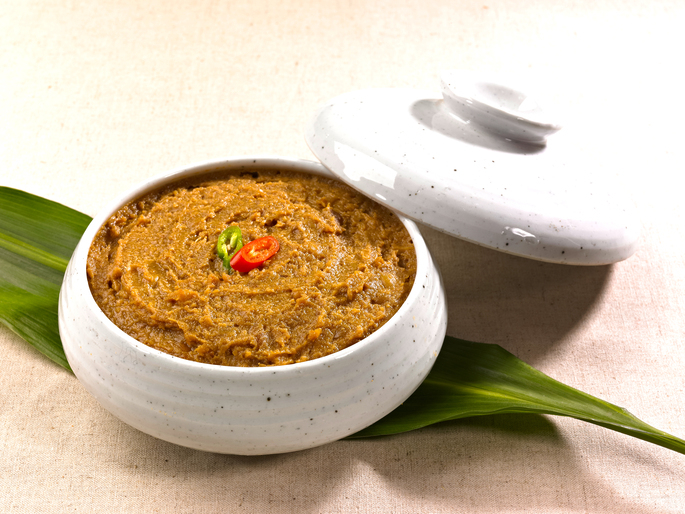
The analysis found up to 44 species of beneficial microbes in the products. The agency said the findings scientifically confirm that traditional fermented sauces are not simply made through a fixed manufacturing process. Instead, they function as a "biological ecosystem" in which diverse microbes interact across the ingredients, manufacturing environment and fermentation process. The research was published in the international journal Letters in Applied Microbiology.
The study's key contribution was scientifically examining the fermentation process that determines the taste and quality of traditional fermented sauces. The agency's research institute is responsible for scientifically verifying whether products with the traditional food quality certification maintain their distinctive manufacturing and processing methods. It also verifies whether they retain their taste, aroma and color as intended.

The agency is also preparing for the possibility that the quality of traditional foods could shift due to climate change and changes in manufacturing environments. It conducts precise analyses of the nutritional content and harmful substances of certified traditional food products at least once a year. The agency plans to use the results of this microbial community analysis to further upgrade its quality management system for certified products.
"We will continue to provide information the public can trust through thorough scientific quality management and monitoring, so that the proven excellent functionality and value of traditional foods are fully realized in certified products on the market," said Choi Su-a, head of the agency's research institute.
adastra@heraldcorp.com