'Netanyahu cited Iran war risk to claim first turn as PM'
Sides fail to bridge wide gap; no further meetings planned
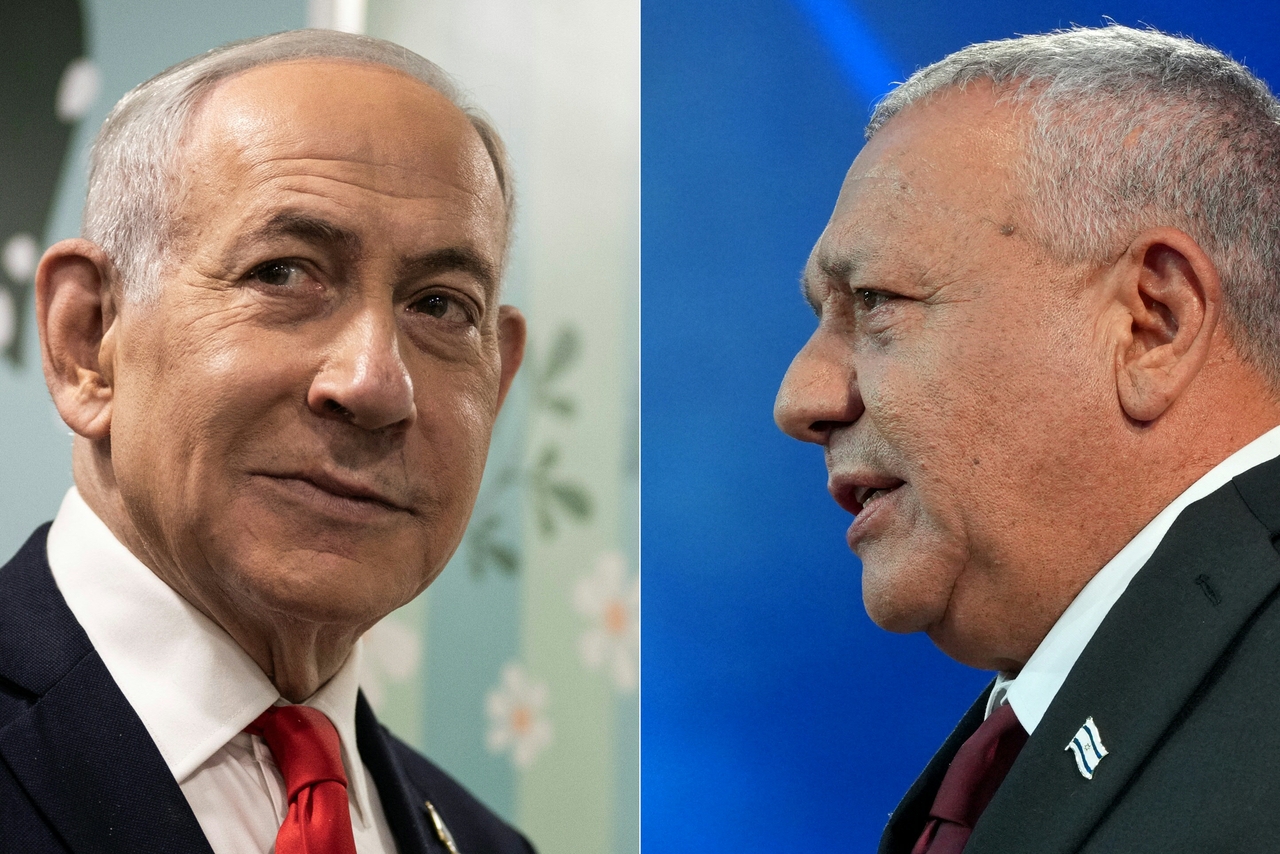
Talks between Israeli Prime Minister Benjamin Netanyahu and Gadi Eisenkot, the Yesh Atid party leader heading the anti-Netanyahu bloc, collapsed Sunday after the two sides failed to reach an agreement on a rotating prime ministership. Local media reported that Netanyahu's camp introduced conditions it had not previously raised, widening the gap to a point where reconciliation appeared out of reach. The two sides also agreed not to hold further meetings.
The Times of Israel and other local outlets reported Sunday (local time) that Netanyahu and Eisenkot held substantive coalition negotiations at the Kirya Defense Ministry headquarters in Tel Aviv following a security briefing. The meeting came together after Netanyahu signaled his willingness to accept a rotation arrangement. Eisenkot responded by challenging Netanyahu's Likud party to reach a coalition agreement within 24 hours and proposed direct talks.
Ynet and other local outlets reported that the gap between the two sides was apparent from the outset, making it difficult to align their positions. Netanyahu's camp is said to have introduced a conditional clause during the talks that it had not mentioned when it announced its acceptance of the rotation arrangement. When Netanyahu publicly declared his willingness to accept the rotation, he said Eisenkot would serve as prime minister first, with Netanyahu following. In the actual negotiations, however, Netanyahu insisted — citing the possibility of a conflict with Iran — that he would remain prime minister first for an unspecified period before the rotation would take effect.
Channel 12 reported that Netanyahu's side proposed alternating the prime ministership on a yearly basis, but Eisenkot rejected the offer. Eisenkot countered with a proposal under which he would serve as prime minister for three years first, followed by Netanyahu for one year — a counteroffer that Likud rejected.
Shortly after the roughly two-hour meeting, Yesh Atid and Likud described the talks on forming a national unity government as 'businesslike' and said "both sides made efforts to narrow their considerable differences." Local media reported that the gap between the two sides never closed throughout the meeting, and the two parties' negotiating teams decided not to schedule any further sessions.
Likud pushed back against reports that Netanyahu had insisted on remaining prime minister first by citing the security situation with Iran, saying Netanyahu had "proposed to Eisenkot that they accelerate negotiations so he could take office immediately."
During the negotiations, Eisenkot reaffirmed to Netanyahu his intention to maintain solidarity with his existing coalition partners. Eisenkot also conveyed that Likud and its allied parties would be welcome to join the new government after its launch, on the basis of agreed-upon principles.
kate01@heraldcorp.com