Applies to PHEVs with 80-km-plus electric range
Utility factor kept at current level through 2030
Proposal still subject to EU Parliament, member-state review
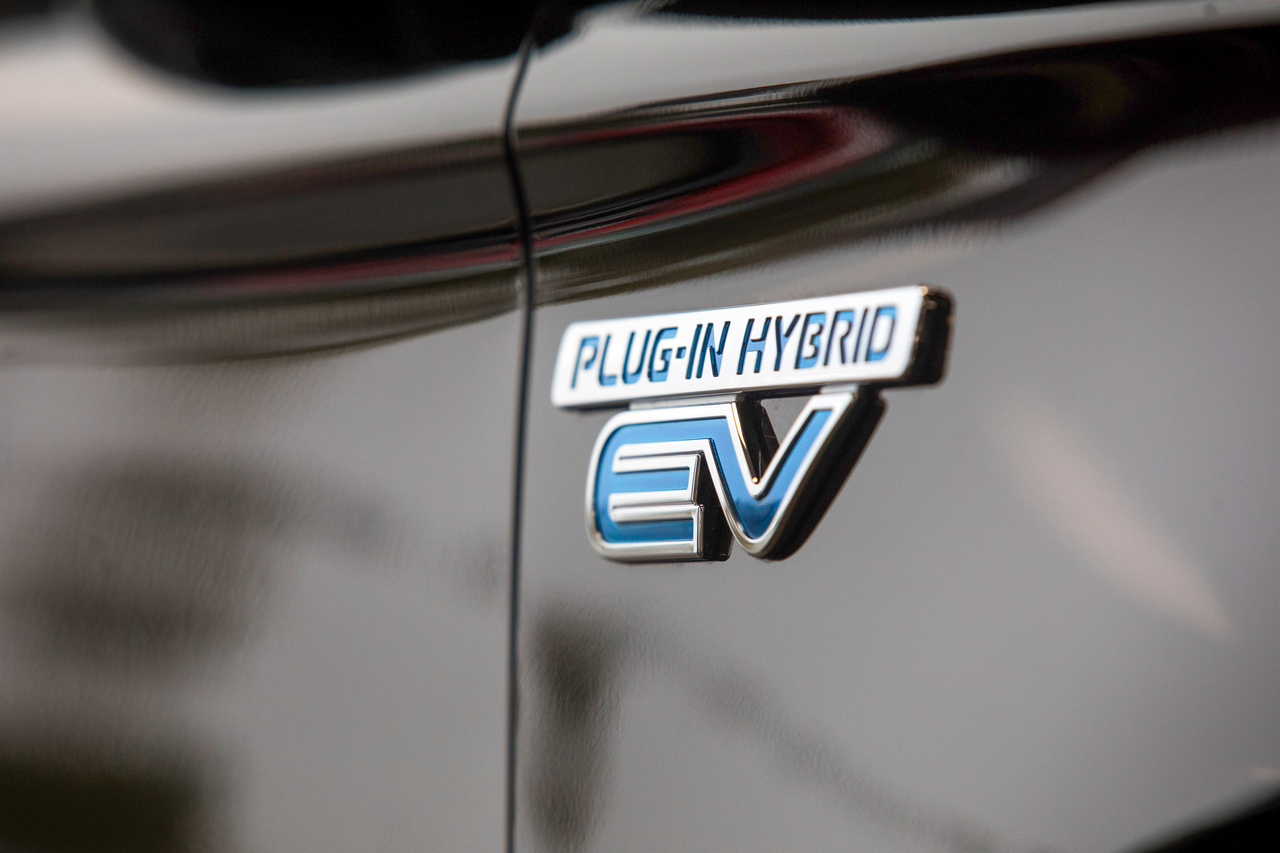
The European Union is pushing to delay a tightening of carbon emissions accounting standards for plug-in hybrid electric vehicles until 2030, a move welcomed by the European auto industry but criticized by environmental groups who say it fails to reflect real-world emissions.
The European Commission announced Saturday that it would keep the so-called utility factor — a coefficient measuring the share of electric driving in a PHEV's total mileage — at its current level until Jan. 1, 2030, according to foreign media reports.
To that end, the Commission launched a process to amend certain provisions of Euro 6 and Euro 7, the regulatory frameworks governing vehicle exhaust emissions certification.
The utility factor indicates what proportion of a PHEV's total distance is covered using the electric motor. The higher the figure, the lower the vehicle's official CO2 emissions rating.
The EU had originally planned to adjust the coefficient starting Sunday, bringing official certification figures closer to actual on-road emissions. But automakers raised concerns about regulatory burdens and weakening competitiveness, prompting the bloc to push back the effective date by roughly three years.
The reprieve applies to PHEVs capable of traveling more than 80 kilometers on electric power alone. The Commission plans to apply the 2025 utility factor to those vehicles.
The EU said the measure would give automakers time to improve vehicle performance and encourage the development of PHEVs with longer electric ranges. From 2030, the bloc intends to adjust emissions accounting standards periodically based on real-world driving data.
The move comes against the backdrop of a wide gap between official certification figures and actual emissions. PHEVs can run on battery power when charged, but drivers often rely on the internal combustion engine without charging regularly, causing real-world emissions to exceed certified figures — a problem that has drawn repeated scrutiny.
An analysis published in September by Transport & Environment, a European environmental group, found that PHEVs registered in 2024 emitted an average of 145 grams of CO2 per kilometer in real-world driving — roughly six times the official test result of 24 grams.
T&E has opposed the EU's decision to delay, arguing that the planned tightening of standards is necessary to close that gap.
Germany's auto industry, by contrast, welcomed the move. The German Association of the Automotive Industry said PHEVs would remain an attractive option for consumers and help sustain employment among auto parts suppliers.
The association had earlier opposed the tightening, warning that "50,000 jobs in Germany alone — particularly in the parts sector — are at risk."
The decision also fits into a broader EU effort to ease the burden on domestic automakers as Chinese electric and hybrid vehicles expand their presence in European markets. Major manufacturers including Volkswagen have called for more flexible application of carbon emissions rules as they navigate the shift to electrification.
Meanwhile, in a separate trade measure, the EU will introduce a provisional import quota on hybrid vehicles starting Tuesday. South Korea has been allocated a total of 67,924 units through June 18 next year. The bloc is thus relaxing emissions accounting standards while simultaneously imposing import restrictions on vehicles produced outside its borders.
The proposed amendment to emissions accounting standards must still pass through review by EU member states and the European Parliament. Once that process is complete, the Commission plans to apply the revised rules retroactively from Sunday.
kwater@heraldcorp.com