Navigating US, China and EU trade fronts — and winning on tariffs
Geneva ties with China's Li Chengang proved key to FTA services deal
'Trade policy is not a solo dance,' Park says, visiting farms and fisheries
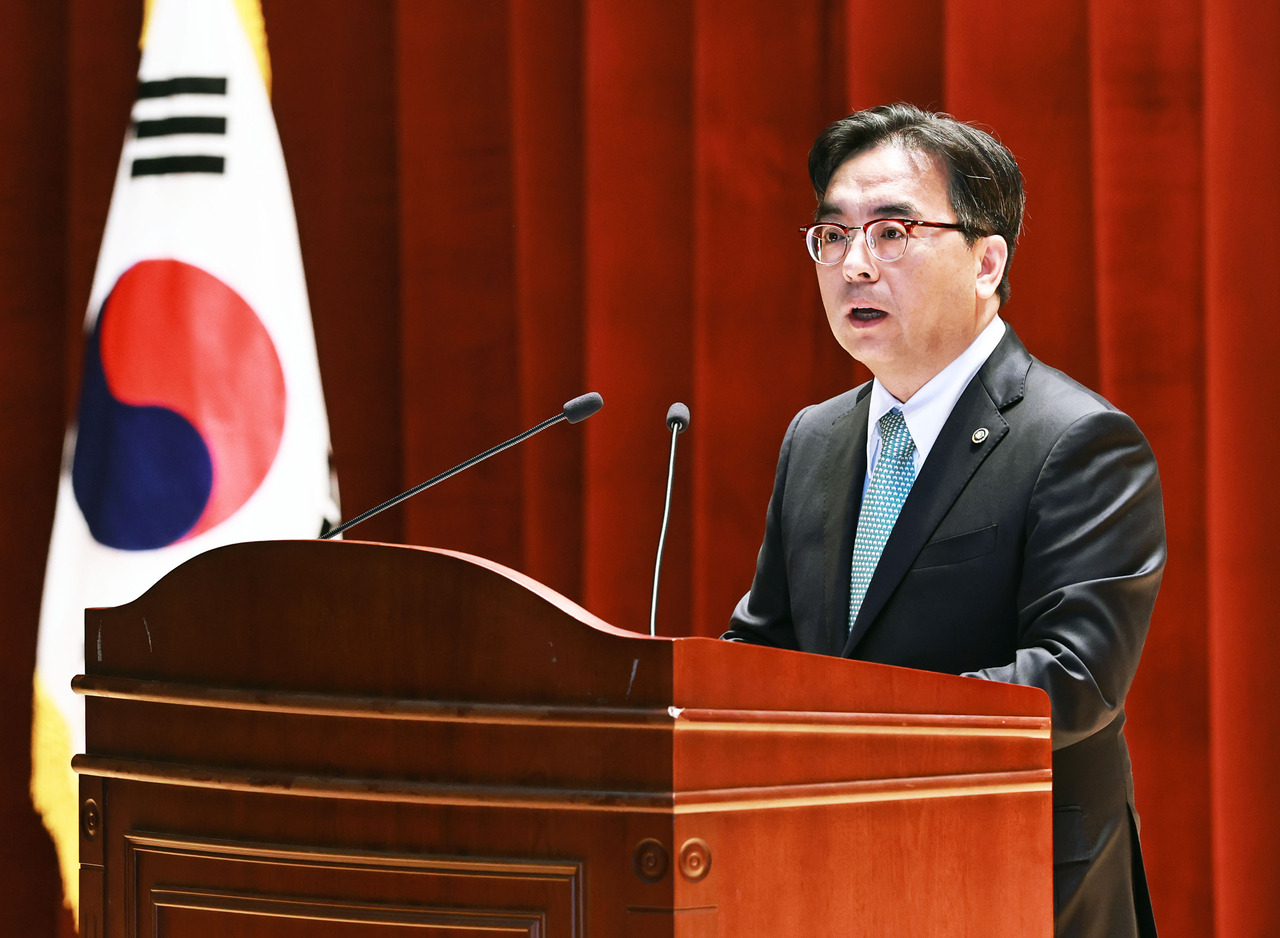
Park Jung-sung, the second trade chief under the Lee Jae Myung administration, marks 100 days in office Tuesday.
Since taking office, Park has traveled to South Korea's major export markets — the United States, Japan, China, the EU and ASEAN — conducting an intensive outreach campaign to ensure Korean companies can operate in those markets without discrimination. Park is widely credited as the driving force behind the breakthrough in the Korea-China free trade agreement services and investment follow-up negotiations, which reached a substantive conclusion at a summit held in Shenzhen, China, on Nov. 18 — eight years and eight months after talks began in March 2018.
According to the Ministry of Trade, Industry and Energy, Park held his inauguration ceremony on Aug. 24 and has since met more than 250 senior officials from over 50 countries, including his US counterpart, US Trade Representative Jamieson Greer. That works out to an average of more than 2.5 foreign officials per day, including weekends and public holidays.
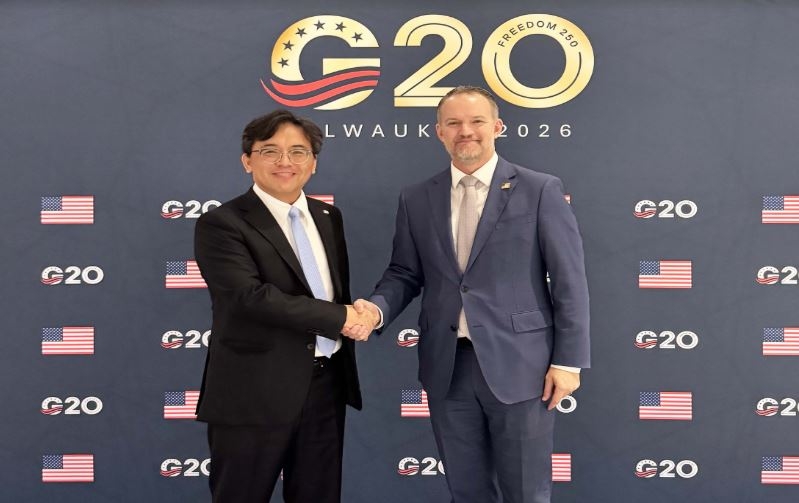
Key interlocutors included USTR chief Greer, US Commerce Secretary Howard Lutnick, Chinese trade representative Li Chengang, Japanese House of Representatives member Taira Masaaki, EU Commissioner for Trade and Economic Security Maros Sefcovic, Indian Commerce Minister Piyush Goyal and UK Secretary of State for Business and Trade Jonathan Reynolds. Park also held close consultations with the European Chamber of Commerce in Korea, the American Chamber of Commerce in Korea, and a range of foreign companies operating in South Korea — among them Merck, GM, Delta Air Lines, Qualcomm, Cisco, Corning, Applied Materials, Chevron, Amazon, Amgen, AstraZeneca, Bank of America, Air Liquide, Amkor, Henkel, Valeo and Tokyo Electron.
Officials across the government describe Park as someone who works quietly and without fanfare, but whose behind-the-scenes efforts are producing tangible results.
At the G20 Trade Ministers Meeting in Milwaukee, Wisconsin, which ran for two days from Sept. 30, Park met with Greer and asked him to honor the 15 percent tariff cap the two sides had agreed upon. The request paid off: when the USTR announced overproduction tariffs under a Section 301 investigation on Wednesday, it maintained the 15 percent ceiling for South Korea.
Park's experience in Geneva proved decisive in the Korea-China FTA services and investment negotiations. After being appointed in 2022 as the first Ministry of Trade, Industry and Energy official to serve as deputy ambassador to the World Trade Organization — a post he held for three years — Park built a close relationship with Li Chengang, who was then China's ambassador to Geneva and now serves as China's chief international trade negotiator. That personal bond, sources inside and outside the negotiating team say, allowed the two to join forces and push through a final substantive agreement in the closing stages of the talks.
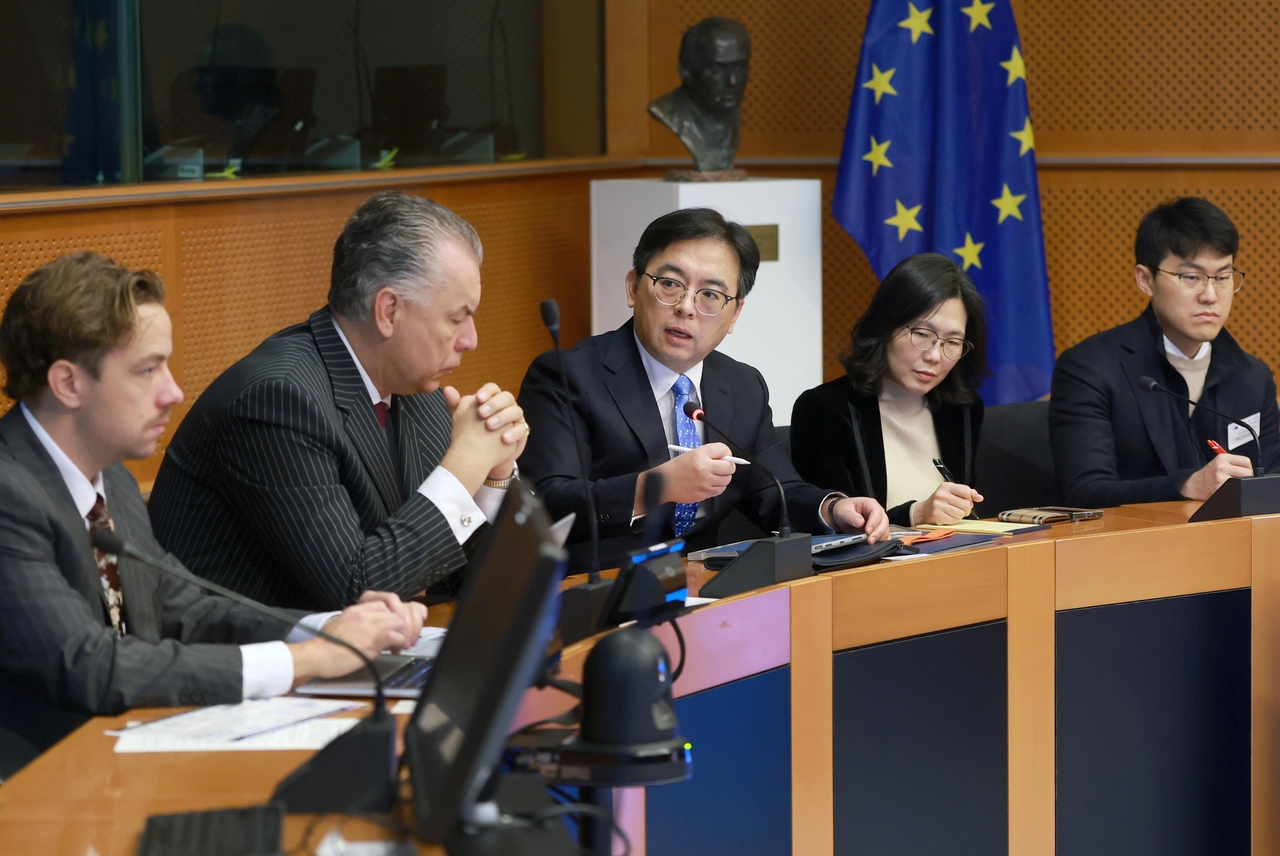
Park also spent two days in Brussels beginning Nov. 10, holding back-to-back meetings with 24 key trade figures in the European Parliament to convey South Korea's concerns about the Industrial Acceleration Act. If enacted, the measure is expected to deal a significant blow to Korean exports in automobiles, batteries, steel, nuclear power plant components and energy equipment.
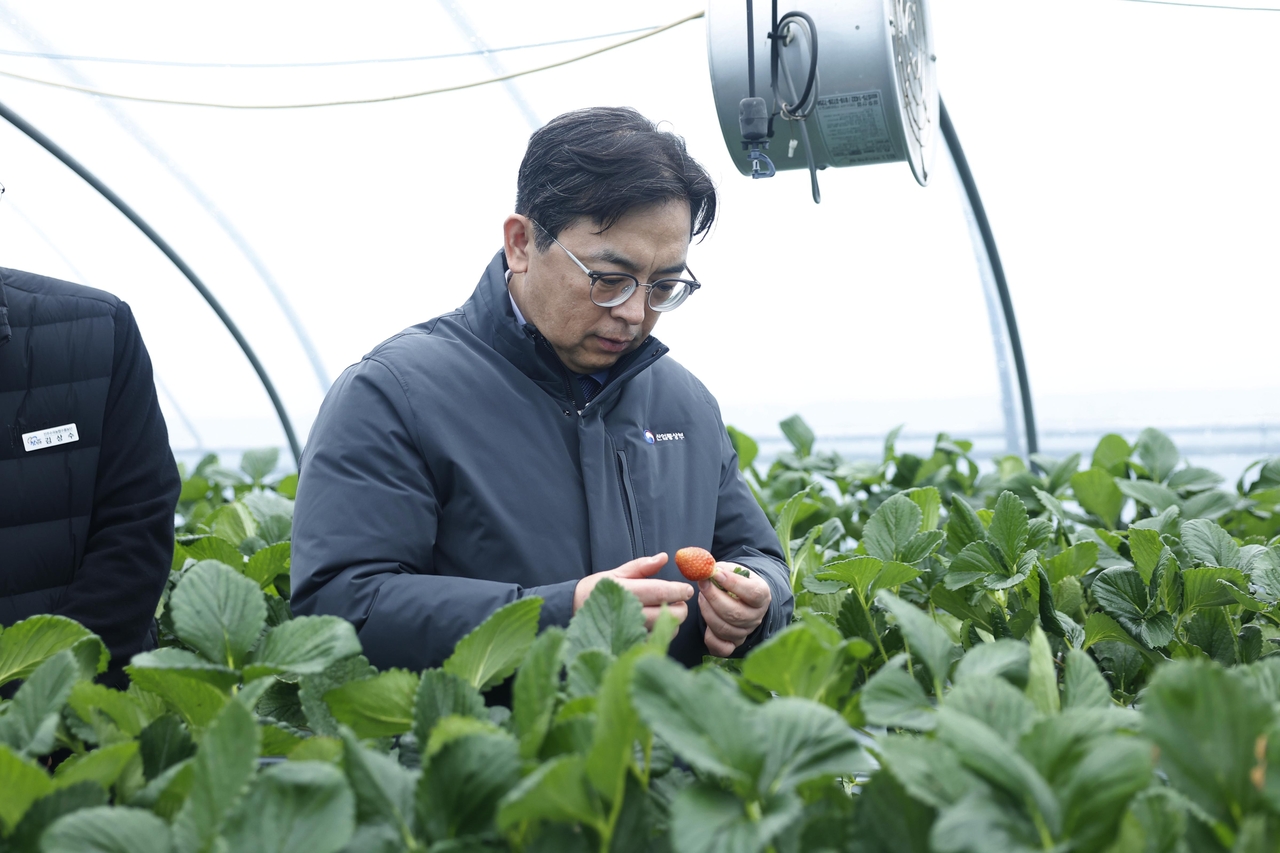
Park has also devoted close attention to the domestic agricultural and fisheries sectors that stand to be hurt by market-opening commitments. On Monday, he visited Seyang Mulsan, an oyster producer and exporter in Tongyeong, South Gyeongsang Province, as well as strawberry farms and an APC in Jinju, and chaired an industry roundtable on export-related issues. The visits put into practice the pledge he made at his inauguration on Aug. 24: "Trade policy is not a solo dance. I will communicate actively with our business people, farmers, fishers and everyone on the ground."
Park passed the civil service examination (trade track, 40th cohort) and holds a degree in economics from Seoul National University as well as a law degree from a US law school. He is licensed to practice law in New York and New Jersey. His career in public service has taken him through roles including head of the FTA team at the Ministry of Knowledge Economy, director of trade and development at the Presidential G20 Summit Preparatory Committee, economic counselor at the South Korean Embassy in Malaysia, and administrative officer in the presidential secretariat's industry, trade and energy affairs office.
He subsequently served as director-general for trade policy coordination and head of management support at the Ministry of Trade, Industry and Energy, and as director of industrial, science and SME policy at the Office for Government Policy Coordination, accumulating broad experience across industry, diplomacy and trade.
After his posting as WTO deputy ambassador, Park served as head of the trade and investment bureau following the launch of the Lee Jae Myung administration, was appointed vice minister-level trade negotiator, and ultimately rose to his current position as chief trade negotiator.
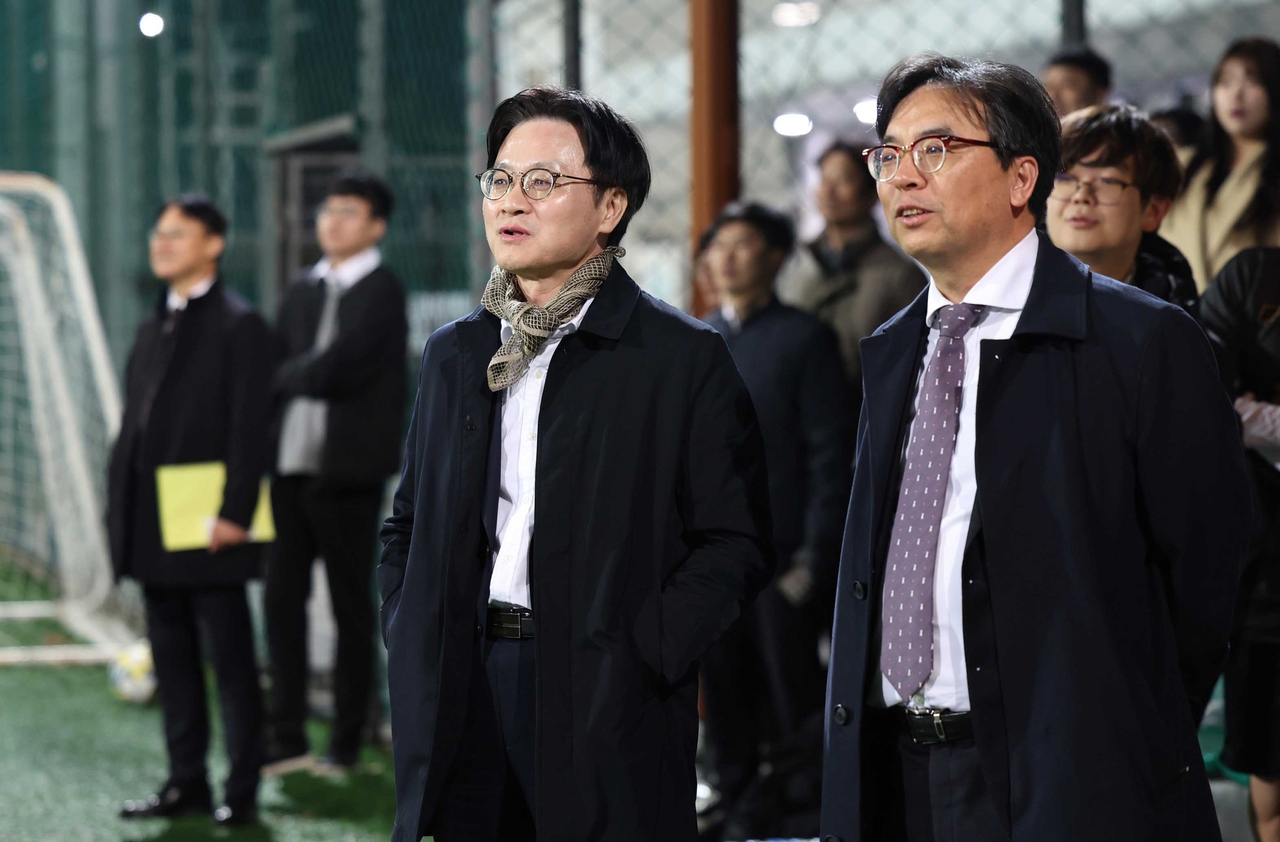
Before taking the top post, Park stayed closely connected with colleagues at all levels through the ministry's soccer club, which he chaired, as well as through tennis and hiking — earning him a loyal following among junior officials.
Former chief trade negotiator Kim Hyun-chong, who previously served as third deputy director of the National Security Office, once called Park "a national team civil servant of the Republic of Korea" — a mark of deep trust extended when Park was serving as director-general for trade policy coordination.
The chief trade negotiator holds vice-ministerial rank within the government but uses the title "Minister of Trade" in international settings, serving as the country's top trade policy coordinator. The role does carry a structural limitation, however: authority over personnel, organization and budget remains concentrated with the minister of trade, industry and energy, making it difficult for the trade chief to act independently on major issues.
oskymoon@heraldcorp.com