- ETRI hosts Open AI Networking Korea 2026
- Industry, academia and research experts seek strategy for 6G international standards
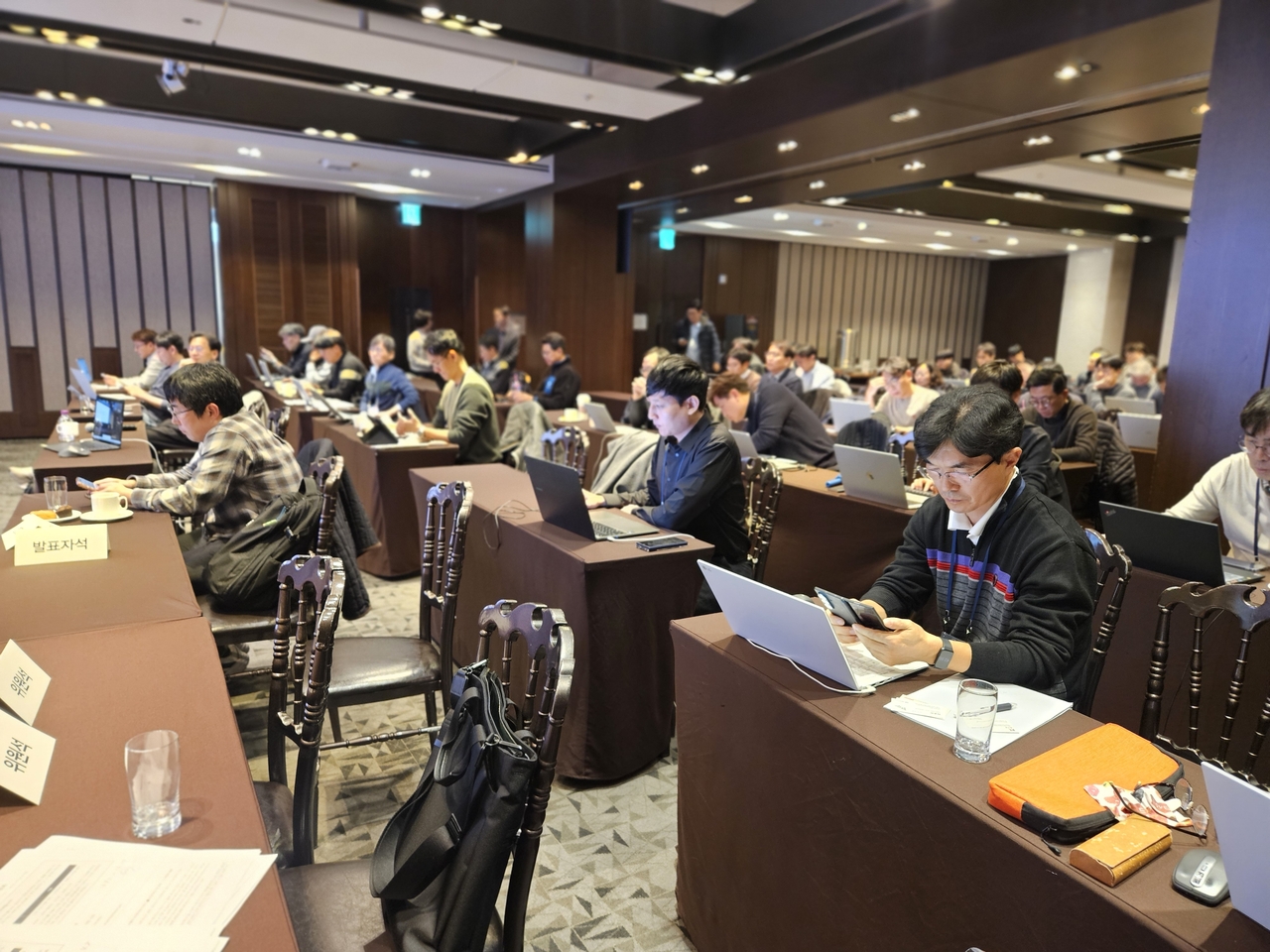
South Korean experts from industry, academia and research institutions gathered to map out a strategy for securing leadership in next-generation intelligent network technology — systems in which AI autonomously analyzes network conditions and optimizes performance and resources based on the services being run.
The Electronics and Telecommunications Research Institute (ETRI) said Sunday it hosted the 13th Open AI Networking Korea 2026 (ONK 2026) on Wednesday at L Tower in Seoul, drawing more than 100 experts from across the country's industry, academic and research sectors.
AI networking refers to technology that uses AI to manage communications networks more efficiently and to make the networks themselves intelligent enough to support a wide range of AI services seamlessly. The core idea is that a network can analyze its own state and find the optimal way to operate as data usage and network conditions change.
This year's event broke from the traditional expert-presentation format by introducing a competitive "battle" program for the first time, in which participants vied over technology and international standardization strategies. Outstanding presenters were selected based on a combination of scores from a selection committee, AI evaluation and audience preference.
The international standardization strategy competition focused on how, in the era of sixth-generation mobile communications (6G), networks can evolve beyond simply carrying AI data into intelligent infrastructure that understands the characteristics of AI services and responds to them proactively.
The top prize — the Battle Grand Award — went to Kim Hyun-suk, a principal researcher at LG Electronics, for a presentation on 6G network architecture standardization strategy titled "Connect AI or Understand AI?"
The AI network technology presentation competition showcased next-generation core technologies and real-world industry applications, including autonomous networks, communication between AI agents, and security technologies designed to counter hacking threats from quantum computers.
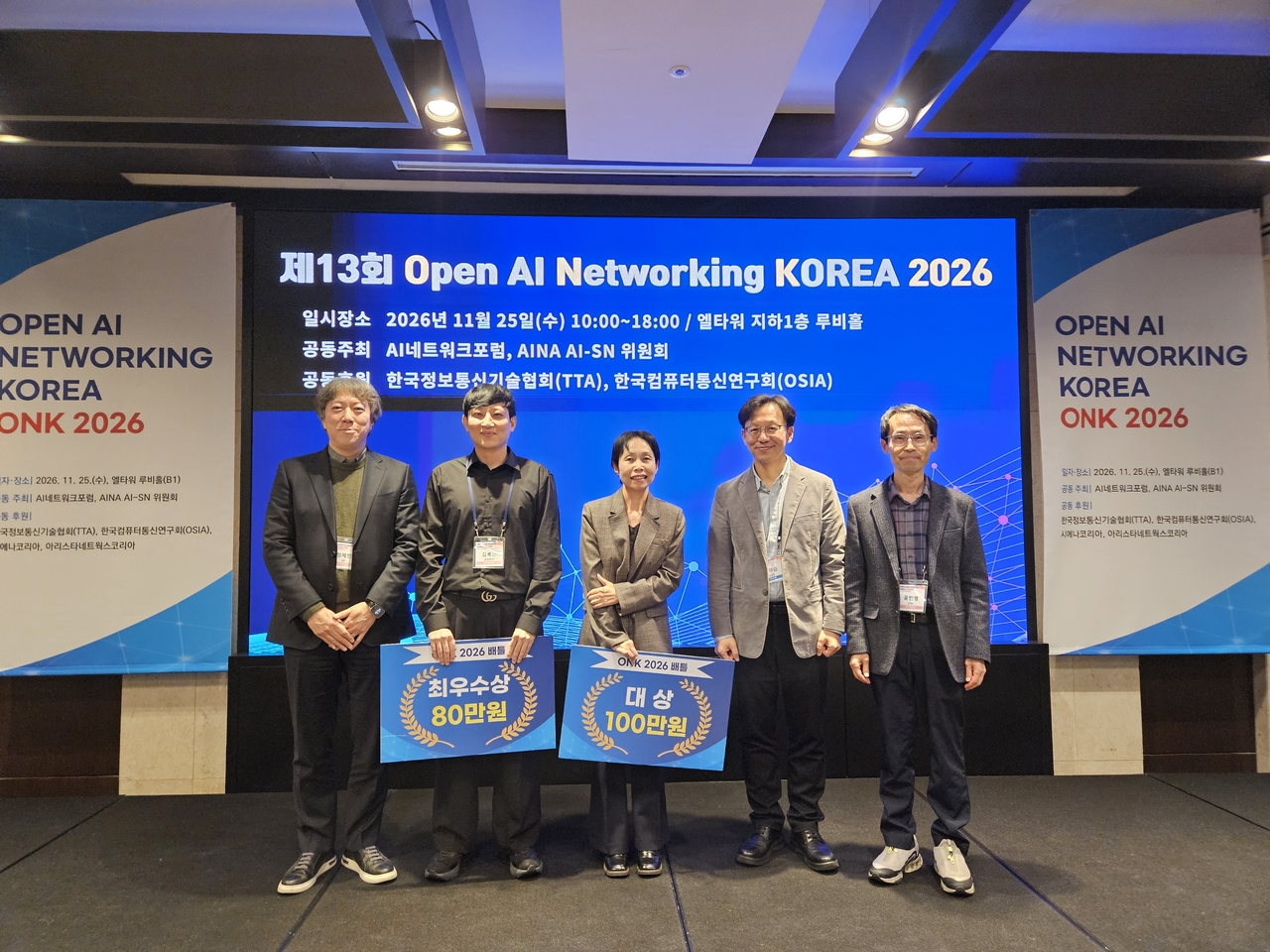
The Excellence Award went to Kim Bok-geun, a principal researcher at Samsung Electronics, for a presentation on commercial deployment cases of AI-based autonomous core networks, while the Popularity Award went to Kim Hyeok, a vice president at Arista Networks Korea.
Major domestic telecommunications carriers, including KT Corp and SK Telecom, also shared their future visions and technology development directions for AI networking.
Attendees agreed on the need to strengthen technology development, international standardization efforts and industry cooperation to ensure network stability, data processing efficiency and real-time responsiveness as AI services continue to spread.
"Networks in the AI era are evolving beyond simple, fast data transmission into core infrastructure that reliably underpins a wide range of AI services," said Jeong Je-min, a senior vice president at KT Corp.
Yun Bin-yeong, a senior research fellow at ETRI, said the newly introduced battle format "carries great significance in that it allowed participants to freely present diverse perspectives on technology and standardization and explore new possibilities." Yun added that the institute hopes the event will "establish itself as a central stage for industry-academia-research collaboration that raises the competitiveness of South Korea's AI network technology and its capacity for international standardization."
nbgkoo@heraldcorp.com