Full scale of breach still under investigation
Customers warned to be wary of texts requesting address changes or extra delivery fees
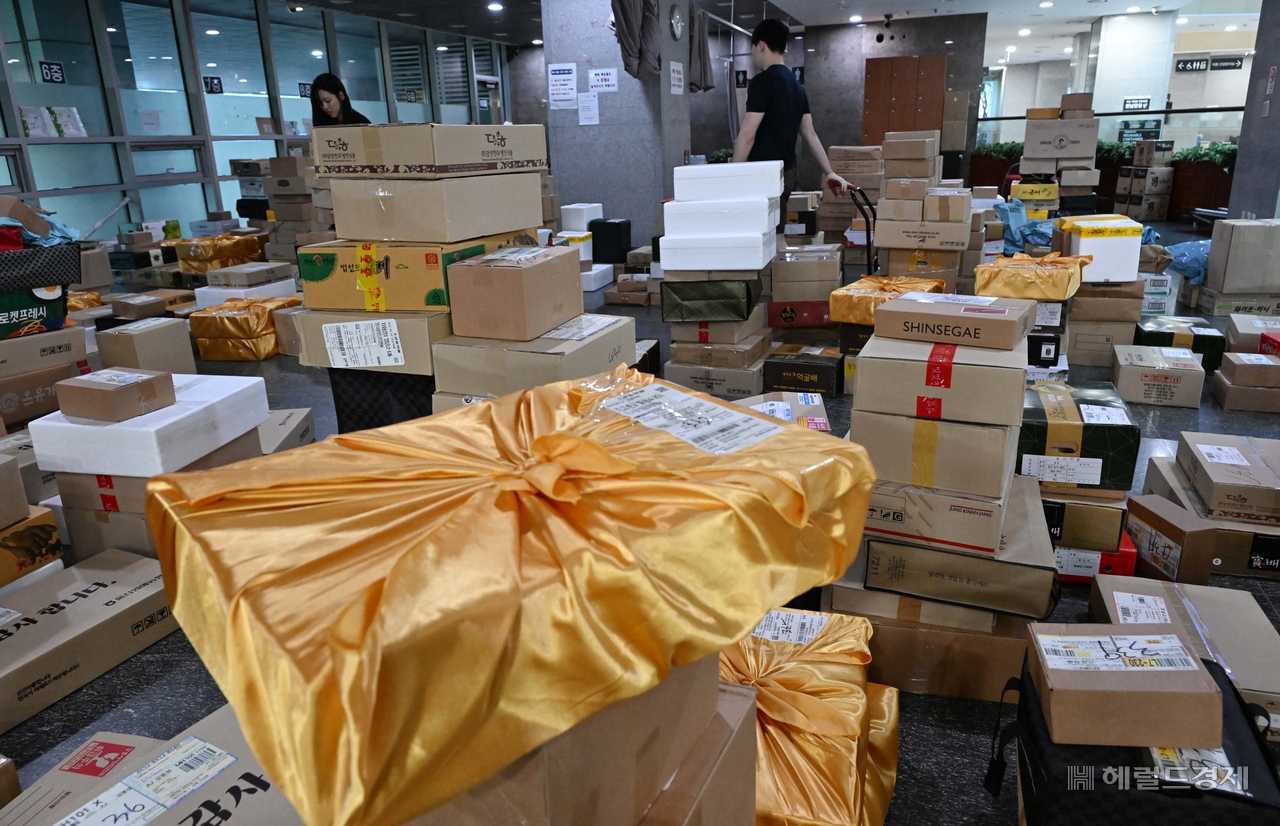
Hackers using overseas internet protocol addresses have breached Korea Post's online postal service, leaking the names, addresses and phone numbers of registered mail customers, authorities confirmed Saturday.
The Korea Post Service Headquarters said it confirmed that customer personal information contained in mail receipt records had been exposed and is working to determine the full scope of the breach. Hackers accessed the mobile Korea Post website's "recipient delivery location change service" and queried the names, addresses and phone numbers of registered mail customers whose parcels were in transit from Nov. 17 to Nov. 24, the agency said.
The delivery location change service sends a text message to a recipient's smartphone with delivery information, allowing customers to choose where they receive their mail.
The total number of affected customers could rise further. Of the eight days during which the hacking occurred, analysis of just one day's data has already identified 113,855 customers — including corporate clients — whose information was compromised.
Korea Post said it plans to notify affected customers of what information was leaked, along with precautions and contact details for inquiries, as soon as the damage from the remaining days is confirmed, in order to prevent secondary harm.
Korea Post first detected signs of the breach at around 10:30 a.m. Wednesday, reported it to the Personal Information Protection Commission and referred the case to police for investigation.
The delivery location change service and the non-member login service have been temporarily suspended, and all overseas IP addresses accessing the Korea Post mobile website have been blocked. Korea Post said it plans to strengthen real-time monitoring for abnormal activity and minimize the personal information displayed for each service within its systems.
Korea Post Service Headquarters chief Park In-hwan told Yonhap he was "deeply sorry for causing concern to the public and Korea Post customers due to an illegal external hacking attack," adding that the agency would "do its utmost to protect public trust through thorough follow-up management, including a rigorous investigation into the cause of the incident and swift measures to prevent recurrence."
Customers warned to watch for texts seeking address changes, extra delivery fees
Because the leaked data bundles names, addresses and phone numbers together, it could be used directly in text message or phone scams impersonating Korea Post.
Park urged customers to "be wary of suspicious texts or calls impersonating Korea Post — such as requests to change a delivery address or demands for additional delivery fee payments — to prevent secondary harm from the unauthorized use of customer information."
Scams impersonating Korea Post have been occurring repeatedly. In September, Korea Post warned of a scheme in which fraudsters created near-perfect forgeries of the paper "mail arrival notices" left on front doors, swapping only the mail carrier's contact number or QR code for phishing versions.
At the time, Korea Post advised the public that it never asks for resident registration numbers or bank account numbers online or by phone, and that any such requests should be refused.
Customers should not click on links in suspicious text messages and are advised to check delivery status by visiting the Korea Post website directly.
Those who have suffered harm from the unauthorized use of personal information, or who have inquiries, can contact the Postal Customer Center. It operates from 9 a.m. to 6 p.m. on both weekdays and weekends, though weekend hours are limited to inquiries related to the personal information leak.
Korea Post has long been identified as the institution most frequently targeted by hacking attempts.
According to data obtained last year from the Ministry of Science and ICT by People Power Party lawmaker Kim Jang-gyeom, of the 56,076 hacking attempts recorded at the ministry and its 64 affiliated and subordinate agencies from 2020 through August last year, 52,656 — or 93.9 percent — targeted Korea Post and its affiliated institutions. During the same period, the Korea Internet & Security Agency recorded 391 hacking attempts.
dbsdn1110@heraldcorp.com