
Smiling face, angry voice — dogs notice the mismatch
Dogs read strangers' expressions alongside their tone of voice
They approach crying owners and can smell stress
Exploring what can happen to your dogs and cats — from the science and systems behind the stories to cases from around the world.

When an owner bursts out laughing mid-scolding — just as the dog sits there wagging its tail after chewing up a slipper — the dog's brain is thrown into confusion by the mismatch between a smiling face and an angry voice, a new study has found.
It is widely said that dogs read their owners' moods through facial expressions and tone of voice rather than the meaning of words. But when the face is smiling and the voice is angry, which signal does a dog actually trust?
A joint research team from the Nara Institute of Science and Technology and Azabu University in Japan set out to answer that question by measuring dogs' brainwaves, publishing their findings in the international journal Scientific Reports.
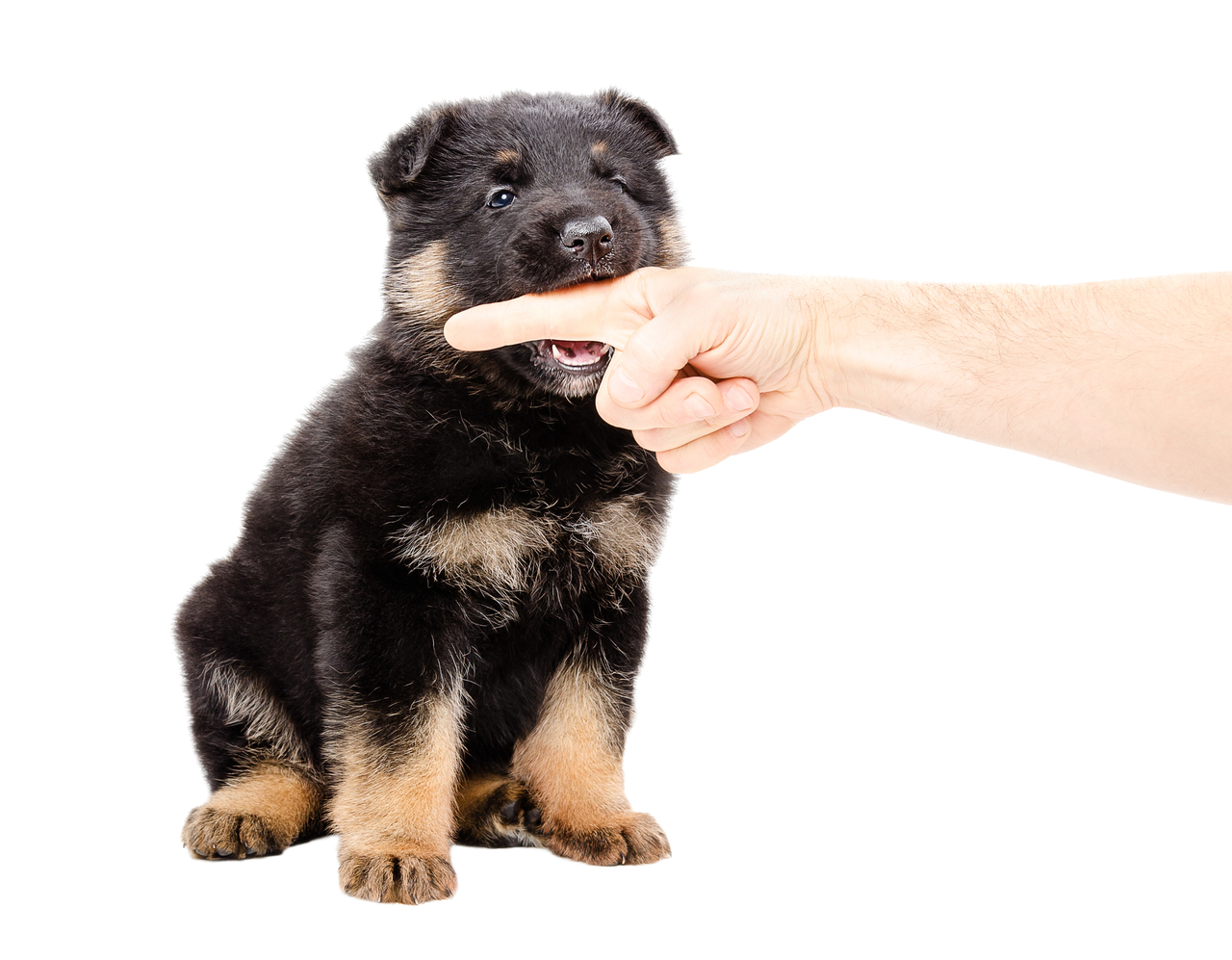
Smiling face, angry voice — a stronger brain response
The research team showed dogs photographs of their owners with happy or angry expressions while playing recordings of the owners' voices. Some pairings were emotionally consistent — a smiling face with a cheerful voice — while others were mismatched, such as a smiling face paired with an angry voice.
When the expression and voice were mismatched, the dogs' brains responded more strongly. Their brainwaves spiked more sharply within half a second of hearing the owner's voice.
The research team interpreted this as a sign that dogs are sensitive to situations in which the emotions conveyed by an owner's face and voice do not align.
Dogs encounter such mixed signals regularly in daily life. The team cited the example of an owner who scolds with a stern voice while wearing a smile. The owner may think they are disciplining the dog, but the dog may be left uncertain whether to follow the smiling face or the angry voice.
The team added, however, that it could not determine whether the response reflected the dogs' reading of the emotional mismatch itself, or simply a reaction of surprise at an unexpected combination.
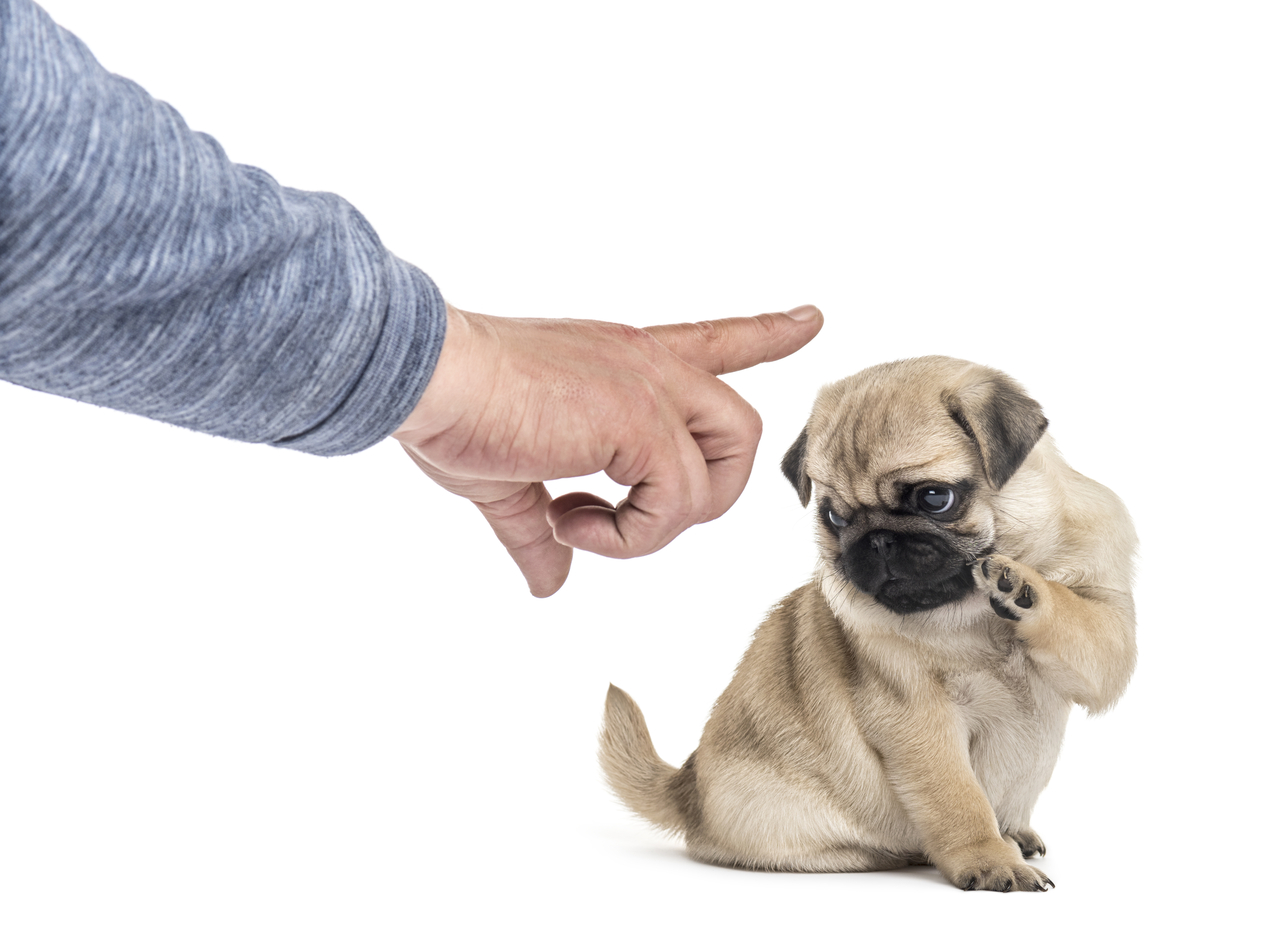
Earlier research had already suggested that dogs integrate facial expressions and voices to recognize emotions. A research team from the University of Lincoln in the United Kingdom and other institutions published a study in 2016 in Biology Letters, a journal of the Royal Society, finding that dogs can recognize human emotions.
The team showed dogs two side-by-side photographs — either of unfamiliar people or of other dogs — while playing a voice or a bark. The dogs spent more time looking at the face whose expression matched the emotion in the sound they heard. The same response appeared whether the photographs showed human faces or other dogs.
Kun Guo, a professor at the University of Lincoln, said in a university press release that "dogs have the ability to combine information from two different senses and recognize it as a single emotion."
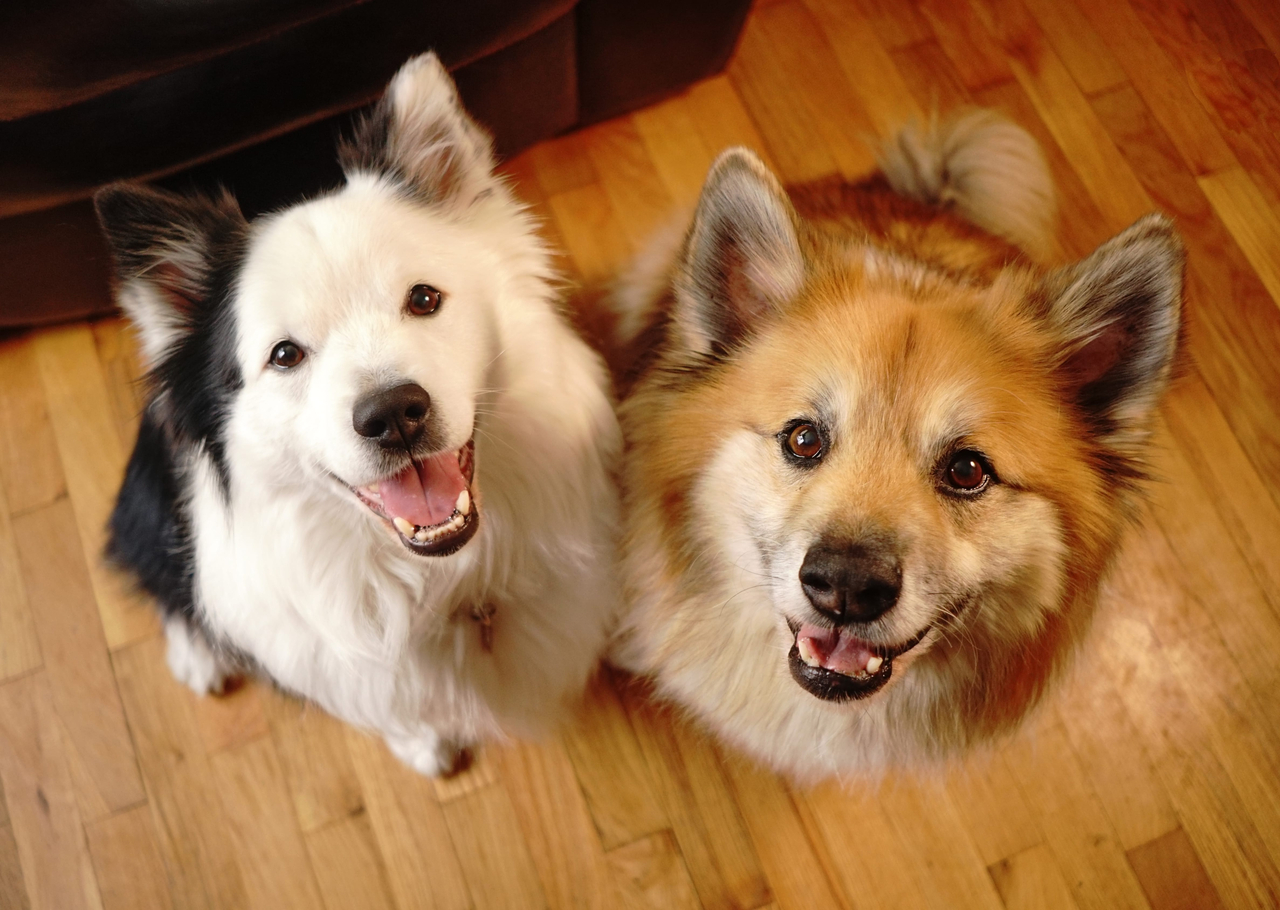
Reading expressions and understanding tone
A research team at the University of Veterinary Medicine Vienna published results in the journal Current Biology in 2015 showing that 20 dogs had been trained to distinguish between smiling and angry human faces on a touchscreen.
After training, the dogs were able to pick out smiling and angry faces even when shown photographs of people they had never seen before, including faces not used during training.
Dogs rewarded for choosing the smiling face learned far more quickly than those rewarded for choosing the angry face. Even when a treat was offered for pressing the angry face, the dogs took much longer to learn to do so. The research team said the result was consistent with dogs perceiving an angry human face as something to be avoided.
Ludwig Huber, a professor at the University of Veterinary Medicine Vienna, added in a press release that "dogs seem to dislike approaching an angry face."
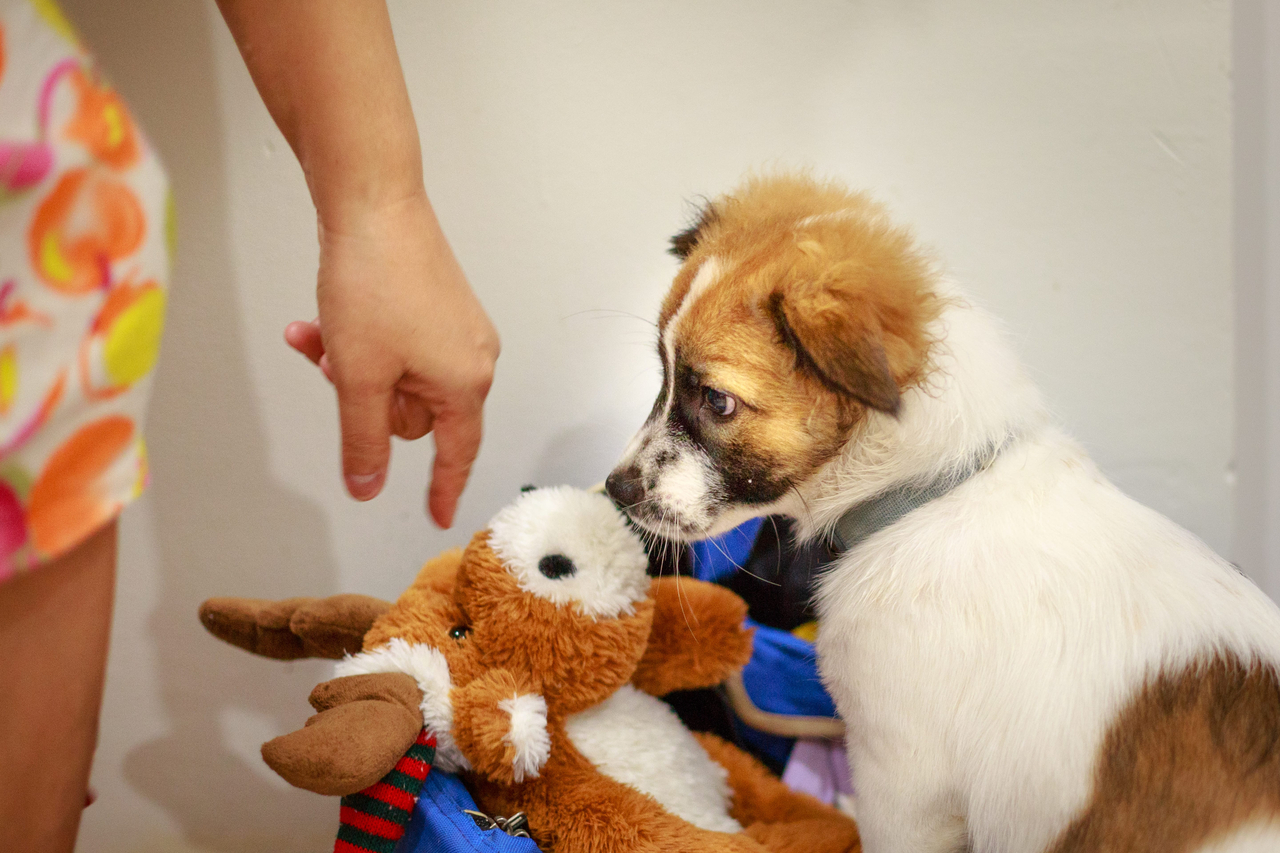
Researchers have also examined what dogs actually hear when their owners speak to them.
A research team at Eötvös Loránd University in Hungary published a study in the journal Science in 2016 finding that dogs process both the meaning and the tone of their owners' words.
The team played dogs recordings of a trainer's voice delivering genuine praise — words such as "good job" and "clever" — alongside meaningless filler words spoken in the same voice.
The dogs' left brain responded to the meaning of the words, while the right brain responded to the tone. The brain's reward region, which activates when a dog feels good, fired strongly only when praising words were delivered in a praising tone.
When the meaning was positive but the tone was flat, or when the tone was warm but the words were meaningless, that strong reward response did not appear.
Attila Andics, a researcher at Eötvös Loránd University, told Nature News that "dogs seem to care both about what we say and how we say it."
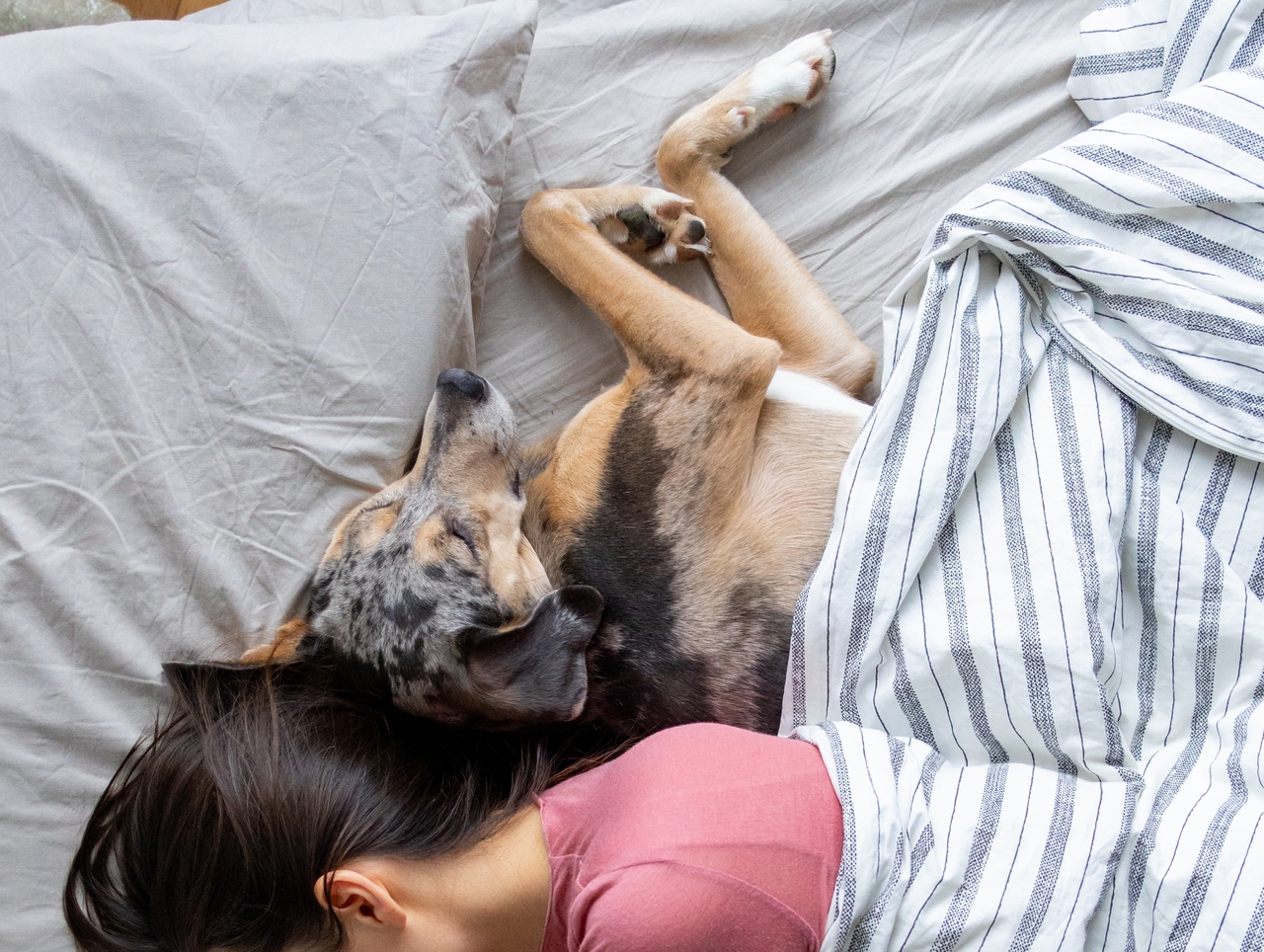
Dogs know to offer comfort when their owners cry
Dogs do not simply ignore their owners when they cry.
A research team at Goldsmiths, University of London published results in the journal Animal Cognition in 2012 from an experiment involving 18 pet dogs.
The team had owners or strangers pretend to cry in front of the dogs, hum an unfamiliar tune, or hold an ordinary conversation.
When a person cried, dogs were far more likely to look over, approach and make physical contact than when the person was humming. When someone was simply having a conversation, not a single dog approached.
Even when a stranger cried, the dogs did not go to their owner — they approached the crying person, sniffing, nuzzling and licking. Most lowered their bodies and moved in with a calming manner.
Deborah Custance, a professor at Goldsmiths, University of London, said that "the sight of their owner crying may carry greater significance for dogs."
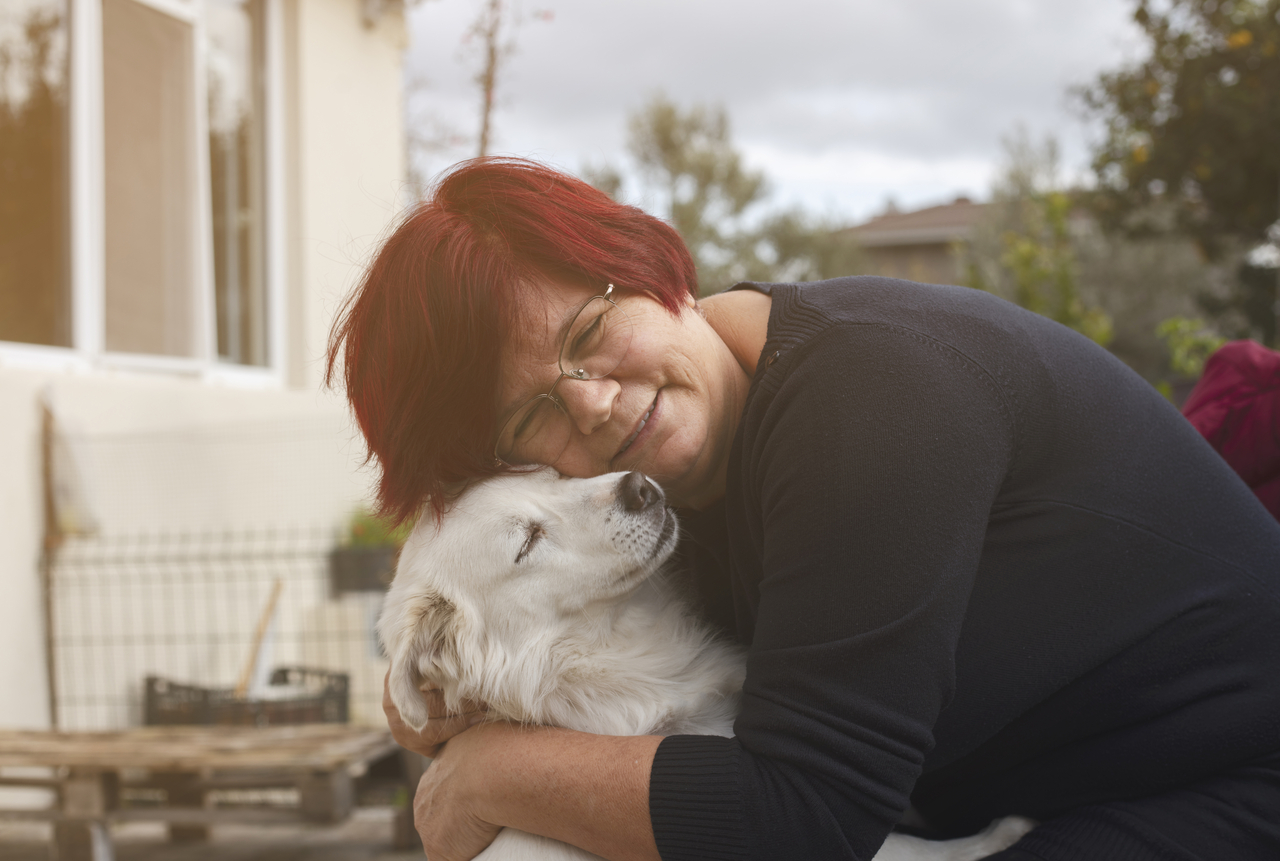
A research team at Queen's University Belfast published a study in the journal PLOS ONE in 2022 showing that dogs can distinguish the smell of human stress.
The team induced stress in 36 participants by having them solve rapid mental arithmetic problems, then collected samples of their breath and sweat on gauze pads both before and after the task.
Four trained dogs were presented side by side with samples from the same person taken in a relaxed state and in a stressed state, and consistently selected the stressed sample. They identified the correct sample 675 out of 720 times, for an accuracy rate of 93.75 percent. On samples they had never encountered before, accuracy reached 94.44 percent.
The research team said that "sudden negative stress alters the smell of a person's breath and sweat."
The Custance research team said that while the dogs' behavior resembles empathy, the simplest explanation is that it reflects a combination of emotional contagion — the human's distress transferring to the dog — and a learned association built up over time from being praised for approaching someone in distress.
dbsdn1110@heraldcorp.com




