
Overseas crypto cards a blind spot for tax authorities
NTS to collect retail payment data via international information exchange
Bank of Korea warns of tax evasion risks from overseas crypto cards
Authorities to verify taxable gains and reported income once taxation begins
NTS vows strict action, including audits, if tax evasion is confirmed
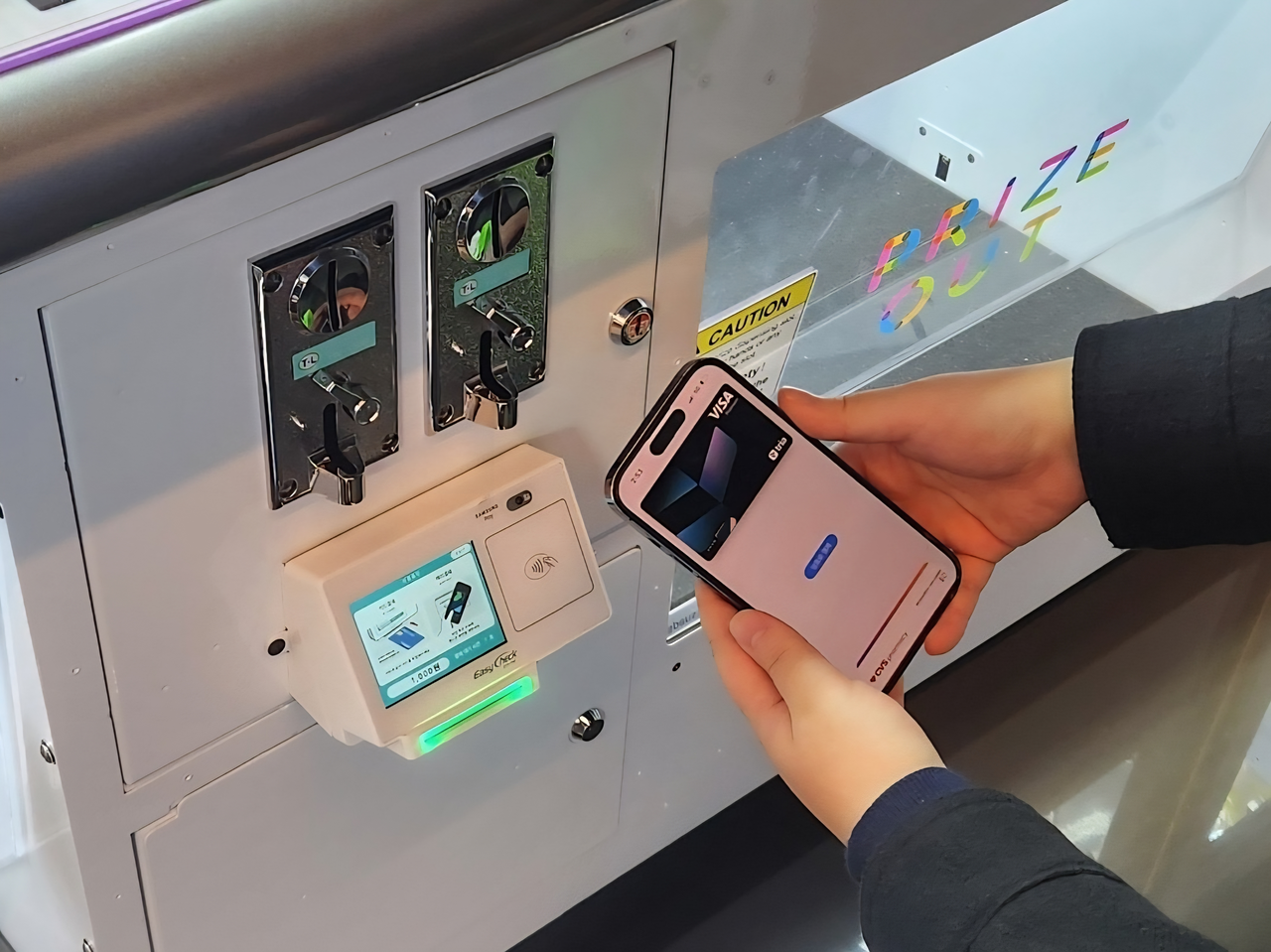
The National Tax Service is moving to examine payment records from overseas-issued crypto cards, which have long fallen outside the reach of domestic tax enforcement. Following the Bank of Korea's warning that such cards could be used to conceal fund movements or circumvent tax regulations, the NTS has confirmed to the National Assembly that it will secure payment data through international cooperation.
Written responses submitted by NTS commissioner nominee Ahn Deok-su to a confirmation hearing — obtained Saturday through the office of Democratic Party of Korea lawmaker Kim Nam-jun, a member of the National Assembly's Finance and Economy Planning Committee — show the NTS plans to collect retail payment transaction data subject to reporting under the Crypto-Asset Reporting Framework, with the first information exchange scheduled for 2027. The move comes after the agency found it could not obtain the data directly, as overseas card companies face no legal obligation to submit card information to Korean authorities.
Overseas crypto cards work by converting a user's virtual assets into legal tender abroad and processing payments through international card networks such as Visa and Mastercard. They can be used at domestic merchants just like any other foreign-issued card. While Korean financial firms remain at the pilot stage due to gaps in regulations governing stablecoin payments, overseas-issued crypto cards have been quietly penetrating the domestic payments market by riding existing card networks.
Authorities have struggled even to gauge how widely the cards are being used. The Bank of Korea receives quarterly data from the Credit Finance Association on domestic card spending and card counts by non-residents, broken down by overseas issuer, but said that data alone cannot identify payments funded by virtual assets. Legal constraints also make it difficult to demand separate data from overseas operators, leaving authorities unable to compile figures on crypto card issuance and usage. The NTS has similarly been limited in tracking related transactions, as it cannot obtain payment records directly from foreign card companies.
The data gap has fueled concerns that overseas crypto cards could be exploited as a tool for tax evasion. Even when virtual assets held in personal wallets or on overseas exchanges are used for card payments, the transactions appear in domestic card usage records as ordinary foreign card payments. That makes it structurally difficult for tax authorities to determine whether gains from disposing of virtual assets during payment, or unreported income, were involved.
The cards are also being quietly shared as a workaround to avoid tax regulations. One common practice involves using Tether (USDT) holdings to pay for luxury goods or high-end alcohol in countries such as Japan via a crypto card, bypassing the need for a separate currency exchange. The Bank of Korea has also flagged the potential for misuse in gift tax avoidance — citing cases where a wealthy domestic asset holder loads Tether onto an overseas-issued crypto card and hands it to a child, who then uses it to cover expenses such as overseas summer camp fees.
In response, the NTS said it plans to use payment data secured through international cooperation starting next year for future tax verification. The agency told the National Assembly it would examine, once taxation on virtual asset income takes effect, whether capital gains arising from payments are subject to tax and whether reported income is appropriate. It added that "if tax evasion is confirmed during the verification process, we will respond strictly through tax audits and other measures."
The NTS also said it will step up scrutiny of virtual assets transferred overseas.
The agency plans to cross-reference data from the Crypto-Asset Reporting Framework with overseas financial account disclosures and foreign exchange transaction records to trace unreported income linked to virtual assets moved abroad. For areas where transaction records are difficult to access directly — such as personal wallets and decentralized finance, or DeFi — the NTS said it will introduce transaction-tracing programs and train specialists to analyze blockchain records. It also plans to build an integrated analysis system capable of detecting signs of tax evasion in virtual asset transactions by the end of the year.

forest@heraldcorp.com
kyoung@heraldcorp.com




