Our Neighborhood Police Station (16): Seoul Dongjak Police Station
In its 81st year, the Korea National Police Agency continues to serve communities across the country. The Herald Business is introducing all 31 police stations in Seoul.
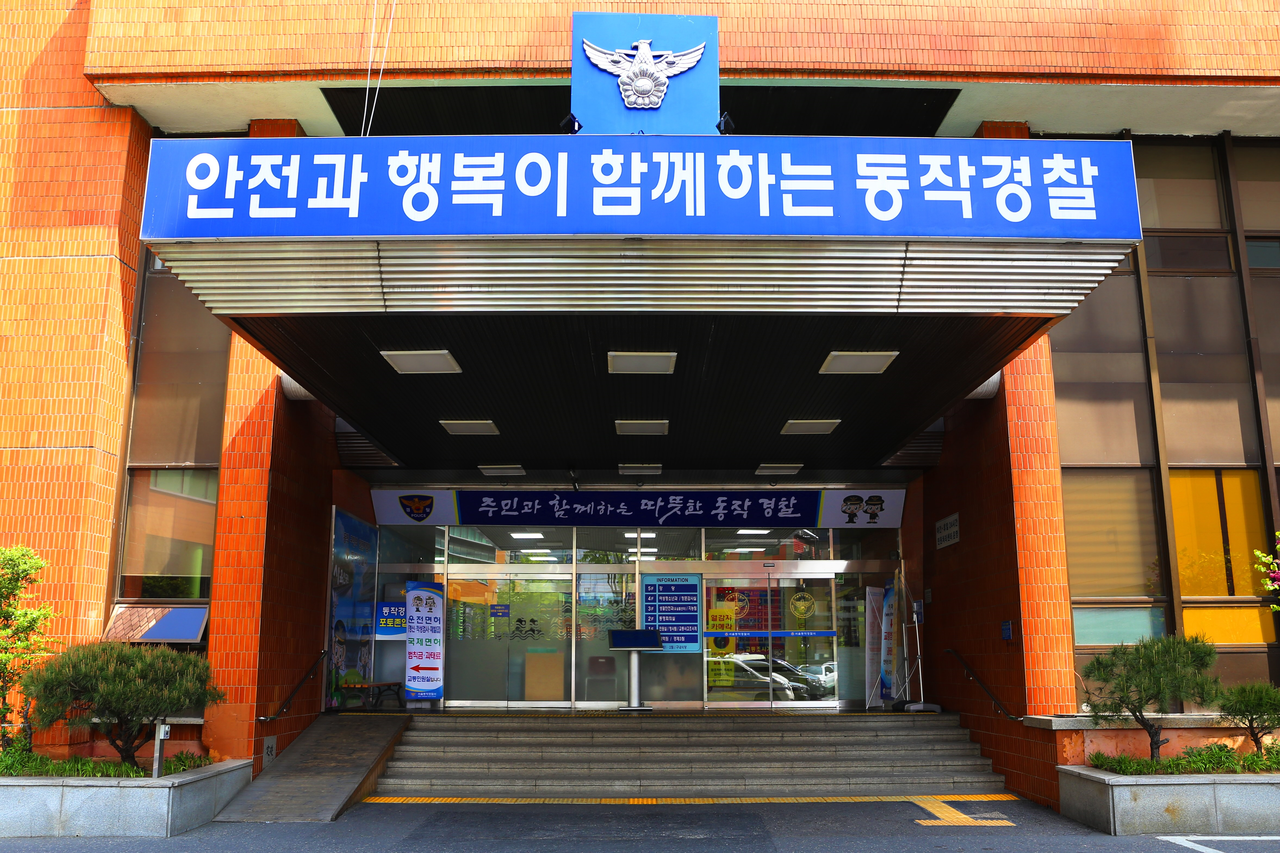
"How long have you been an investigator?"
A prosecutor looked up from a case file and asked the question out of nowhere. Reading through the investigation report that police had submitted, the prosecutor had been struck by how clearly the key issues and evidence were laid out — and wanted to know who had written it. The answer was unexpected: the report was the work of a rookie officer with barely two years of investigative experience. The prosecutor reportedly said it was among the best investigation records ever seen.
Dongjak Police Station is a place where investigators study hard. The station runs its own in-house training program called "Sutopia." The curriculum goes beyond day-to-day investigative practice, covering how prosecutors decide whether to indict and how courts evaluate and admit evidence. In Noryangjin — a neighborhood packed with students cramming for civil service exams, including the police officer exam — the working officers are doing their own cramming to sharpen their investigative skills.
Dongjak Police Station, which marks its 60th anniversary this year, has deep roots in Noryangjin. It opened in 1966 as Noryangjin Police Station after splitting off from Yeongdeungpo Police Station, and was renamed Seoul Dongjak Police Station in 2006. Its jurisdiction covers the Noryangjin hagwon district — a hub for students preparing for civil service and bar exams — as well as Noryangjin Fish Market and Seoul National Cemetery. The station is responsible for public safety across neighborhoods with very different characters. Each officer covers an average of 564 residents among Dongjak-gu's population of about 380,000, while the 18 subway stations within the district see a combined daily foot traffic of roughly 570,000 people.
With such varied public safety demands, crime prevention efforts are correspondingly thorough. The station has designated 16 women's safe-return routes, four crime prevention reinforcement zones and 20 crime prevention management zones. Working with Dongjak-gu, it has built a system for locating and tracking missing persons using closed-circuit television footage, and operates "Dongjak Live Guardians," a community watch network involving 14 local organizations and about 97,000 residents.
Faces of Dongjak Police Station
Detective Park Ki-tae, the officer who built an in-house training program to sharpen investigative skills
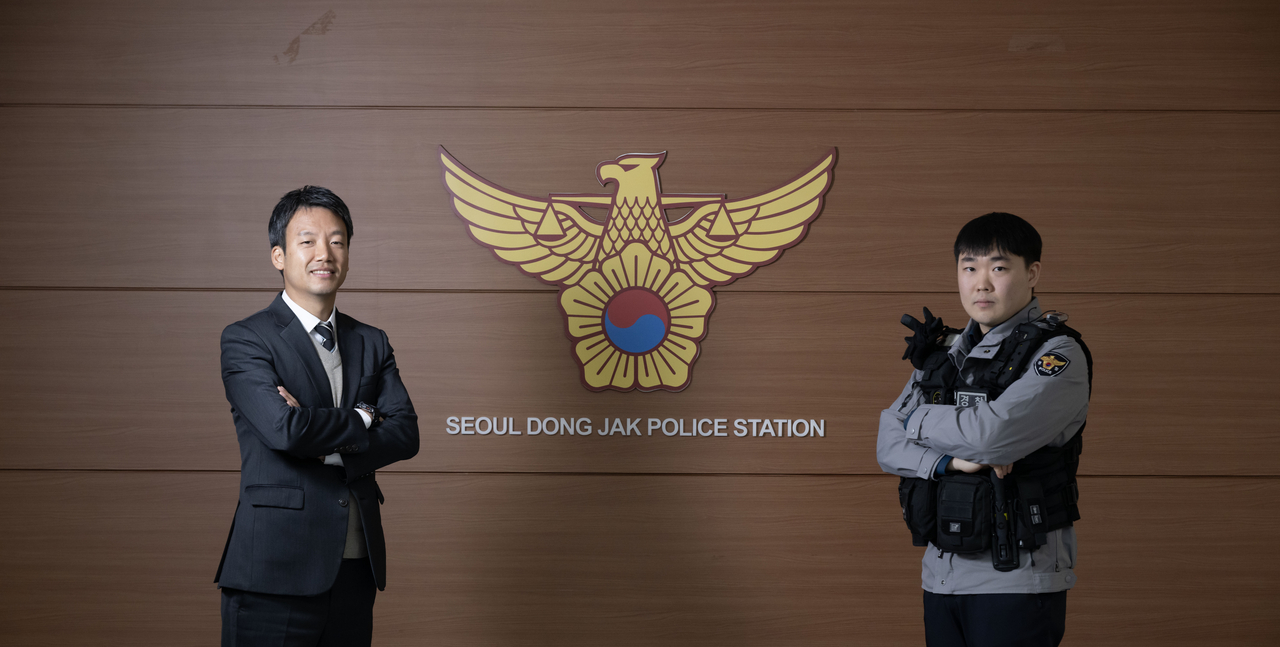
Dongjak Police Station's push to strengthen investigative capabilities reflects a broader shift in the criminal justice system. Institutional changes — including the launch of a new public prosecution office and the establishment of a serious crimes investigation agency — have expanded the responsibilities and role of police investigators. The station recognized that officers needed to understand not just their own procedures but also how prosecutors decide to indict and what standards courts apply when admitting evidence.
"Sutopia" did not come from the top down — it grew out of the concerns of investigators on the ground. Detective Park Ki-tae ran the program for rookie investigators with five or fewer years of experience, holding seven sessions from March through September this year, once a month, five hours each. The name blends the Korean word for "investigation" with "utopia," capturing the ambition to build an investigation unit where everyone wants to work.
"Police know the basic procedural manual — taking complaints, investigating cases, sending them to prosecutors — but it's hard to know what makes a prosecutor decide to indict, or what they think is missing," Park said. "I believed that understanding the indictment and trial process would make our investigations more thorough."
The curriculum ranged well beyond investigative basics, tracing the full path a case takes before reaching a courtroom. Sessions covered indictment procedures, search and seizure, arrest and detention, the standards prosecutors use when deciding whether to charge, and real examples of evidence being admitted or excluded at trial. Park drew on case files and evidence records from cases personally handled in the past, using actual court rulings as teaching material.
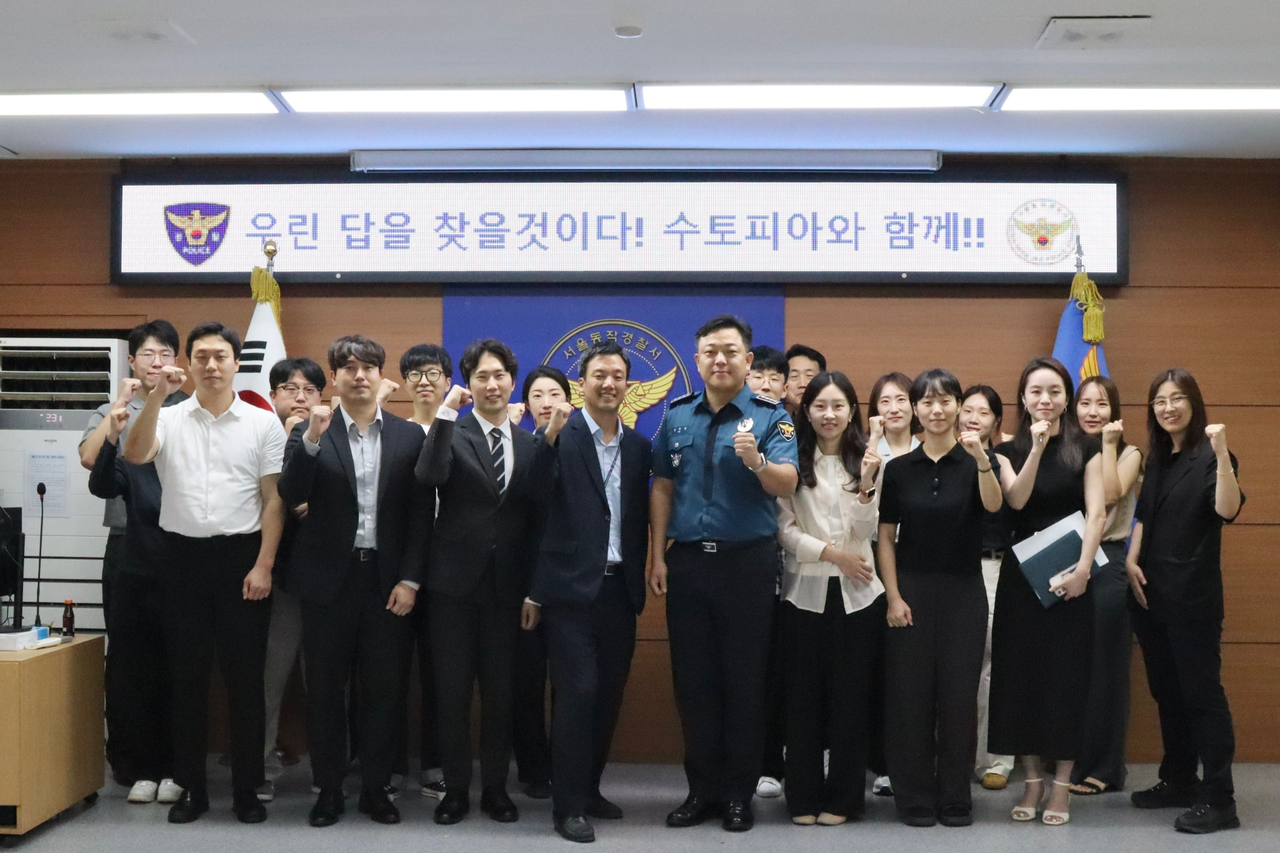
The results showed up in the field. One rookie investigator wrote a case report with the indictment process in mind — and that was the report that prompted a prosecutor to ask about the officer's experience. "Investigators said their perspective on cases broadened once they understood the indictment and trial process," Park said.
The program drew one unexpected student. Station Chief Kim Du-seong — a Korea National Police University graduate who also passed the bar exam and holds a law license — took a front-row seat at every session, adjusting his glasses and carefully taking notes. "The chief showed by example the spirit of learning from those below you, no matter your rank," Park said with a smile.
Park is already preparing a second season of Sutopia. The new curriculum will center on fraud, embezzlement and other cases the investigation unit handles most often, focusing on identifying the key legal issues in each type of offense and the investigative approaches that follow. "If you miss the core issue, you end up doing unnecessary work or having to start the whole case over," Park said. "But if you nail the issue, you've already cleared most of the hurdle."
Officer Park Jae-beom, who caught a voice-phishing cash courier
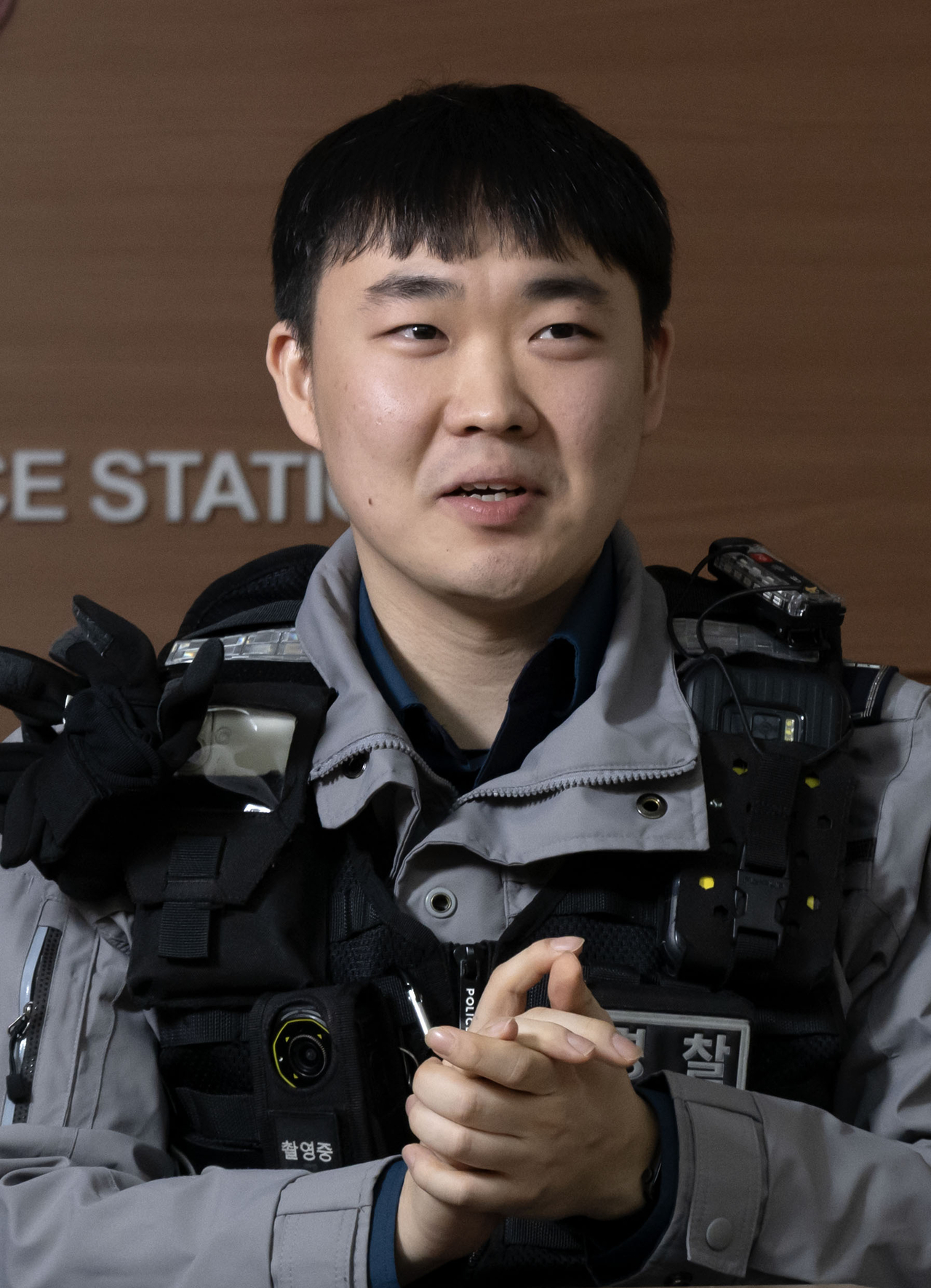
At 2:36 p.m. on Sept. 16, an urgent radio call crackled through the walkie-talkie of Officer Park Jae-beom as he patrolled near Namseong Station in Dongjak-gu. A suspect believed to be a voice-phishing cash courier was reportedly receiving a bundle of cash from a woman nearby. It was outside Park's assigned zone, but he was the closest officer on the ground and responded immediately.
His patrol car reached the scene within one minute of the call. When officers approached for questioning, the suspect fled on foot. The two officers gave chase and apprehended the suspect. Inside the bag: gold and roughly 80 million won ($59,600) in cash.
It was the first time Park — a rookie assigned to the station in February this year — had personally chased down and caught a suspect. "From the moment we got the call to the arrest, it was only a matter of minutes," he said. "Every second was tense and nothing came easy, but the field experience and know-how that my veteran sunbae officers had passed on made a real difference when it counted."
Park had previously encountered a voice-phishing case in which the victim had already transferred about 100 million won before reporting the crime — money that was beyond recovery by the time officers arrived. "I felt deeply sorry for the financial and emotional suffering that voice-phishing victims go through," Park said. "This case reminded me again of how important it is to catch the people involved on the scene and prevent further harm." Park urged the public to be cautious whenever anyone claiming to be from a public institution asks for cash or valuables.
It was a police officer who first inspired Park to pursue the job. As a middle school student in the Bongcheon-dong redevelopment area, Park was nearly attacked by an assailant. The officer who responded to that call — arriving quickly, keeping Park safe and offering comfort — left a lasting impression. Now Park wants to be that kind of officer for someone else. "I want to give back to the people I serve," he said, "and above all, to be an officer who can get there even faster."
newday@heraldcorp.com