Nearly half of China's AI computing resources targeted by new US controls
OpenAI, Anthropic step up crackdown on model distillation by Chinese firms
DeepSeek warns tech gap with US could widen to 9 months
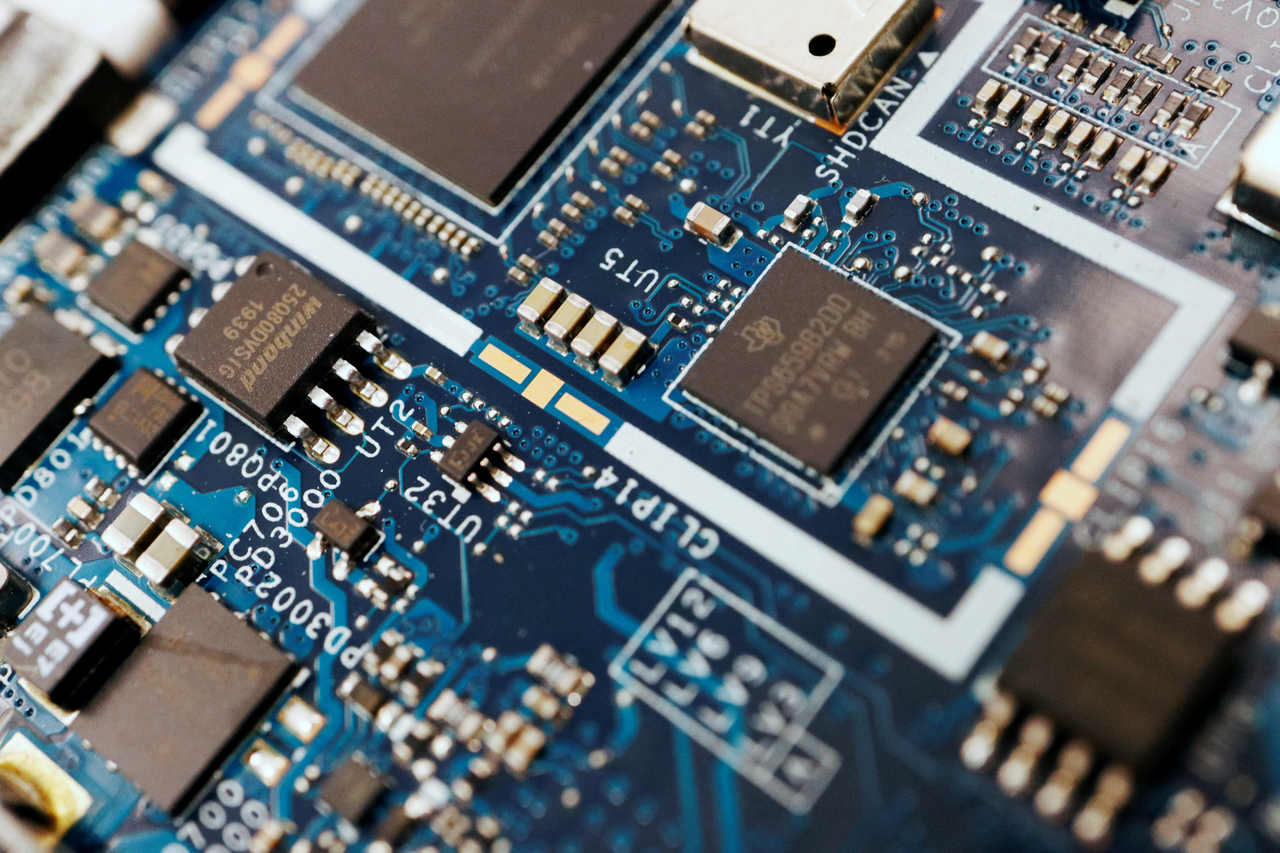
A convergence of moves by the Donald Trump administration — blocking remote access to Nvidia chips and cracking down on "distillation," the practice of training new AI models on the outputs of existing ones — could tilt the US-China AI rivalry further in Washington's favor, analysts say. US AI companies are also expected to benefit as computing resources that Chinese firms can no longer access become available to American players.
The Wall Street Journal reported Thursday that the US government's recent revision of export control regulations marks a significant turning point in its bid to maintain dominance in the AI race against China, effectively cutting off key pathways through which Chinese companies have been acquiring advanced AI semiconductors.
Earlier, the Commerce Department on Nov. 16 announced a rule barring Chinese companies from remotely renting advanced Nvidia chips through overseas data centers; the rule took effect three days later. Alongside this, Anthropic and OpenAI have been more aggressively policing distillation attempts since September, with the back-and-forth between the companies and Chinese rivals resembling a game of whack-a-mole, The Information reported.
On top of that, Nvidia's chip resellers have adopted a policy of refusing to supply chips to any cloud provider that leases even a small amount of computing capacity to Chinese companies, CNBC reported Thursday, citing multiple sources. Nvidia had already applied its own internal guideline cutting off chip sales to cloud providers that lease more than 50 percent of their GPU computing capacity to Chinese firms — but the resellers are taking an even harder line by excluding Chinese customers altogether.
According to the Institute for Progress, a US think tank, roughly 24 percent of China's total AI computing resources are obtained through remote access to overseas data centers, while an estimated 22 percent come through smuggled semiconductors. Taken together, US enforcement efforts are squarely targeting channels that supply nearly half of China's entire AI computing capacity.
"Nvidia semiconductors that Chinese companies can no longer access could flow to American companies struggling to build data centers at home," the Wall Street Journal said, adding that the measures could simultaneously weaken China's AI development capabilities while helping US firms secure more computing resources.
The Information also reported Thursday, citing multiple sources, that US government enforcement actions are stalling and delaying the development of Chinese AI models.
One source said that within DeepSeek, internal estimates suggest that if distillation from US models is completely blocked, the gap between DeepSeek and America's top models could widen from the current three to six months to as much as nine months.
Chinese companies have been obtaining Nvidia's most advanced chip, the Blackwell, through smuggling or remote access to overseas data centers. Moonshot AI has already withdrawn from a $150 million contract for Blackwell access through a data center in Indonesia, sources said.
The Wall Street Journal nonetheless projected that tightened US enforcement will further widen the AI technology gap between the two countries. Researchers in both the US and China currently estimate that American AI models are roughly six months ahead of their Chinese counterparts.
Kevin Curland, a former official at the Commerce Department's export control agency, called the new rule "a significant step to close the regulatory loophole that had allowed Chinese companies to circumvent export controls by remotely accessing AI semiconductors."
yckim6452@heraldcorp.com