
Ministry of Interior and Safety's Local Government Officials Development Institute holds graduation ceremony for long-term education program
AI hands-on training and field-based problem-solving sharpen practical administrative skills
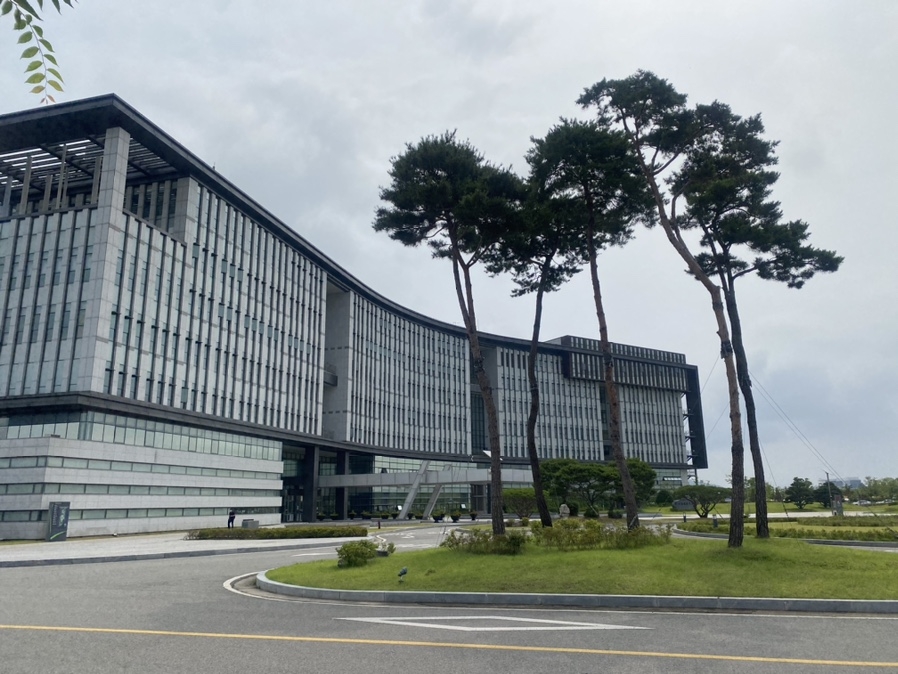
The Ministry of Interior and Safety's Local Government Officials Development Institute held a graduation ceremony Friday at its main auditorium in Wanju-gun, North Jeolla Province, announcing that 389 local civil servants had completed its 2026 long-term education program with both AI capabilities and field response skills.
The long-term education program is a 10-month course for director- and division chief-level civil servants at provincial and municipal governments, designed to build the leadership competencies required of local government leaders.
This year, the program operated around two core pillars — improving AI proficiency and strengthening field-centered problem-solving — under the goal of developing practical, solution-oriented talent that grows alongside local governments.
In response to the sweeping changes brought by the AI transformation of the administrative environment, the institute expanded hands-on AI training tailored to participants' rank and skill level. For the first time, it also introduced practical assignments linked to national policy priorities and regional issues, along with achievement assessments, to improve the program's real-world effectiveness.
Training content was differentiated by job role: senior managers focused on policy planning and decision-making, while middle managers concentrated on applying administrative services in the field, building skills immediately applicable to actual work.
An "AI champion" certification incentive system was also introduced to encourage participants to strengthen their capabilities voluntarily. Graduates are set to return to their home agencies and lead the spread of AI-driven administration in their regions.
Practical, field-based learning — finding answers directly on the ground — was woven throughout the program to raise its overall quality.
Participants visited regions with outstanding policy cases through on-site research trips and attended field seminars that brought in local stakeholders and experts. Through these activities, they examined the factors behind successful policies and developed concrete plans to apply those lessons to pressing issues in their own local governments.
As a result, participants produced substantive policy alternatives addressing urgent community challenges — including strengthening the self-sufficiency of small businesses, revitalizing neighborhood commercial districts, and advancing carbon neutrality for a sustainable future — demonstrating their field-centered problem-solving capabilities.
At the ceremony, top-performing participants received the Presidential Award, the Prime Minister's Award and the Minister of Interior and Safety Award, among other honors.
Minister of Interior and Safety Yun Ho-jung said in a video address that "the AI skills and field problem-solving capabilities honed over 10 months will serve as a core driving force for regional development amid a rapidly changing administrative environment," and urged graduates to "take the lead in turning the policy alternatives you have developed into outcomes that meaningfully change the daily lives of residents."
thlee@heraldcorp.com




