
- Institute holds briefing on public transit technology and policy support for local governments
- Showcases metropolitan call-bus system, AI-based fare management and smart logistics technology
The Korea Railroad Research Institute is turning to AI and big data to tackle transport and logistics challenges facing local communities across the country.
The institute held its "2026 KRRI–Local Government Public Transit Technology and Policy Support Briefing" on Thursday at LW Convention in Seoul.
The event was organized to support the government's "5 Poles, 3 Specials" balanced national development policy and to help apply public transit and logistics technologies developed through national R&D programs to regional settings.
The institute introduced a range of locally tailored transport technologies, including an integrated management system for metropolitan demand-responsive transit (M-DRT), a walk-through payment system that lets passengers pay fares without stopping, and an AI-based transit fare management system.
Also on display were RAISE, a system that quantitatively analyzes the socioeconomic value of railway infrastructure, and K-TRT, a high-capacity BRT vehicle.
The institute also unveiled TRIPS, a public transit operations support system that uses transit card big data to assess current service conditions and verify in advance the effects of route restructuring.
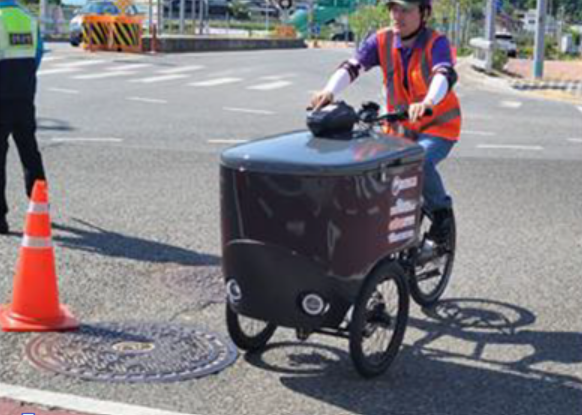
Smart logistics solutions tailored to local conditions were also presented, covering urban shared logistics linked to city rail networks, eco-friendly delivery, and logistics welfare support for areas facing population decline.
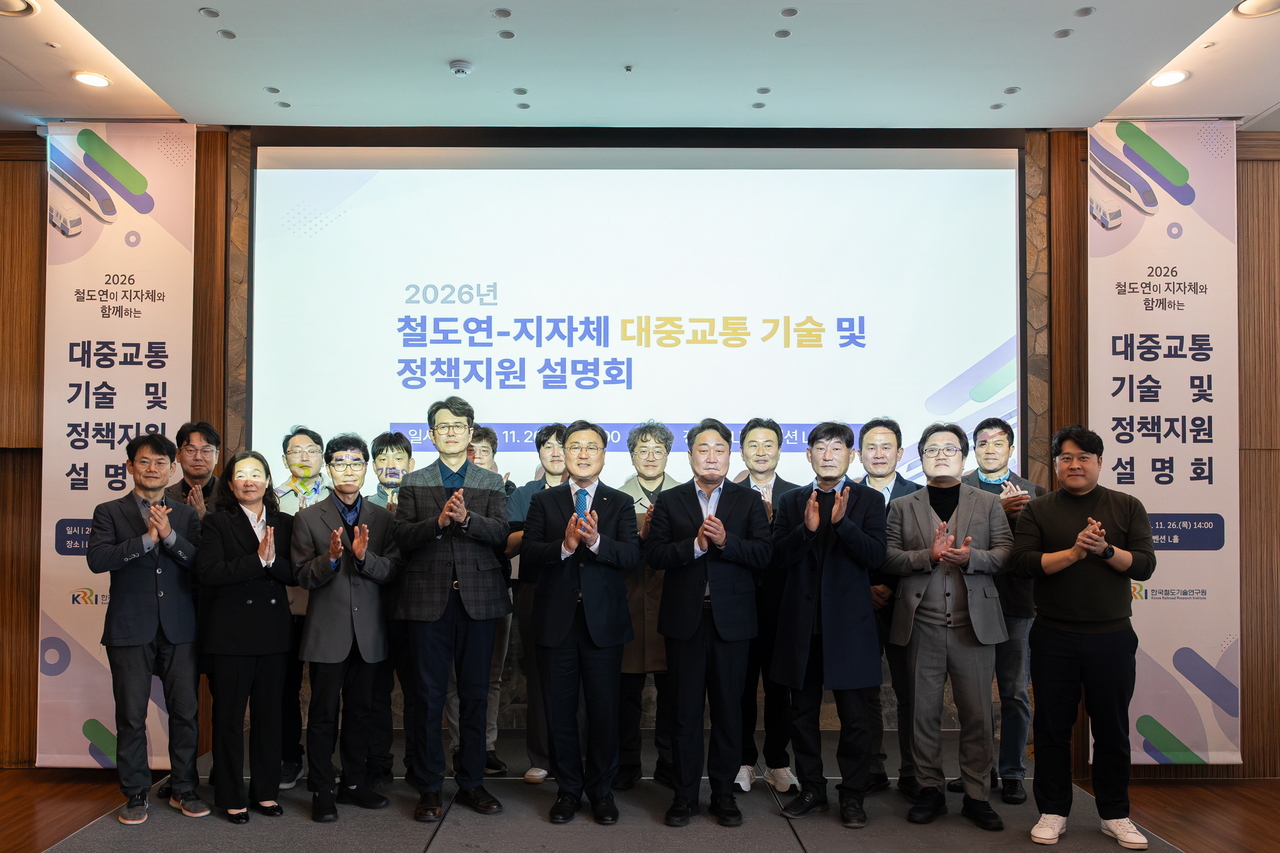
At the event, institute officials met with local government representatives to discuss regional transport and logistics issues, demand for applying research outcomes, and future cooperation plans.
Earlier, the institute had visited local governments across the country to hear firsthand about challenges in transport and logistics, and to review tailored commercialization strategies and follow-up research directions for its findings.
"We need effective transport and logistics policy and technology support that reflects the industrial, demographic and lifestyle characteristics of each region, in line with the government's balanced regional development goals," institute President Sa Gong-myeong said. "We will actively connect the institute's technology and policy support capabilities to local government needs, contributing to region-specific transport projects and improving mobility for the public."
nbgkoo@heraldcorp.com




