- Ministry of Science and ICT draws up comprehensive carbon neutrality technology innovation roadmap
- Performance checks to cover 17 technology sectors; strategic R&D investment to be strengthened
The government is moving to secure key clean energy technologies — including small modular reactors (SMR), solar, wind, hydrogen and power grids — to meet its national target of cutting greenhouse gas emissions by 53 to 61 percent from 2018 levels by 2035.
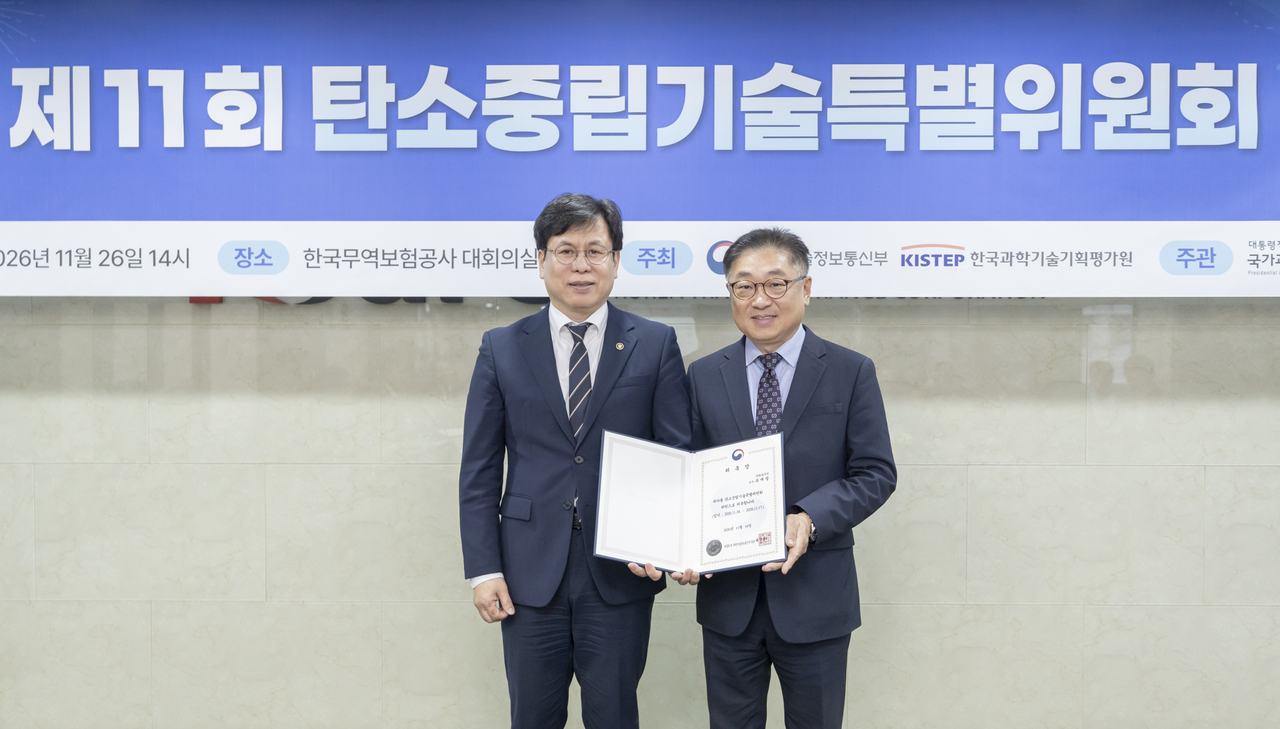
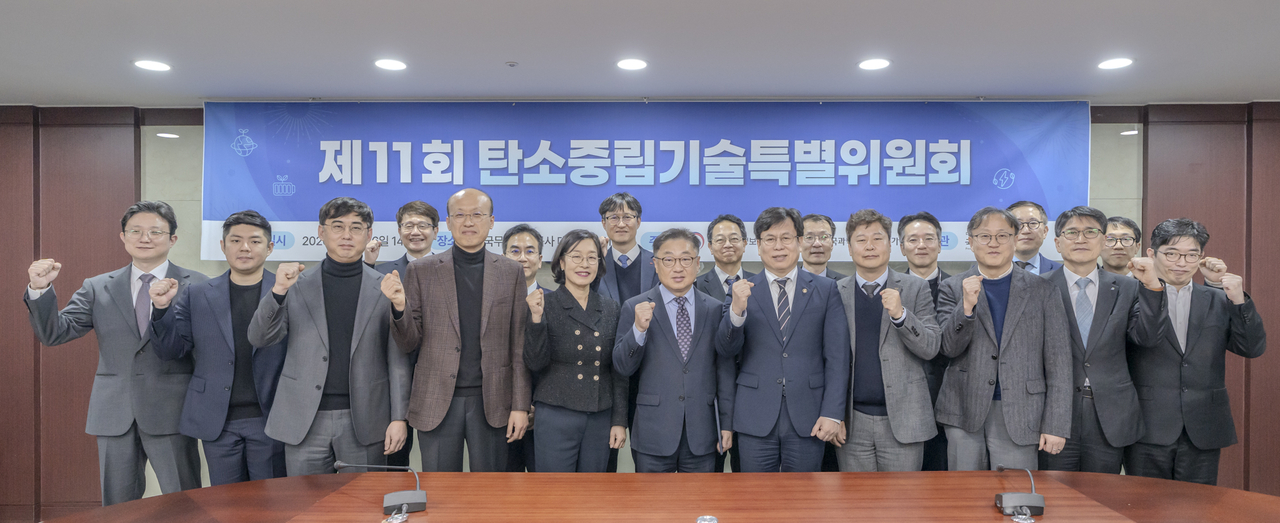
The Ministry of Science and ICT convened the 11th Special Committee on Carbon Neutrality Technology on Thursday, chaired by Park In-gyu, head of the Science and Technology Innovation Division, to discuss four agenda items including a comprehensive carbon neutrality technology innovation roadmap.
The meeting was held to mark the launch of the committee's third term. The committee coordinates cross-ministry carbon neutrality R&D policy and deliberates on technology innovation strategies to secure critical technologies.
The government has drawn up a comprehensive carbon neutrality technology innovation roadmap linking the 2035 national greenhouse gas reduction target, the Korean Green Transformation (K-GX) strategy and the seven SEED projects.
Building on strategic roadmaps established between 2022 and 2024, the plan revamps technology development goals and phased implementation plans by sector. The focus is particularly on strengthening the technological competitiveness of domestic industries and creating new growth engines through the acquisition of key future clean energy technologies.
The Ministry of Science and ICT plans to use the roadmap as the benchmark for planning cross-ministry carbon neutrality R&D projects and setting the direction for strategic investment.
Management of technology development outcomes will also be tightened. Starting next year, the government will conduct comprehensive reviews across 17 carbon neutrality technology sectors, assessing policy alignment, progress in technology development, the adequacy of R&D resource allocation and contributions to climate change response. The findings will feed into future R&D project planning and review, as well as revisions to technology development strategies and roadmaps.
The government is also reviewing plans to expand R&D policy beyond its current focus on greenhouse gas reduction to cover climate change adaptation, including climate monitoring and forecasting and strengthening climate resilience.
Global technology cooperation will be stepped up as well. A platform providing information on the technology levels of major countries, promising partner nations and sector-specific cooperation strategies — dubbed the Global Carbon Neutrality R&D Strategy Map Platform — will be upgraded in stages through 2028. The plan is to support researchers from domestic universities, industries and research institutes in using data to identify overseas joint research partners and promising areas for technology cooperation.
"Based on the carbon neutrality technology innovation roadmap, we will accelerate technology innovation in future clean energy sectors — including SMRs, solar, wind, hydrogen and power grids — to support the energy transition, and promote the strategic acquisition and on-site application of core carbon neutrality technologies," Park said.
Park added that the ministry hopes the roadmap will "serve as a foundation for the successful pursuit of the K-GX strategy and the seven SEED projects, strengthening the technological competitiveness of domestic industries and securing future growth engines."
nbgkoo@heraldcorp.com